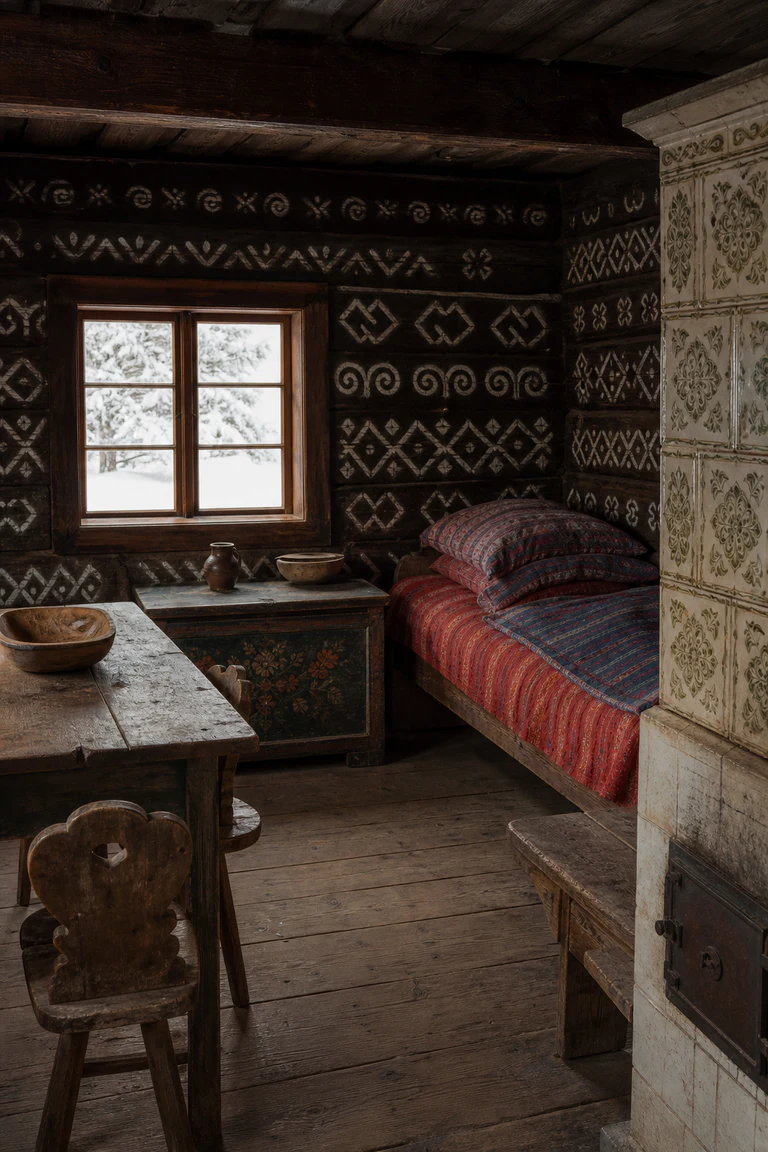
Bridge 01 · Movement and sequence
Utility in plain view
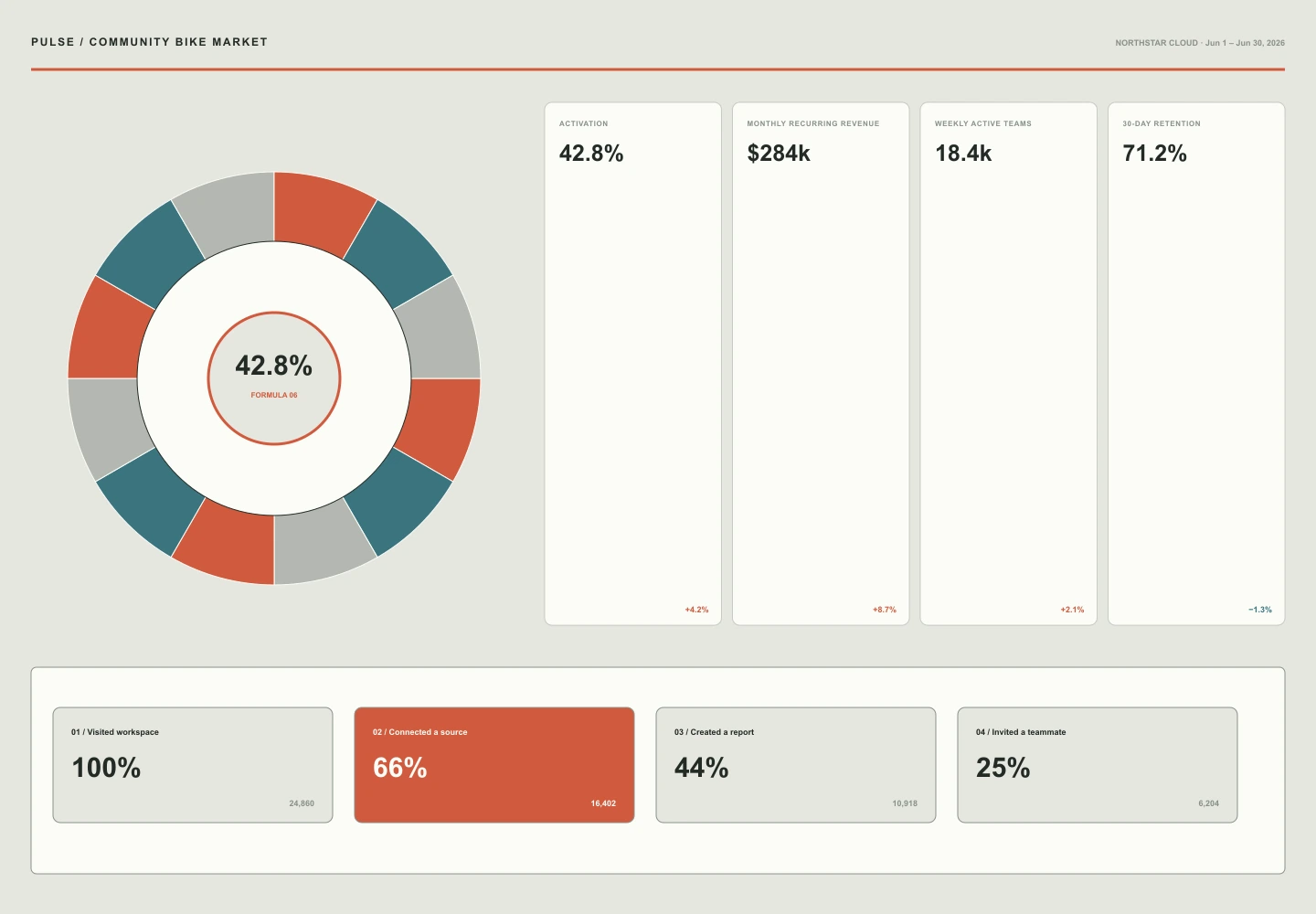
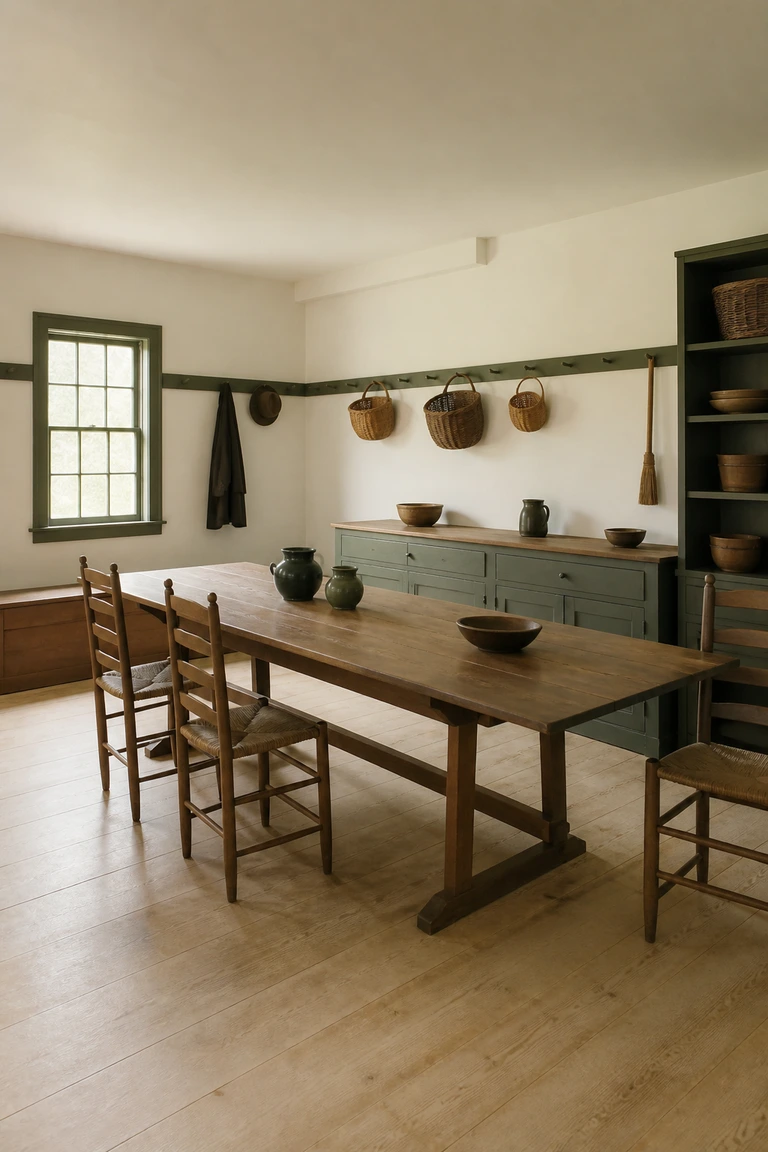
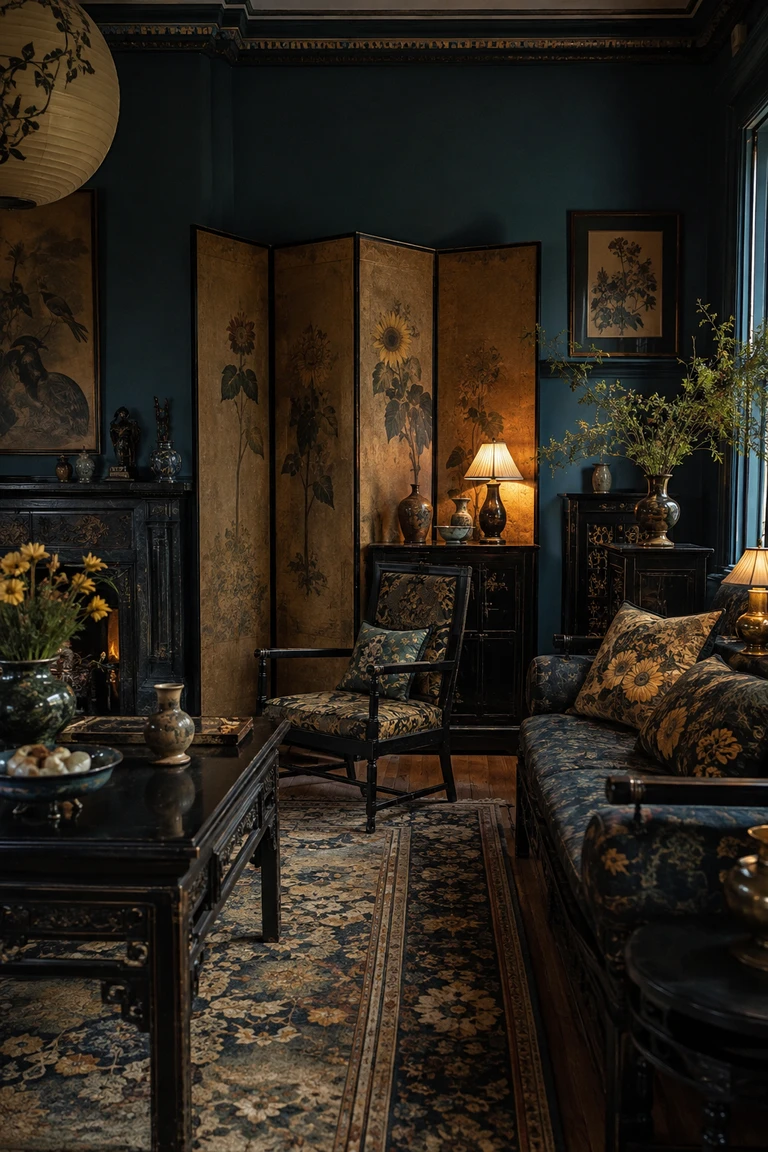
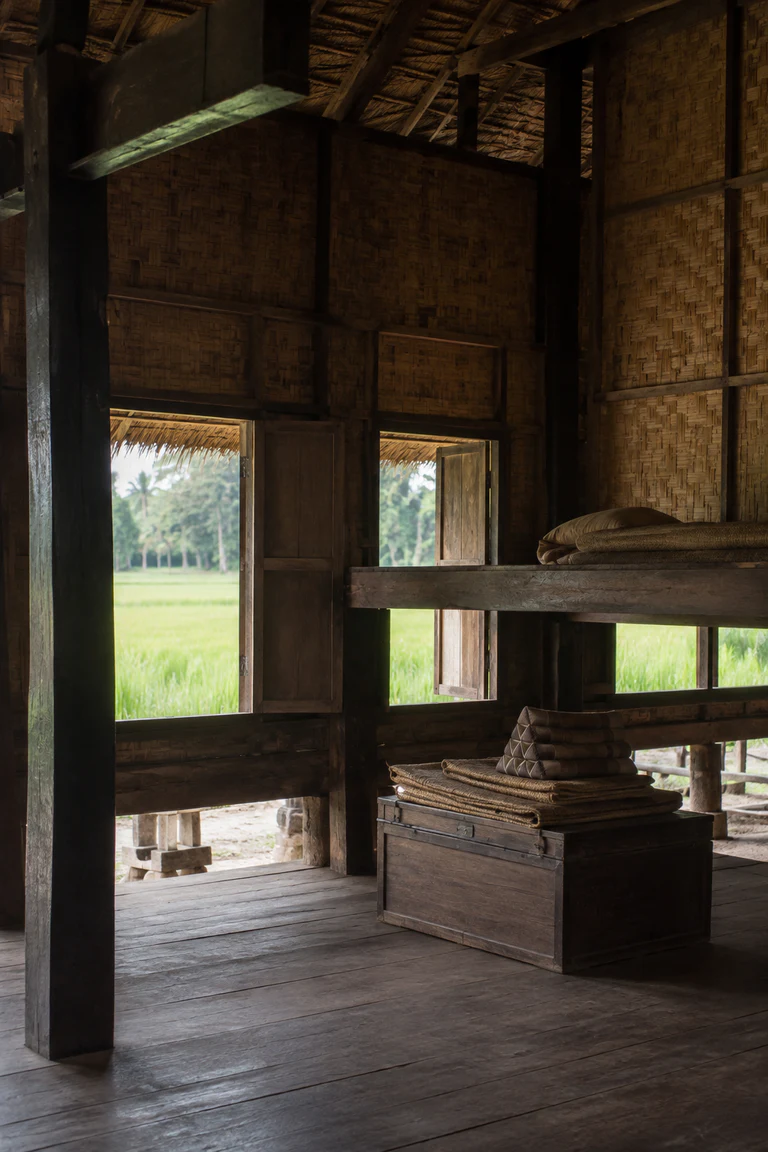
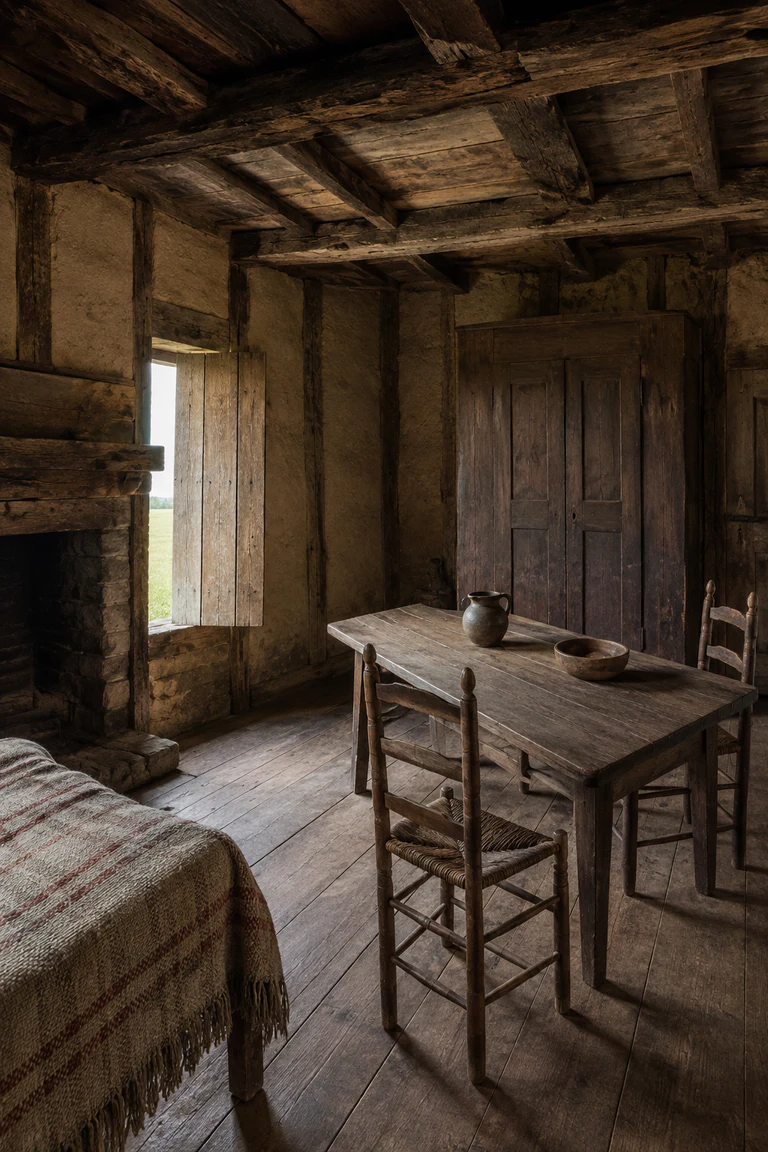
The market interface and Shaker room both make use visible: circulation is direct, components are easy to reach, and ornament follows the rhythm of repeated practical things.
168 bridges · two design archives
Index 03 · Curatorial bridges
One hundred sixty-eight pairings read digital systems and physical rooms through the same design questions—without pretending they are the same medium.
Two archives read through one set of design questions
Bridge 01 · Movement and sequence
The market interface and Shaker room both make use visible: circulation is direct, components are easy to reach, and ornament follows the rhythm of repeated practical things.
Bridge 02 · Clarity as care
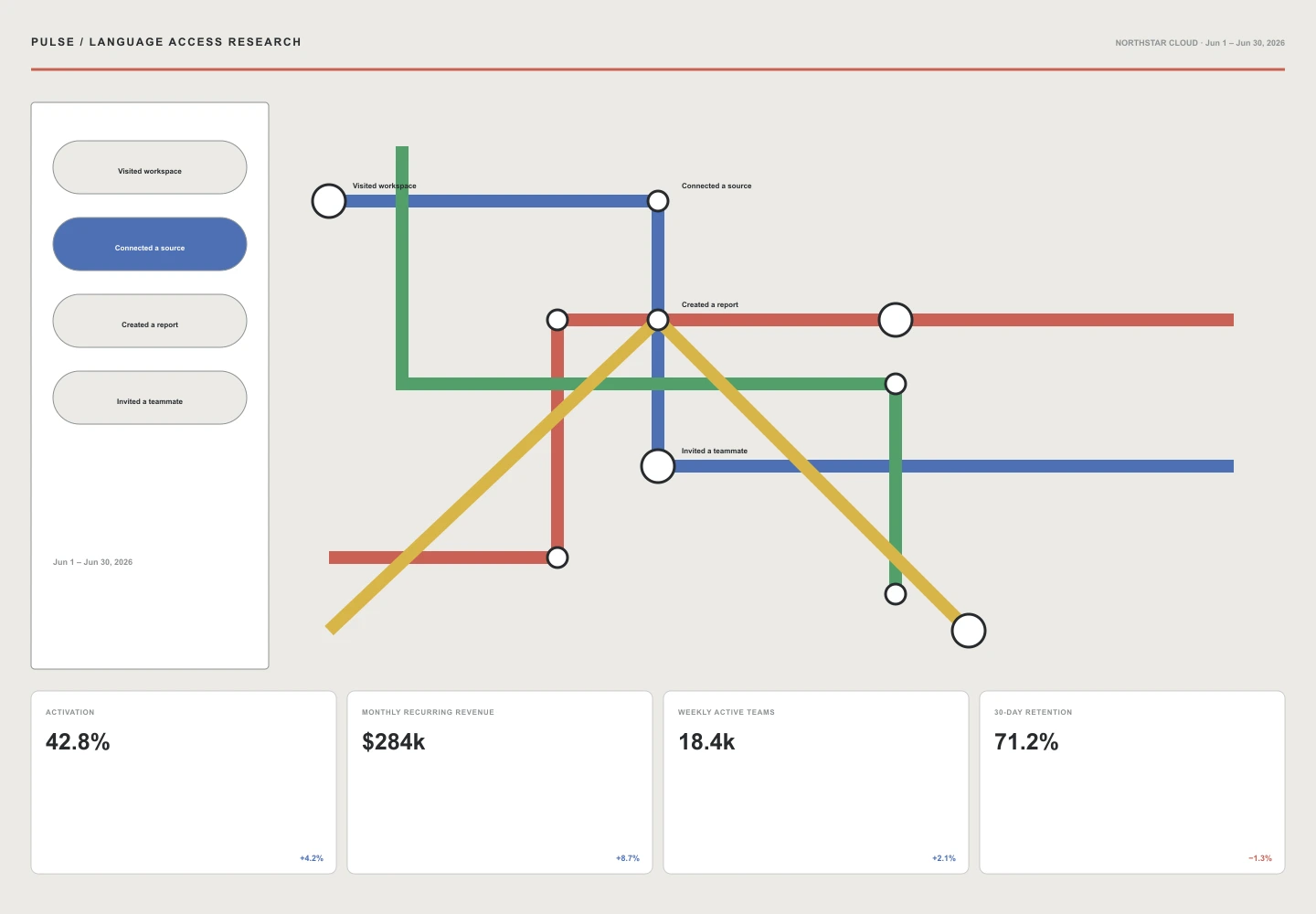
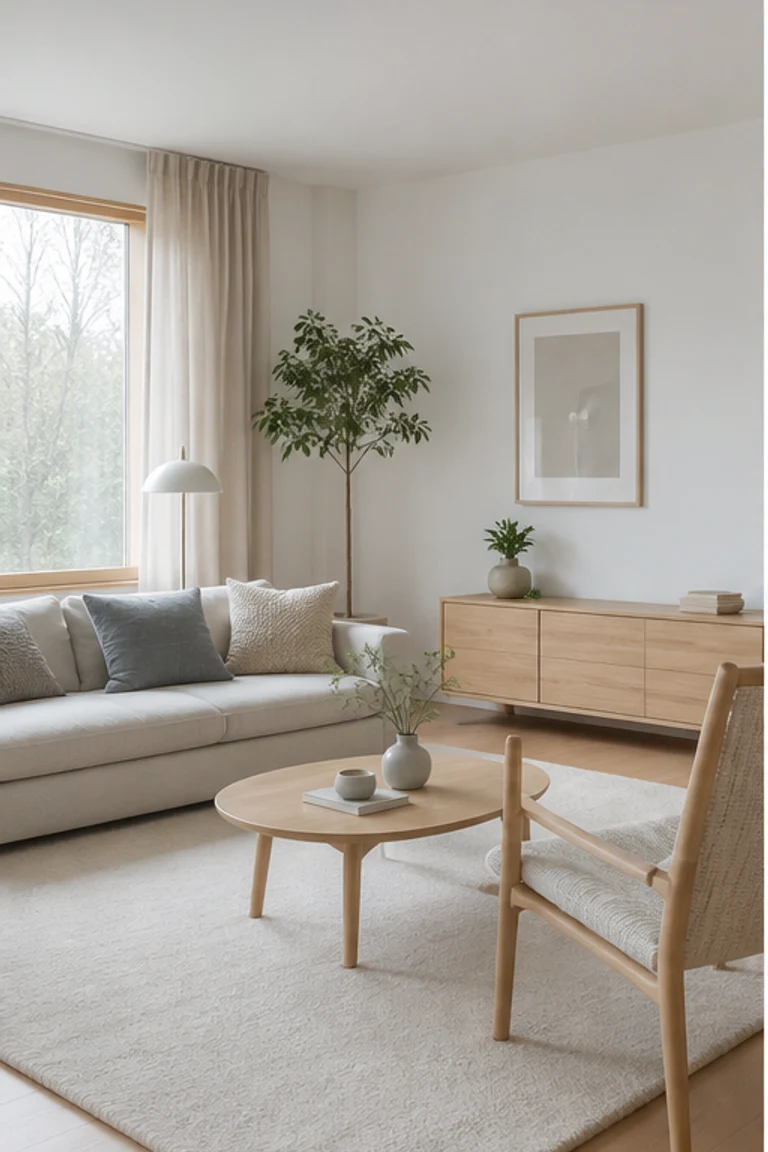
A multilingual research view and Scandinavian room each reduce interpretive effort through calm hierarchy, generous spacing, and familiar forms that remain warm rather than clinical.
Bridge 03 · Material intelligence
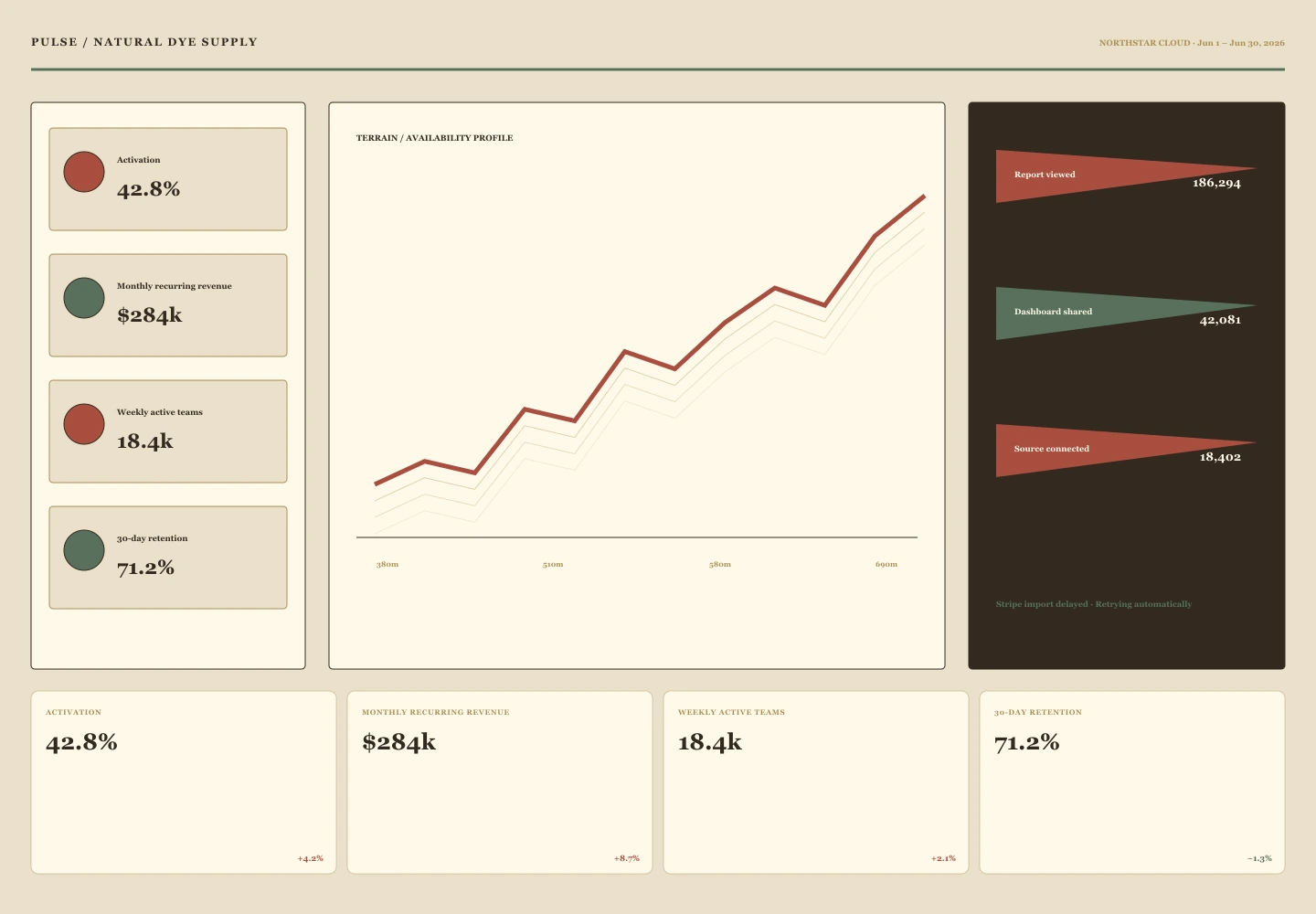
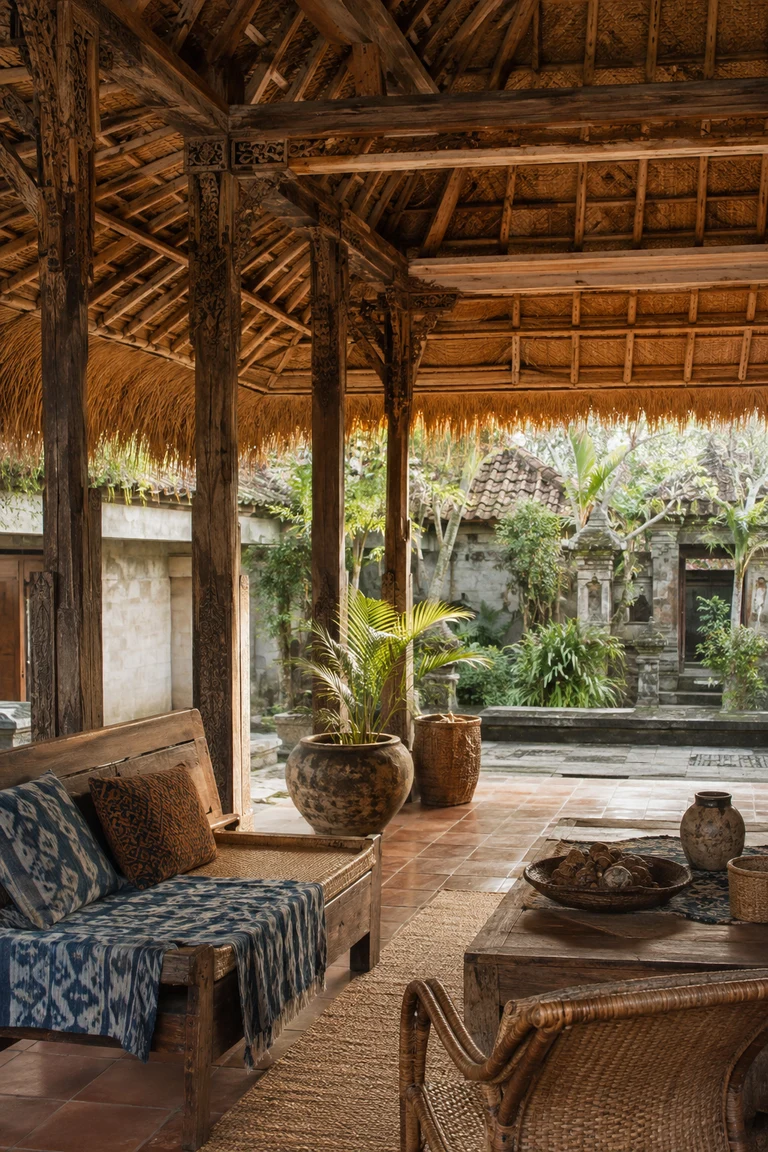
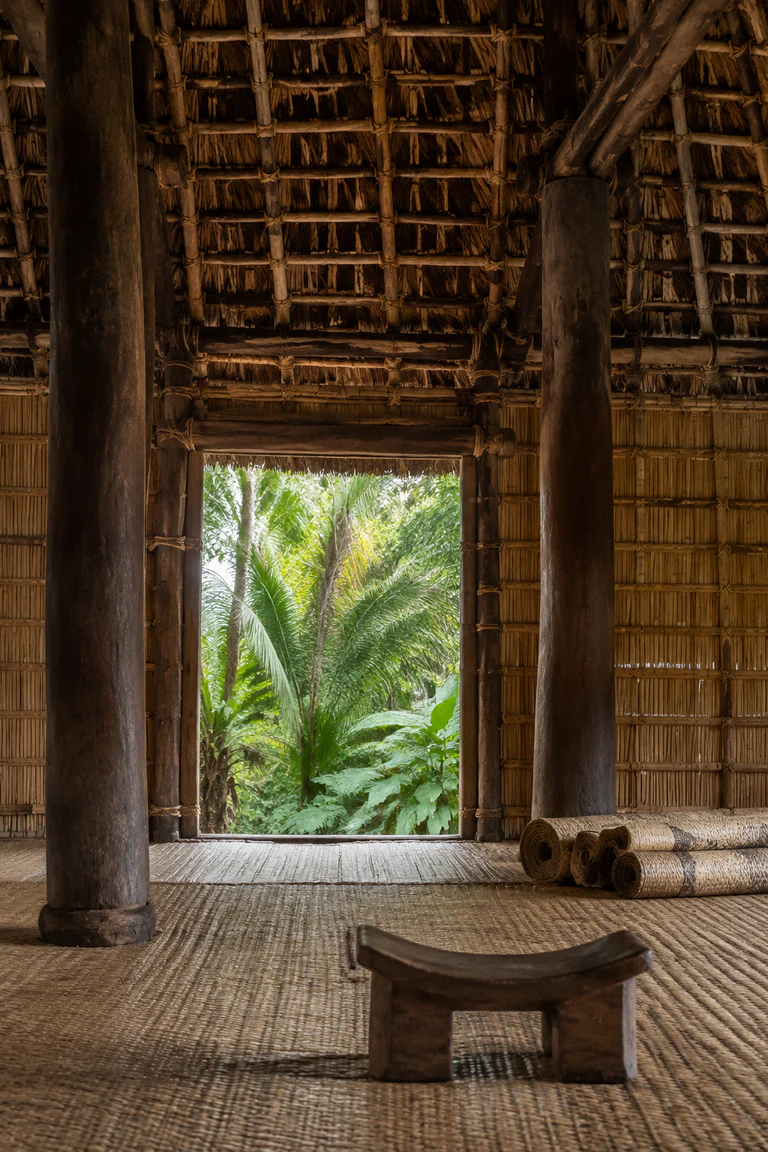
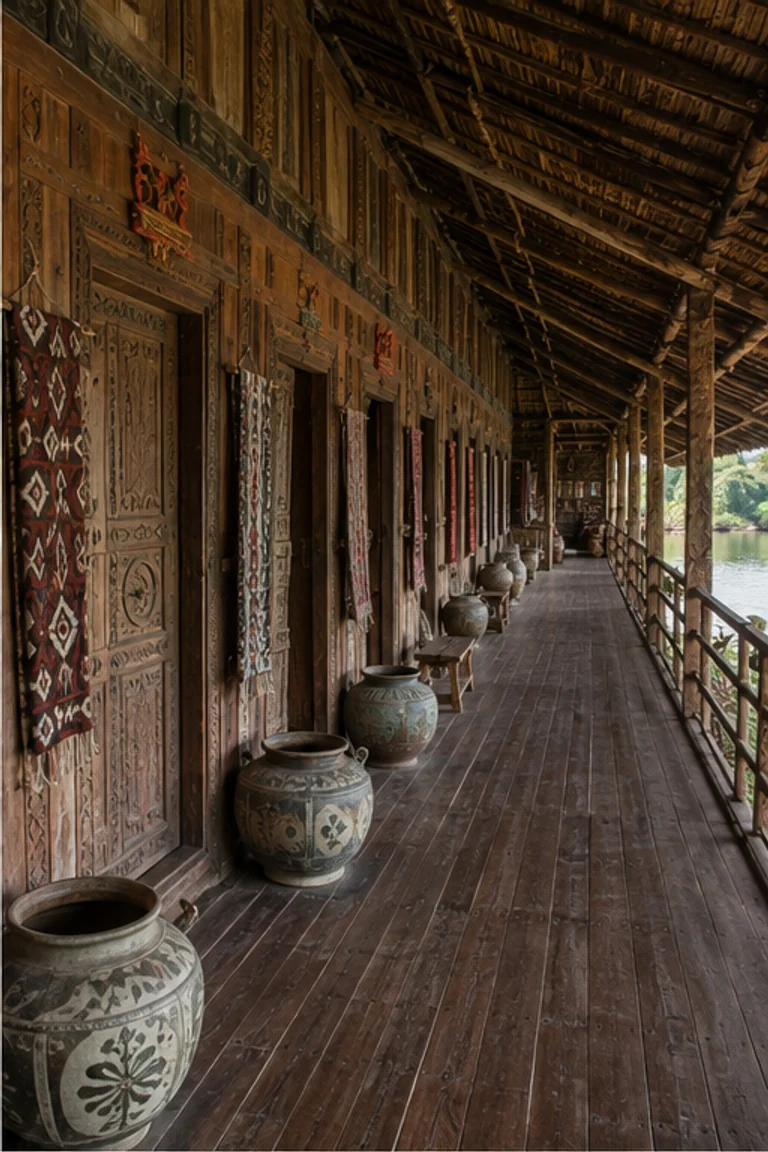
Natural dye commerce and a Balinese pavilion build colour from material origin. Pigment, fibre, timber, and weathering become the information architecture of both compositions.
Bridge 04 · Material intelligence
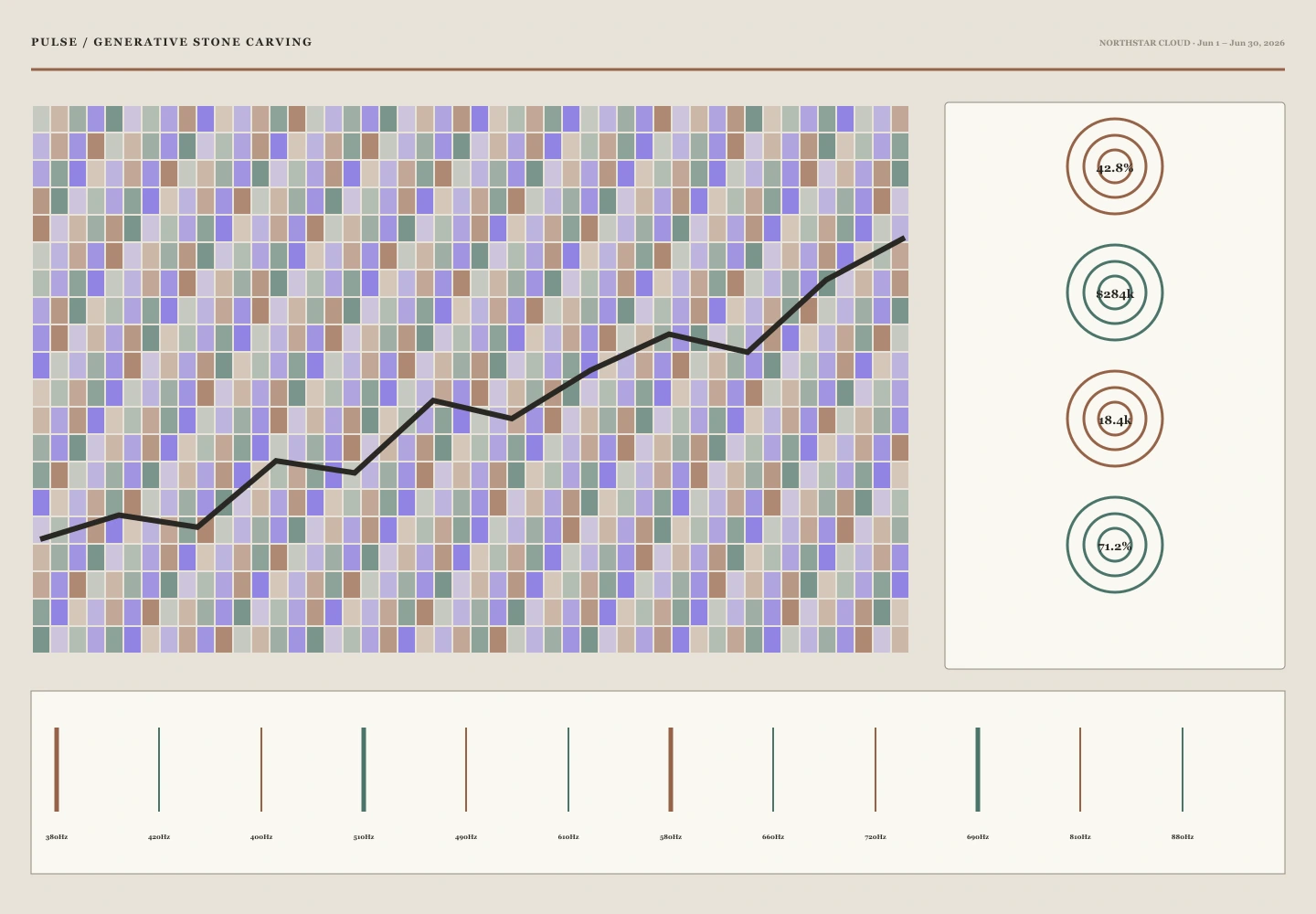
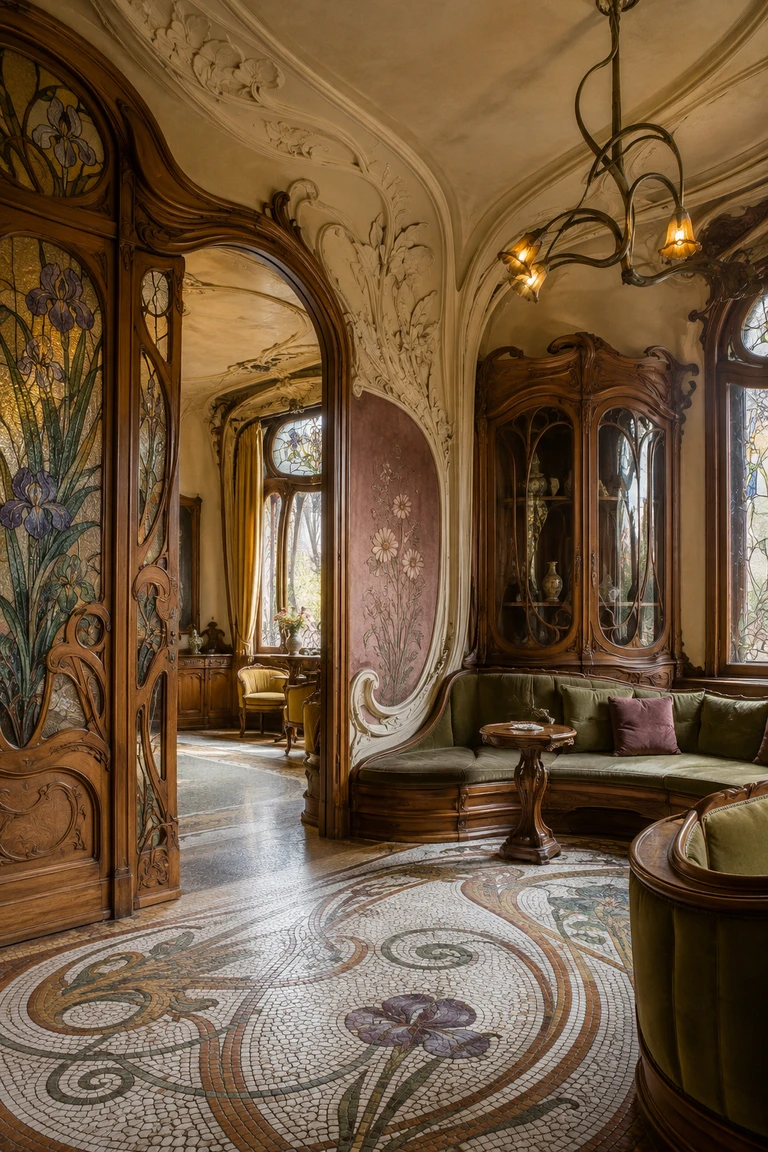
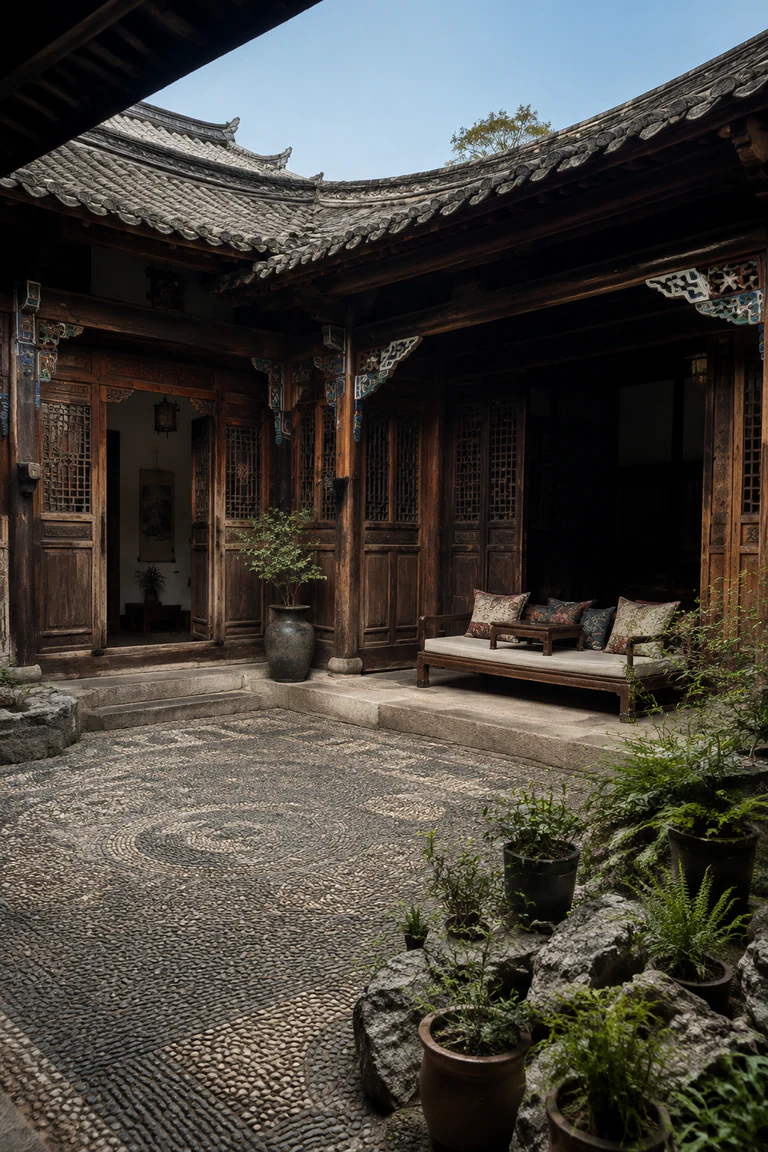
A generative carving tool and Art Nouveau total interior use rules of growth to coordinate surface and structure, turning repetition into an organic system instead of applied decoration.
Bridge 05 · Visible systems
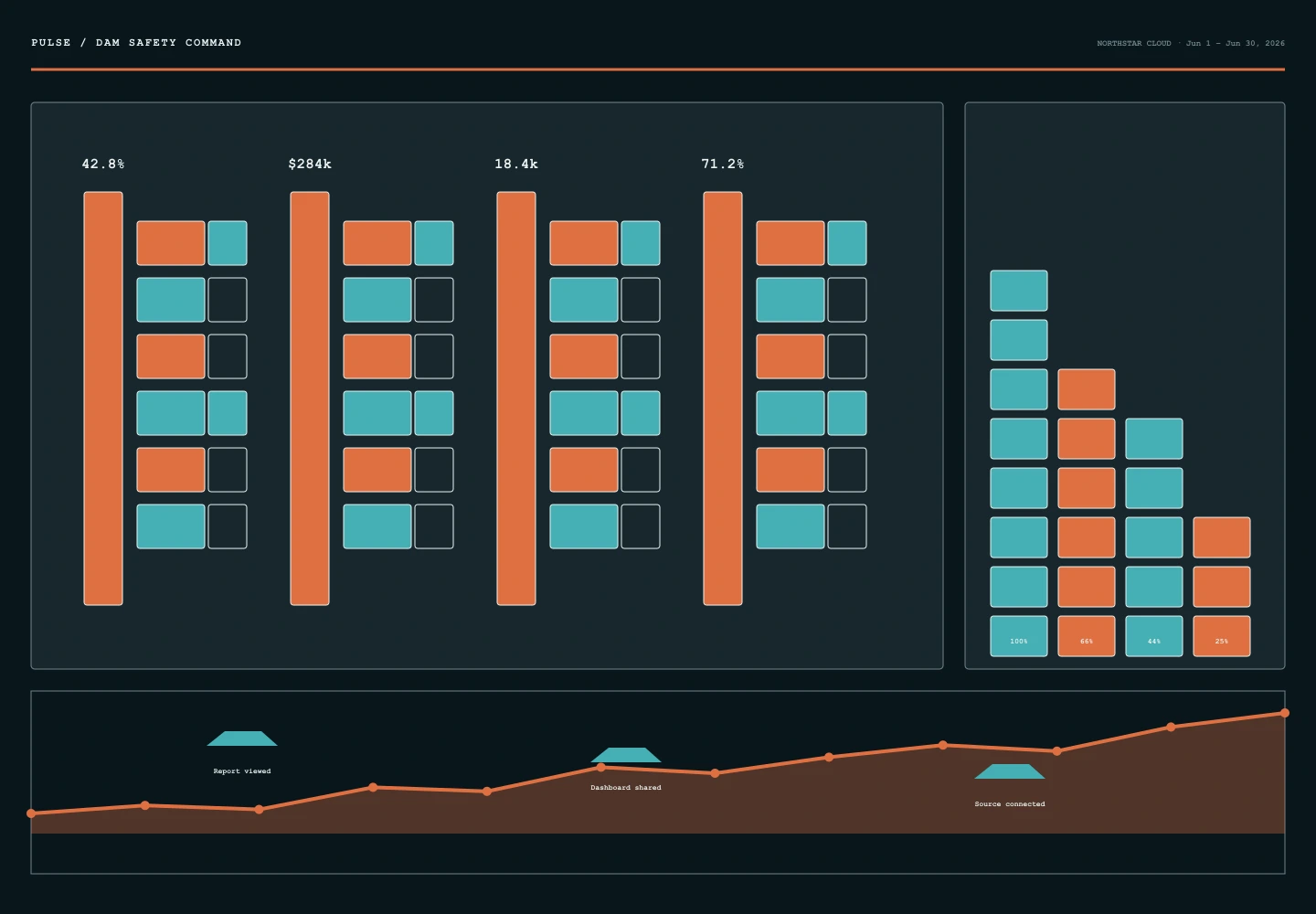
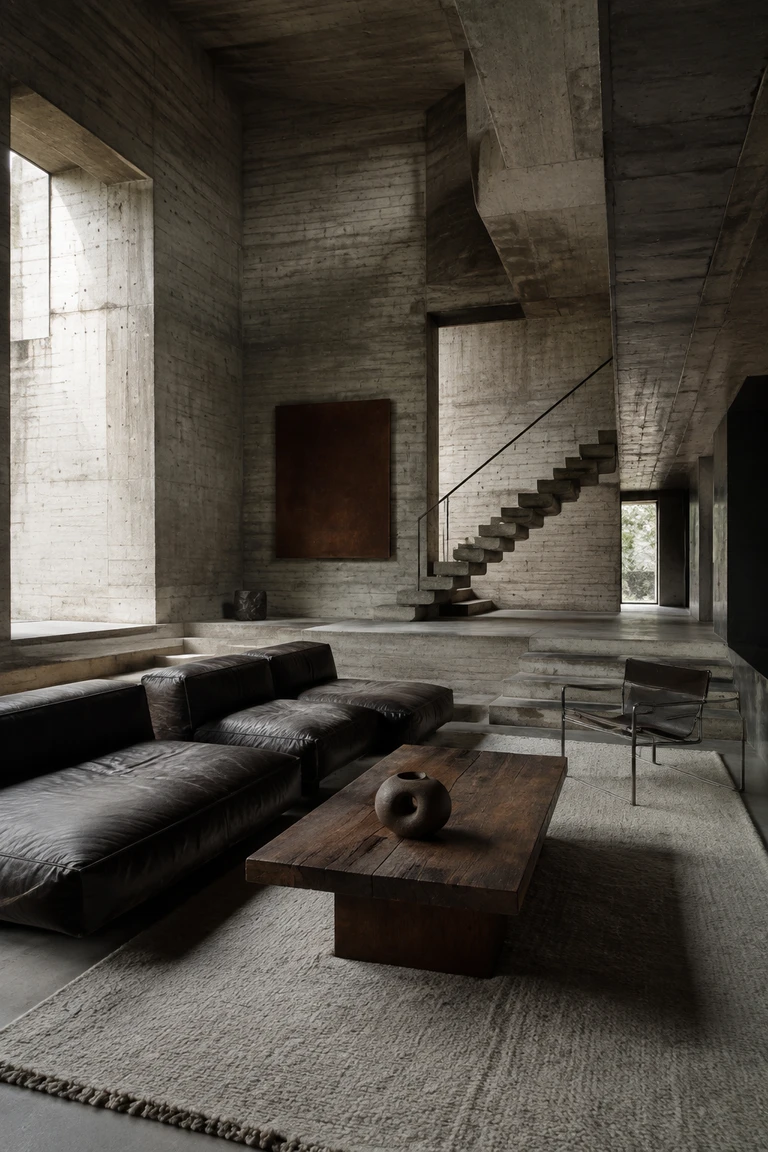
The dam command view and Brutalist room treat mass, load, and connection as the main visual language. Their authority comes from showing how the system stands and works.
Bridge 06 · Visible systems
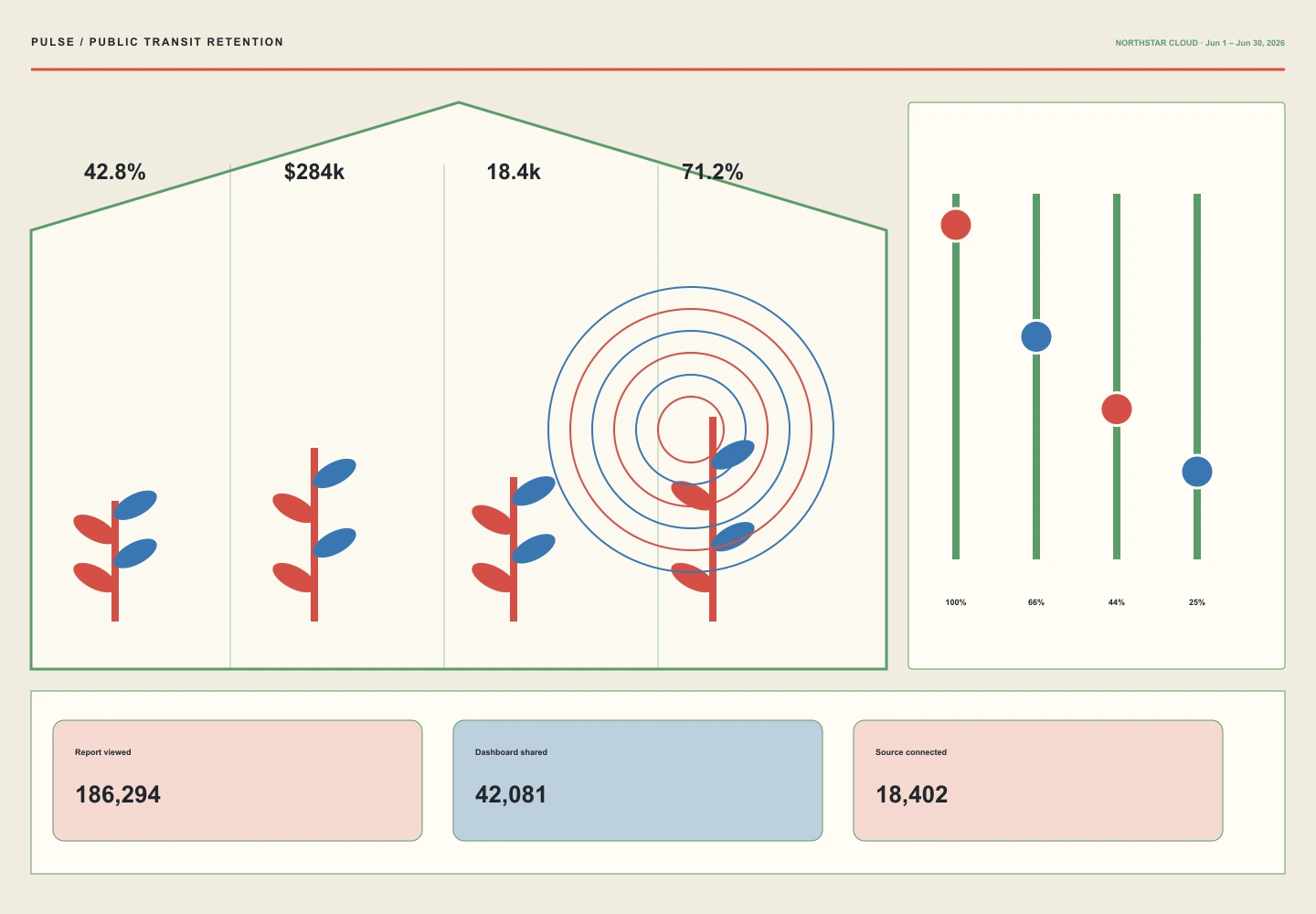
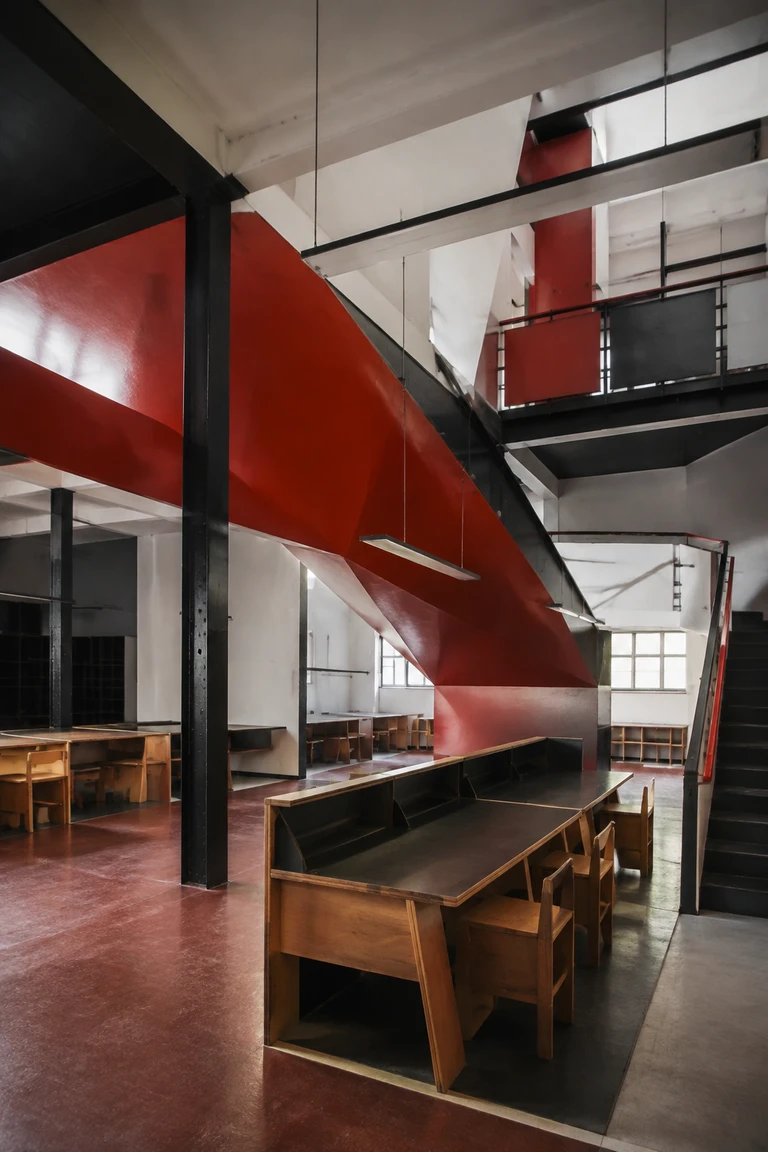
Transit retention paths and Constructivist space use diagonals, nodes, and directional colour to make movement immediately readable across a field of competing information.
Bridge 07 · Climate feedback
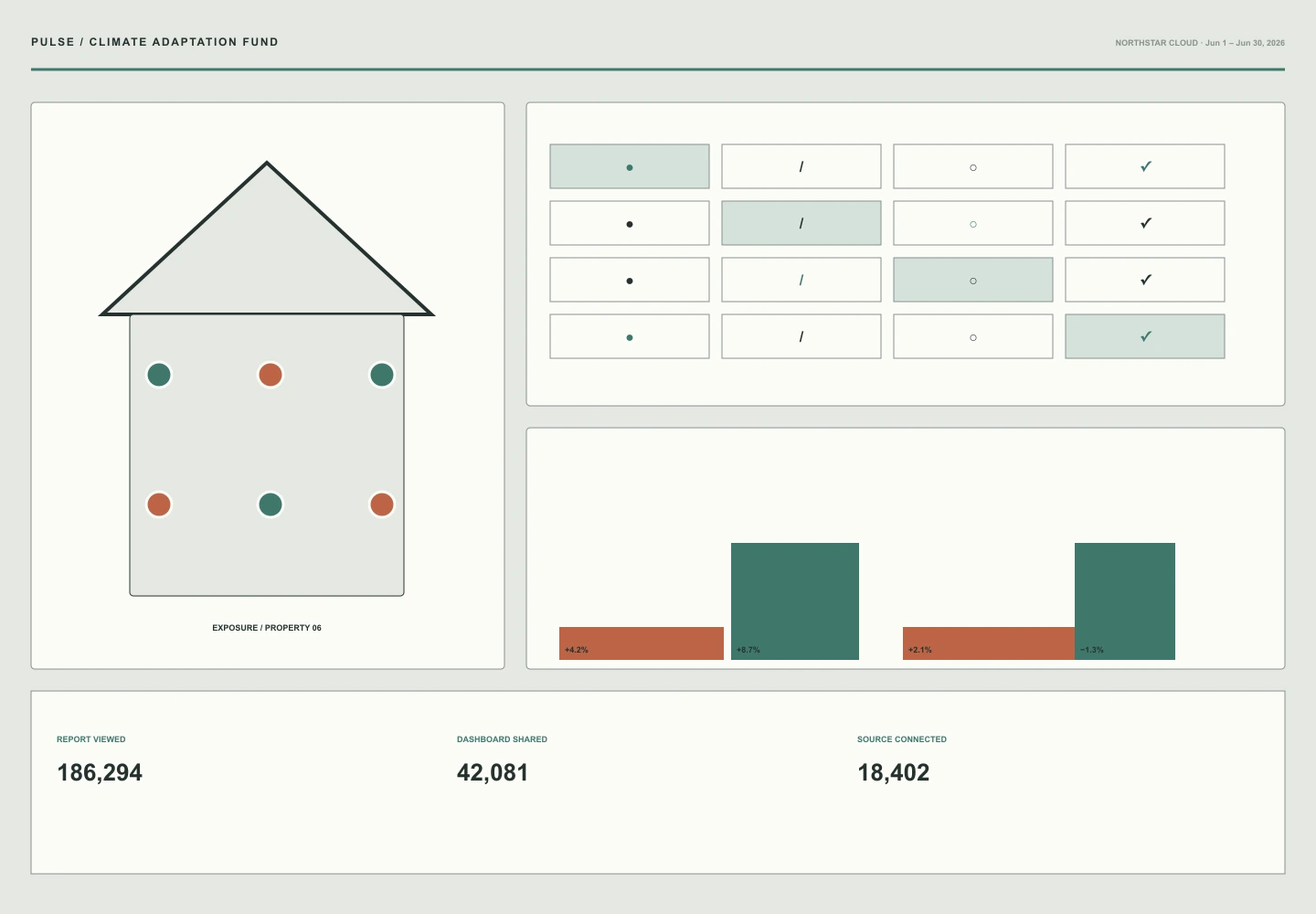
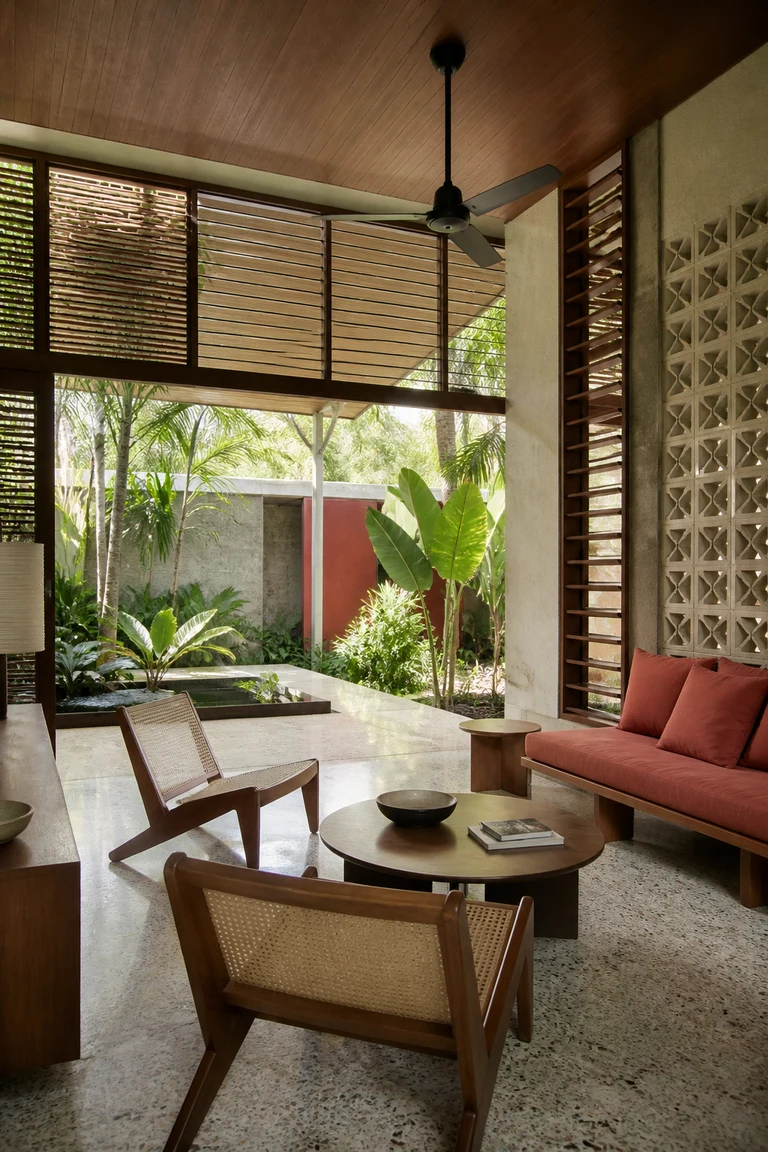
An adaptation portfolio and Tropical Modernist room both begin with exposure. Risk zones, shade, permeability, and thresholds convert environmental pressure into spatial decisions.
Bridge 08 · Climate feedback
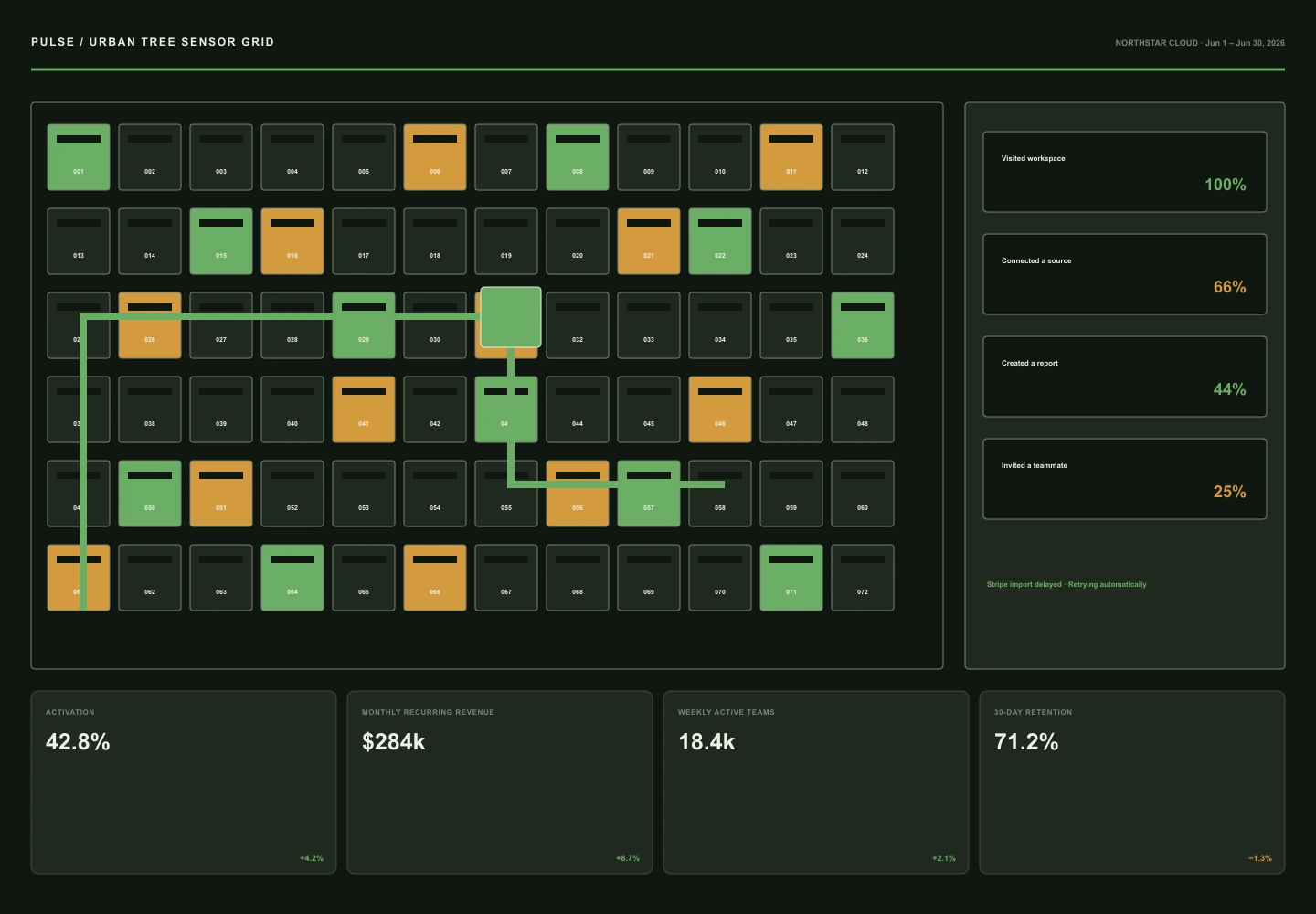
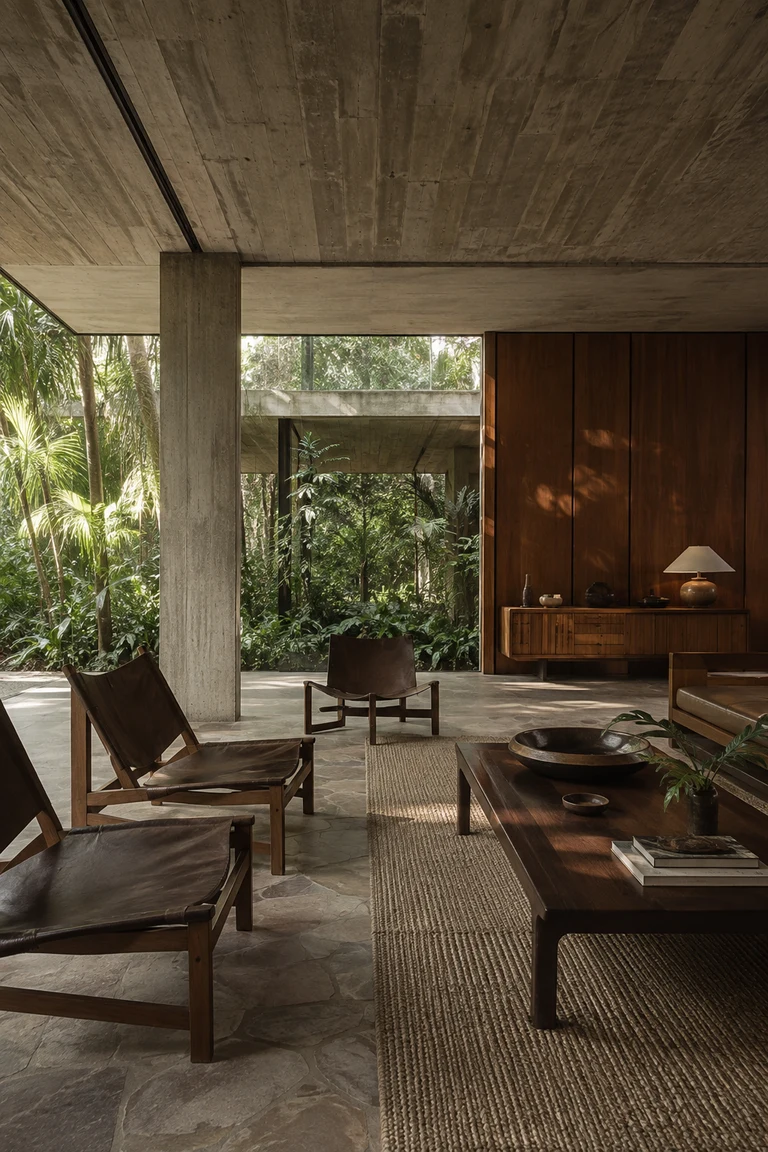
A tree-sensor network and Brazilian modernist pavilion refuse a hard split between technical order and living terrain; both frame infrastructure as a guest within ecology.
Bridge 09 · Movement and sequence
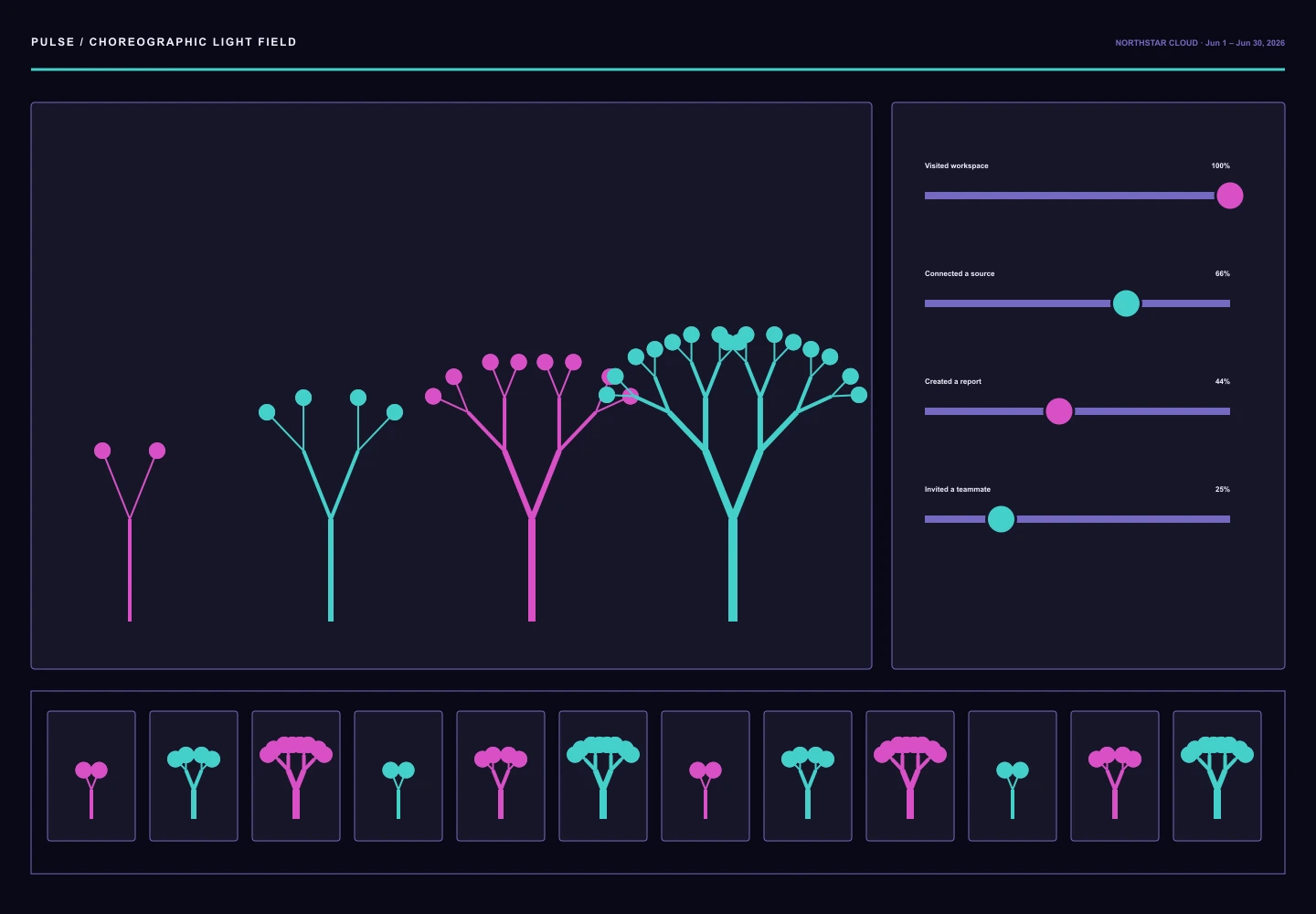
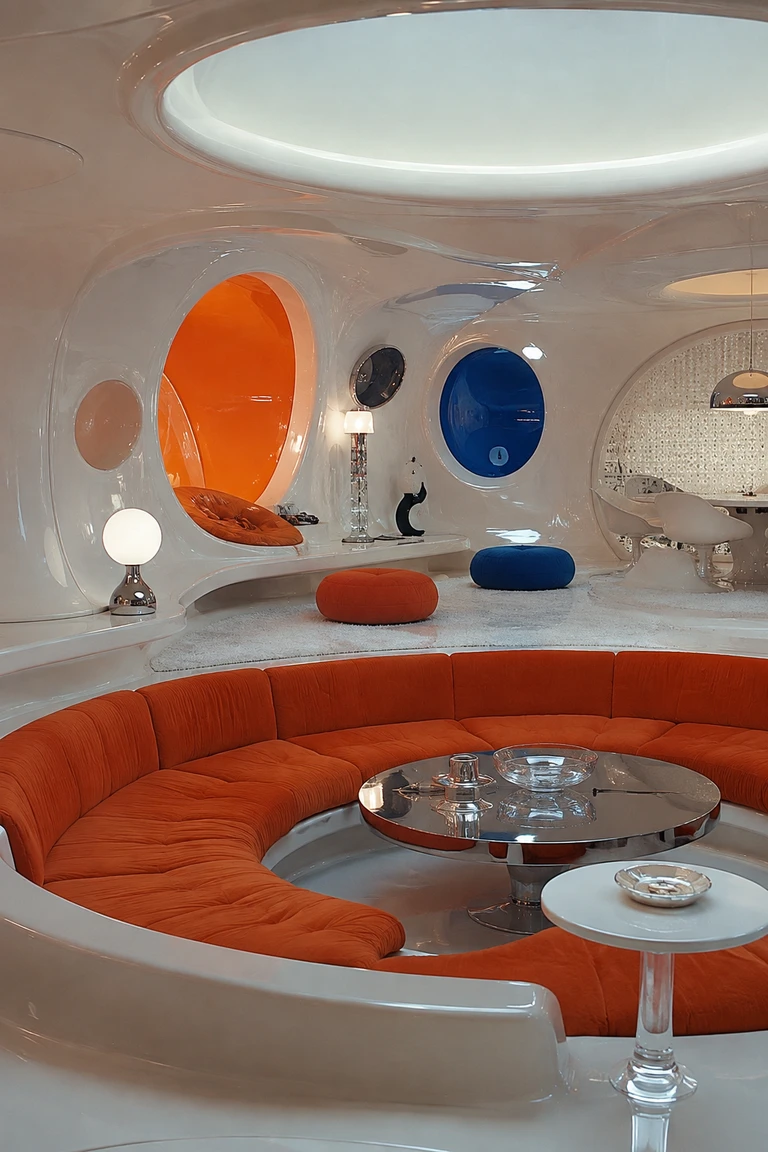
The choreographic interface and Space Age interior use illumination as a changing environment. Pools, orbits, and reflective surfaces make time perceptible in otherwise static space.
Bridge 10 · Clarity as care
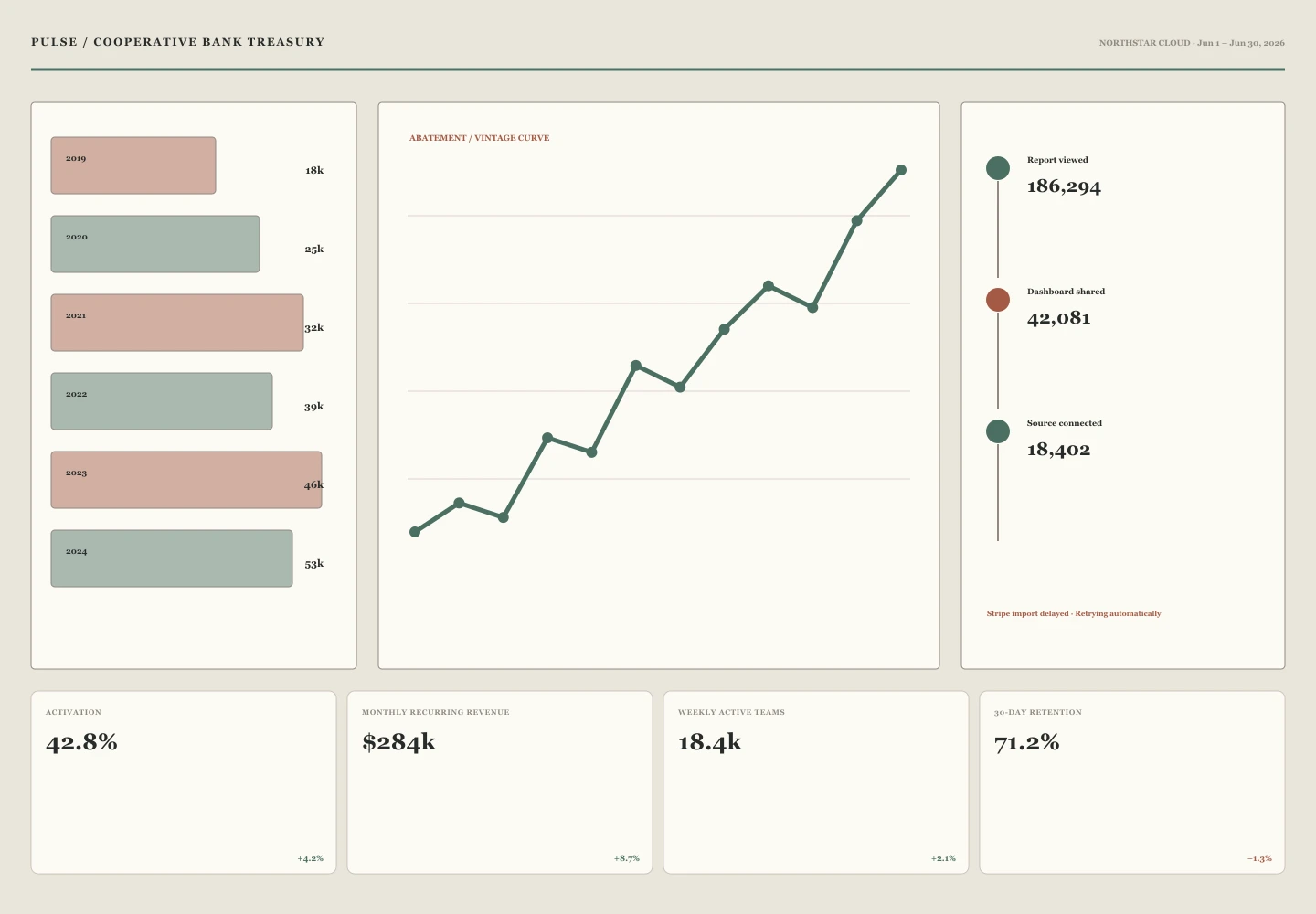
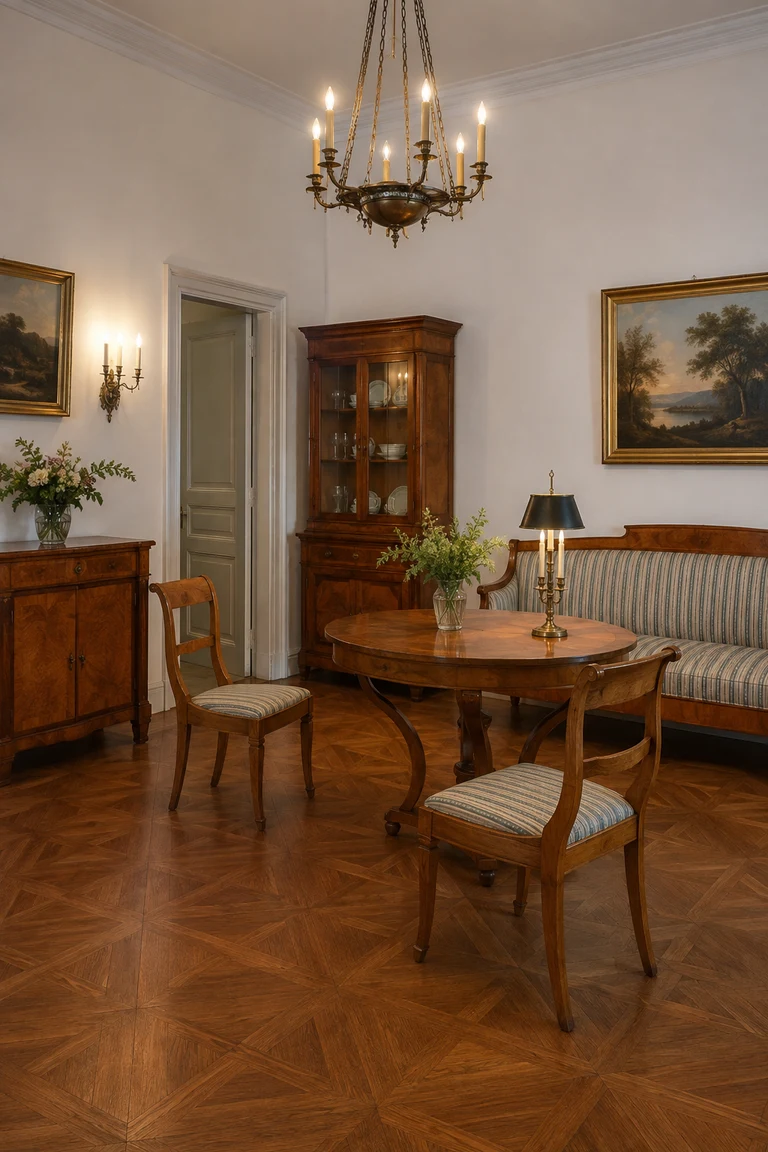
A cooperative treasury and Biedermeier salon communicate stewardship through balance, readable proportions, durable details, and a visual preference for calm domestic confidence.
Bridge 11 · Archives in use
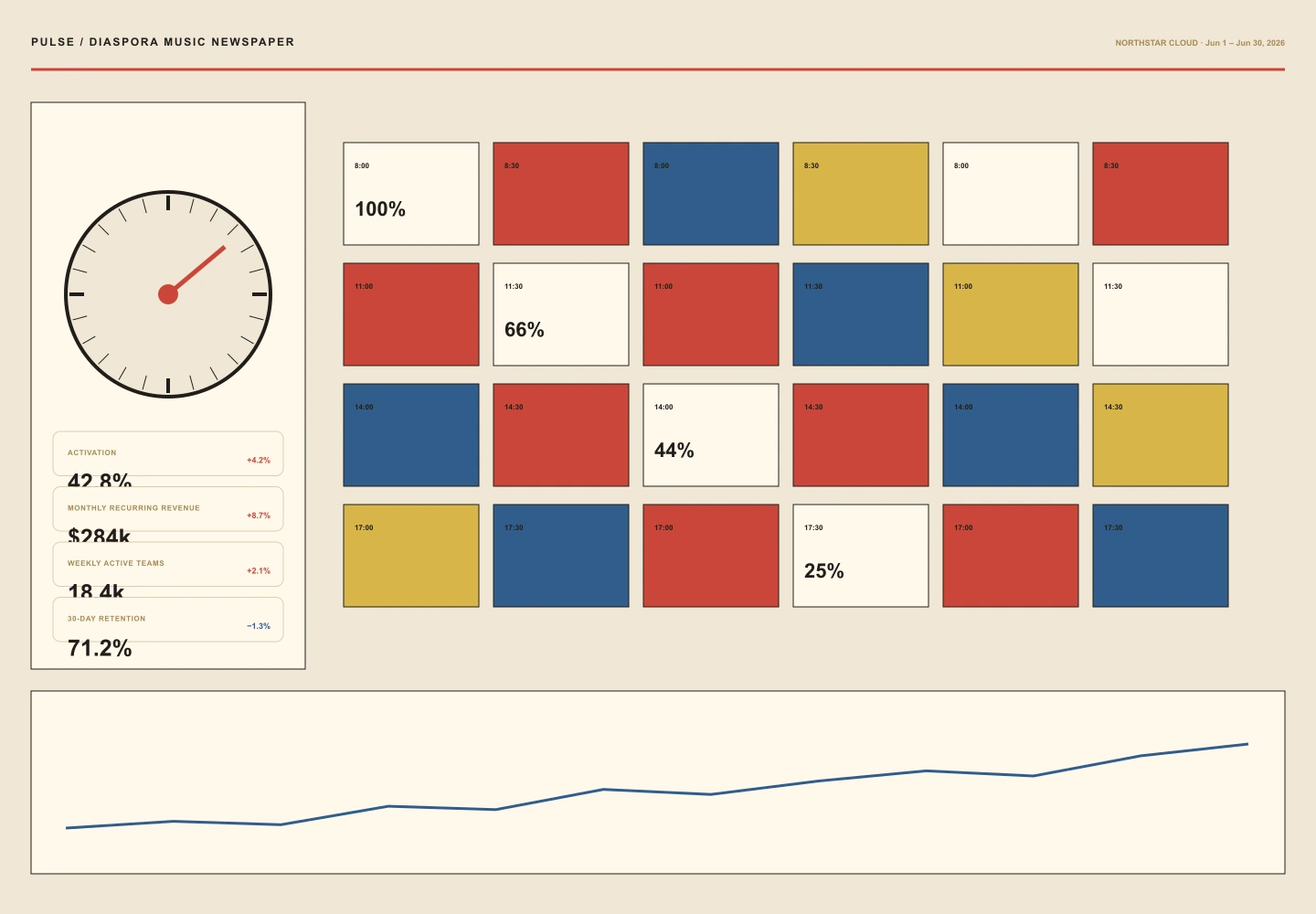
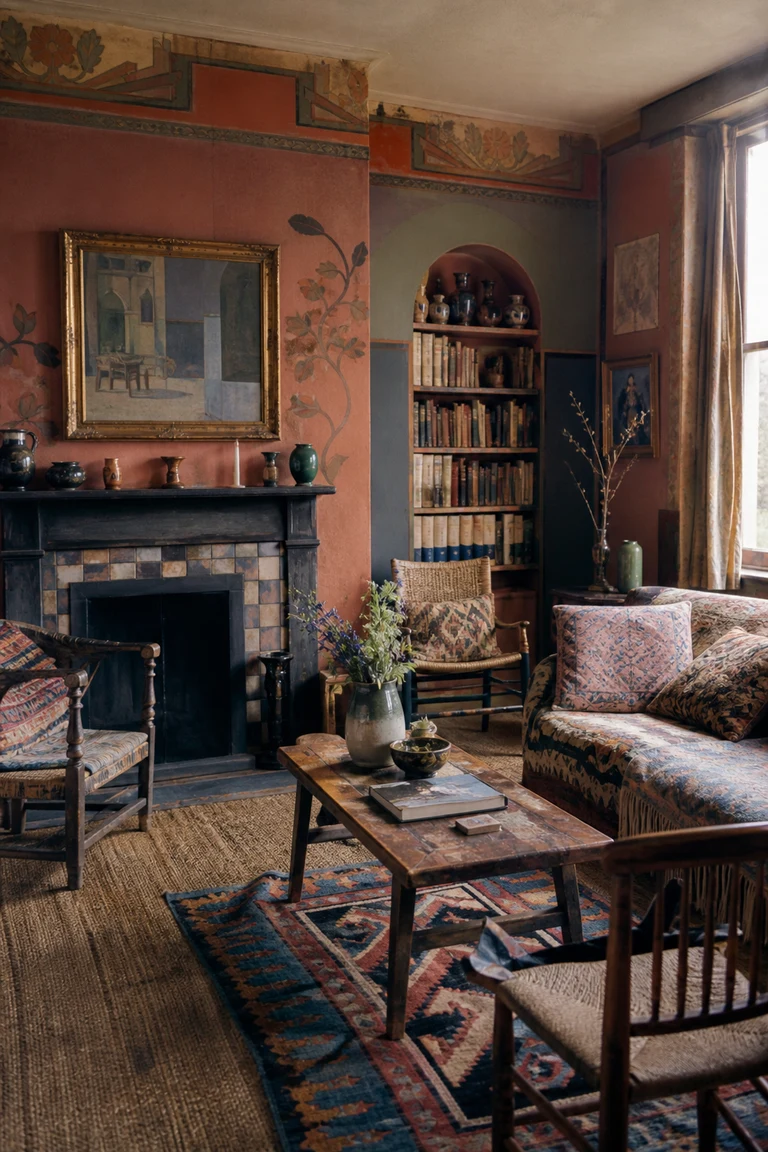
A diaspora newspaper and Bloomsbury room both let culture accrue through voices, pictures, books, and handmade marks, preserving plurality rather than polishing it into one style.
Bridge 12 · Archives in use
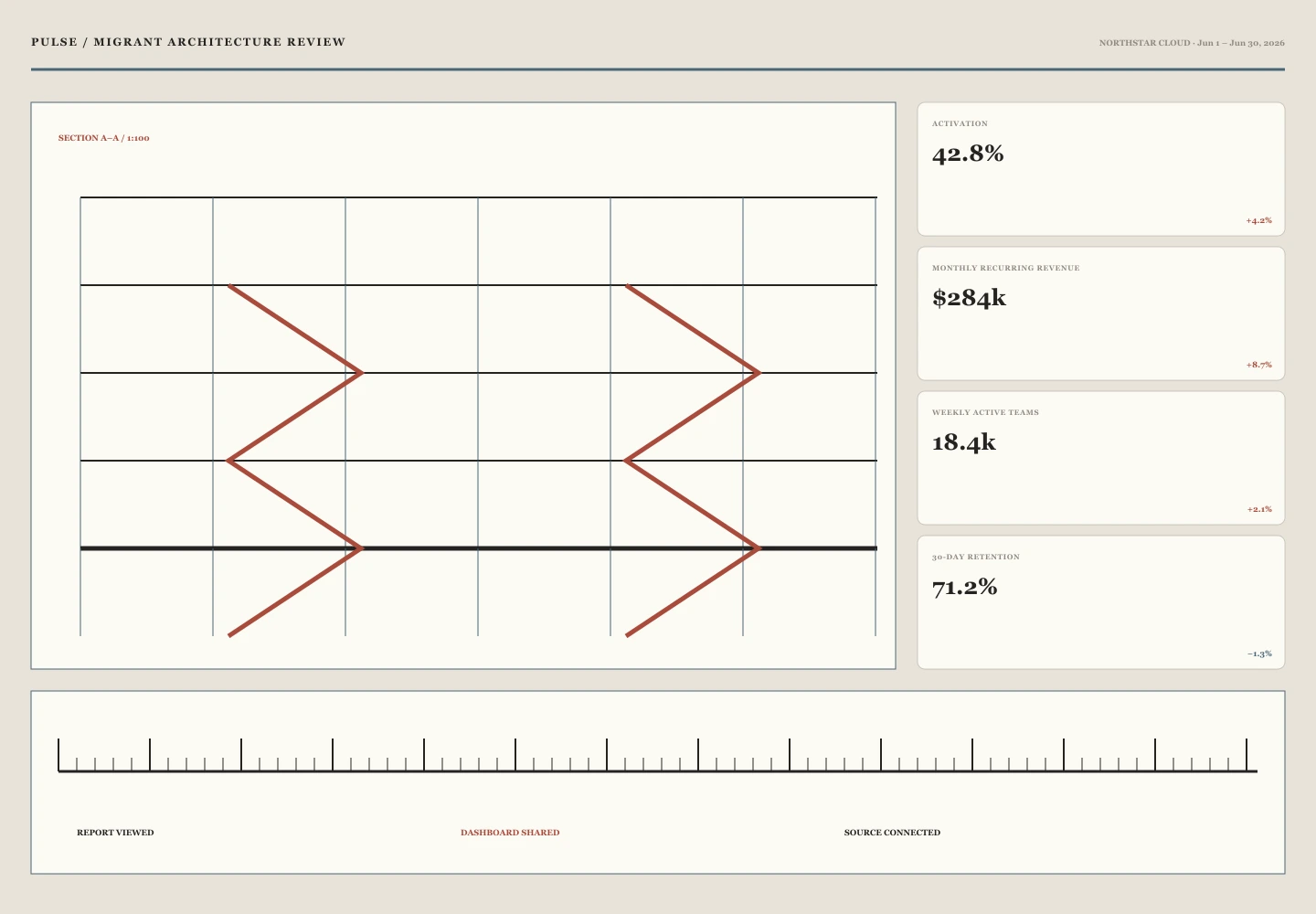
An architecture review and the Biedermeier room show how domestic types migrate: plans and furniture keep recognizable structures while material and use adjust to a new context.
Bridge 13 · Climate feedback
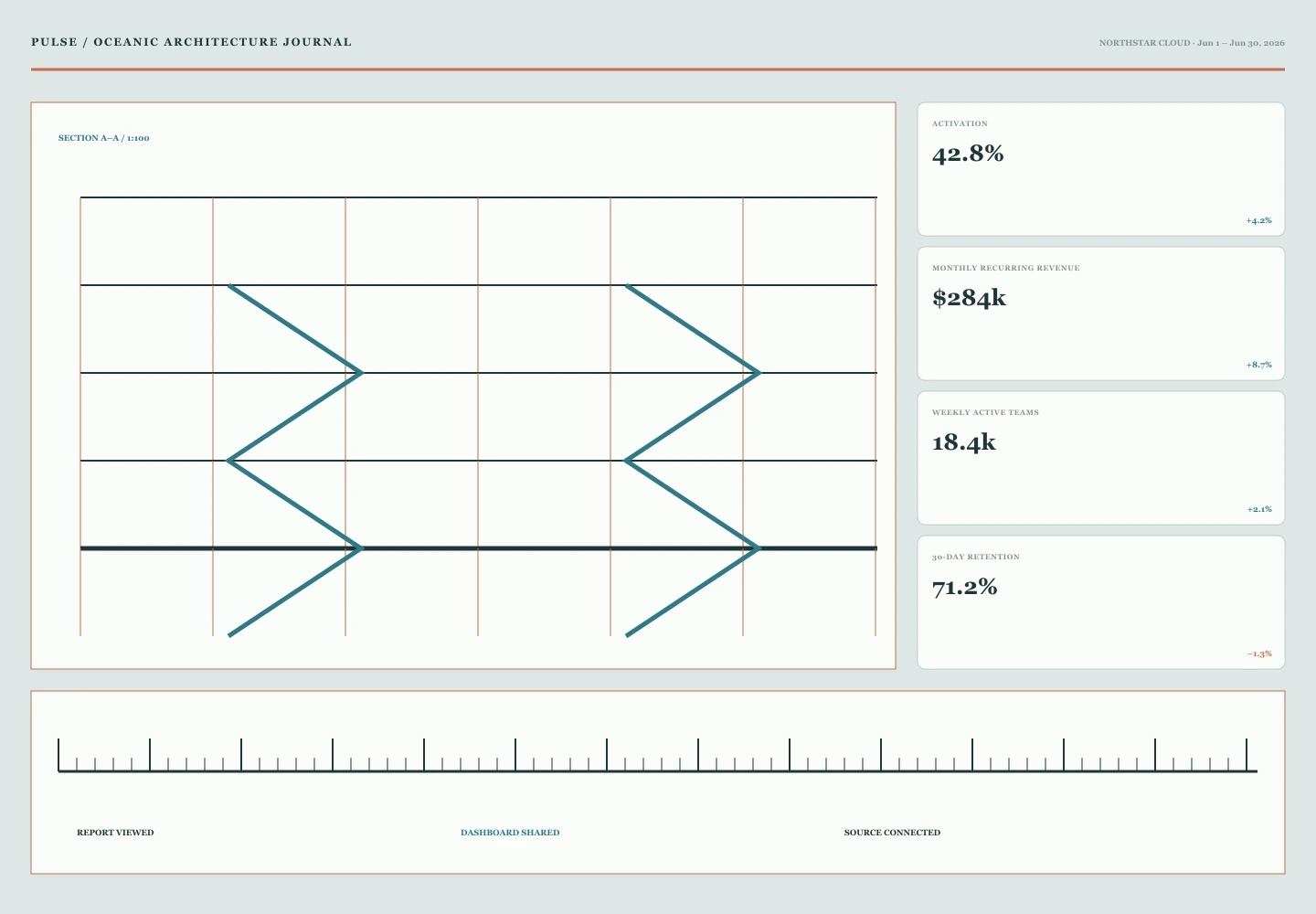
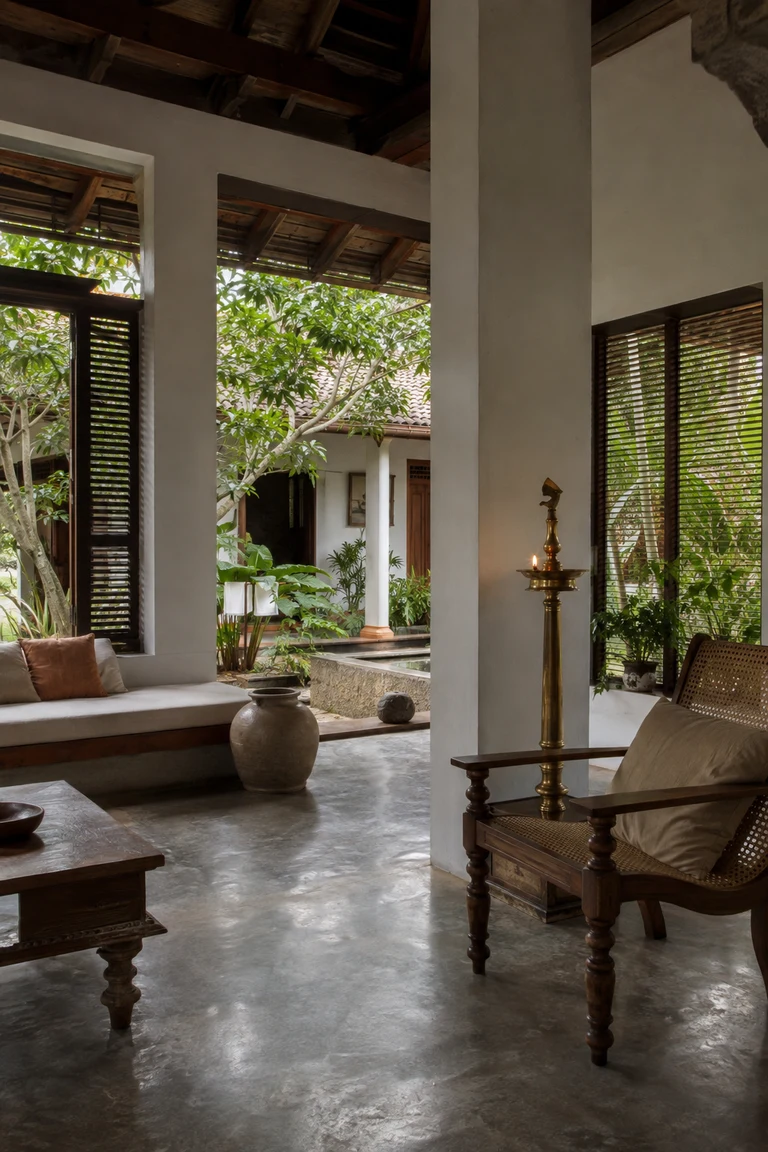
An oceanic architecture journal and Sri Lankan tropical modernism both describe climate through sectional depth: overhang, court, screen, and shadow become evidence rather than background.
Bridge 14 · Movement and sequence
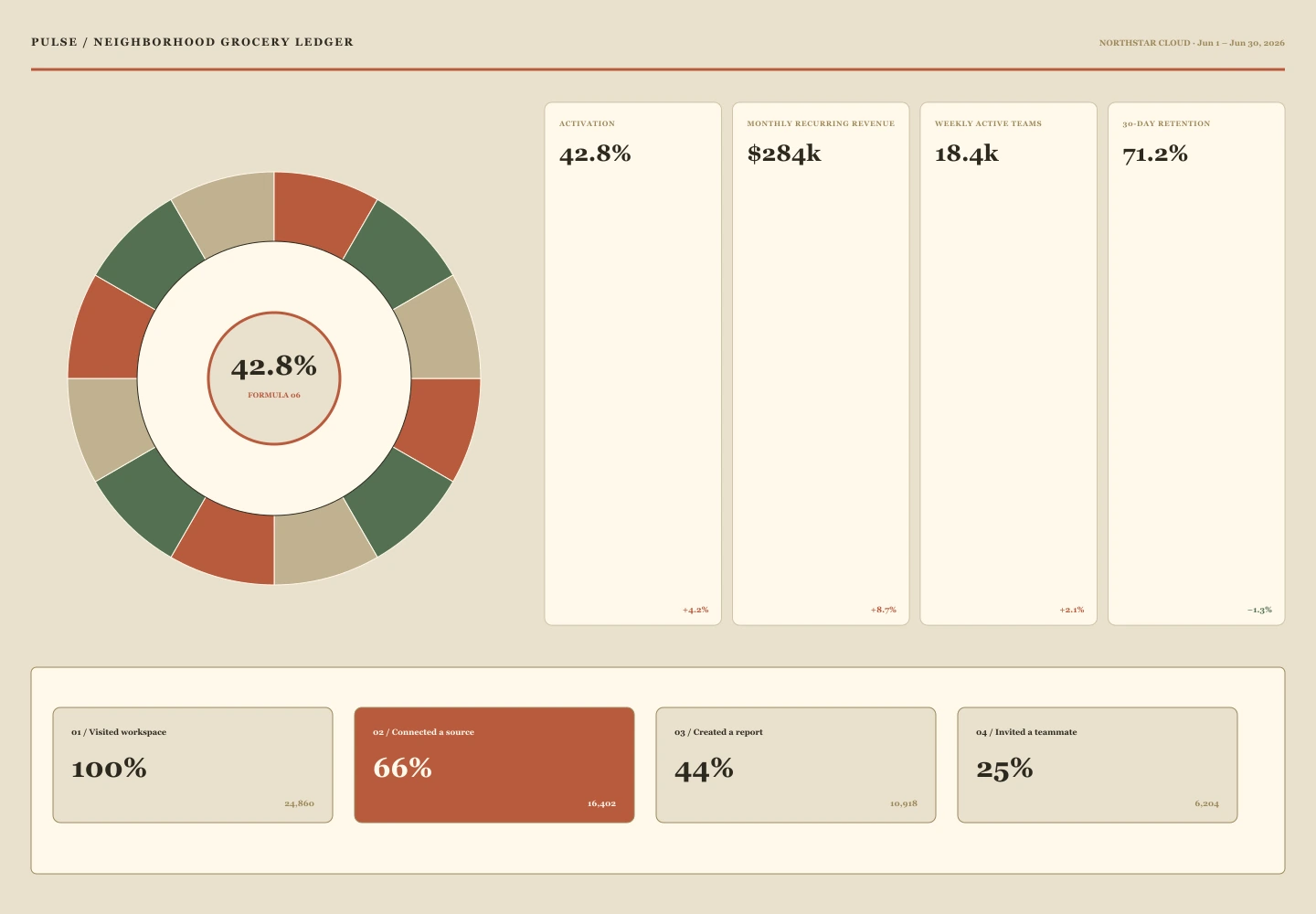
A neighborhood grocery ledger and Kyoto machiya organize many small exchanges along a narrow route, using thresholds and repeated storage to make depth understandable at a glance.
Bridge 15 · Material intelligence
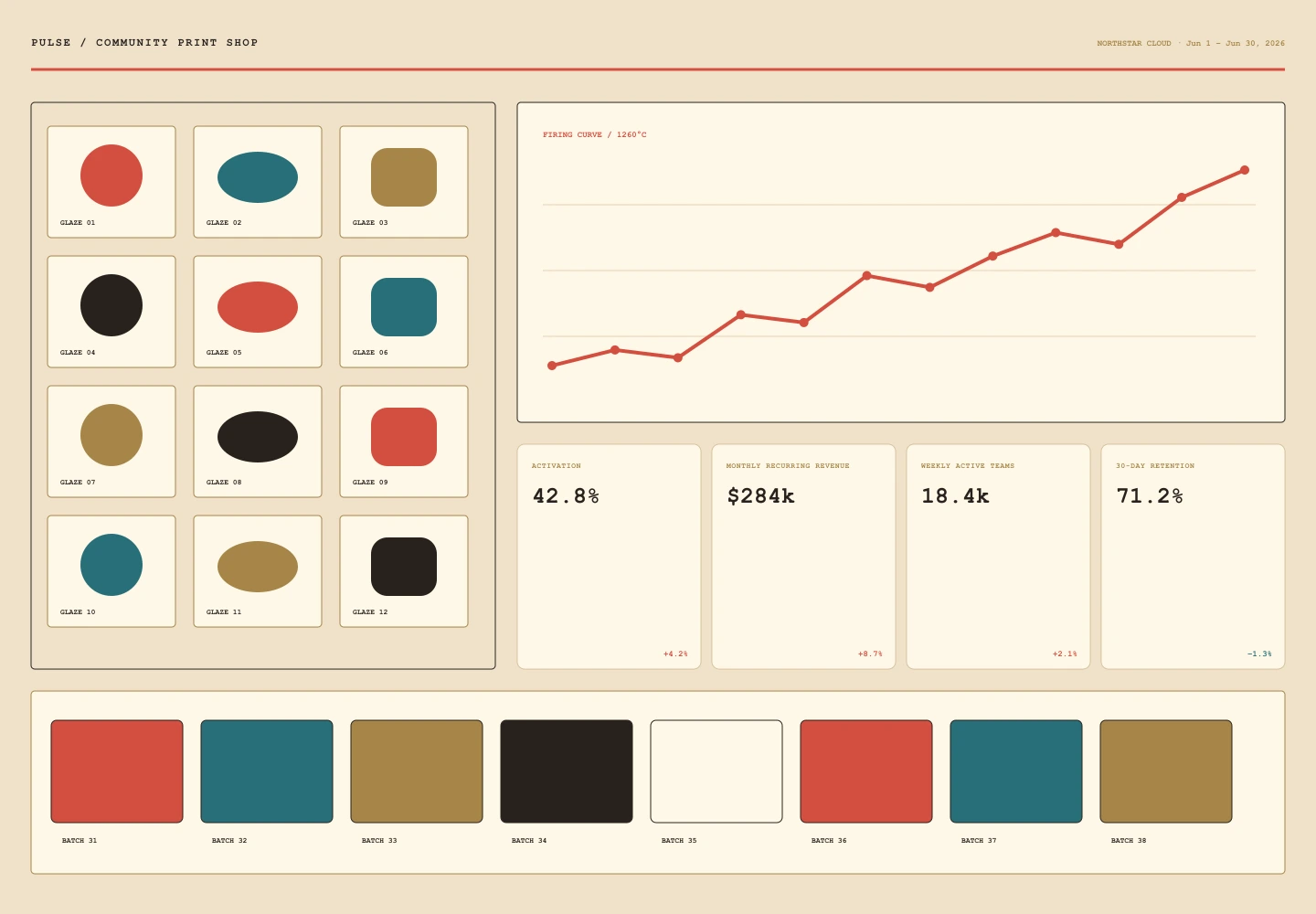
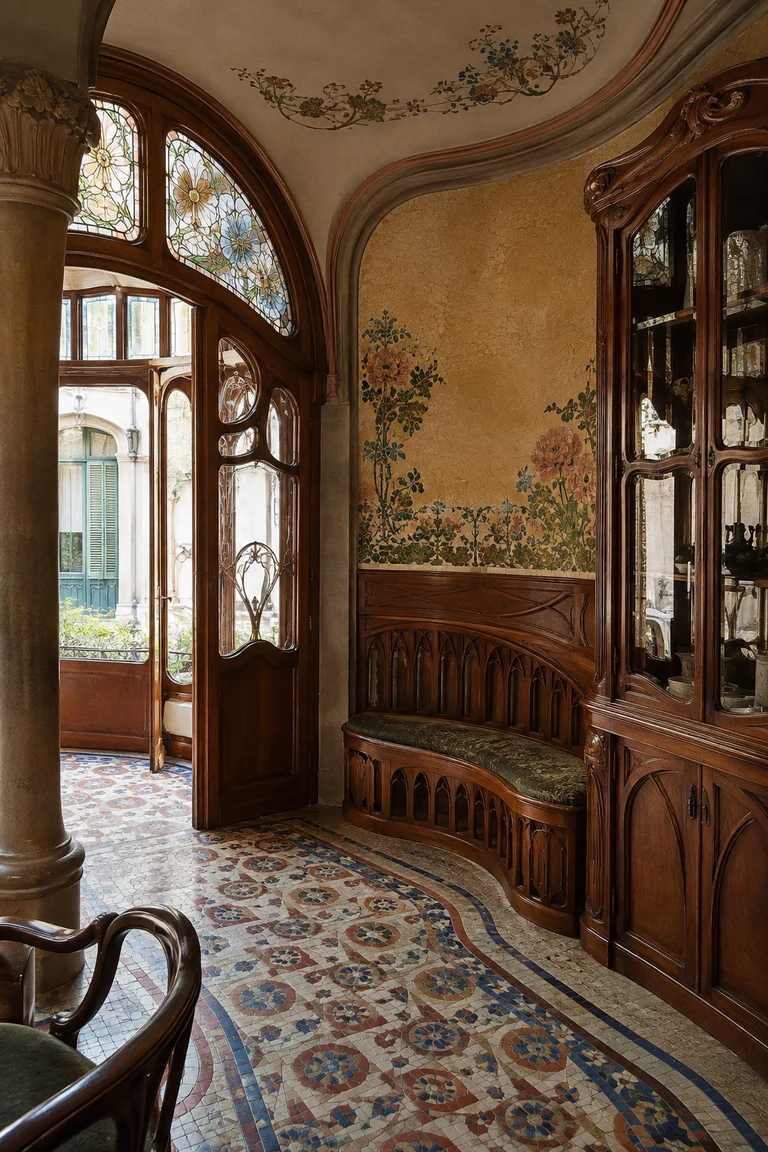
A community print shop and Catalan Modernisme room treat pattern as the record of production. Ink, tile, glass, and carved wood reveal the tools and repetitions behind the finished field.
Bridge 16 · Clarity as care
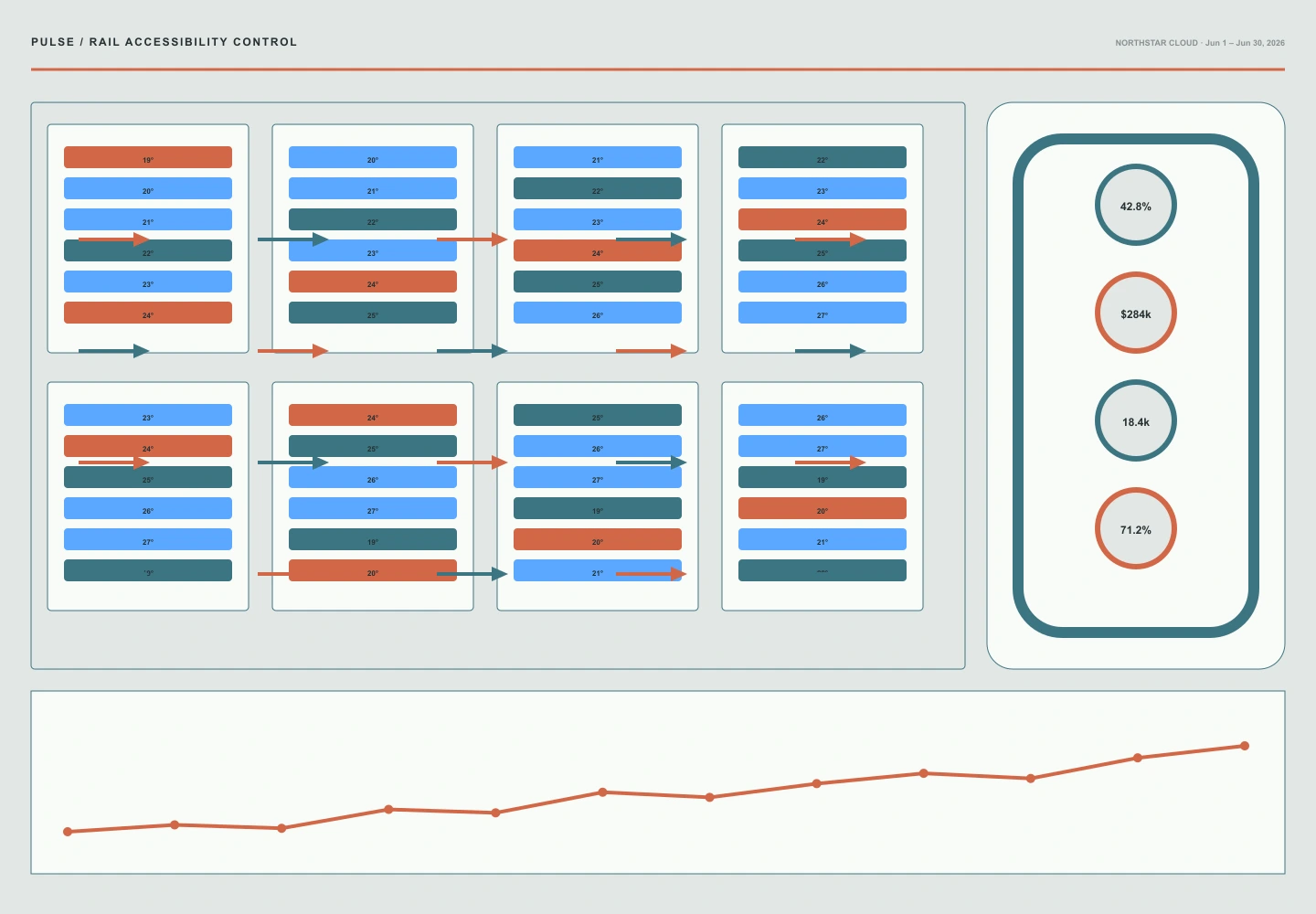
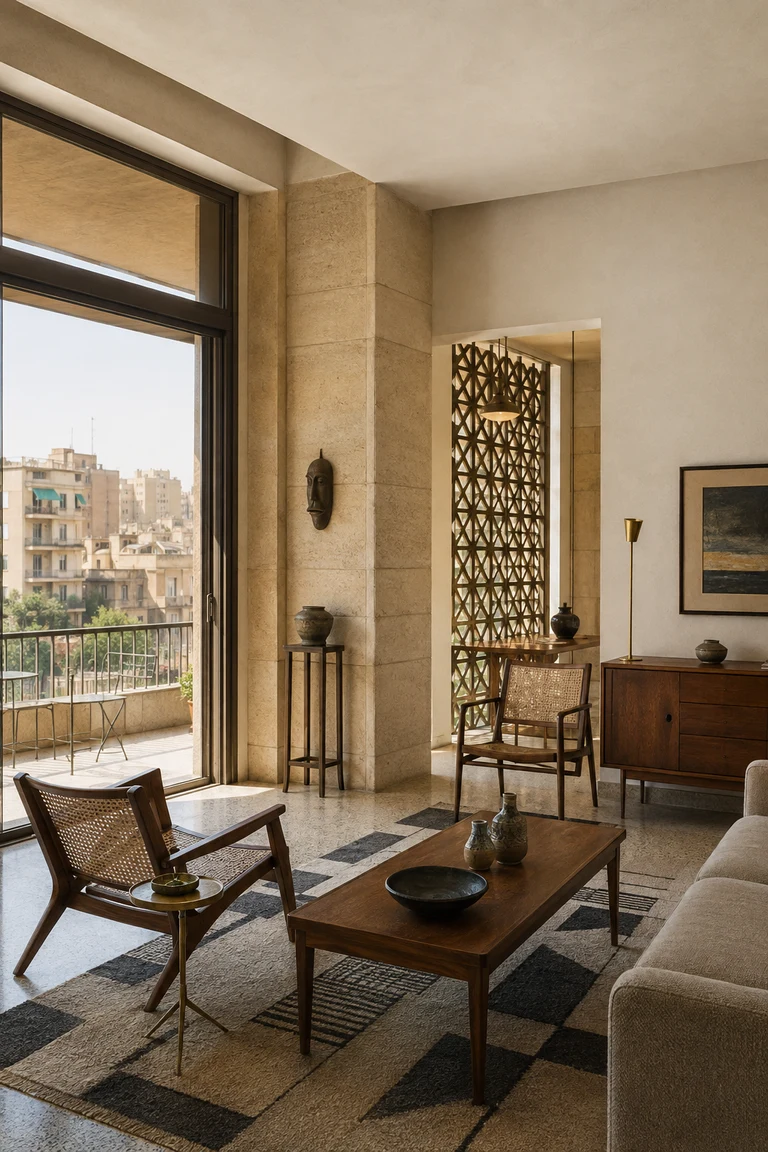
A rail accessibility control room and Egyptian modernist apartment both use screens, aligned routes, and measured contrast to make movement legible without flattening the surrounding architecture.
Bridge 17 · Clarity as care
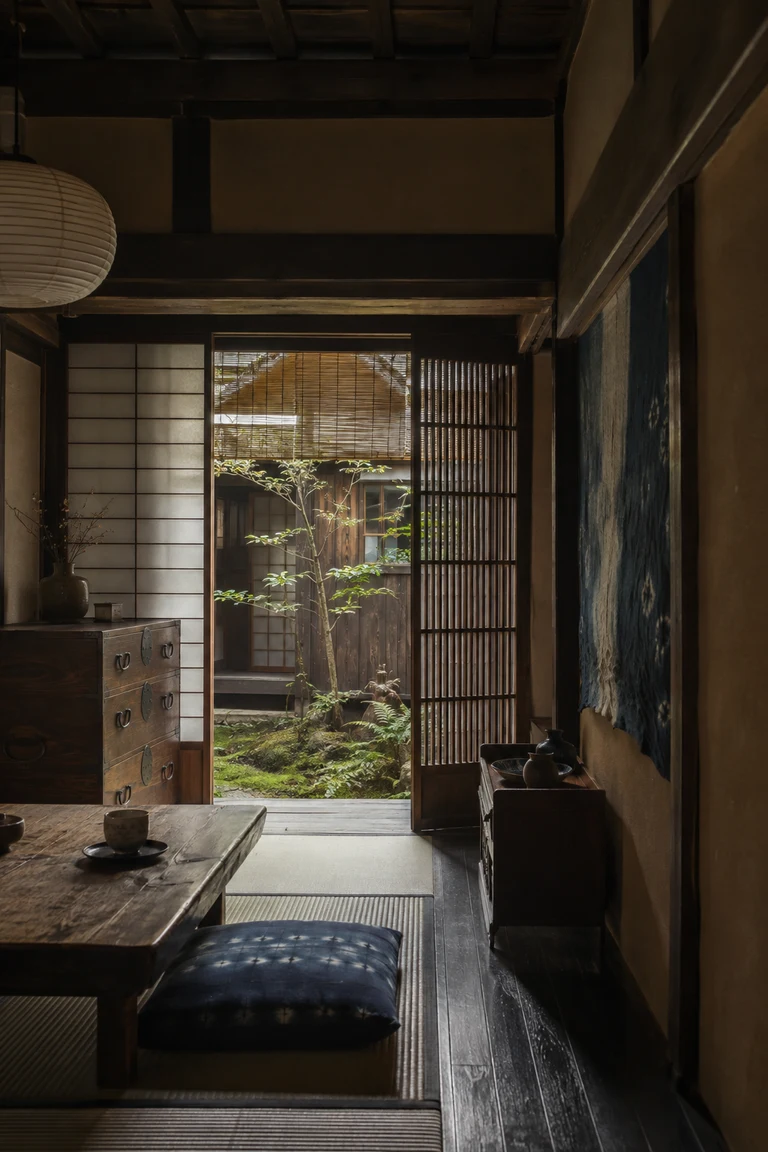
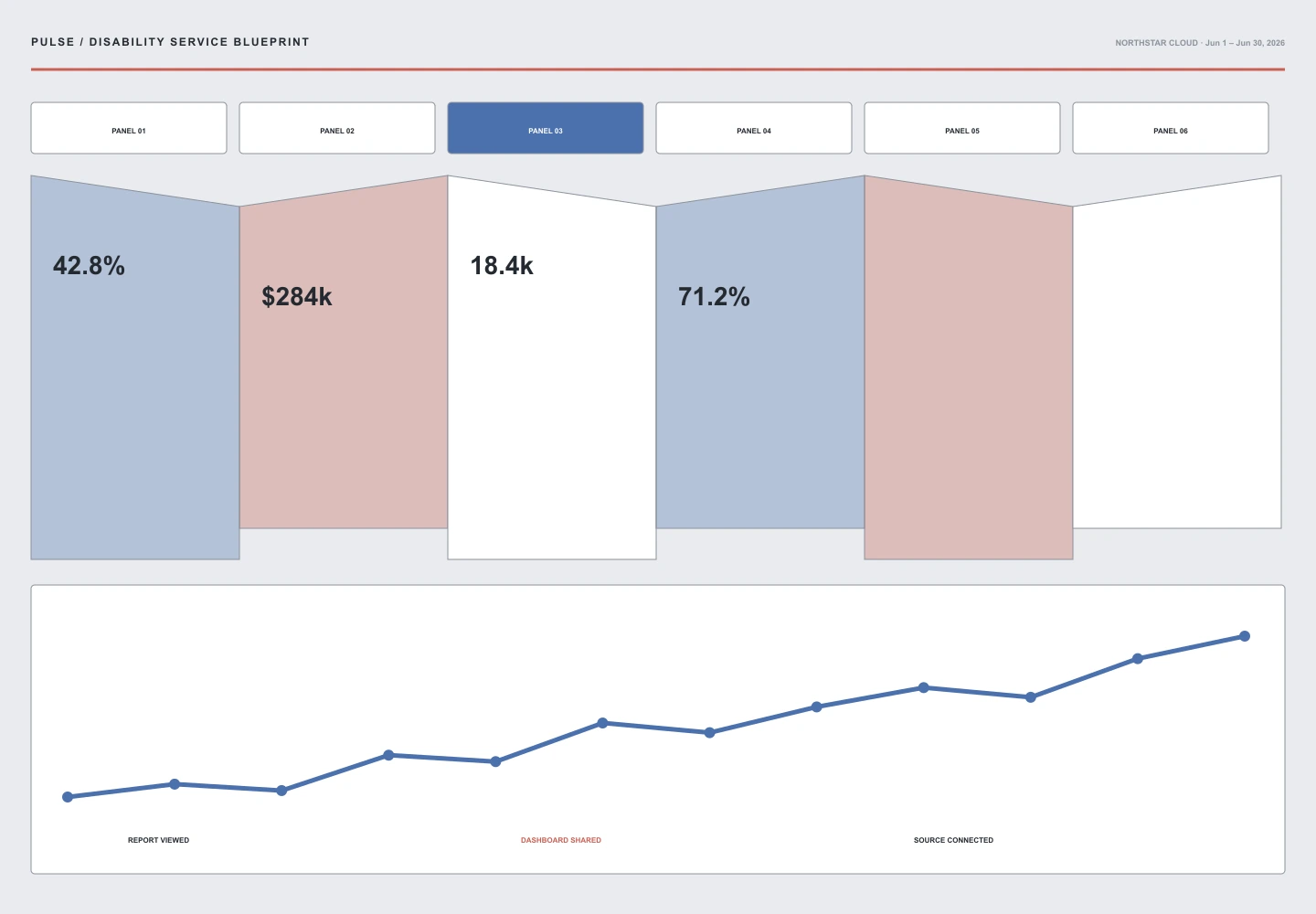
A disability service blueprint and sukiya room both lower cognitive load through staged disclosure, flexible boundaries, and a disciplined visual field that reveals only what the next action needs.
Bridge 18 · Climate feedback
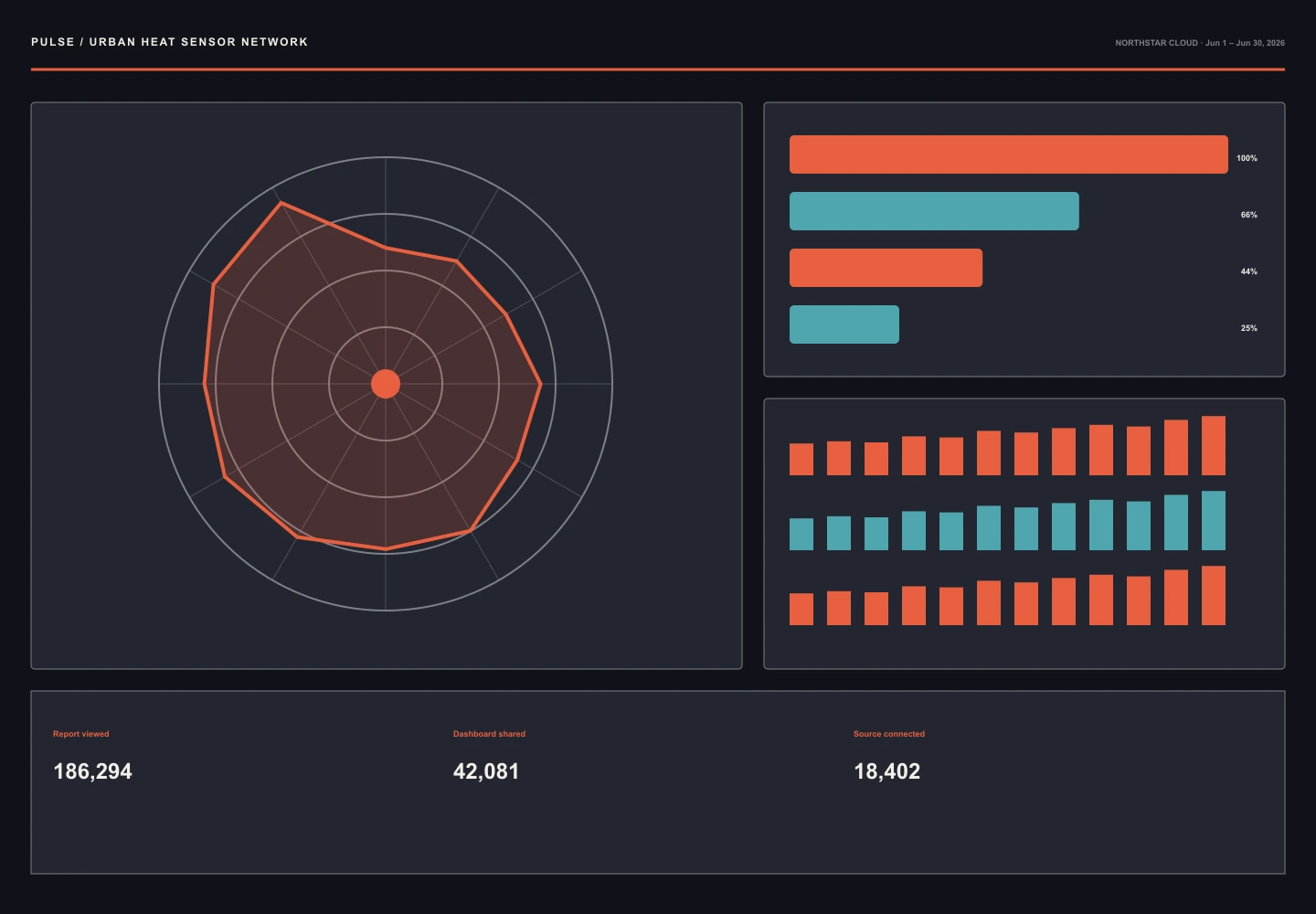
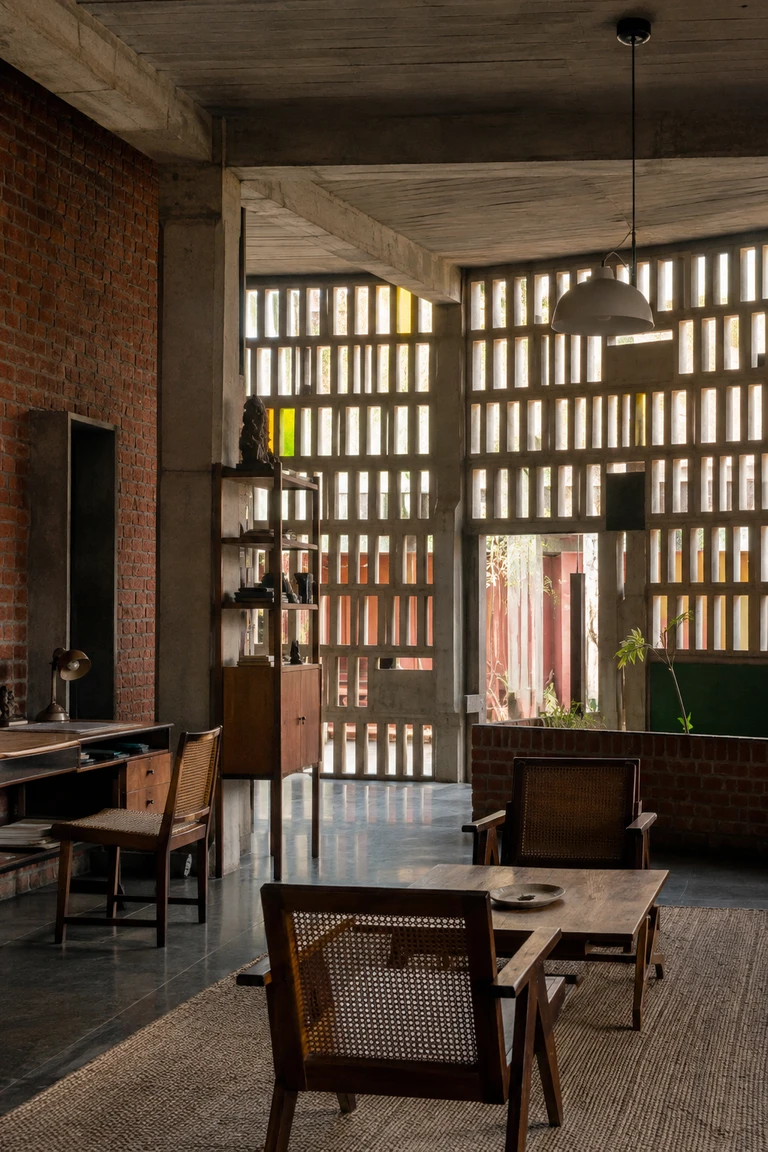
An urban heat sensor network and Chandigarh interior make solar exposure legible through repeated cells, measured thresholds, and shaded voids that translate climate pressure into immediate spatial action.
Bridge 19 · Visible systems
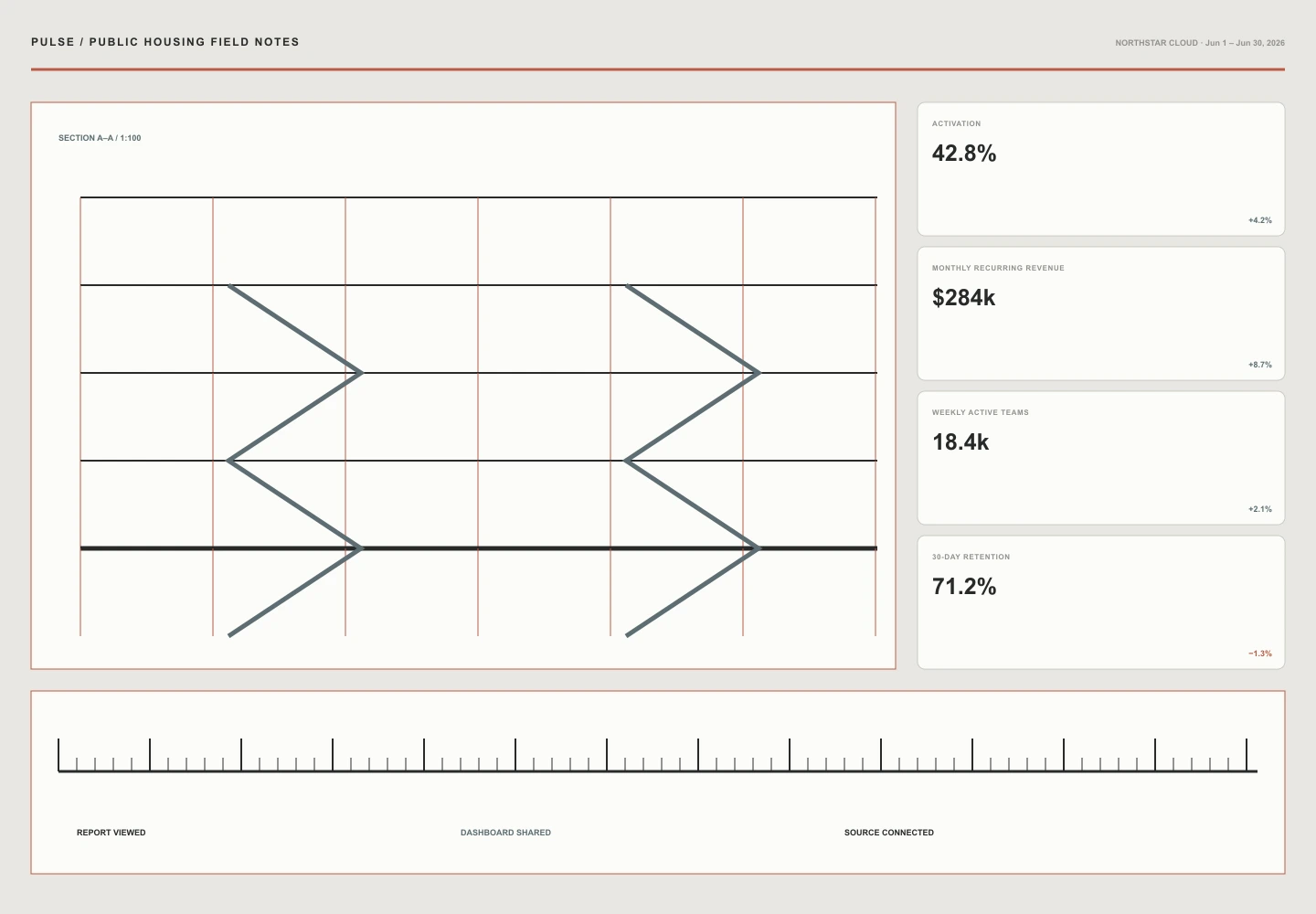
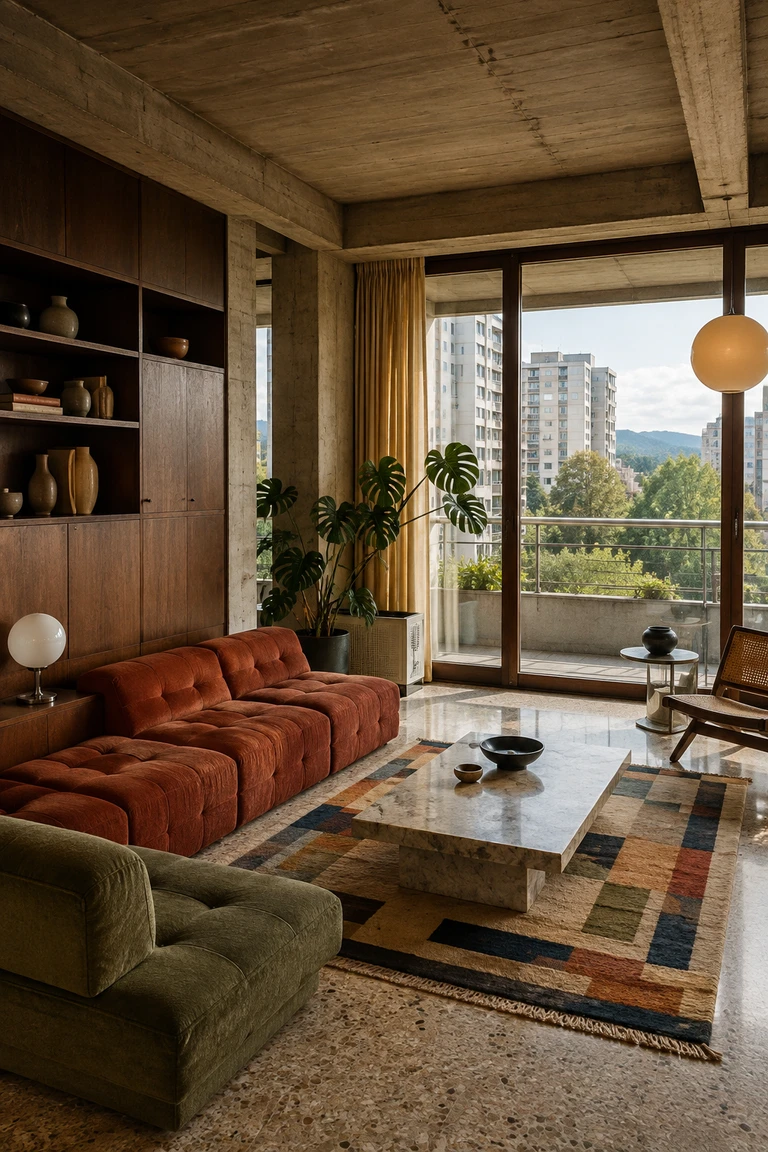
Public housing field notes and a Yugoslav modernist apartment treat the module as social infrastructure: repeatable bays remain adaptable through storage, furniture, and evidence of everyday use.
Bridge 20 · Archives in use
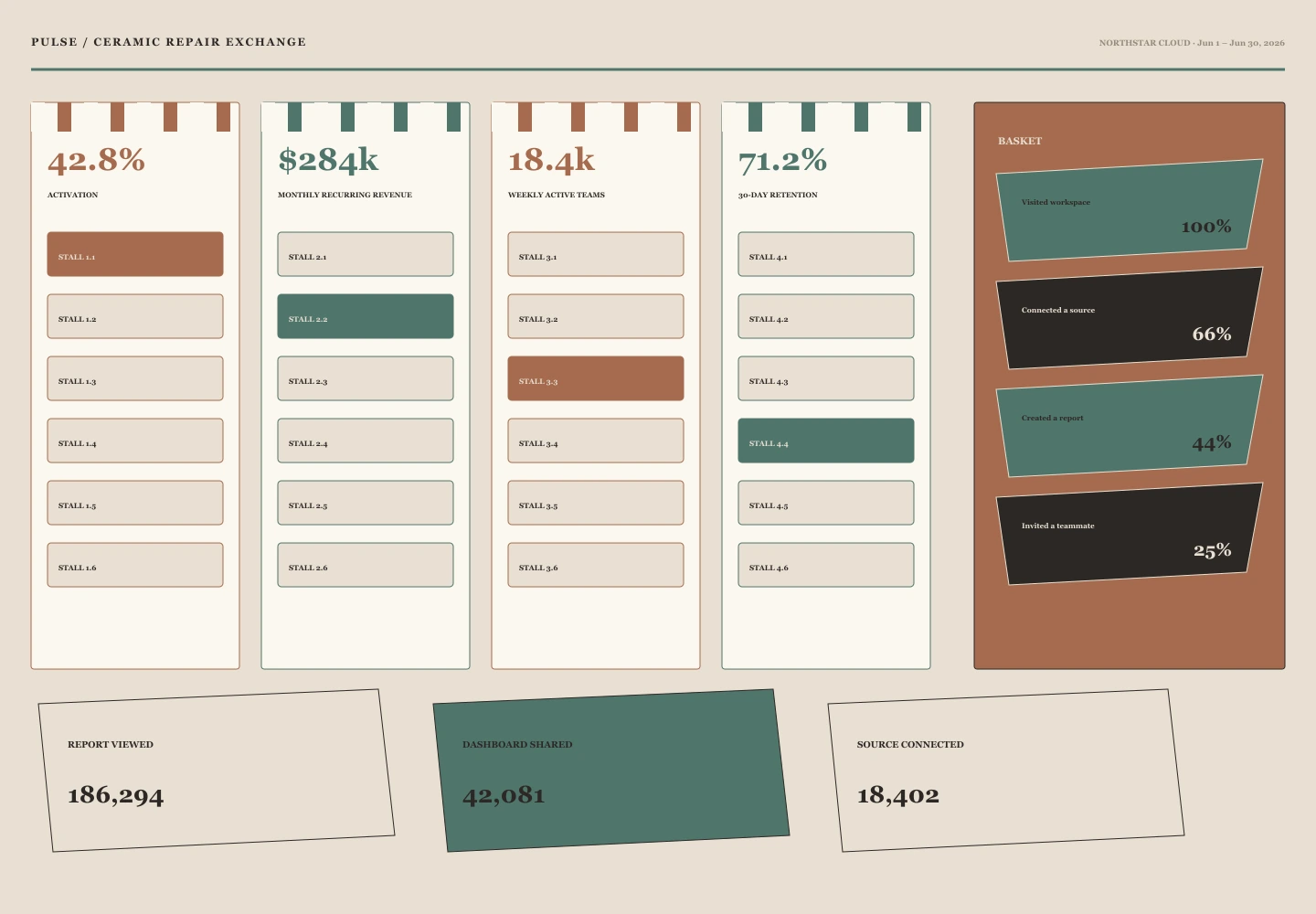
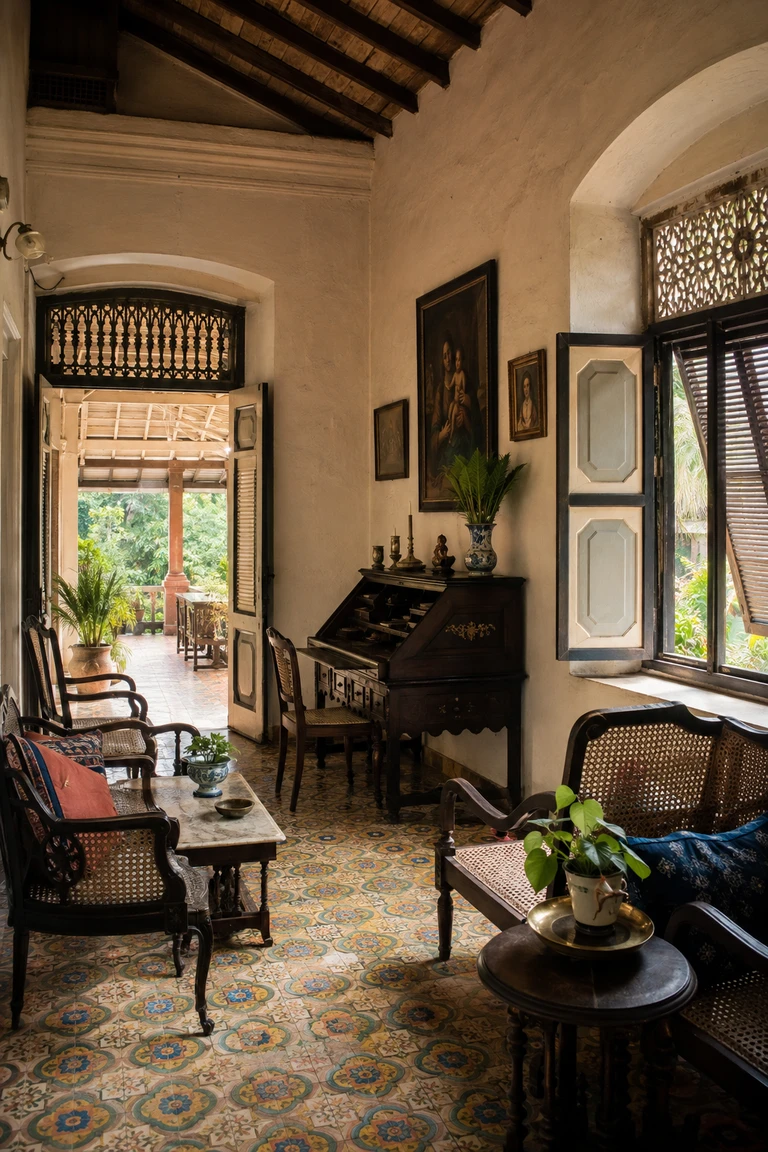
A ceramic repair exchange and Goan Indo-Portuguese room value visible continuity over pristine replacement, allowing altered objects, patinated craft, and inherited types to record ongoing care.
Bridge 21 · Material intelligence
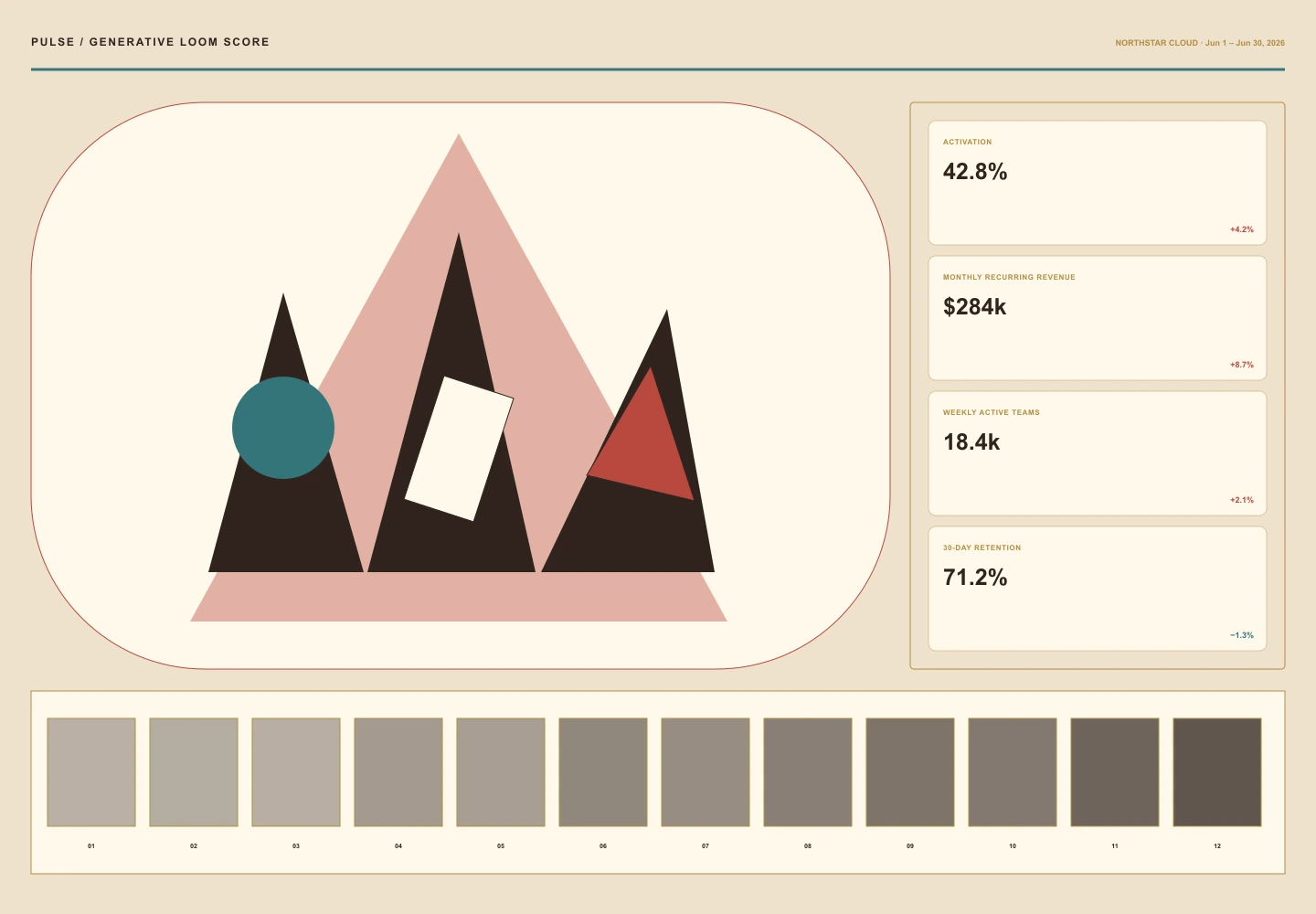
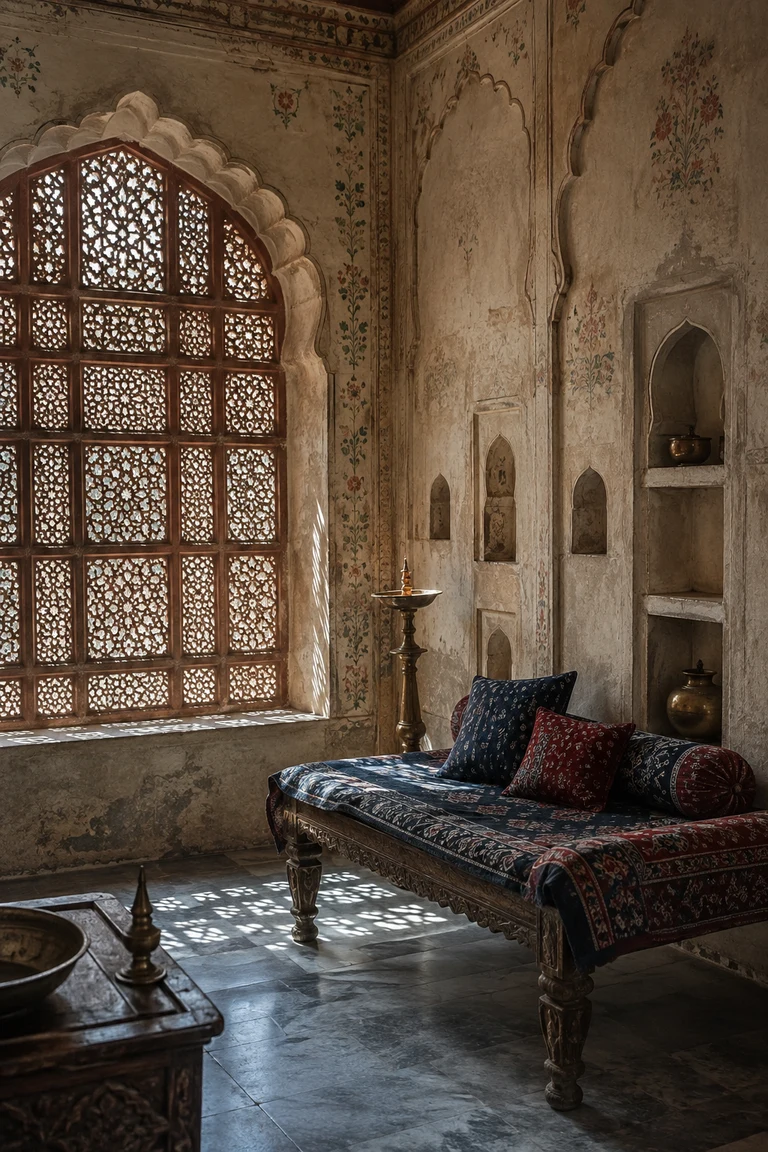
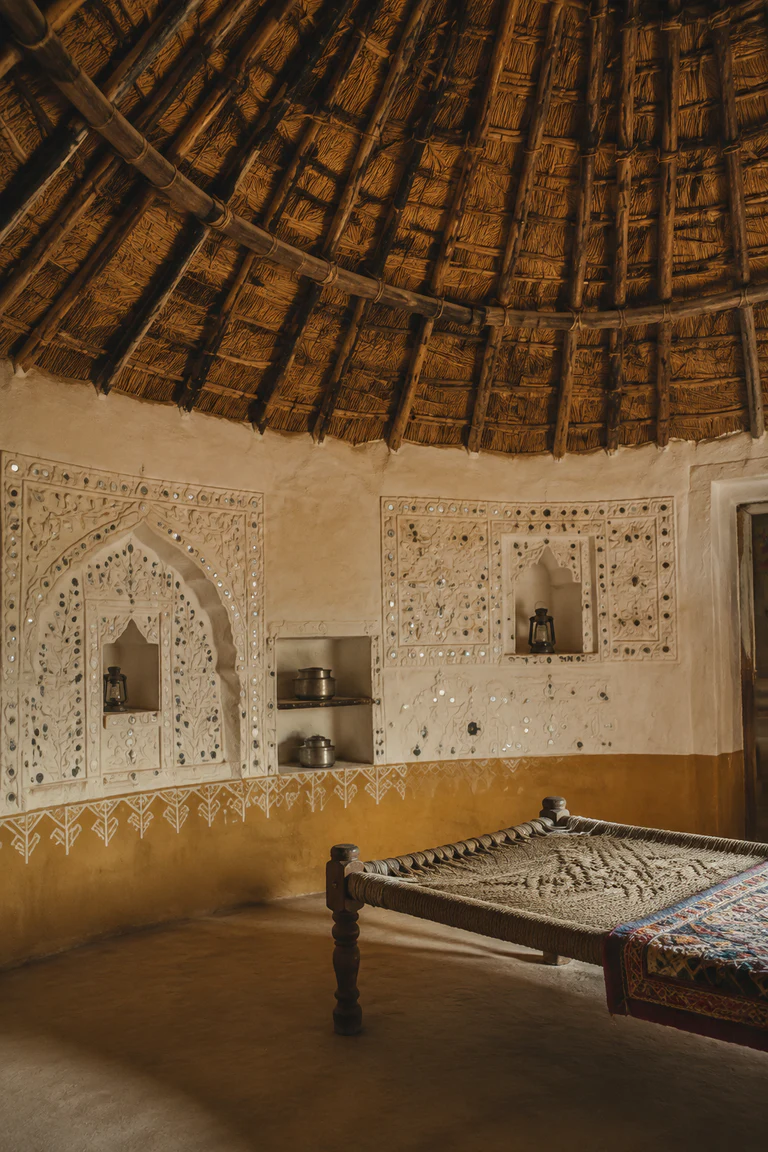
A generative loom score and Rajasthani haveli both encode making in repeated pattern, where the grid is not mere surface but a set of material instructions carried by thread, stone, pigment, and hand.
Bridge 22 · Visible systems
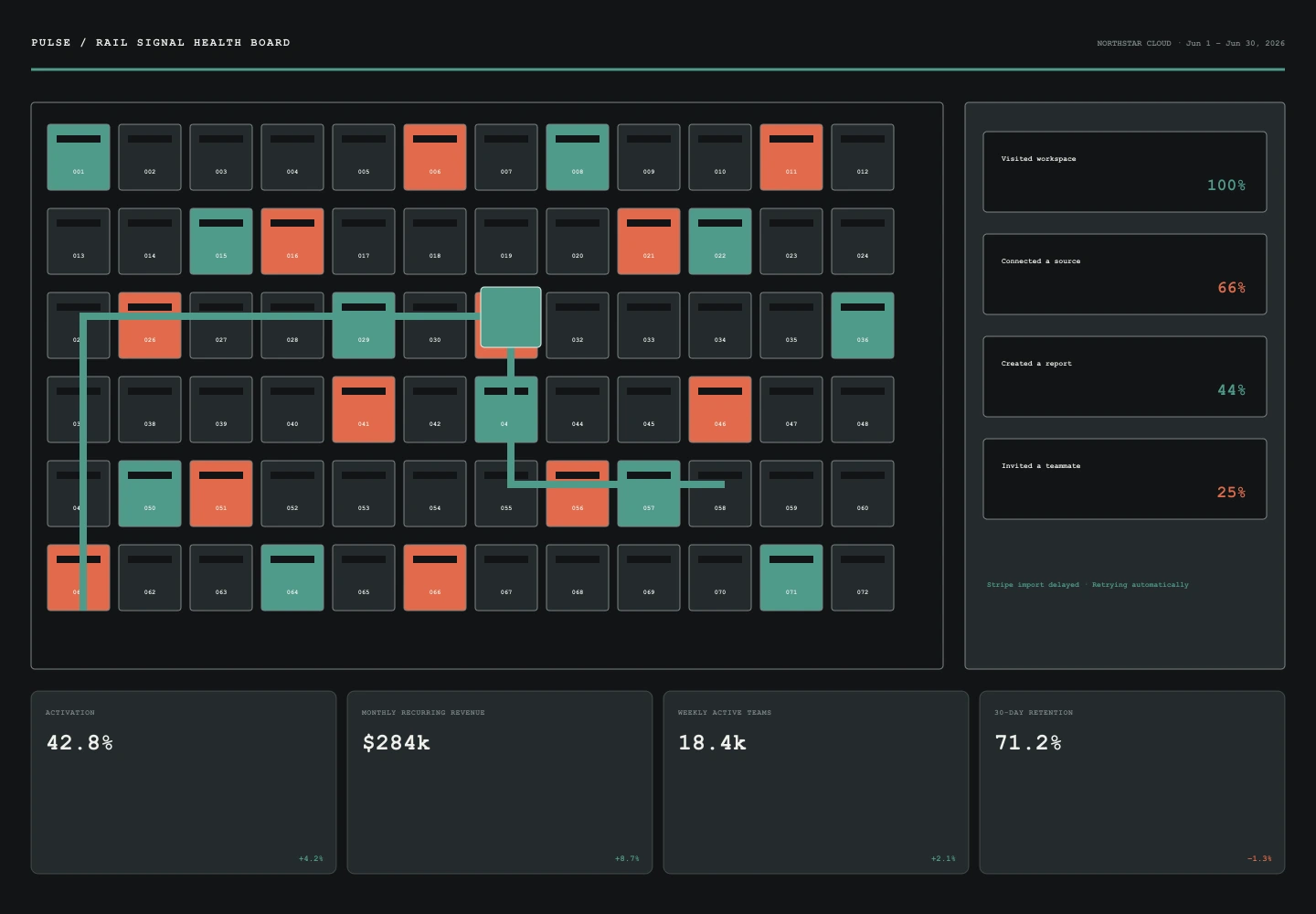
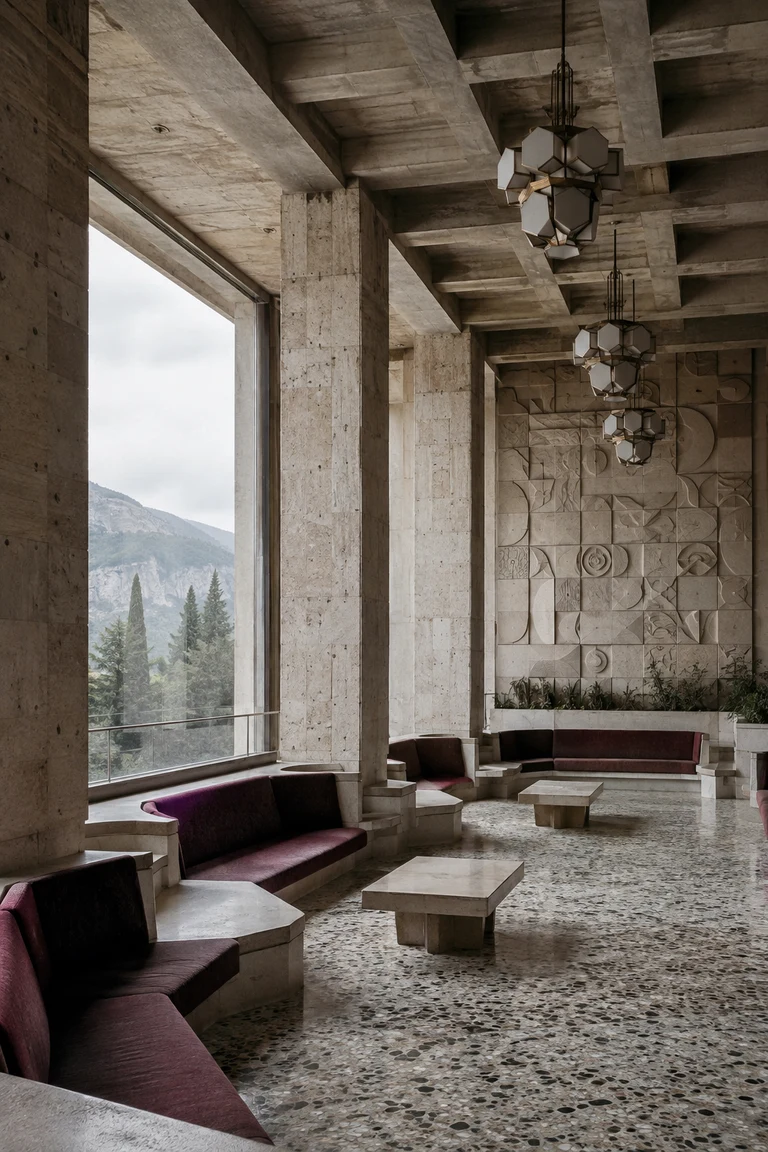
A rail signal health board and Soviet sanatorium lounge coordinate many shared states through repeated bays, strong datums, and visible status, making collective infrastructure feel graspable at room scale.
Bridge 23 · Movement and sequence
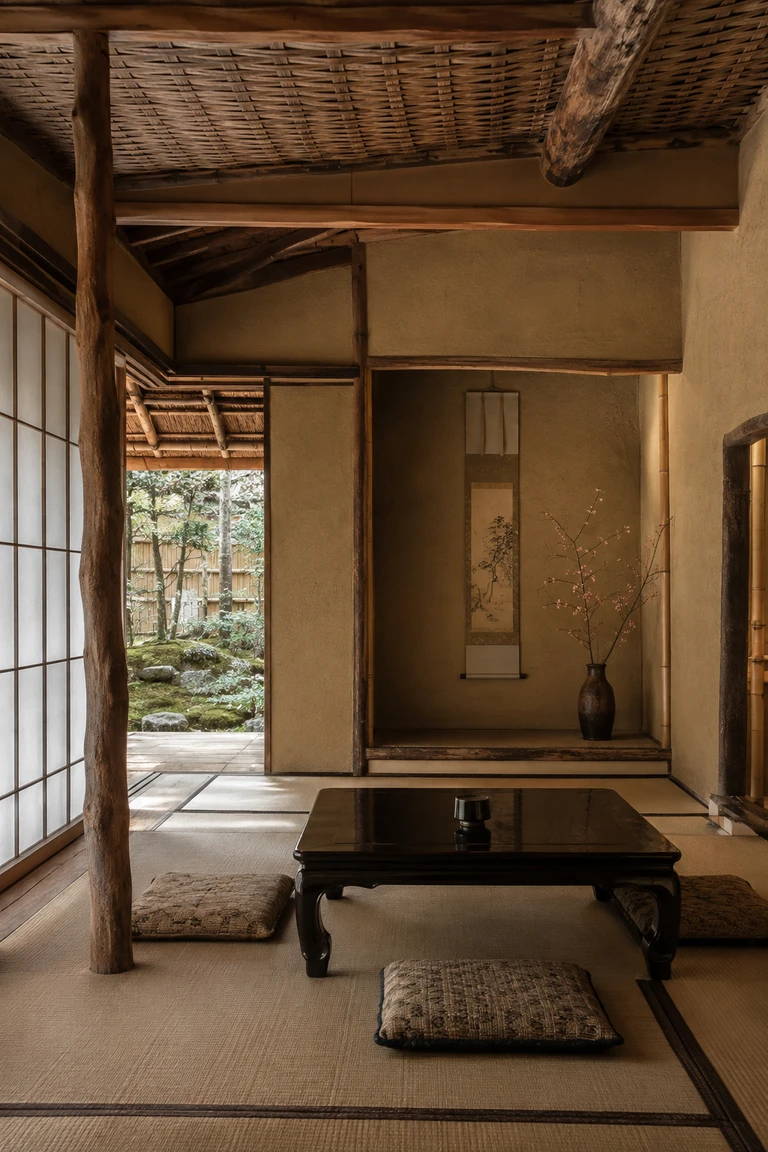
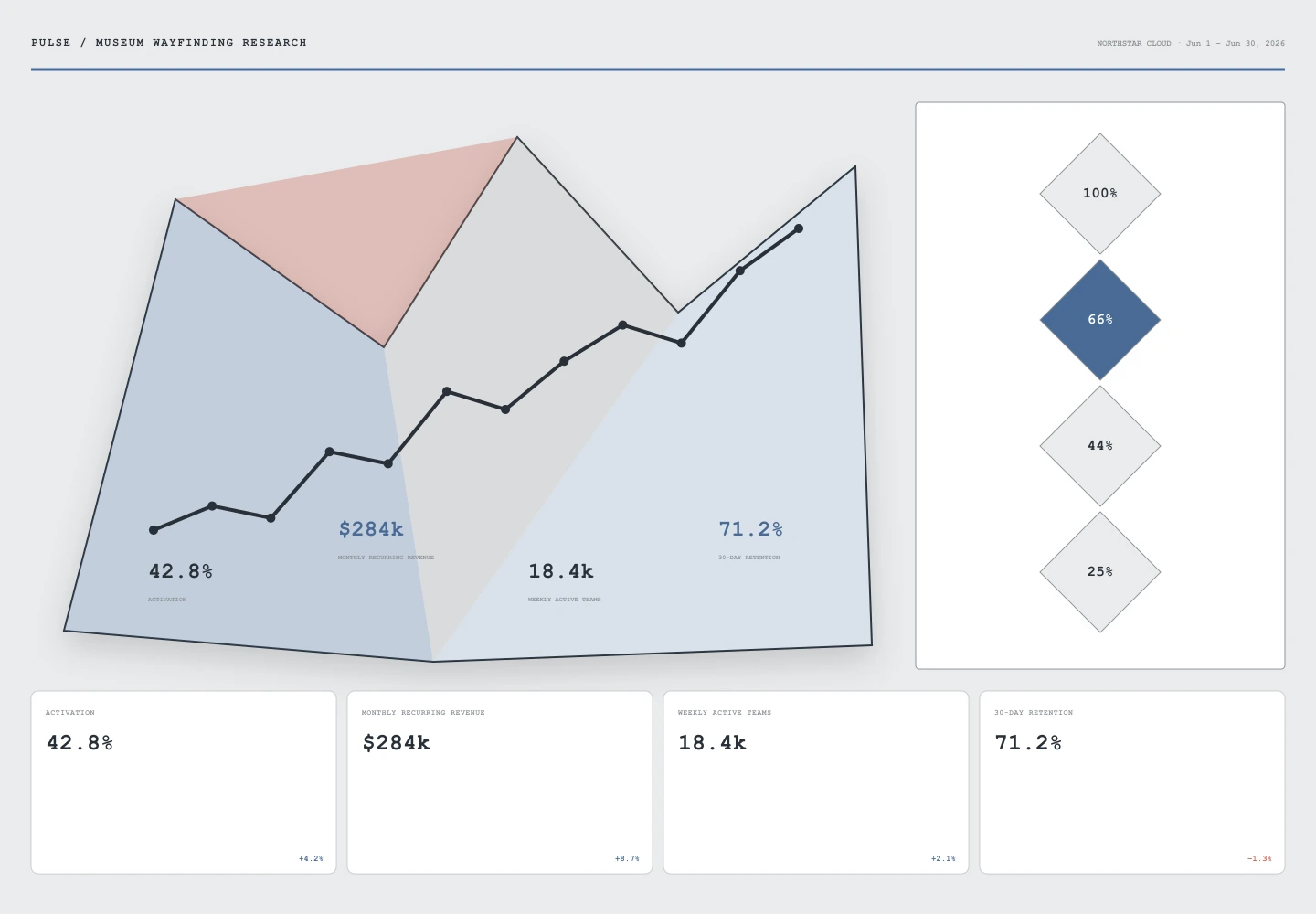
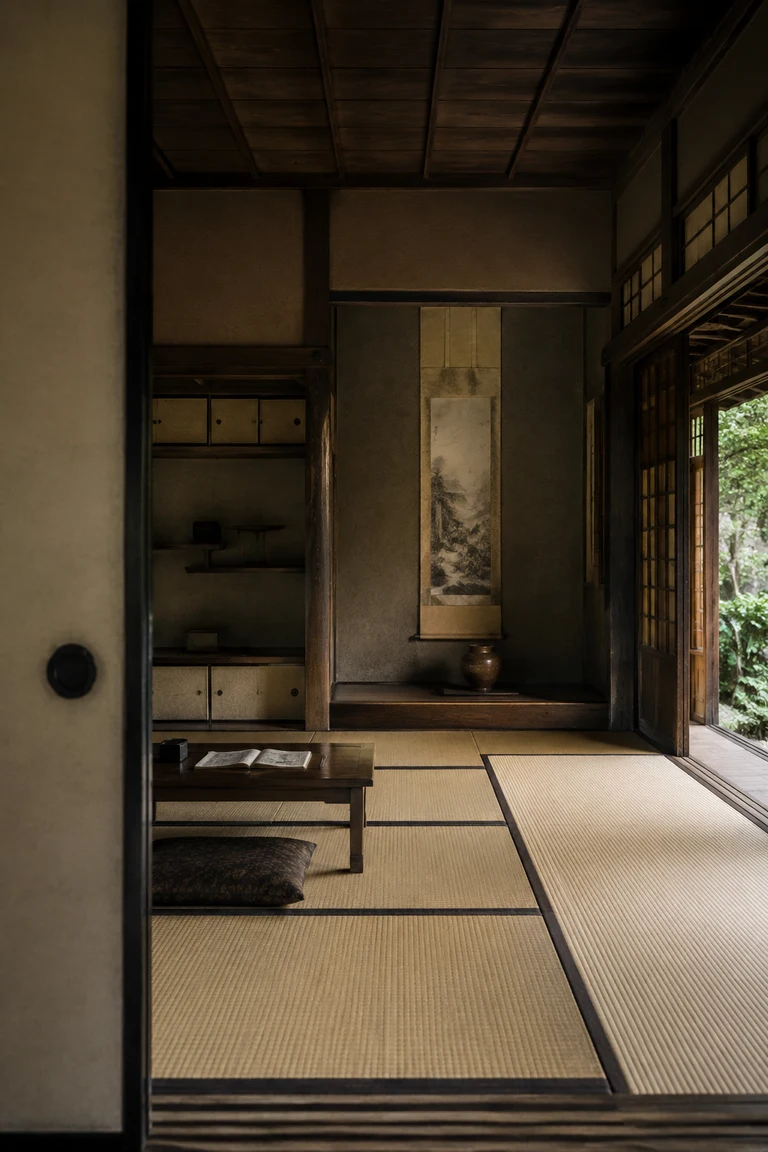
Museum wayfinding research and a Japanese shoin room guide attention through measured approach, framed thresholds, and clear moments of arrival, allowing sequence to establish hierarchy without signage overload.
Bridge 24 · Archives in use
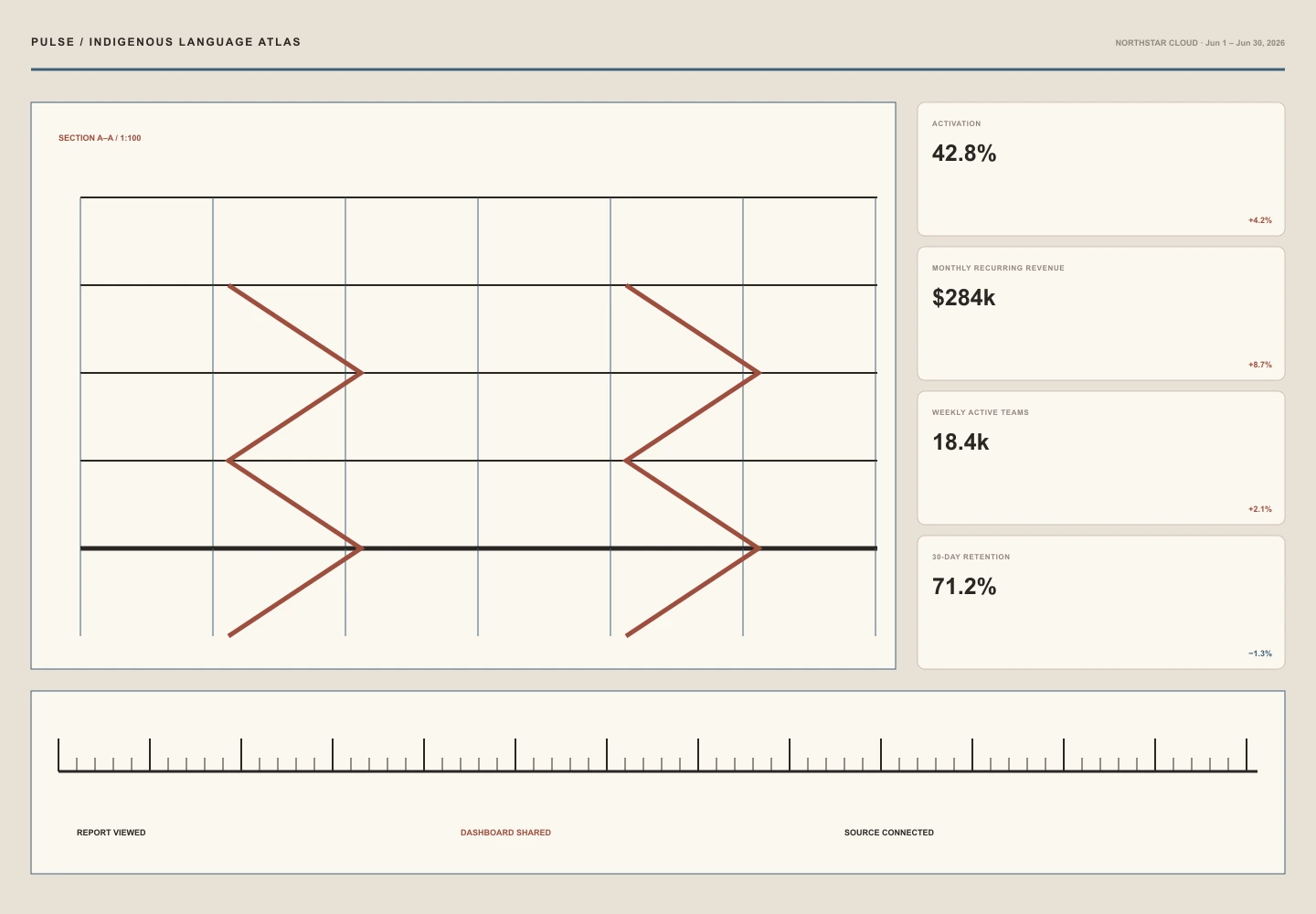
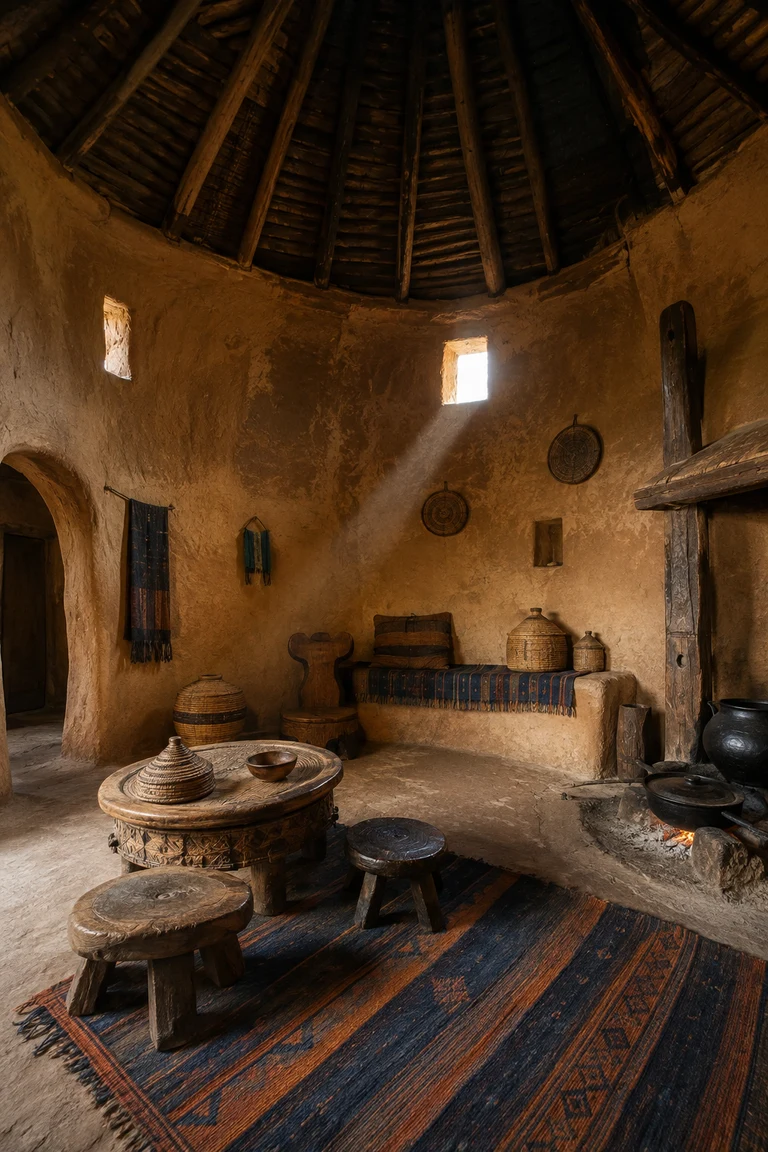
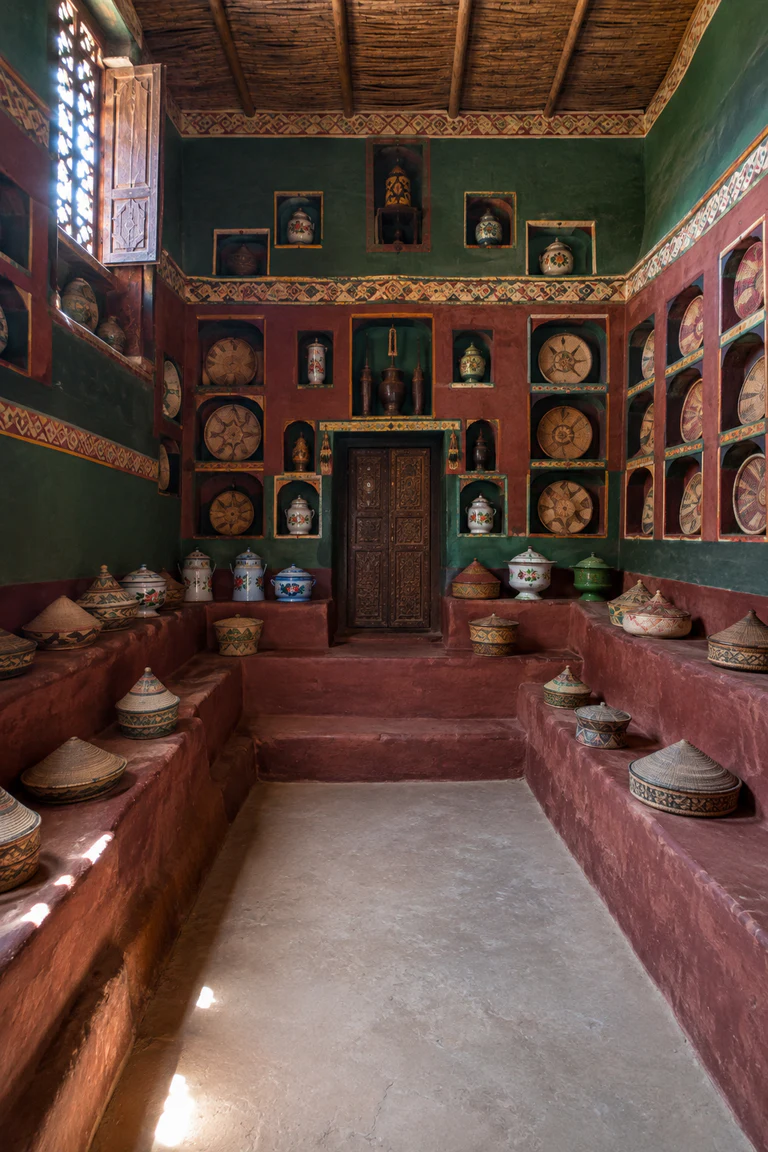
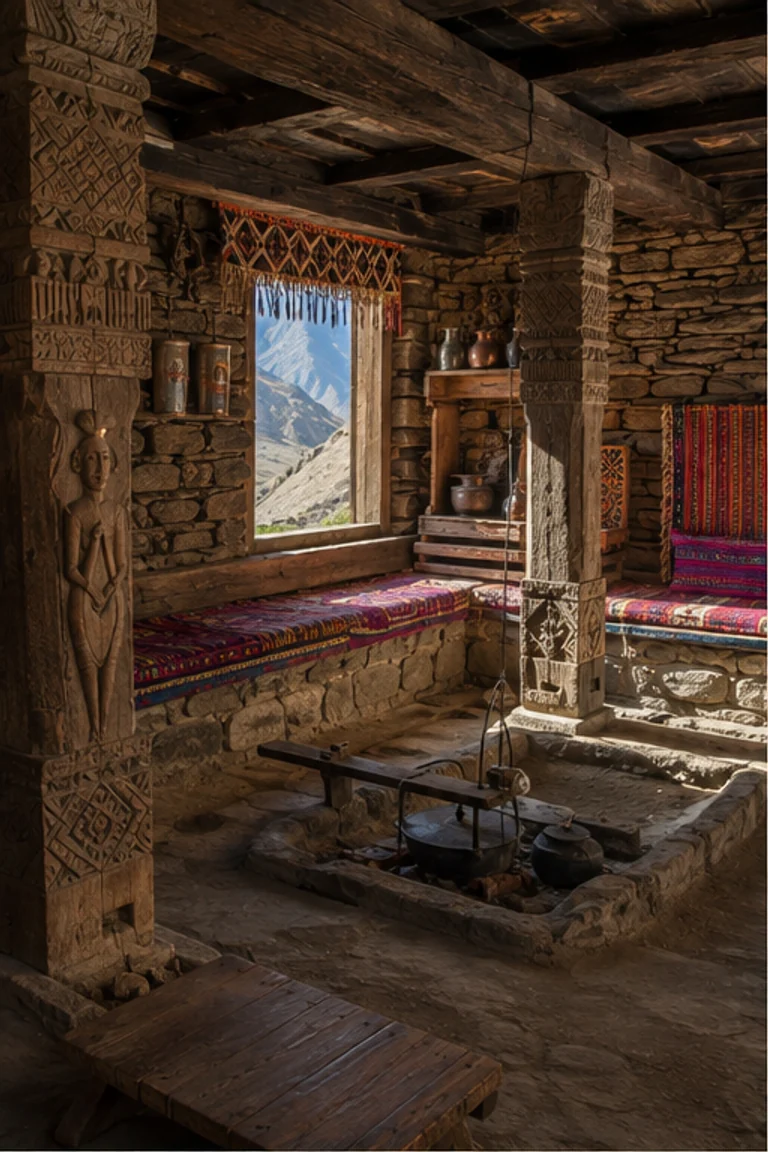
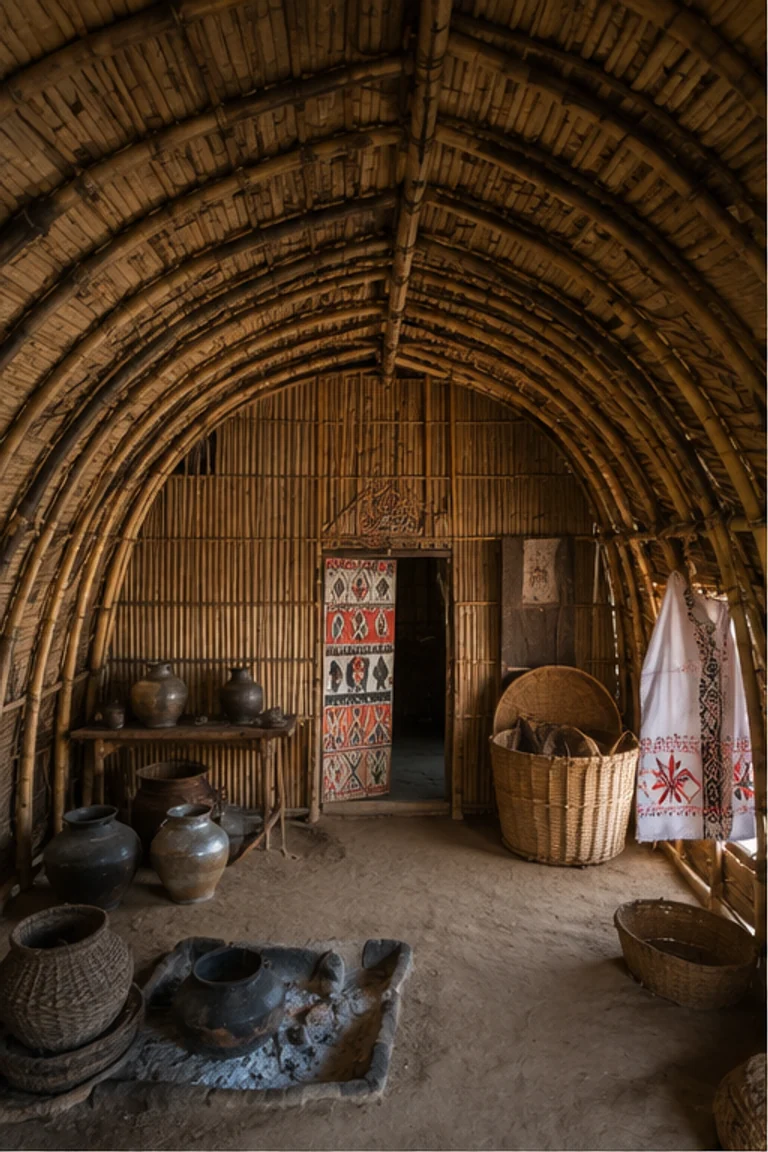
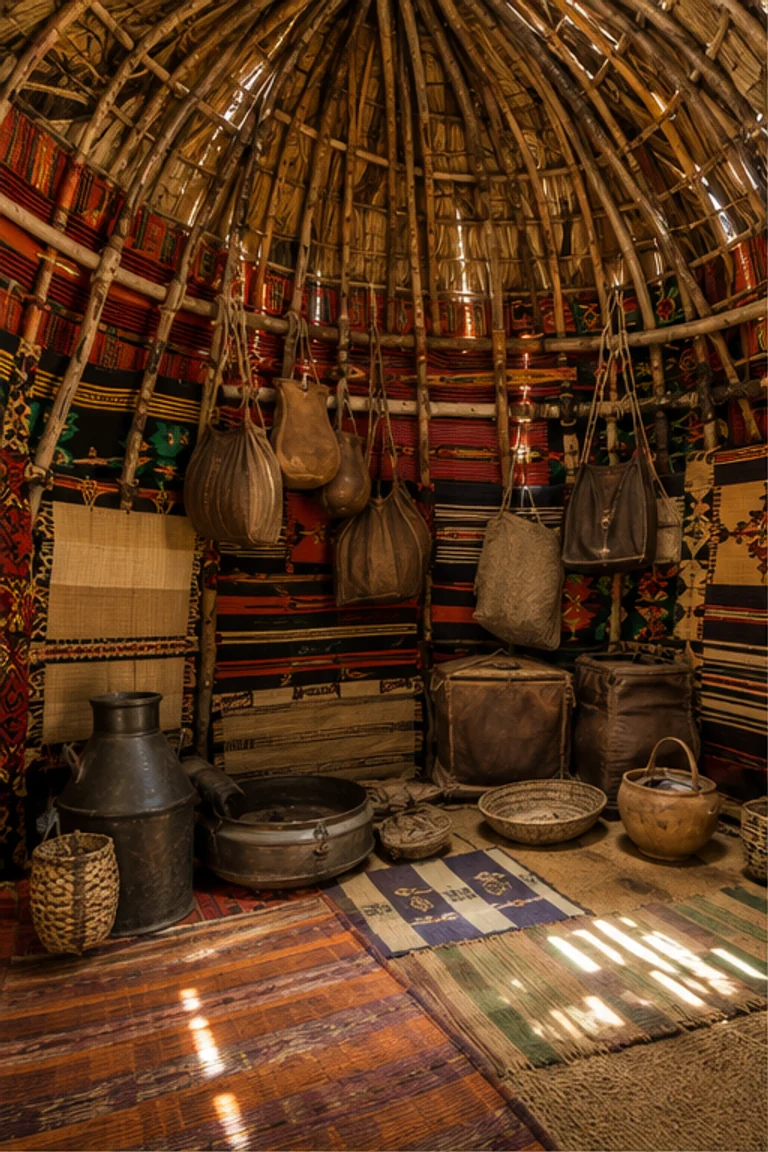
An Indigenous language atlas and Ethiopian highland room preserve knowledge through active practice: spoken entries, woven vessels, repeated forms, and community context keep the archive social rather than static.
Bridge 25 · Clarity as care
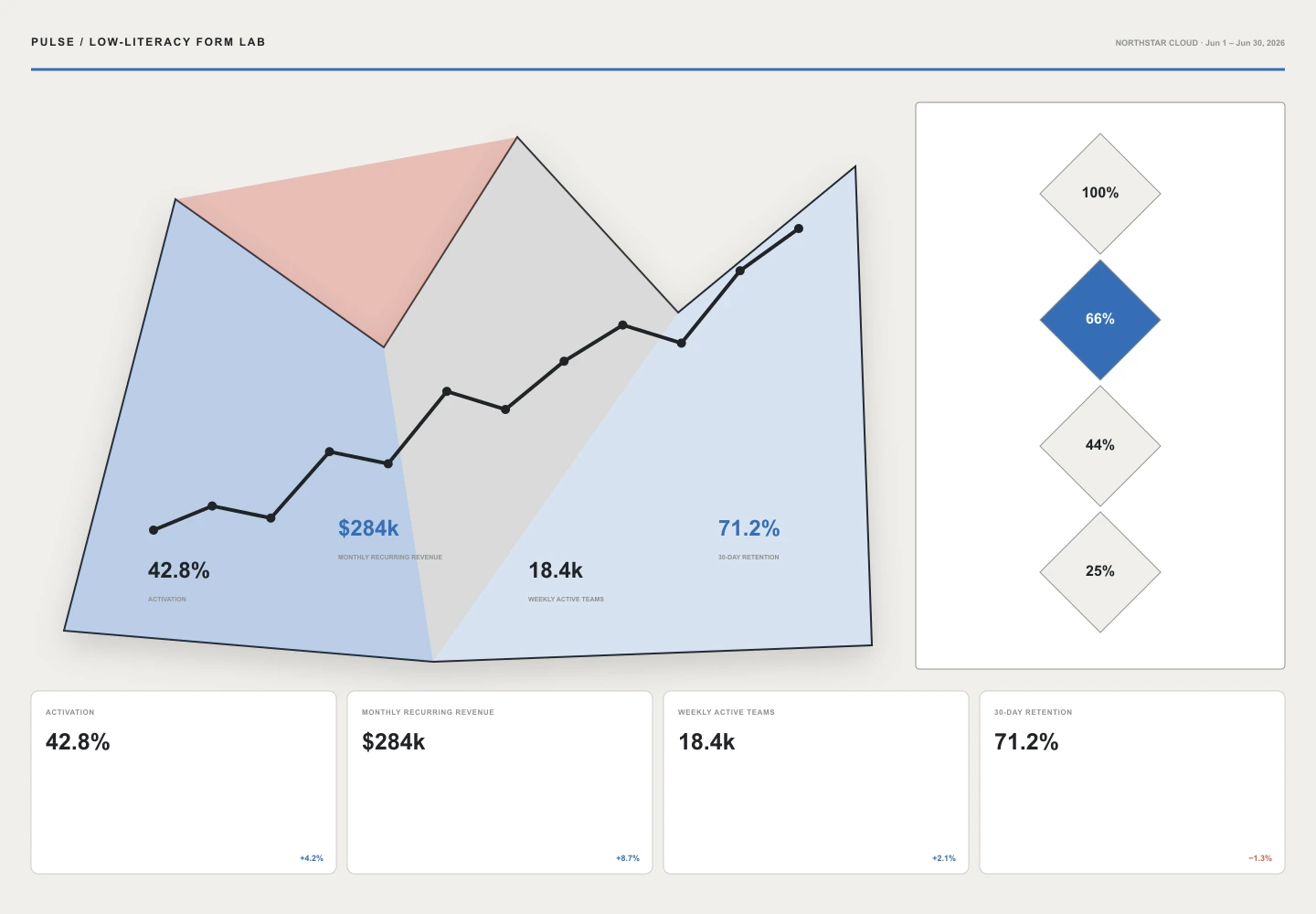
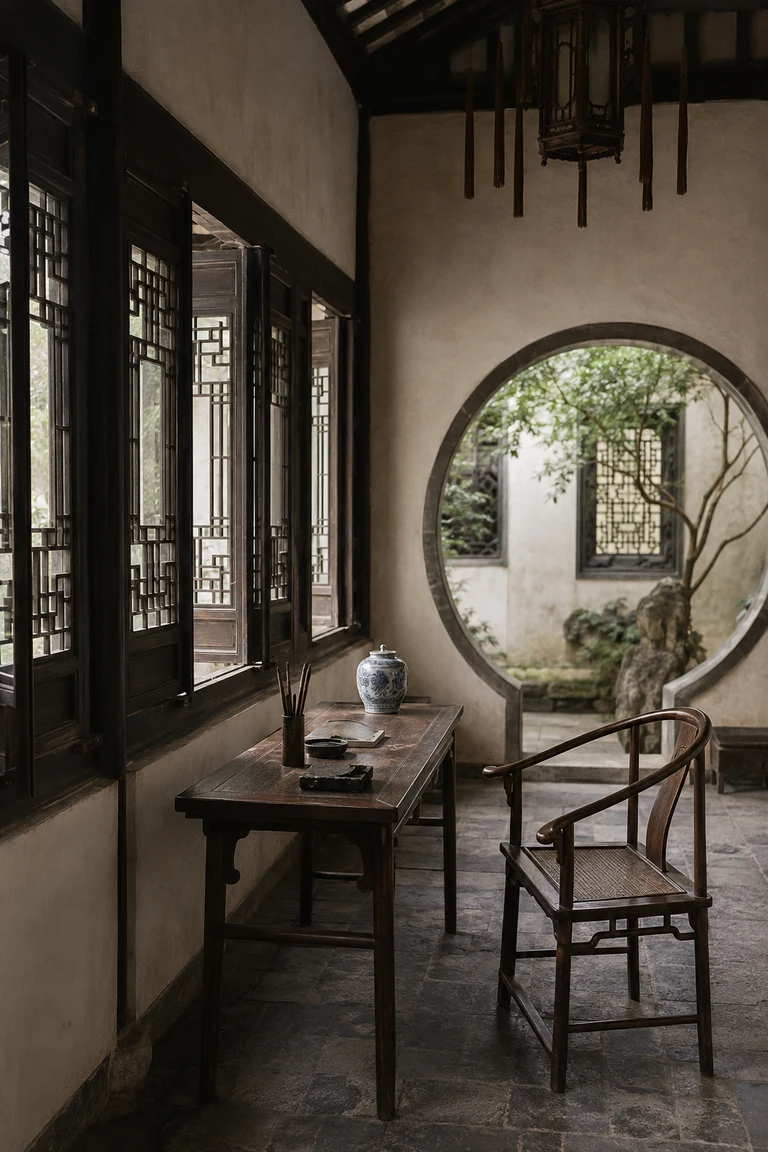
A low-literacy form lab and Chinese scholar’s studio both protect attention by separating essentials, ordering each next move, and giving words, tools, and meaningful objects enough quiet space to be understood.
Bridge 26 · Material intelligence
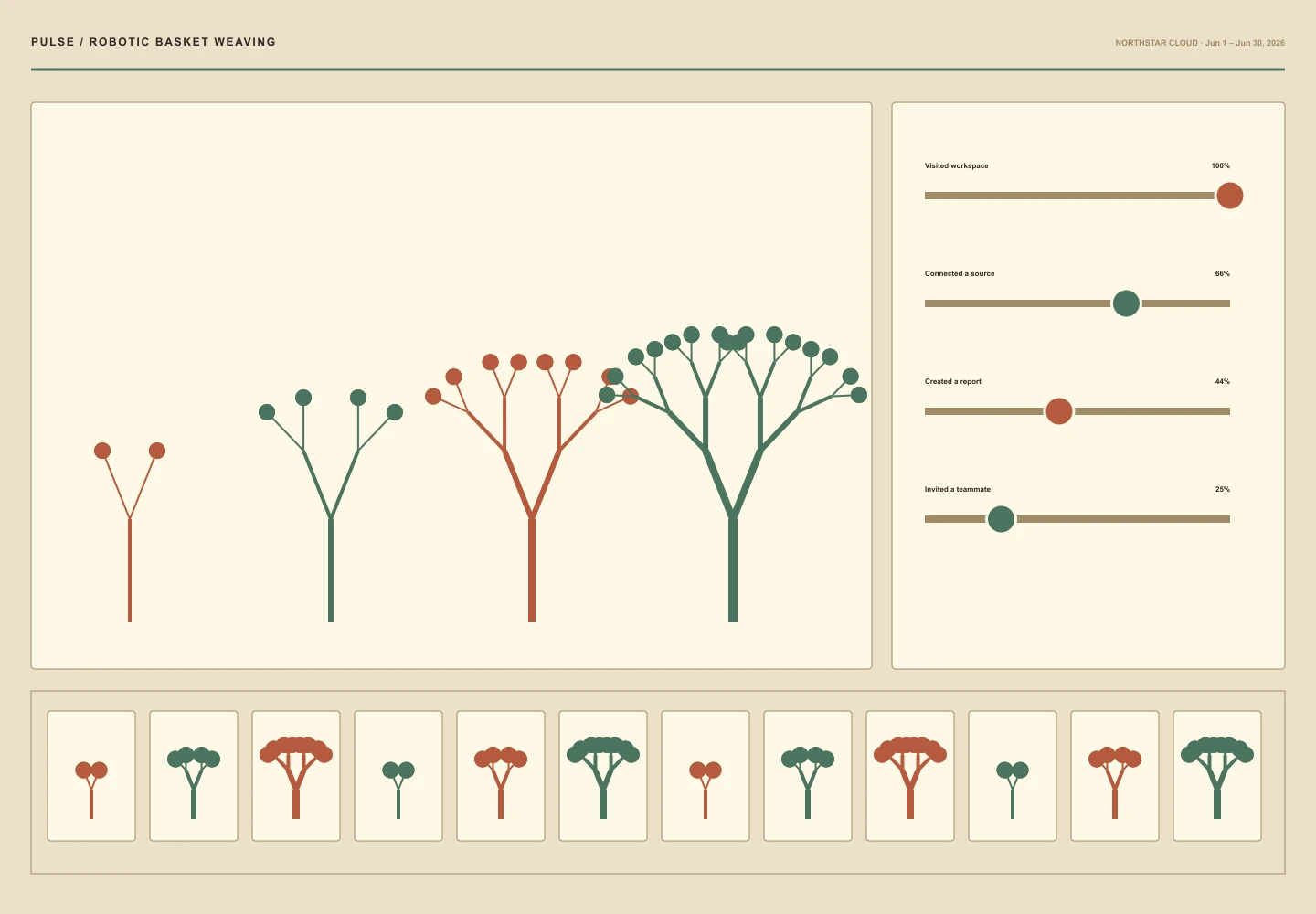
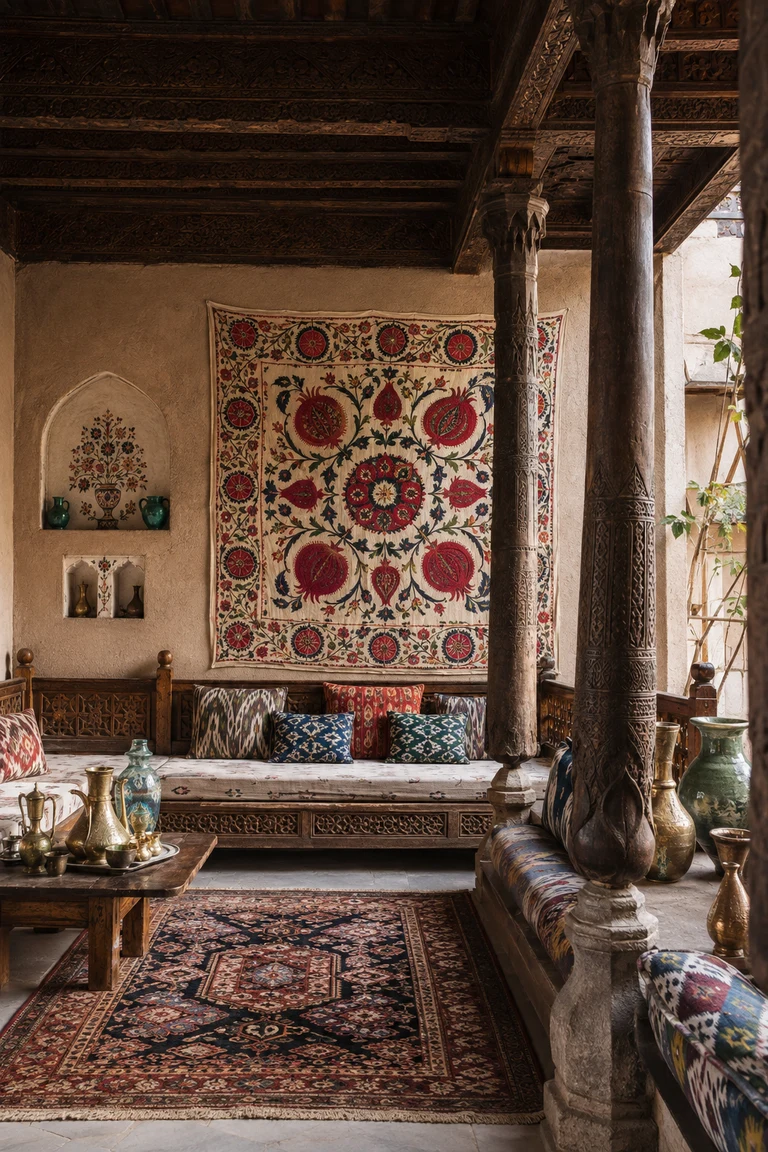
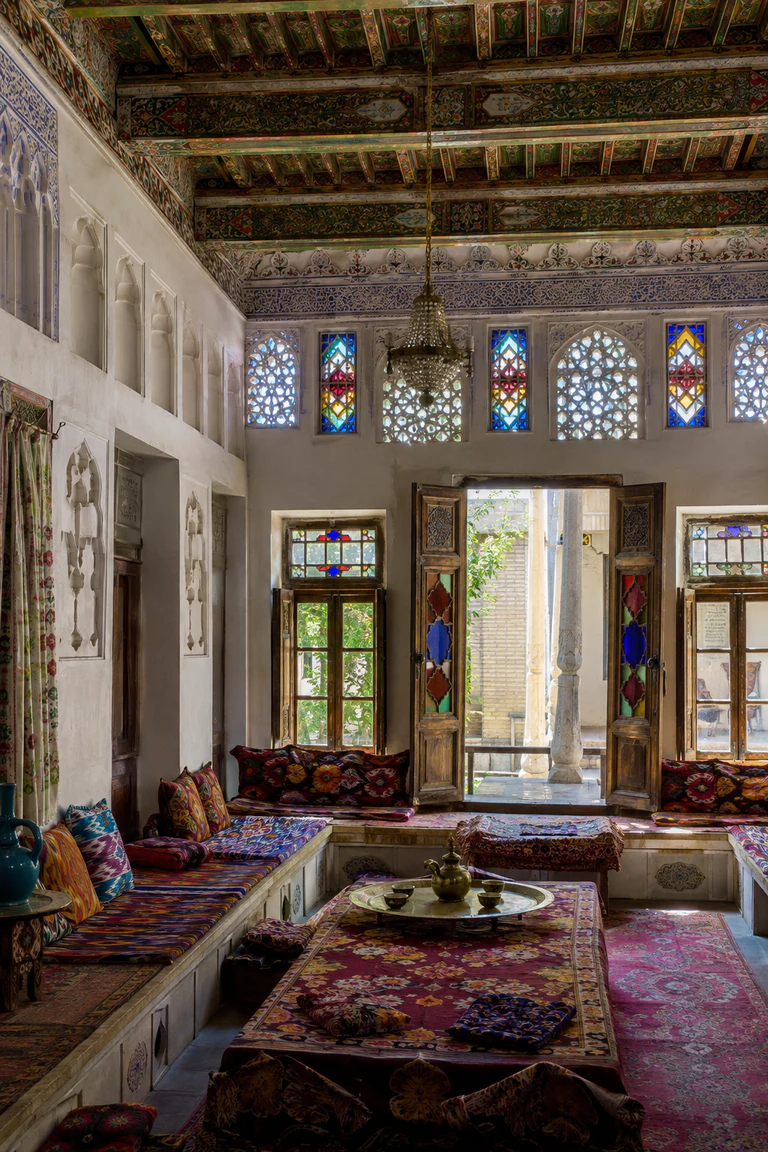
Robotic basket weaving and an Uzbek suzani room treat pattern as executable knowledge: repeated paths record tension, sequence, hand skill, and cultural memory while allowing each material outcome to vary.
Bridge 27 · Visible systems
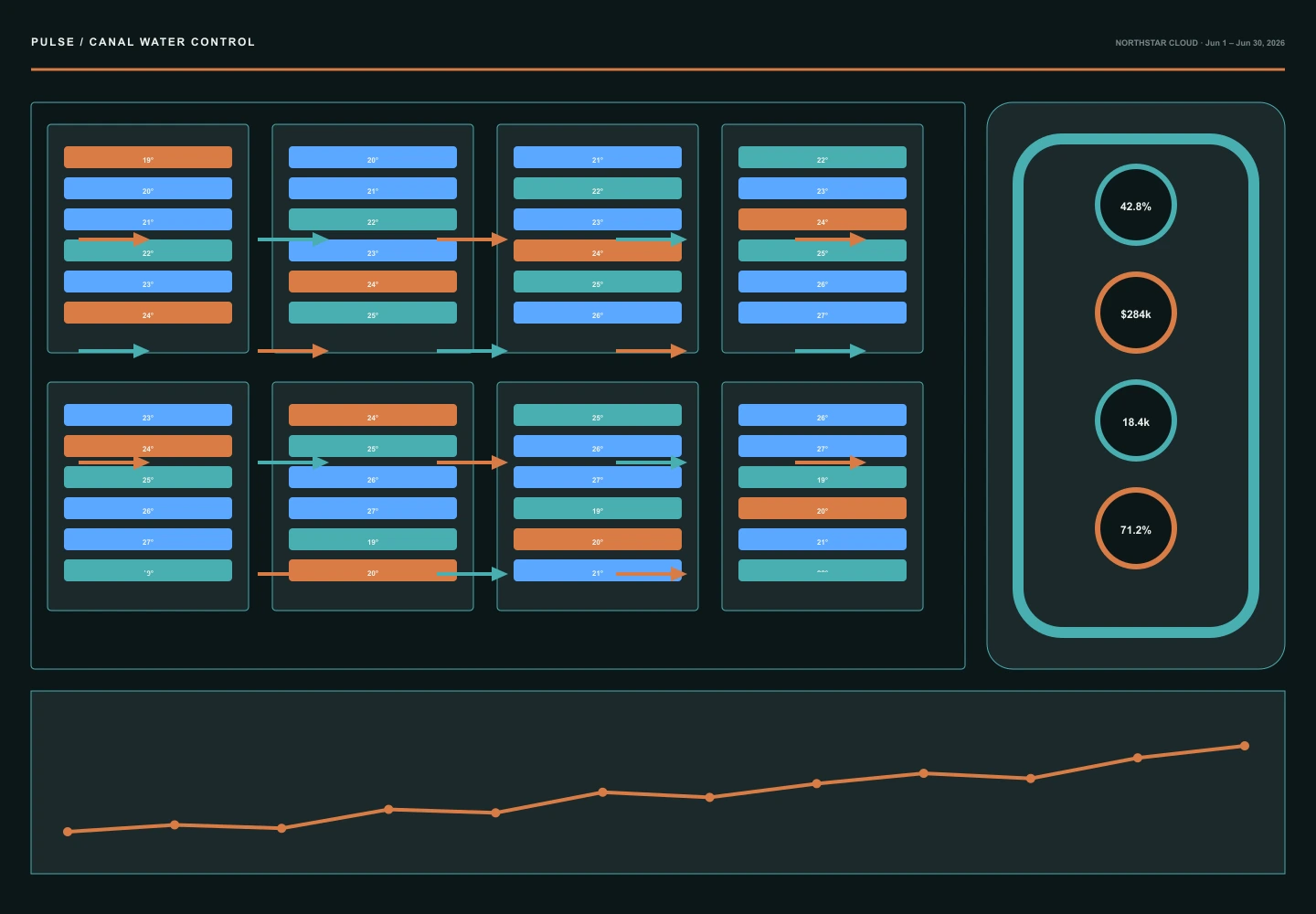
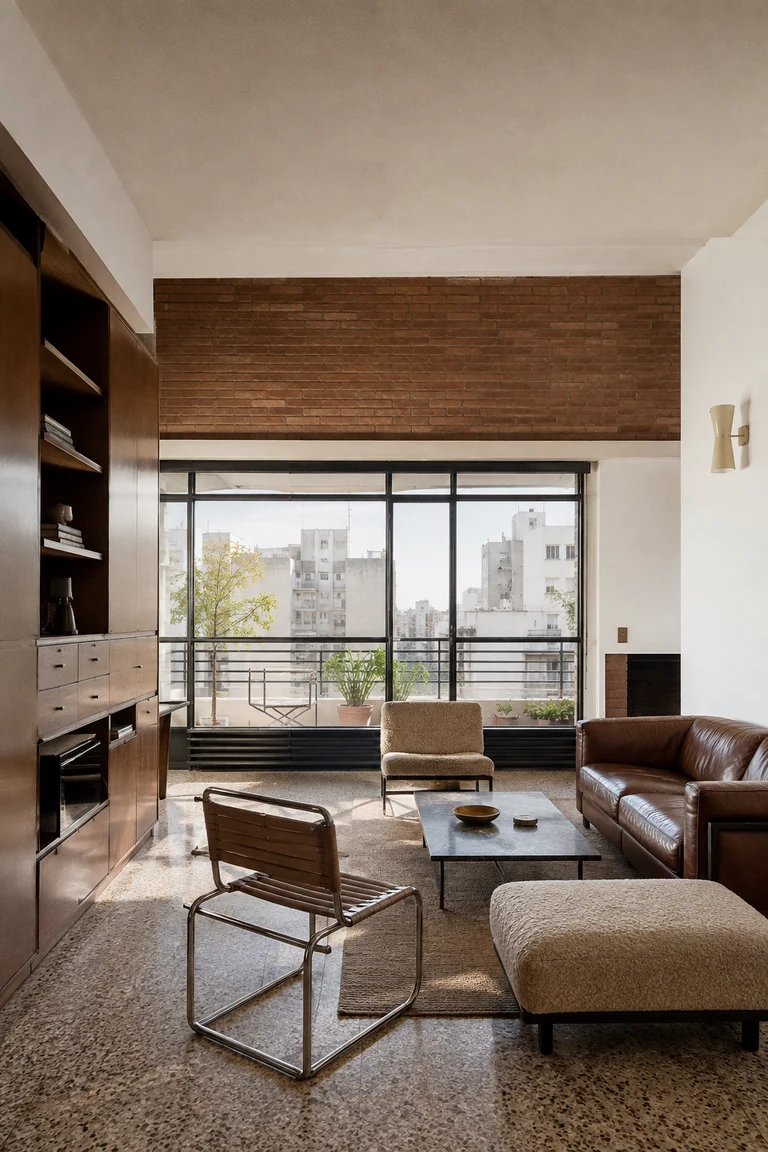
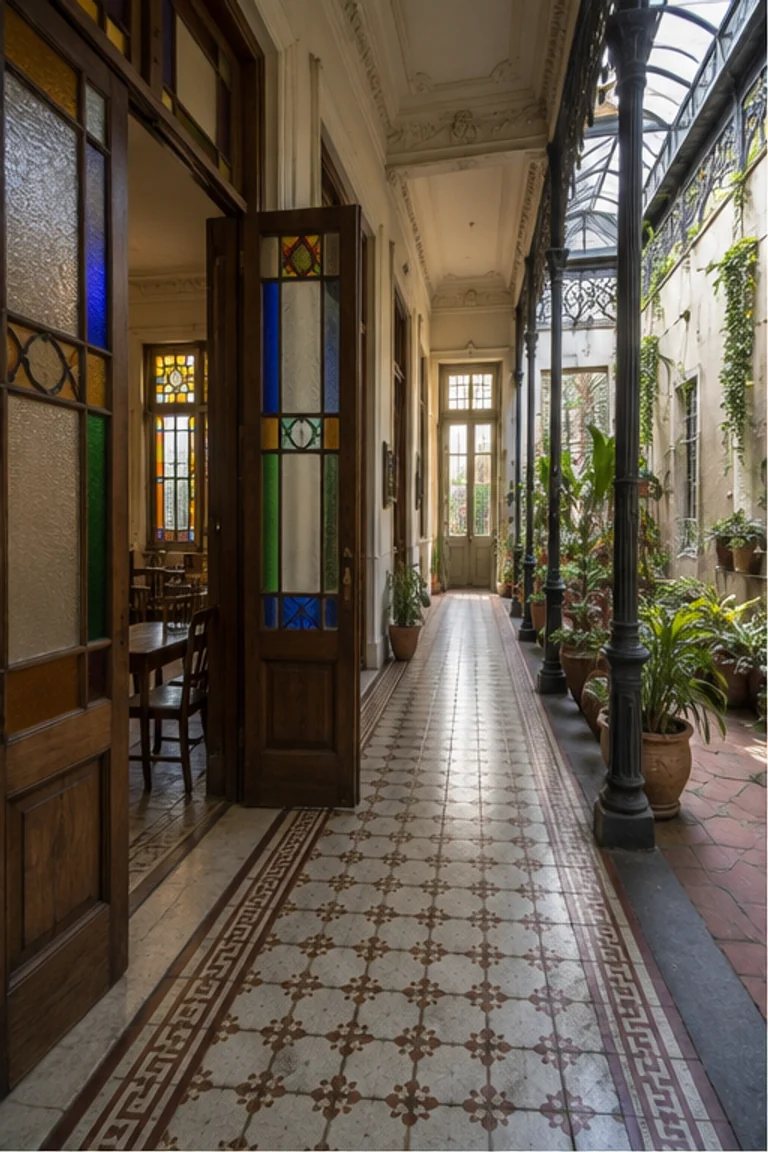
A canal control interface and Argentine rationalist apartment expose the grid that distributes movement. Locks, structural bays, thresholds, and status lines make flow manageable without concealing its dependencies.
Bridge 28 · Climate feedback
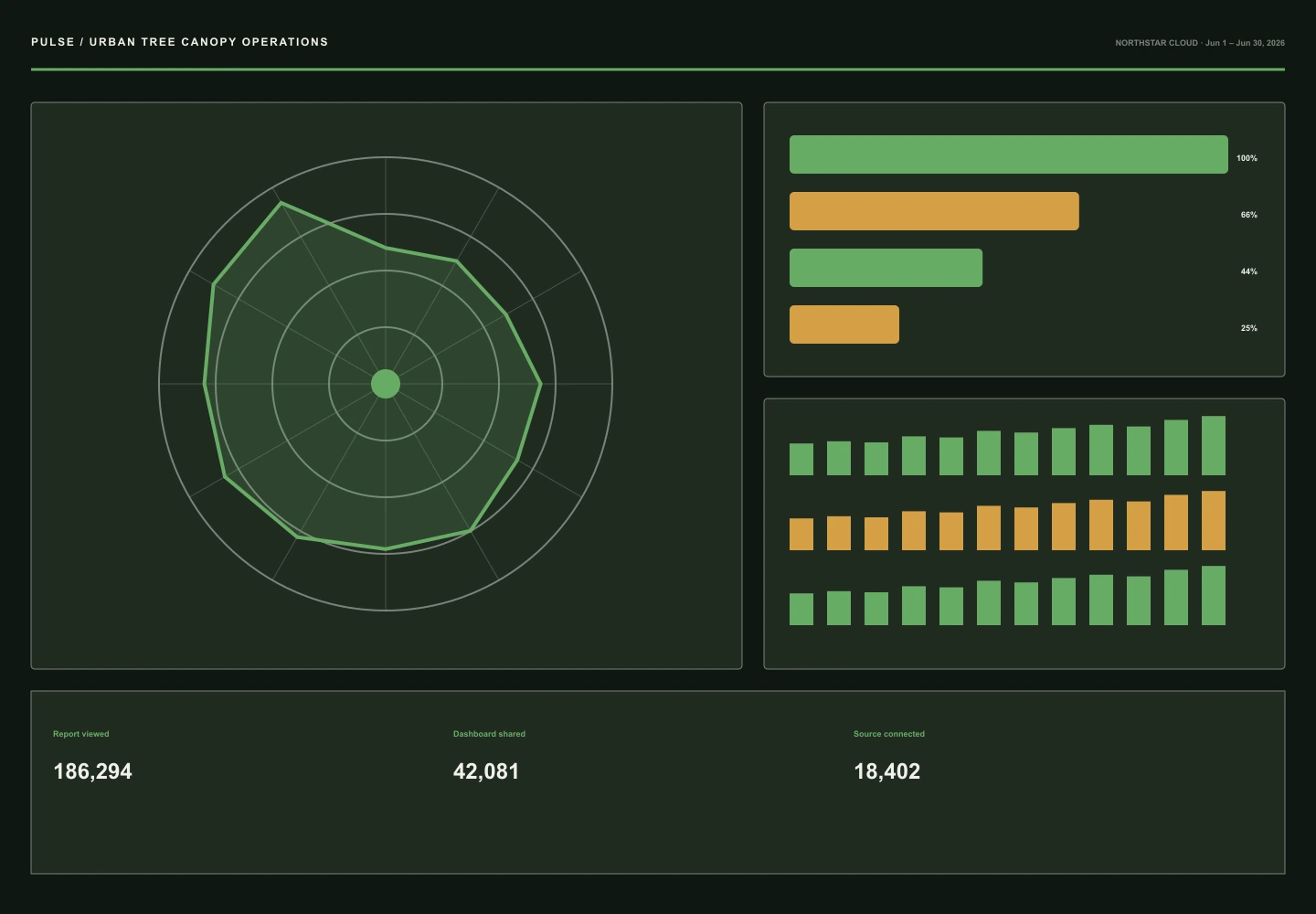
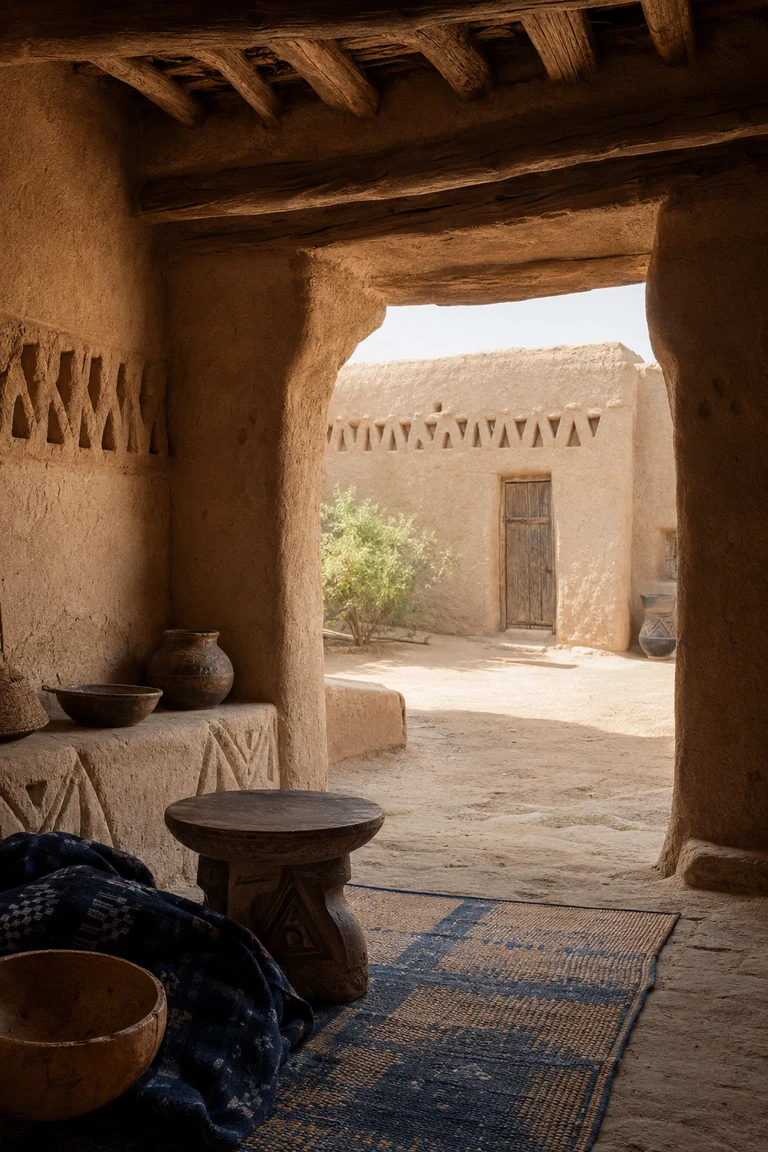
Urban canopy operations and a Sahelian courtyard turn shade into measurable infrastructure. Tree cover, earthen mass, watering routes, and deep portals coordinate comfort as a changing environmental system.
Bridge 29 · Movement and sequence
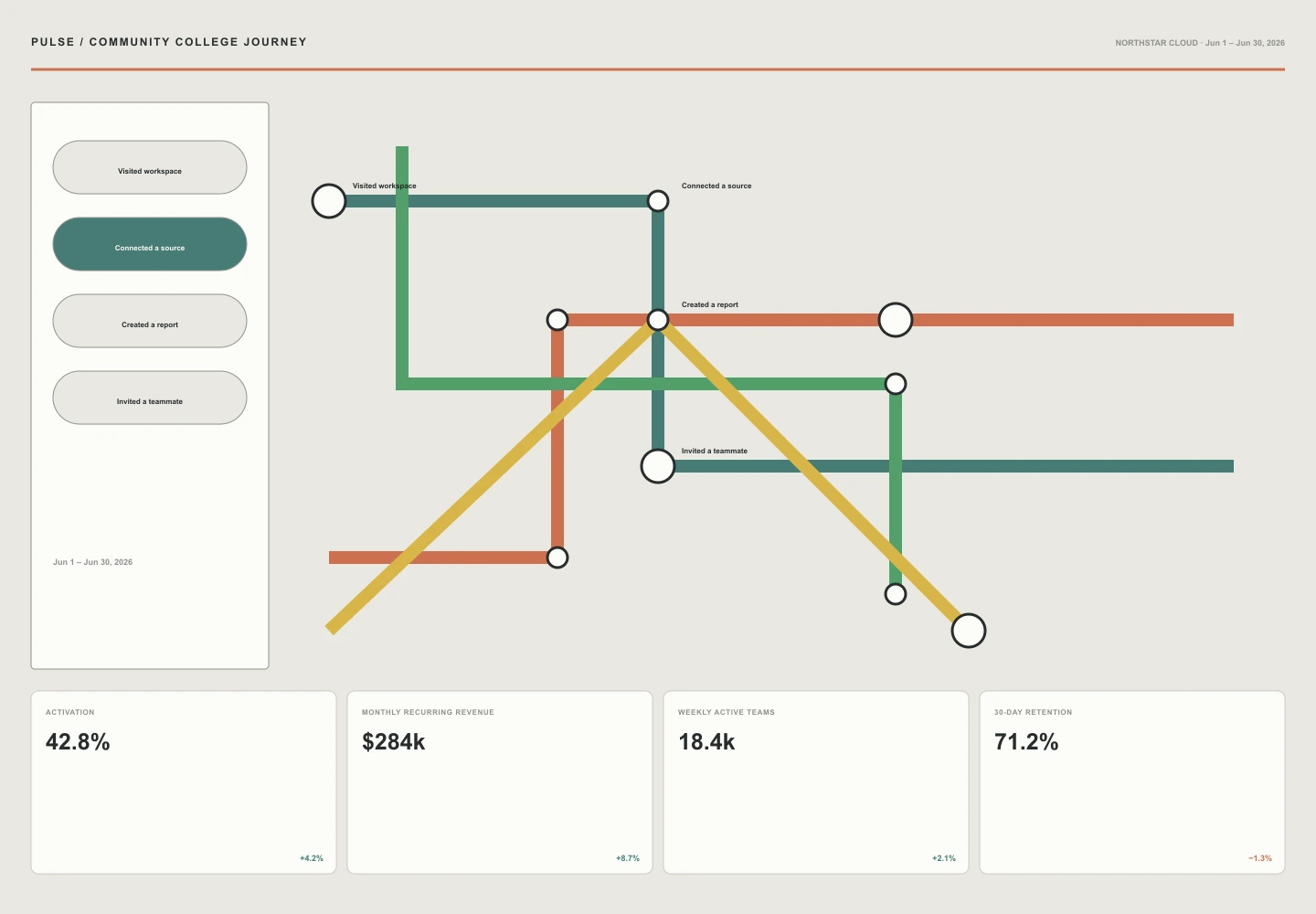
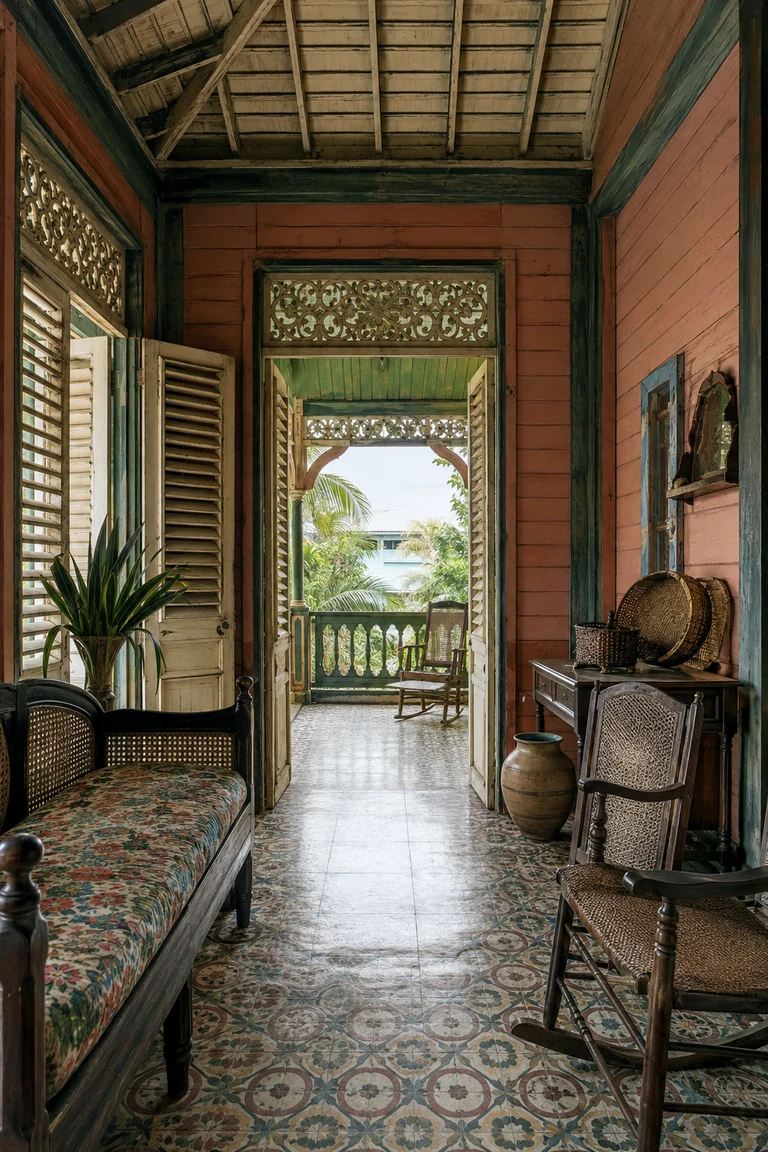
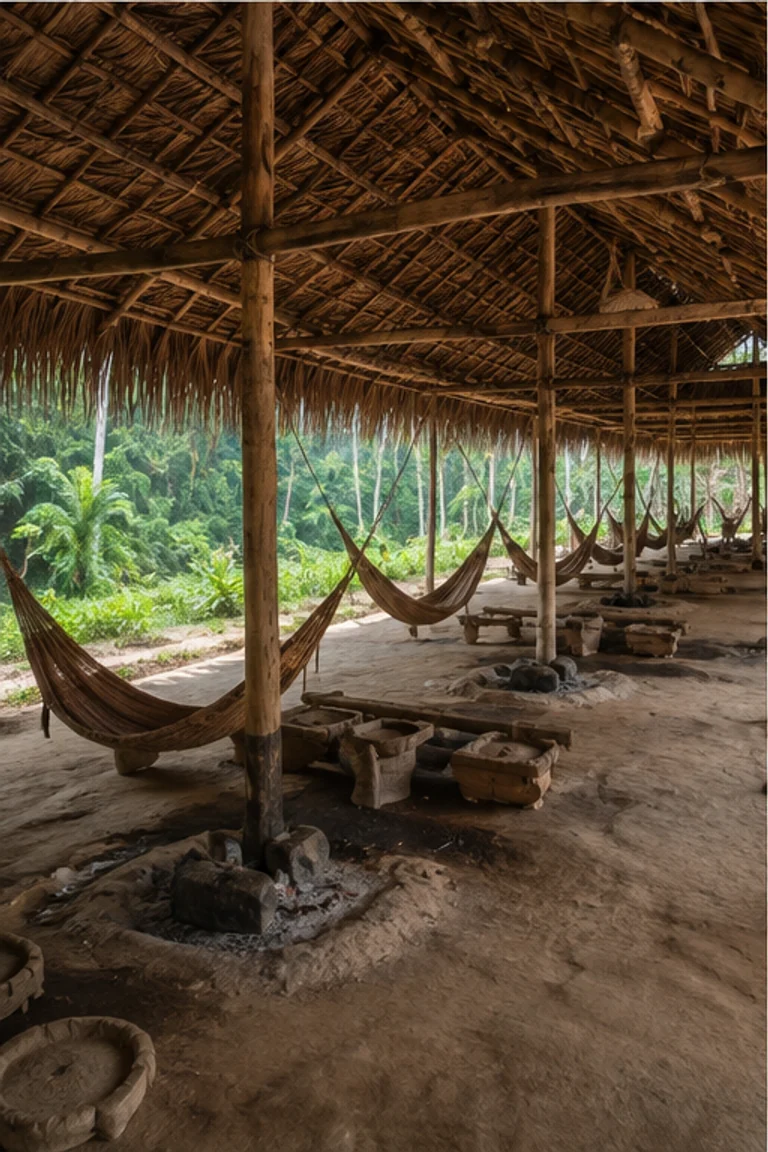
A community-college journey and Haitian Gingerbread house make transitions supportive rather than abrupt, using visible handoffs, open transoms, shaded verandas, and intermediate places where direction can be regained.
Bridge 30 · Archives in use
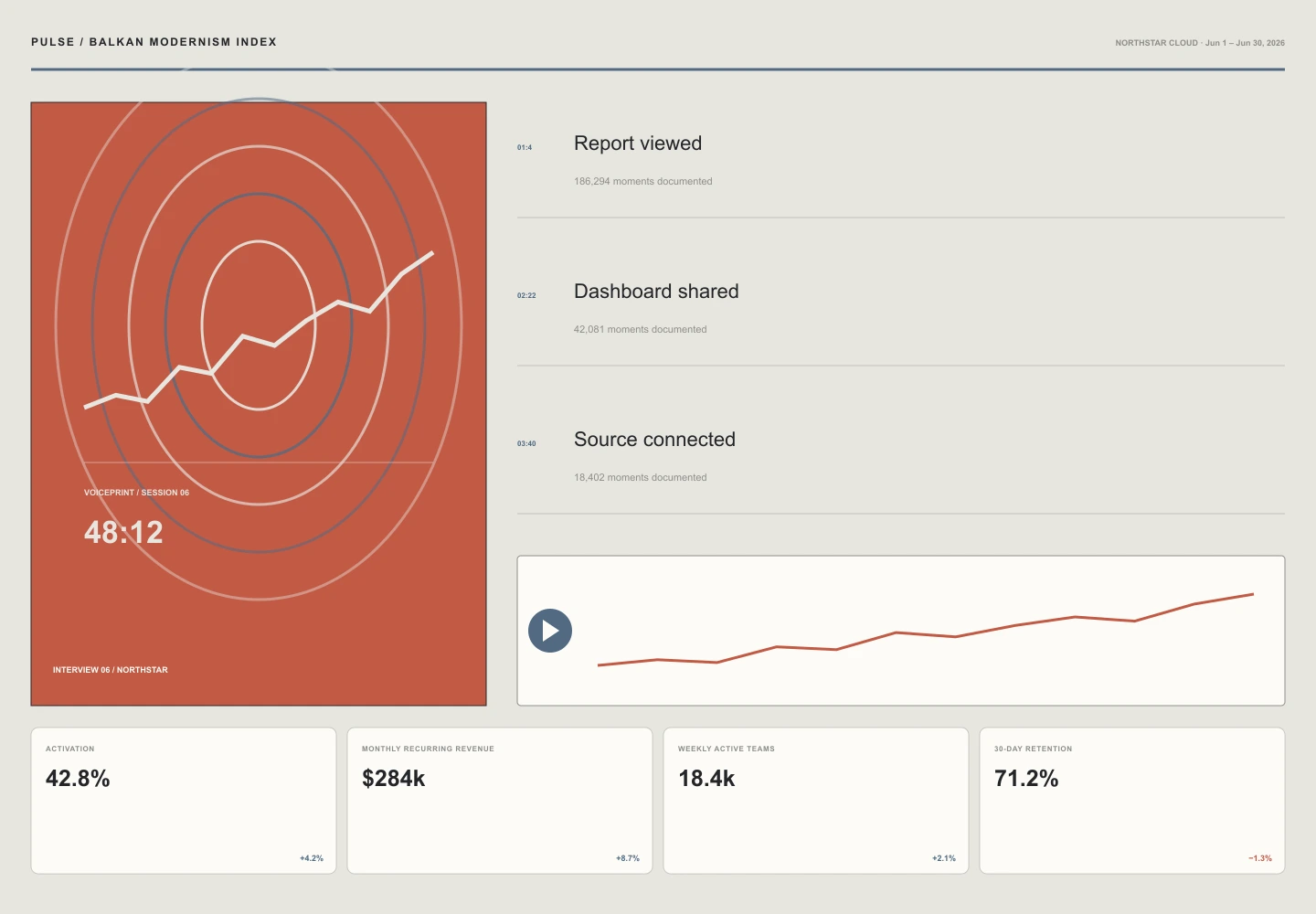
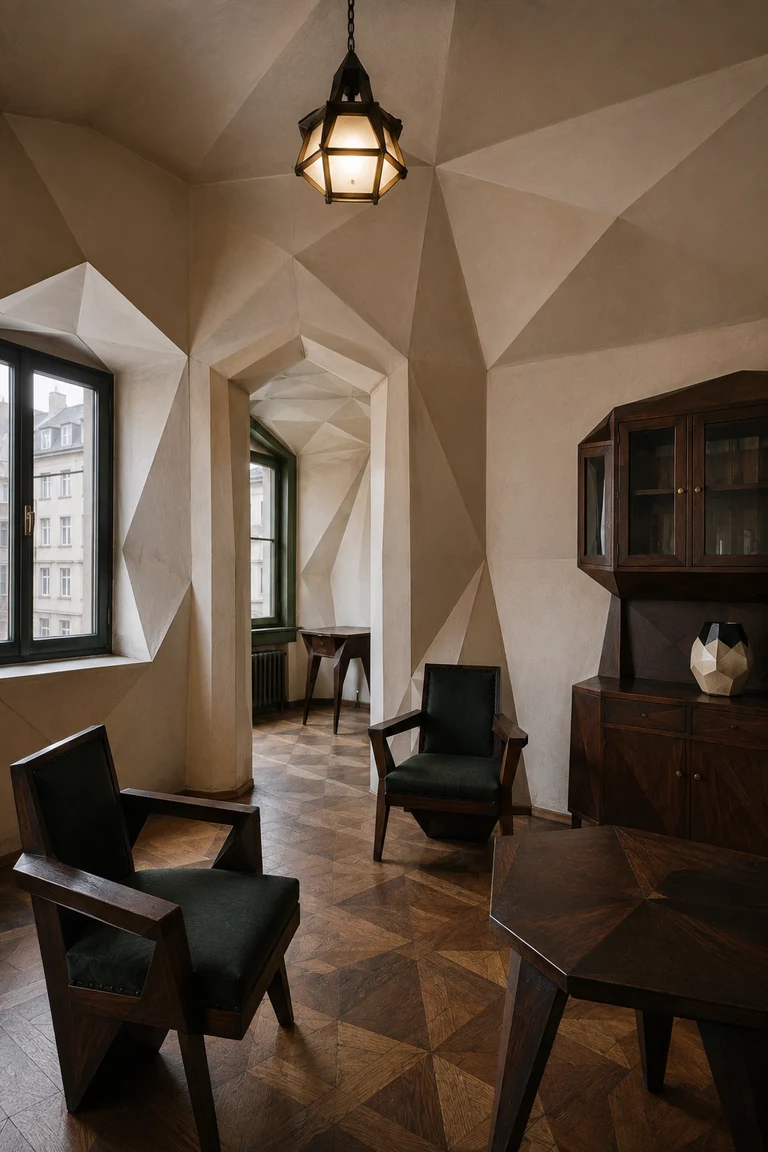
A Balkan modernism index and Czech Cubist salon recover more than isolated objects: drawings, buildings, faceted rooms, and furniture reconnect into design systems whose historical force appears through relationships.
Bridge 31 · Clarity as care
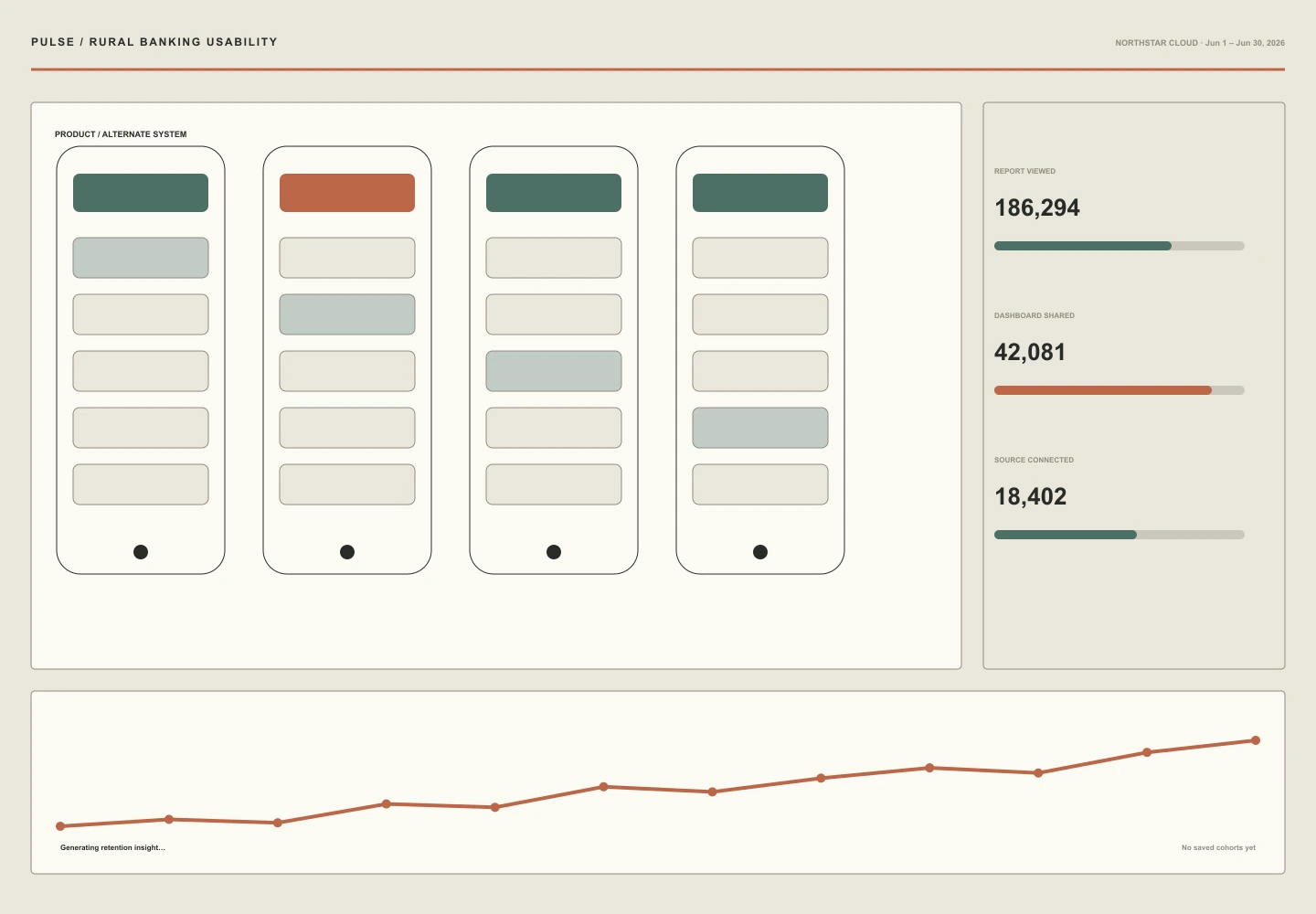
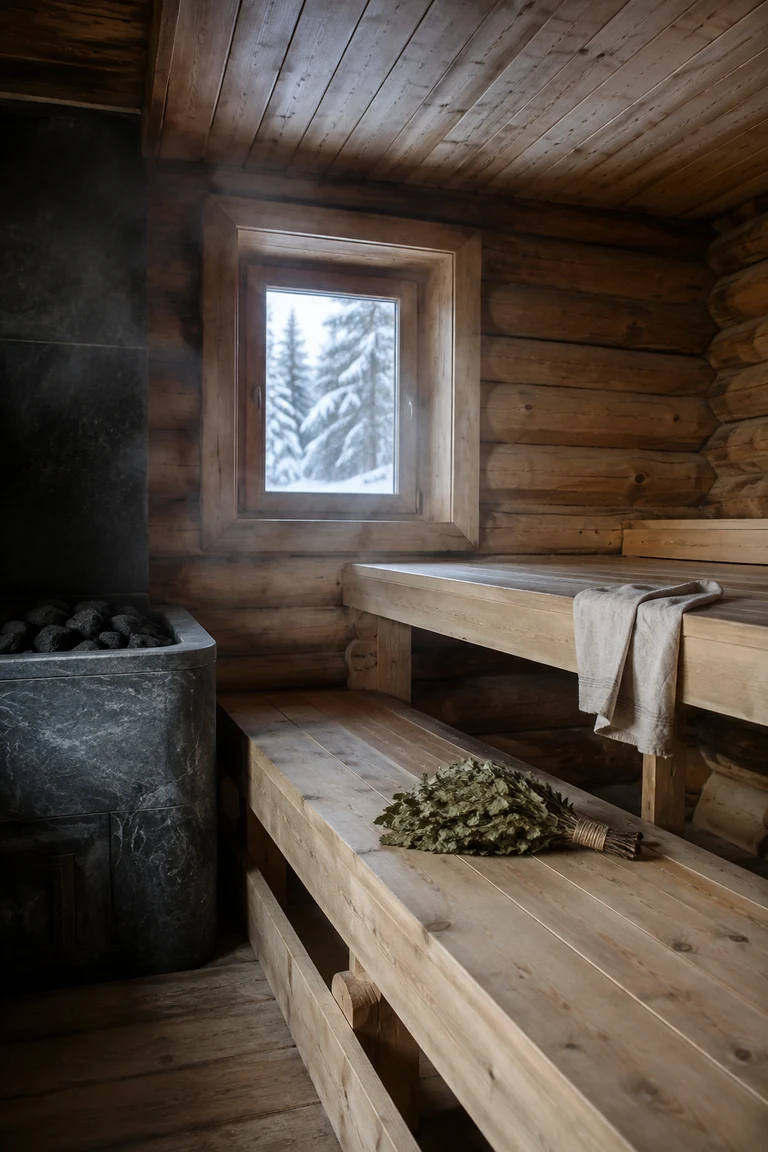
Rural banking usability and a Finnish sauna both establish trust through a short legible sequence, familiar tools, restrained choices, and physical or digital cues that make the next action unmistakable.
Bridge 32 · Material intelligence
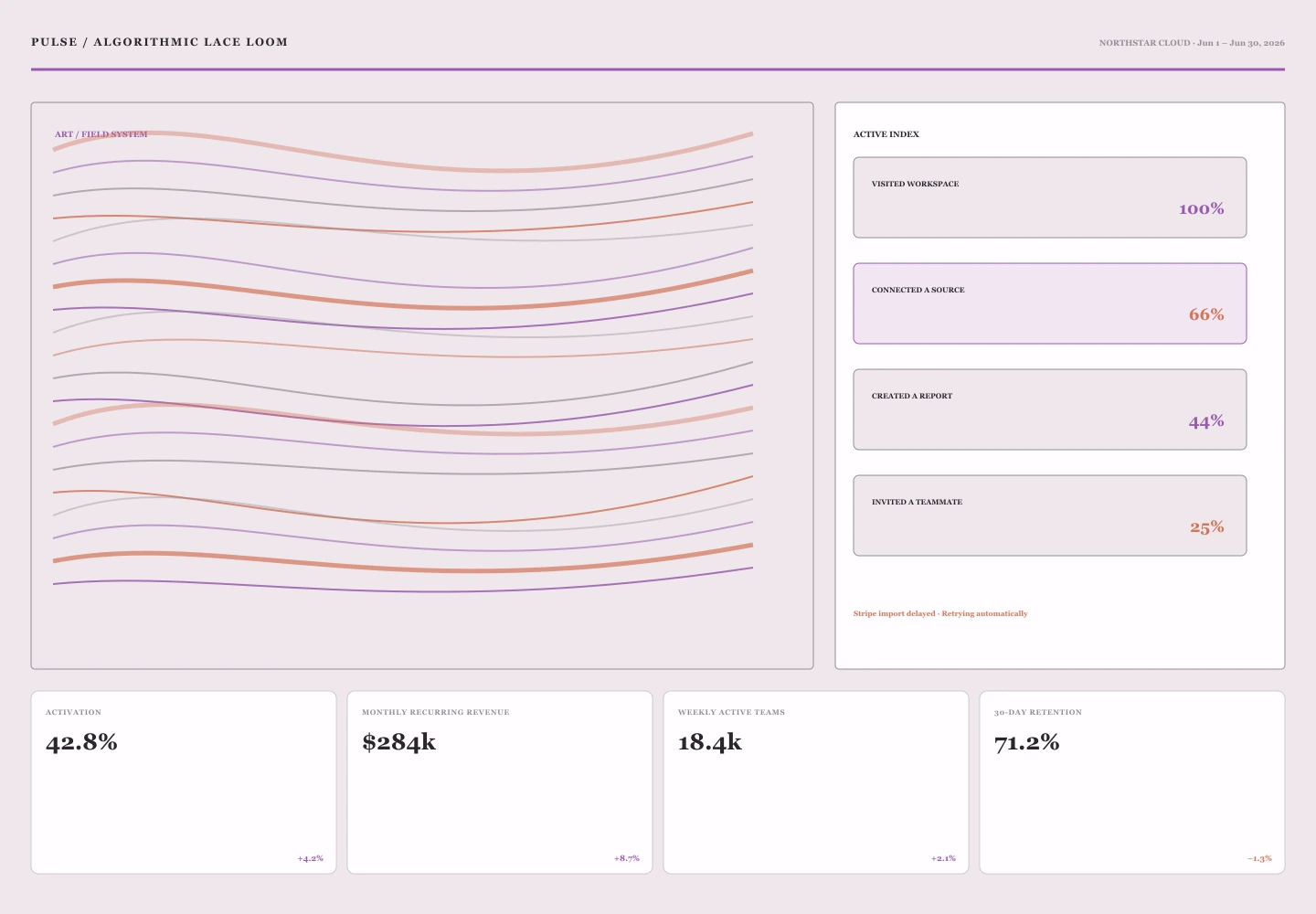
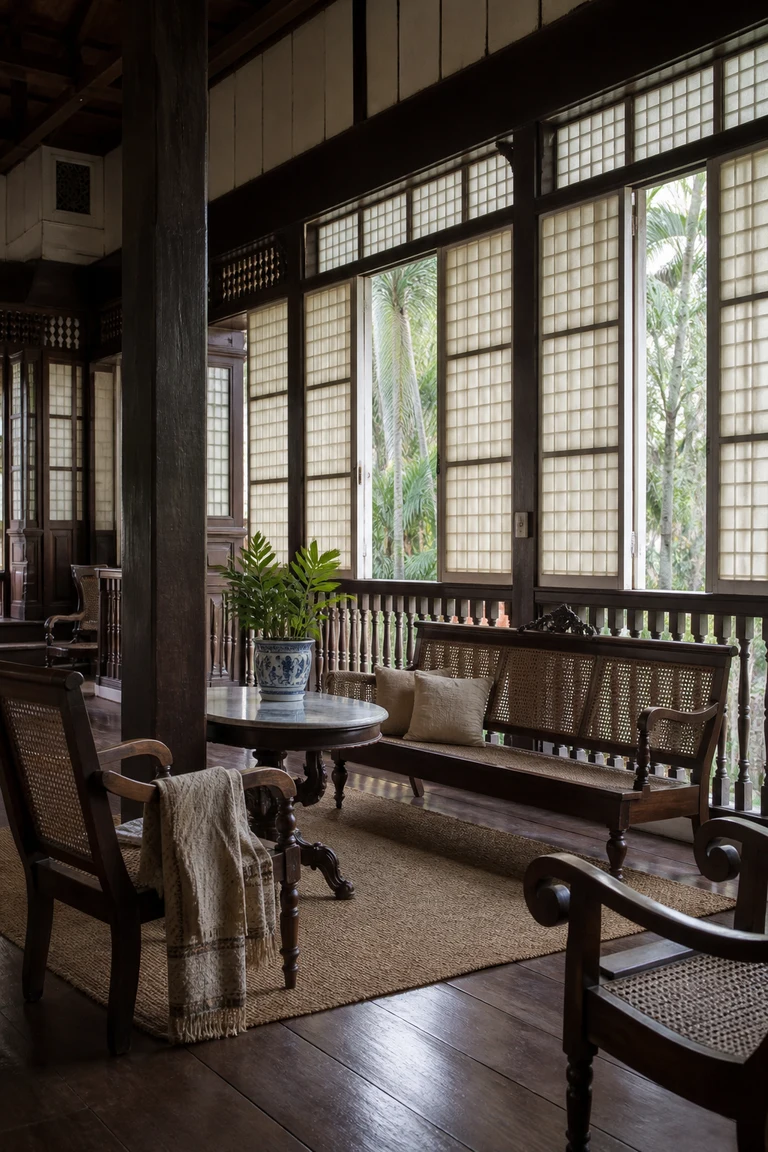
An algorithmic lace loom and Filipino bahay na bato both turn repeated grids into porous environmental skins, using thread, cane, capiz shell, and joinery to balance enclosure with light and air.
Bridge 33 · Visible systems
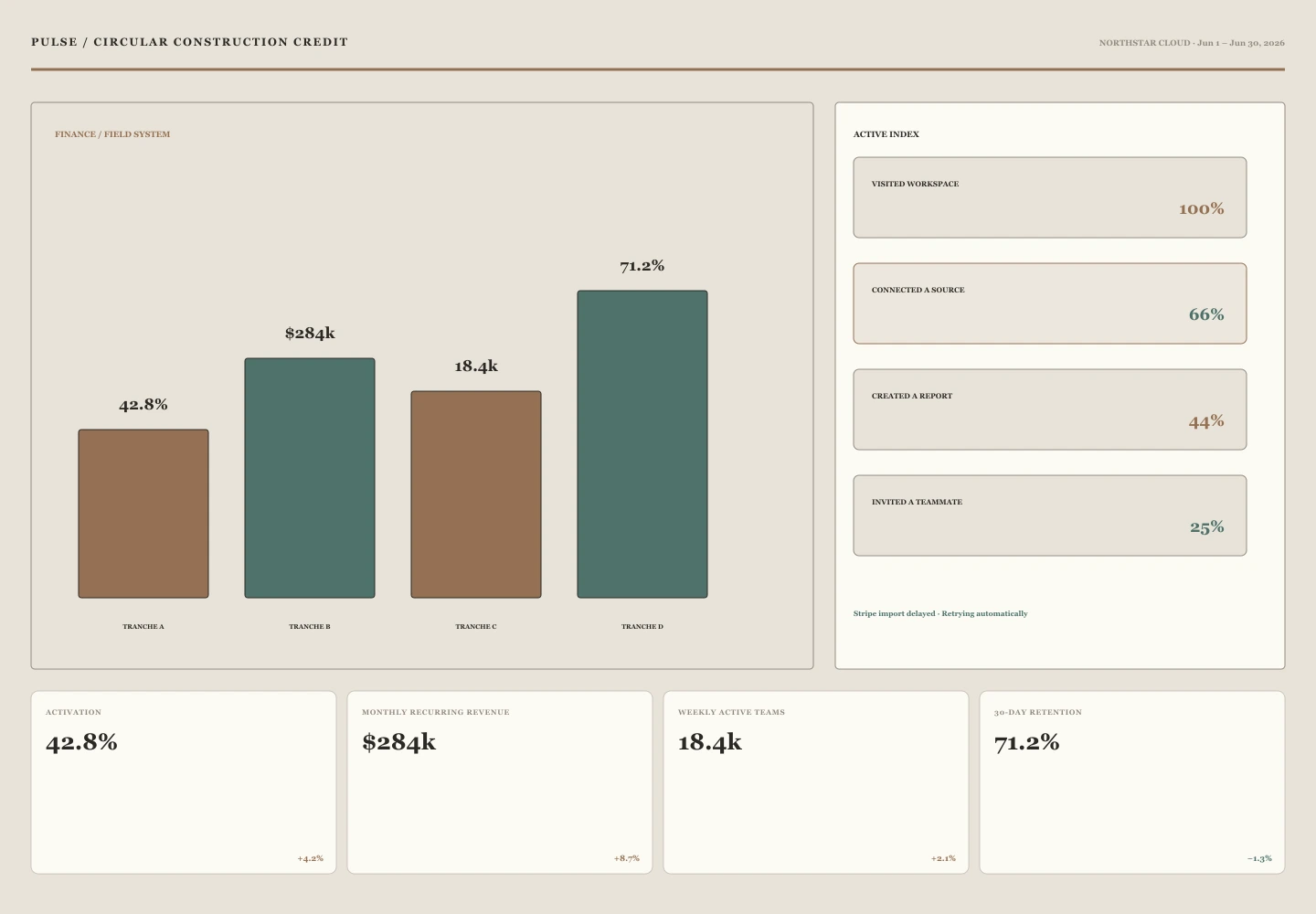
Circular construction credit and Uruguayan brick modernism both make material performance accountable: ledgers, bonds, vaults, and load paths show how limited resources carry value through a complete system.
Bridge 34 · Climate feedback
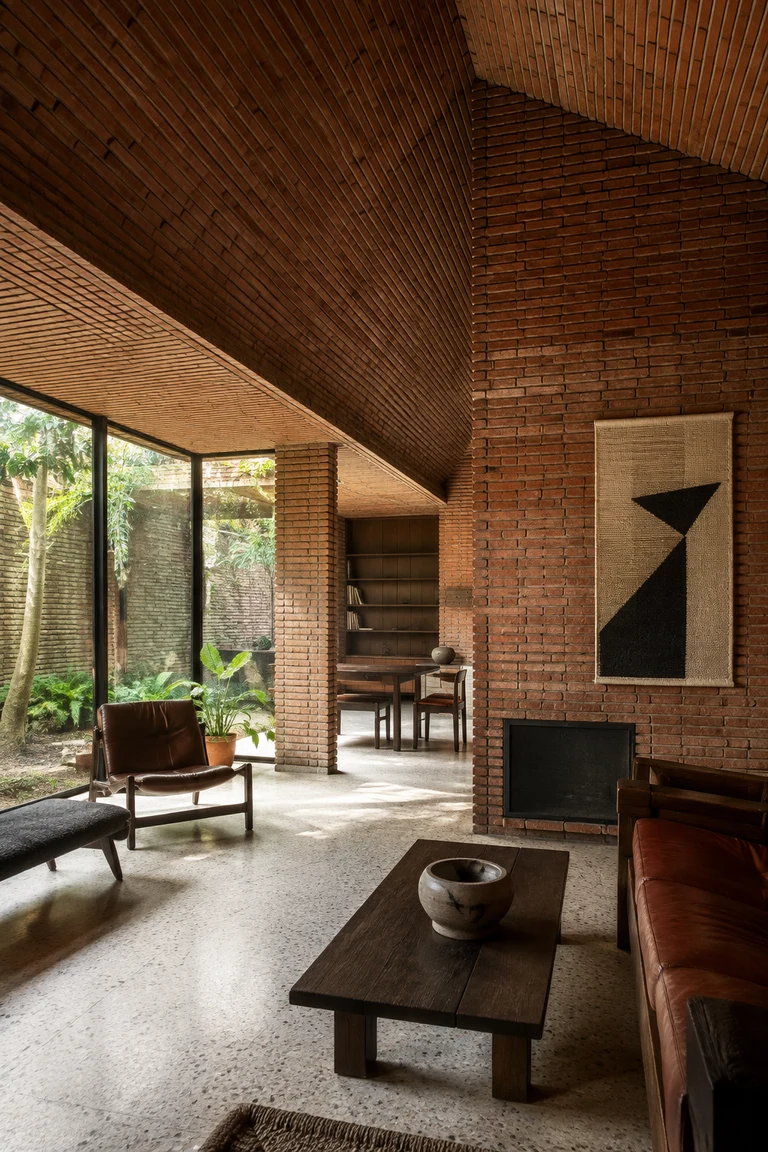
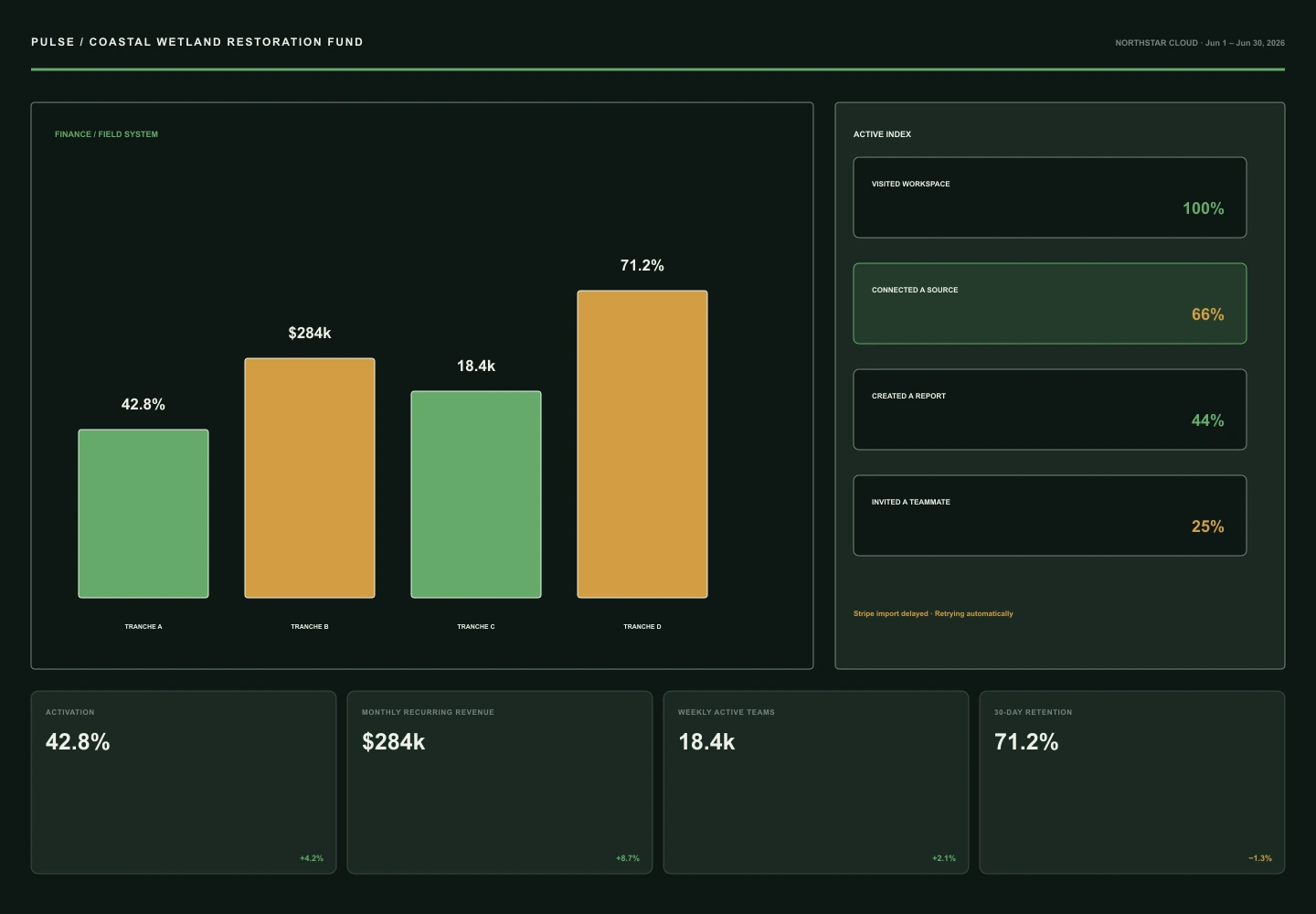
A wetland restoration fund and Senegalese coastal modernist room begin with Atlantic exposure, turning water, heat, vegetation, breeze, and deep shade into layered protective infrastructure.
Bridge 35 · Movement and sequence
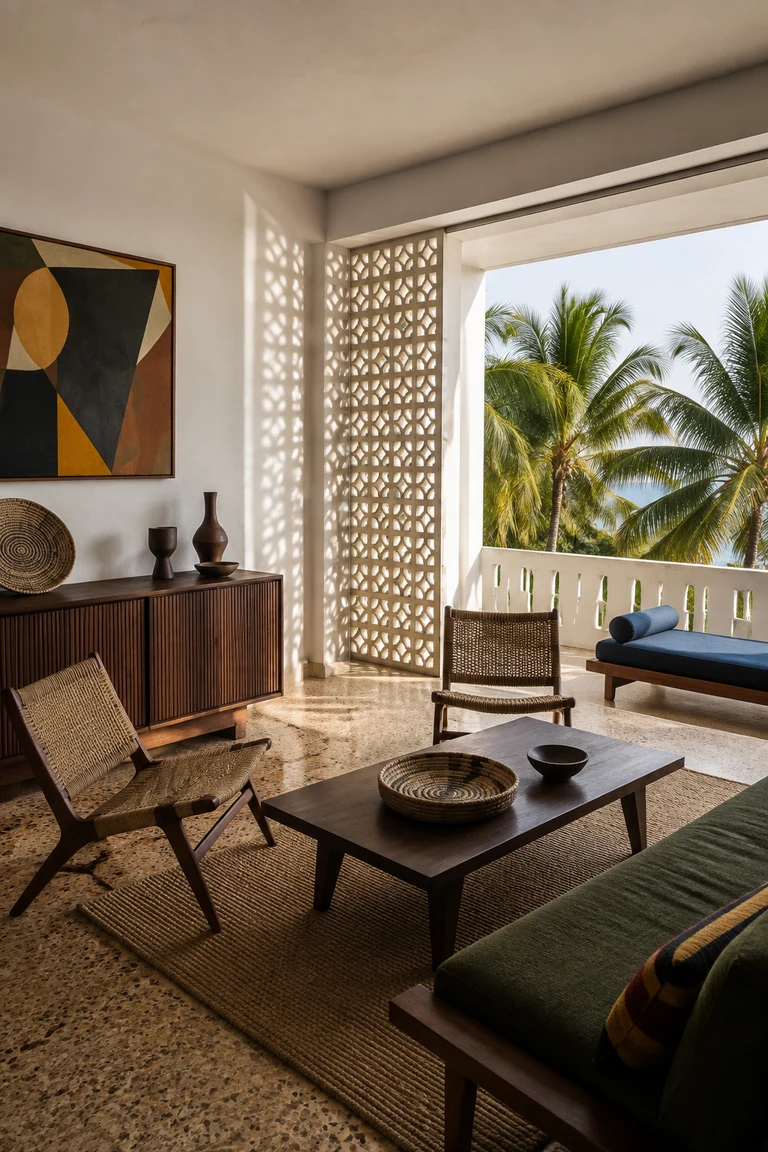
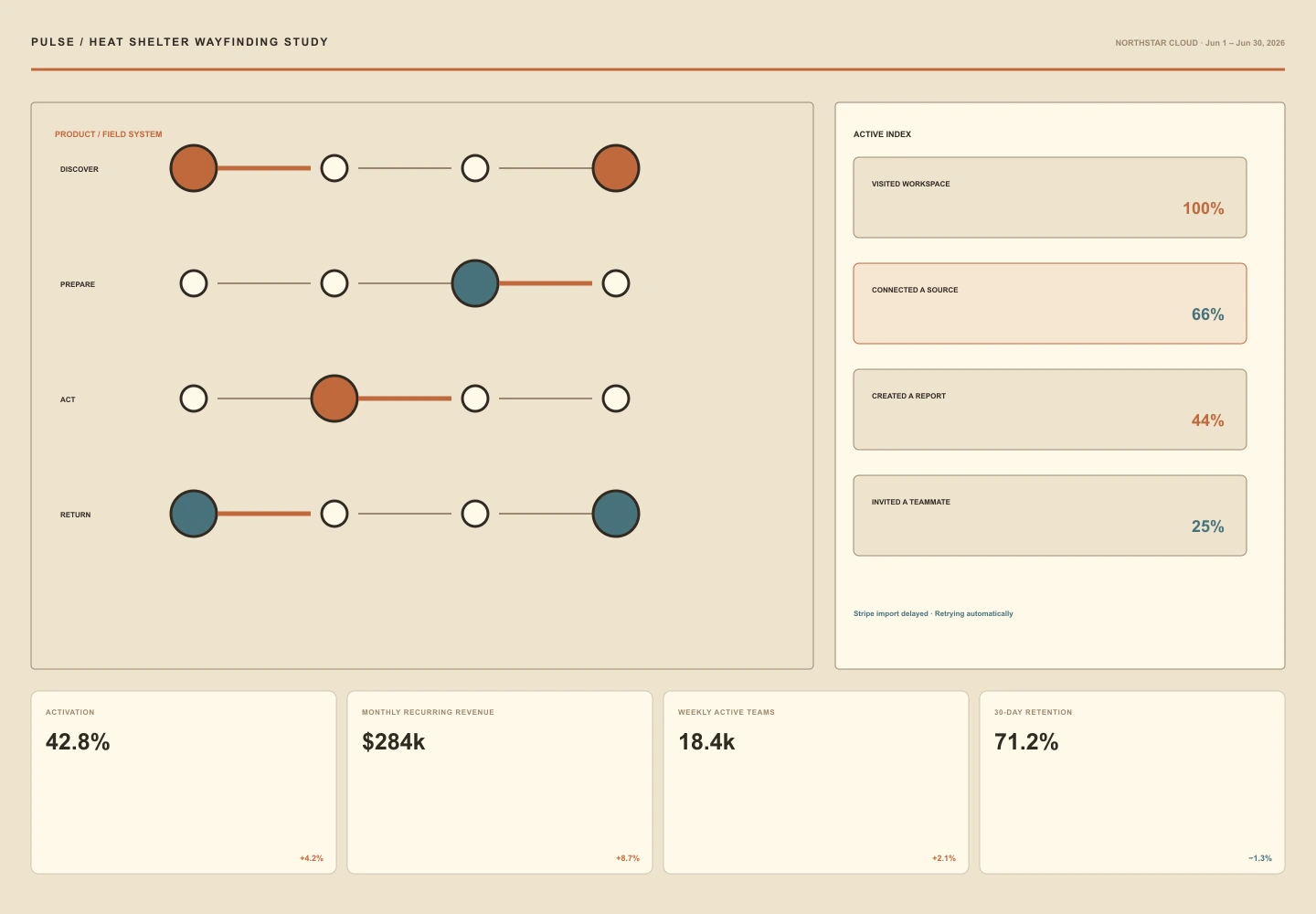
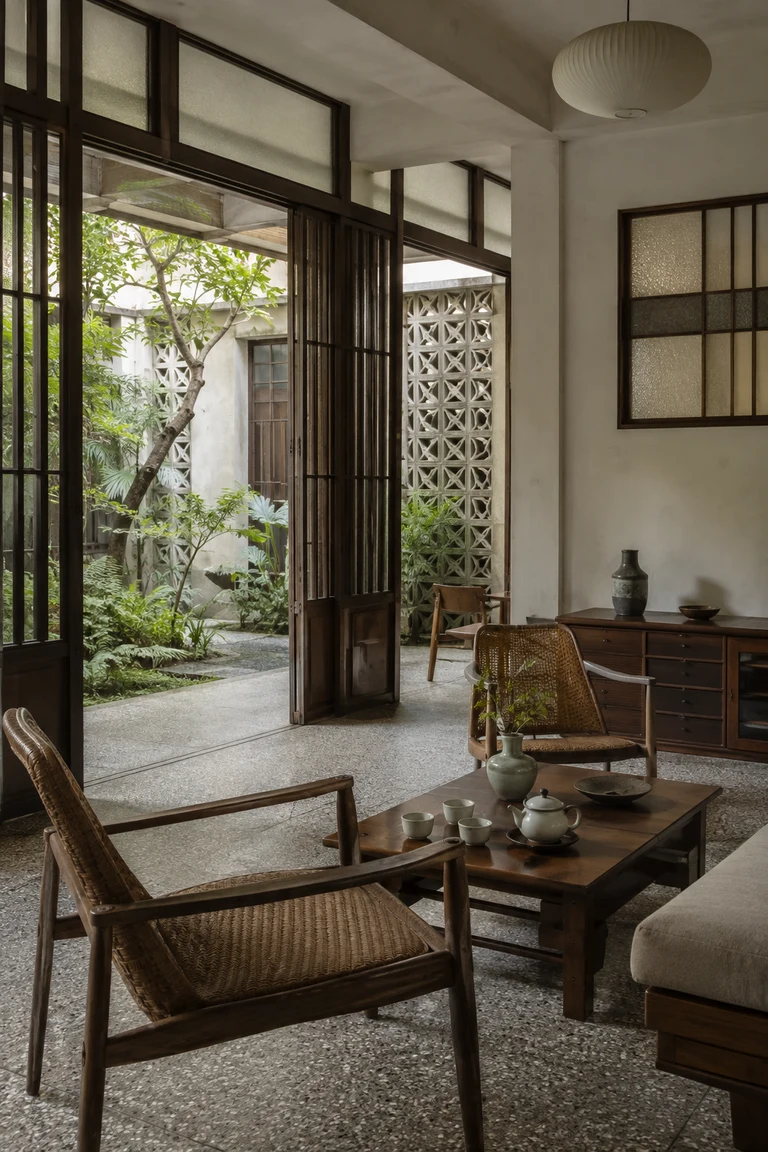
Heat-shelter wayfinding and Taiwanese courtyard modernism organize movement through thermal relief, using mapped shade, planted courts, screens, and intermediate thresholds to make a safe route intuitive.
Bridge 36 · Archives in use
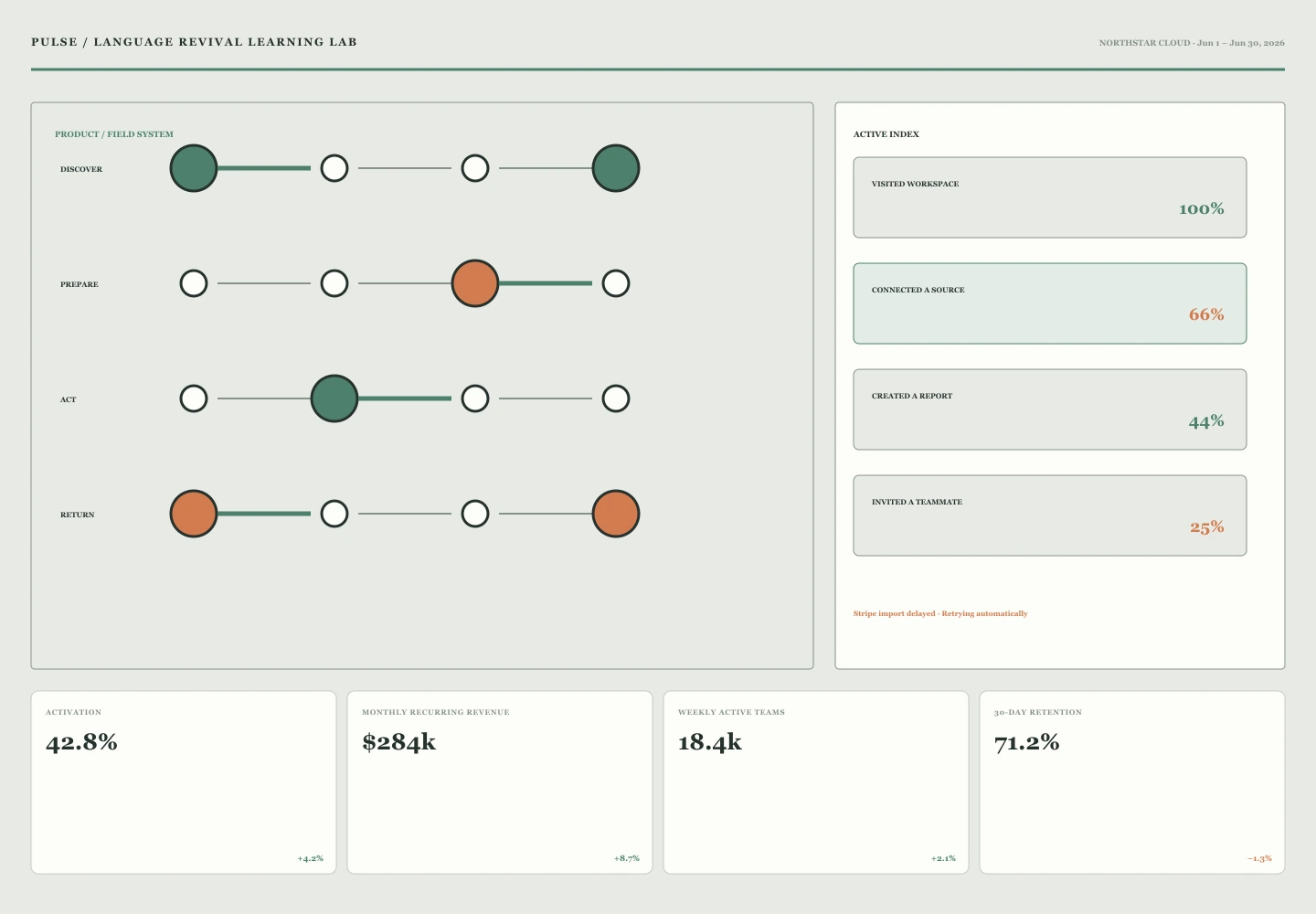
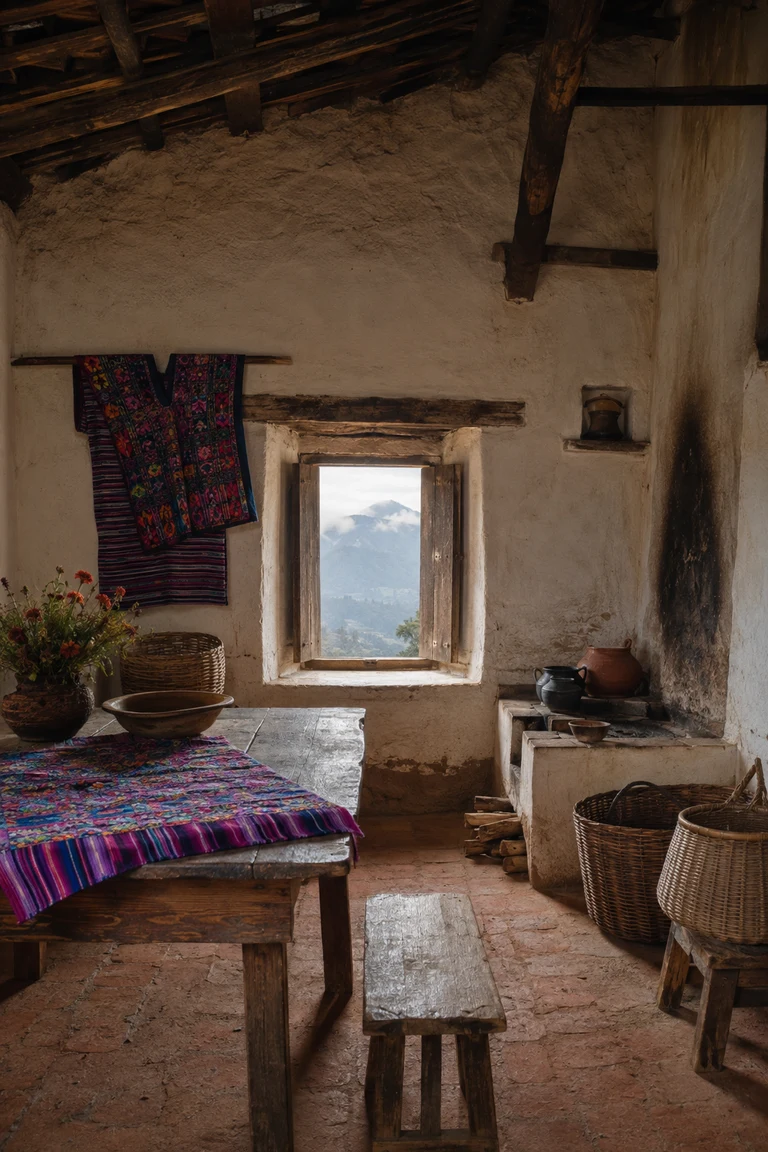
A language-revival learning lab and Guatemalan highland room keep inheritance active through teaching, speaking, weaving, and daily work, allowing cultural memory to change without becoming detached display.
Bridge 37 · Clarity as care
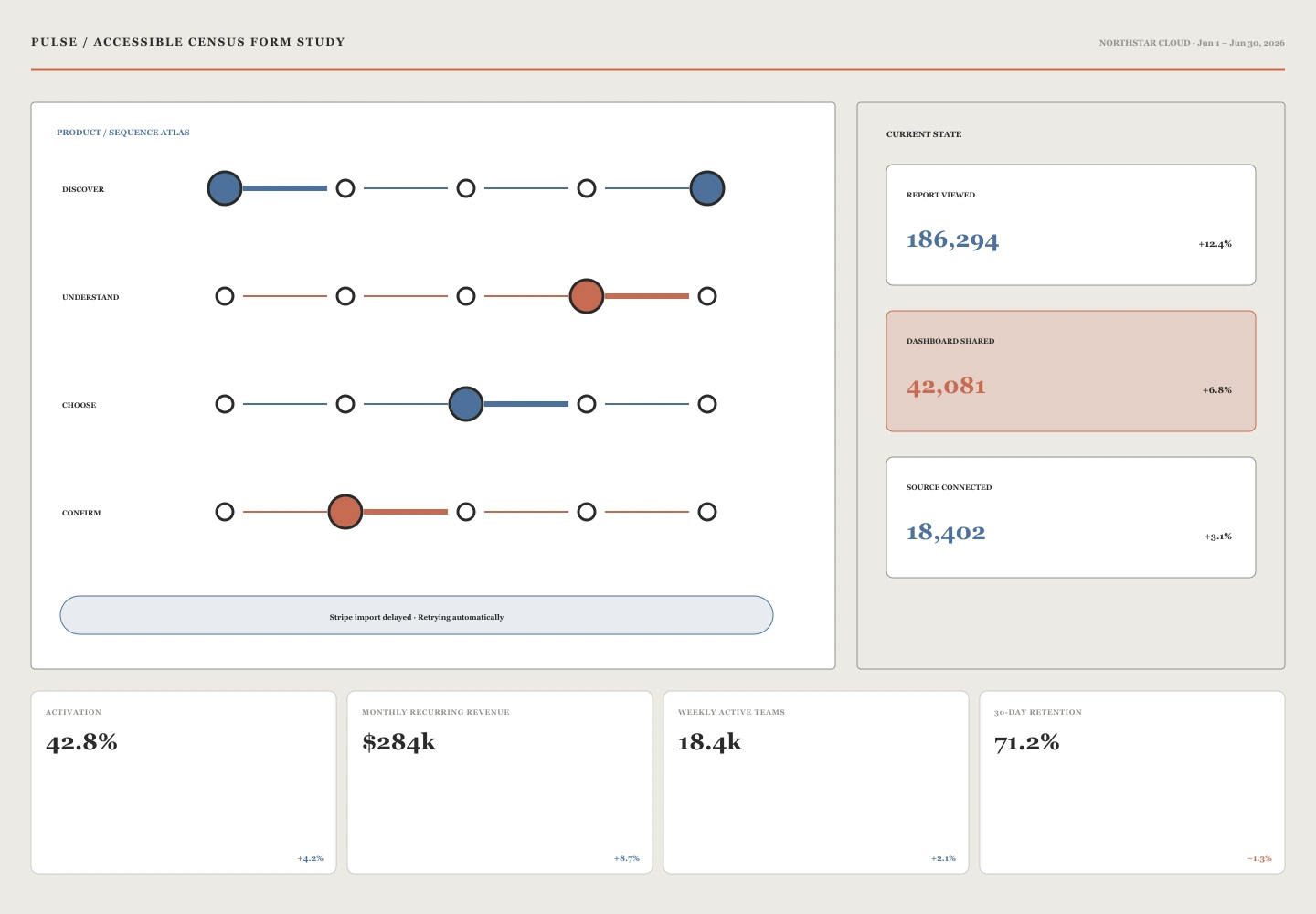
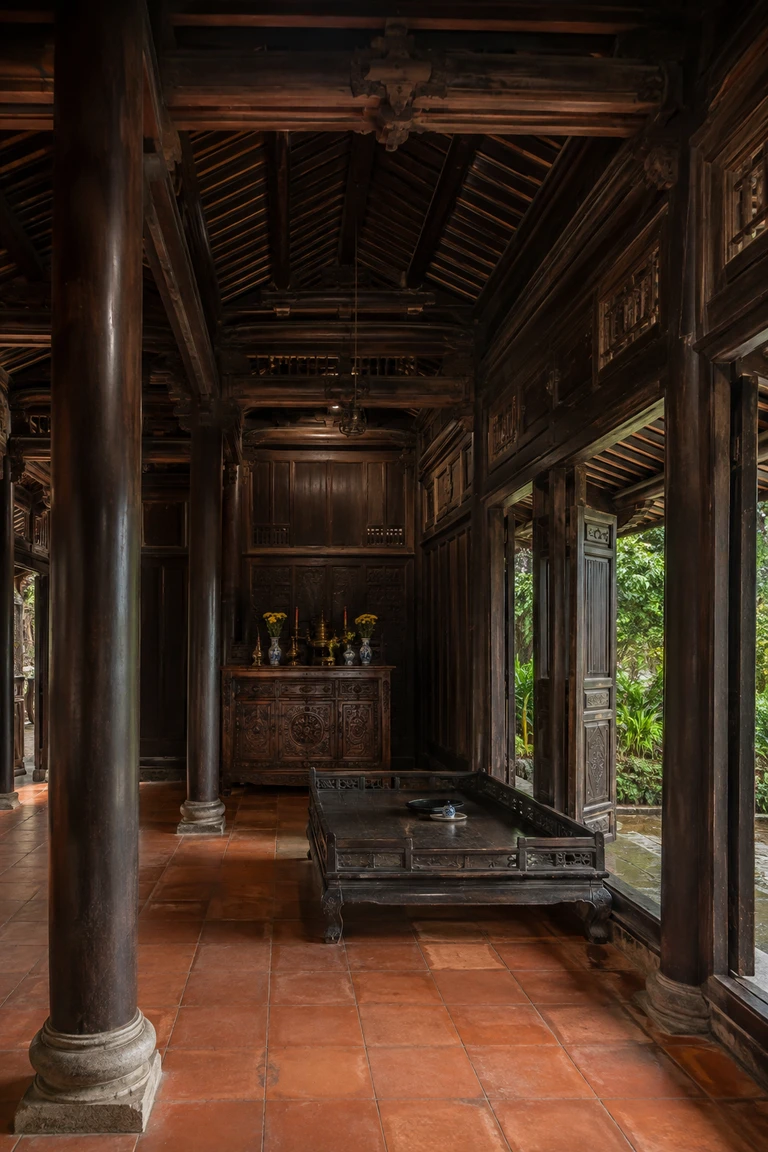
An accessible census form study and a Vietnamese rường house both reduce uncertainty through explicit hierarchy, measured progression, and legible thresholds that make each next step understandable without erasing cultural depth.
Bridge 38 · Material intelligence
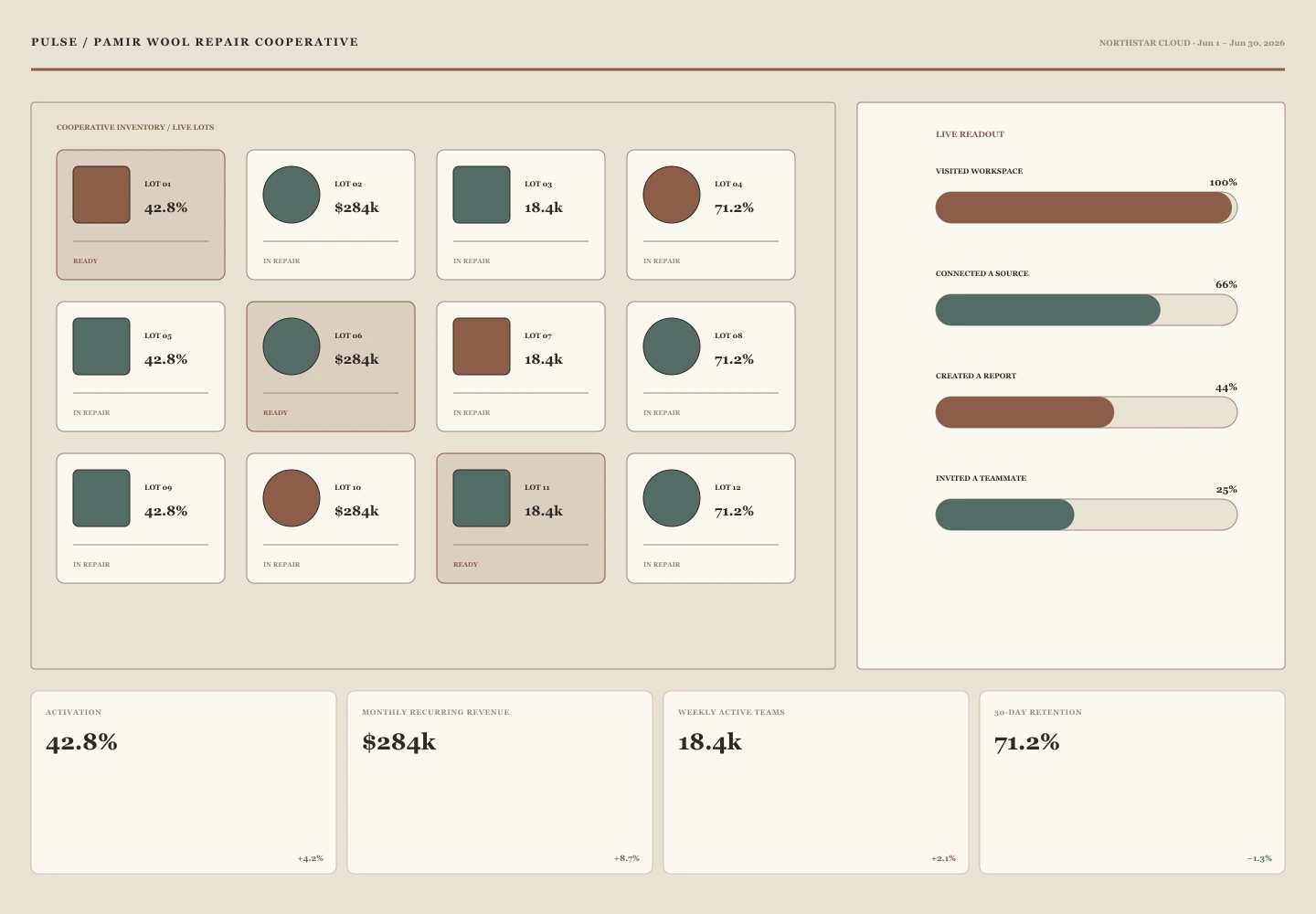
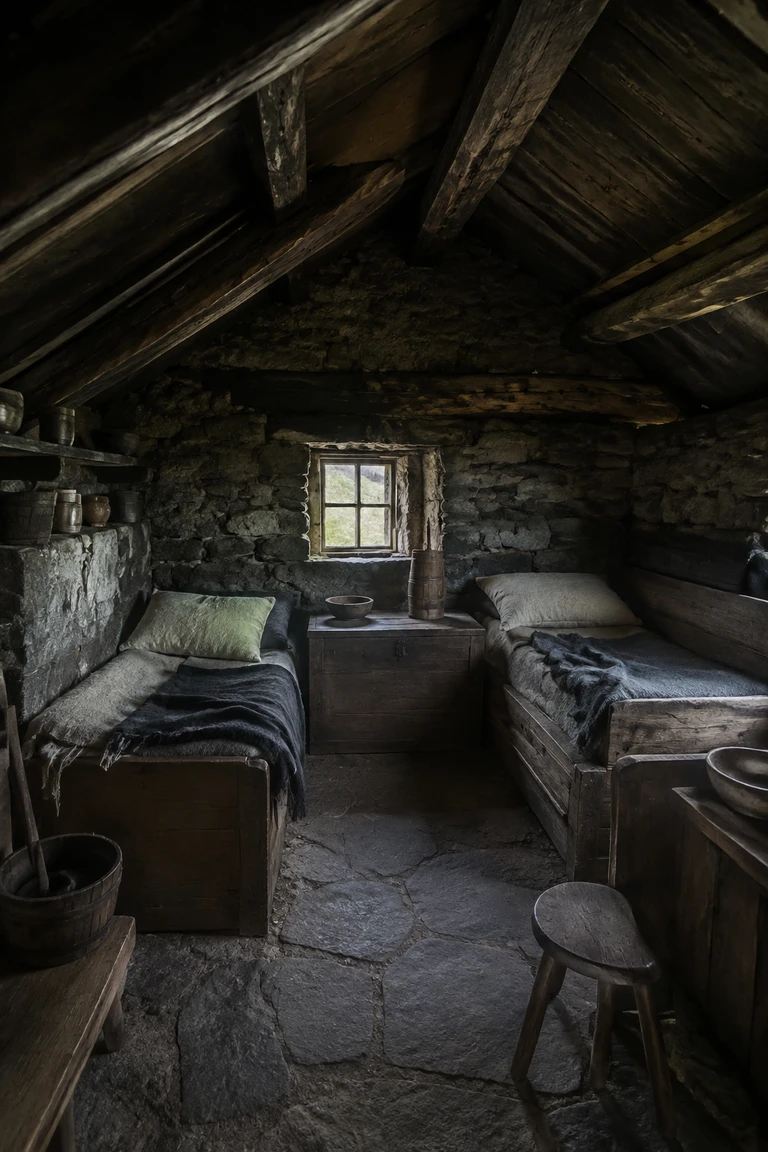
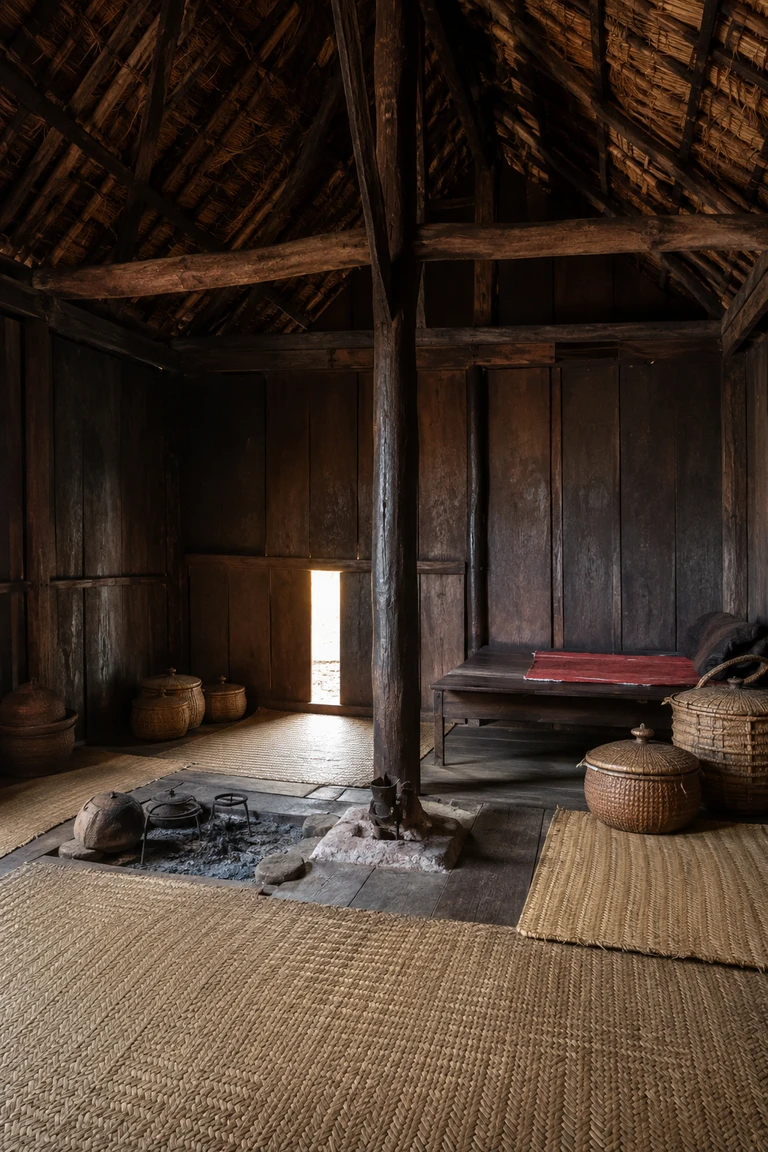
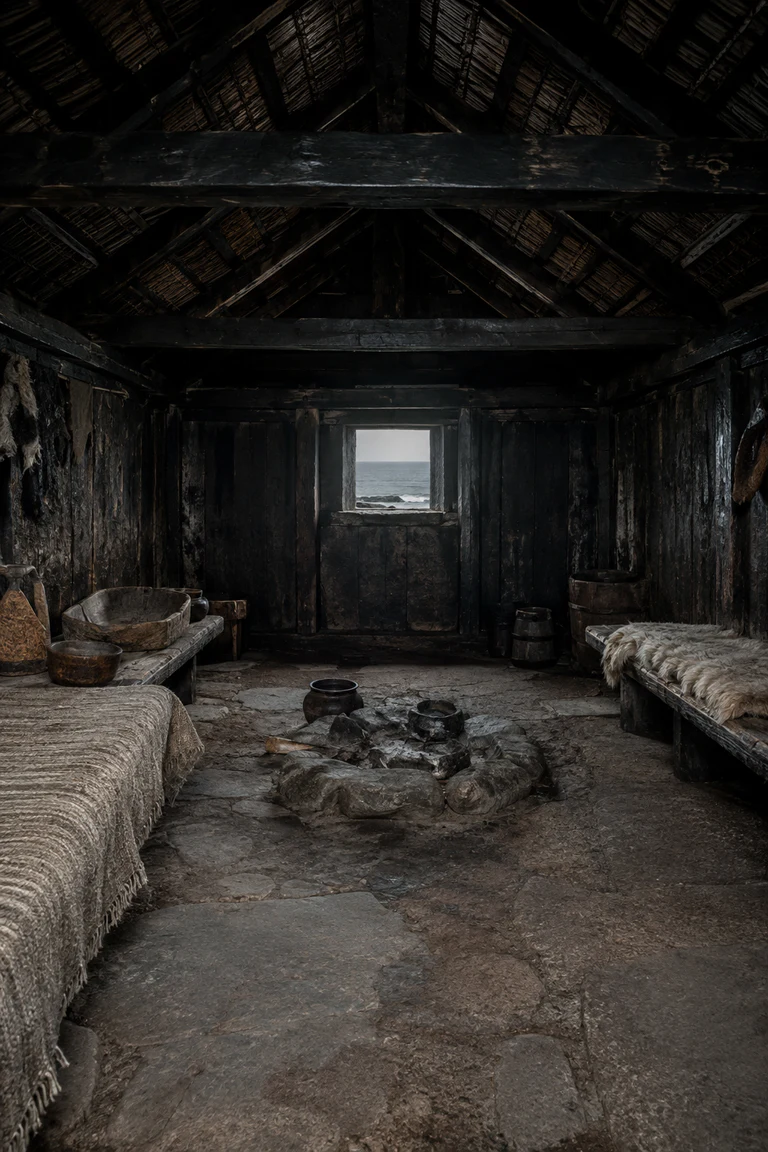
A Pamir wool repair cooperative and an Icelandic turf house make limited material a source of intelligence, using mending, insulation, built-in forms, and accumulated patina to extend the life of every available resource.
Bridge 39 · Visible systems
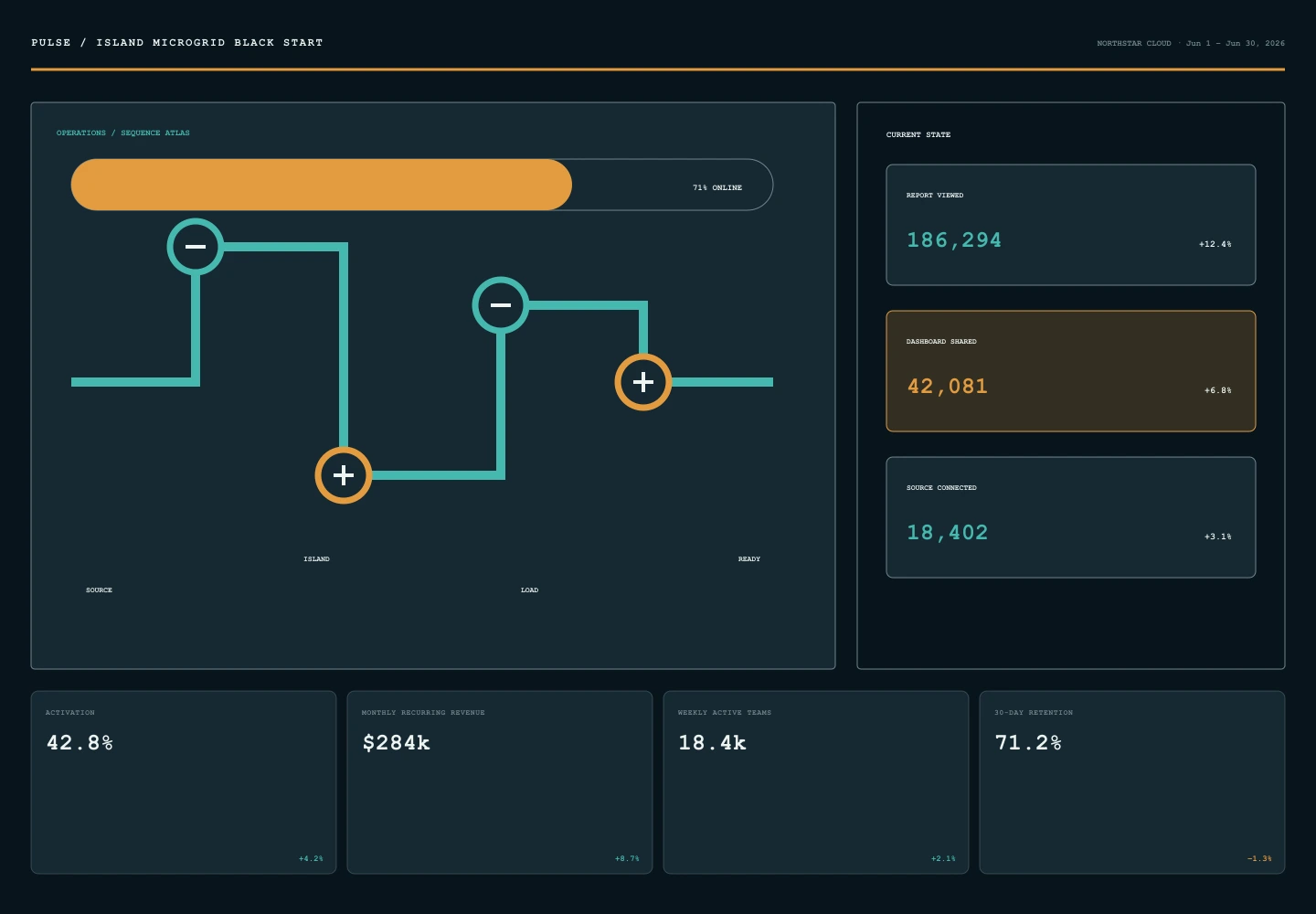
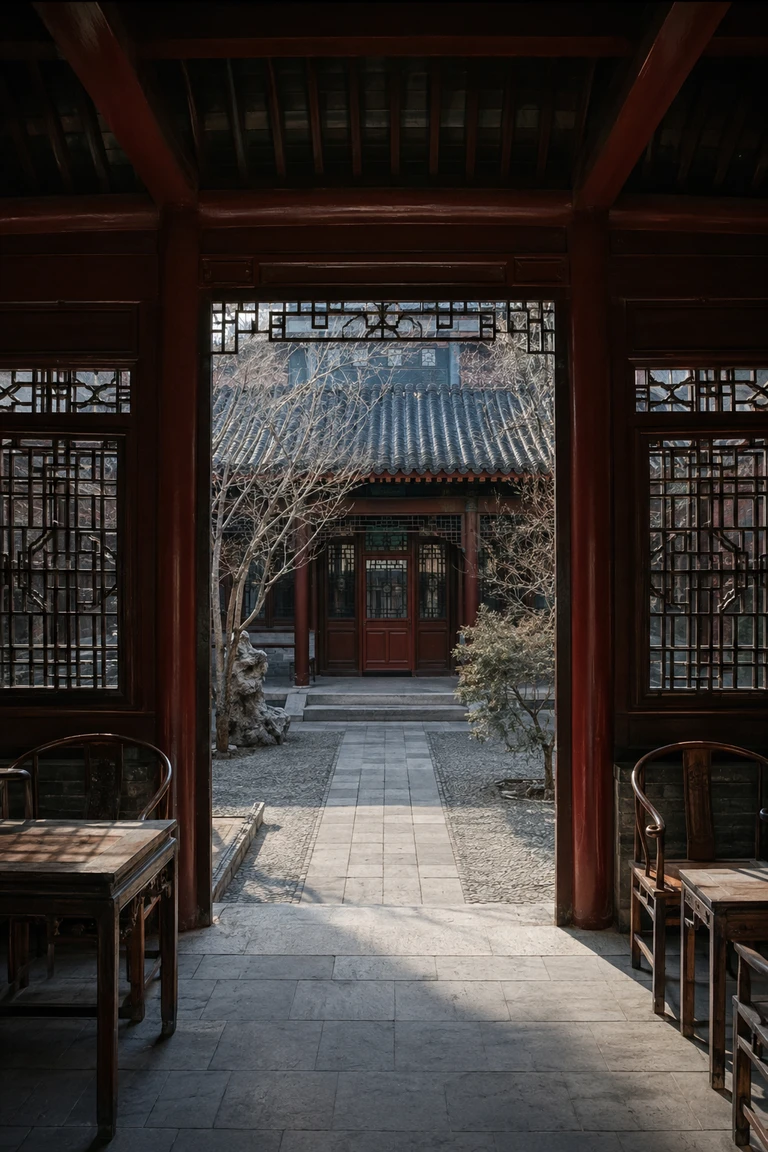
An island microgrid black-start console and a Beijing siheyuan expose the order of a larger system through ranked nodes, controlled dependencies, and an axial sequence in which each part prepares the next.
Bridge 40 · Climate feedback
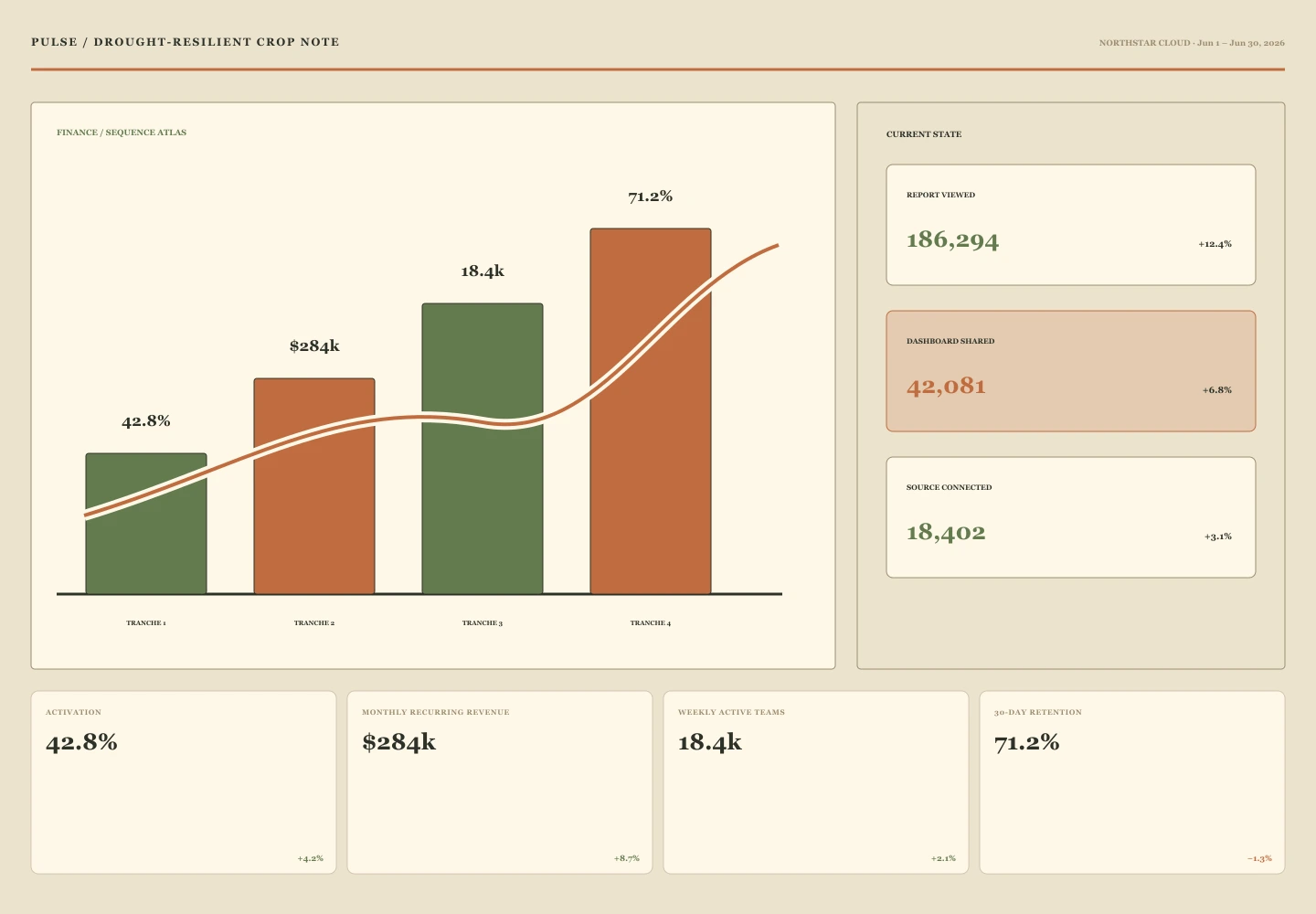
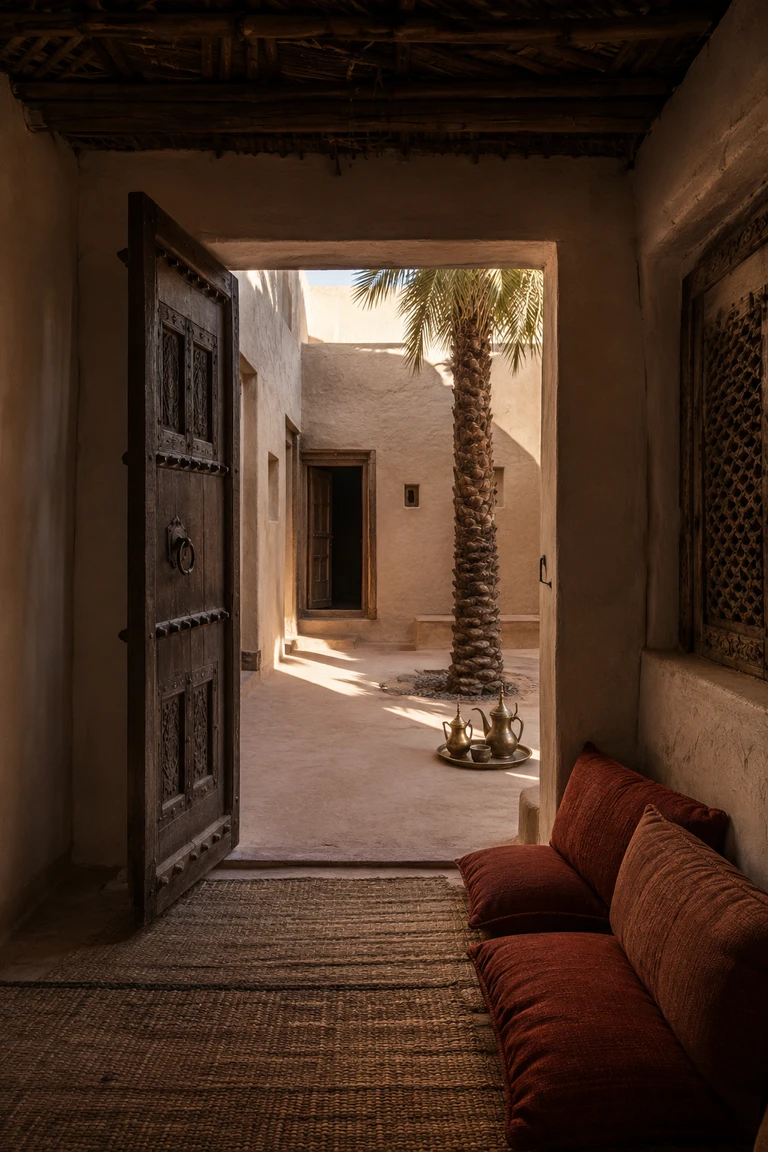
A drought-resilient crop note and an Omani courtyard house treat heat and water as active constraints, using scenarios, shade, thermal mass, and protected exchange to keep a community viable under changing conditions.
Bridge 41 · Movement and sequence
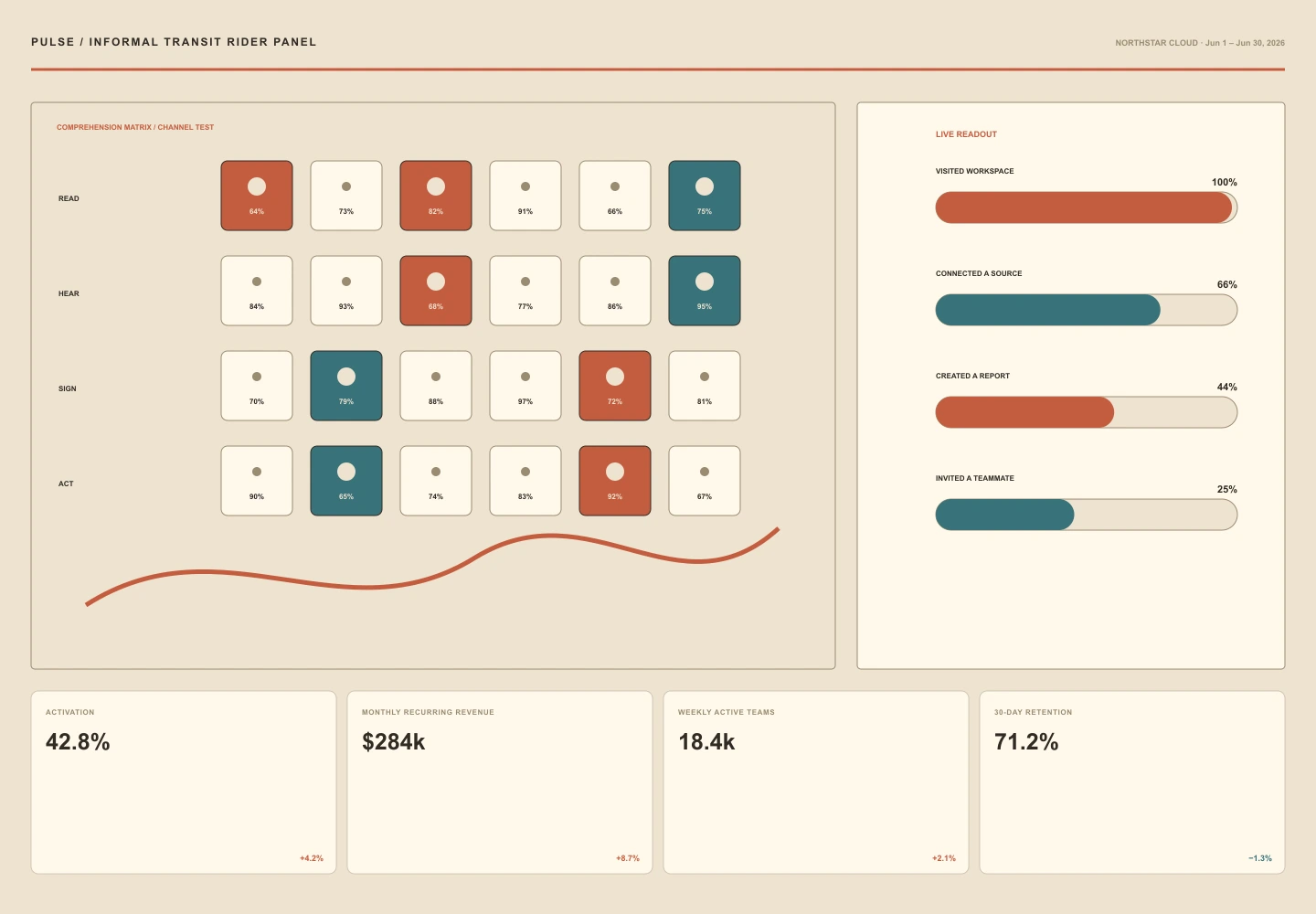
An informal transit rider panel and a Yoruba courtyard compound organize collective movement without fixing one rigid path, relying on visible junctions, shaded pauses, and shared orientation to support continual negotiation.
Bridge 42 · Archives in use
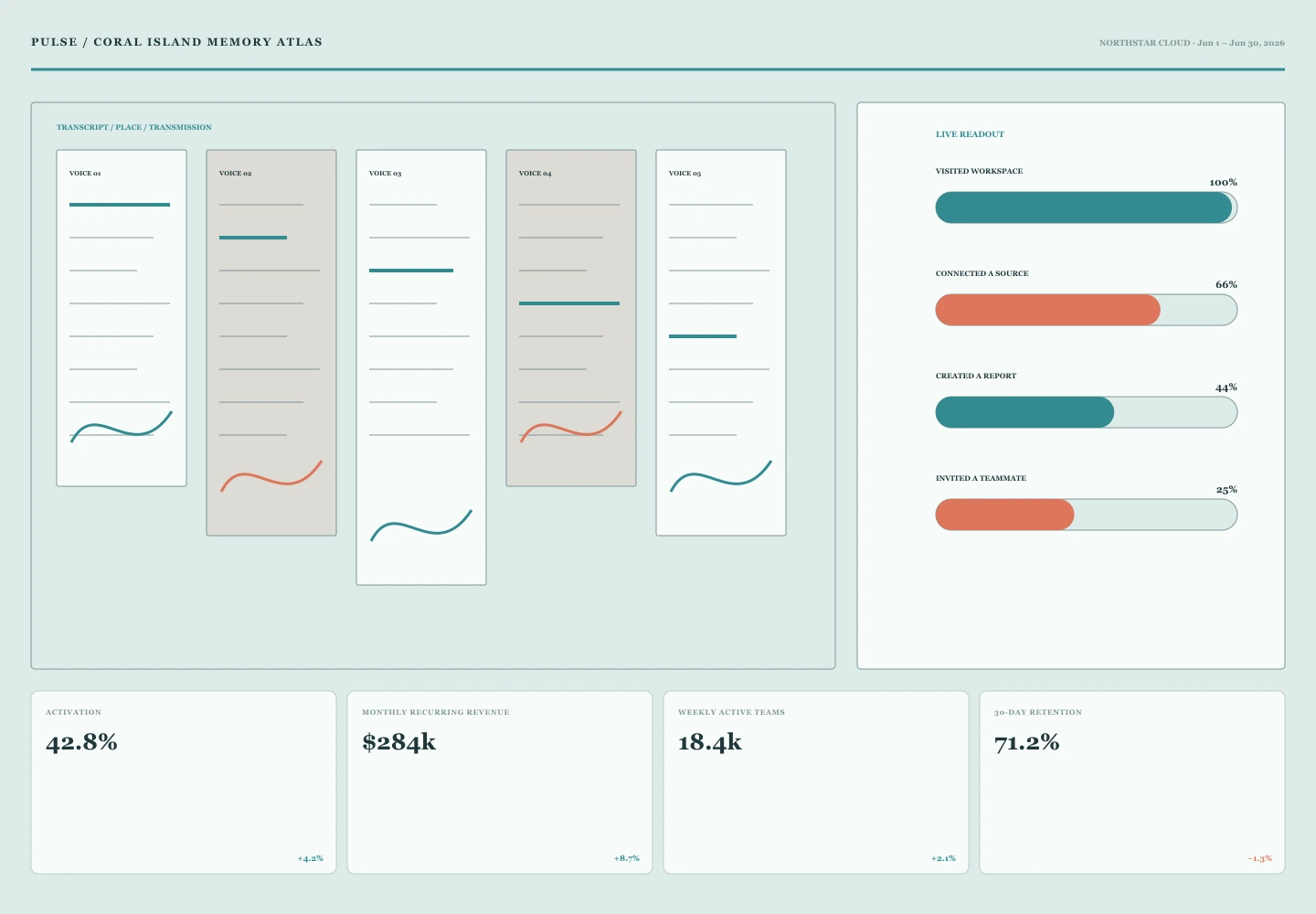
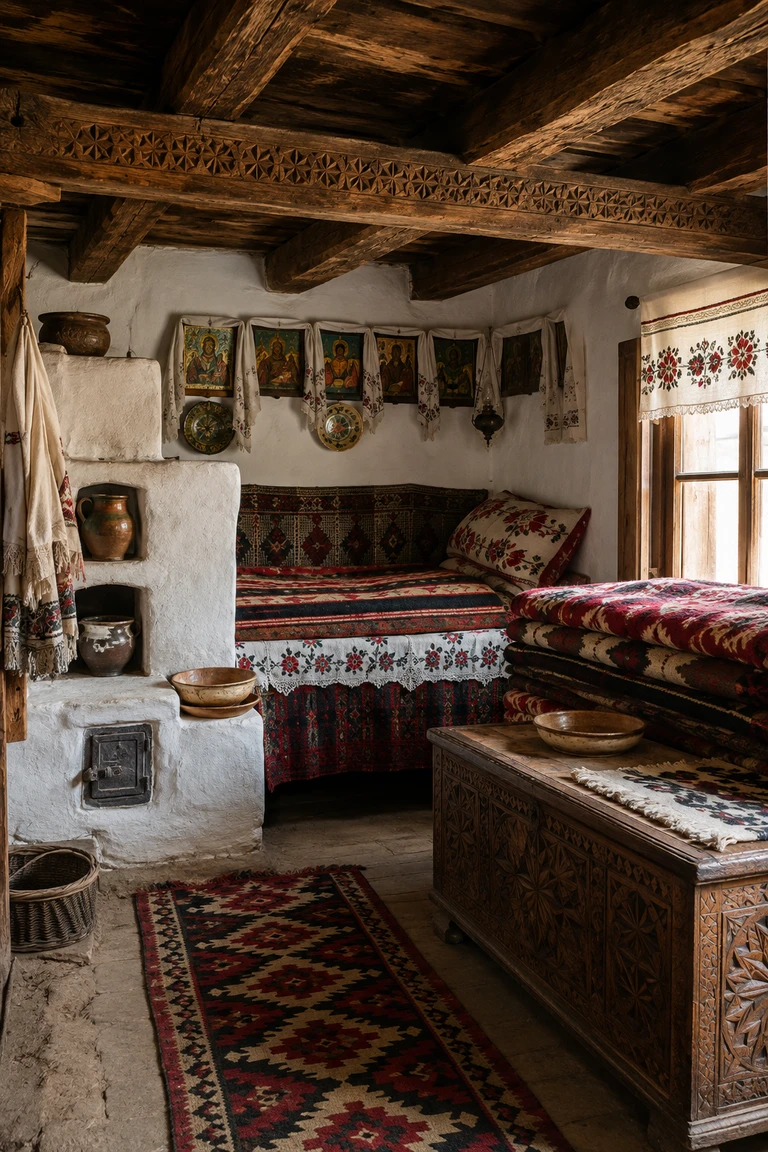
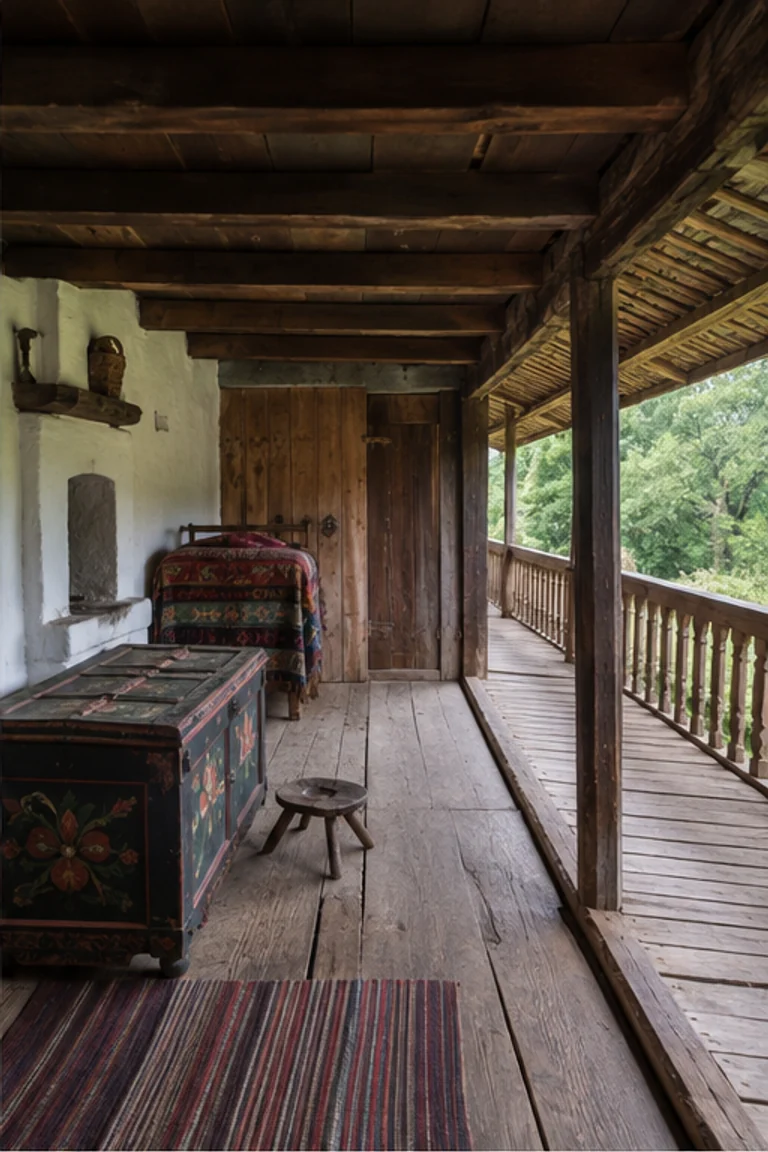
A coral island memory atlas and a Maramureș folk room assemble history through family voices, useful objects, textiles, and repeated domestic rituals, keeping cultural records close to the communities that continue them.
Bridge 43 · Clarity as care
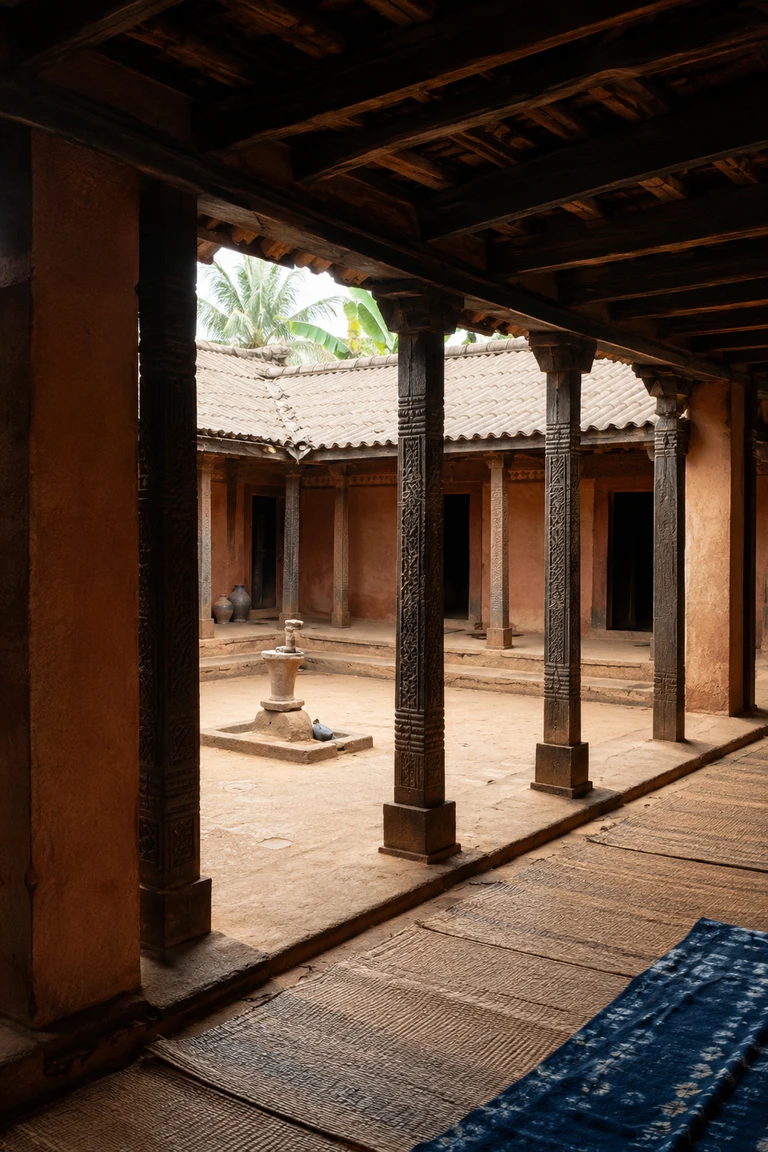
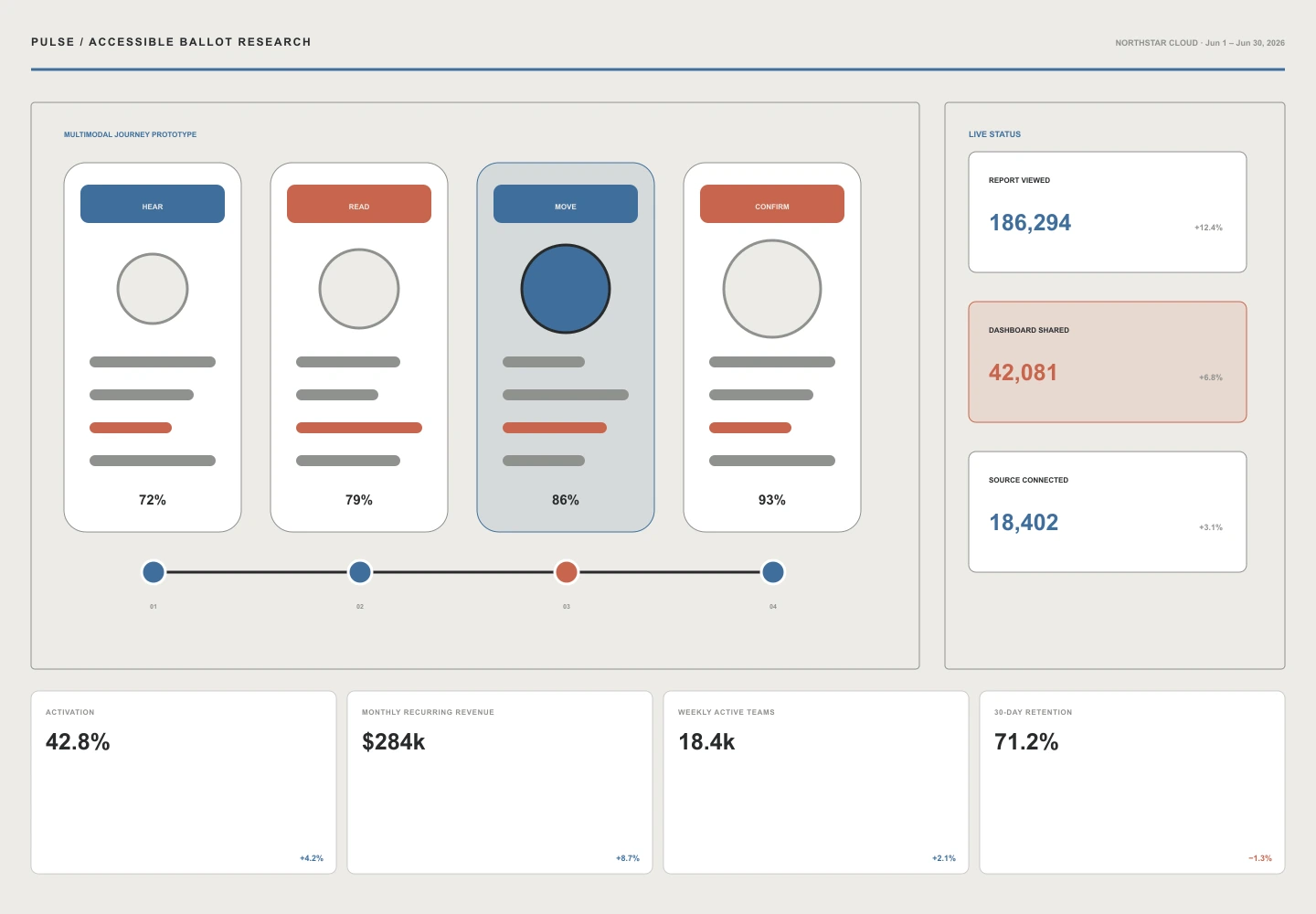
Accessible ballot research and a Merina highland house both make consequential choices legible through stable orientation, deliberate sequence, and clearly differentiated positions that let a person understand where they are before acting.
Bridge 44 · Material intelligence
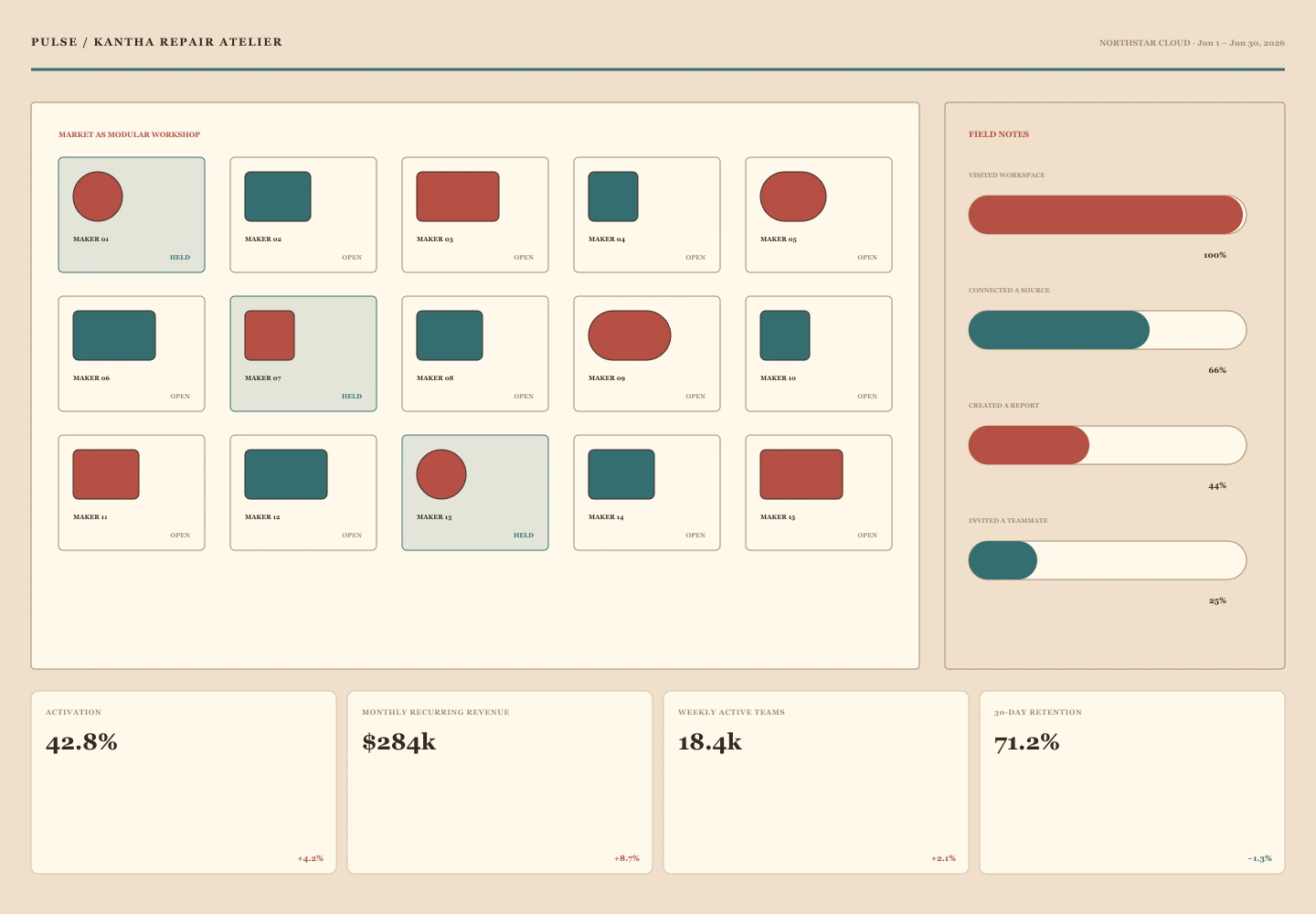
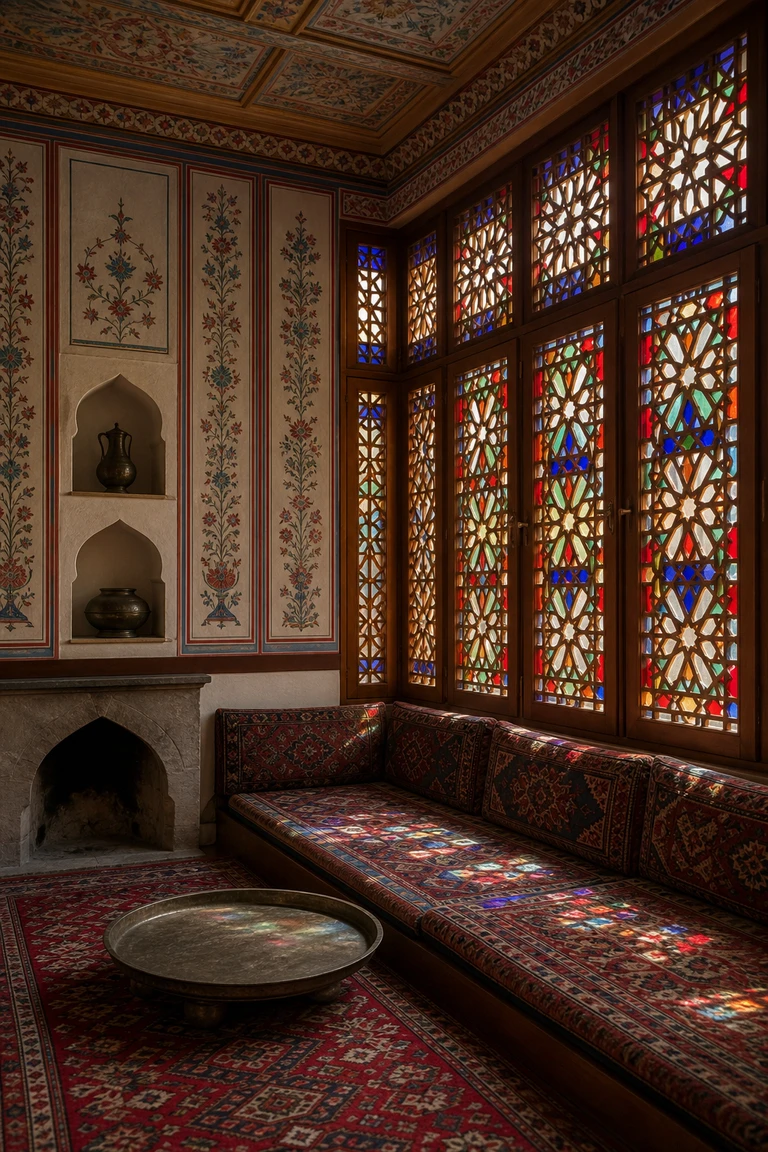
A kantha repair atelier and Azerbaijani shebeke salon make pattern inseparable from construction: stitch paths, joined lattice, reused cloth, and coloured glass preserve the sequence and judgement of the makers who assembled them.
Bridge 45 · Visible systems
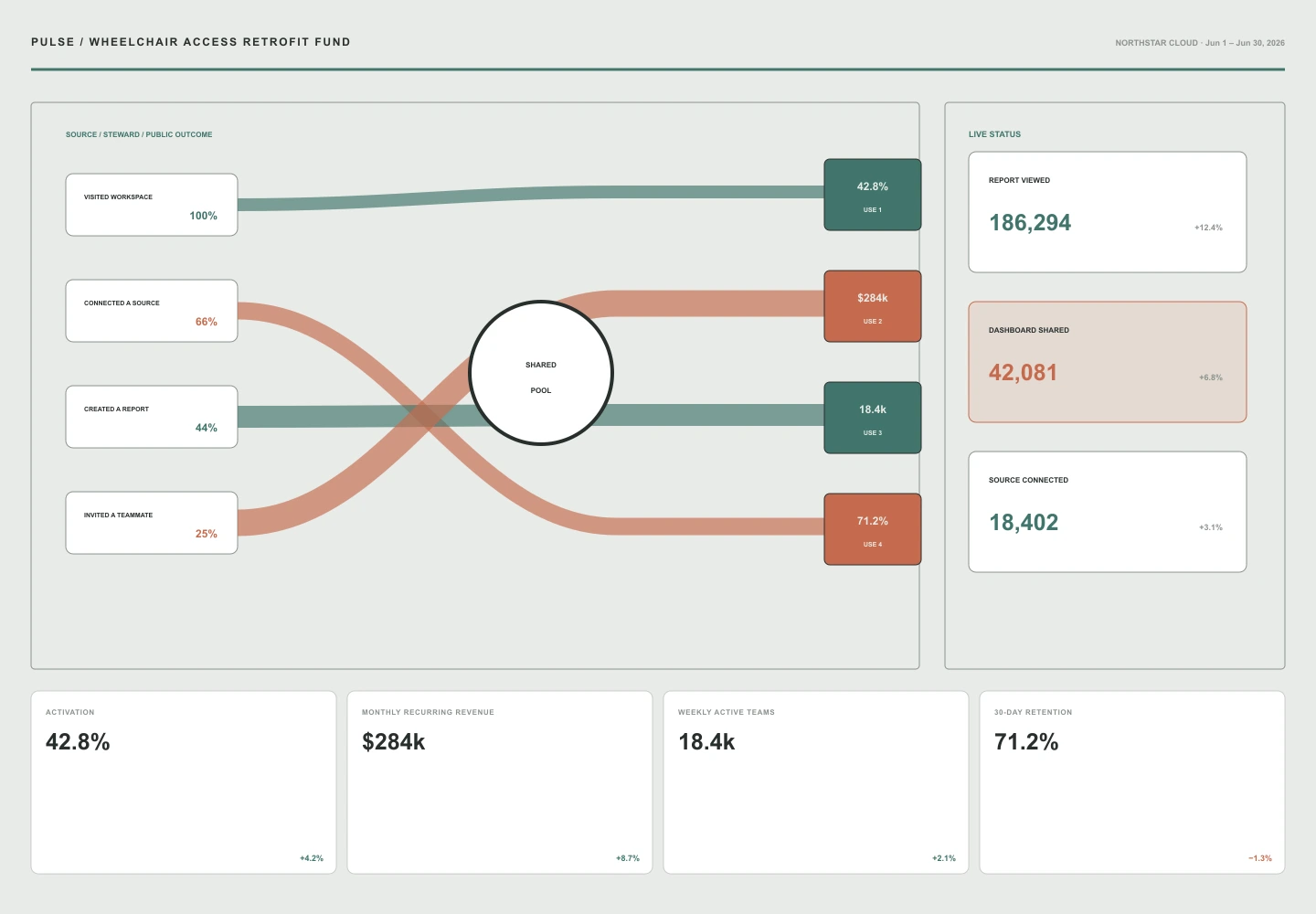
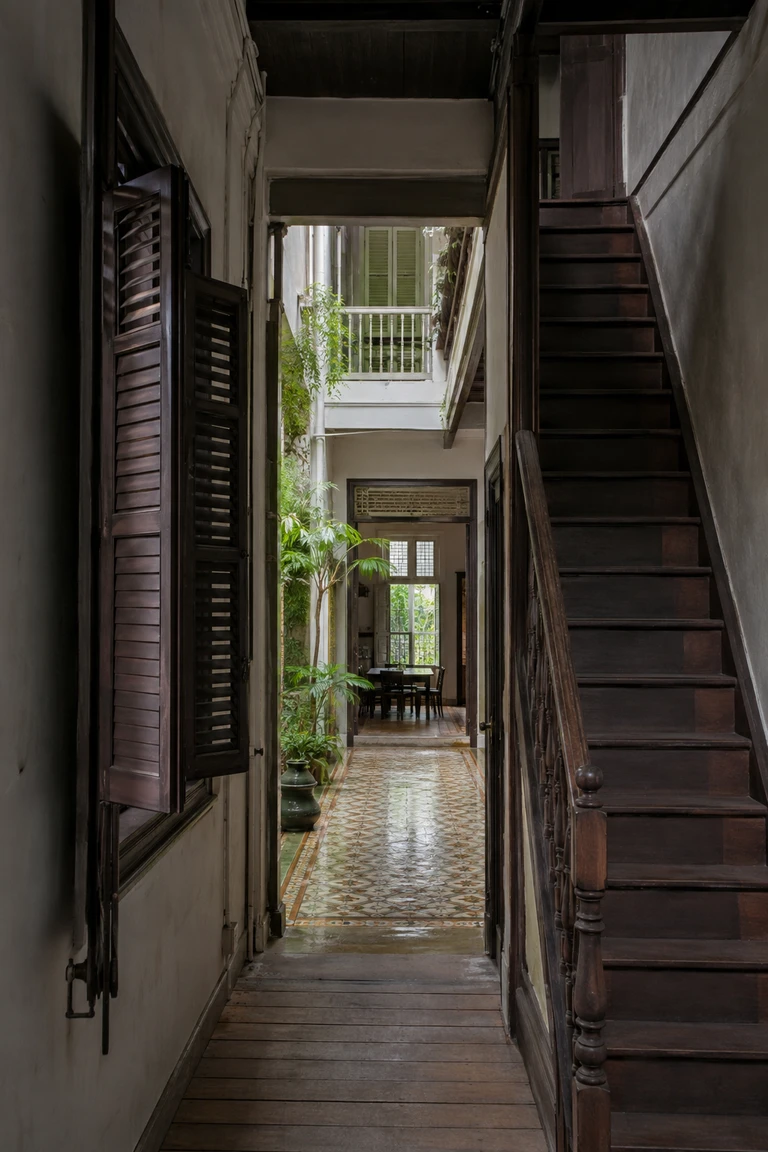
A wheelchair access retrofit fund and Singapore shophouse reveal how structure can support change: cost layers, long plots, airwells, and inserted routes turn inherited constraints into an explicit plan for dignified access.
Bridge 46 · Climate feedback
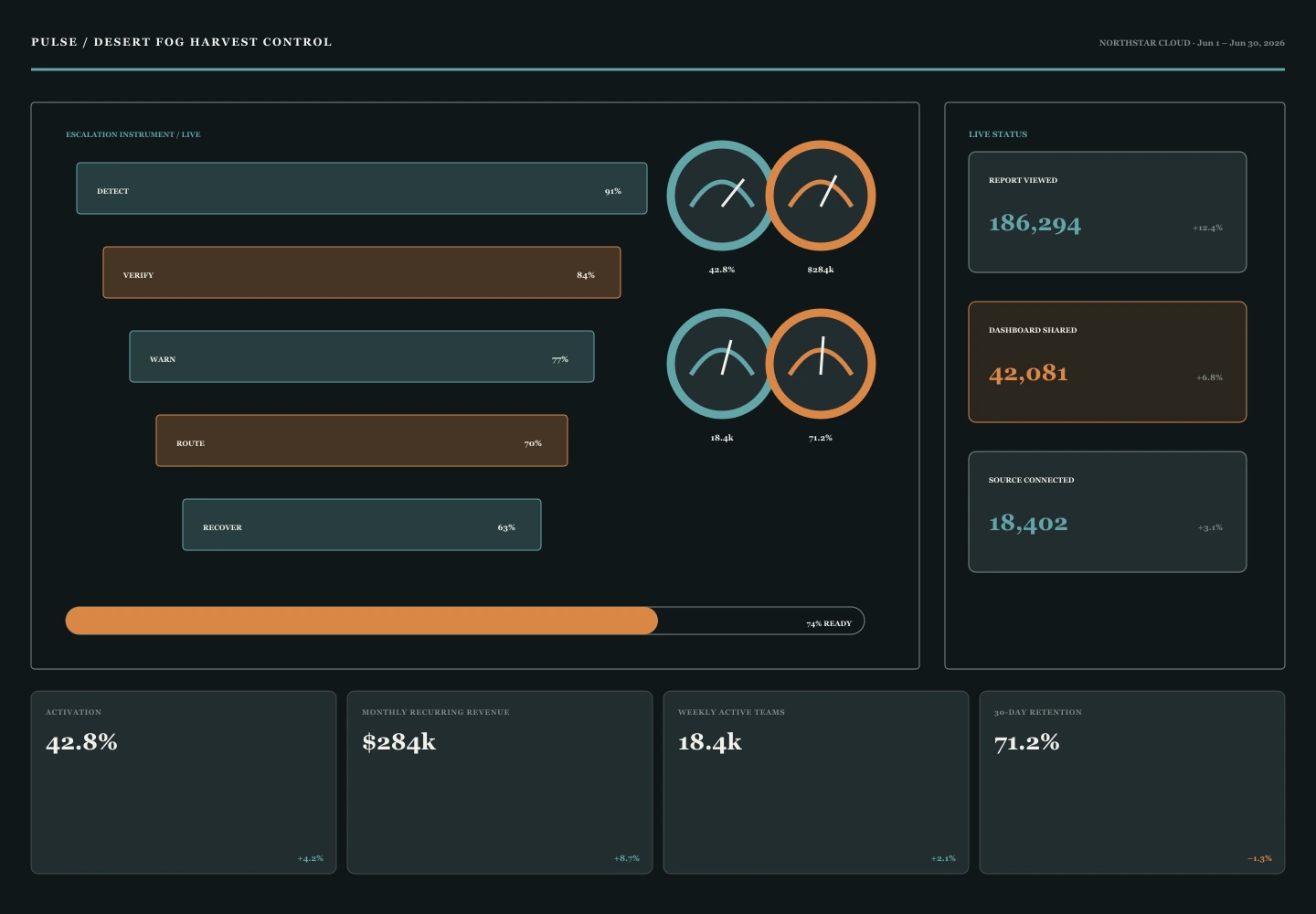
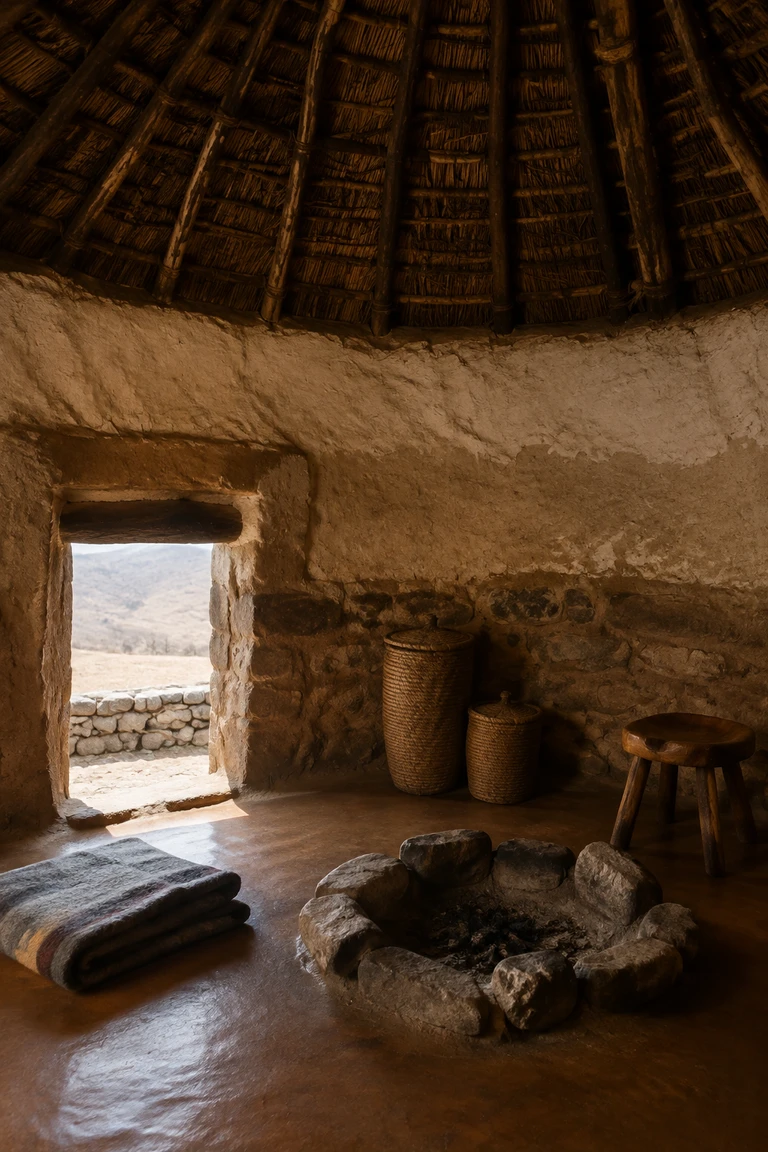
A desert fog harvest control and Basotho rondavel begin with atmospheric limits, shaping mesh, storage, stone, thatch, and sheltered openings as precise instruments that convert difficult weather into a dependable shared resource.
Bridge 47 · Movement and sequence
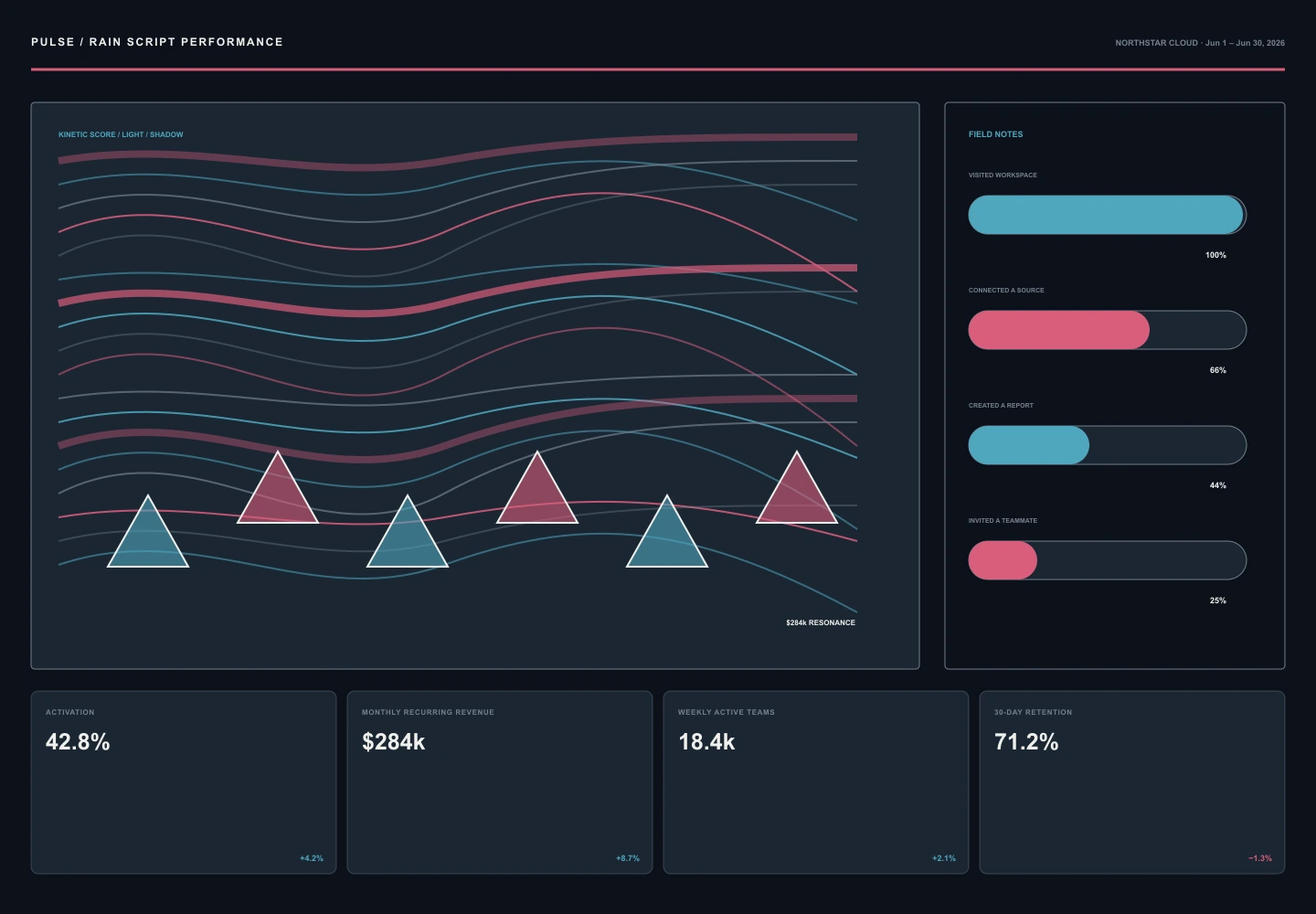
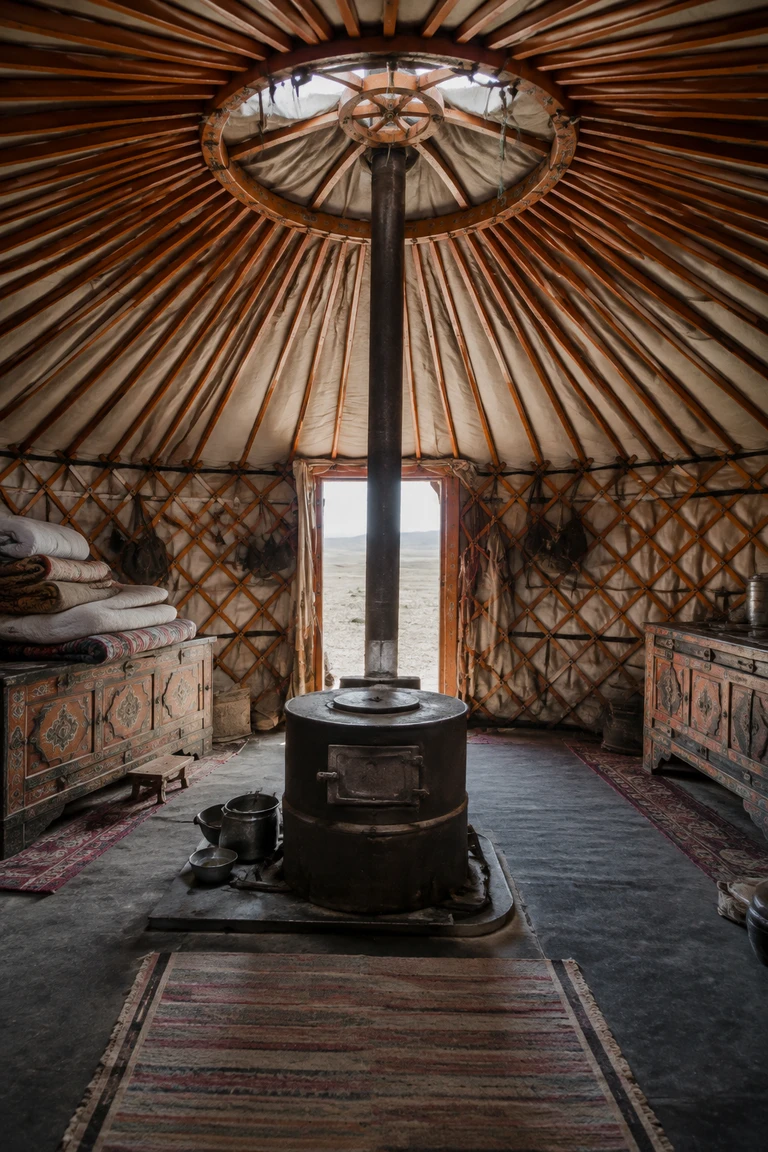
A rain-script performance and Mongolian ger turn changing weather into spatial rhythm: falling traces, radiating roof poles, seasonal movement, and a fixed south threshold make direction visible without making it static.
Bridge 48 · Archives in use
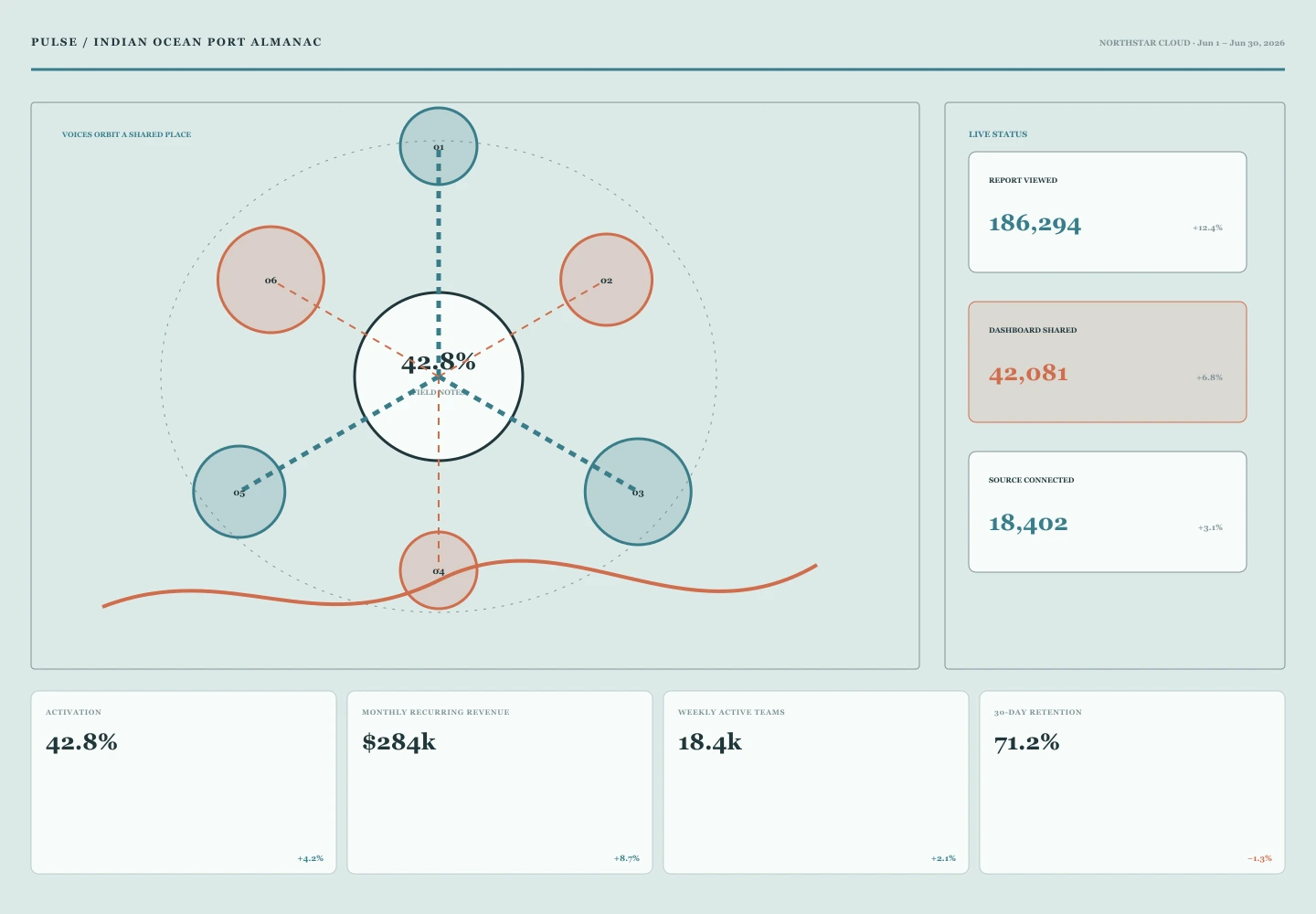
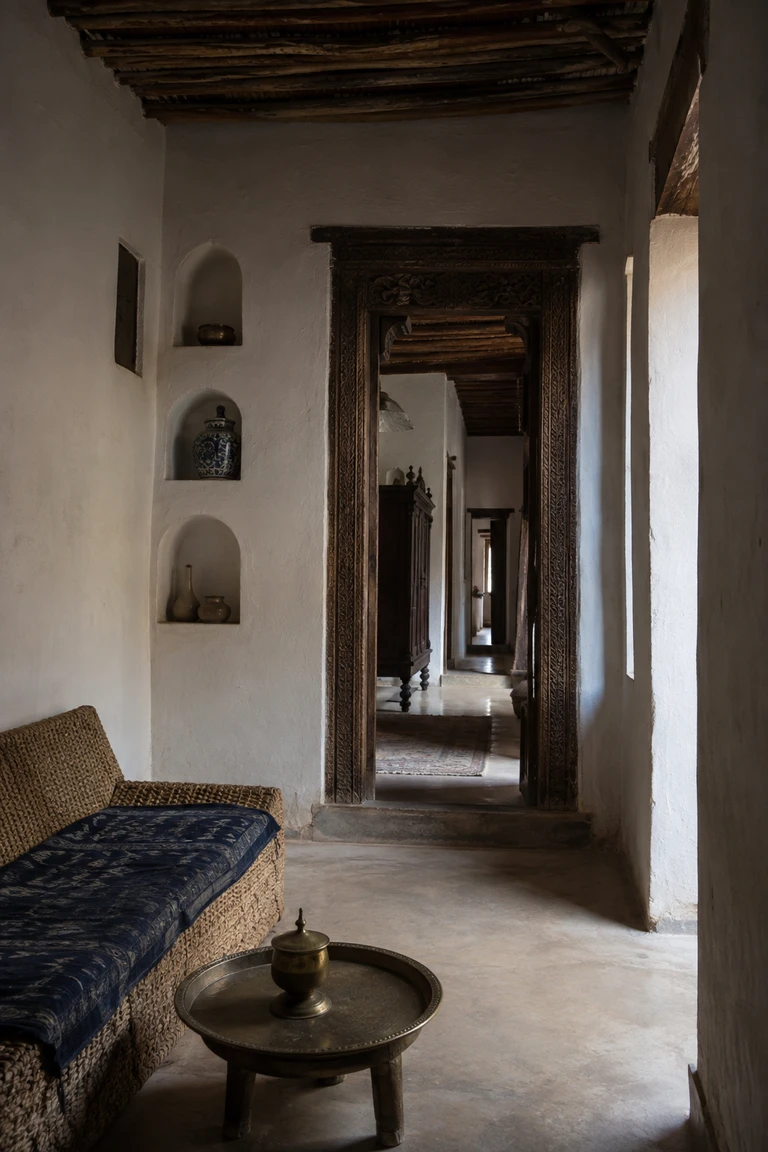
An Indian Ocean port almanac and Swahili stone house keep exchange locally grounded: tidal histories, carved thresholds, coral walls, imported vessels, and family rooms record global movement through objects still used at home.
Bridge 49 · Clarity as care
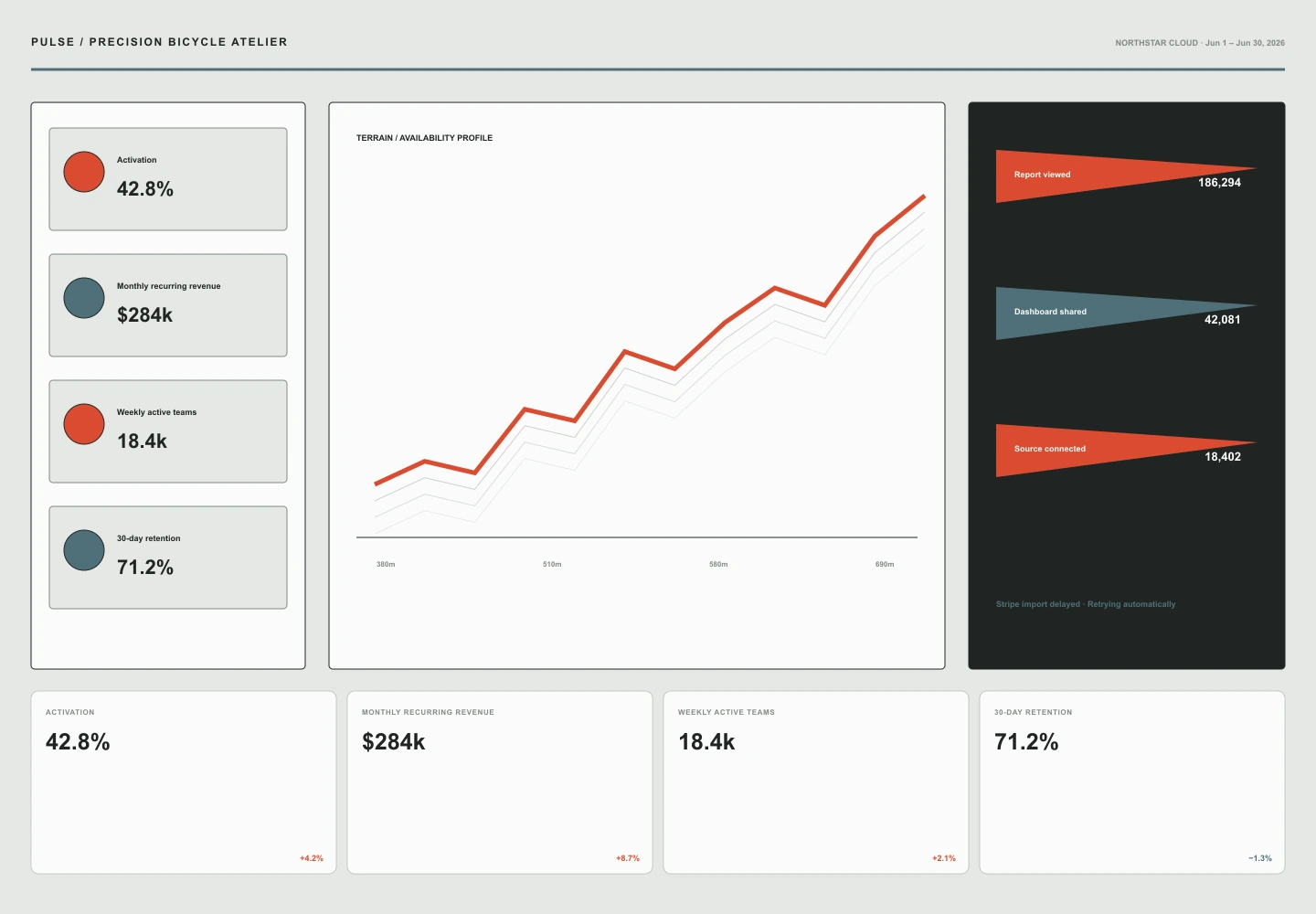
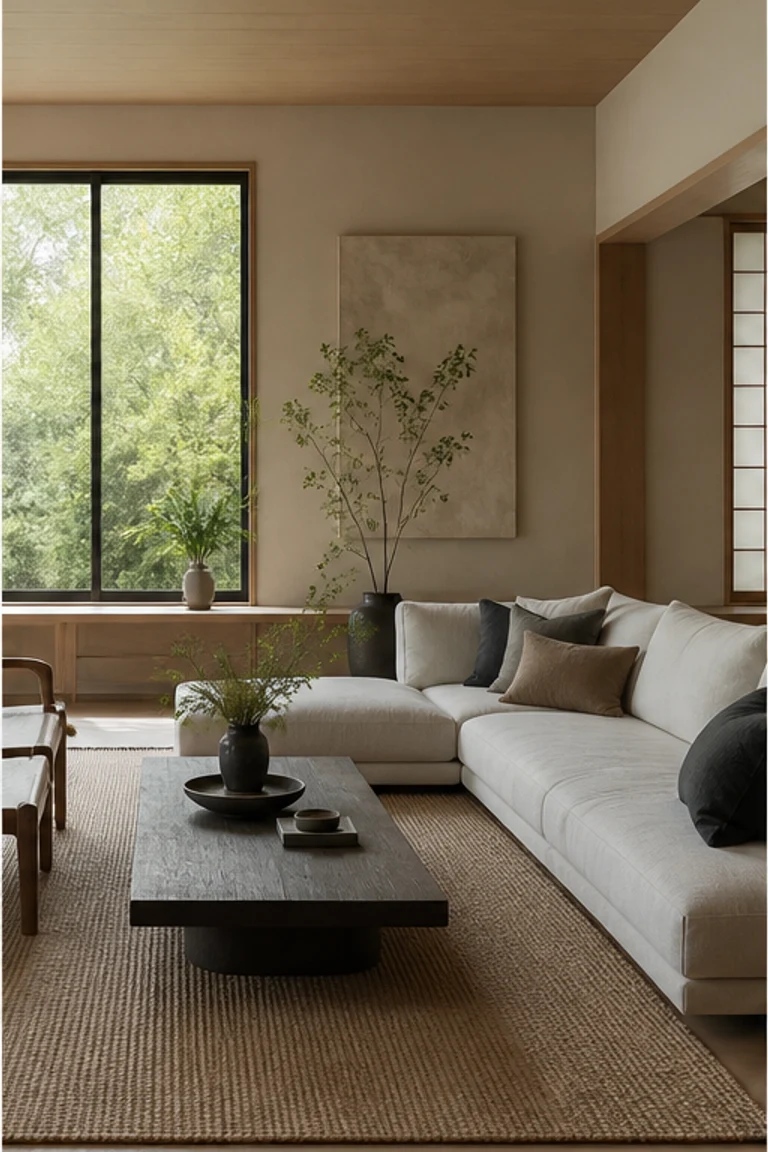
A precision bicycle atelier and Japandi room make confidence visible through disciplined spacing, quiet material contrast, and carefully exposed joints that explain how each part belongs before attention moves to the next.
Bridge 50 · Clarity as care
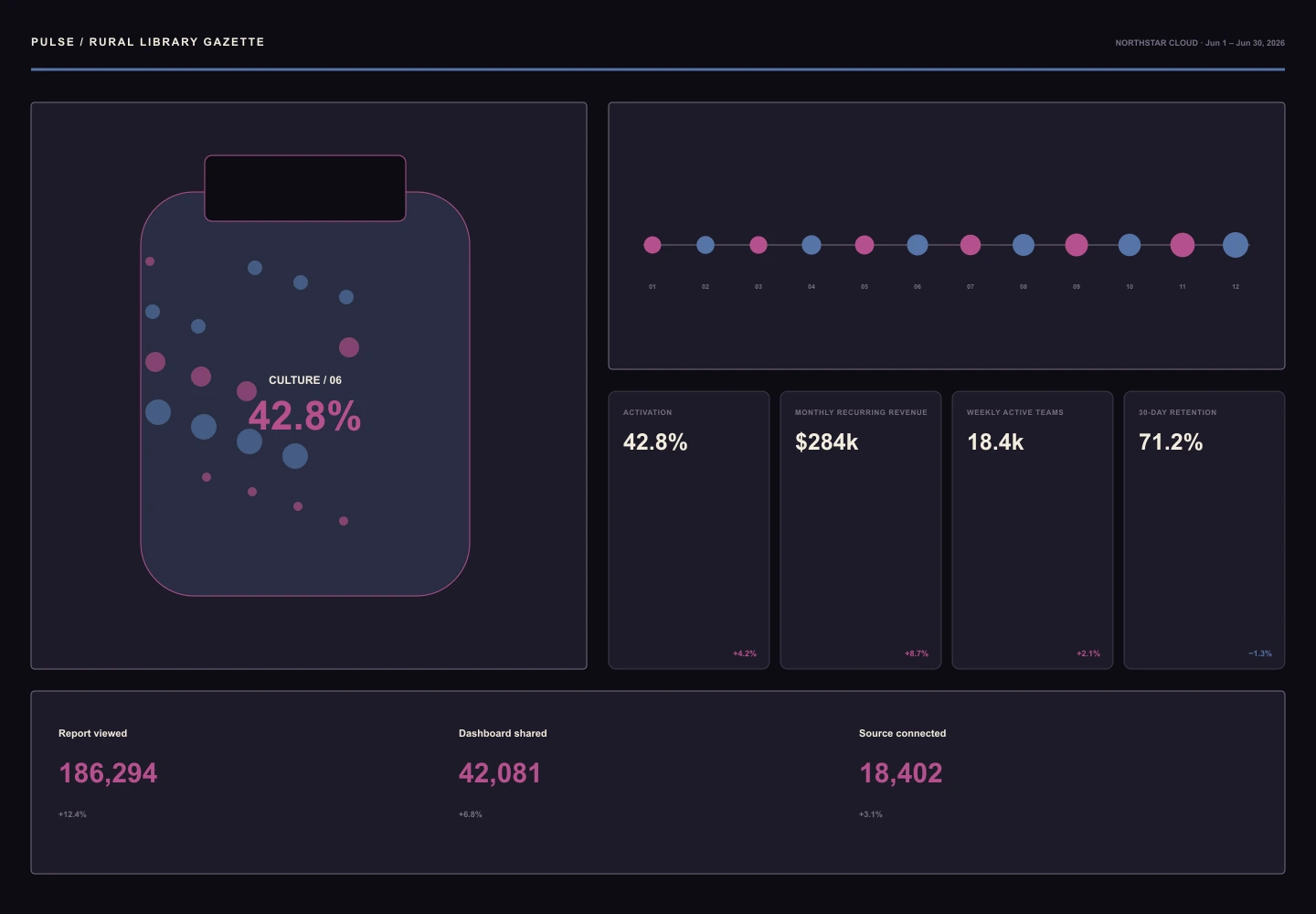
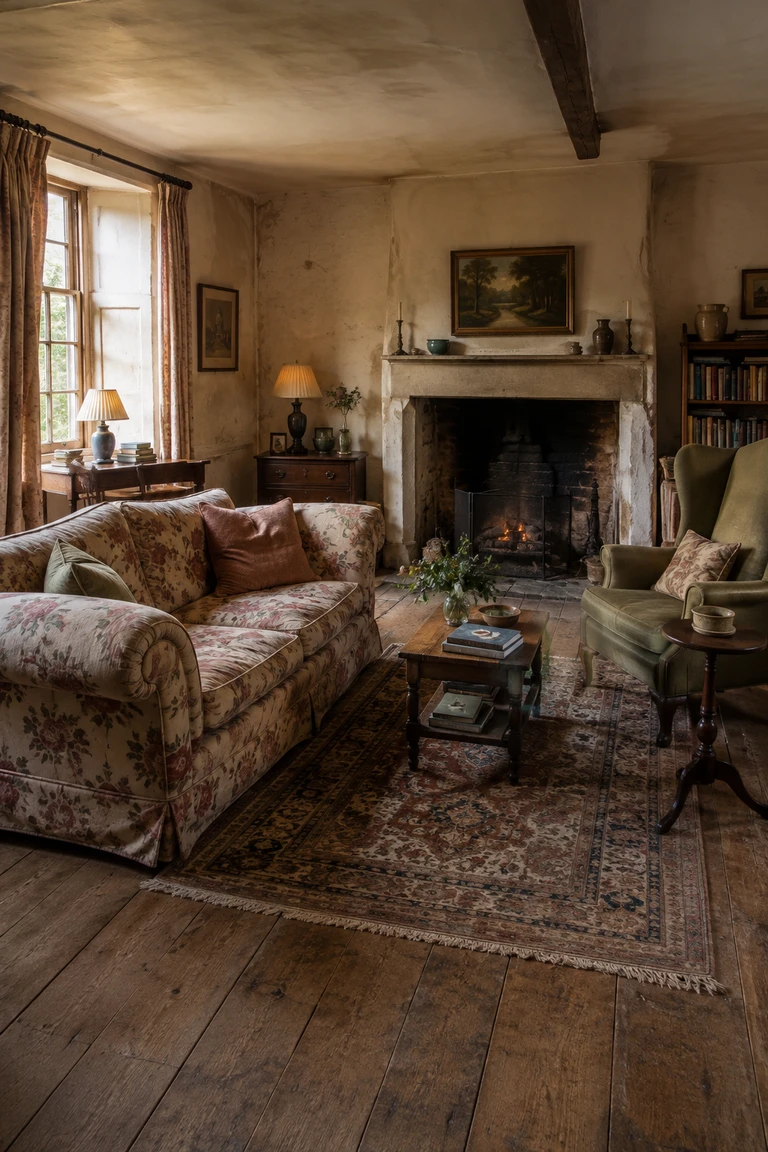
A rural library gazette and English country room guide attention through recognizable forms, stable groupings, and gentle hierarchy, allowing dense information and collected objects to remain approachable rather than overwhelming.
Bridge 51 · Material intelligence
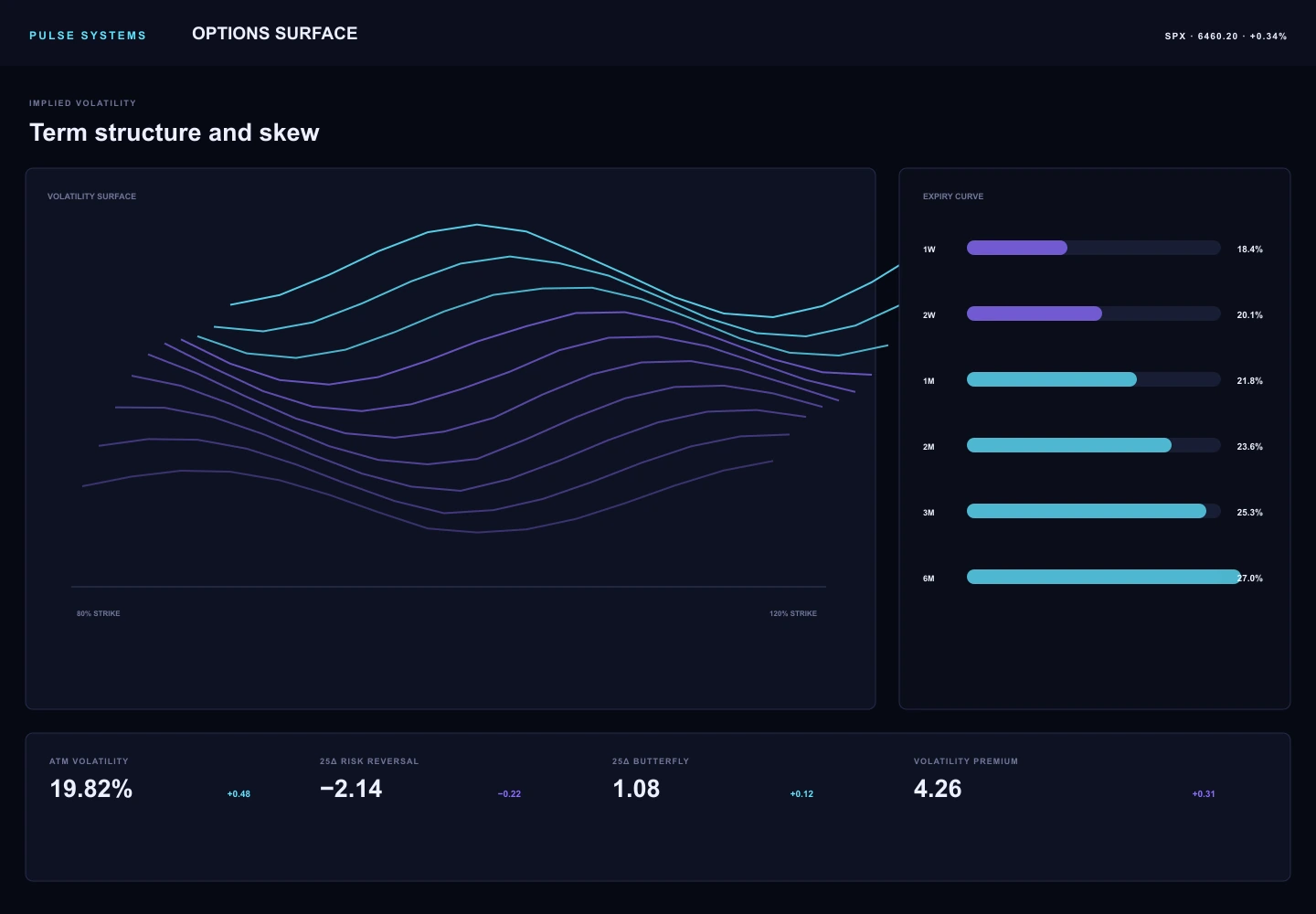
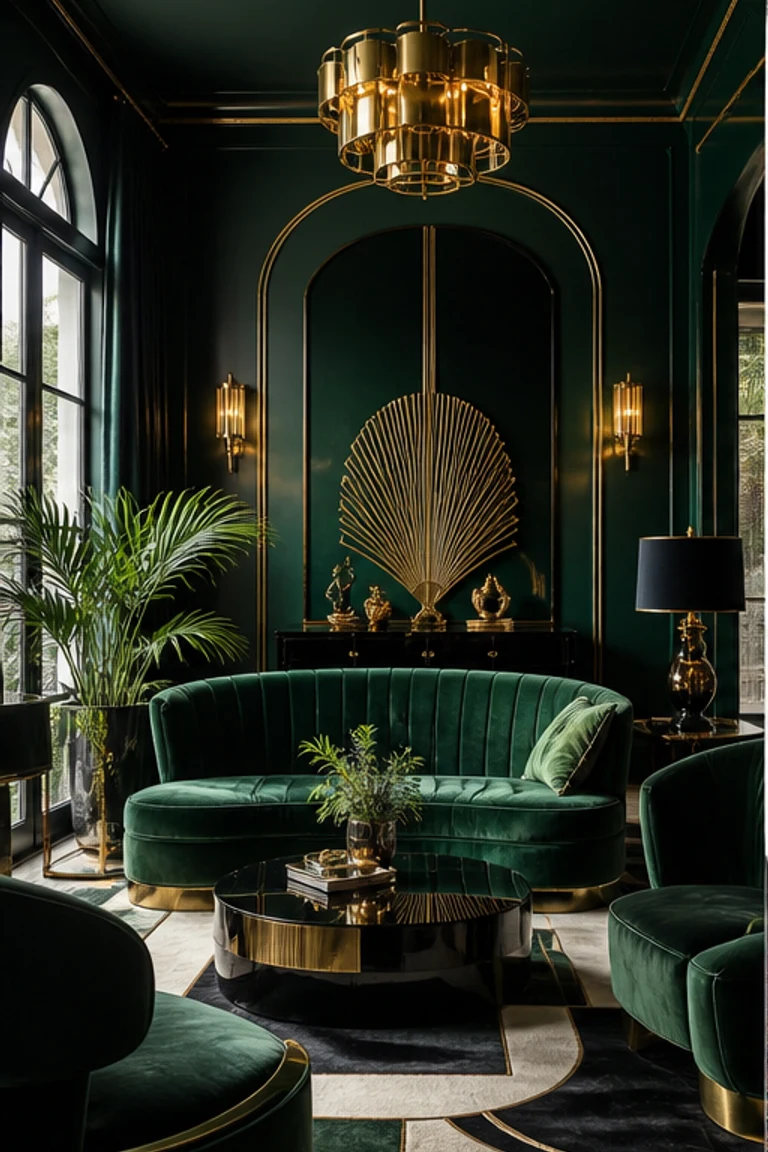
An options surface and Art Deco room turn abstract value into a tactile field: stepped curves, polished planes, metallic accents, and sharply bounded colour let changing intensity register as both information and atmosphere.
Bridge 52 · Material intelligence
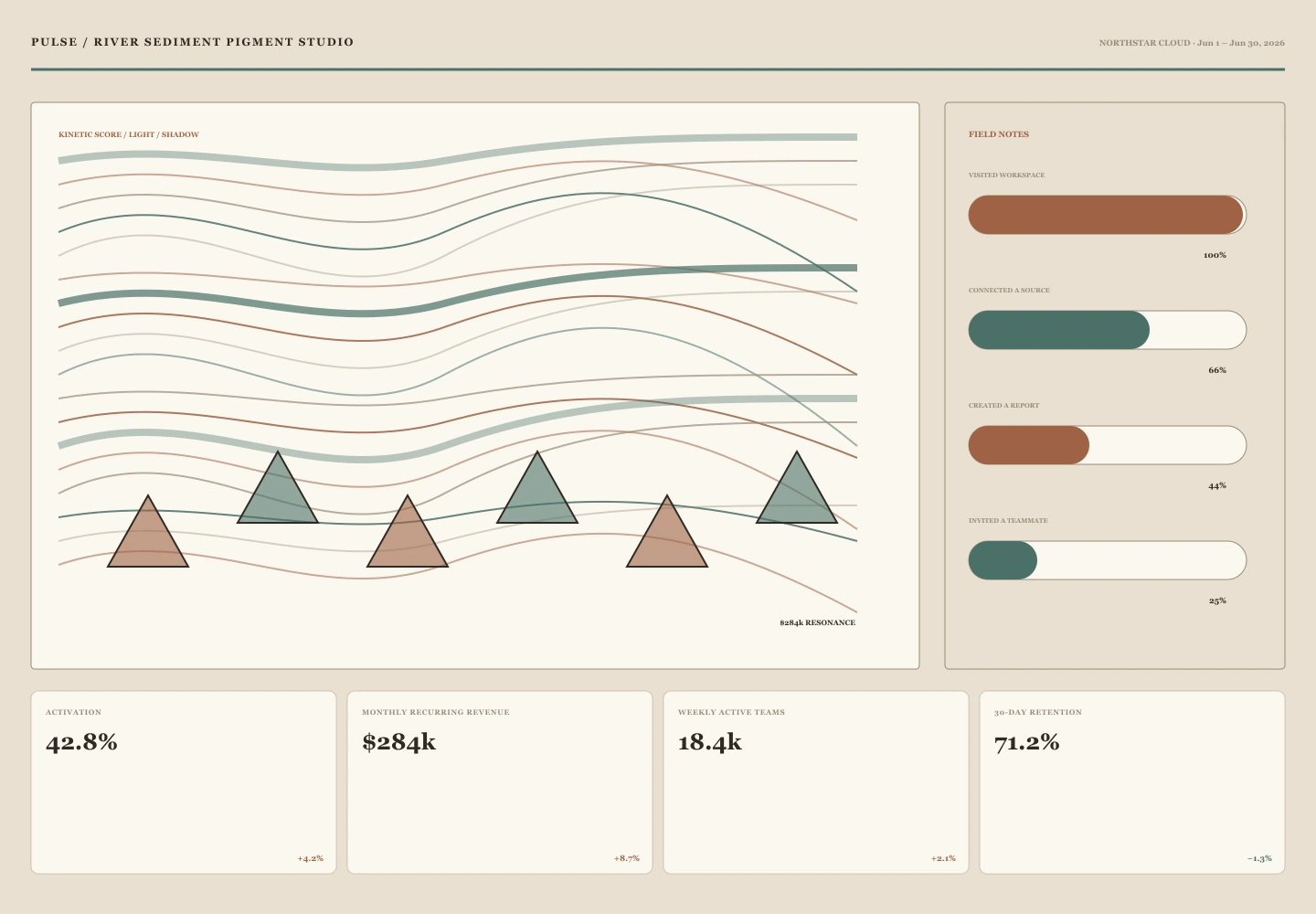
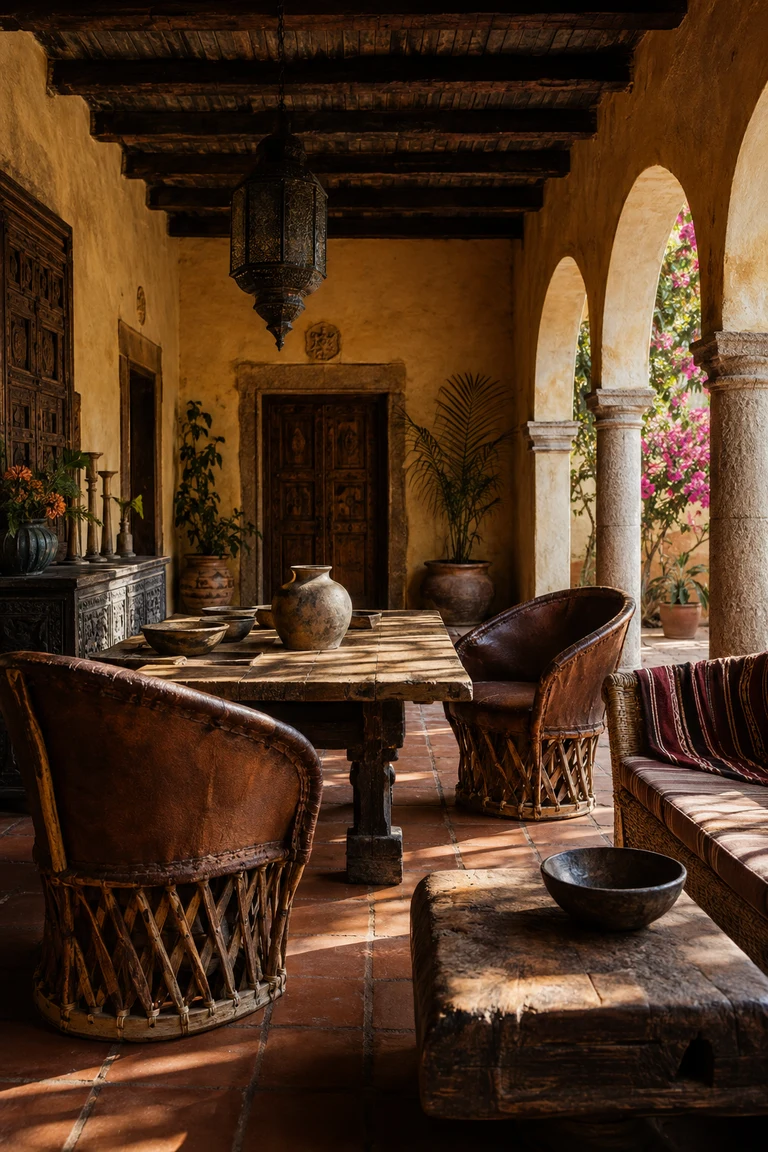
A river-sediment pigment studio and Mexican hacienda keep colour tied to its source, letting mineral deposits, lime plaster, timber, and handmade surfaces reveal weather, labour, and place instead of presenting a frictionless finish.
Bridge 53 · Visible systems
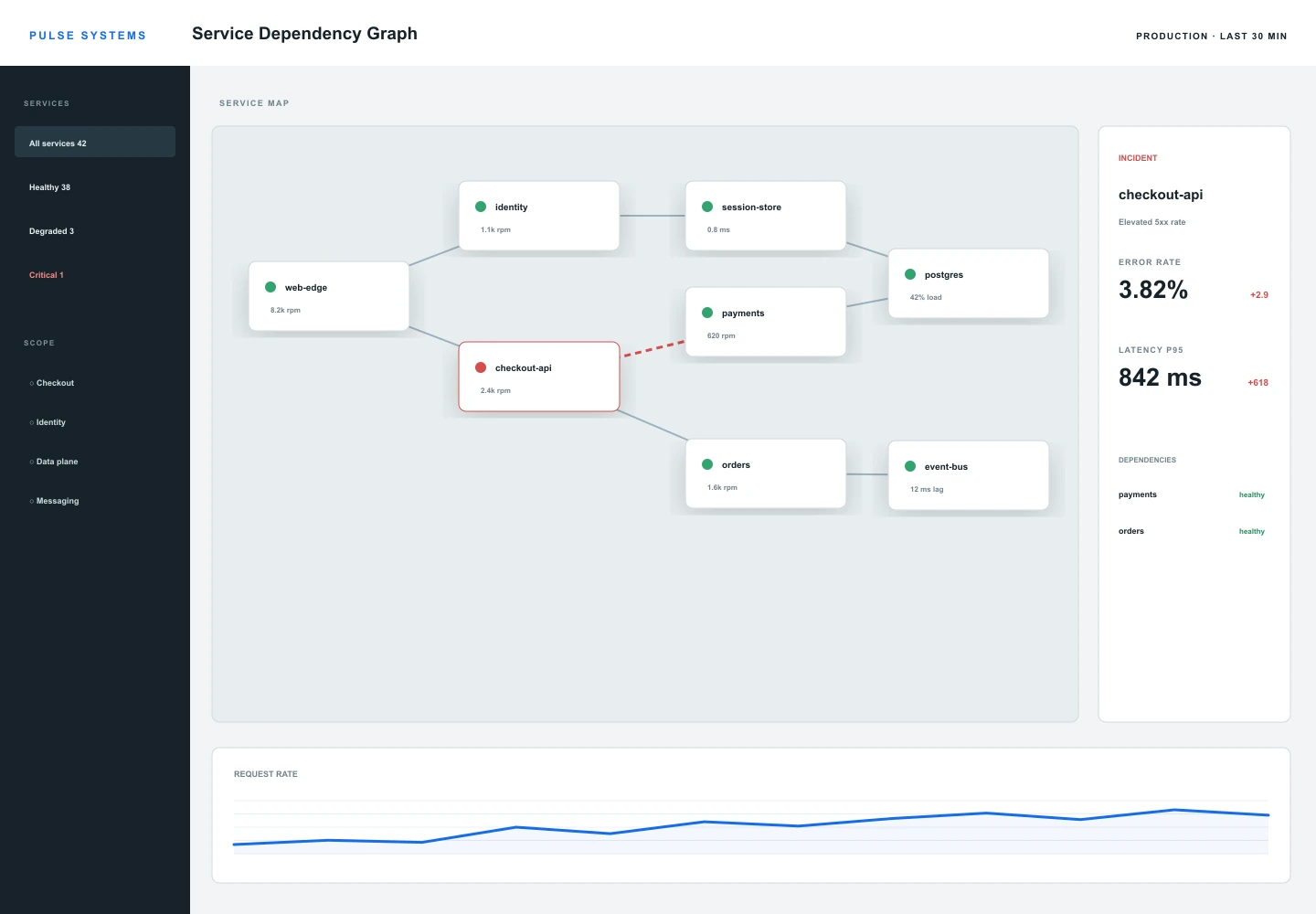
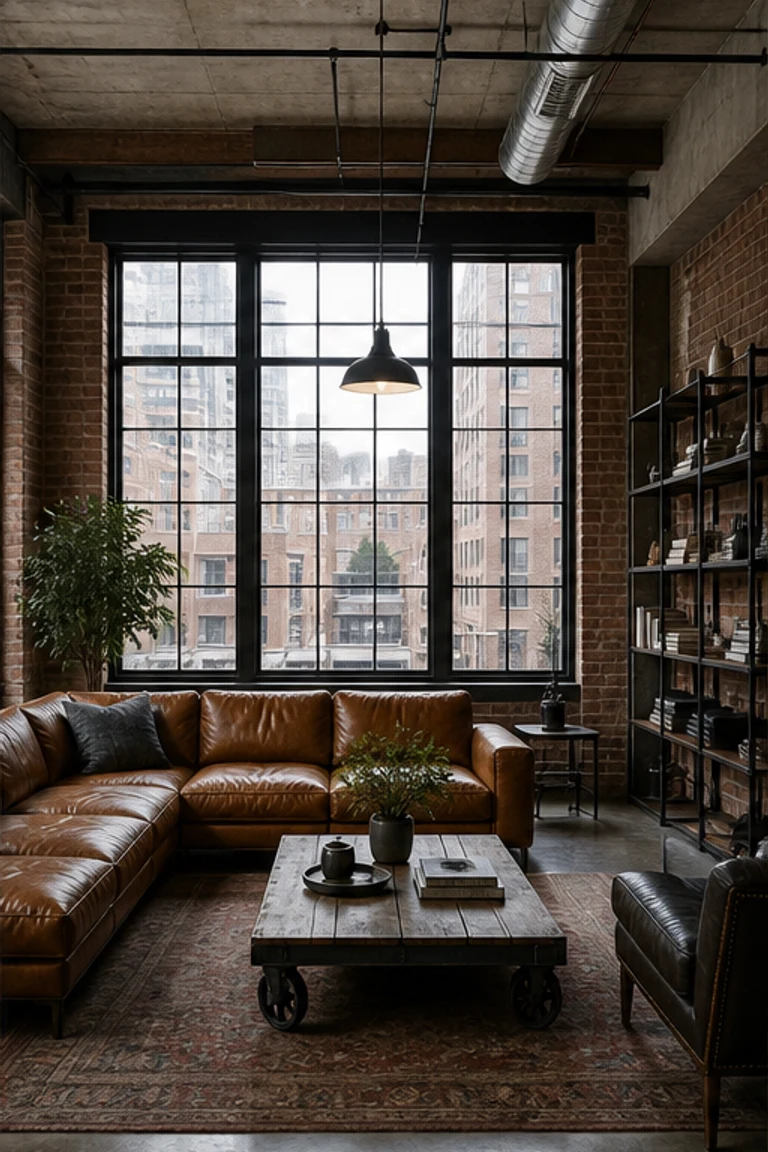
A service dependency graph and industrial room expose the connections that keep a system working, using visible routes, repeated frames, and legible junctions so maintenance becomes part of the architecture rather than hidden backstage.
Bridge 54 · Visible systems
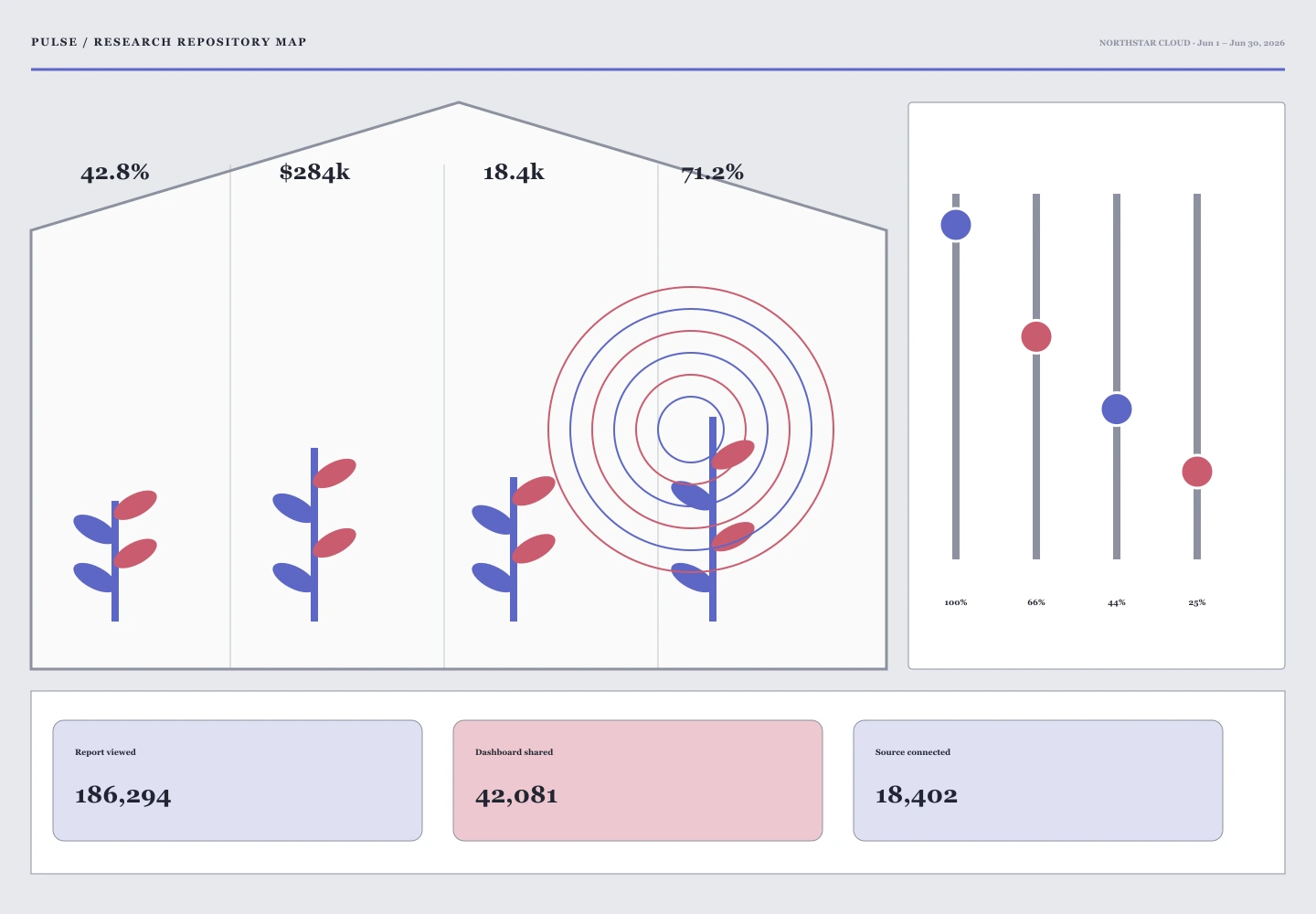
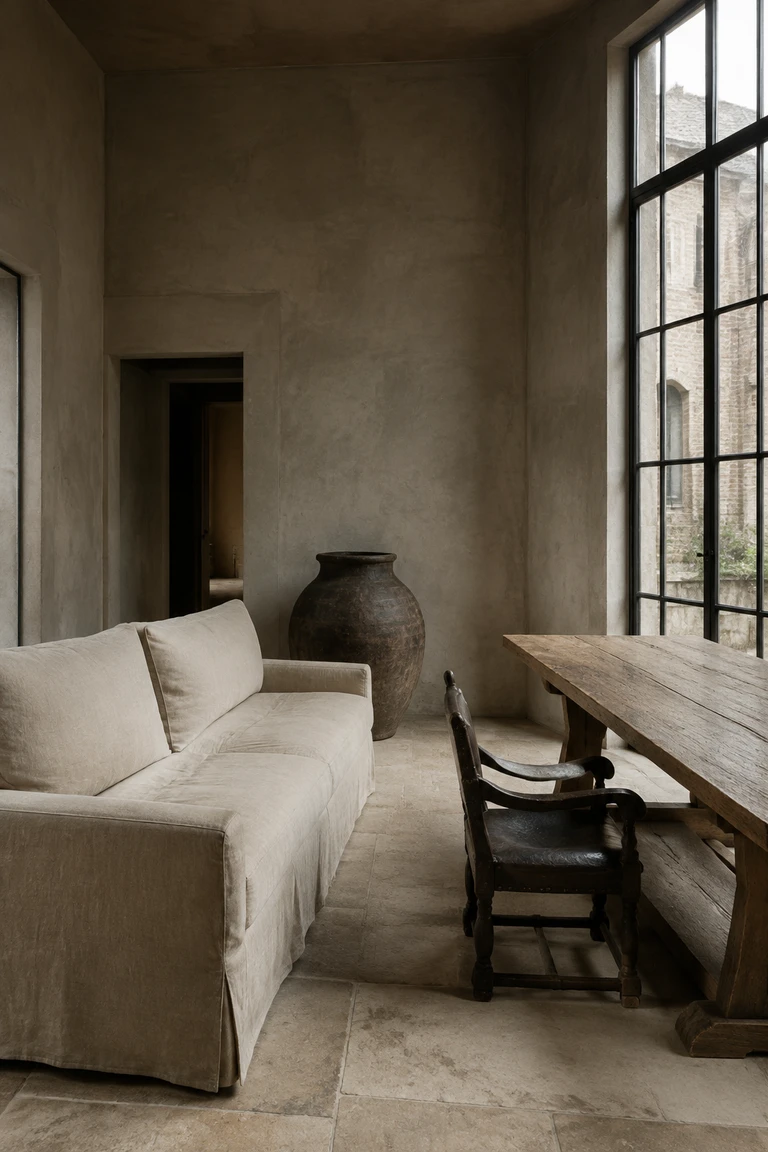
A research repository map and Belgian minimalist room organize abundance through a few strong volumes, measured gaps, and explicit containers, giving every source or object a stable address inside a calm larger structure.
Bridge 55 · Climate feedback
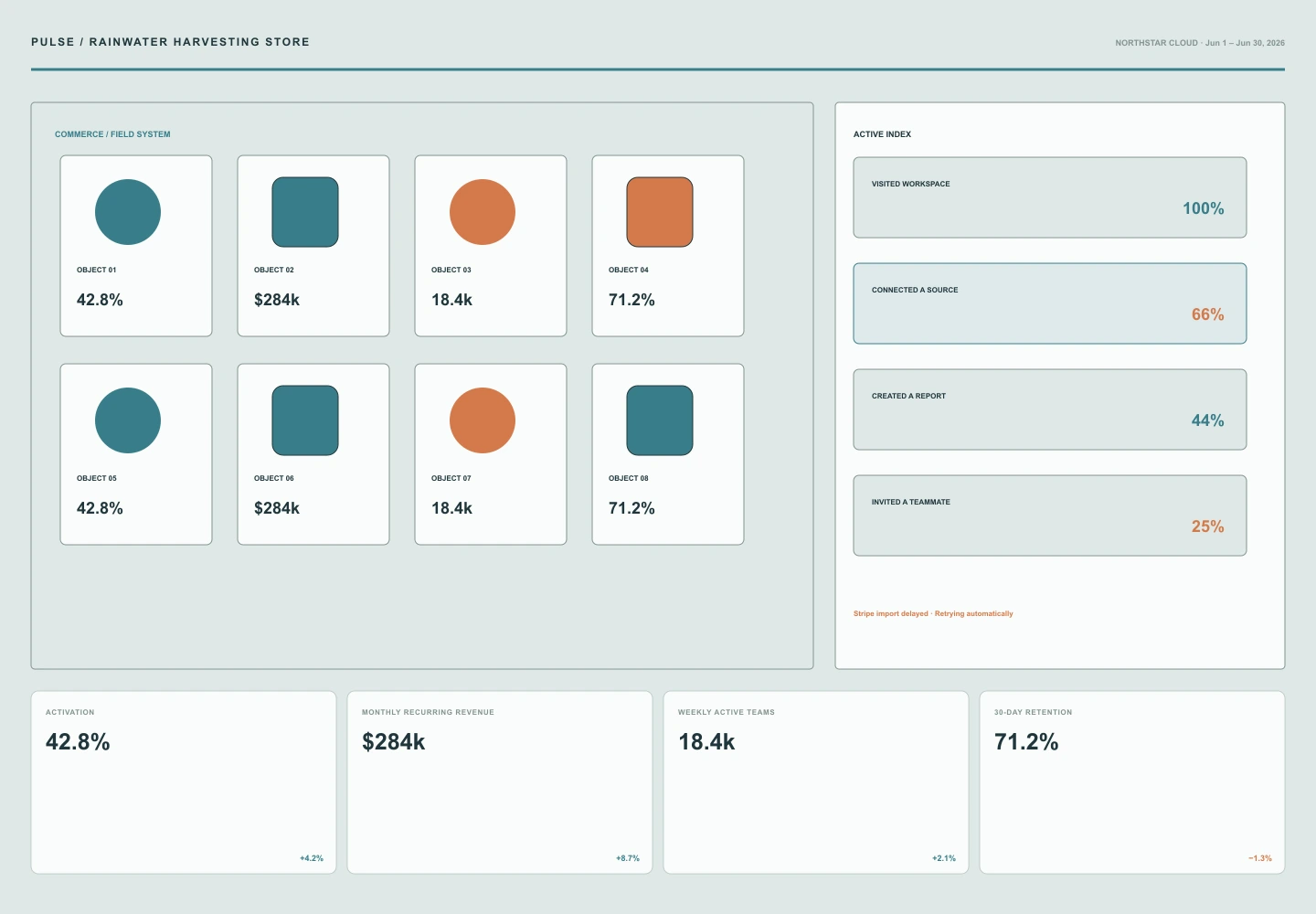
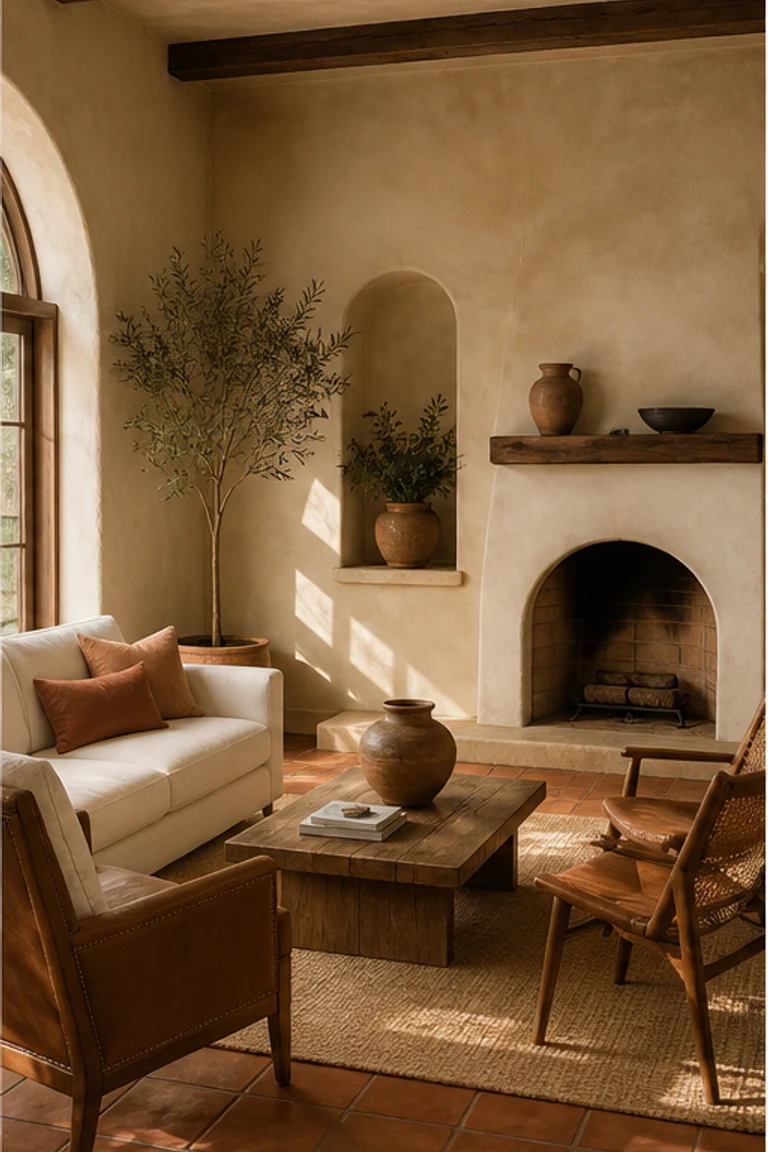
A rainwater harvesting store and Mediterranean room treat water as an organizing resource, using collection points, shaded edges, porous surfaces, and durable vessels to join daily exchange with seasonal climate response.
Bridge 56 · Climate feedback
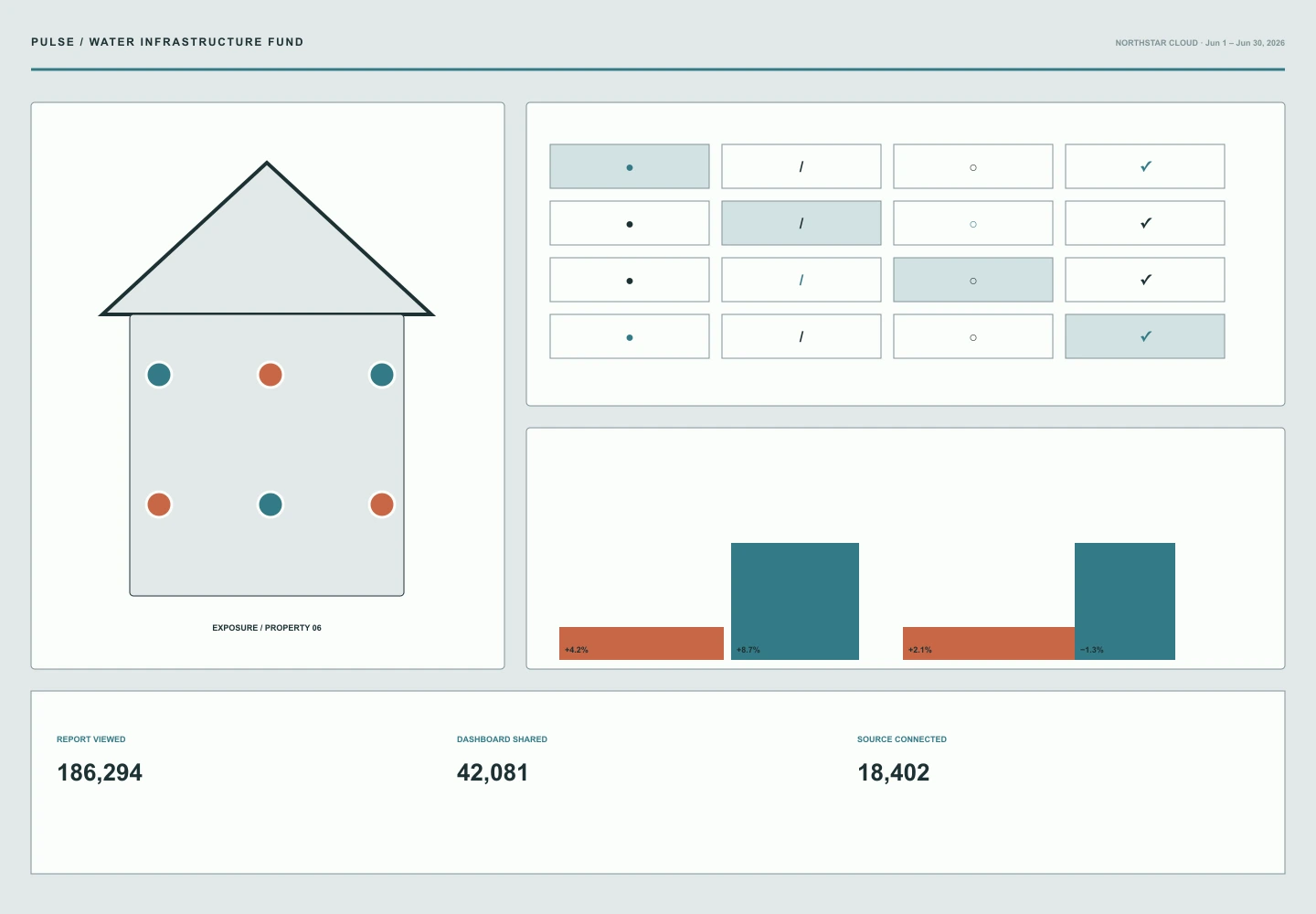
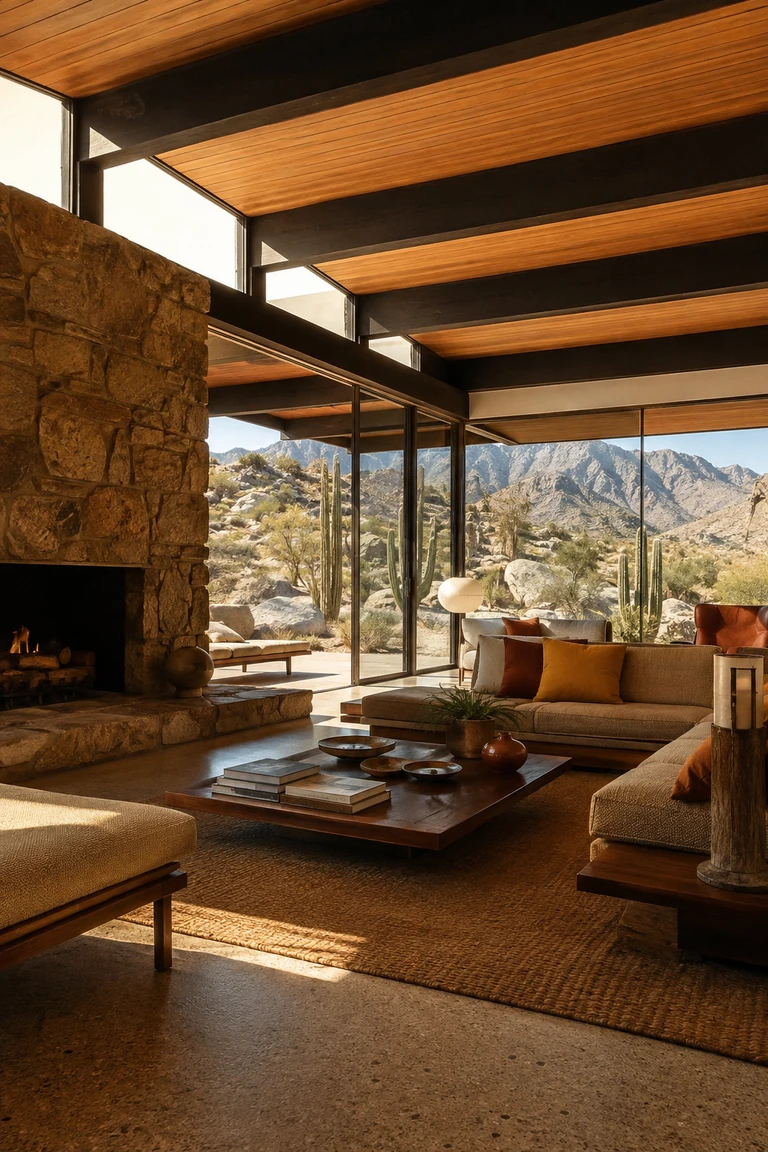
A water infrastructure fund and desert modernist room make scarcity spatially explicit, translating reserves, exposure, shade, and thermal mass into a plan where resource limits guide both investment and everyday occupation.
Bridge 57 · Movement and sequence
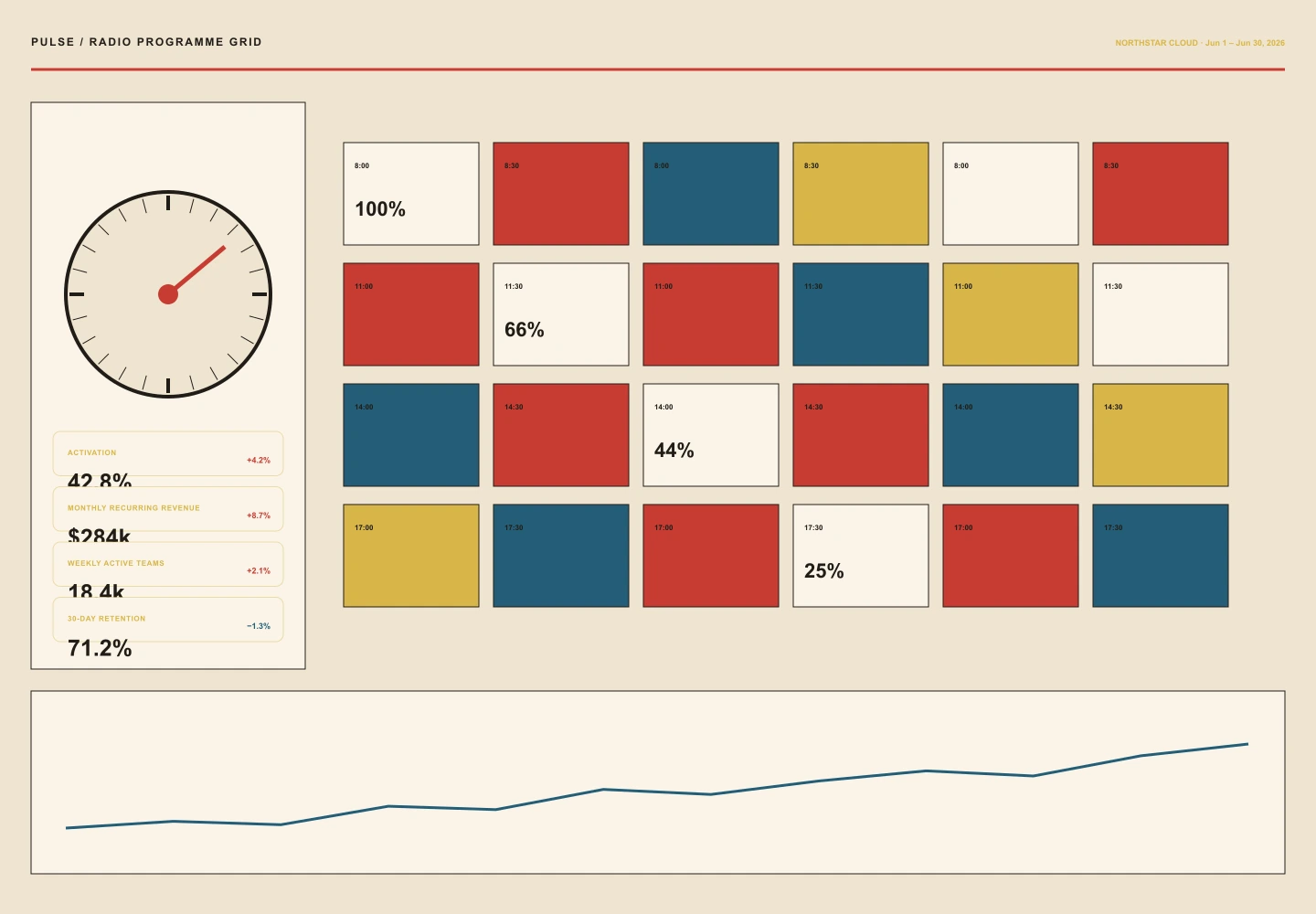
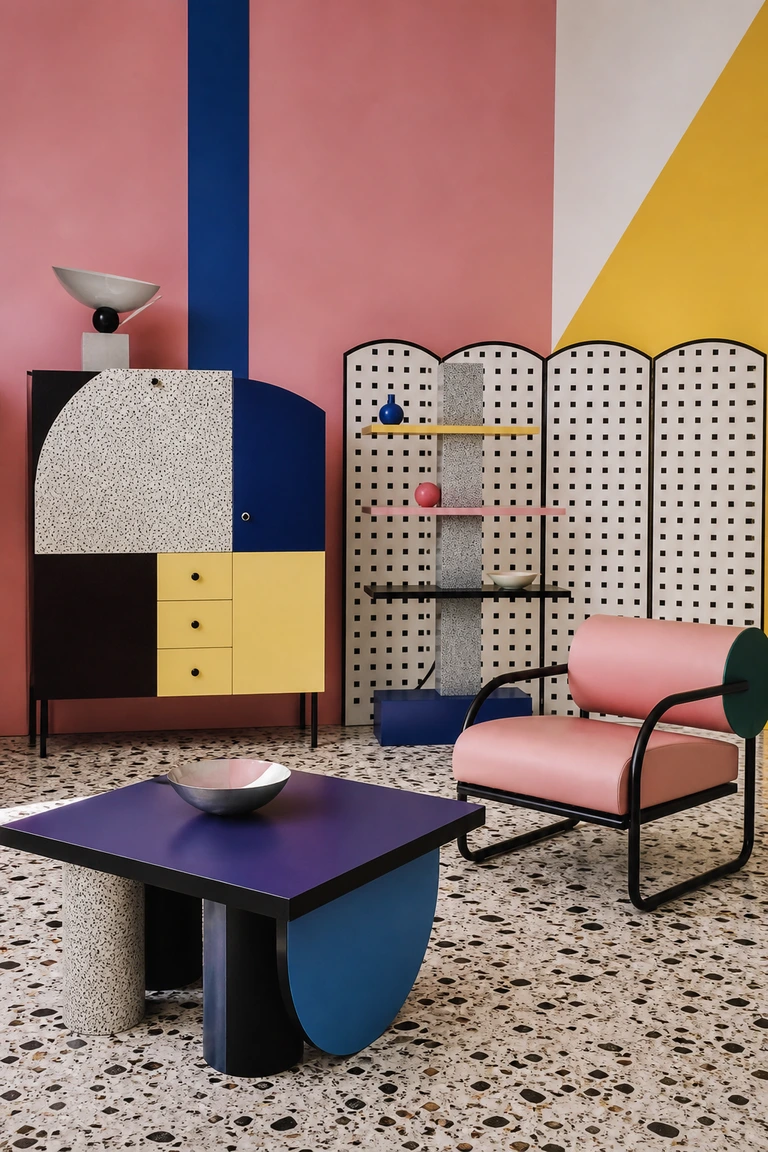
A radio programme grid and Memphis room coordinate movement through syncopated blocks, abrupt colour changes, and repeated intervals, turning schedule and circulation into lively sequences that remain readable through rhythm.
Bridge 58 · Movement and sequence
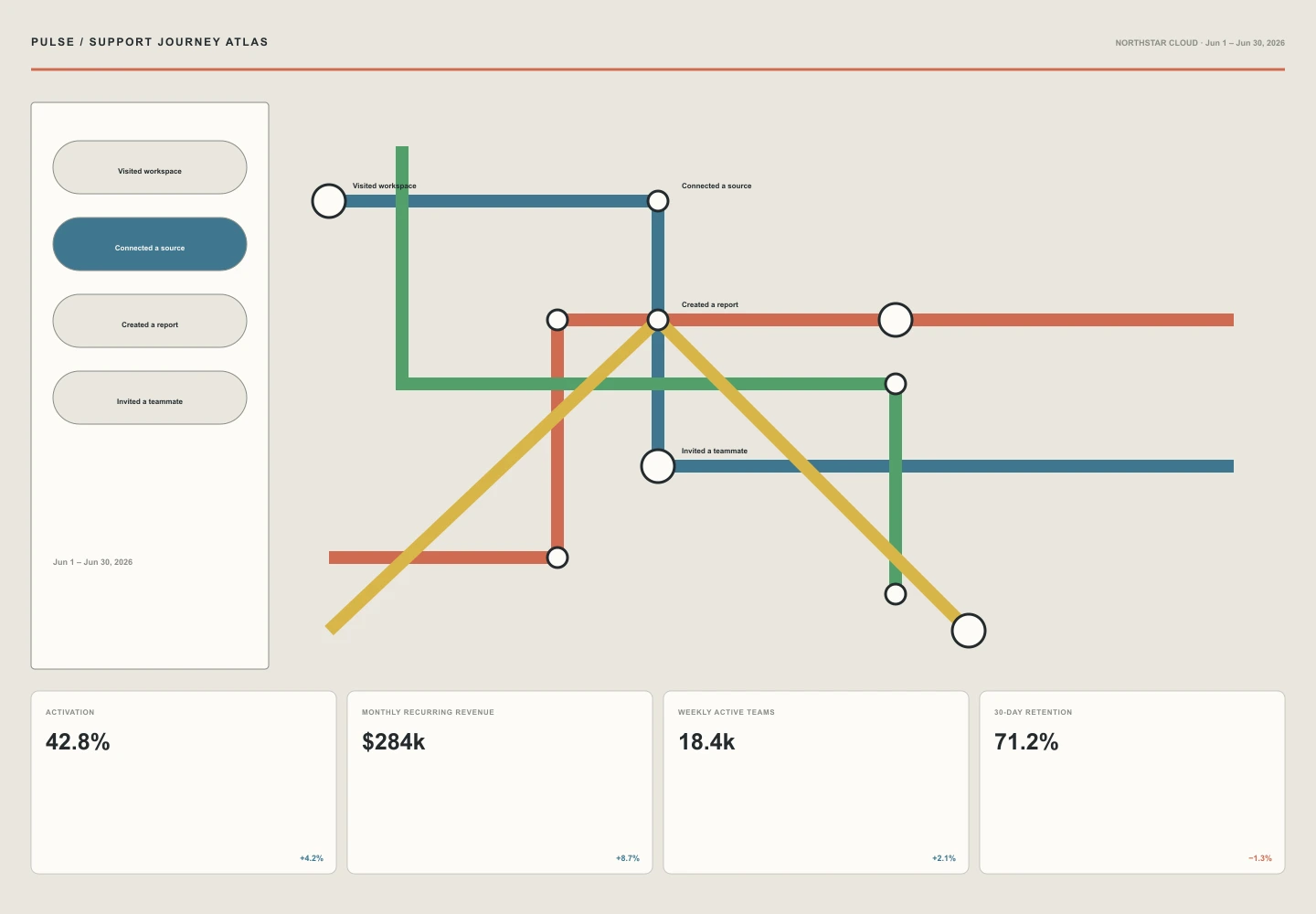
A support journey atlas and Prairie School room use long horizontal lines to connect successive stages, keeping destinations visible across thresholds so movement feels continuous even as each zone takes on a distinct purpose.
Bridge 59 · Archives in use
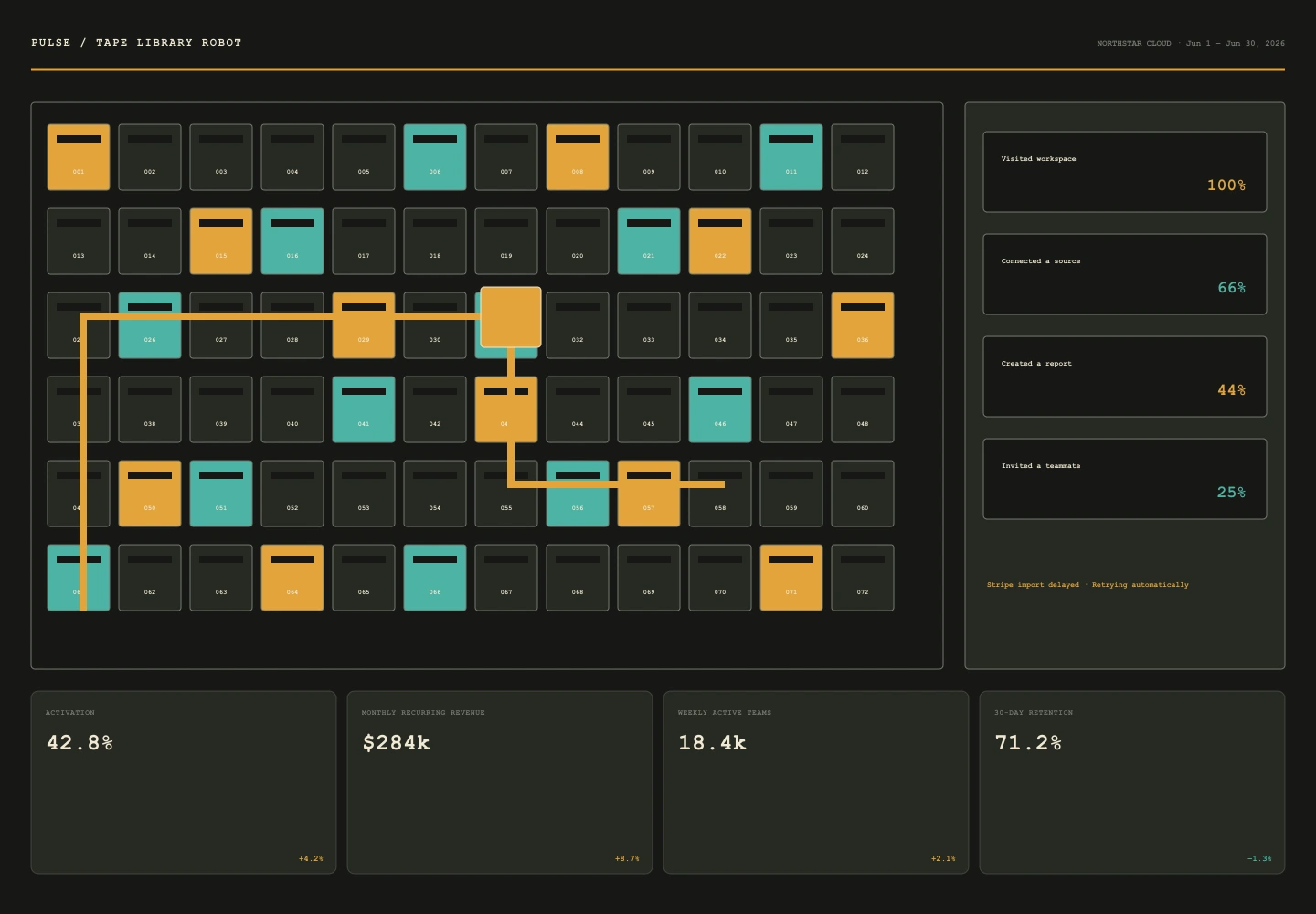
A tape-library robot and Victorian Aesthetic room preserve accumulated culture through attentive arrangement, combining indexed storage, decorative density, and deliberate retrieval so abundance remains available for continued use.
Bridge 60 · Archives in use
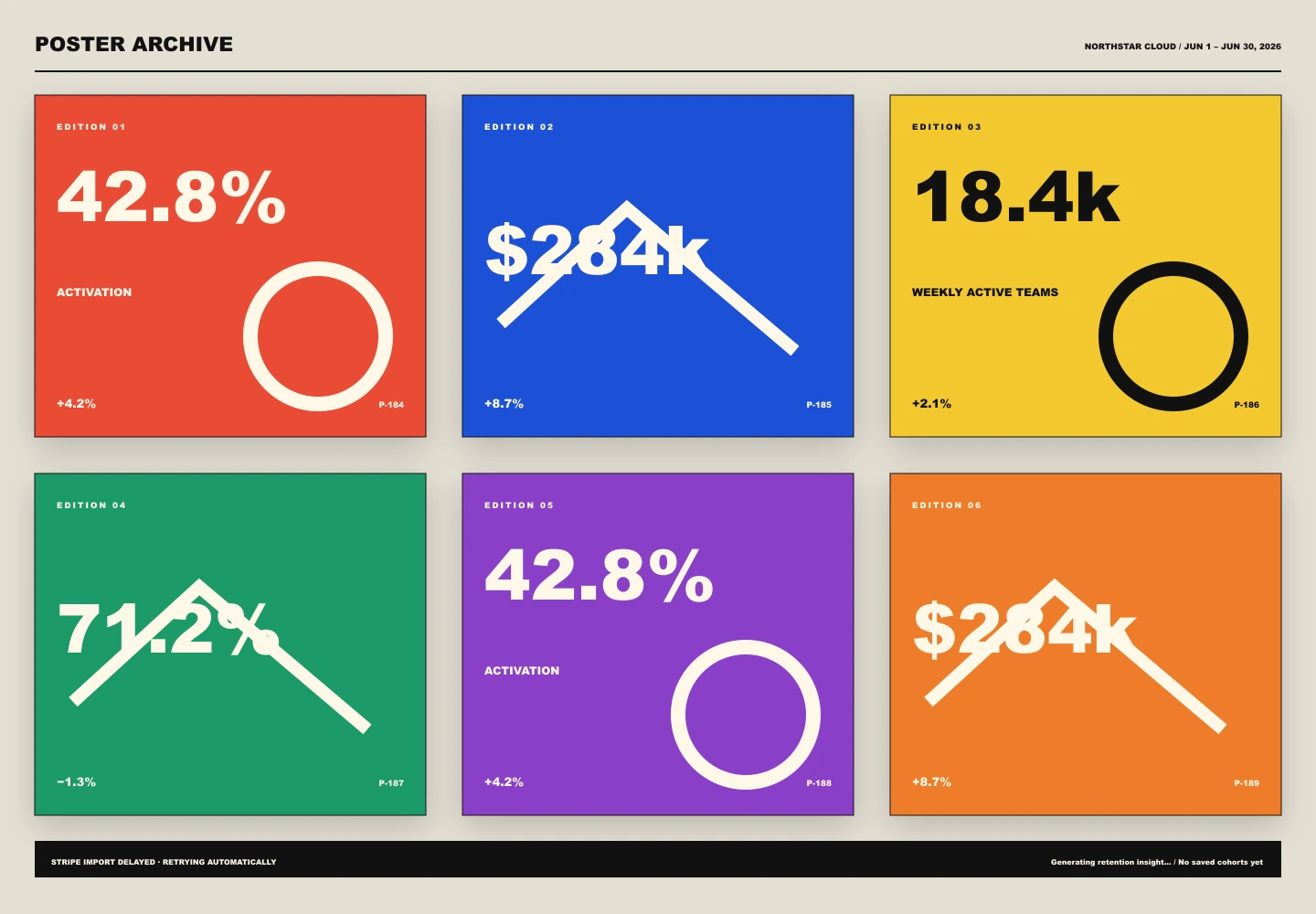
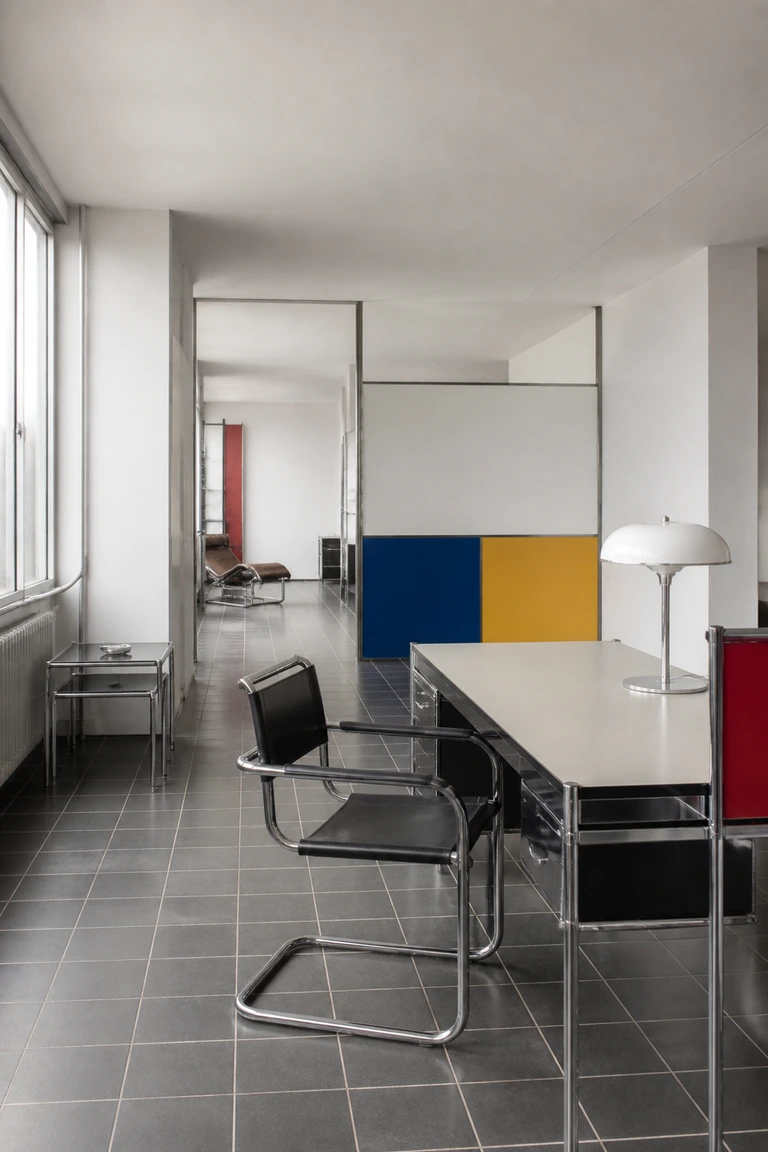
A poster archive and Bauhaus room preserve a working method rather than a frozen look, keeping grids, type, colour, furniture, and production evidence together so historical principles can be studied through active relationships.
Bridge 61 · Clarity as care
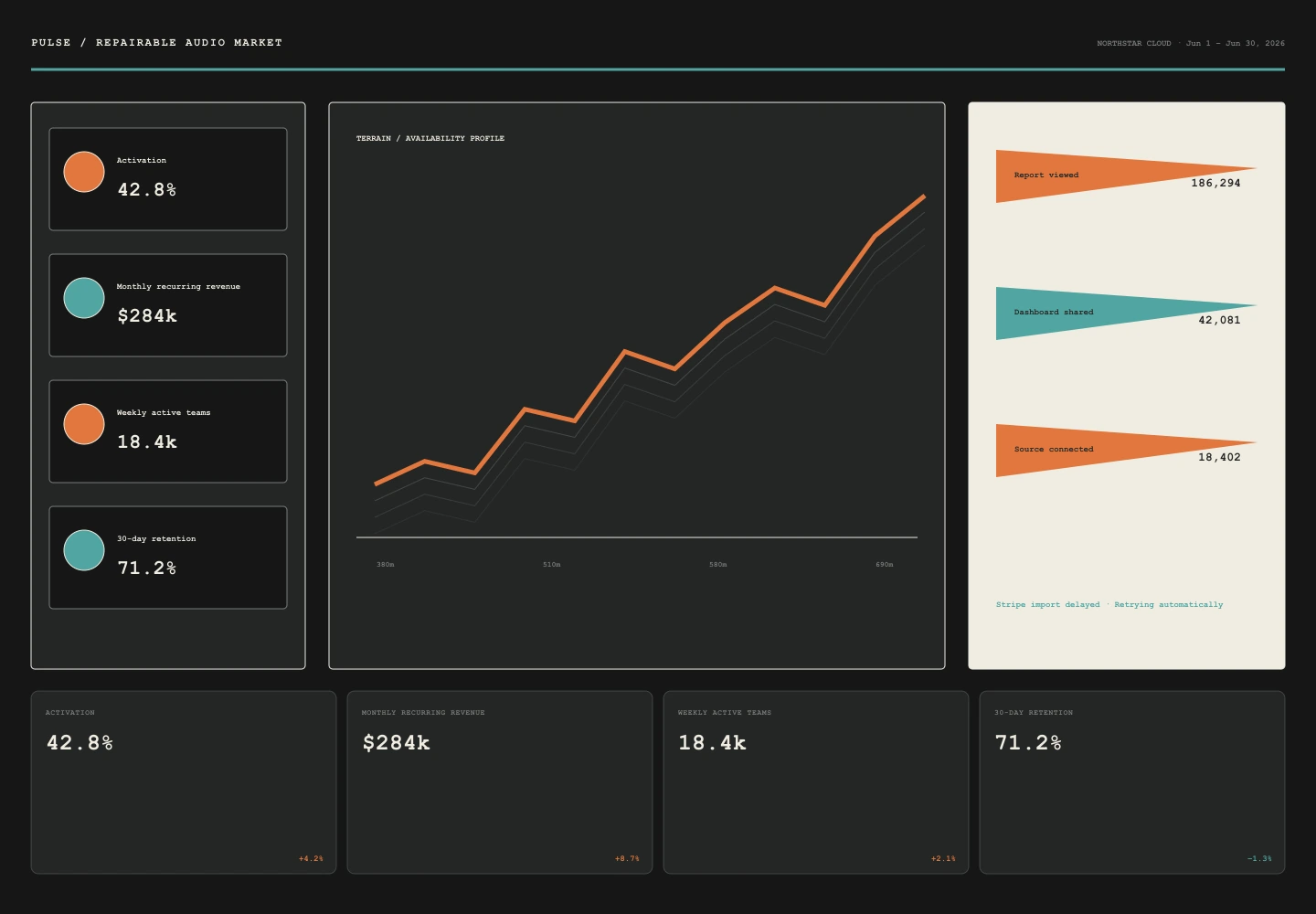
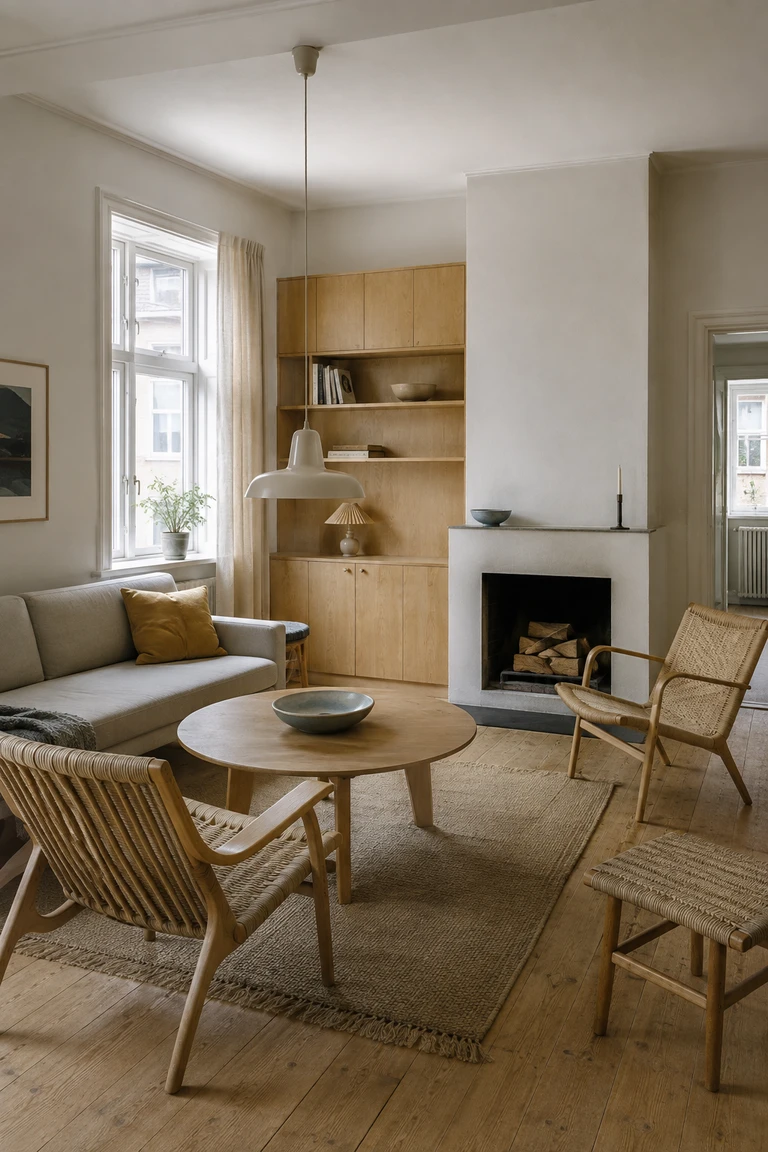
A repairable audio market and Danish functionalist room build trust by exposing how parts meet, separating controls from structure, and leaving enough visual quiet for maintenance, use, and future adjustment to remain self-evident.
Bridge 62 · Clarity as care
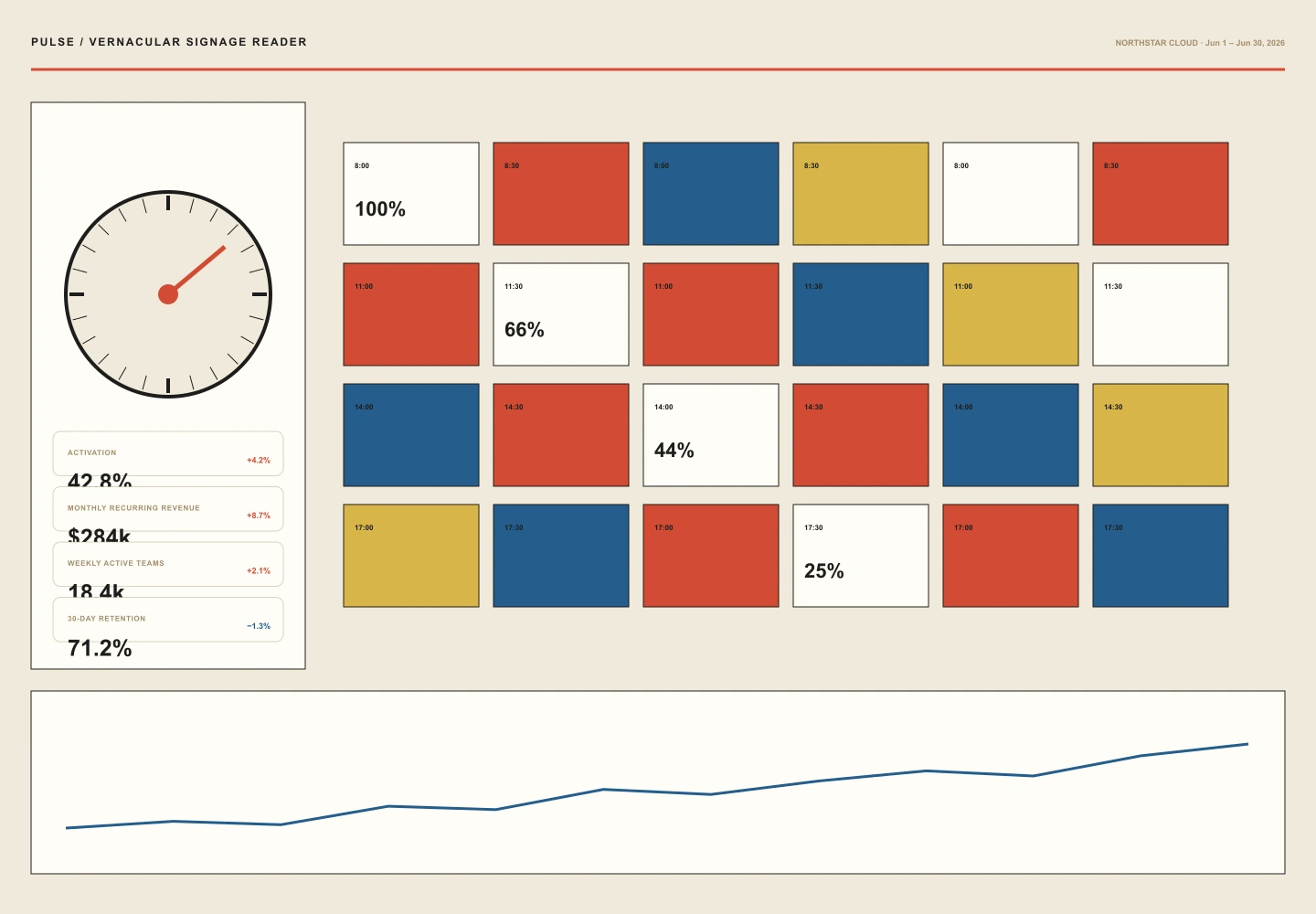
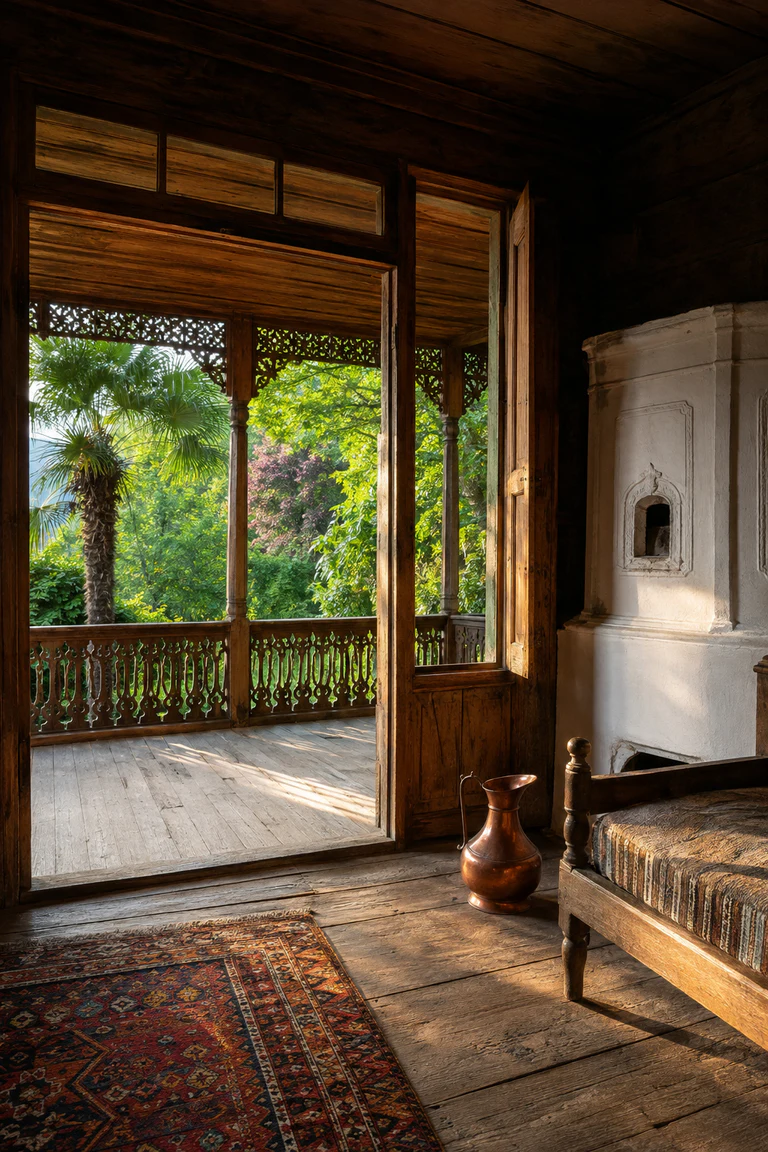
A vernacular signage reader and Georgian oda house make orientation part of the threshold itself, using repeated openings, familiar marks, and stable proportions to guide arrival without separating information from local building culture.
Bridge 63 · Clarity as care
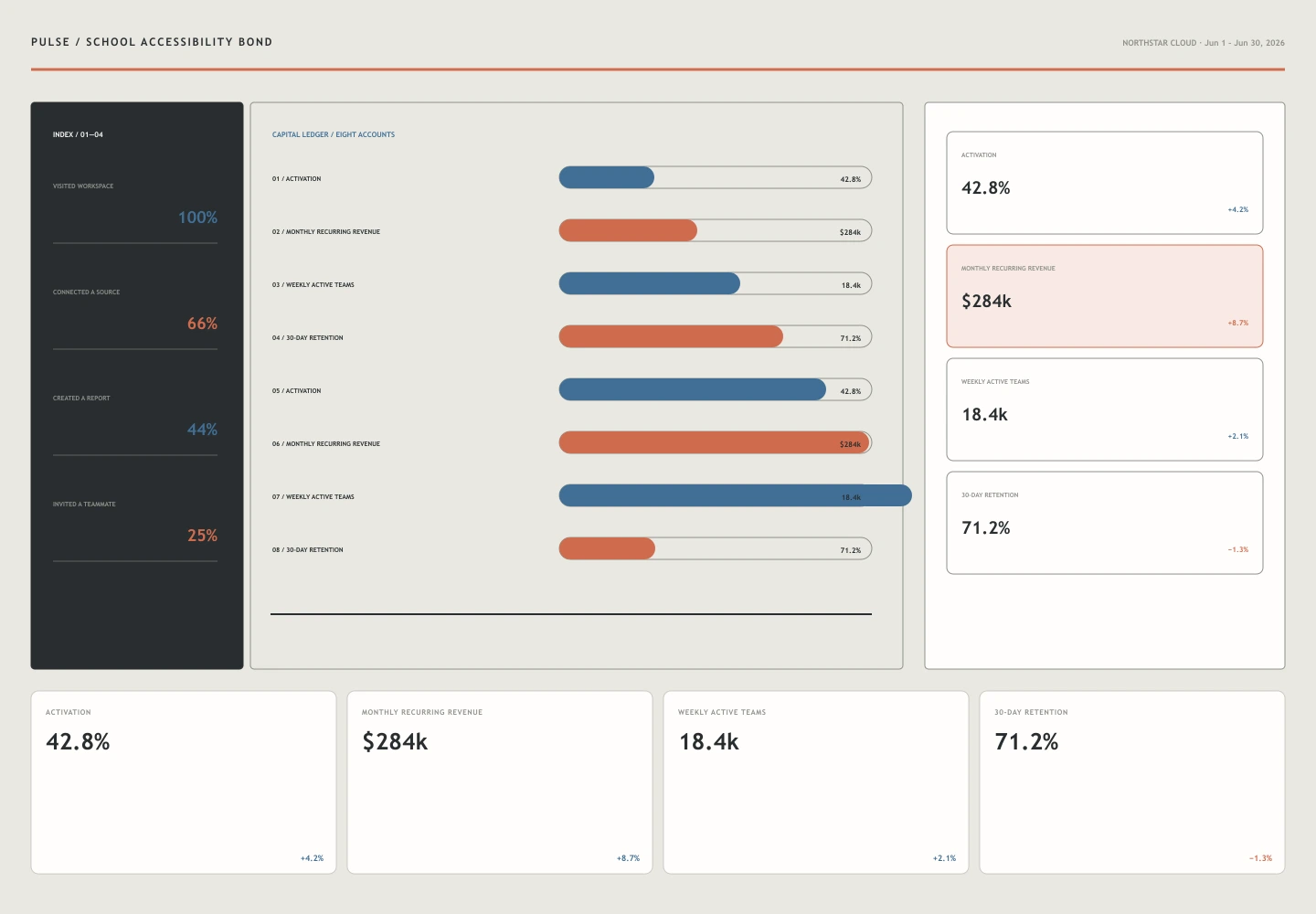
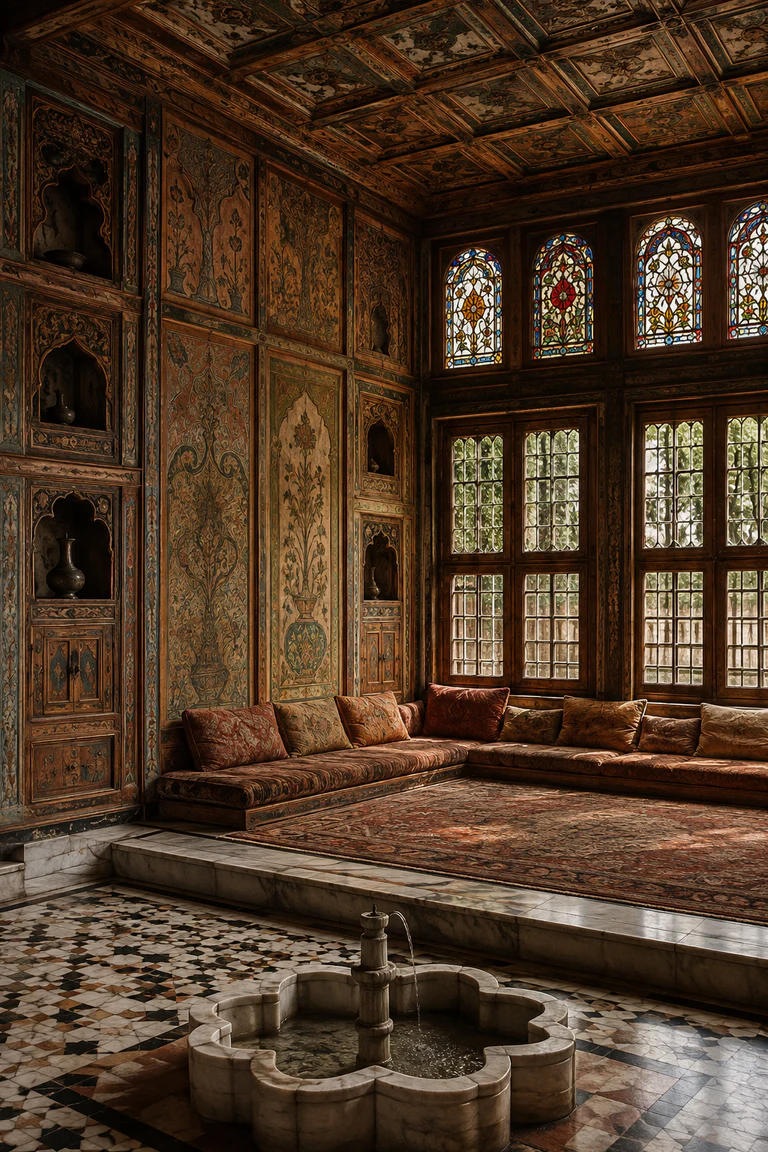
A school accessibility bond and Damascene qaa use differentiated colour, framed fields, and strongly marked transitions to keep a complex programme readable, showing where resources collect and how one moves between distinct conditions.
Bridge 64 · Clarity as care
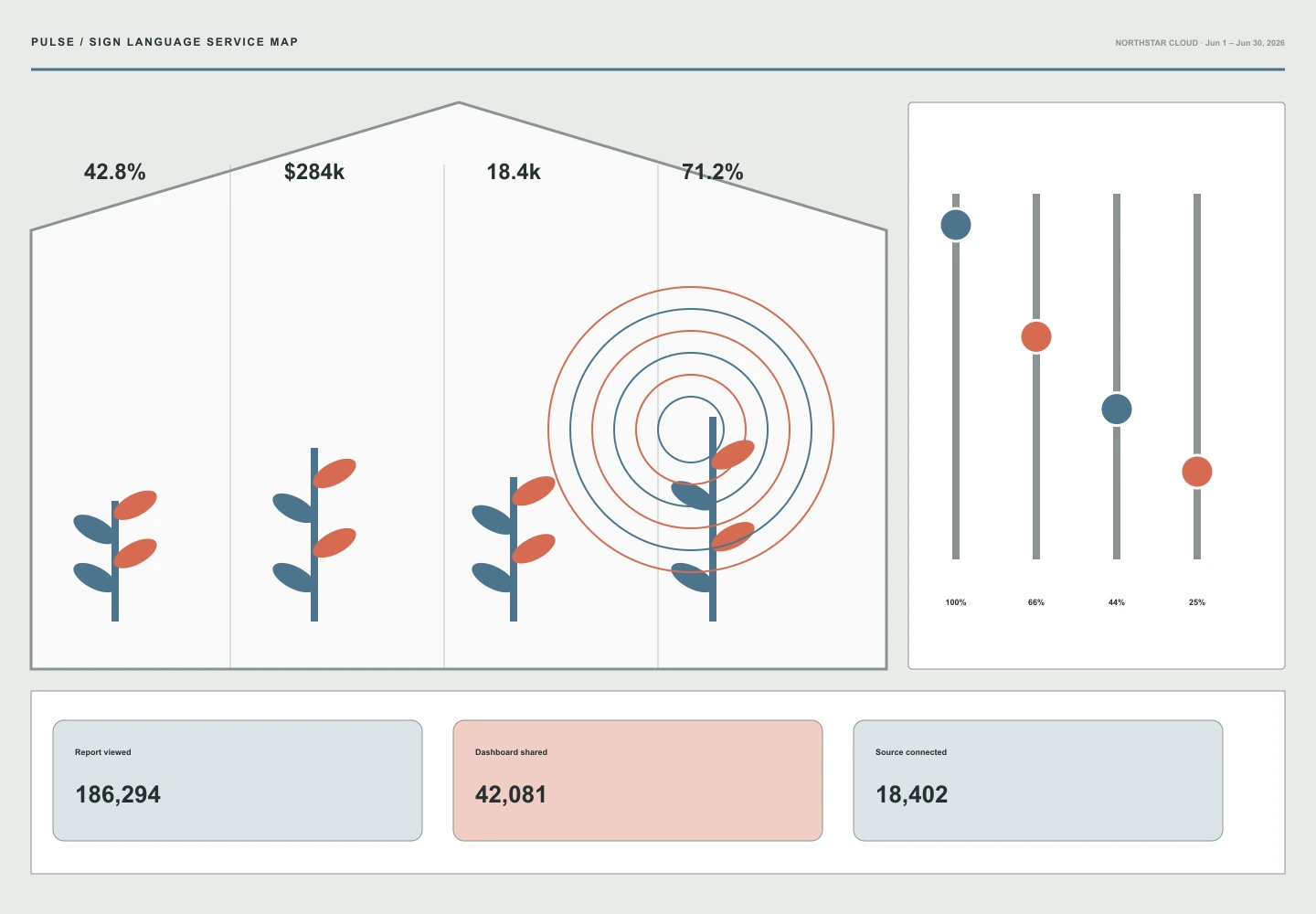
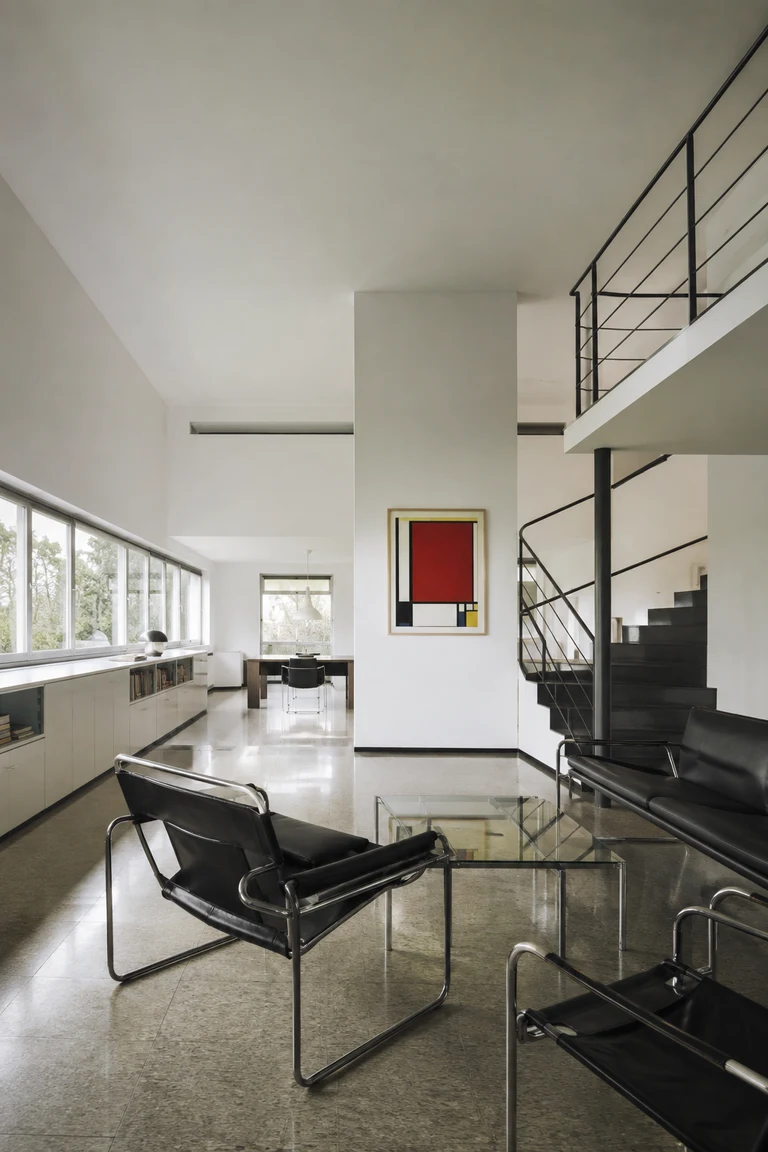
A sign-language service map and International Style room reduce ambiguity through explicit routes, restrained surfaces, and consistent modules, allowing movement and communication to stay legible without stripping away the people who use the system.
Bridge 65 · Material intelligence
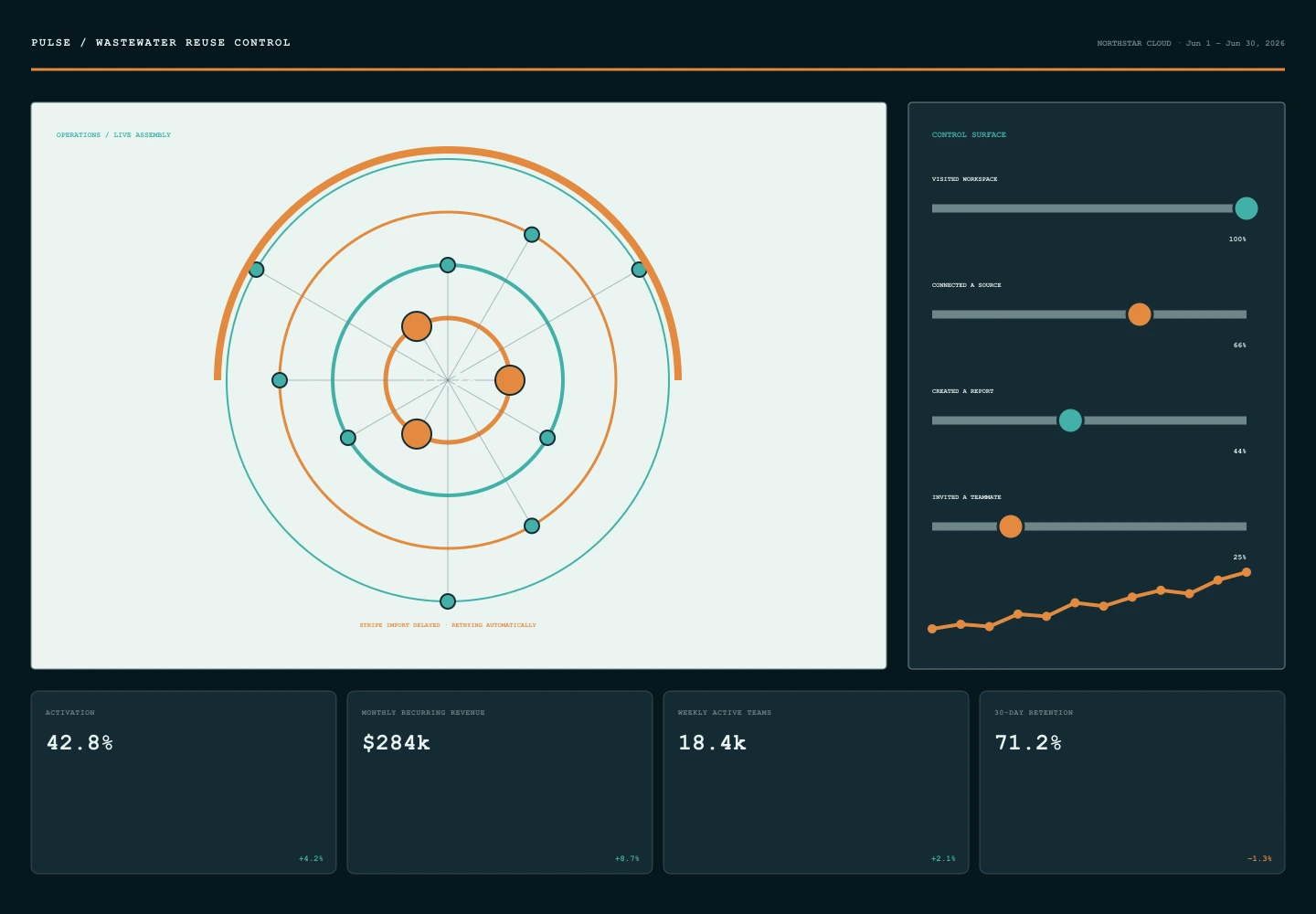
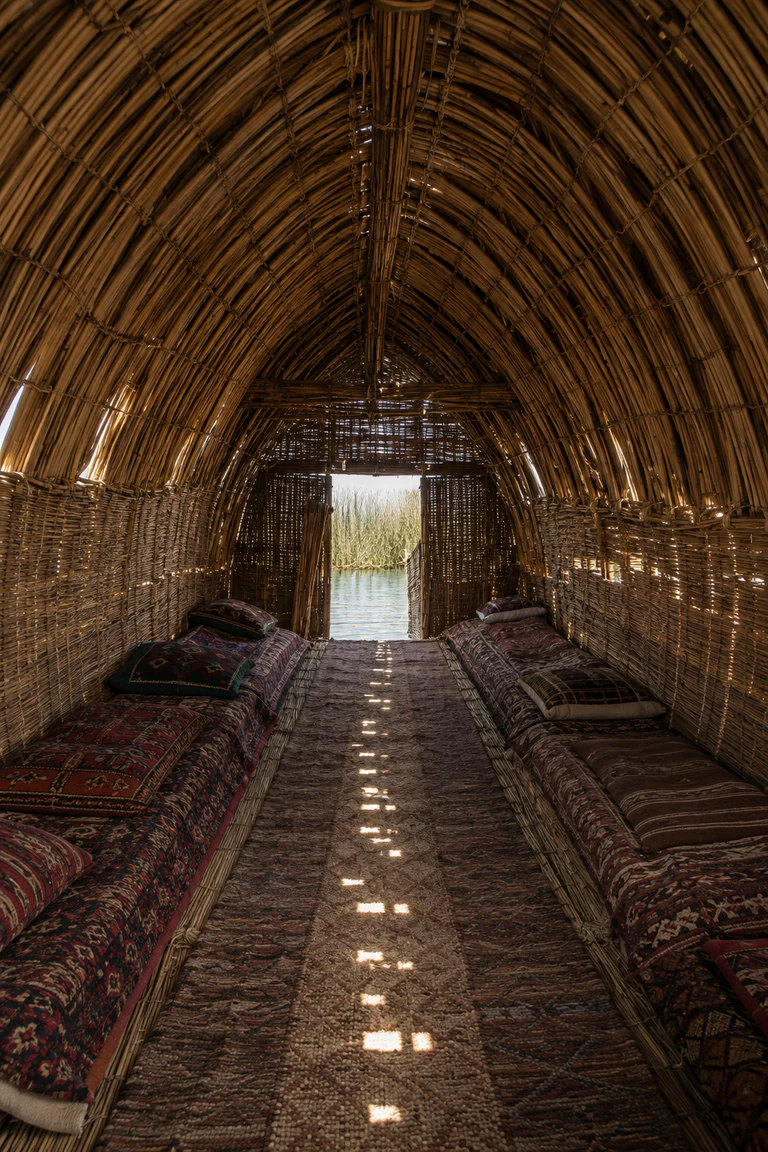
A wastewater reuse control and Marsh Arab reed house treat discarded flow as available material, revealing cycles of filtering, binding, drying, and return so infrastructure reads as a renewable construction process rather than a hidden utility.
Bridge 66 · Material intelligence
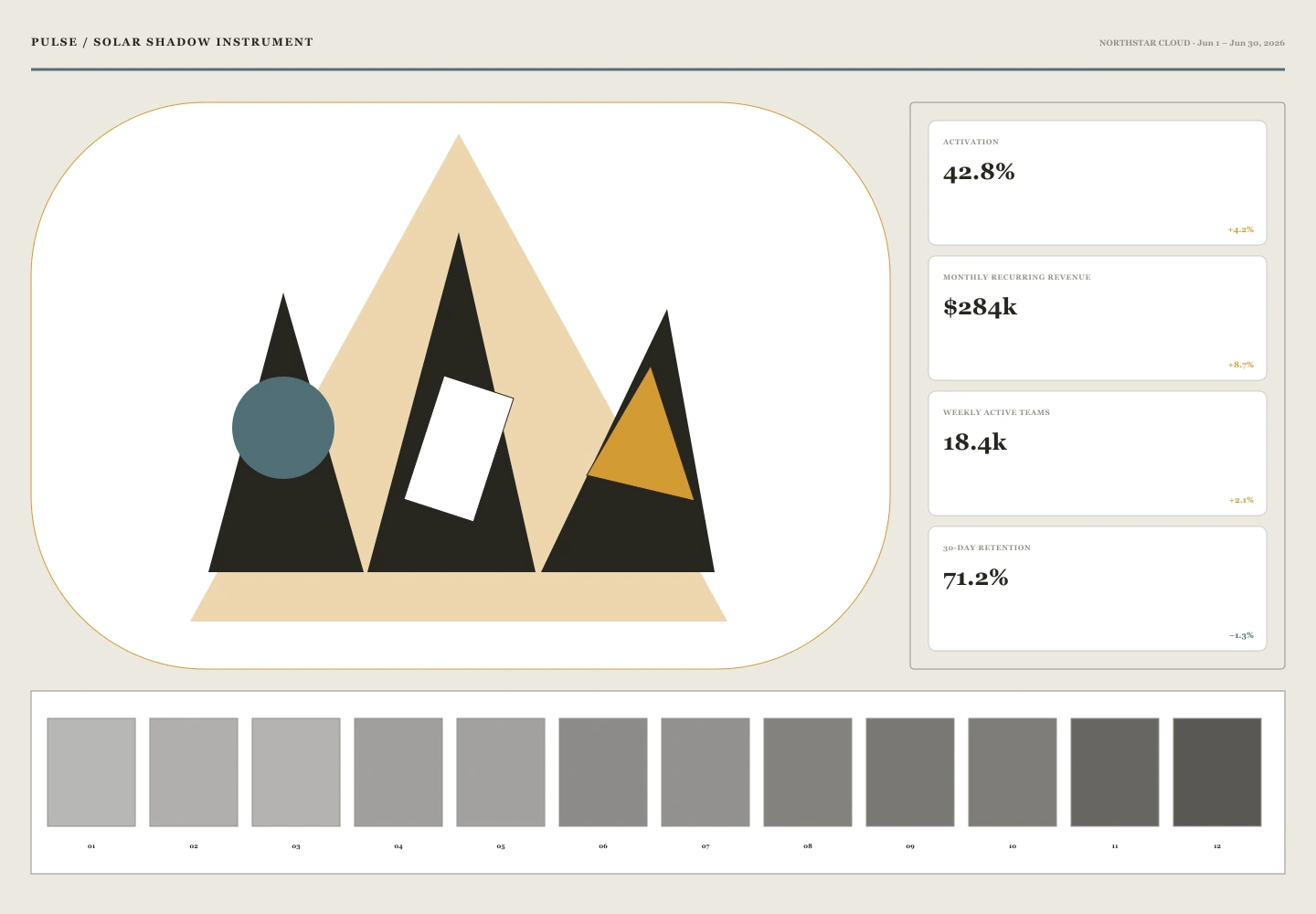
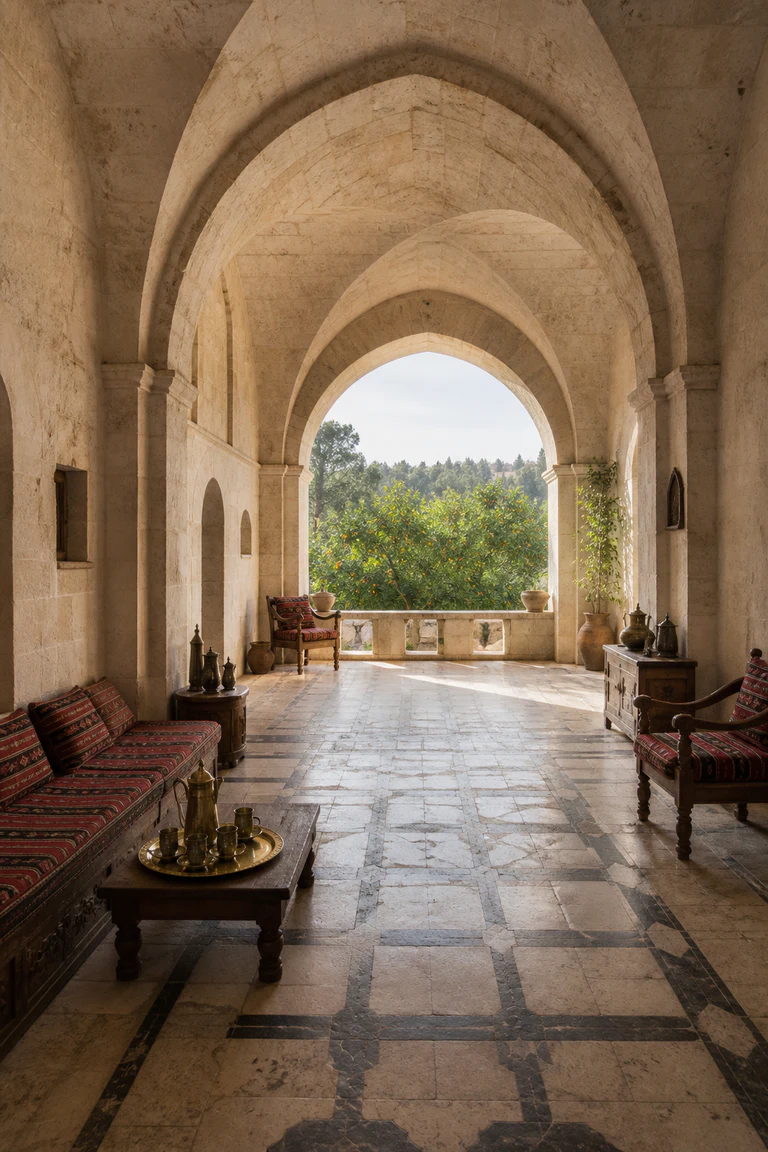
A solar shadow instrument and Palestinian liwan house let sunlight describe material directly, using deep openings, worn stone, calibrated shade, and changing edges to turn the passage of a day into a readable surface condition.
Bridge 67 · Material intelligence
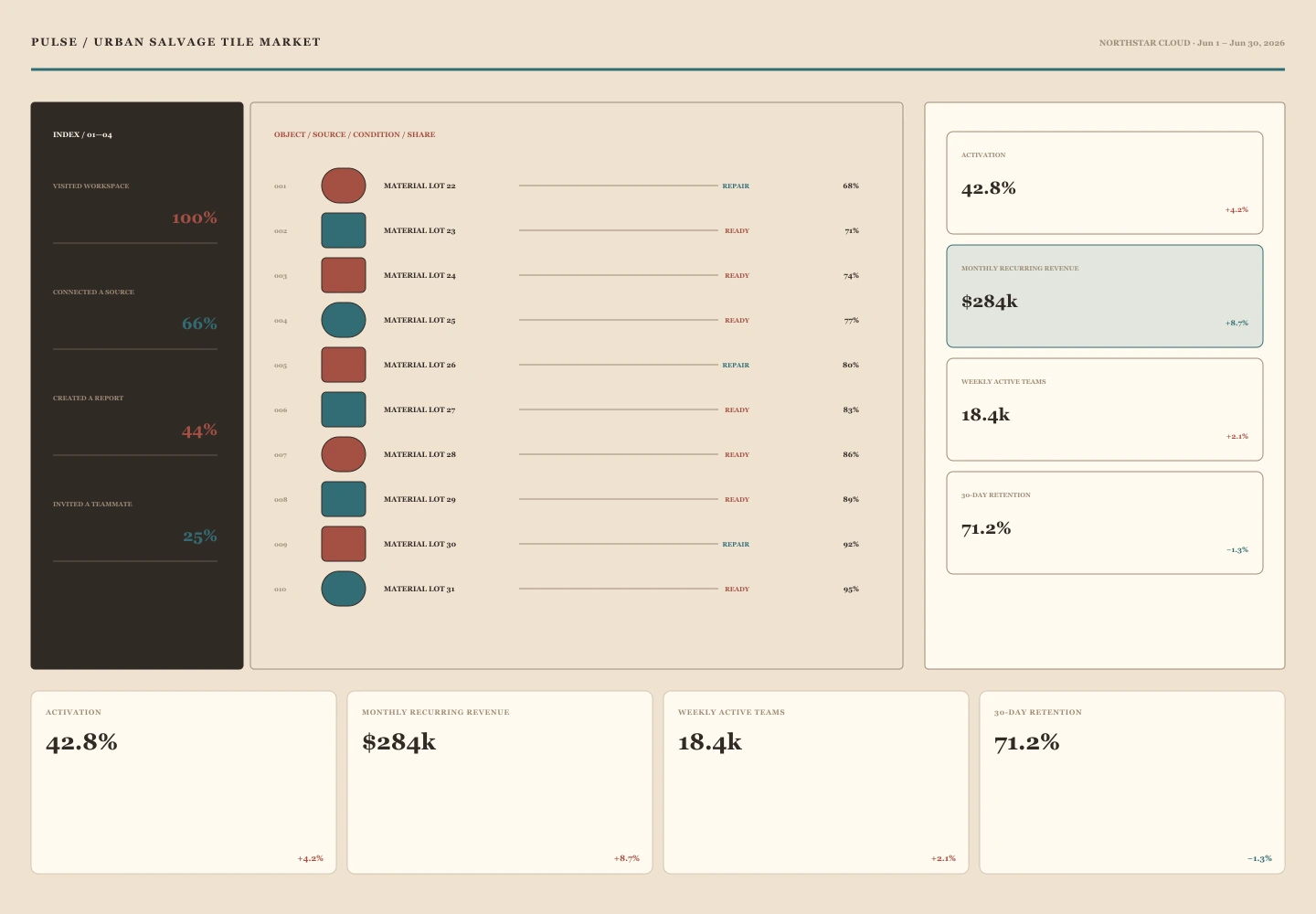
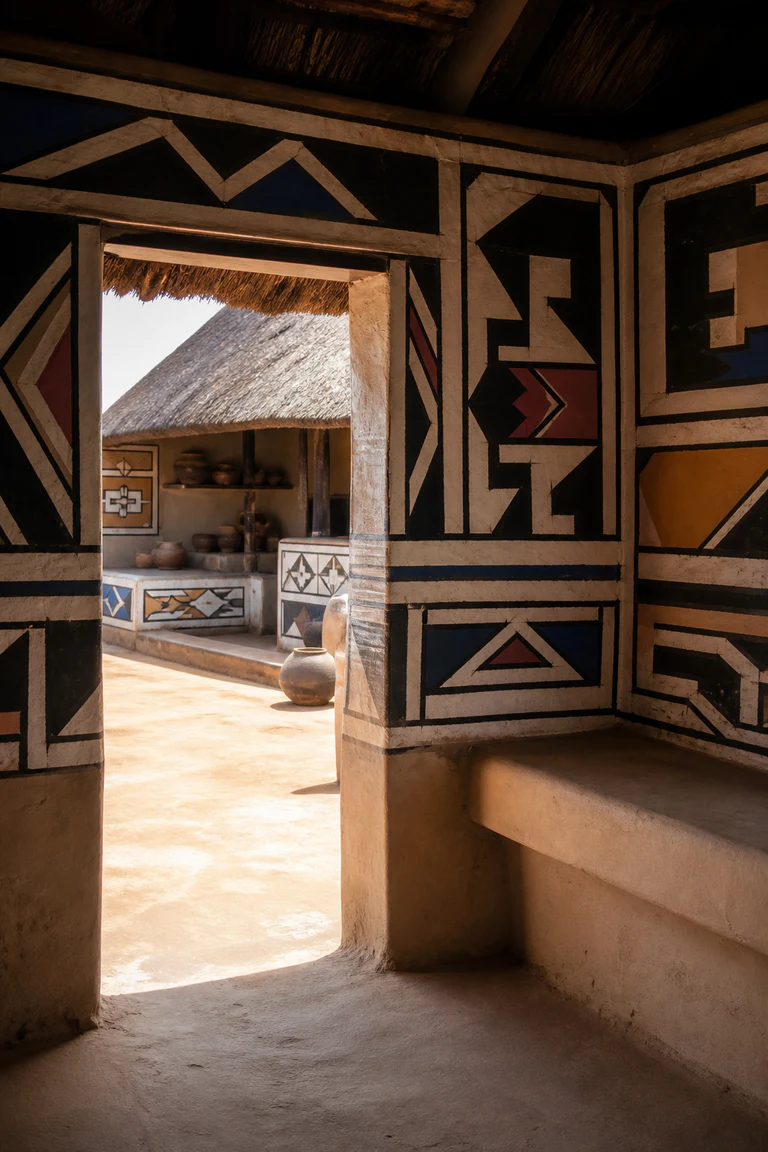
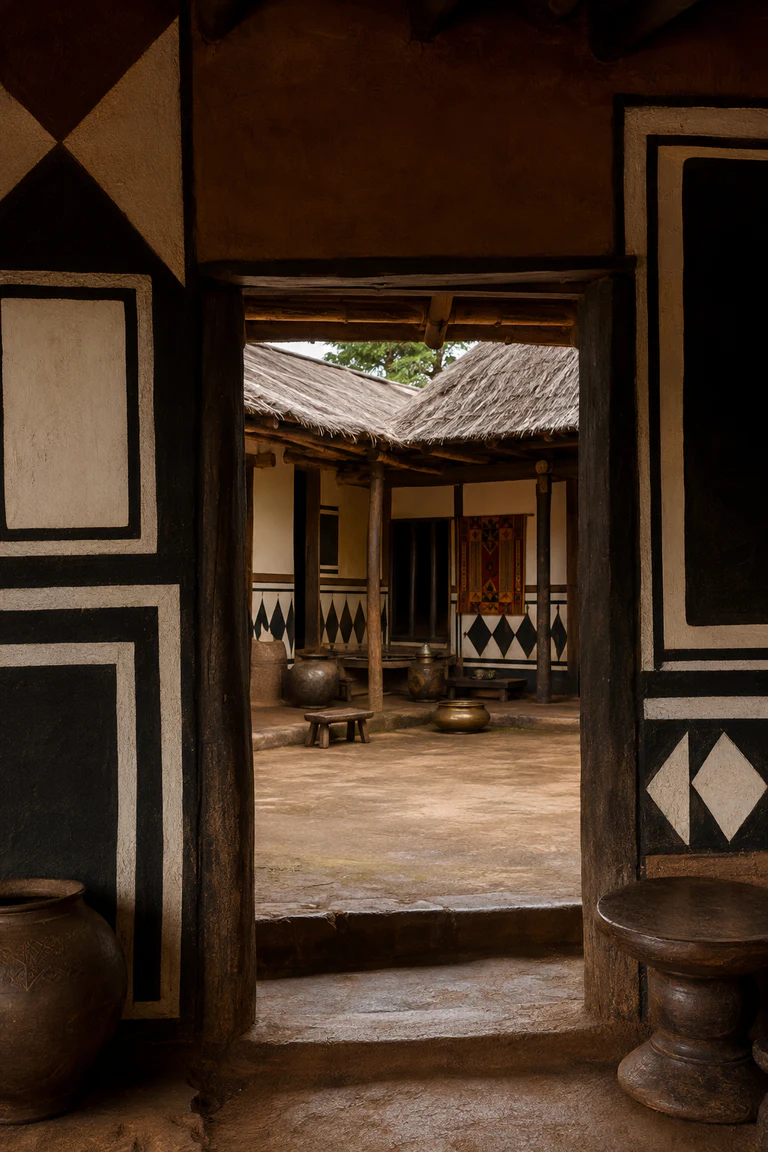
An urban salvage tile market and Ndebele painted homestead compose identity from reusable fragments, aligning pigment, pattern, masonry, and exchange into bold surfaces whose variation records both skilled selection and community authorship.
Bridge 68 · Material intelligence
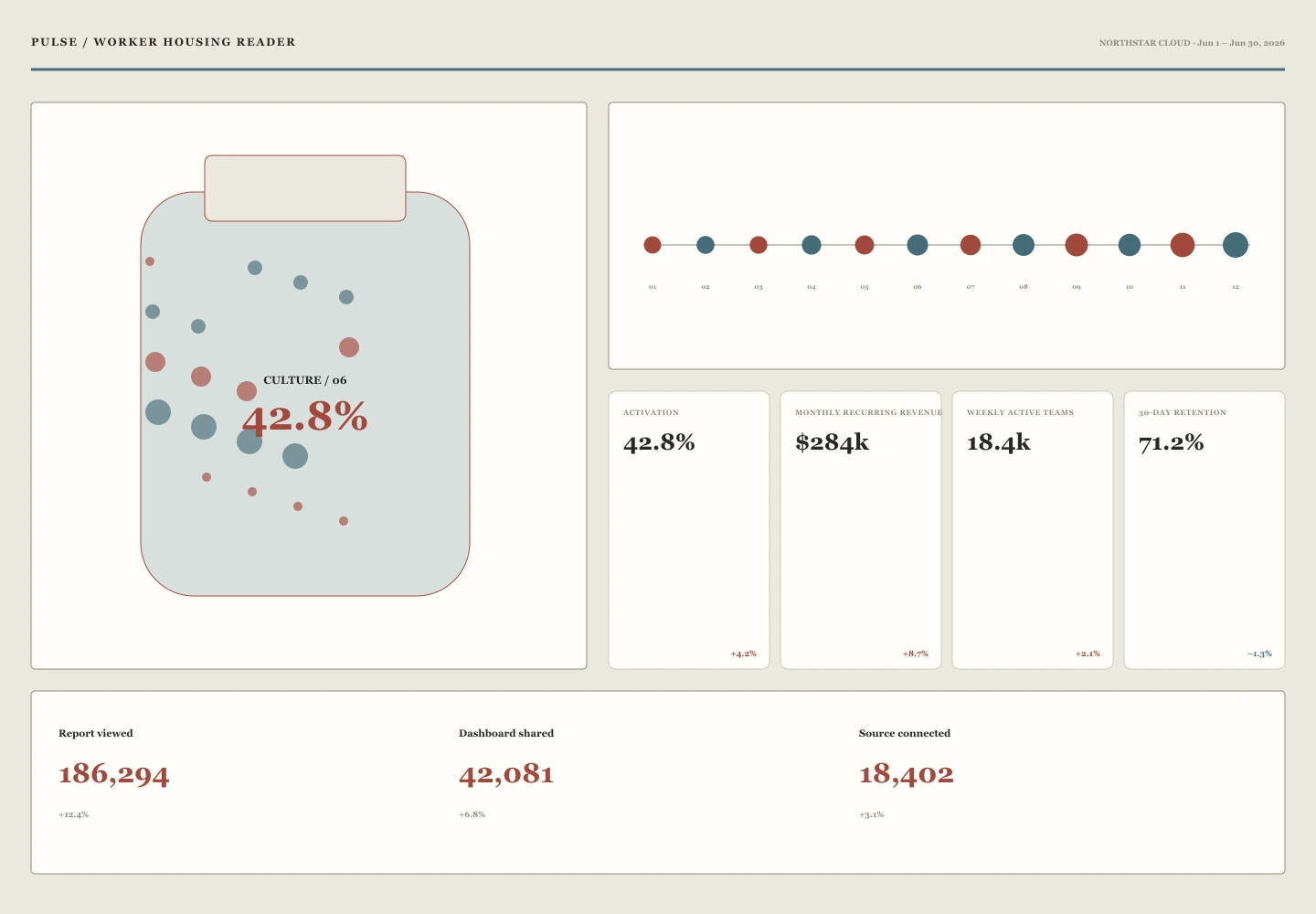
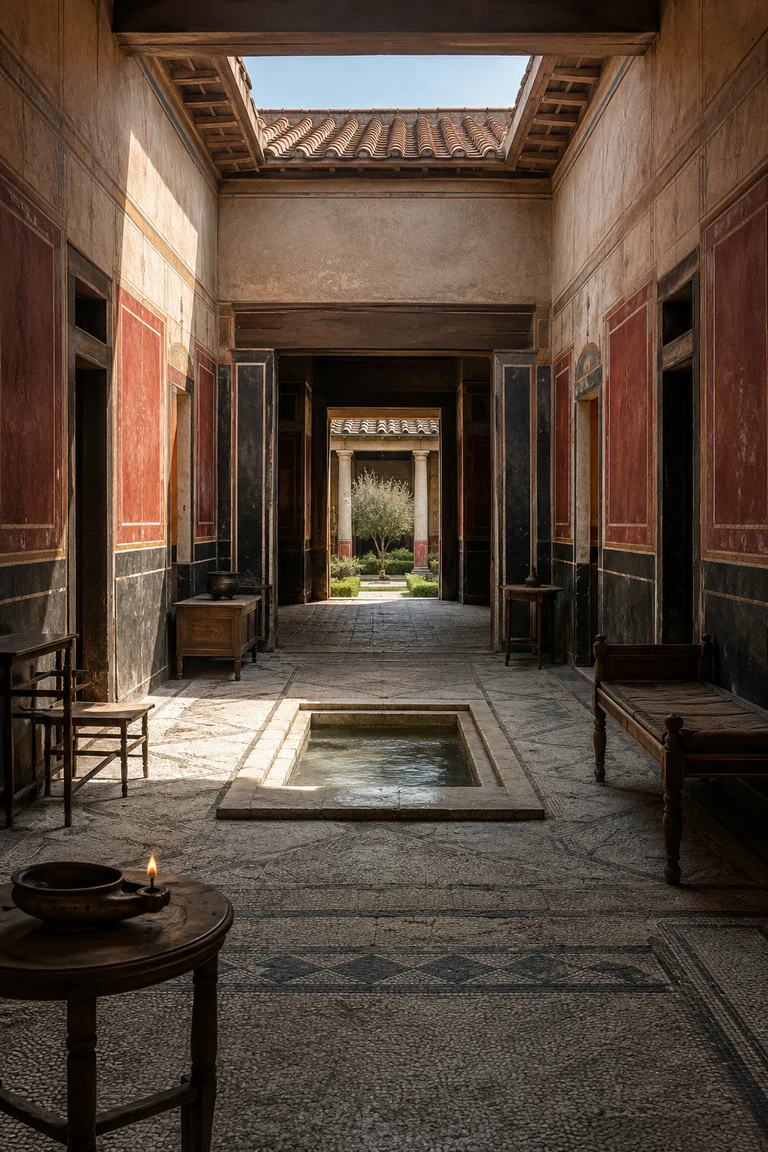
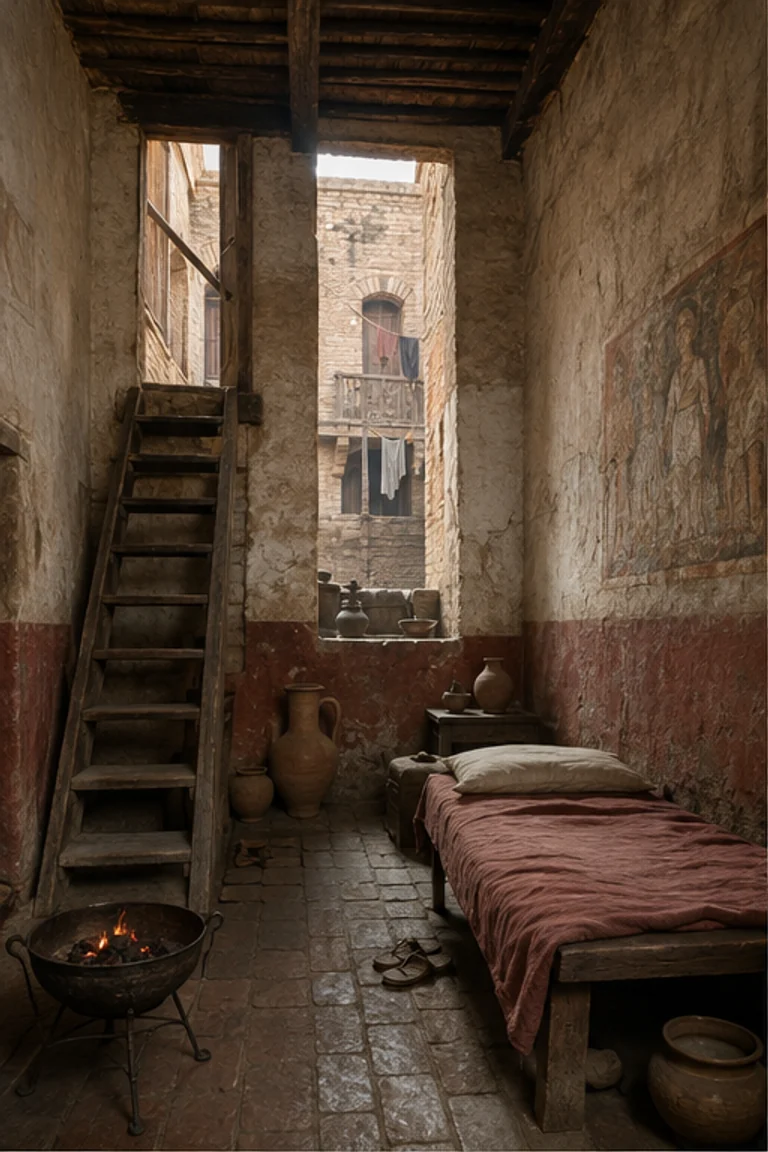
A worker housing reader and Roman domus expose inhabited buildings as layered records, placing repair seams, reused surfaces, old thresholds, and later adaptations together so material change remains visible without turning history into a frozen display.
Bridge 69 · Visible systems
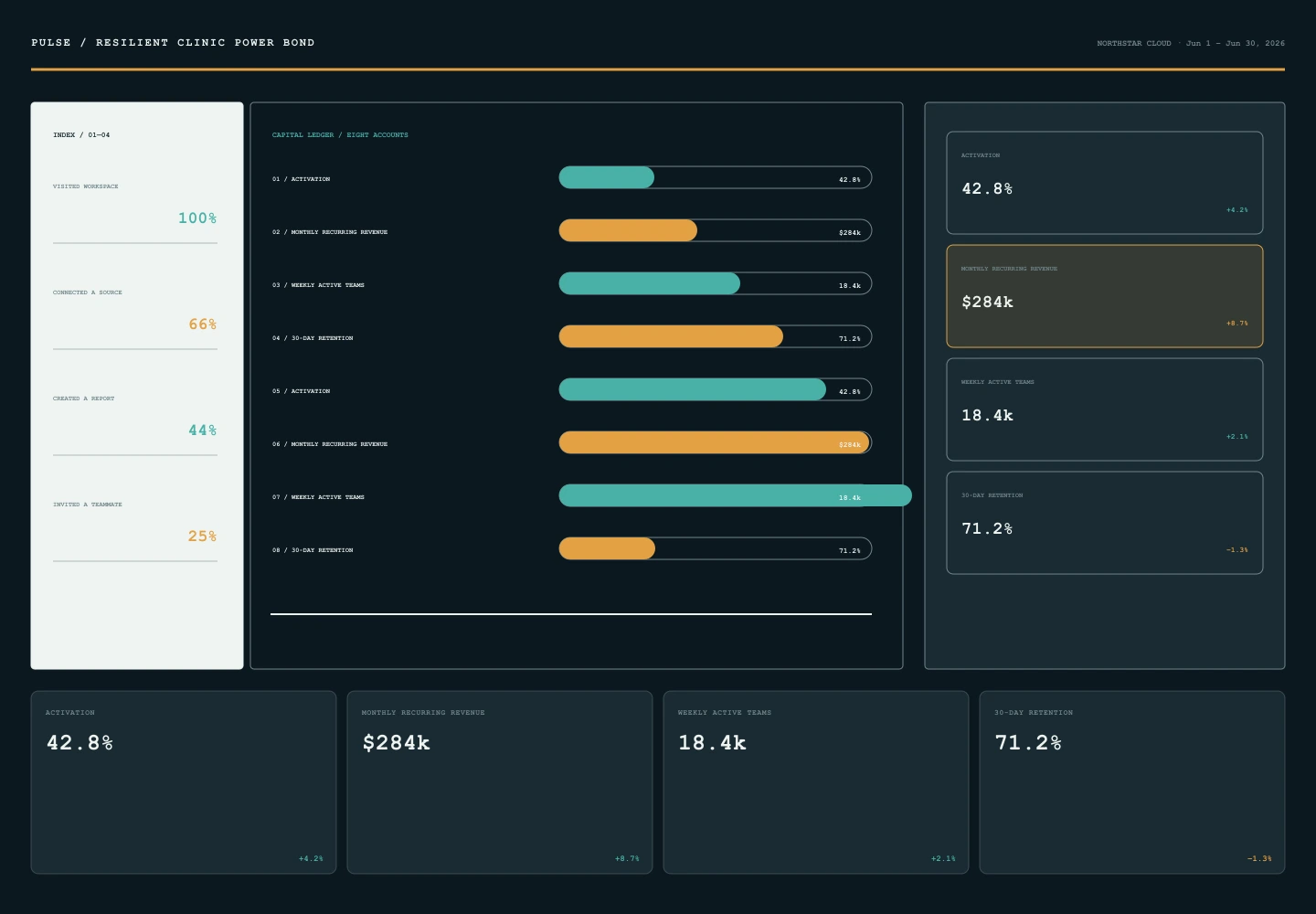
A resilient clinic power bond and Cambodian raised house make continuity depend on a clear supporting frame, elevating critical functions, separating vulnerable layers, and distributing loads so recovery is planned before disruption arrives.
Bridge 70 · Visible systems
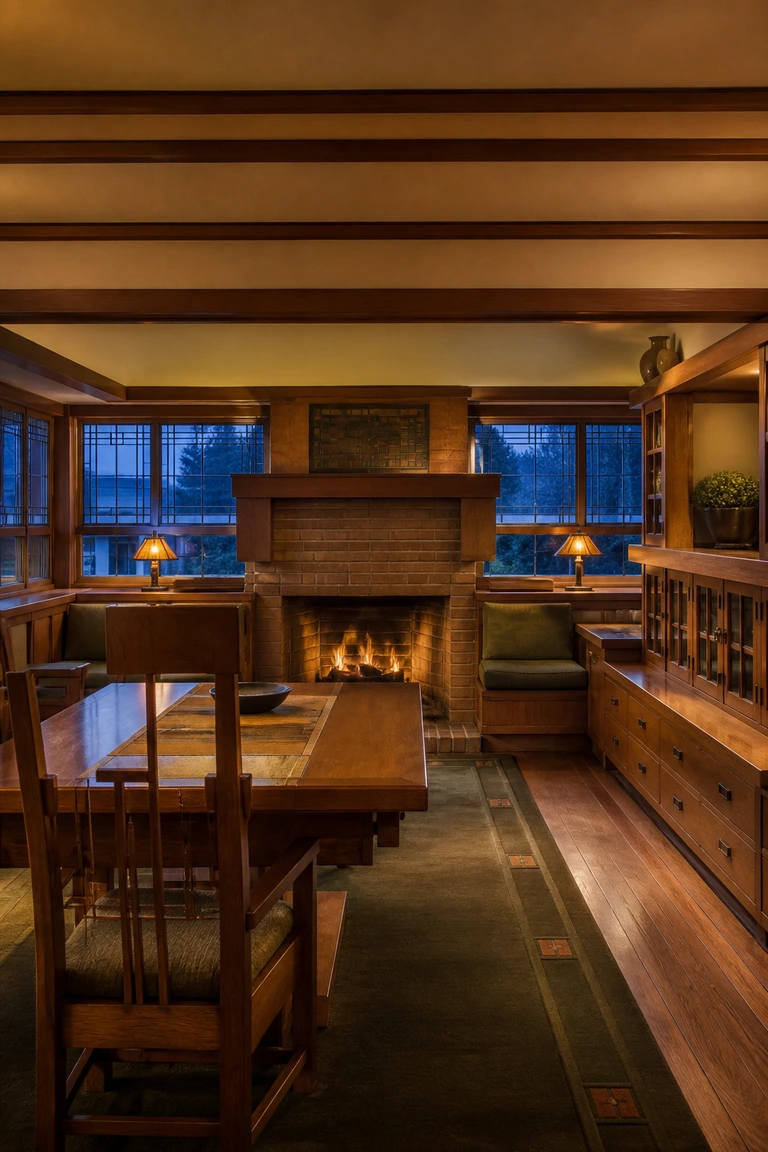
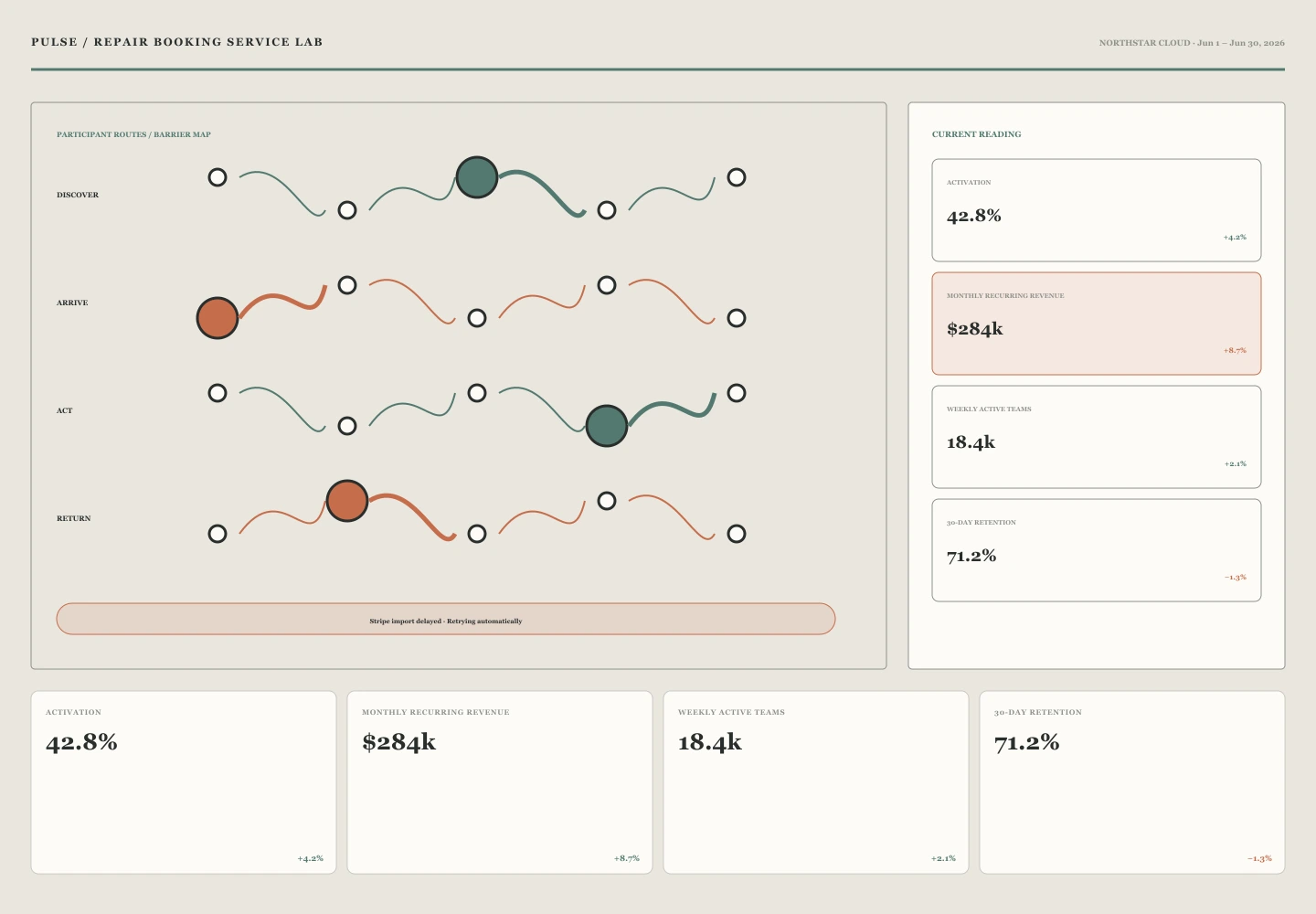
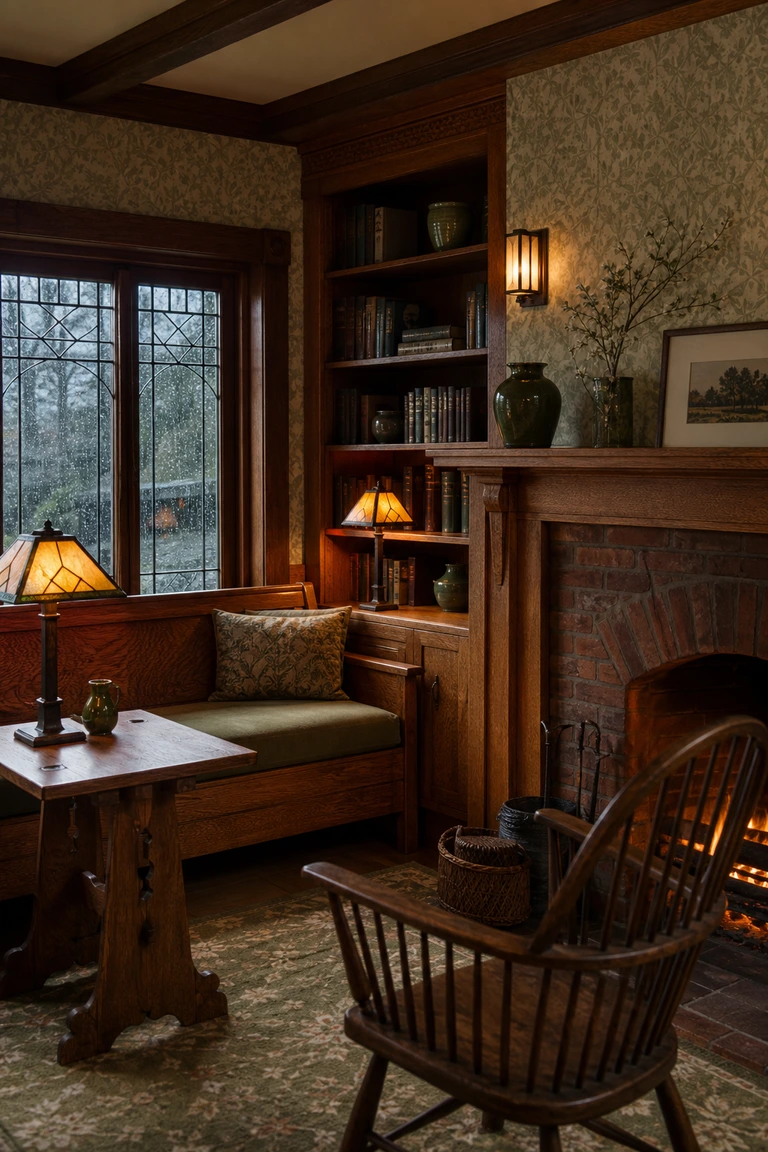
A repair booking service lab and Arts and Crafts room structure work around visible stages, durable benches, accountable handoffs, and accessible tools, making the path from damaged object to renewed use easy to inspect.
Bridge 71 · Visible systems
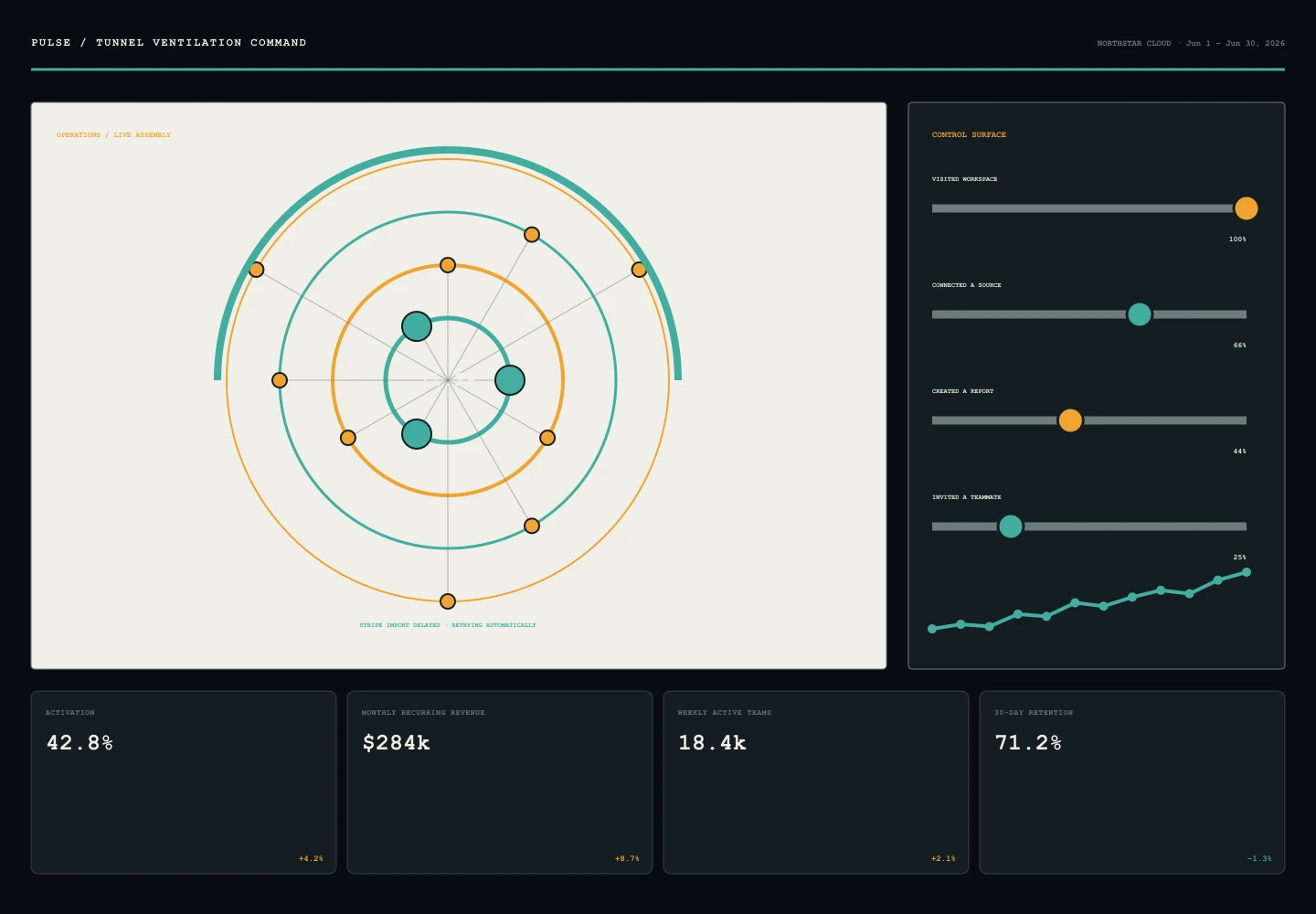
A tunnel ventilation command and Neo-Andean cholet interior use stacked zones, saturated colour, and explicit service bands to distinguish complex systems, making vertical organization legible even when programme and ornament are densely layered.
Bridge 72 · Visible systems
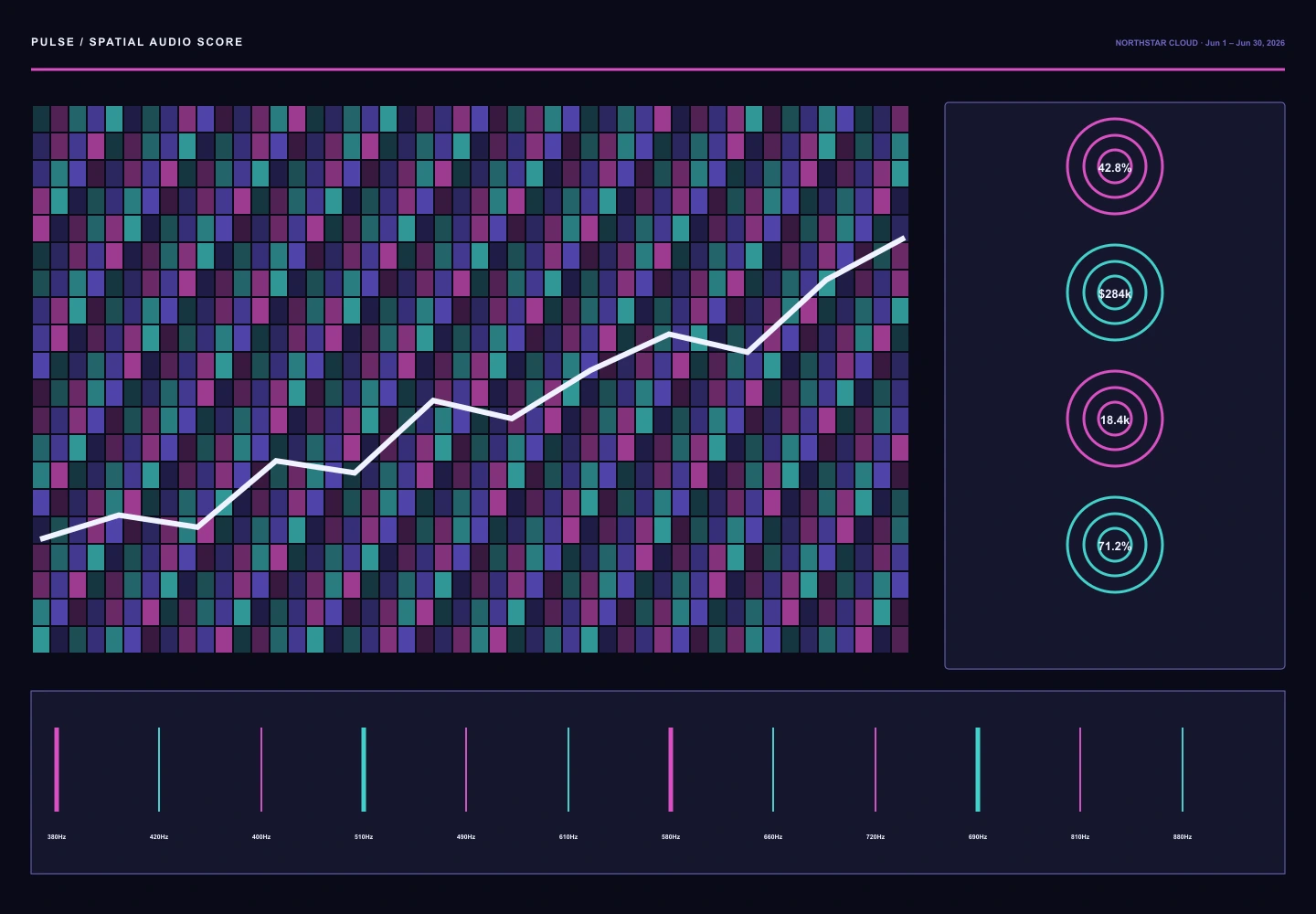
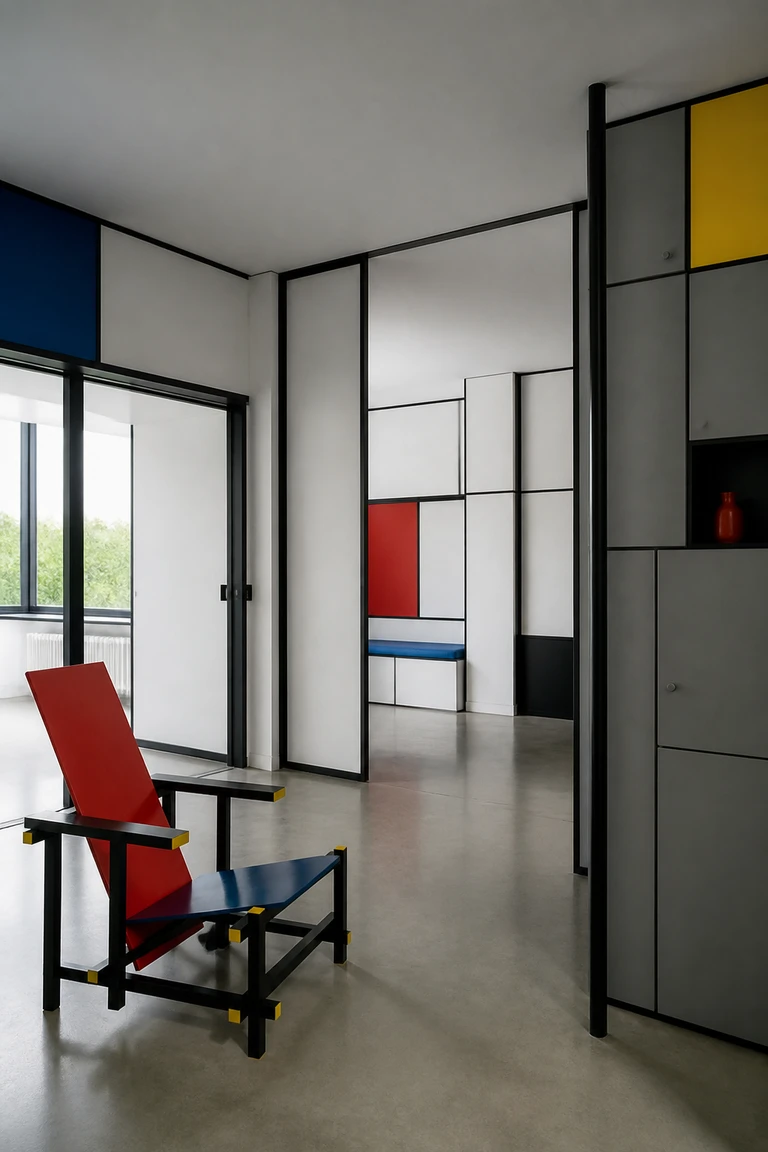
A spatial audio score and De Stijl room coordinate independent voices through orthogonal lines, bounded planes, and timed intersections, allowing many elements to remain distinct while participating in one comprehensible composition.
Bridge 73 · Climate feedback
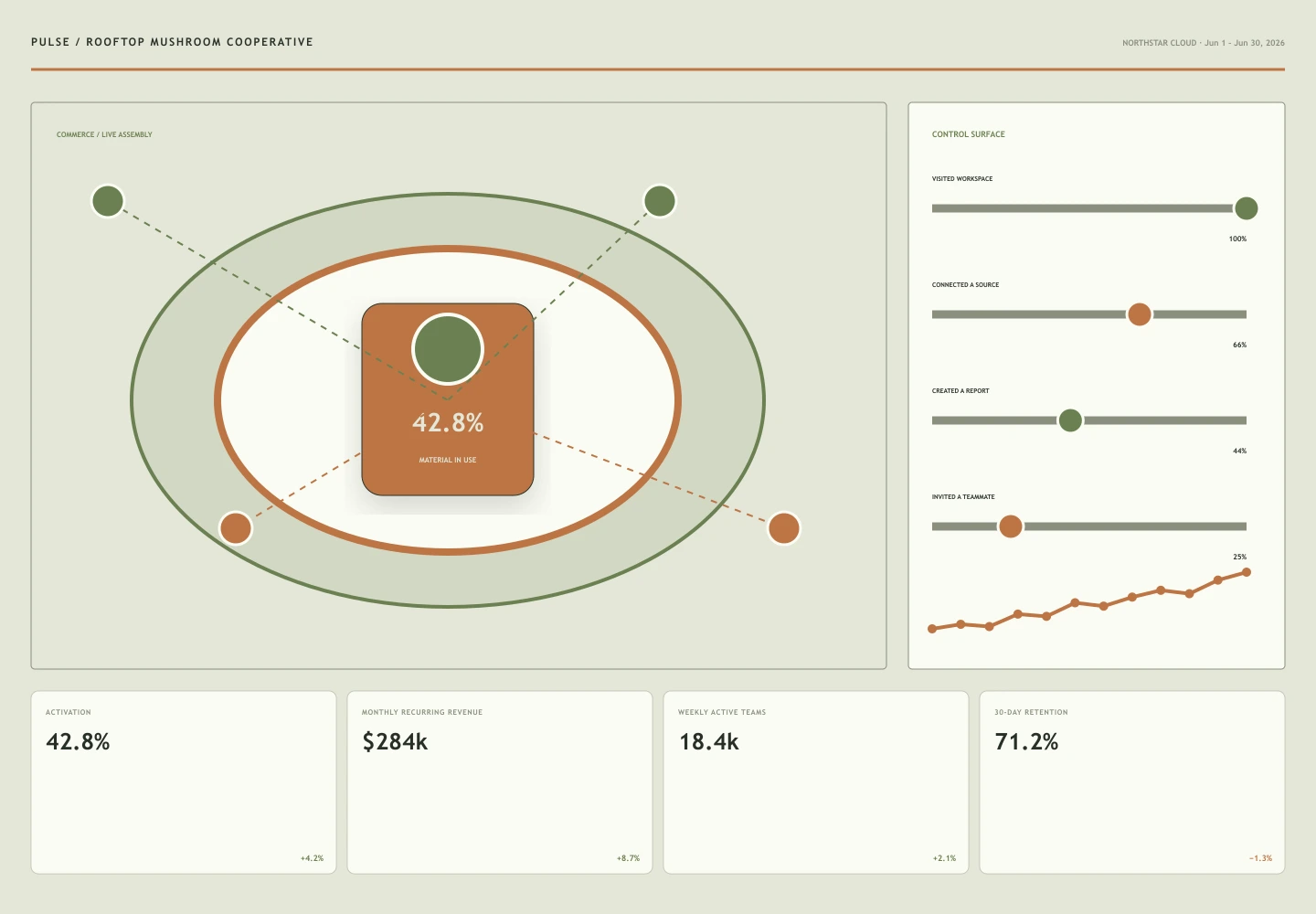
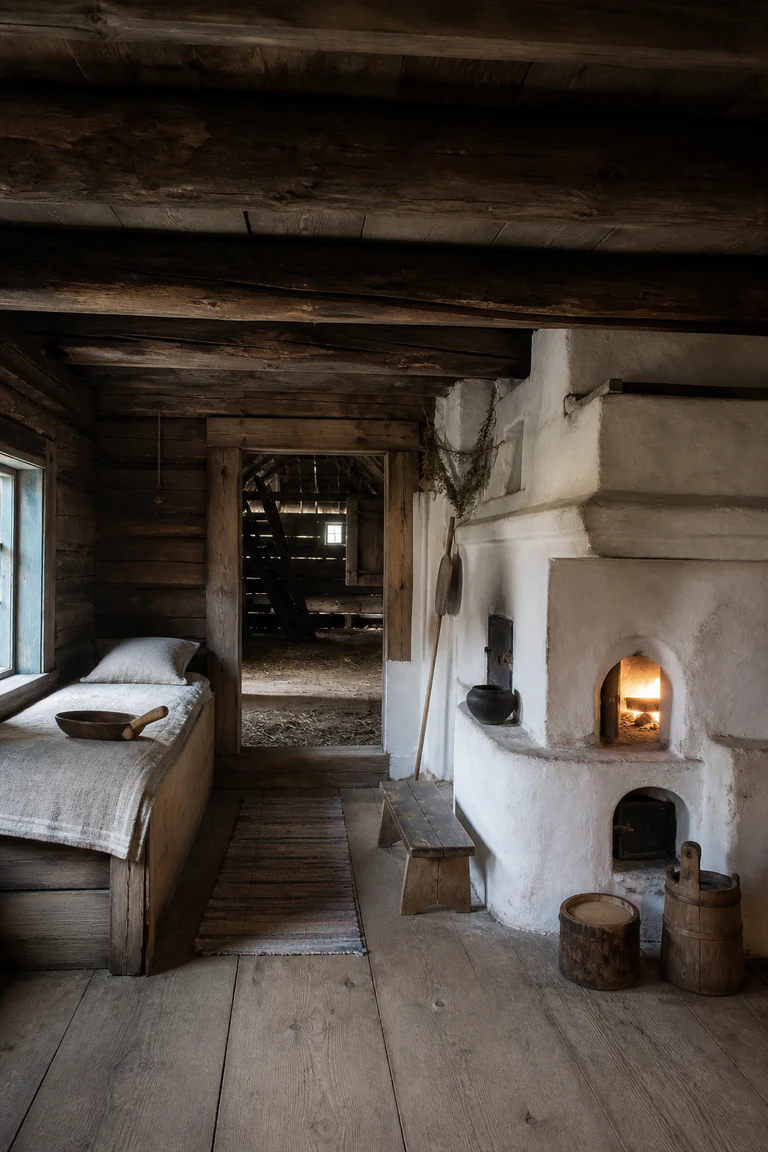
A rooftop mushroom cooperative and Estonian rehemaja combine cultivation, dwelling, storage, and climate control within one envelope, using waste heat and shared labour to keep productive ecology close to everyday occupation.
Bridge 74 · Climate feedback
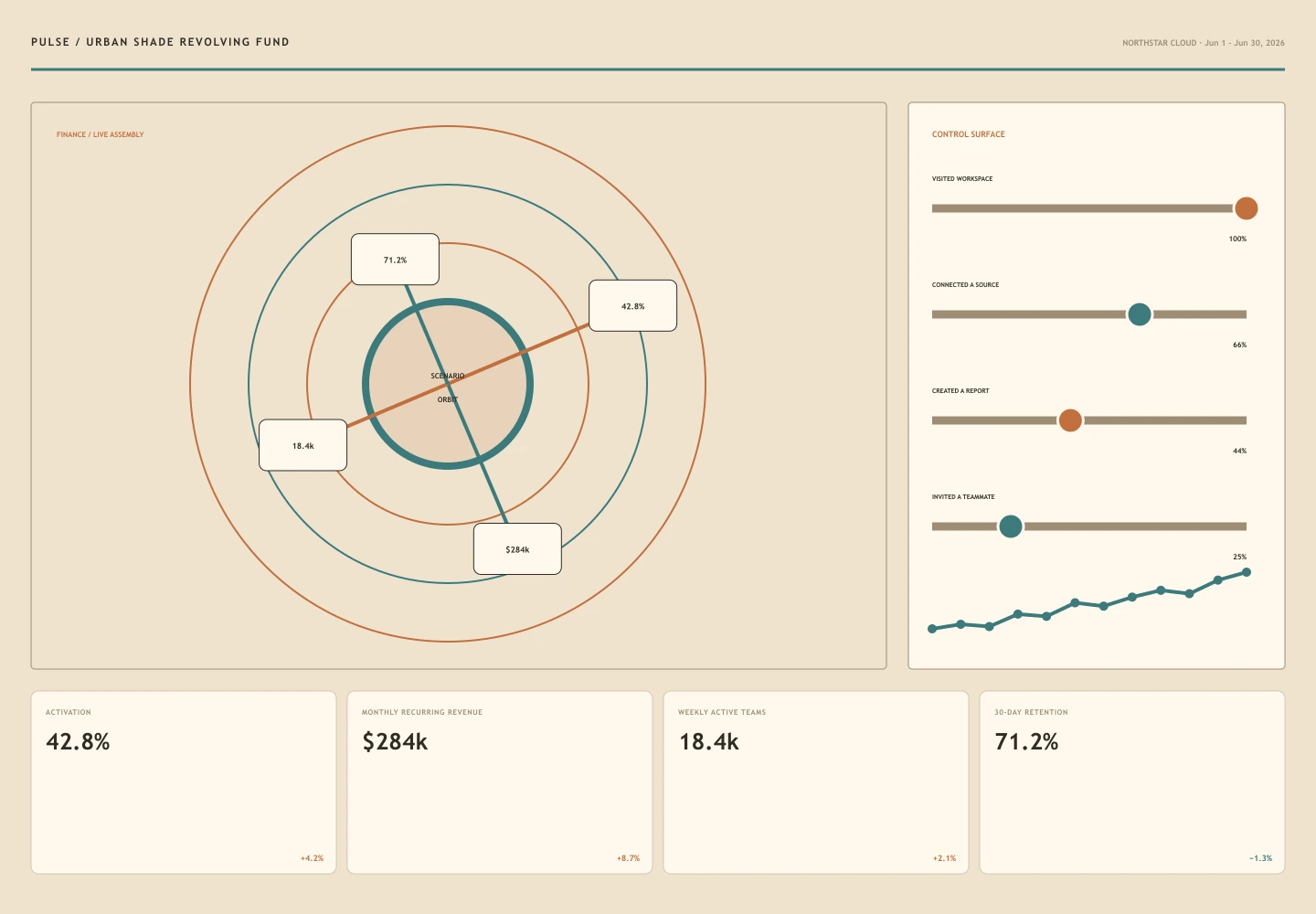
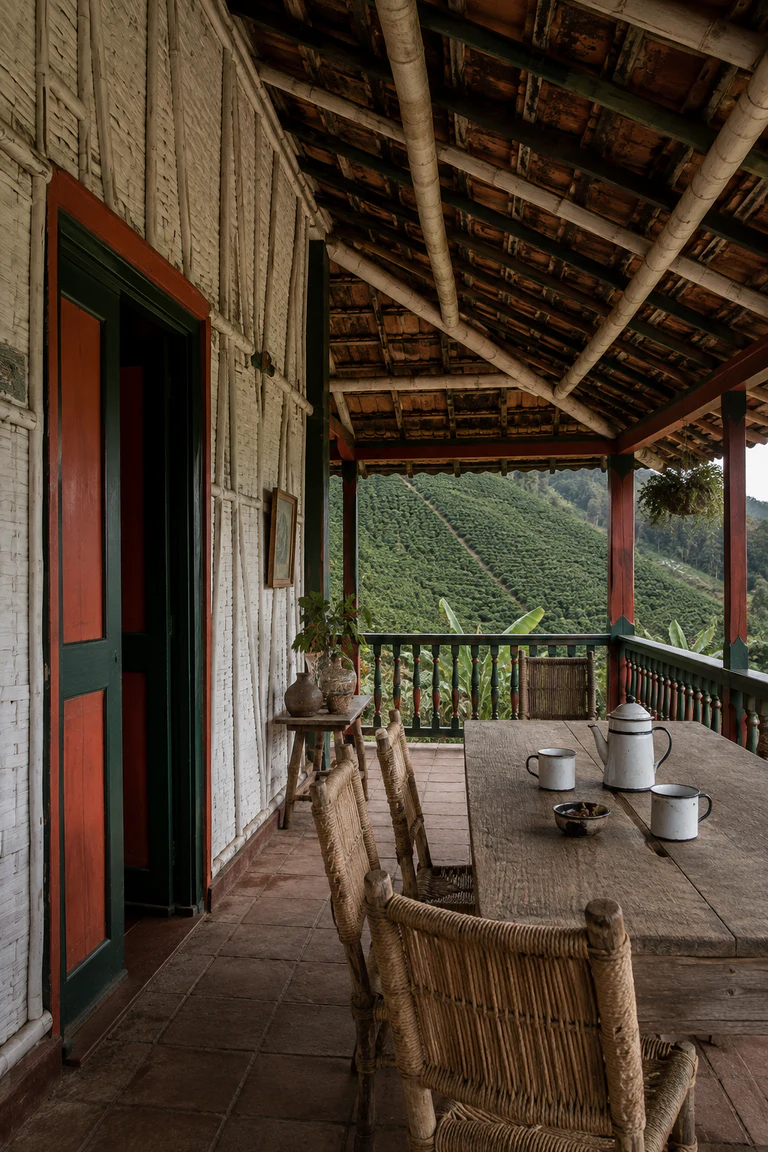
An urban shade revolving fund and Colombian coffee finca treat canopy as working infrastructure, connecting long-term finance, planted cover, ventilation, and labour so climatic comfort and local livelihood reinforce one another.
Bridge 75 · Climate feedback
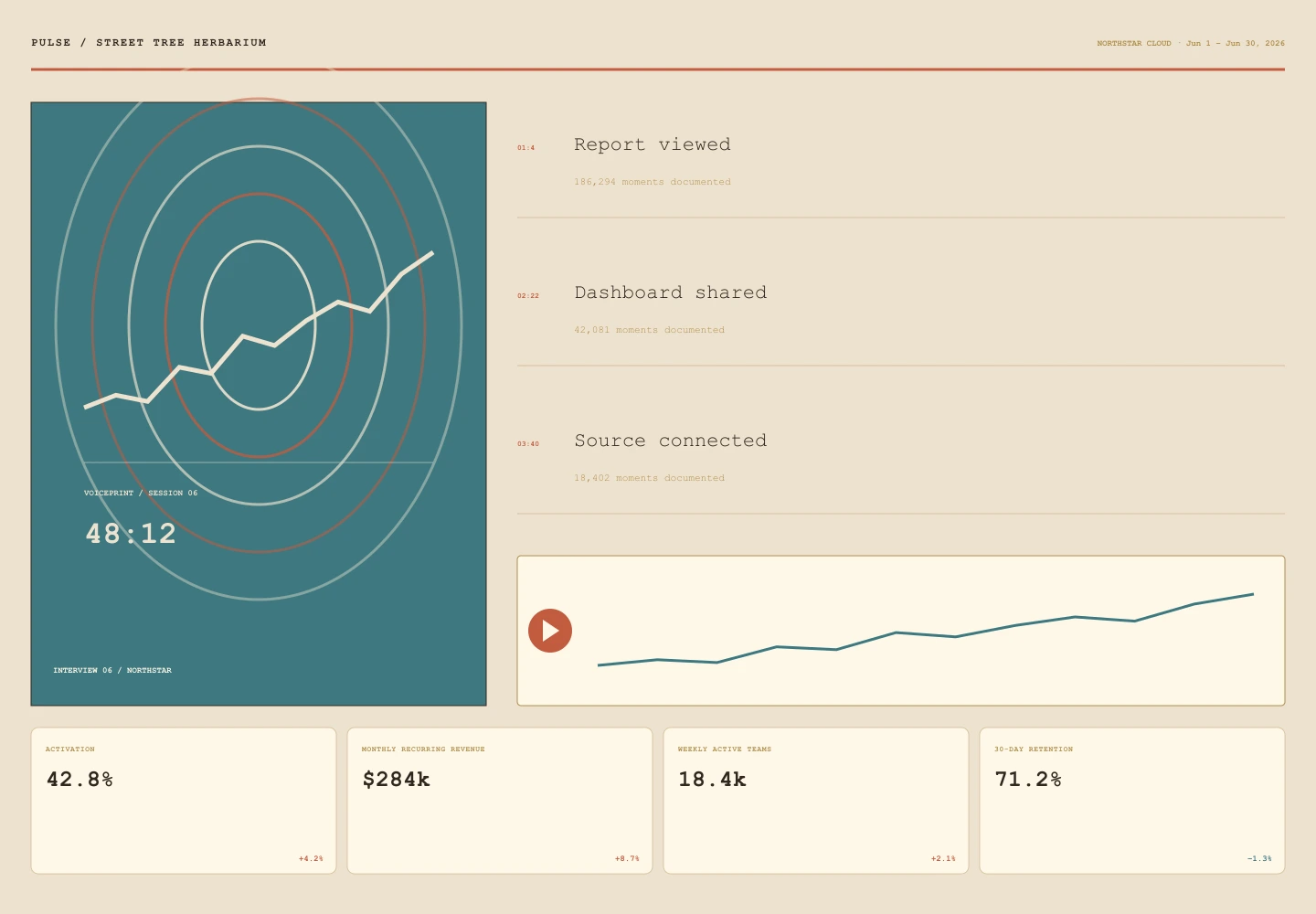
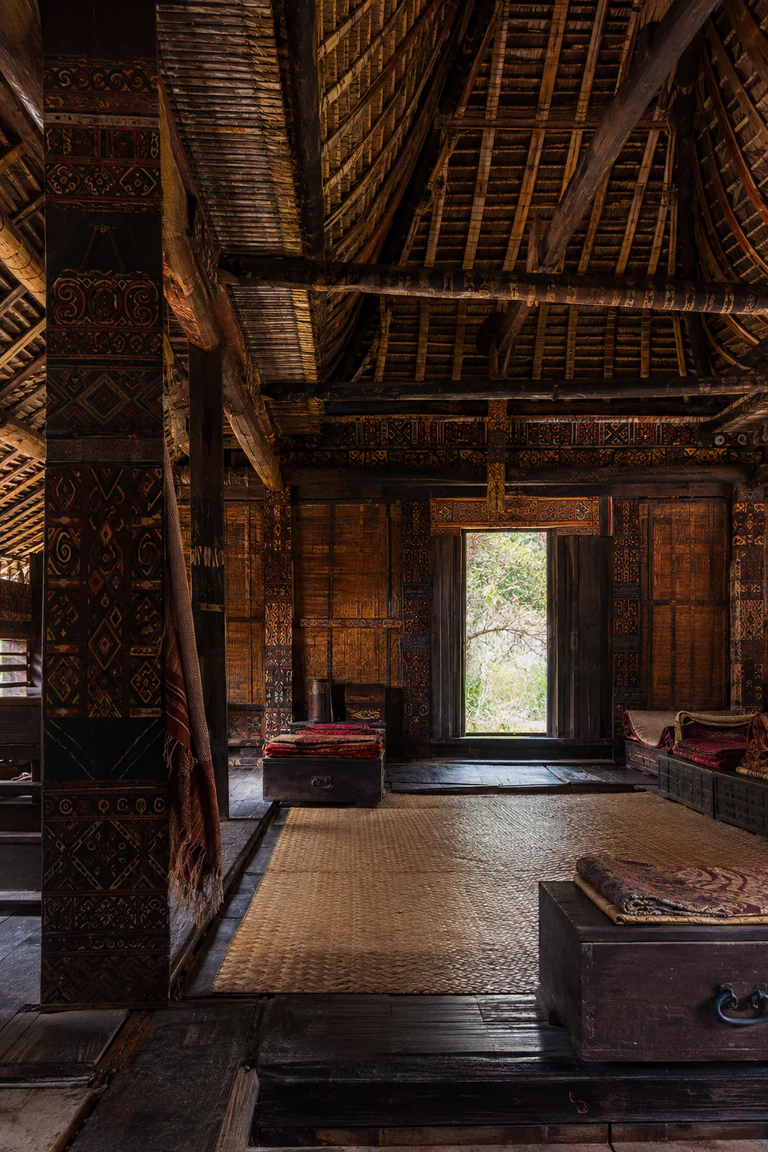
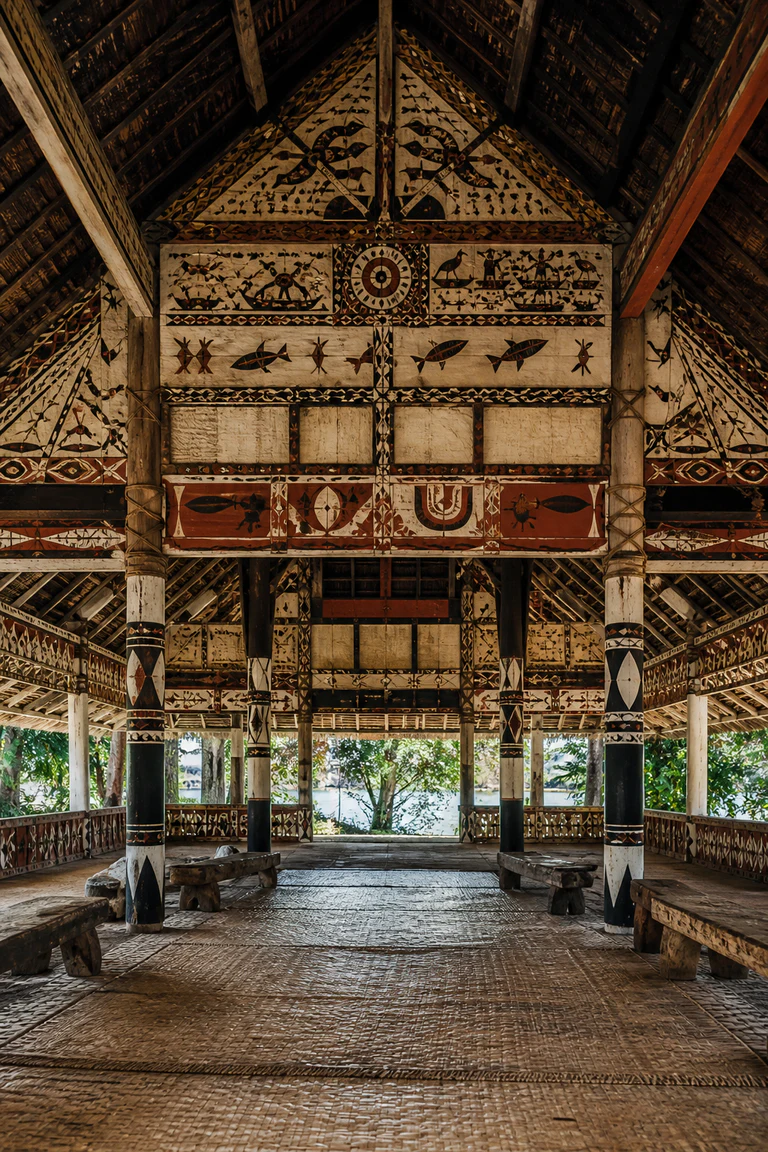
A street-tree herbarium and Toraja tongkonan interior make ecology culturally specific, joining plant records, timber knowledge, carved motifs, and seasonal practice so the living landscape remains present in both archive and room.
Bridge 76 · Climate feedback
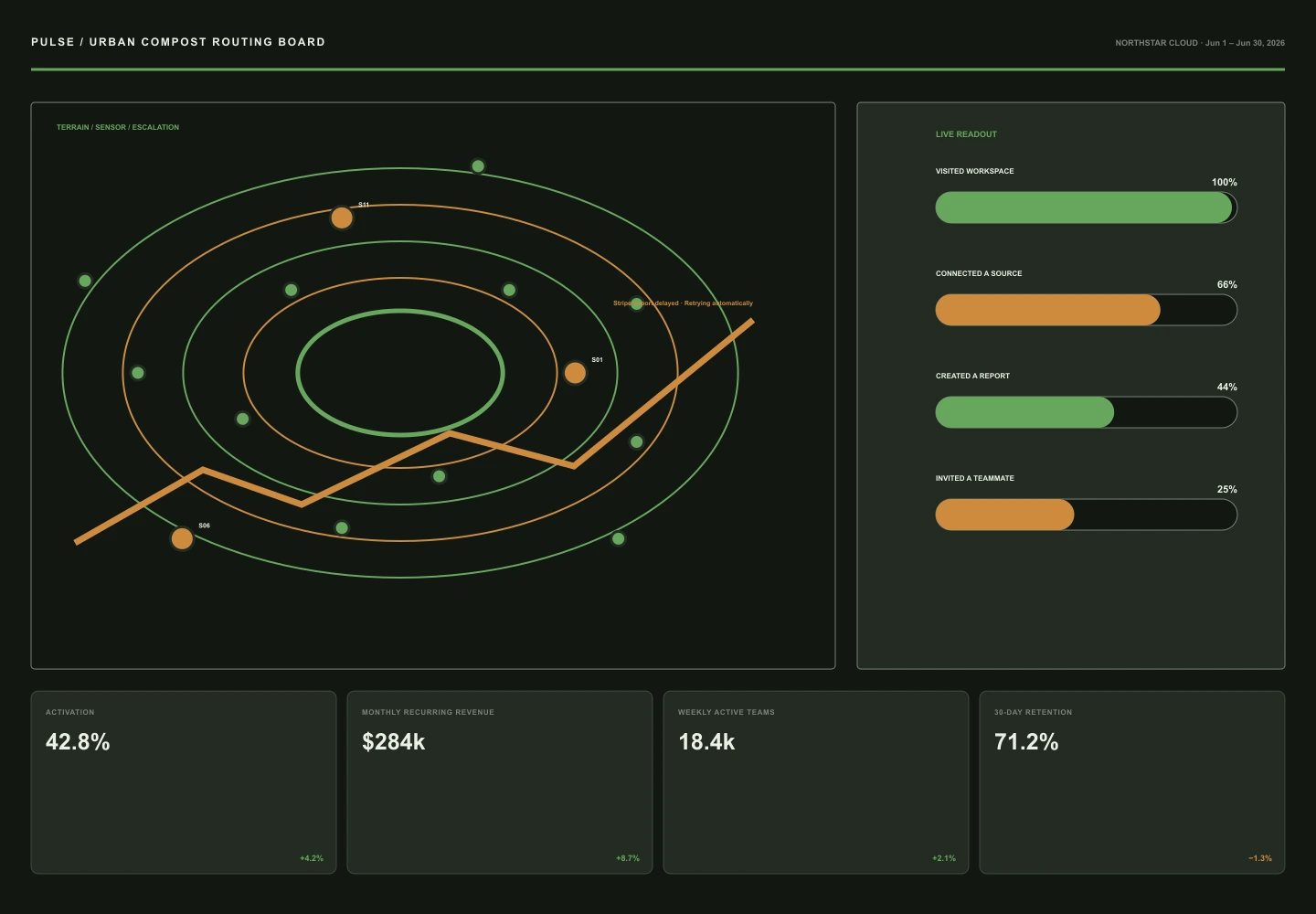
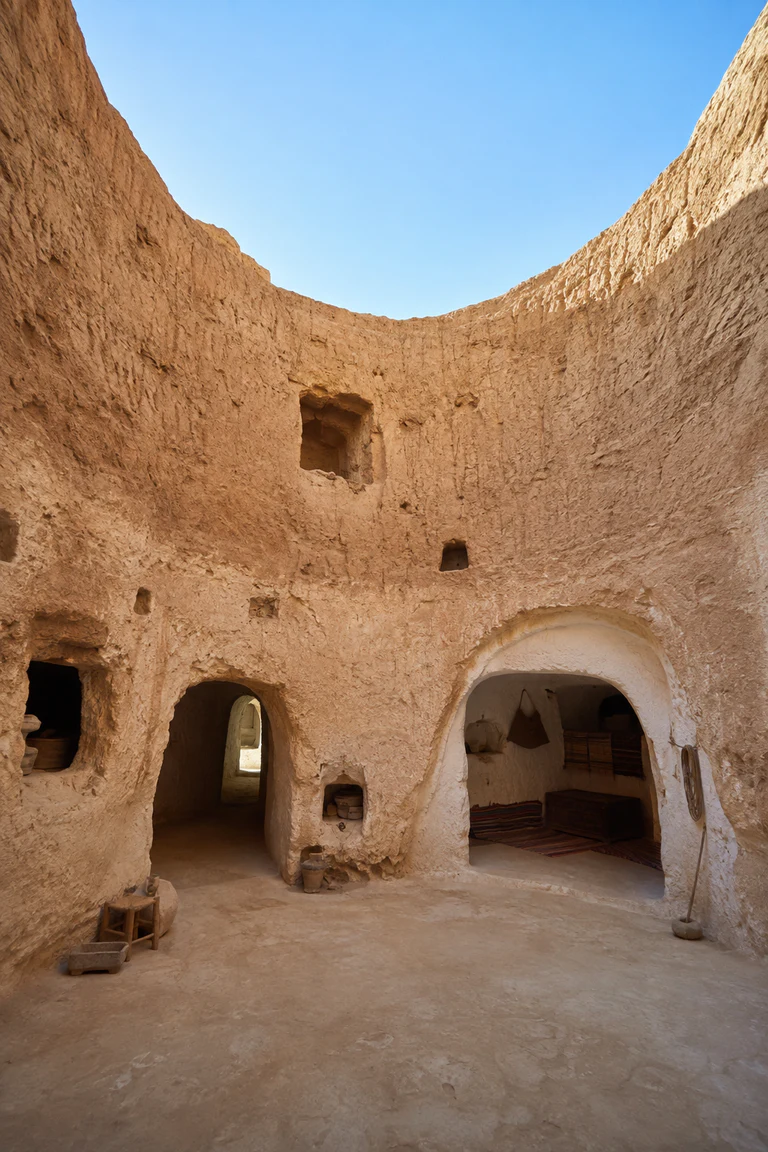
An urban compost routing board and Matmata troglodyte house use earth as active infrastructure, coordinating organic cycles, thermal mass, protected courts, and measured movement to moderate environmental extremes with limited external energy.
Bridge 77 · Movement and sequence
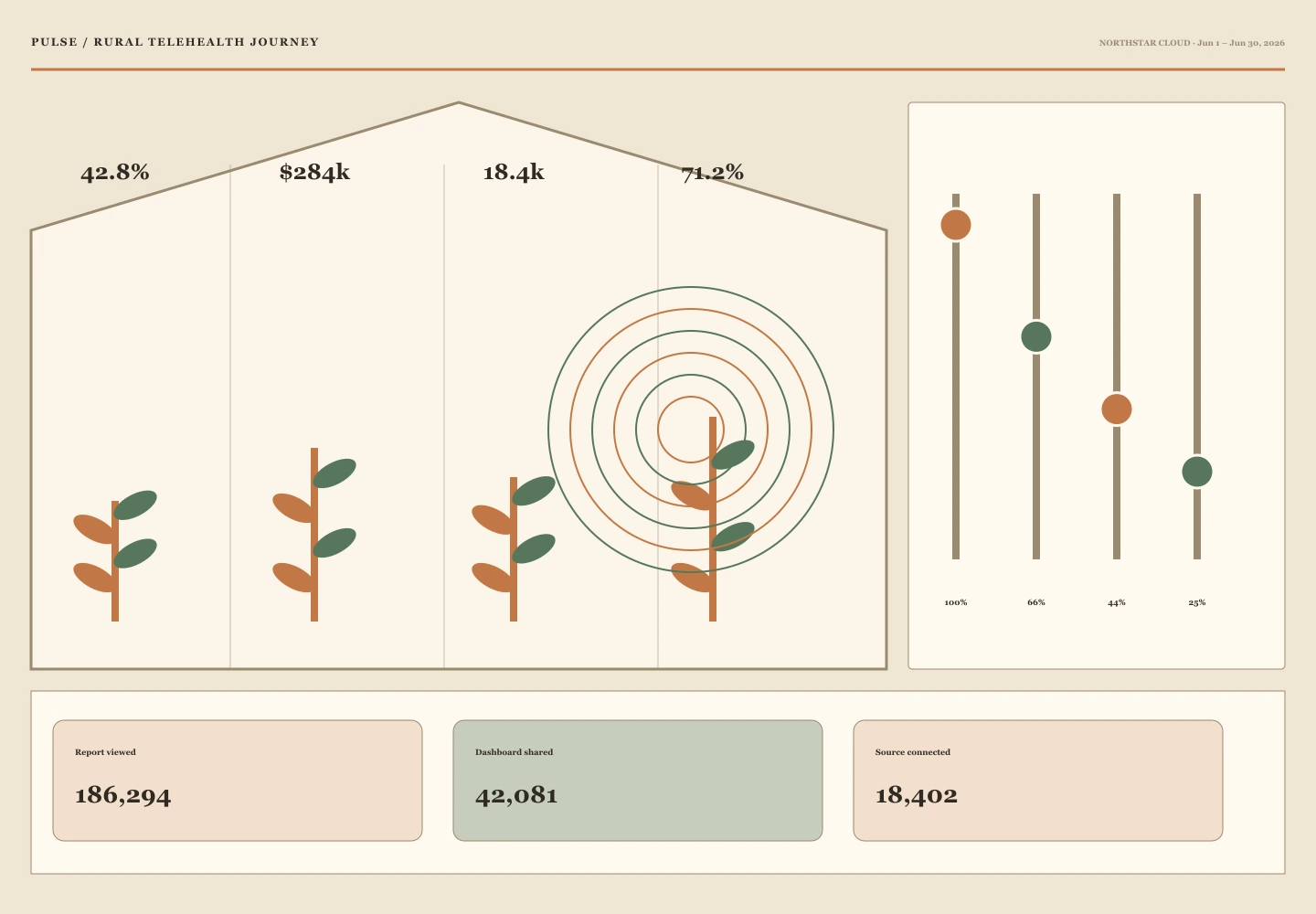
A rural telehealth journey and Tongan fale support movement through open boundaries, direct sightlines, and shared gathering points, allowing care to pass between household, community, and distant specialist without a confusing sequence.
Bridge 78 · Movement and sequence
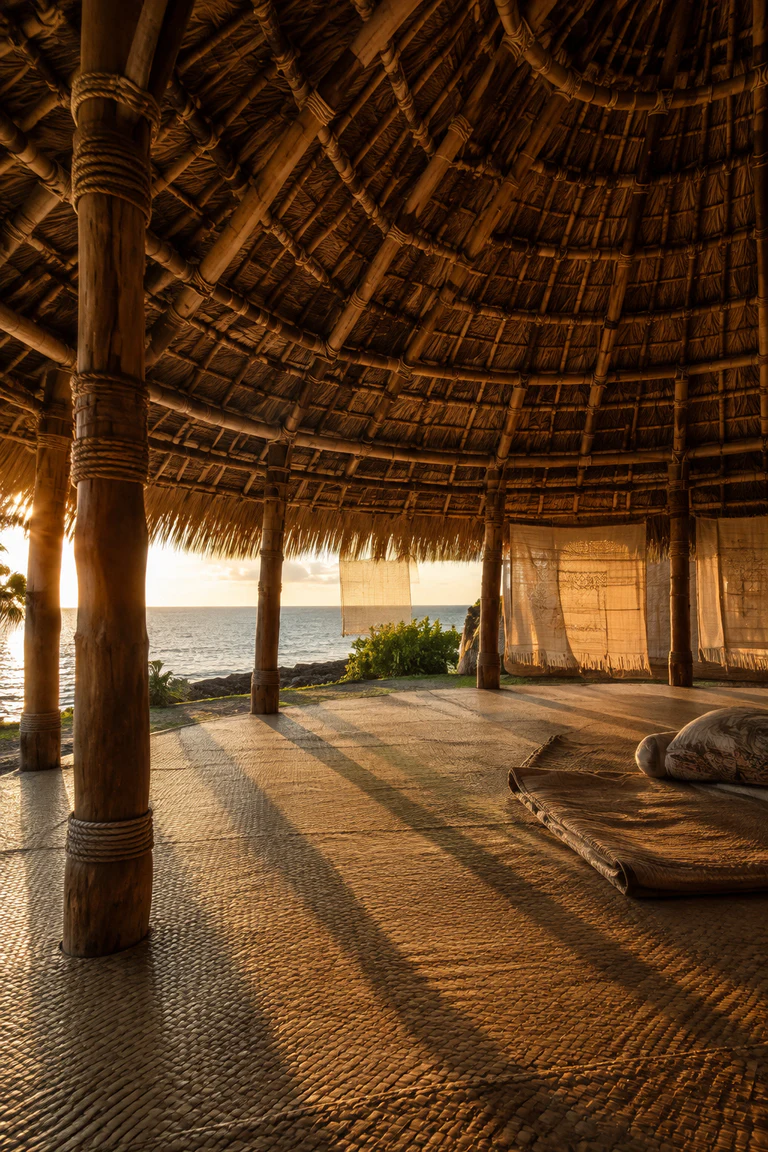
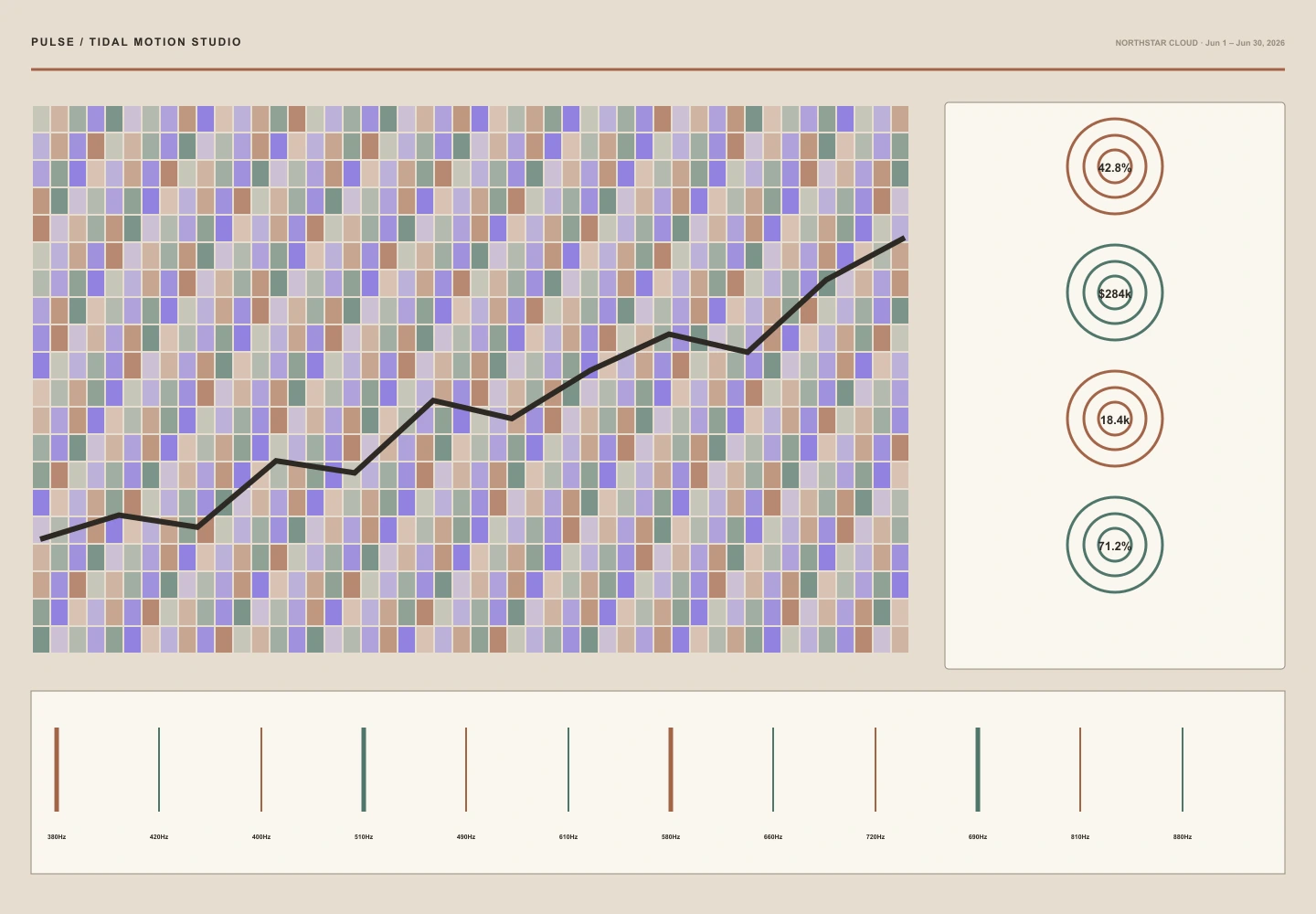
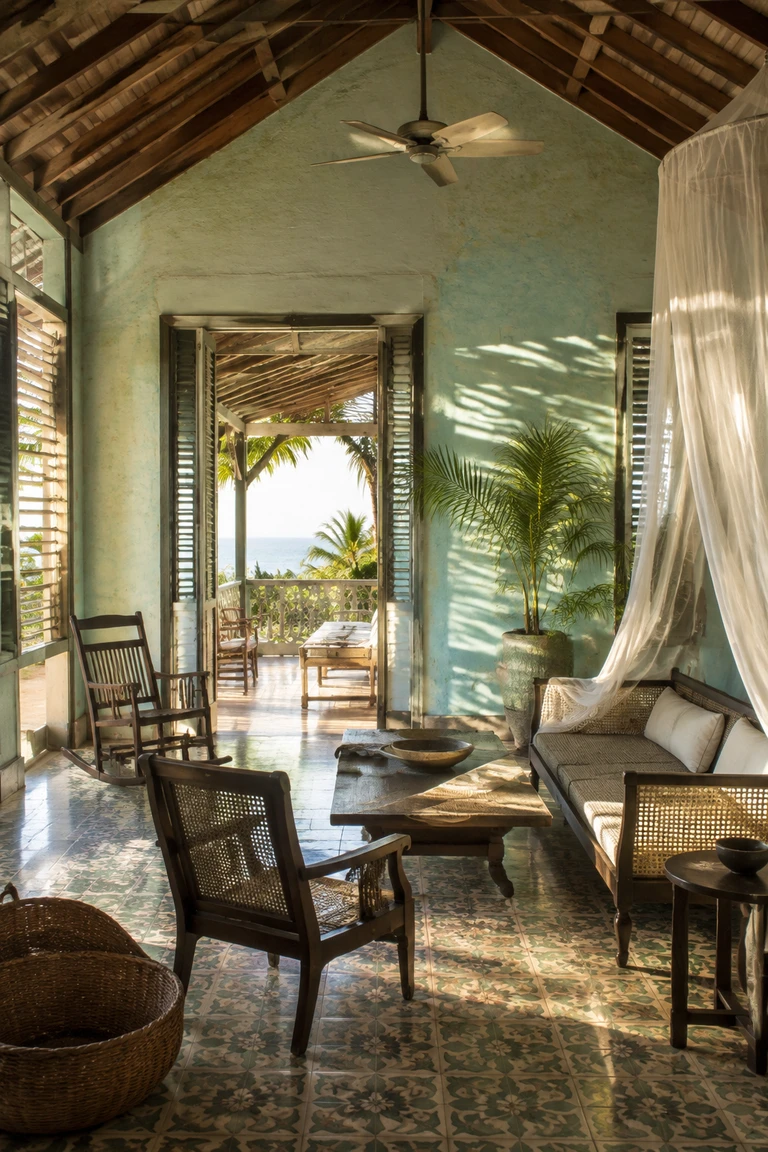
A tidal motion studio and Caribbean vernacular room let environmental rhythm direct composition, using repeated waves, cross-ventilation, shaded galleries, and flexible openings to make motion perceptible across both time and space.
Bridge 79 · Movement and sequence
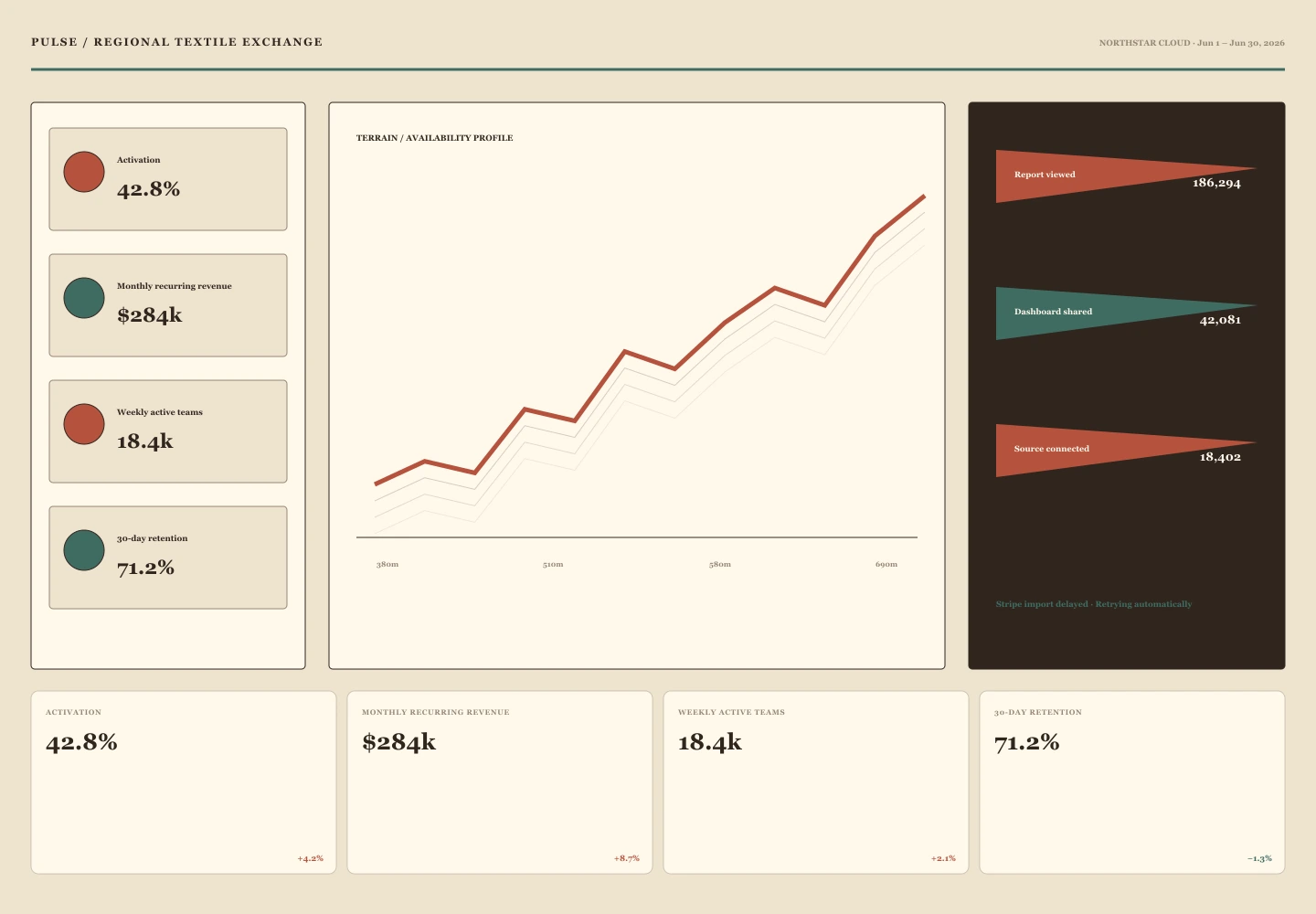
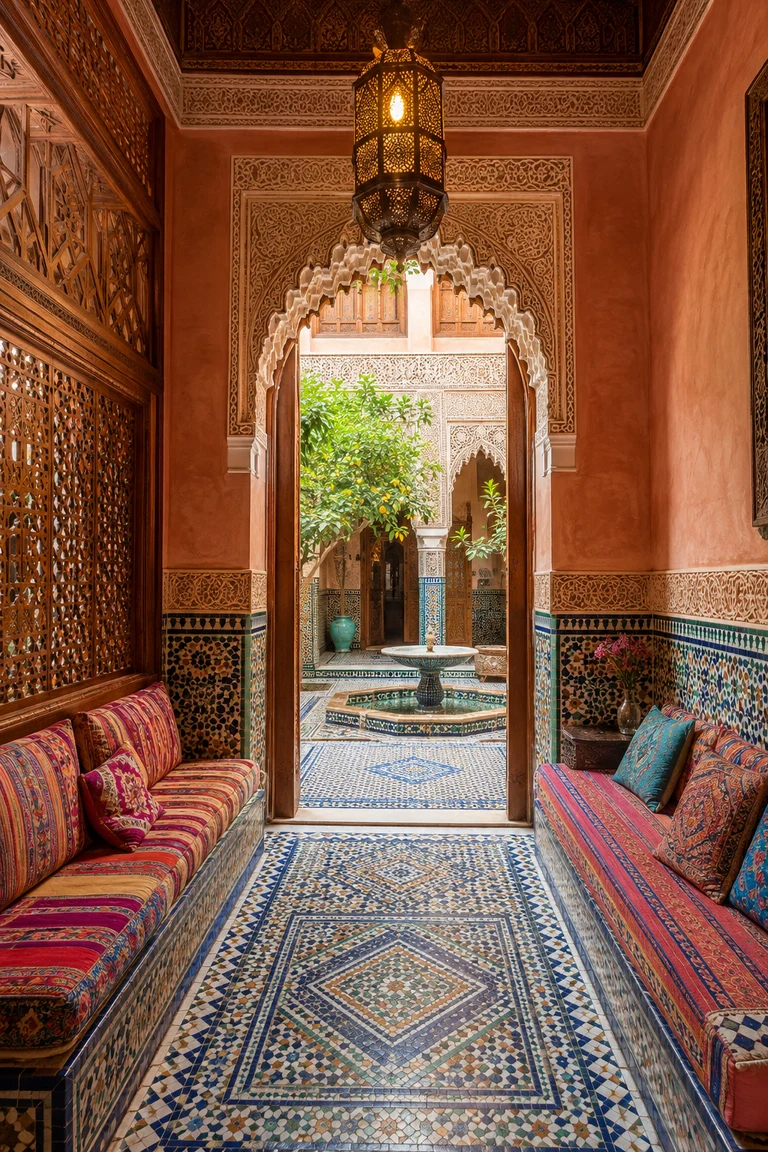
A regional textile exchange and Moroccan riad organize many encounters around a protected centre, using layered thresholds, patterned routes, and perimeter rooms to keep goods, people, and attention circulating without losing orientation.
Bridge 80 · Movement and sequence
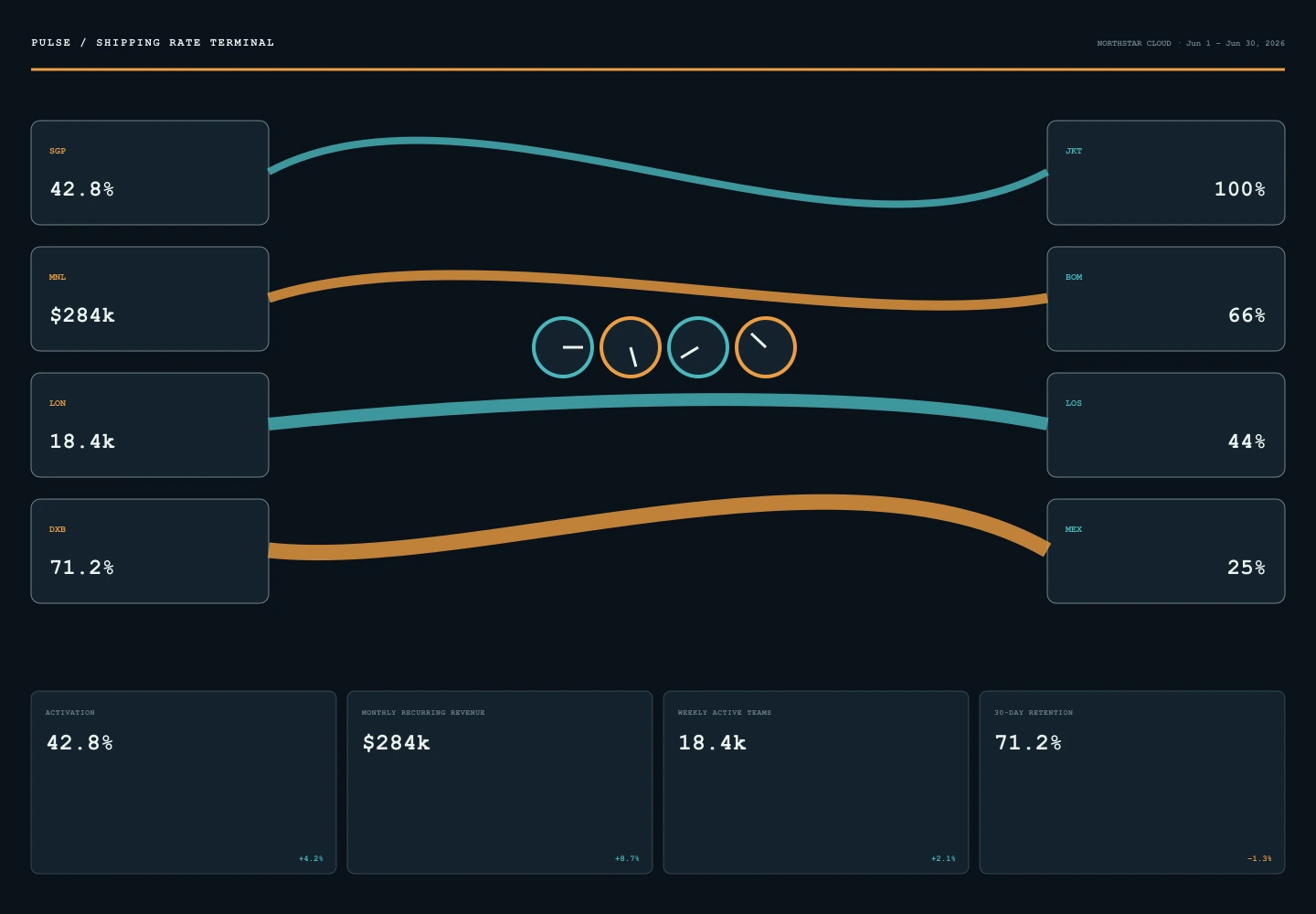
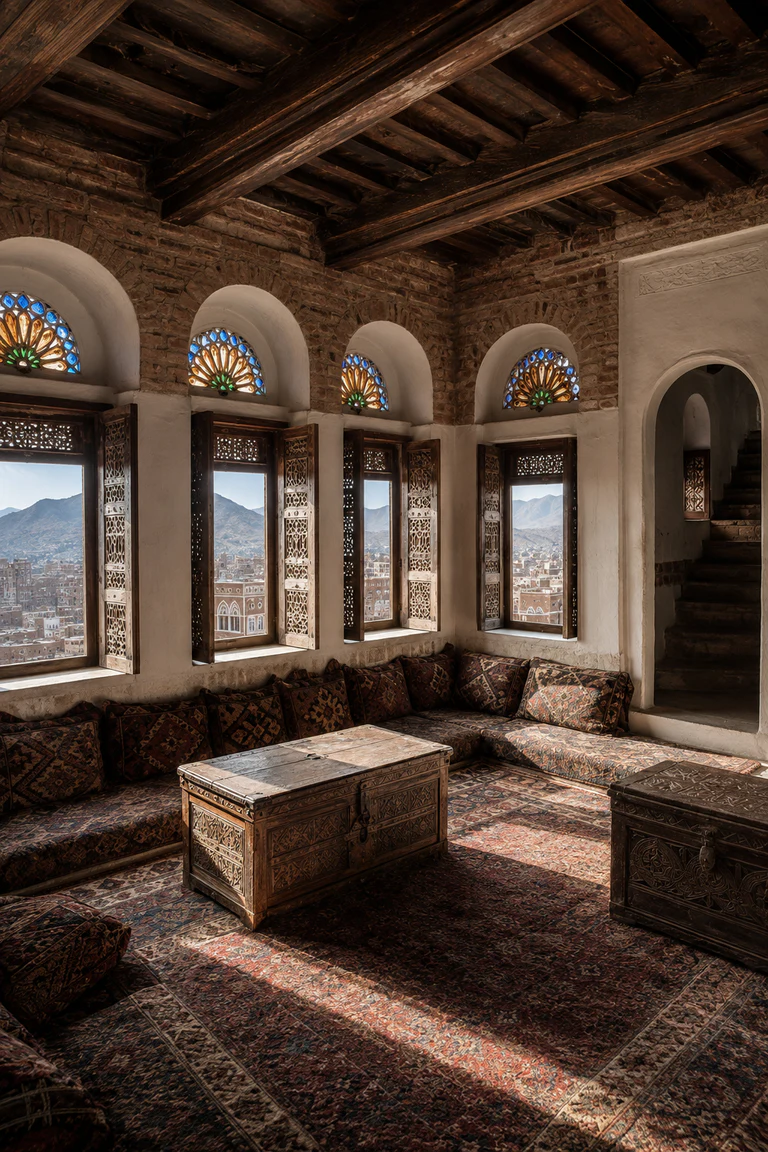
A shipping rate terminal and Yemeni tower house compress far-reaching routes into a vertical field, using stacked registers, steep transitions, and repeated stopping points to make complex circulation readable within a narrow footprint.
Bridge 81 · Archives in use
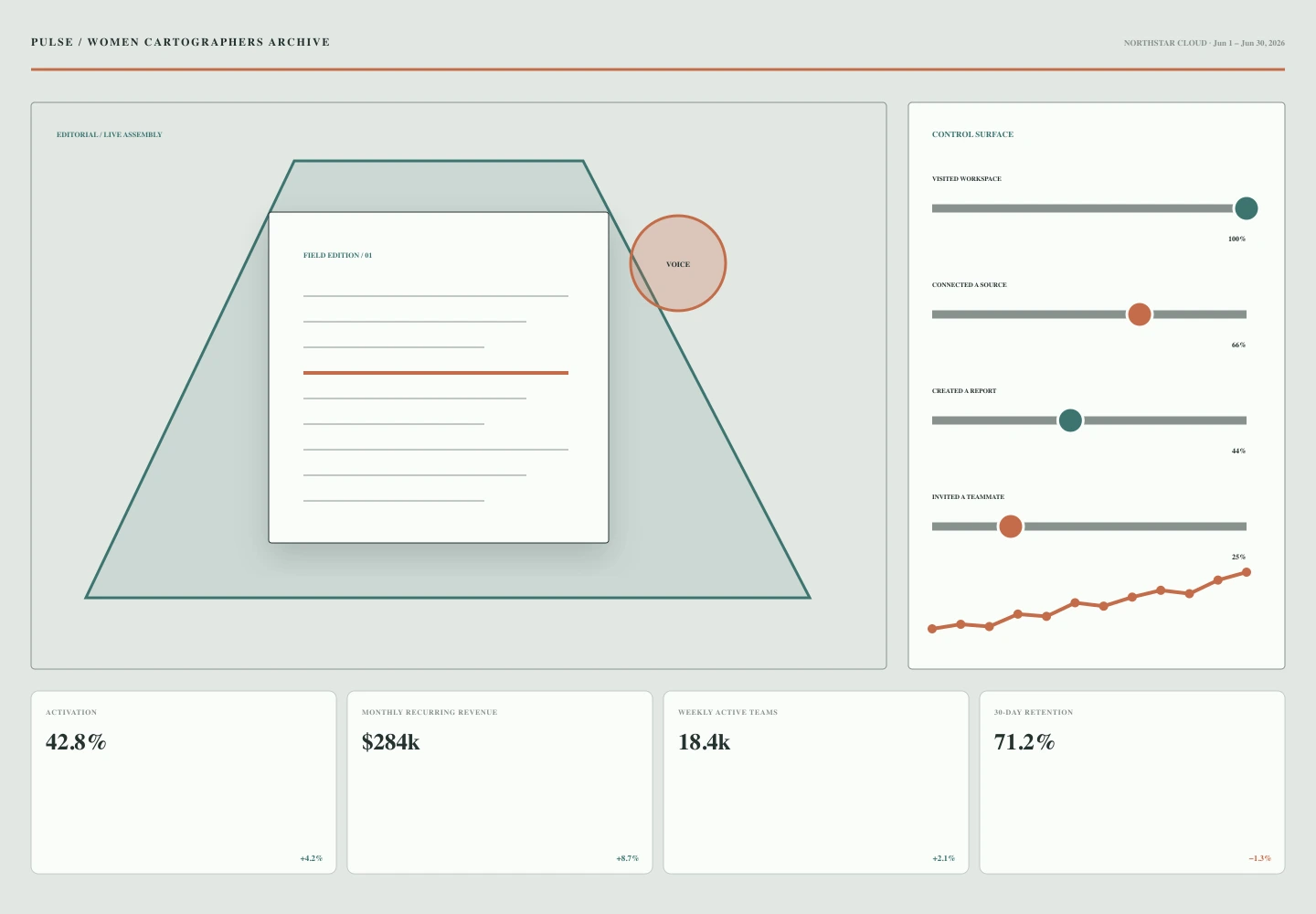
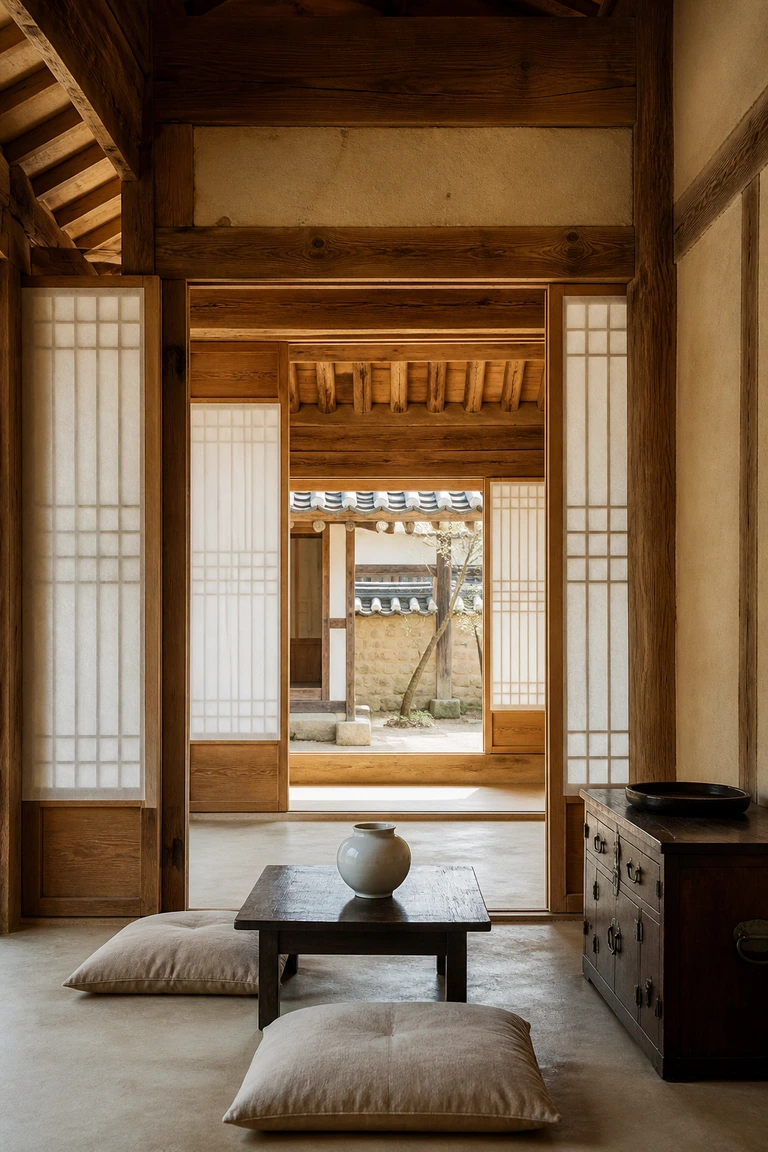
A women cartographers archive and Korean hanok carry territorial knowledge through measured plans, framed views, paper surfaces, and named routes, bringing public acts of mapping into intimate spaces of study and recollection.
Bridge 82 · Archives in use
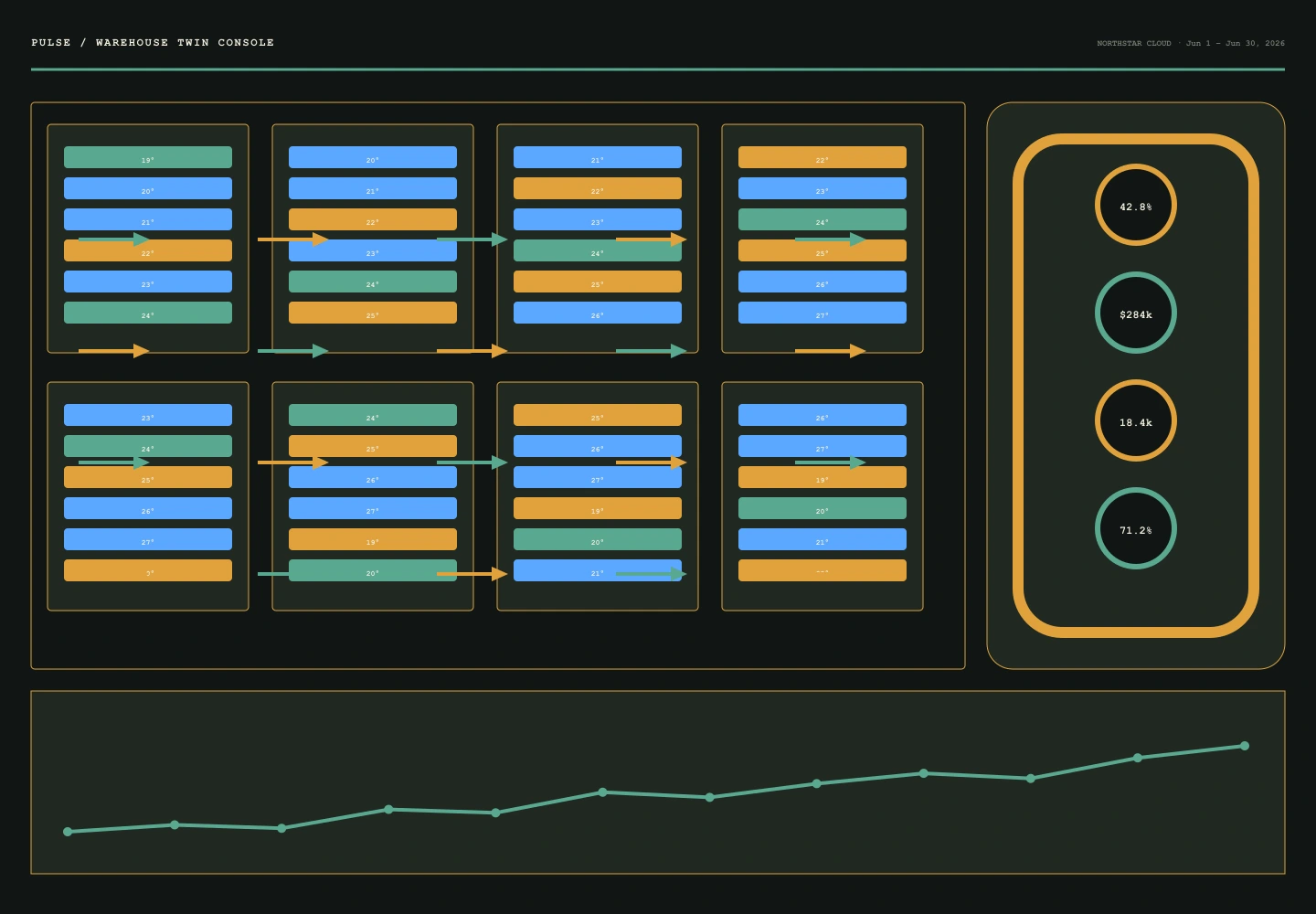
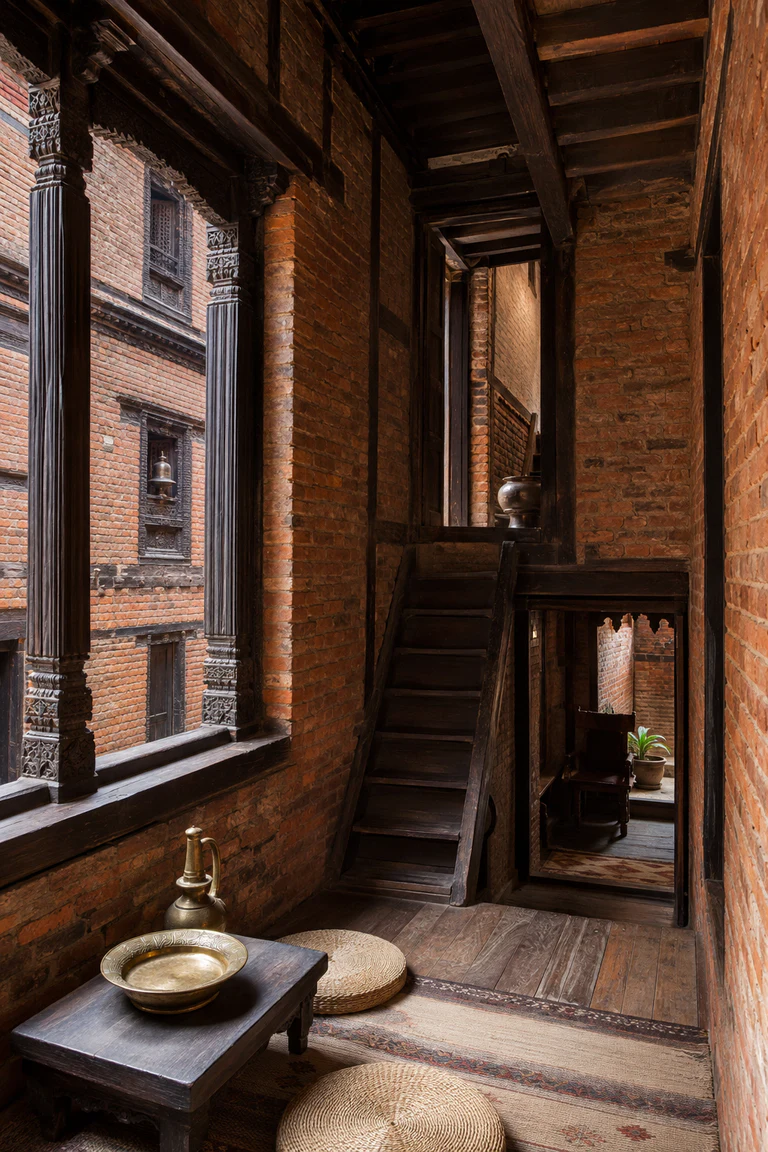
A warehouse twin console and Newar townhouse preserve urban memory through nested storage, repeated structural bays, changing inventories, and long-lived trade routes, keeping the history of exchange active inside daily operations.
Bridge 83 · Archives in use
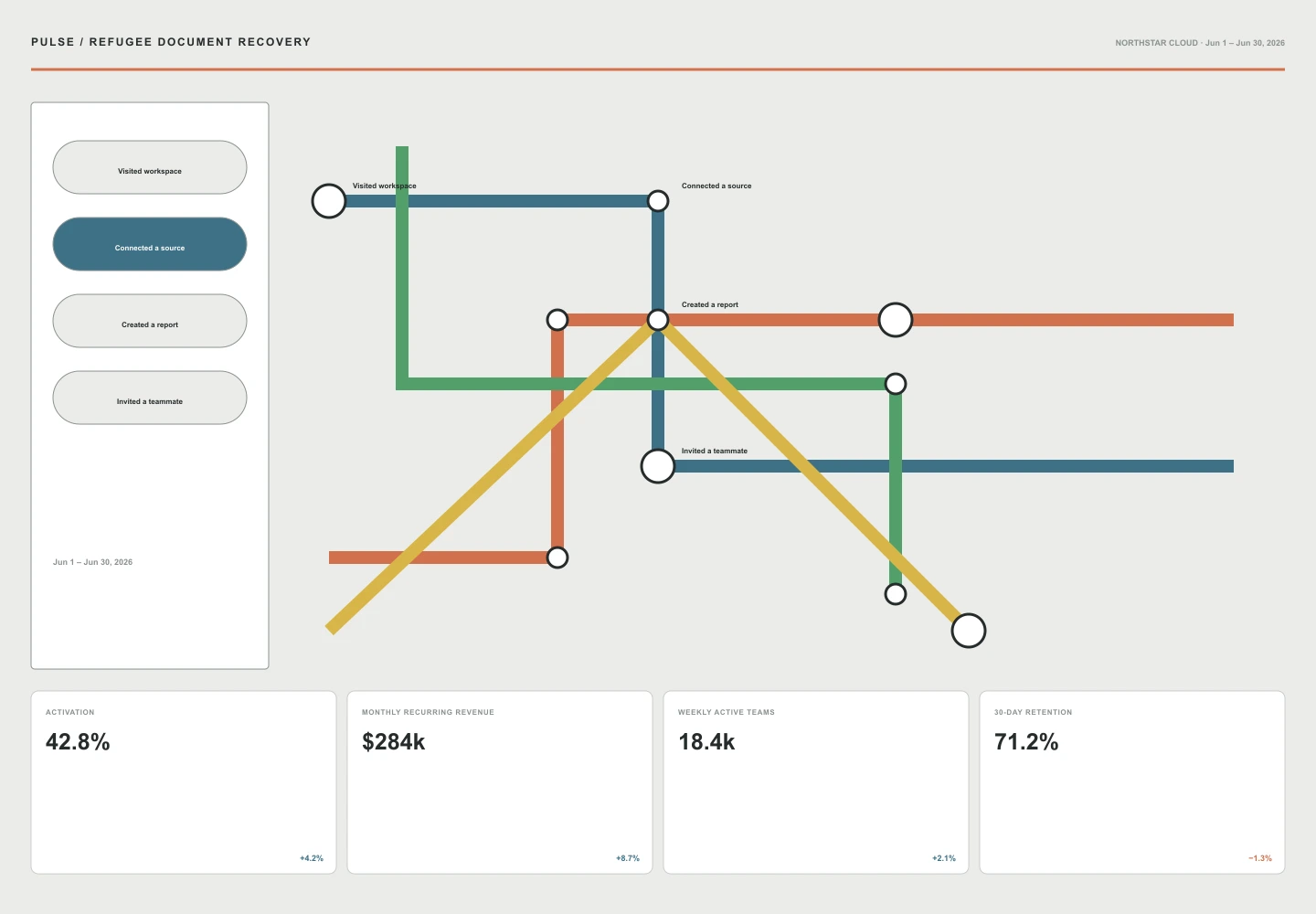
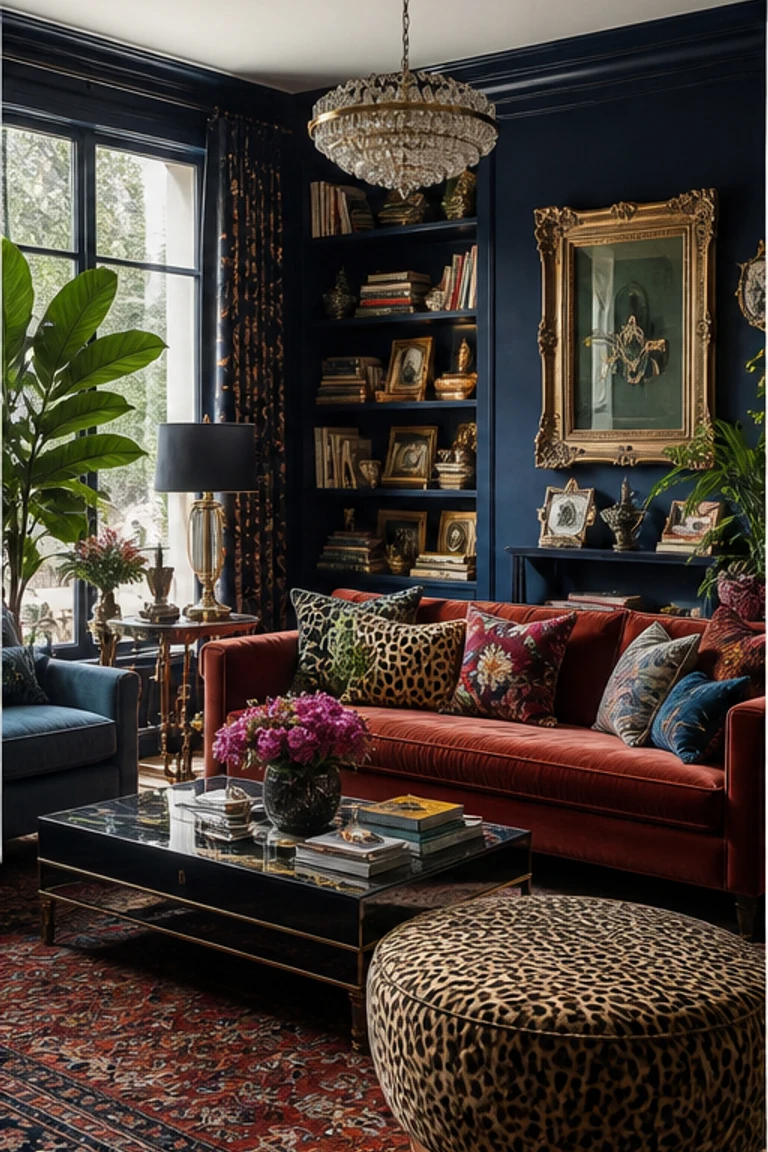
A refugee document recovery service and maximalist room treat accumulated evidence as a source of continuity, arranging papers, objects, colour, and personal associations so identity can be recovered without reducing it to one official record.
Bridge 84 · Archives in use
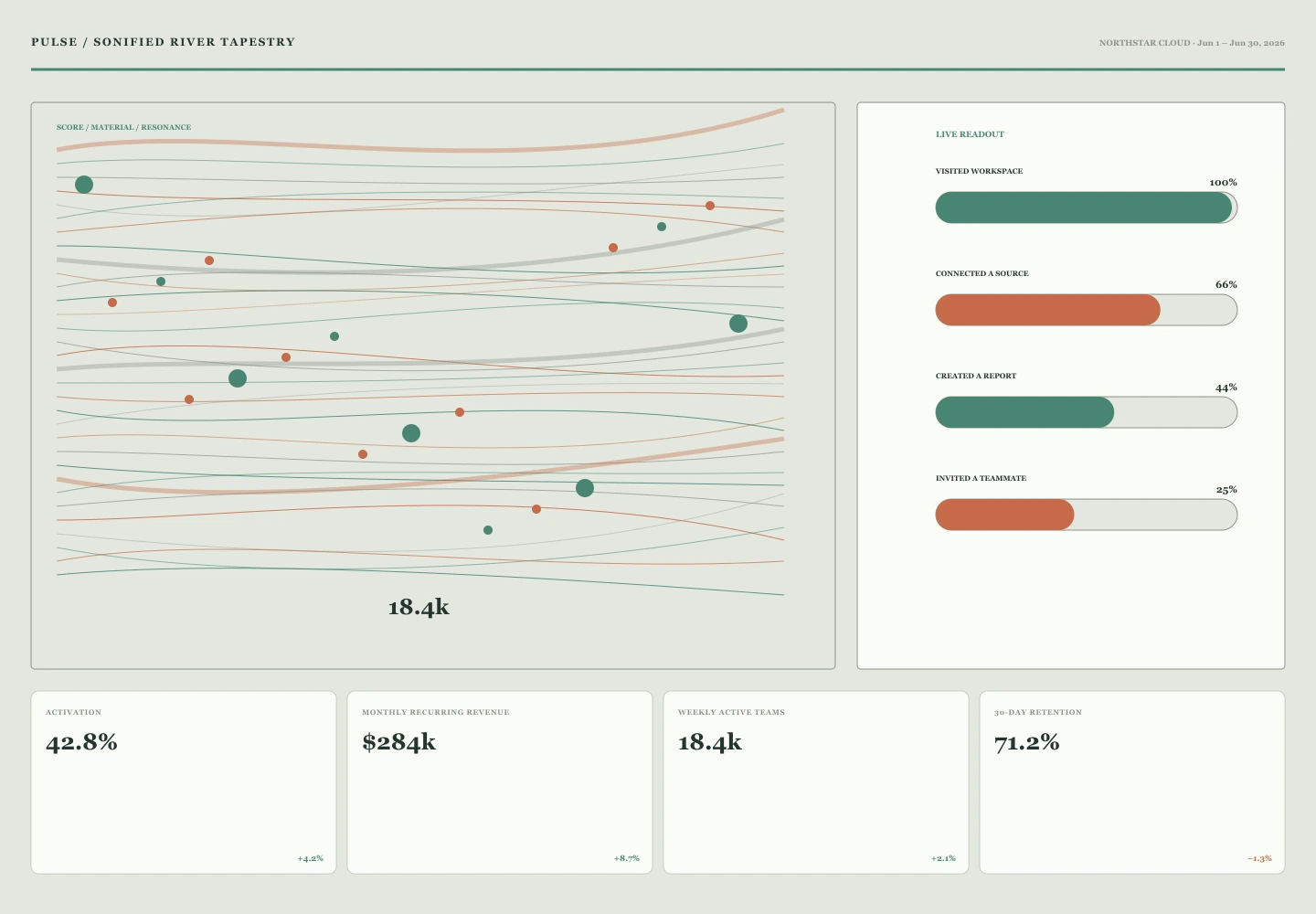
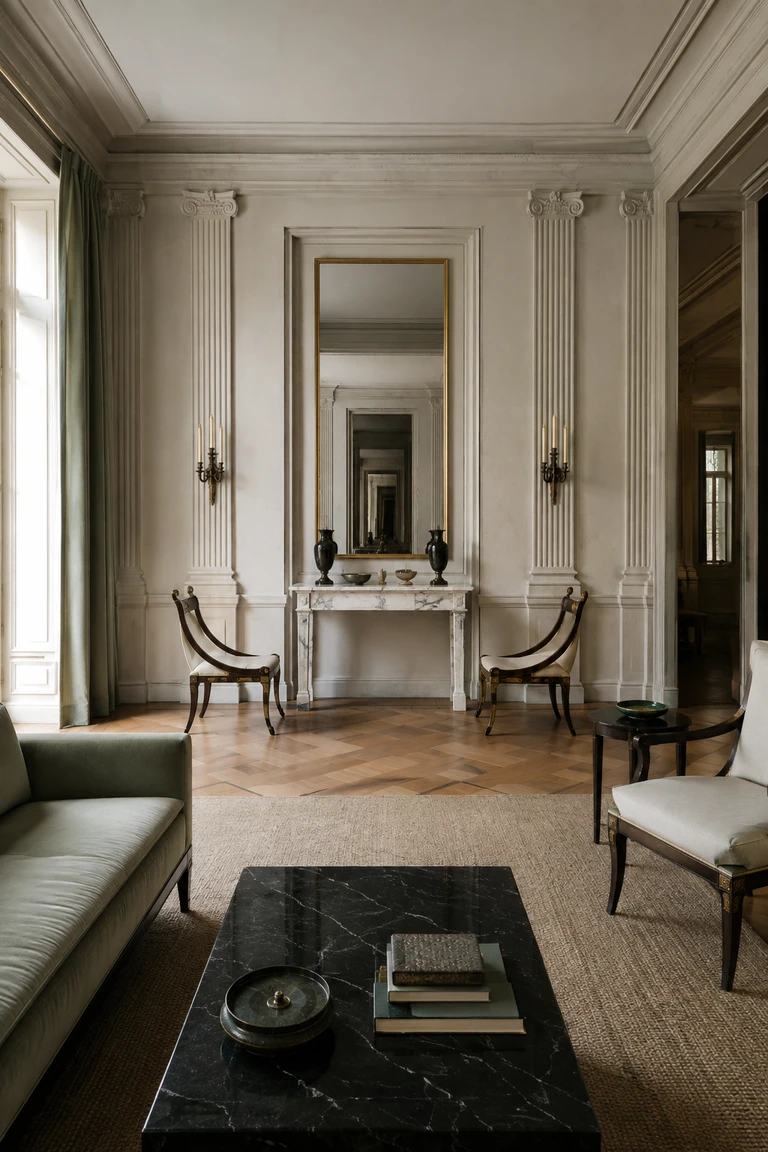
A sonified river tapestry and Neoclassical room hold memory through measured rhythm, repeated motifs, and formal sequence, giving changing voices and environmental traces a durable structure without erasing their differences.
Bridge 85 · Clarity as care
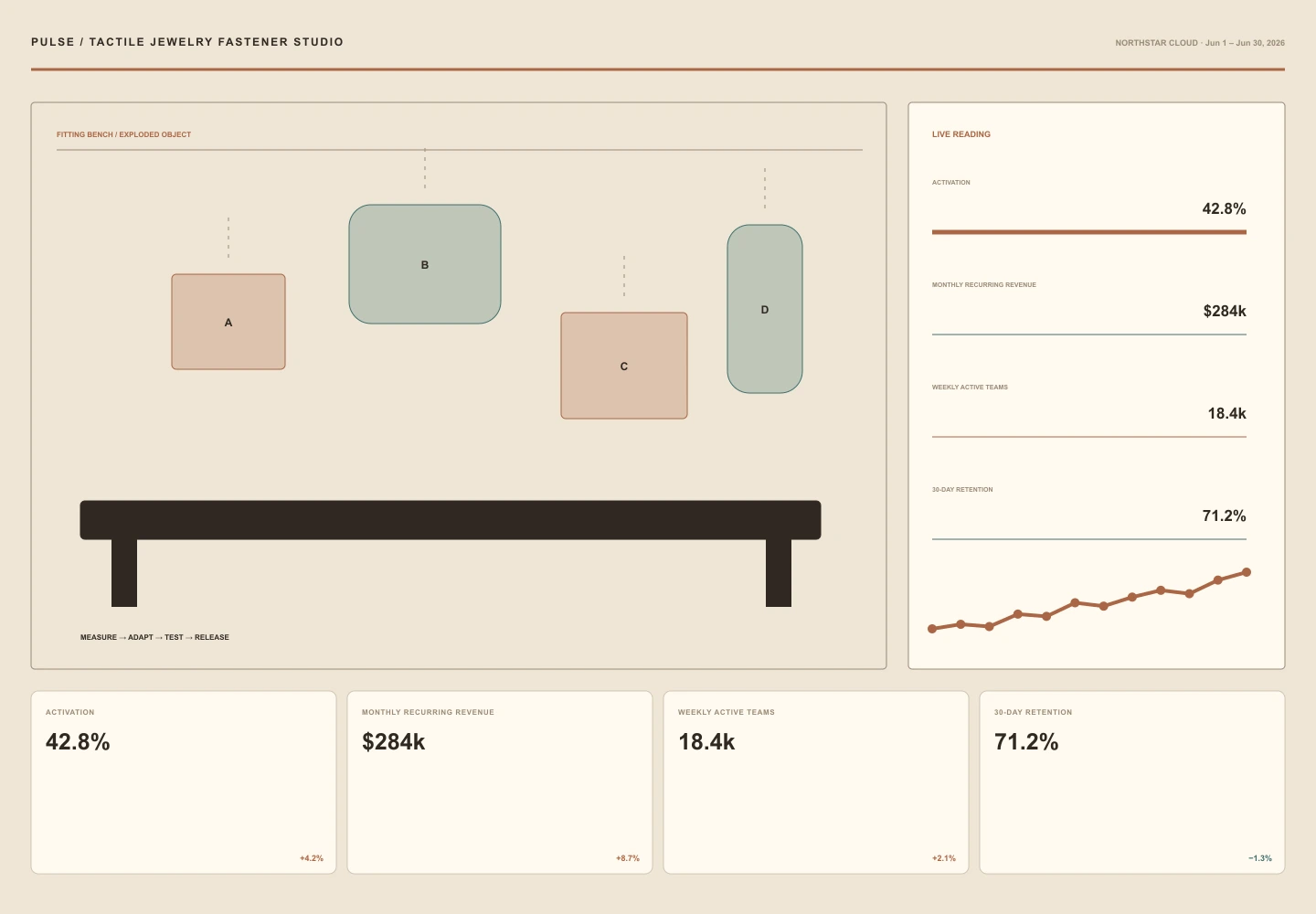
A tactile jewellery fastener studio and Ainu chise explain construction through touchable joints, distinct edges, and an economical sequence of parts, making use and repair understandable before either object or shelter needs instruction.
Bridge 86 · Clarity as care
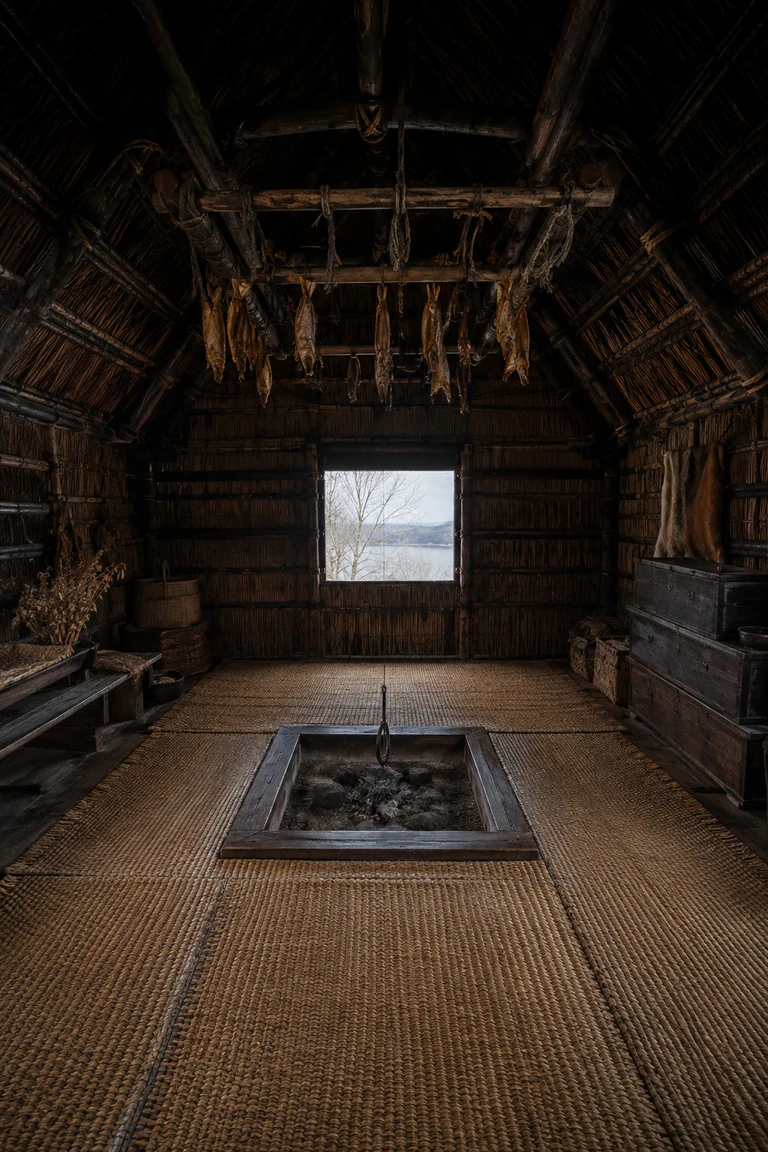
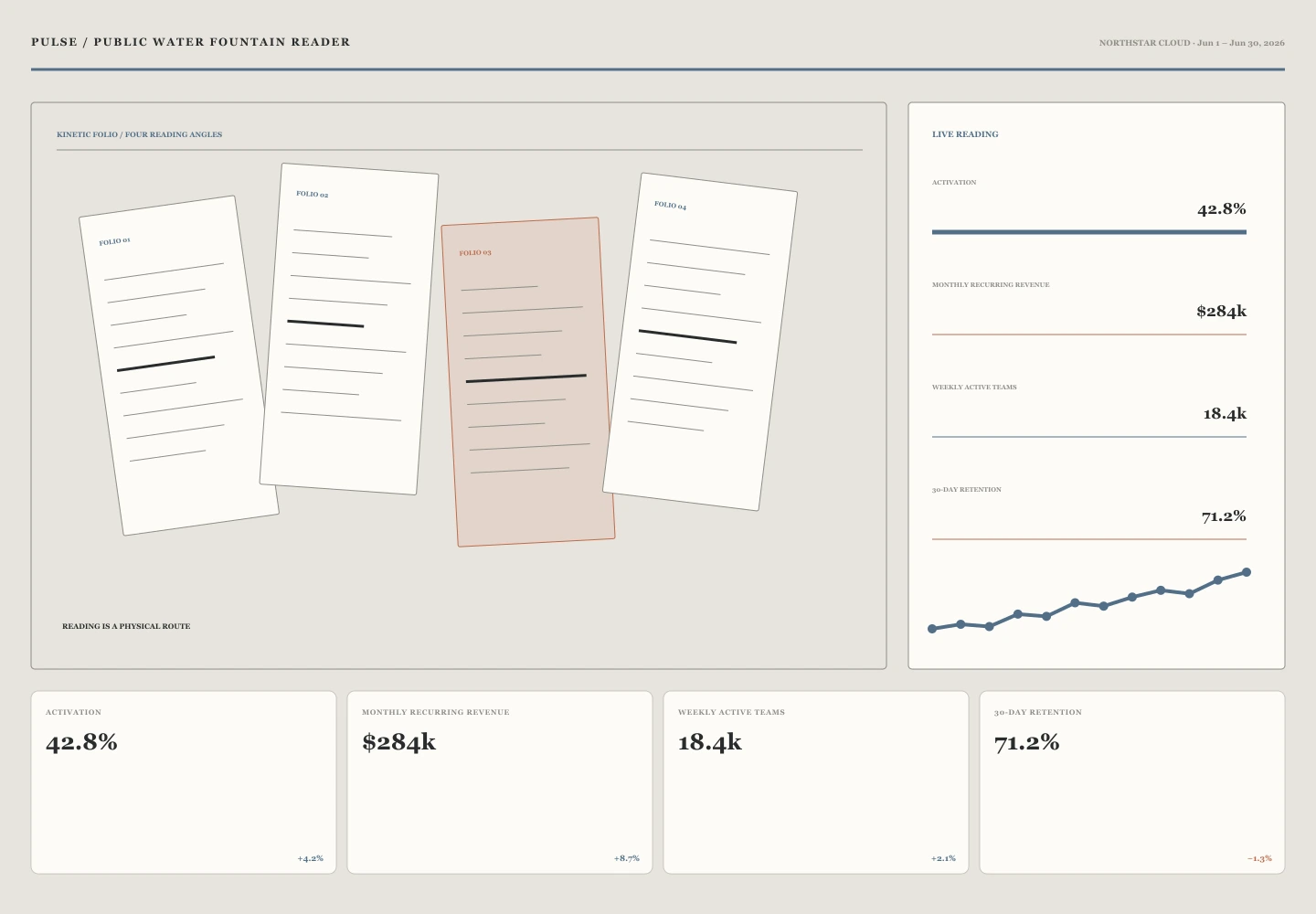
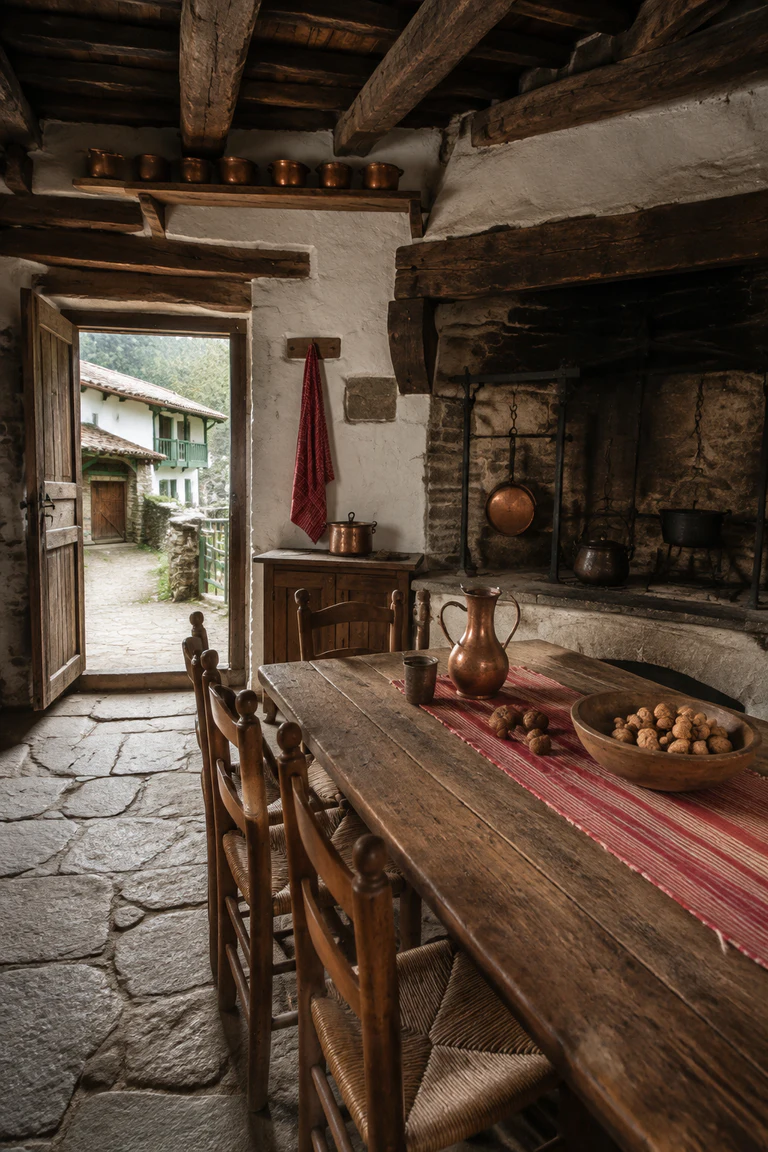
A public water fountain reader and Basque etxe use a recognizable shared element to orient daily life, placing source, threshold, and gathering space in a stable relationship that makes arrival immediately legible.
Bridge 87 · Clarity as care
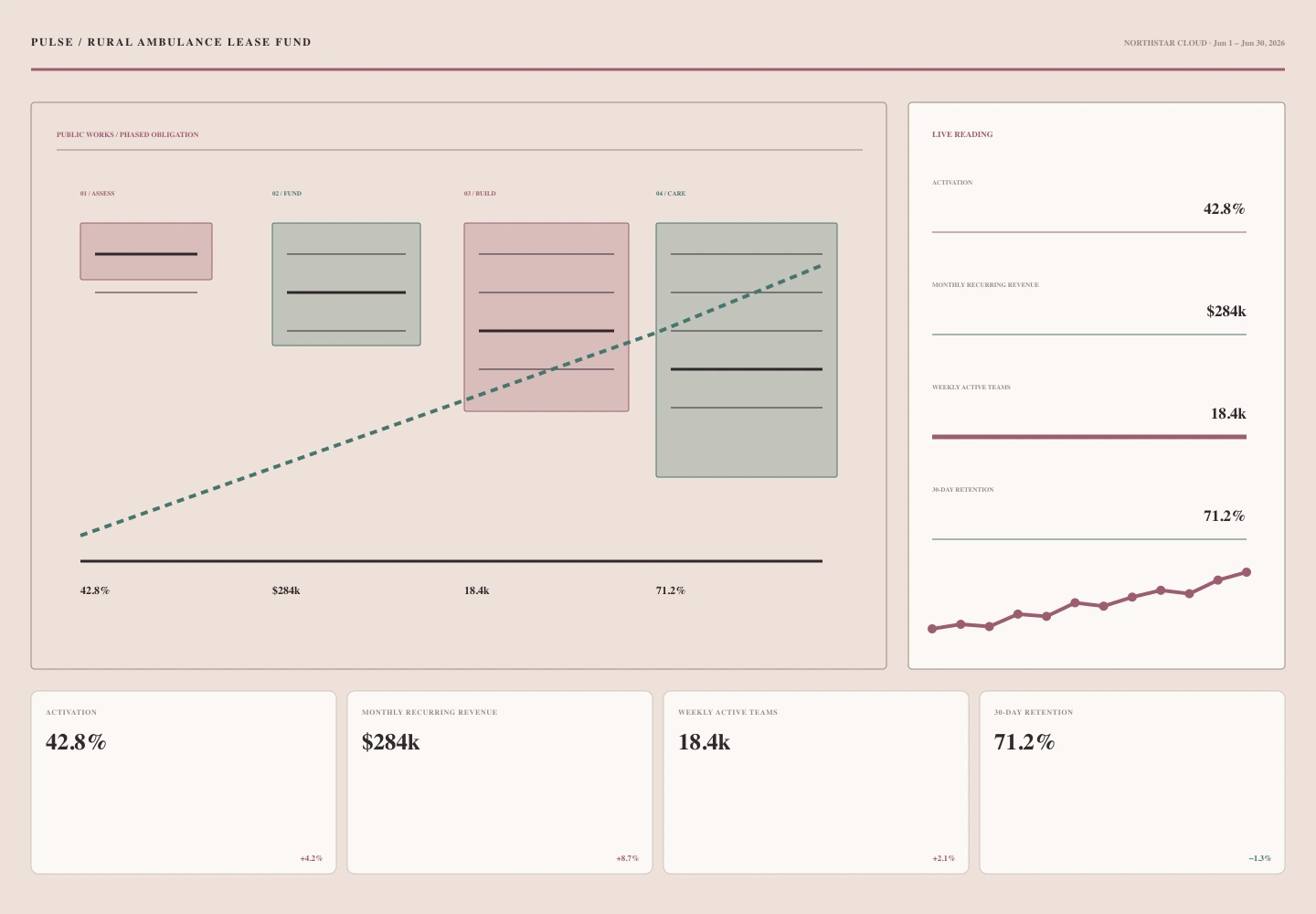
A rural ambulance lease fund and Harari house distinguish critical resources through framed zones, strong colour, and explicit hierarchy, helping a dense network of people, equipment, and obligations remain comprehensible under pressure.
Bridge 88 · Clarity as care
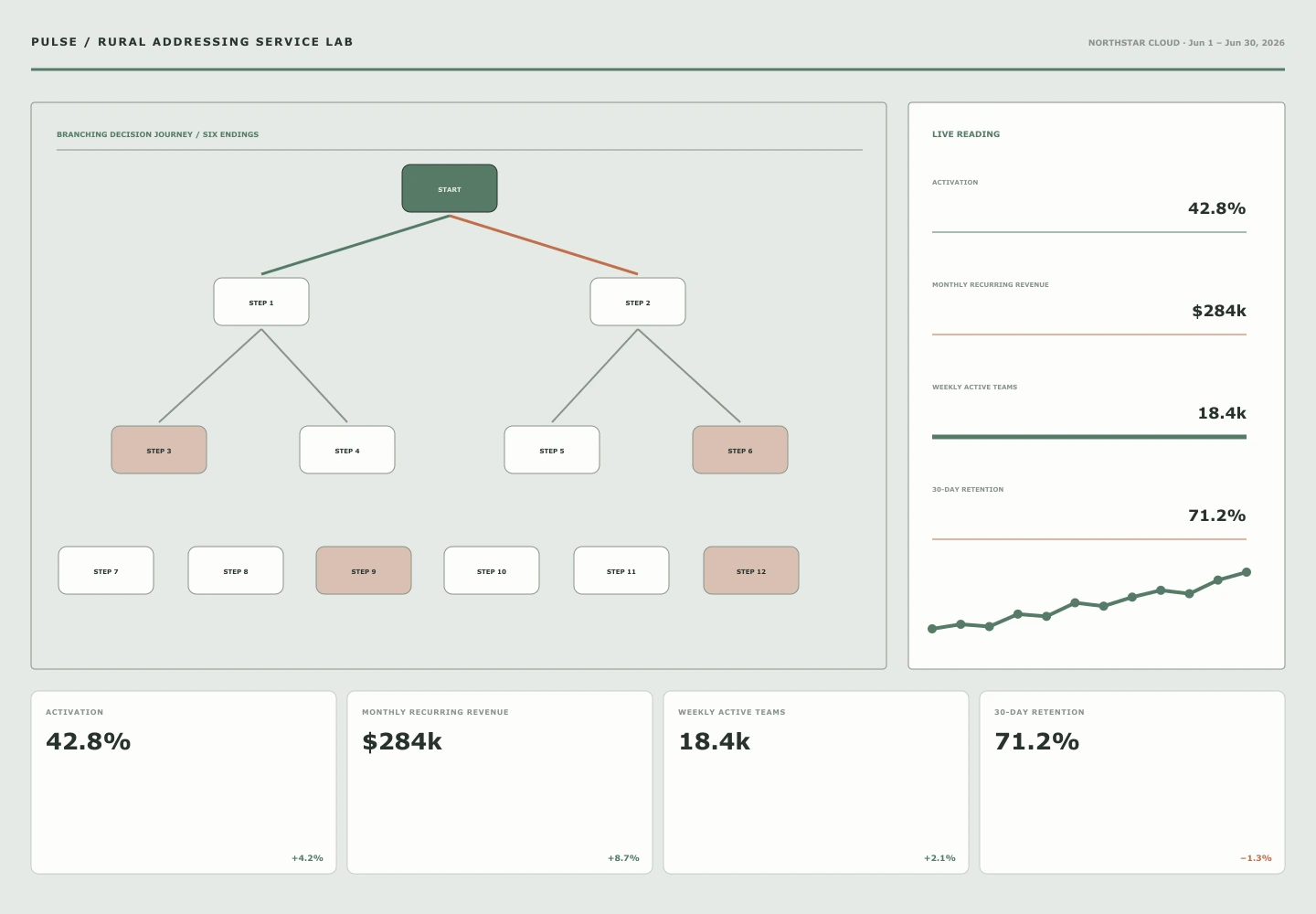
A rural addressing service lab and Dutch canal house turn location into a consistent public language, using numbered sequences, narrow modules, and repeated fronts to make individual destinations readable within a larger settlement.
Bridge 89 · Material intelligence
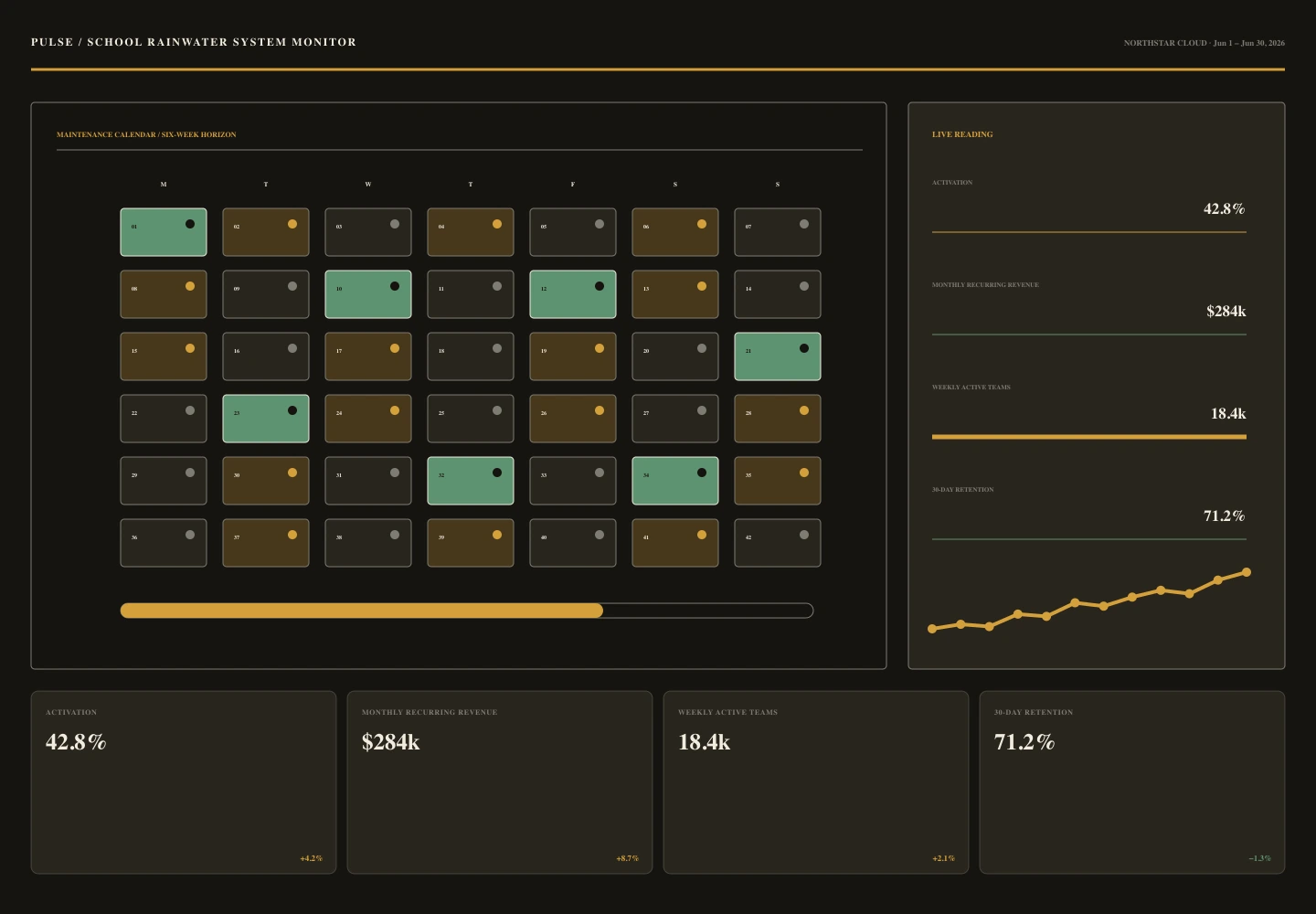
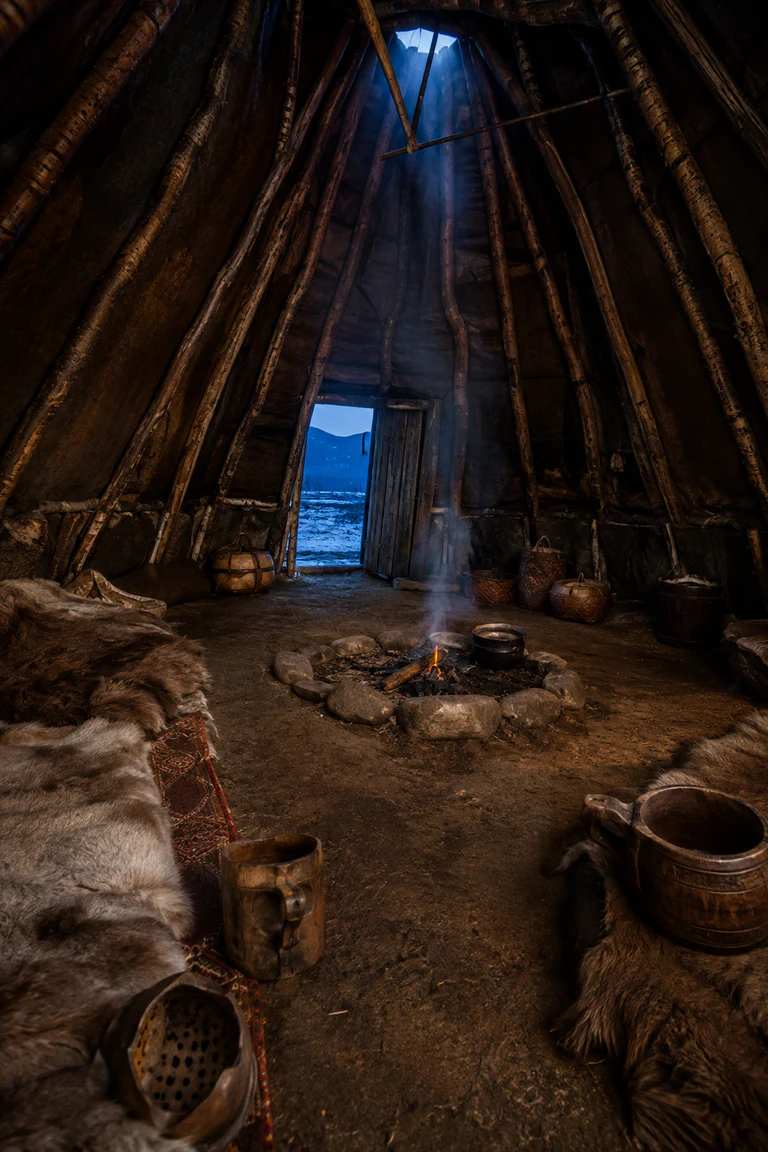
A school rainwater monitor and Sámi goahti treat climate as something material must answer directly, joining runoff, ground cover, layered insulation, and seasonal maintenance into one visible cycle of collection and protection.
Bridge 90 · Material intelligence
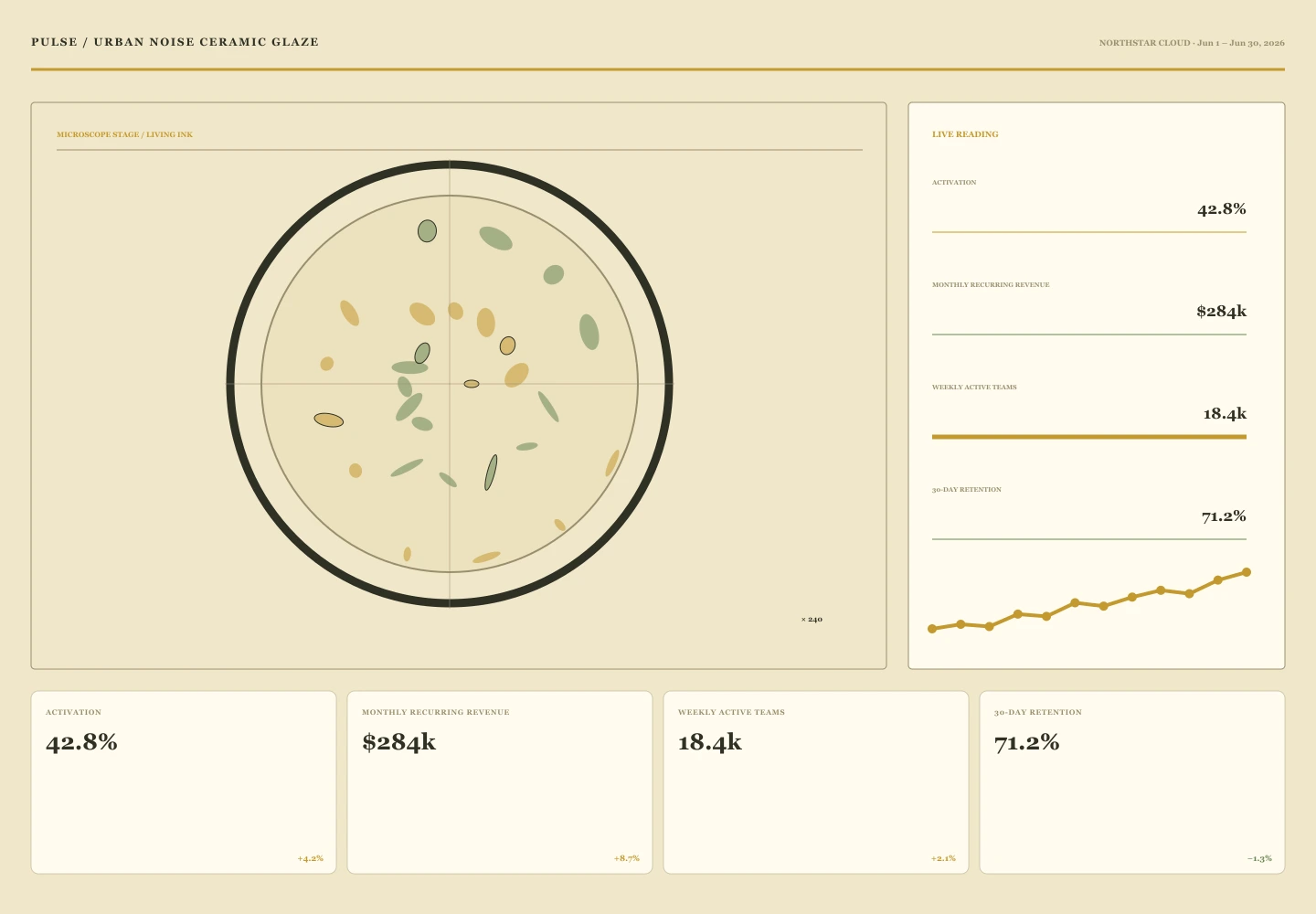
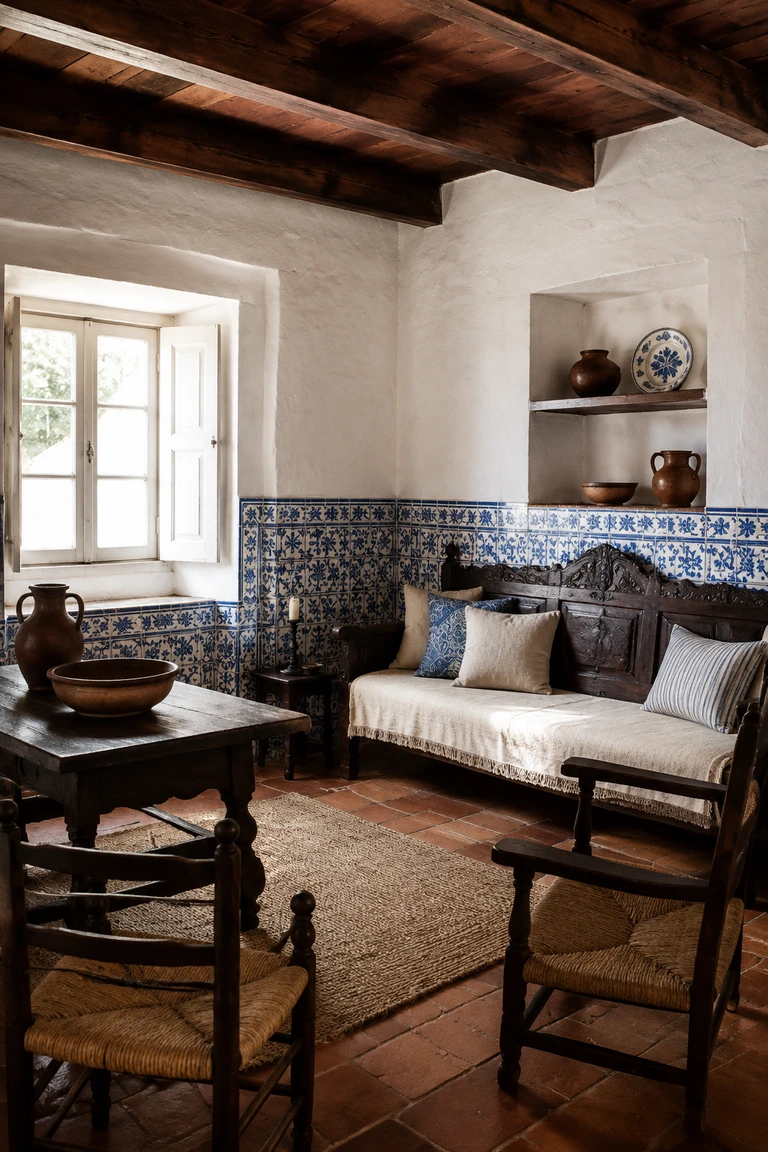
An urban noise ceramic glaze and Portuguese vernacular room translate local atmosphere into fired colour, patterned tile, and reflective surface, allowing an otherwise transient soundscape to become durable architectural evidence.
Bridge 91 · Material intelligence
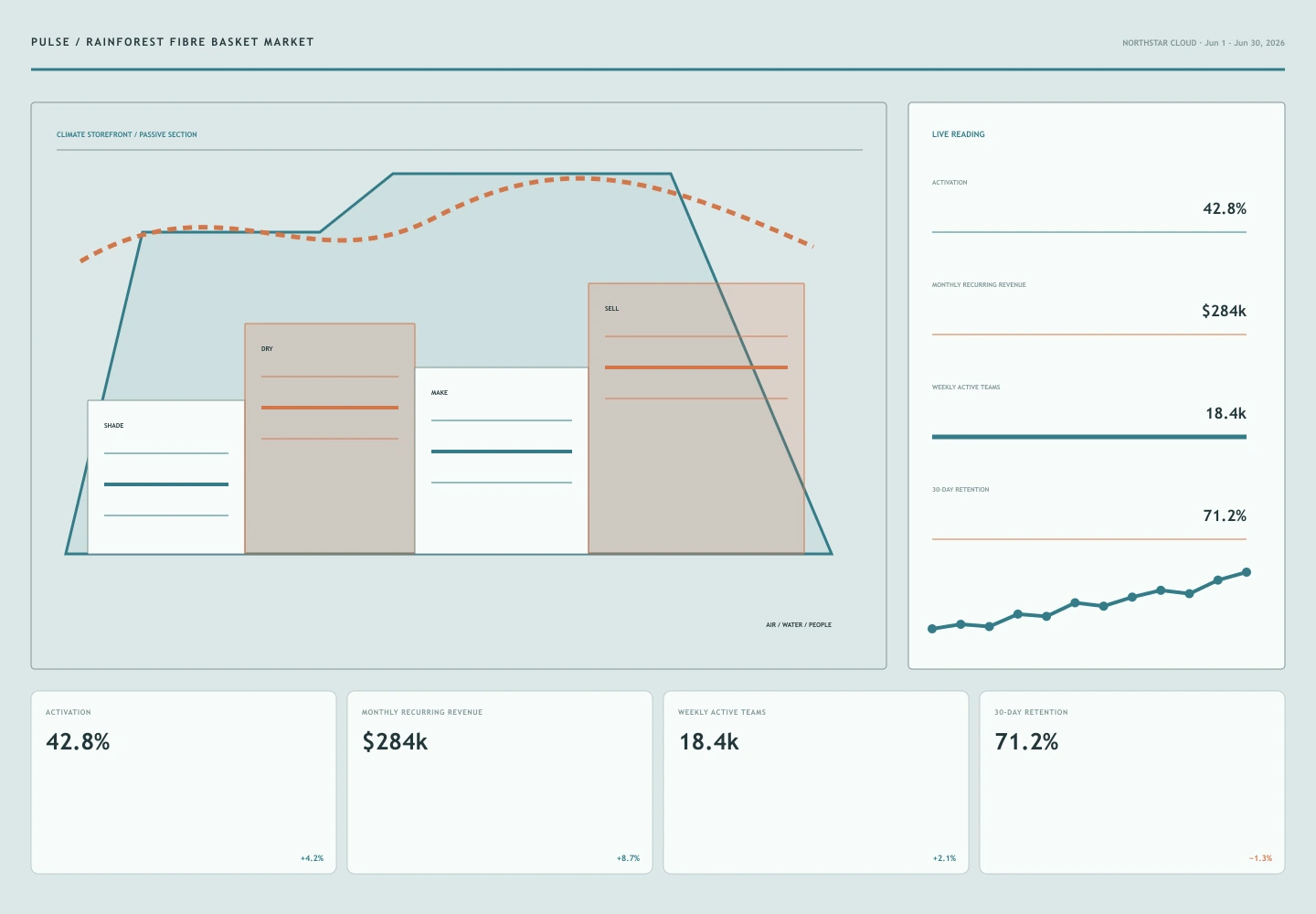
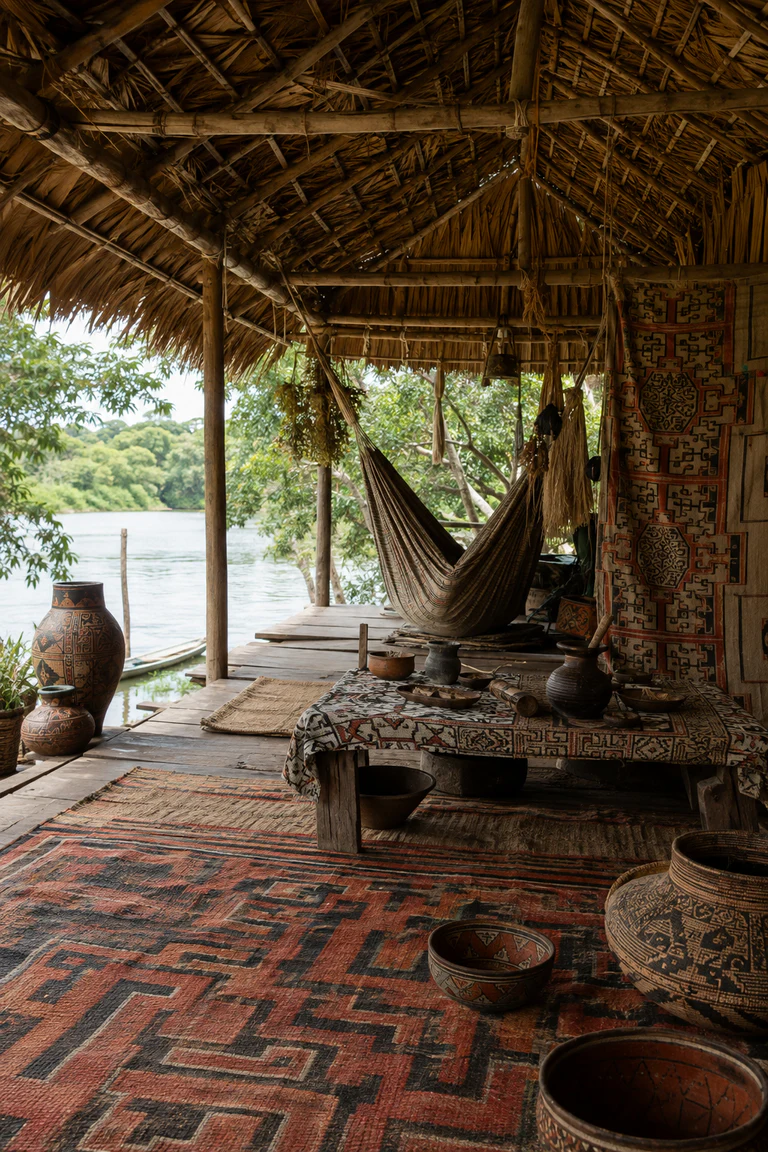
A rainforest fibre basket market and Shipibo-Konibo kene house connect pattern to material origin, letting gathered plants, woven paths, pigment, and maker attribution reveal the ecological and cultural work behind each surface.
Bridge 92 · Material intelligence
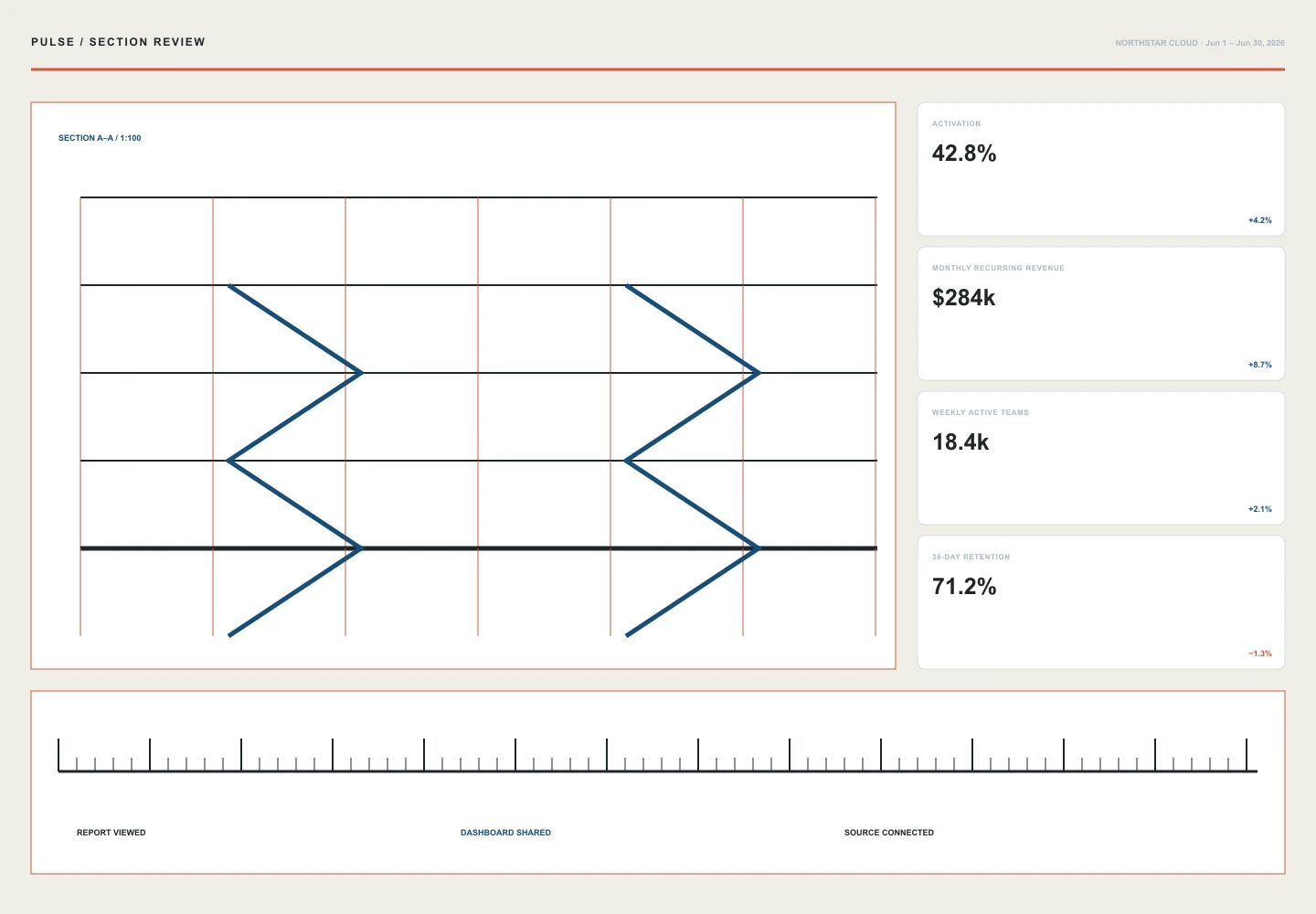
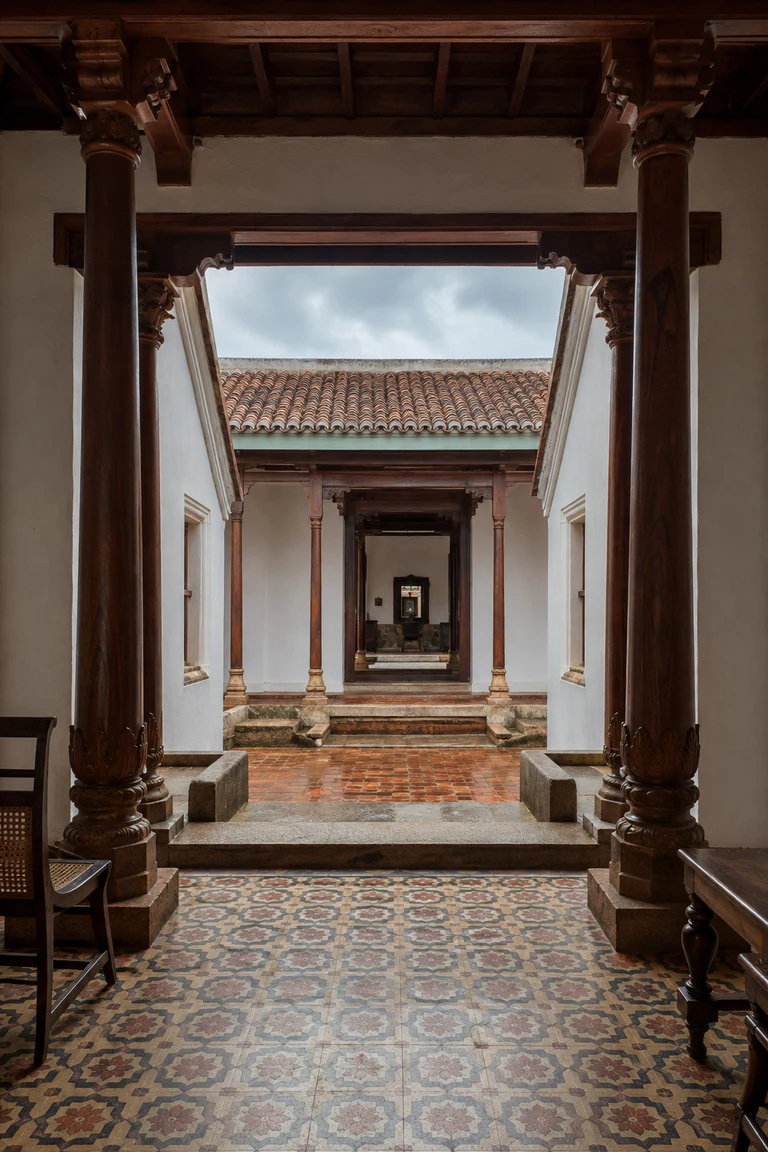
A section review and Chettinad courtyard house use cutaway views to connect surface with construction, revealing stone, timber, plaster, ventilation, and joinery as interdependent layers rather than isolated decorative finishes.
Bridge 93 · Visible systems
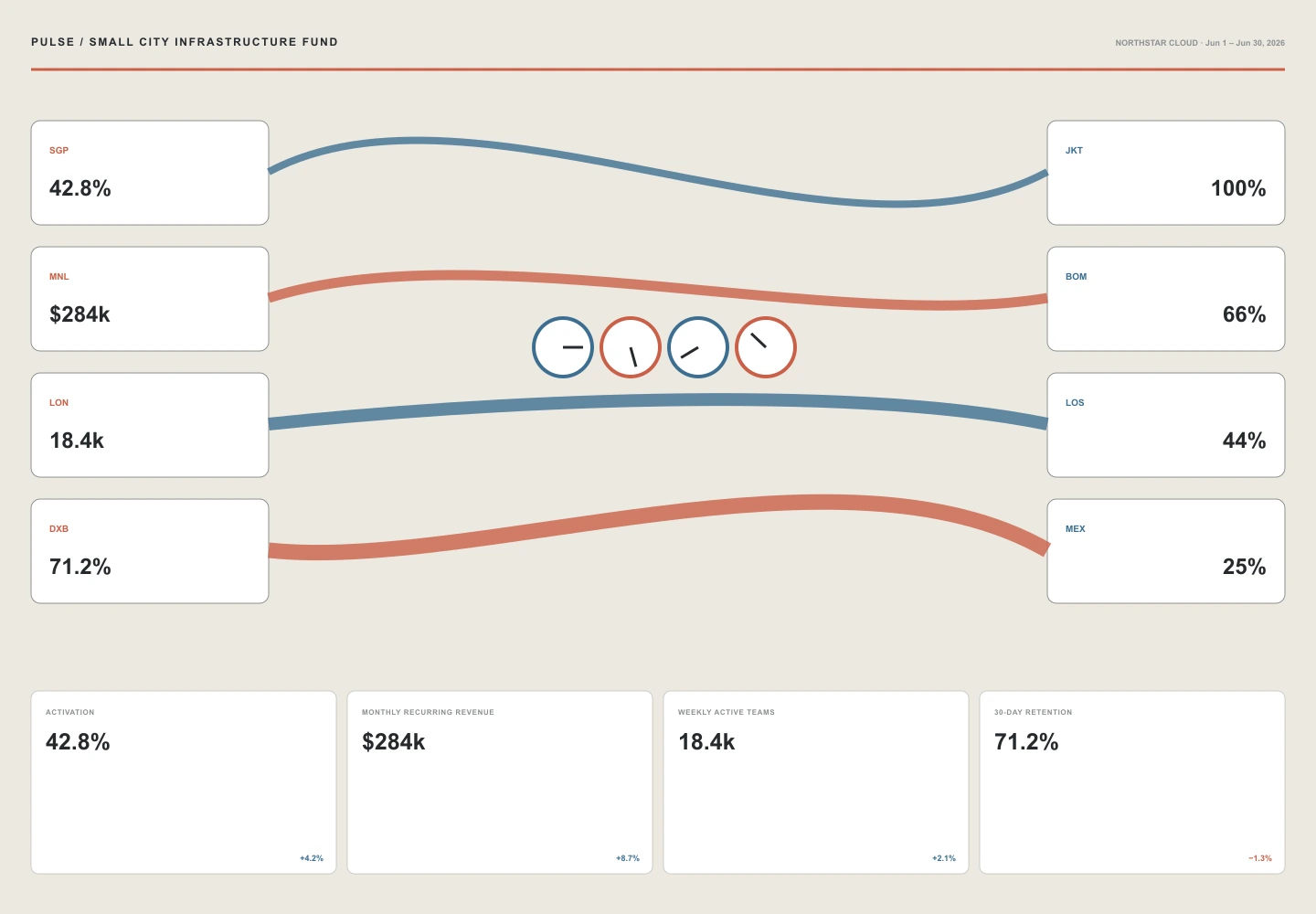
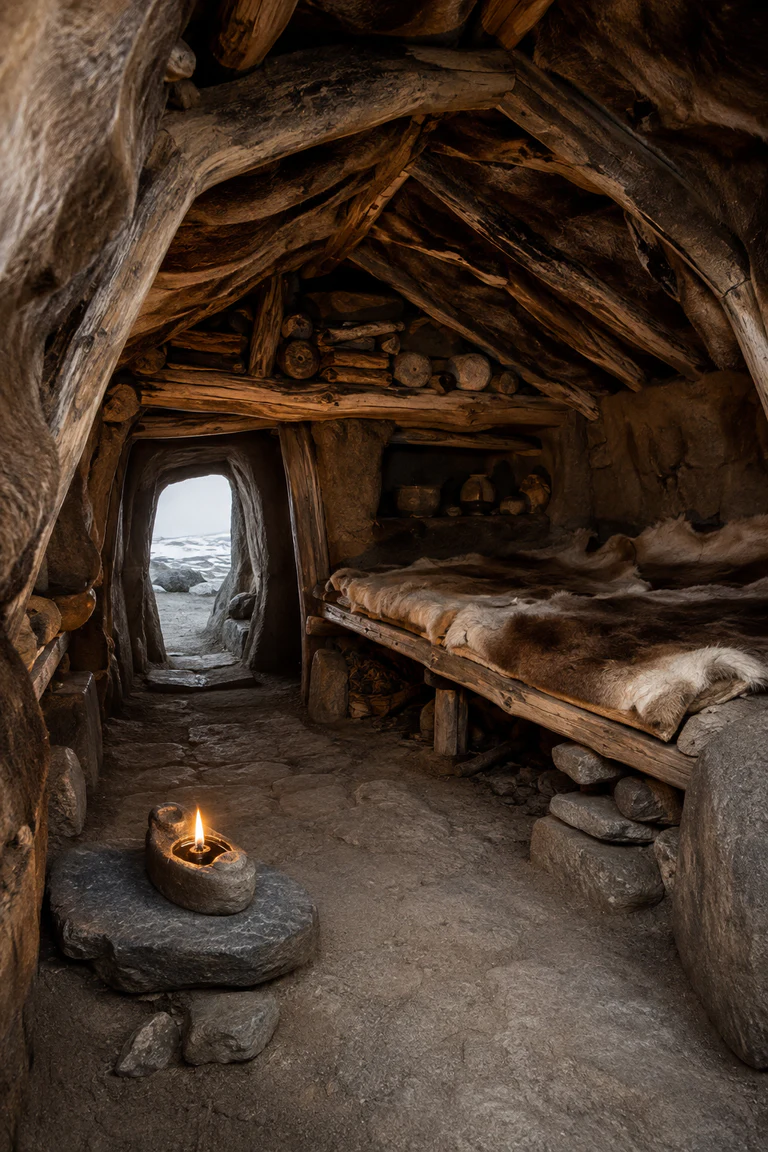
A small-city infrastructure fund and Inuit qarmaq organize scarce resources around a protective frame, separating durable reserves from exposed conditions and making every supporting layer accountable to continuity through winter.
Bridge 94 · Visible systems
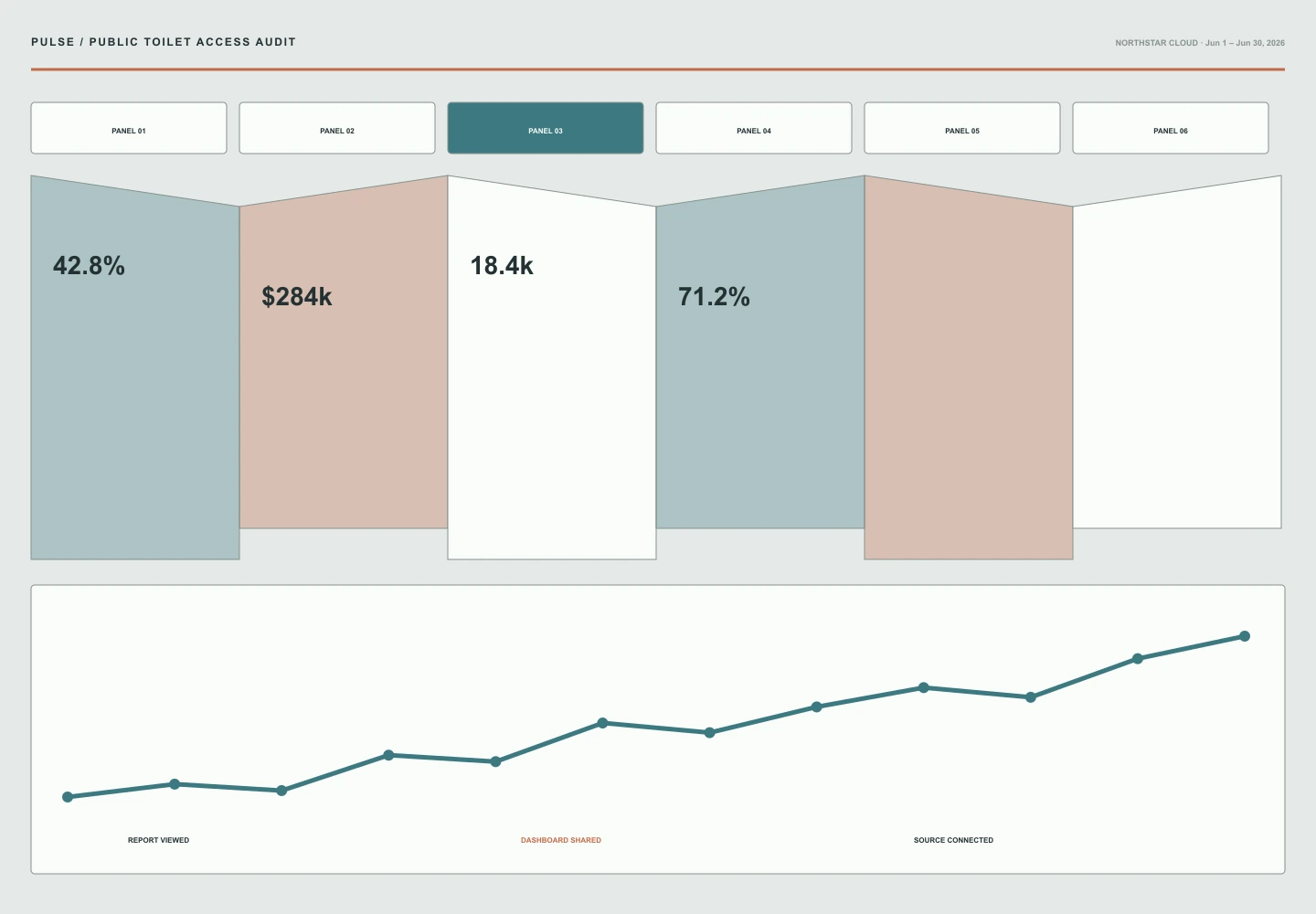
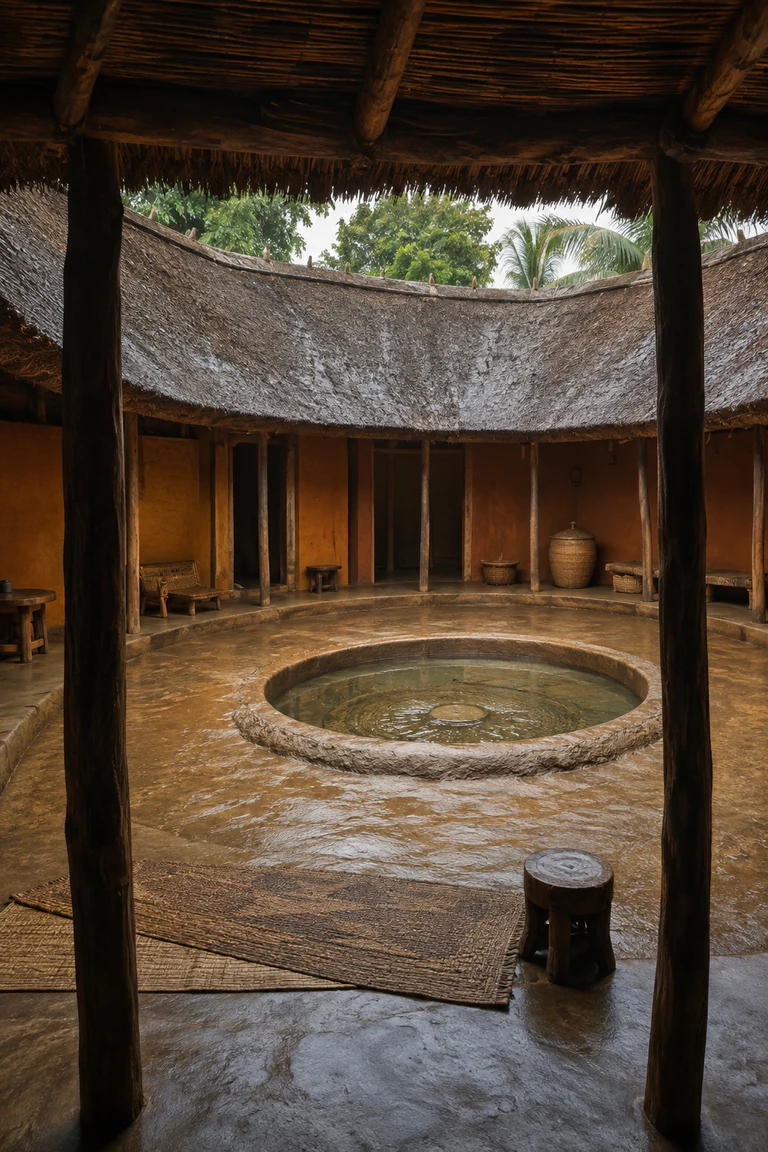
A public toilet access audit and Diola impluvium house structure circulation around water, using graded entries, a collecting centre, and clear service edges so sanitation and movement reinforce one another.
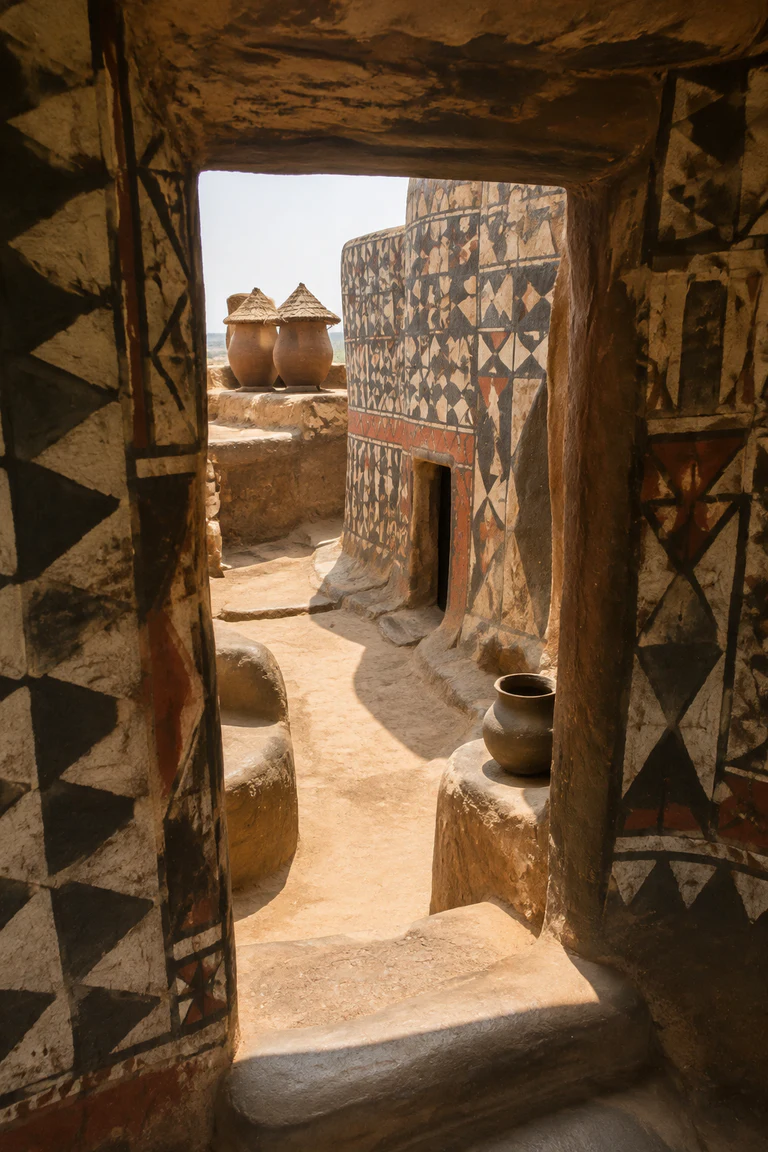
Bridge 95 · Visible systems
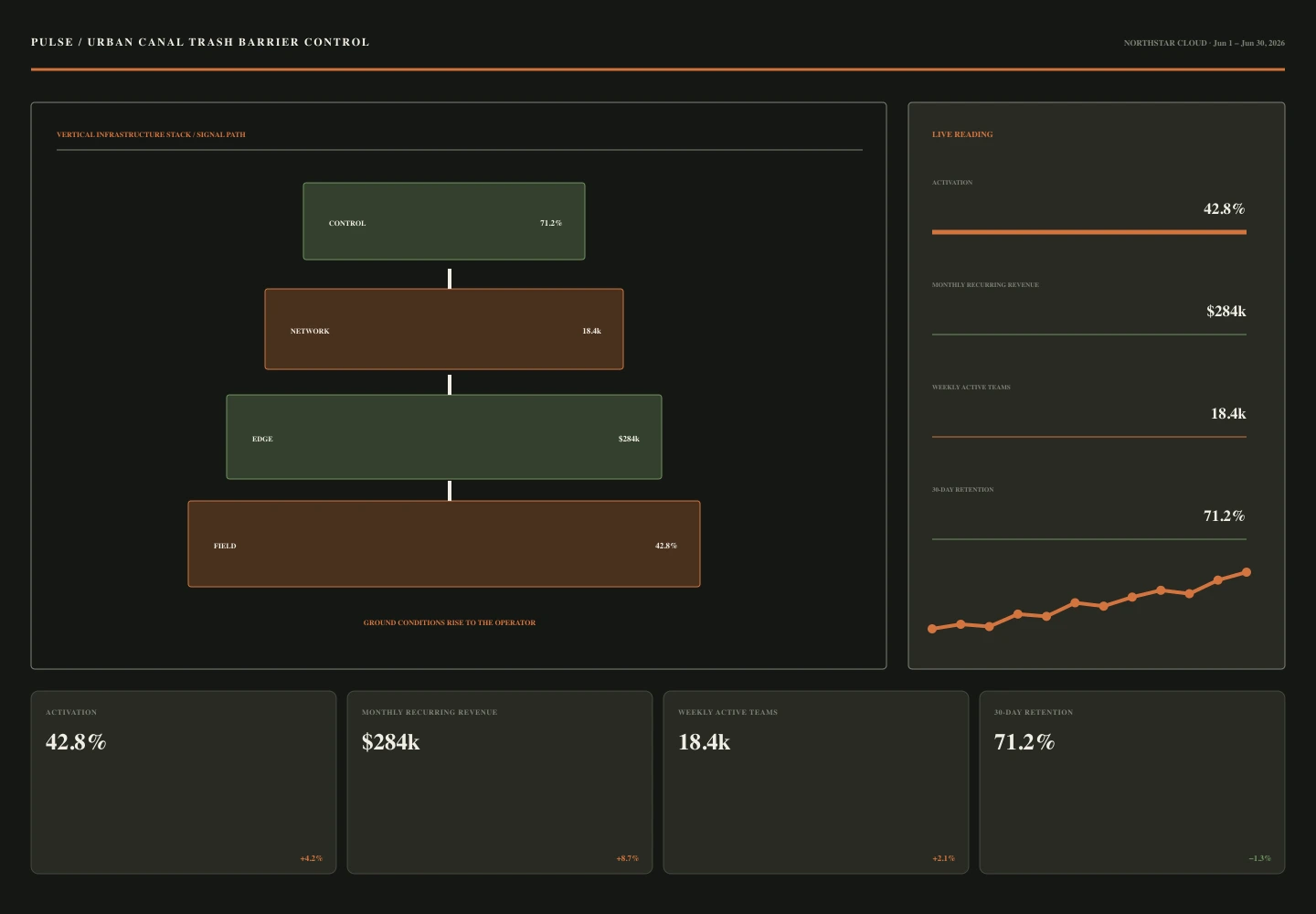
An urban canal trash barrier control and Kassena painted compound make enclosure visibly active, combining reinforced edges, monitored openings, and marked walls so the boundary communicates what it stops, admits, and protects.
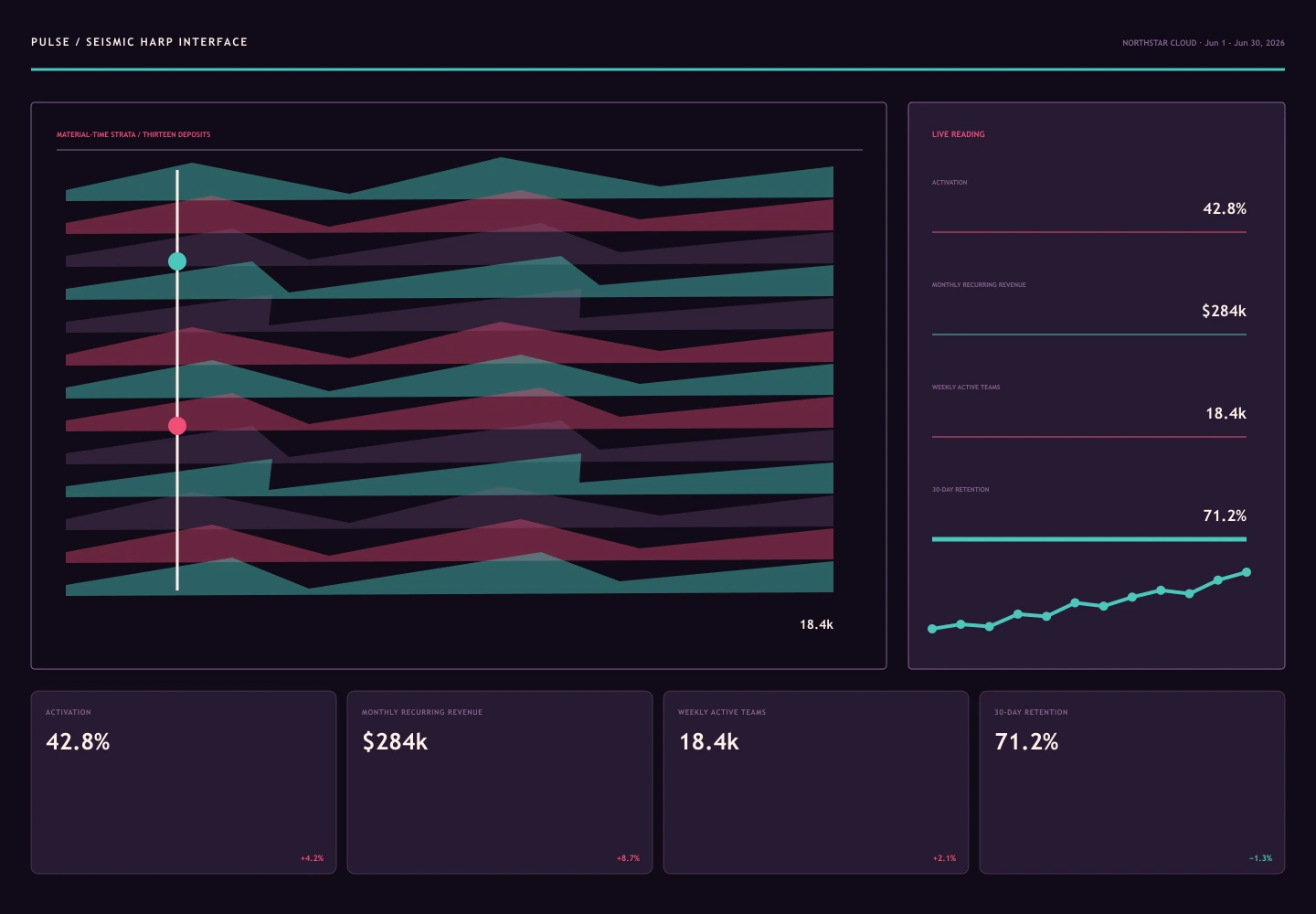
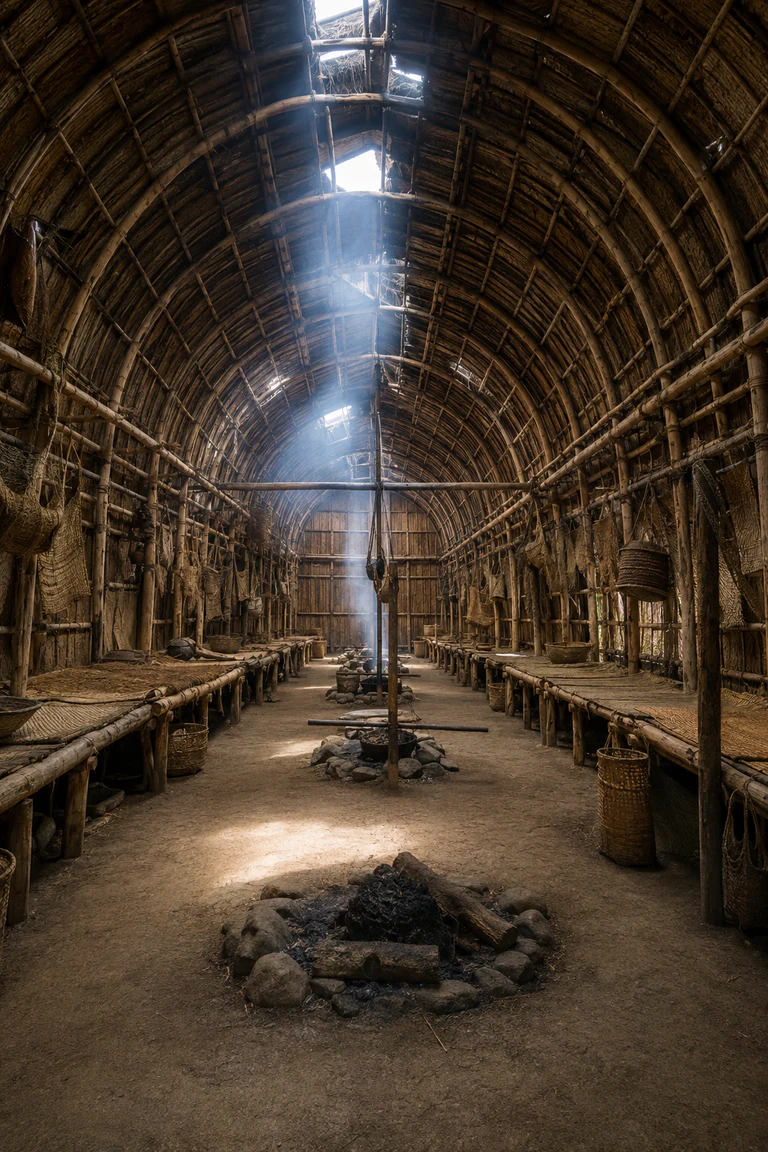
Bridge 96 · Visible systems
A seismic harp interface and Haudenosaunee longhouse reveal structure through repeated tension, shared spans, and responsive joints, turning vibration into a readable account of how the larger frame distributes force.
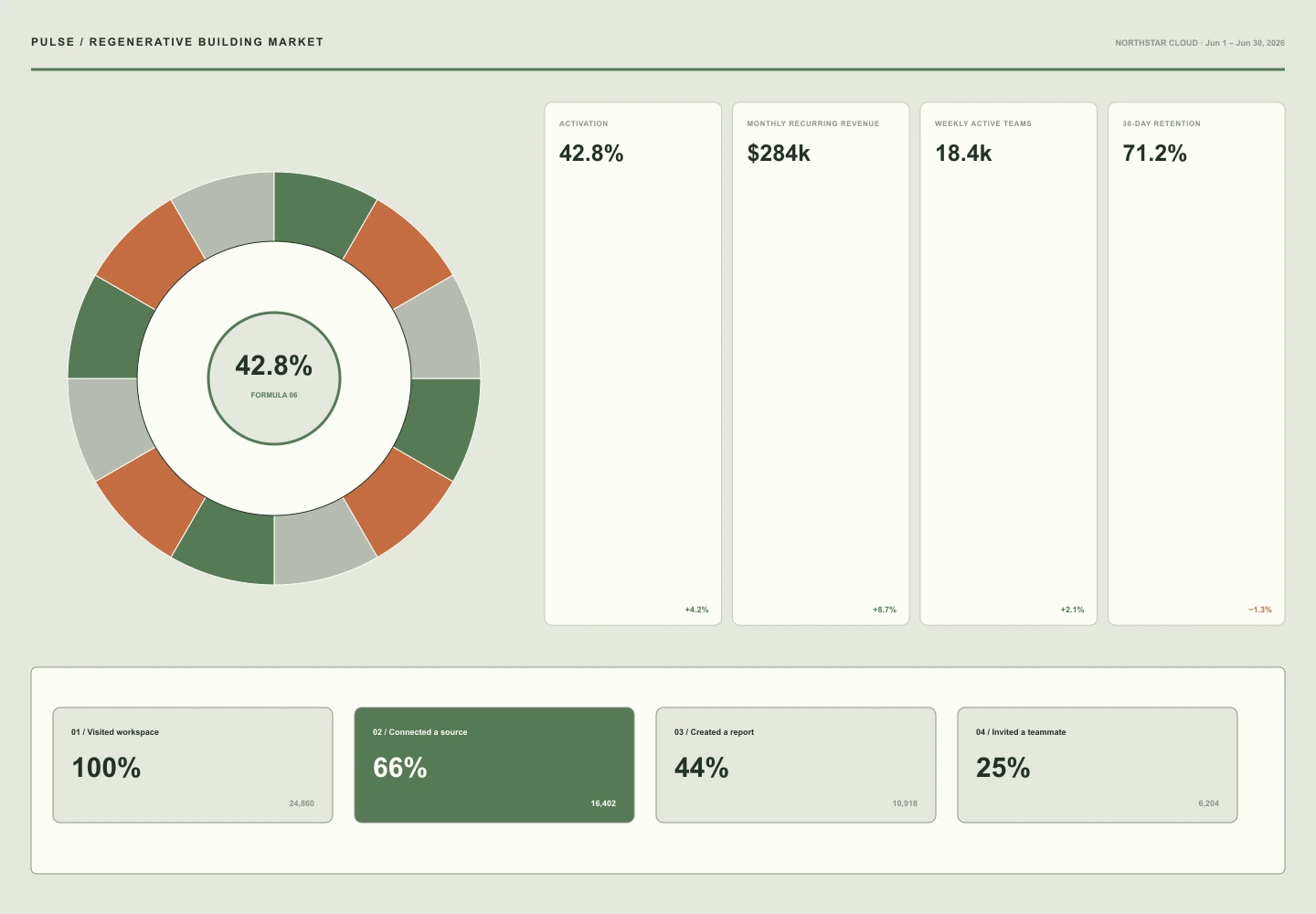
Bridge 97 · Climate feedback
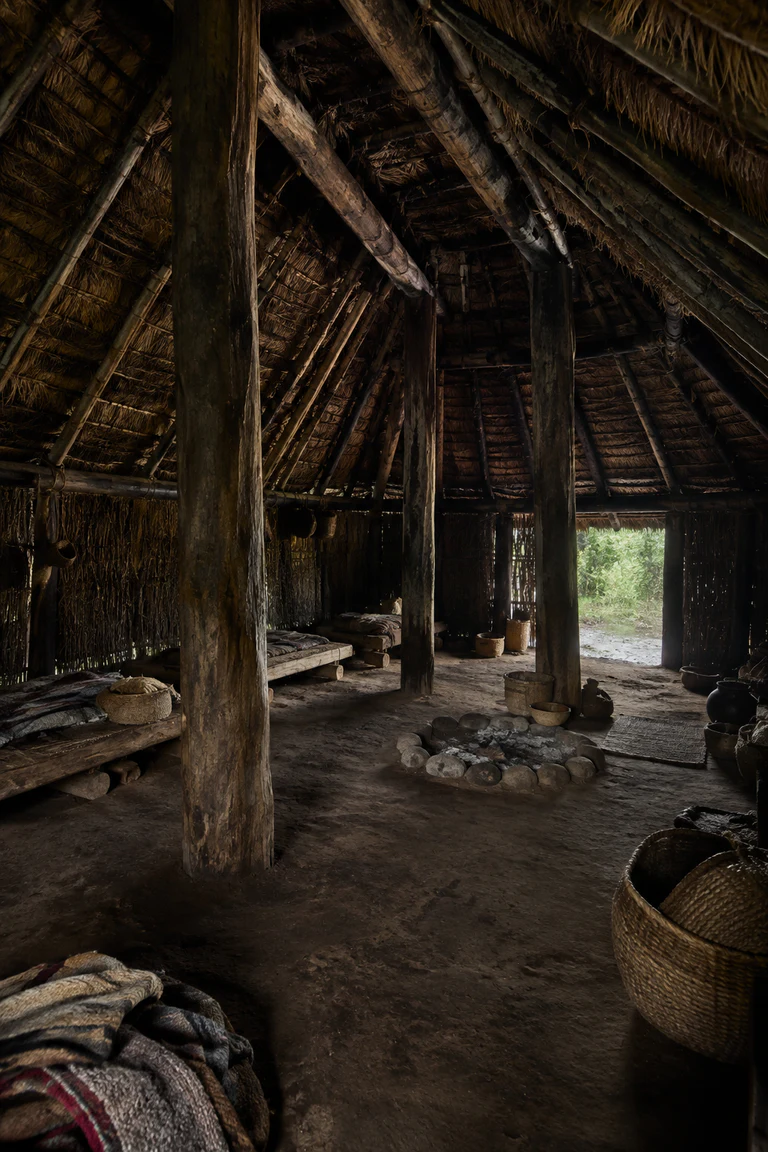
A regenerative building market and Mapuche ruka connect ecological value to shelter, keeping timber, earth, fibre, labour, and return cycles visible so construction supports living territory rather than merely extracting from it.
Bridge 98 · Climate feedback
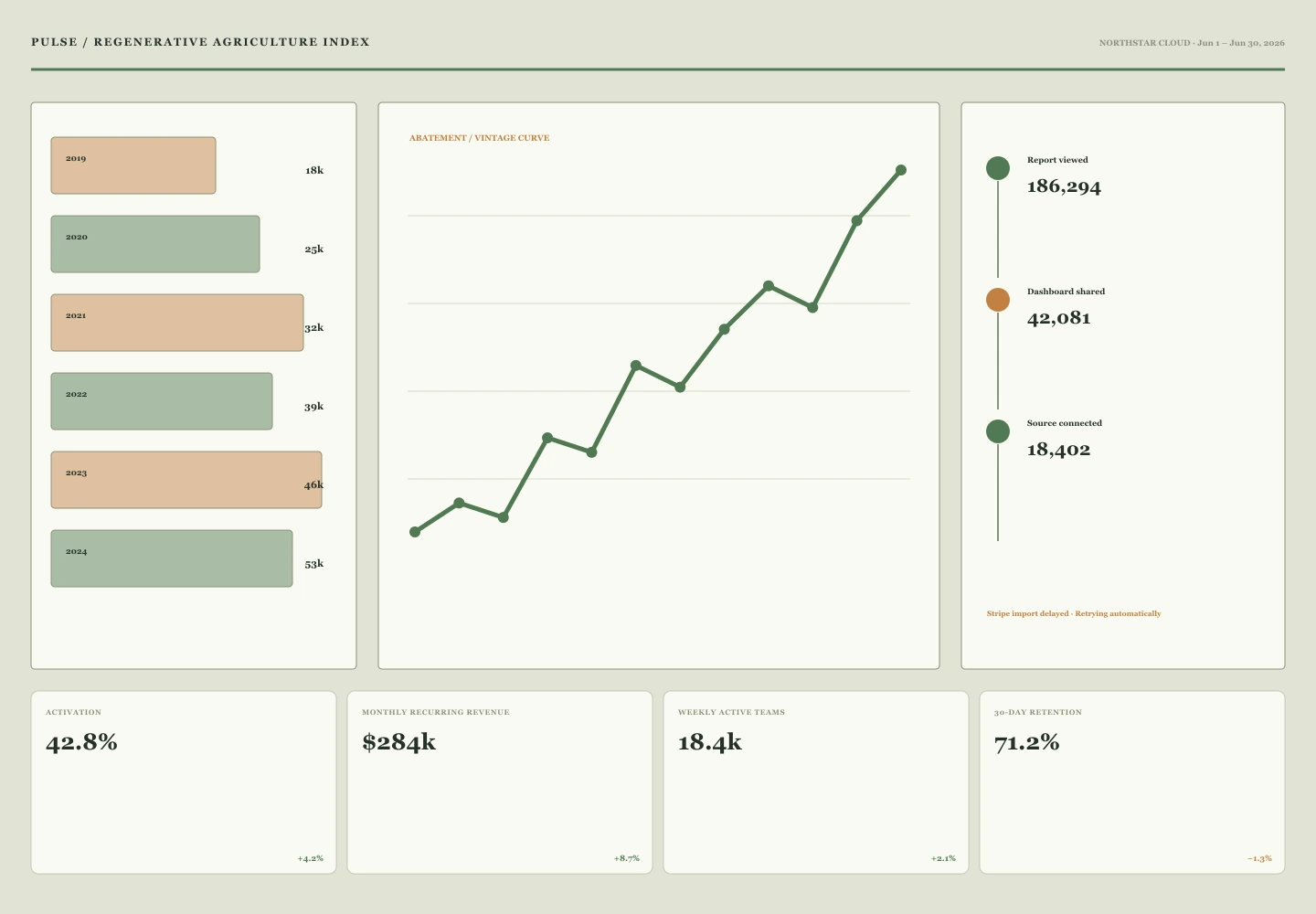
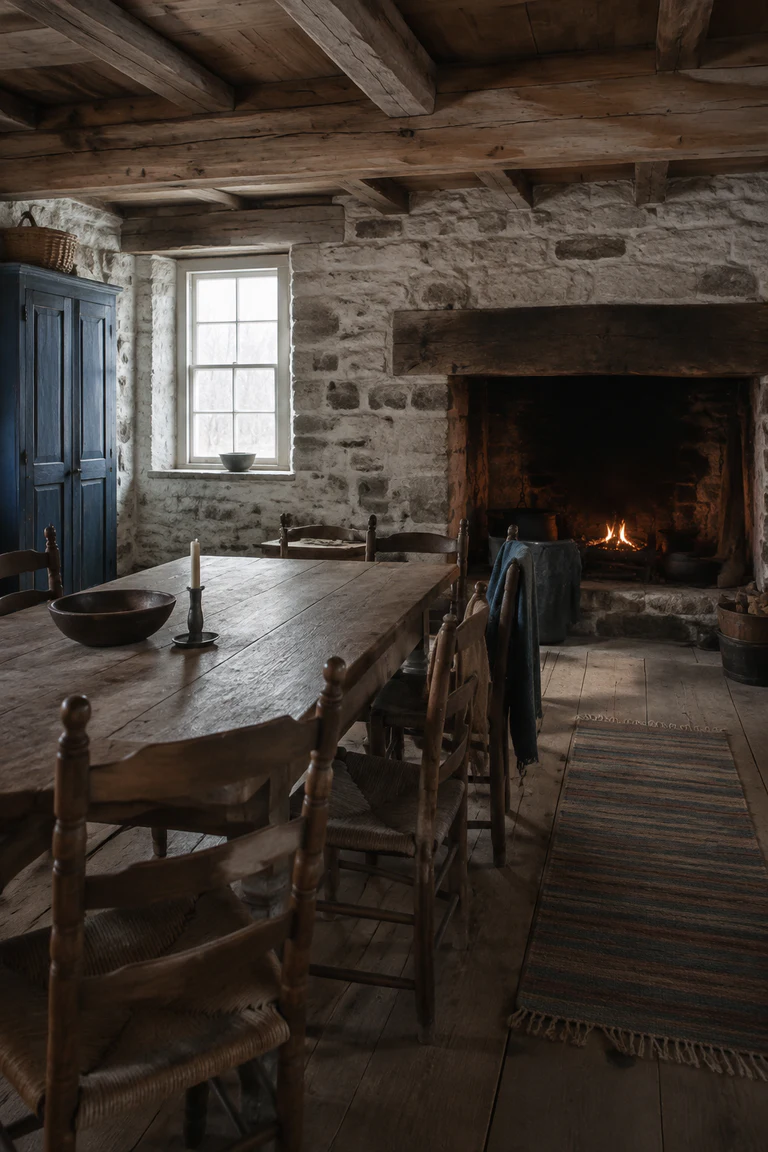
A regenerative agriculture index and Québécois maison traditionnelle organize survival around seasonal change, connecting crop cycles, stored value, steep weathering surfaces, and interior reserves into one long-term climate strategy.
Bridge 99 · Climate feedback
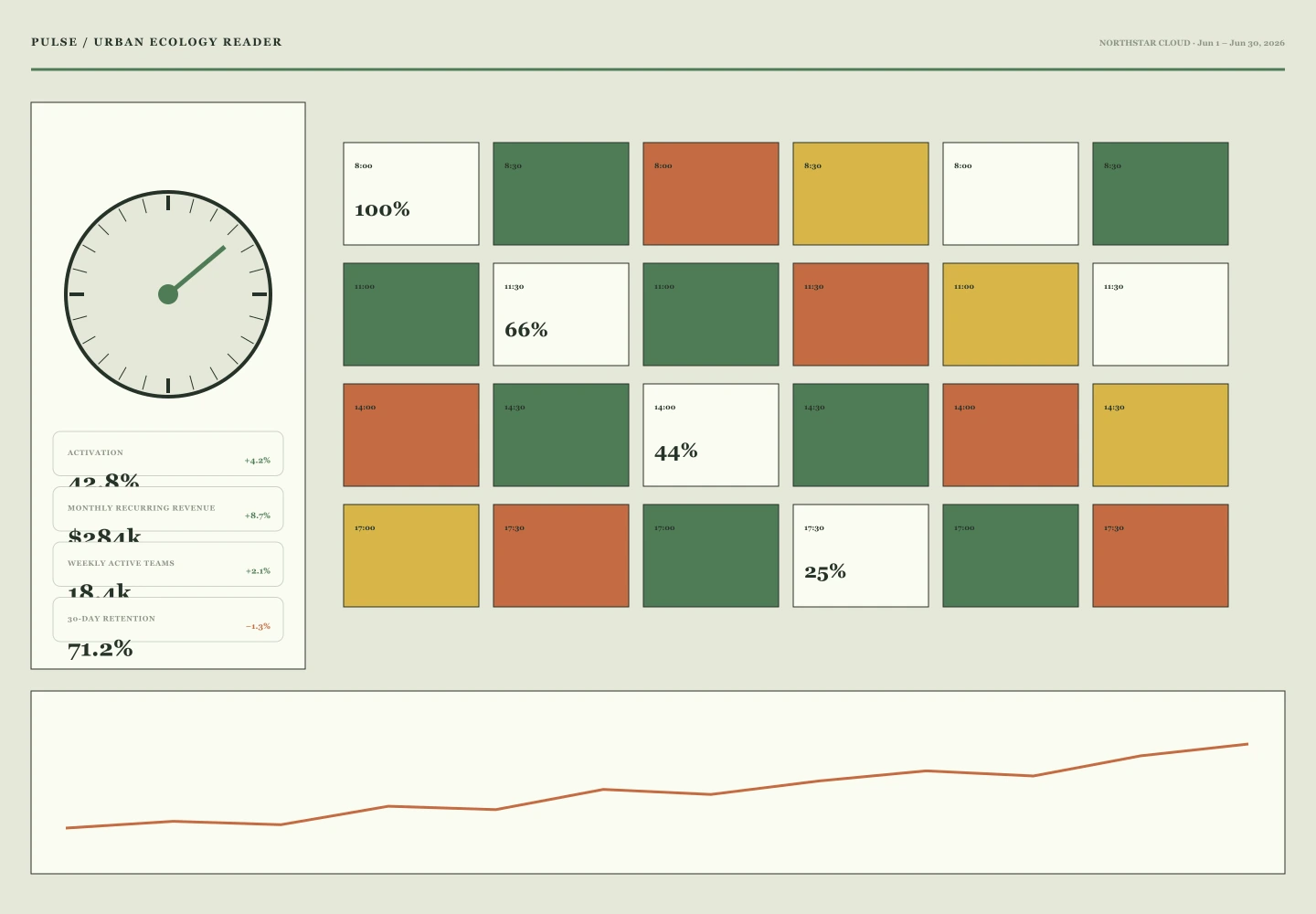
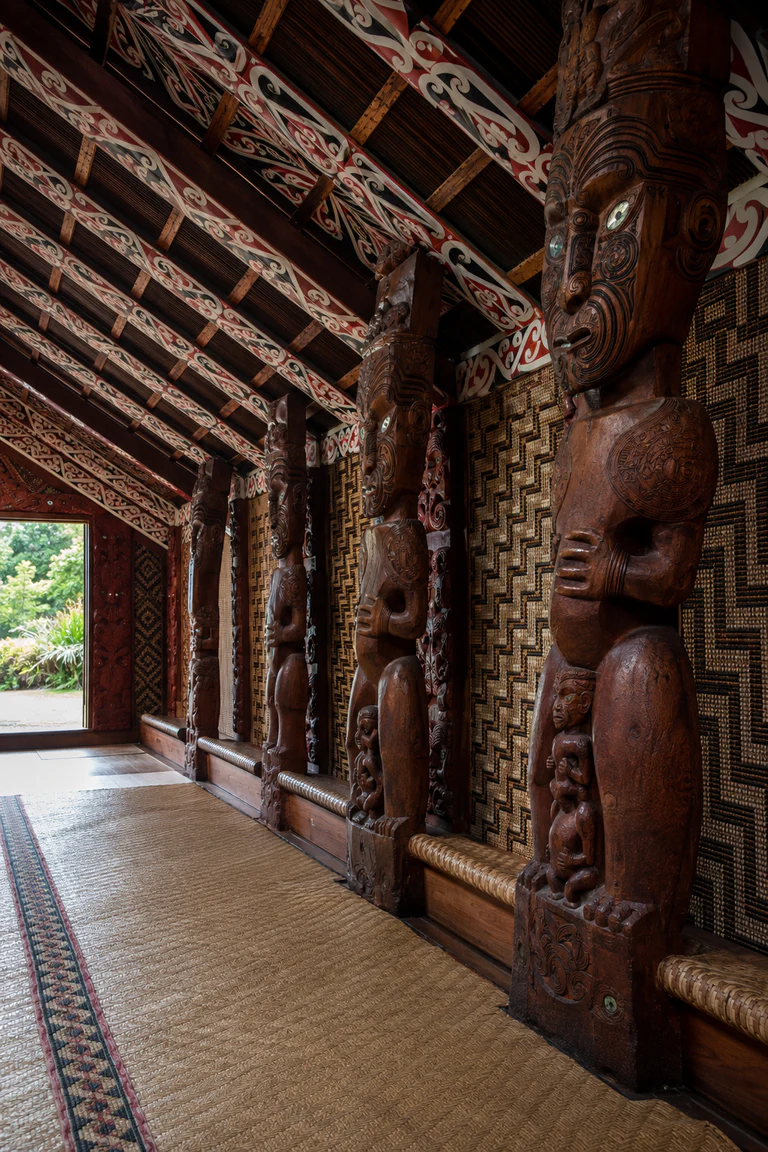
An urban ecology reader and Māori wharenui frame environment through kinship, joining named species, carved ancestors, gathering space, and collective stewardship so landscape appears as a continuing social relationship.
Bridge 100 · Climate feedback
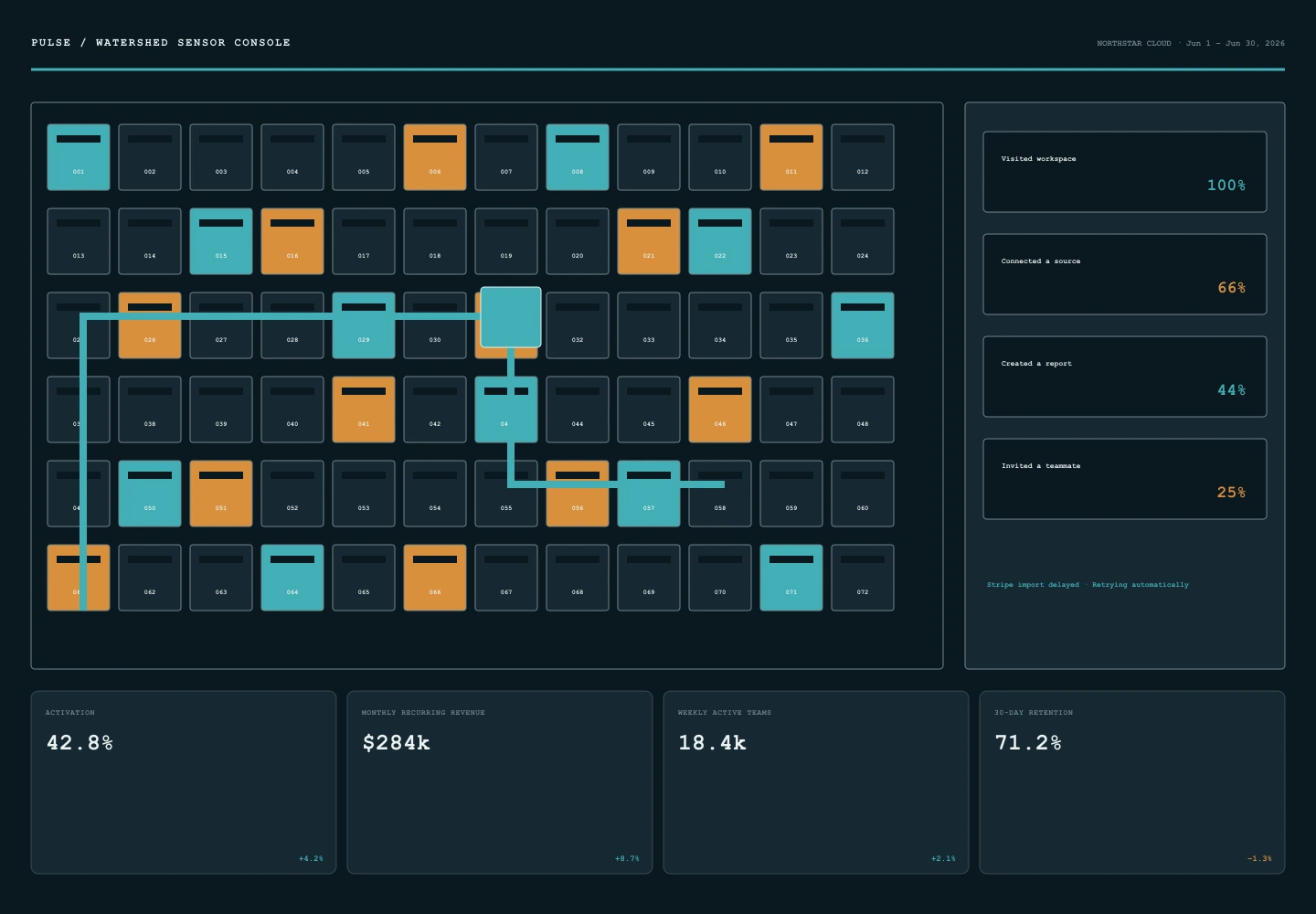
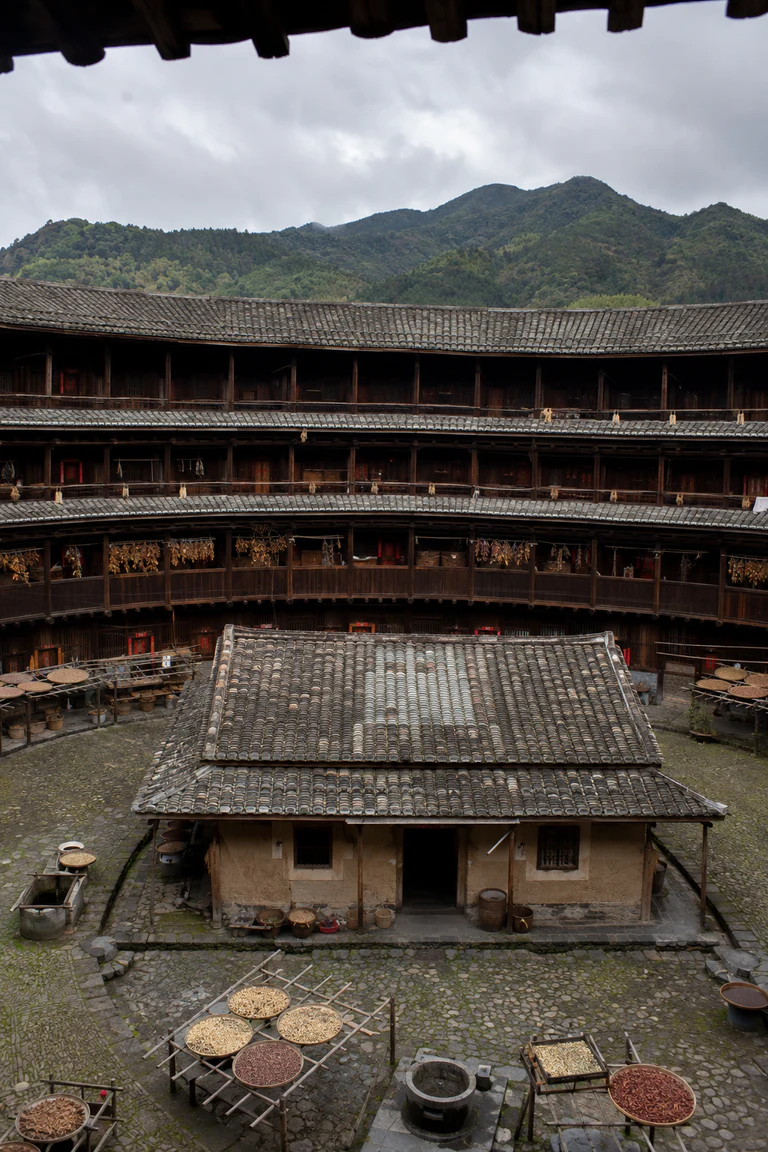
A watershed sensor console and Fujian tulou coordinate many households around one shared environmental system, using perimeter protection, central collection, distributed readings, and communal response to keep water conditions actionable.
Bridge 101 · Movement and sequence
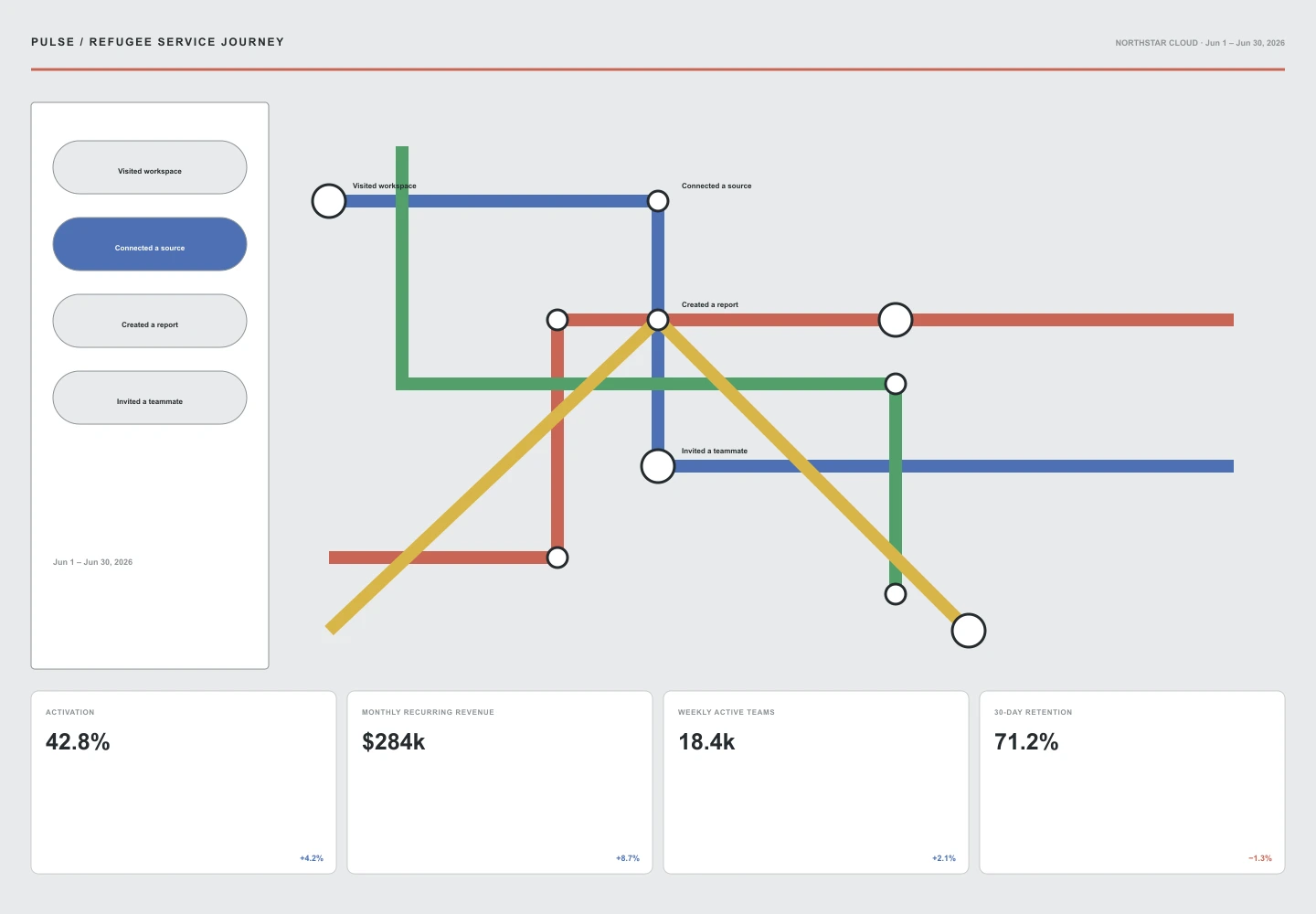
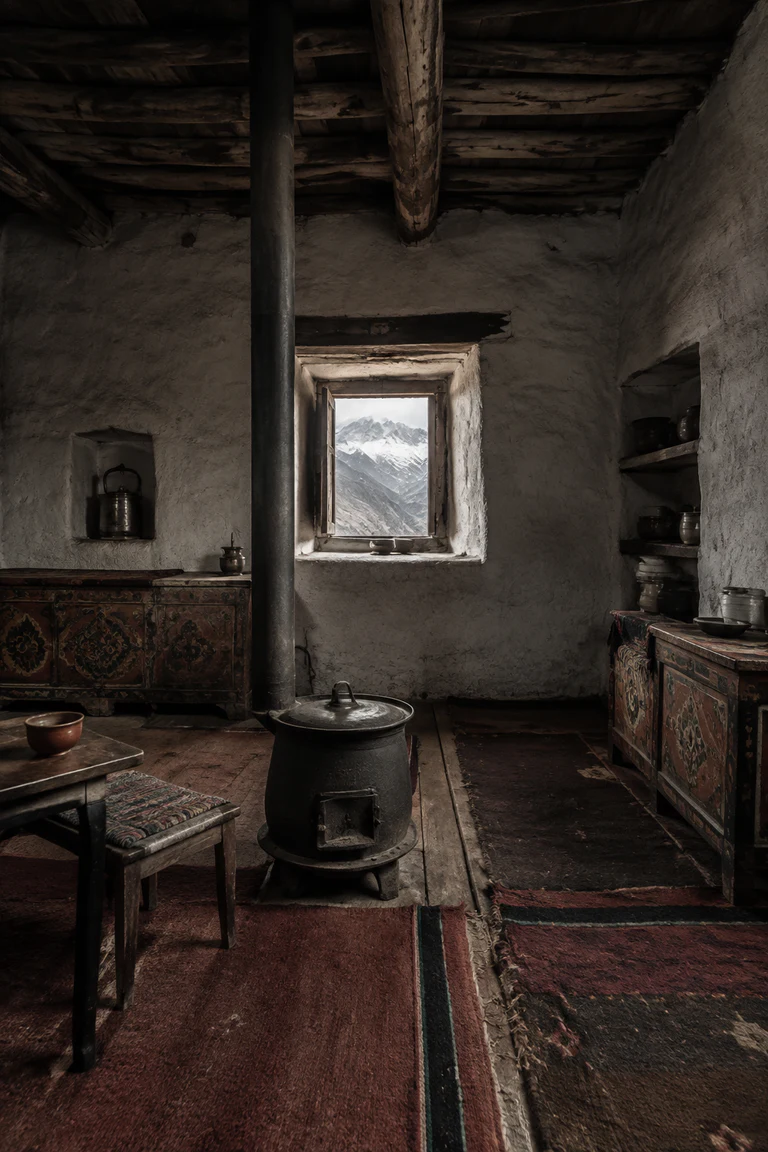
A refugee service journey and Ladakhi khangpa guide vulnerable transitions through layered thresholds, sheltered pauses, and clear handoffs, giving each stage enough protection while preserving a visible route toward support.
Bridge 102 · Movement and sequence
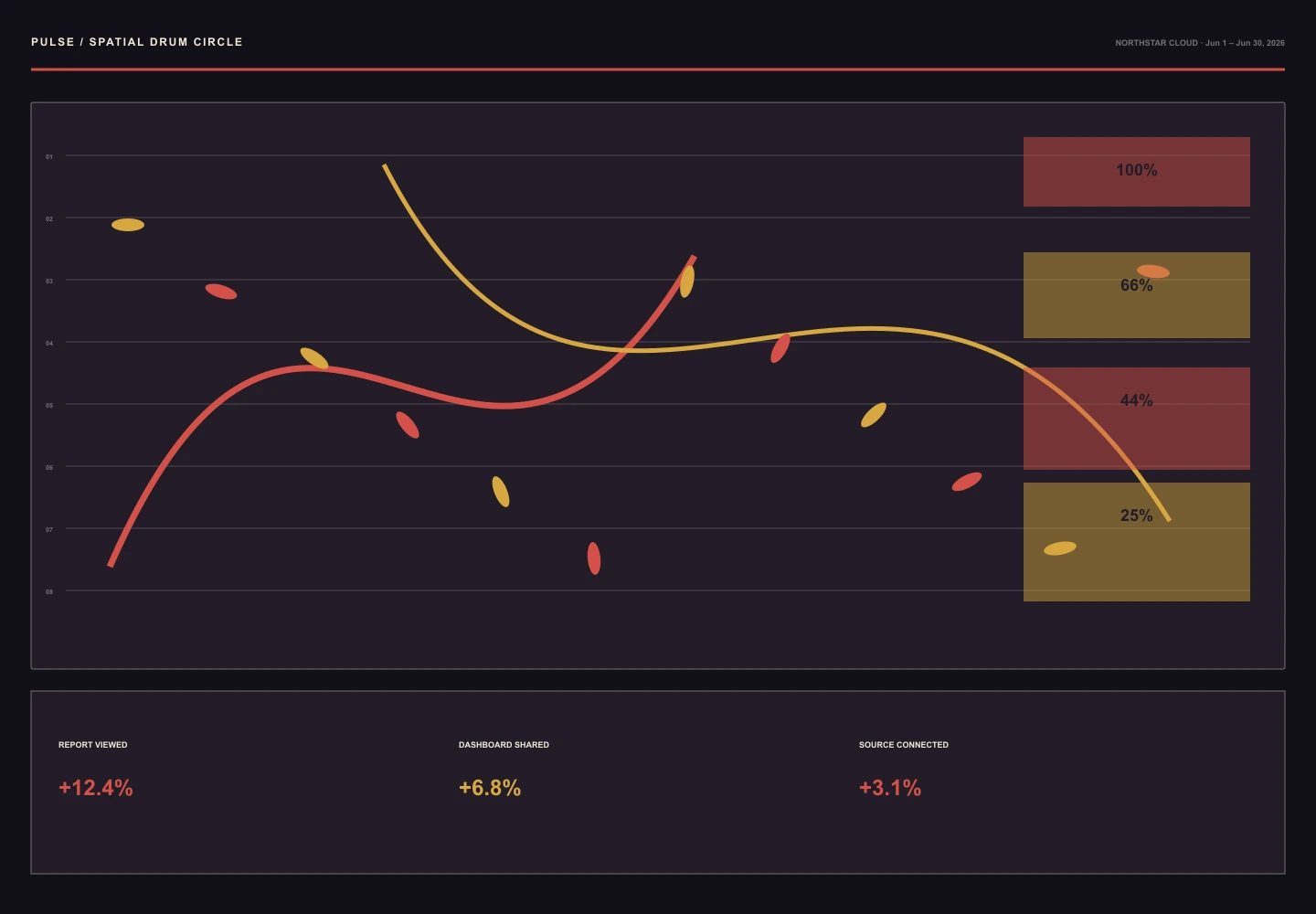
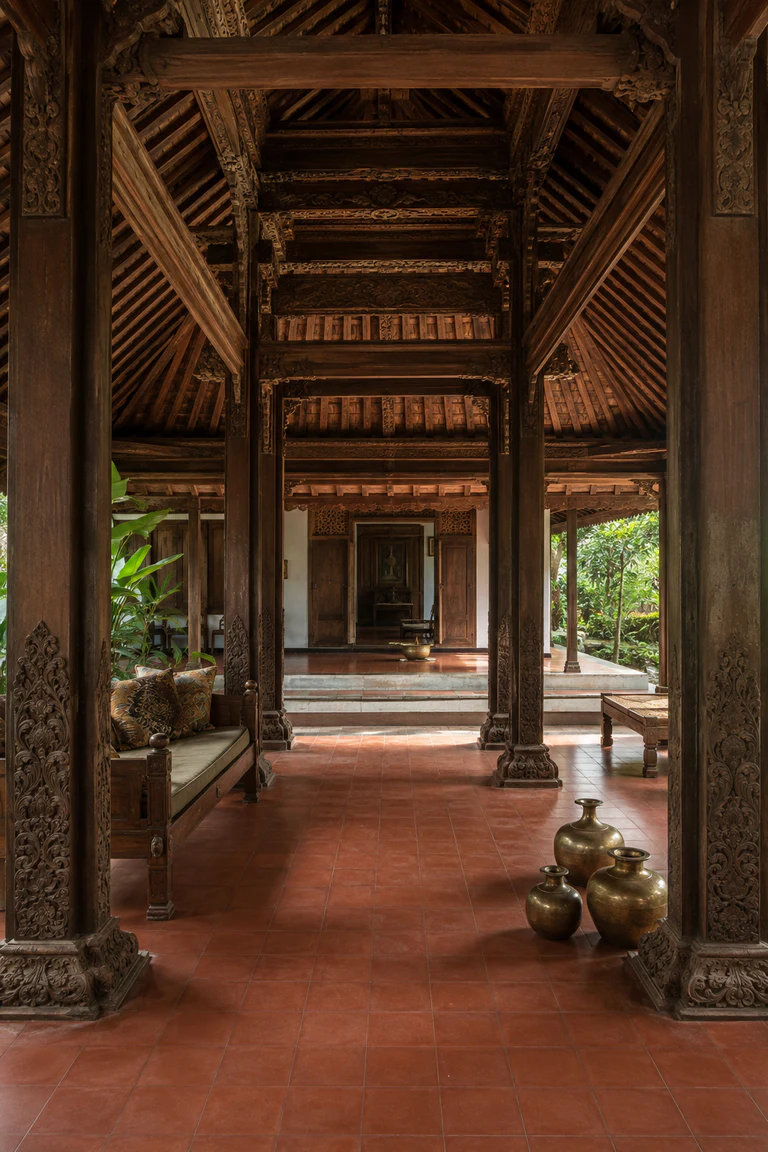
A spatial drum circle and Javanese joglo organize participation around a shared centre, using repeated beats, radiating structure, open edges, and changing proximity to let individuals join a collective sequence.
Bridge 103 · Movement and sequence
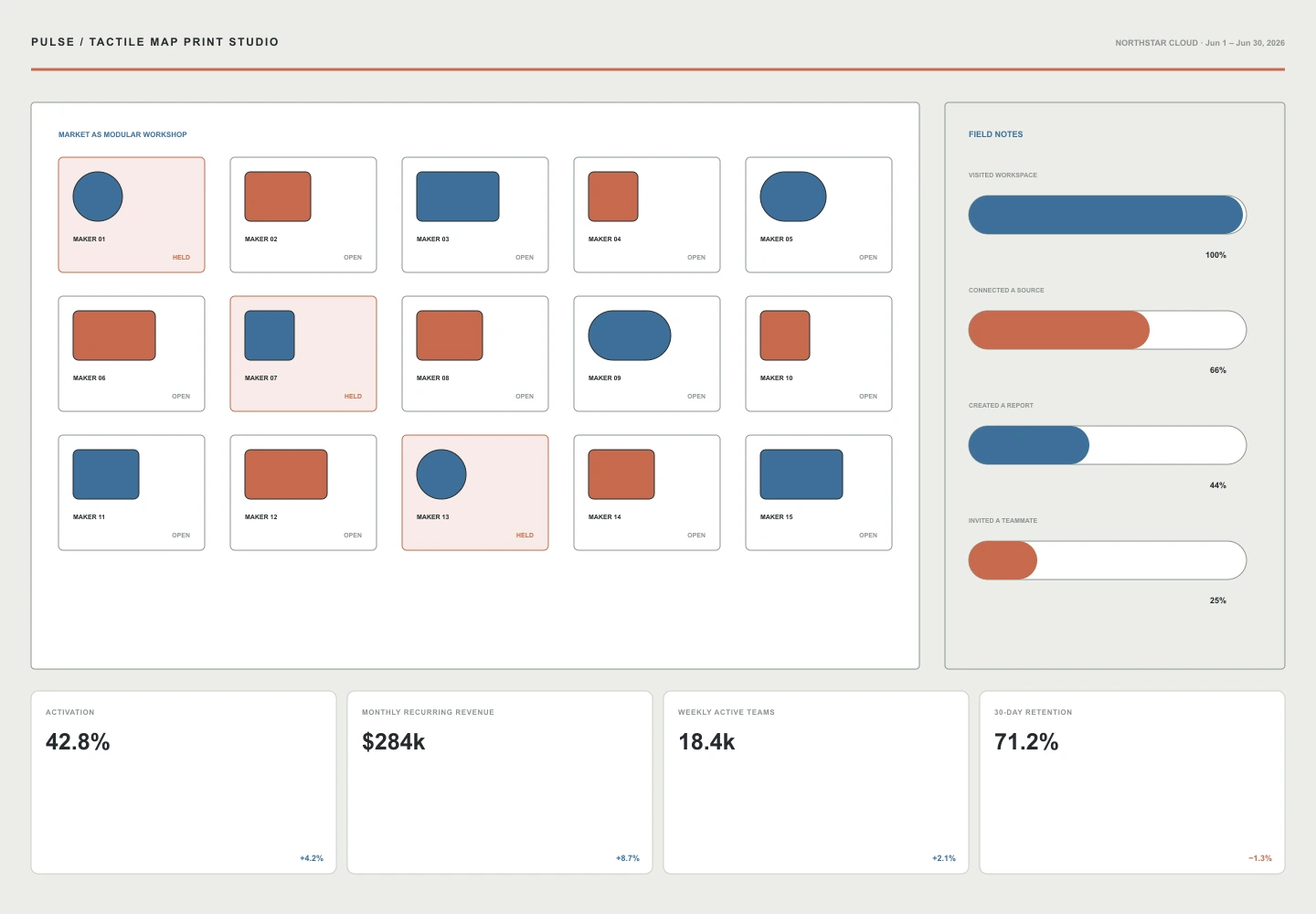
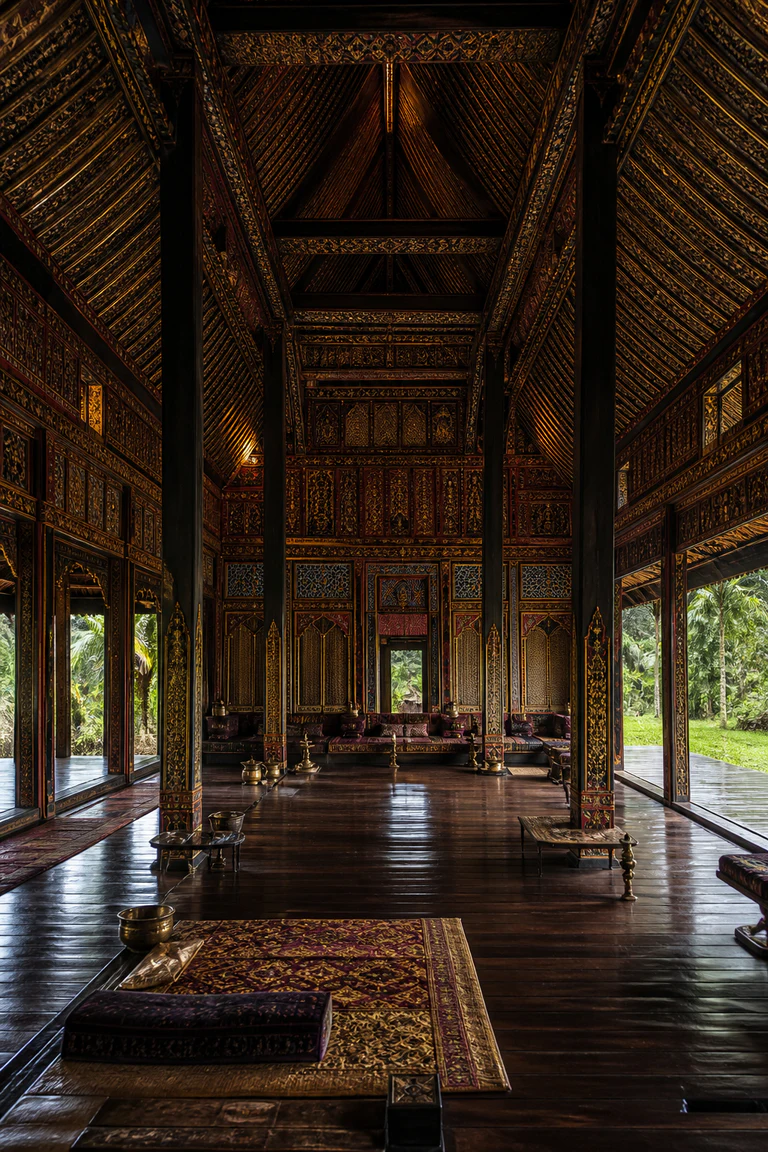
A tactile map print studio and Minangkabau rumah gadang make direction tangible through raised lines, projecting roof forms, repeated bays, and strong turns, allowing the route to be understood through touch and silhouette.
Bridge 104 · Movement and sequence
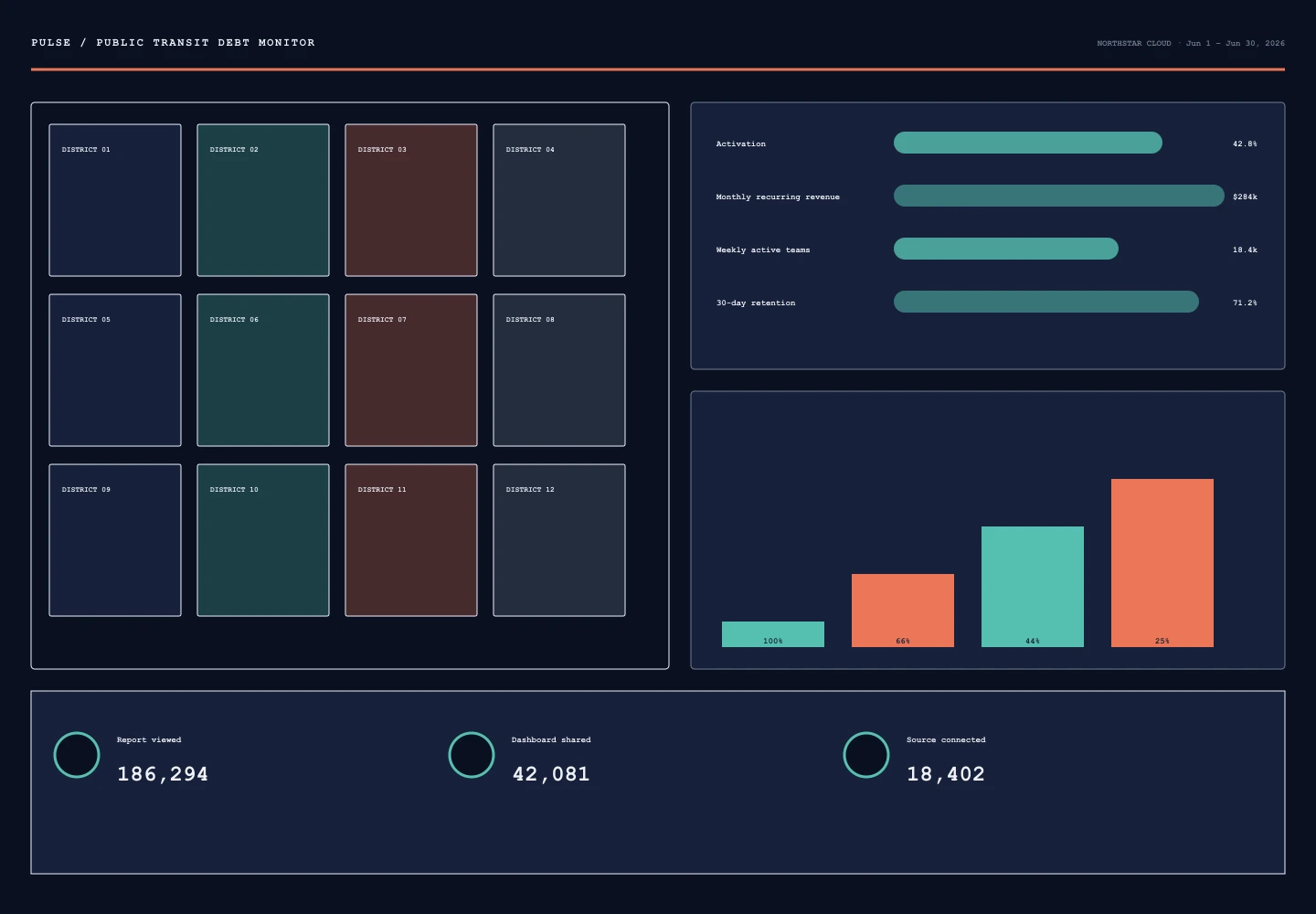
A public transit debt monitor and Bugis bola house connect mobility with long-term responsibility, tracing fares, maintenance, gangways, and waterborne access so every journey remains tied to the structure that enables it.
Bridge 105 · Archives in use
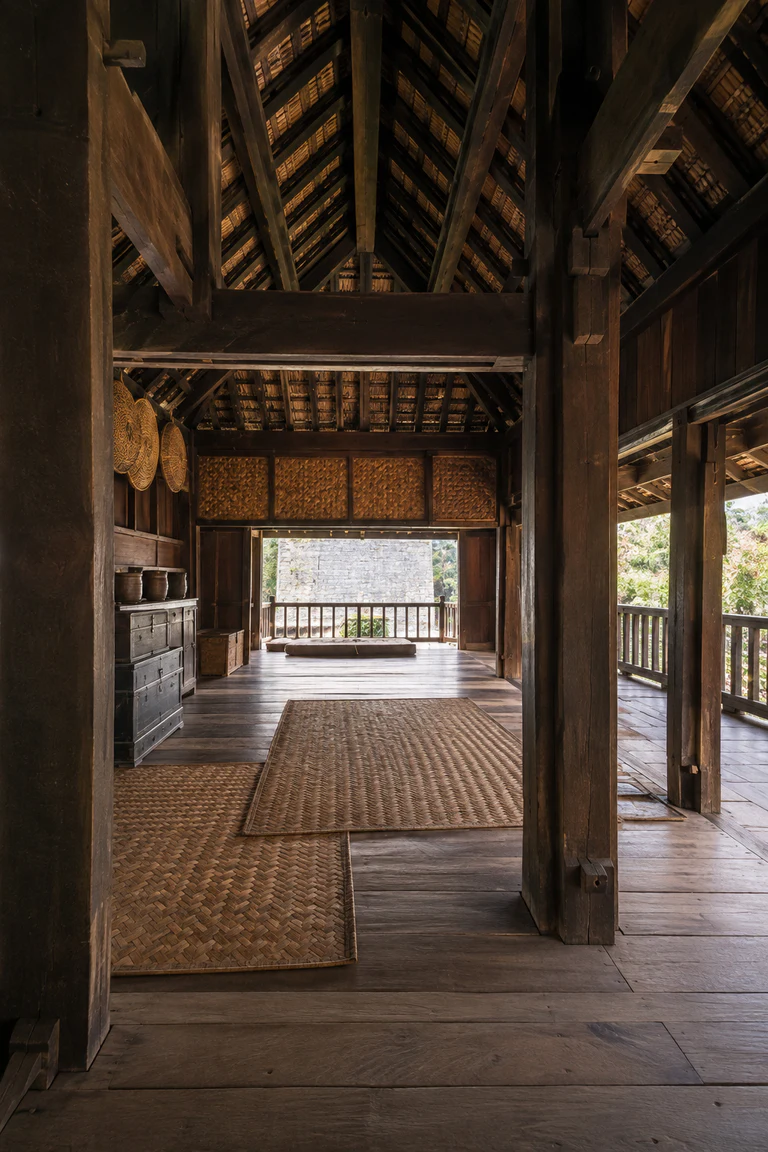
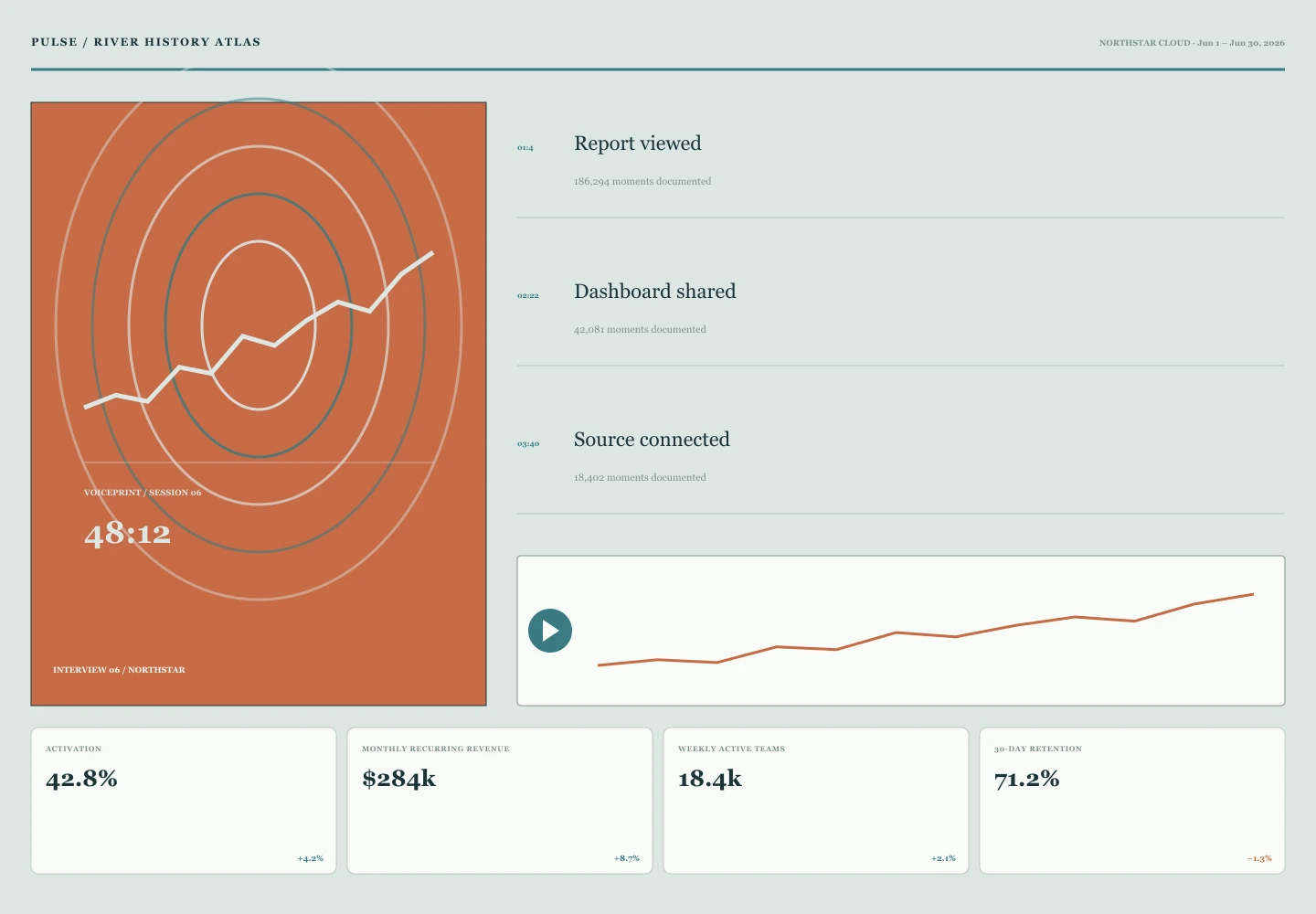
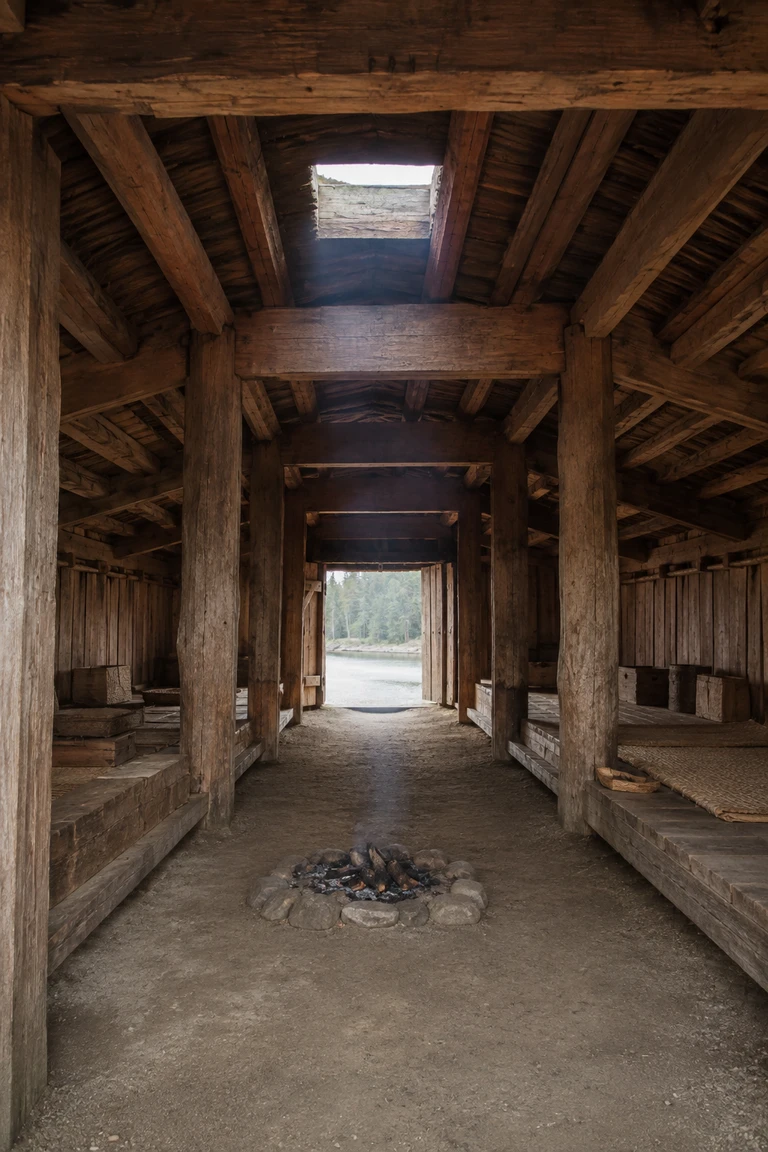
A river history atlas and Coast Salish plank house preserve place through named waterways, monumental timber, repeated stories, and collective use, keeping geographic memory inseparable from the material setting that sustains it.
Bridge 106 · Archives in use
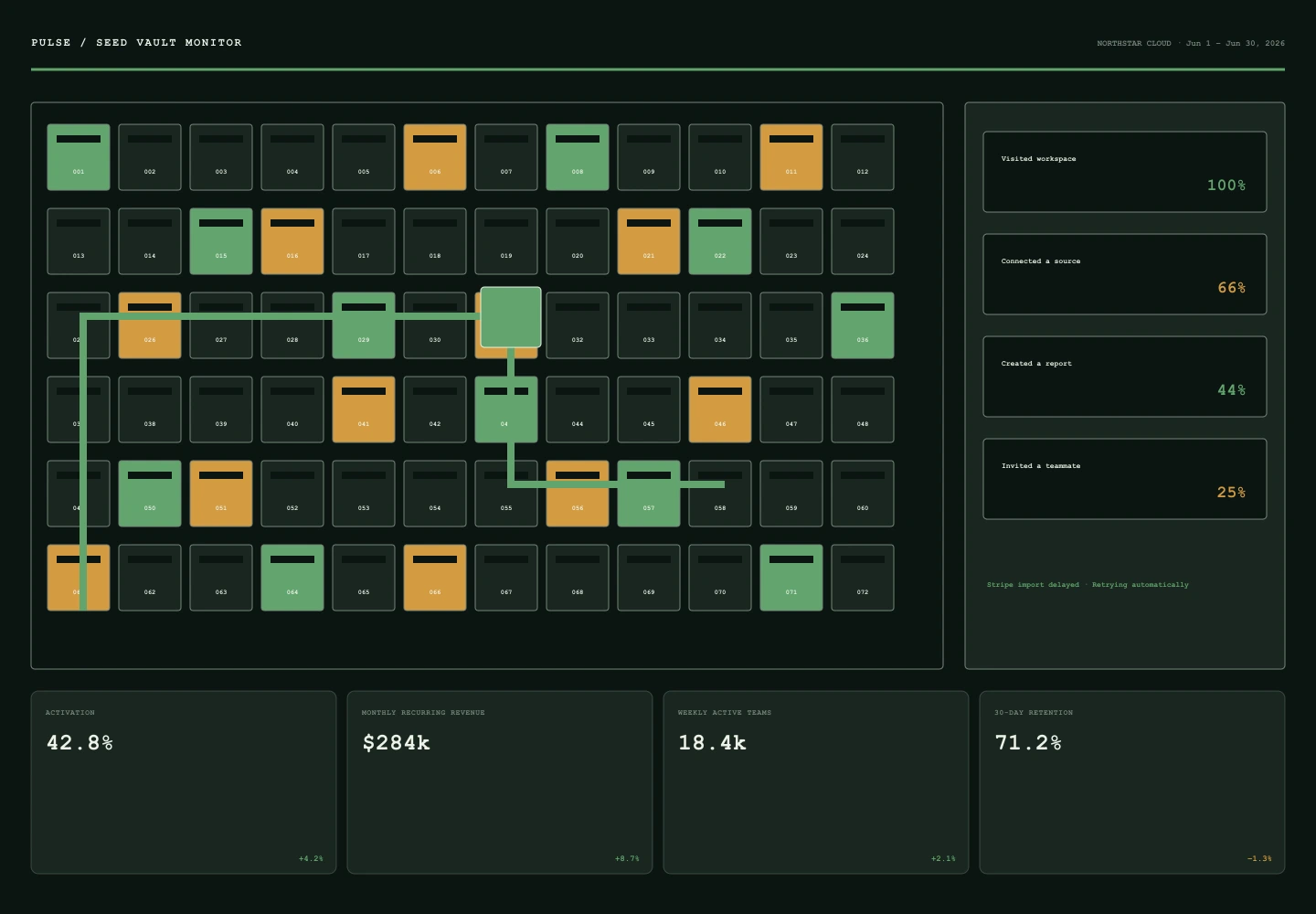
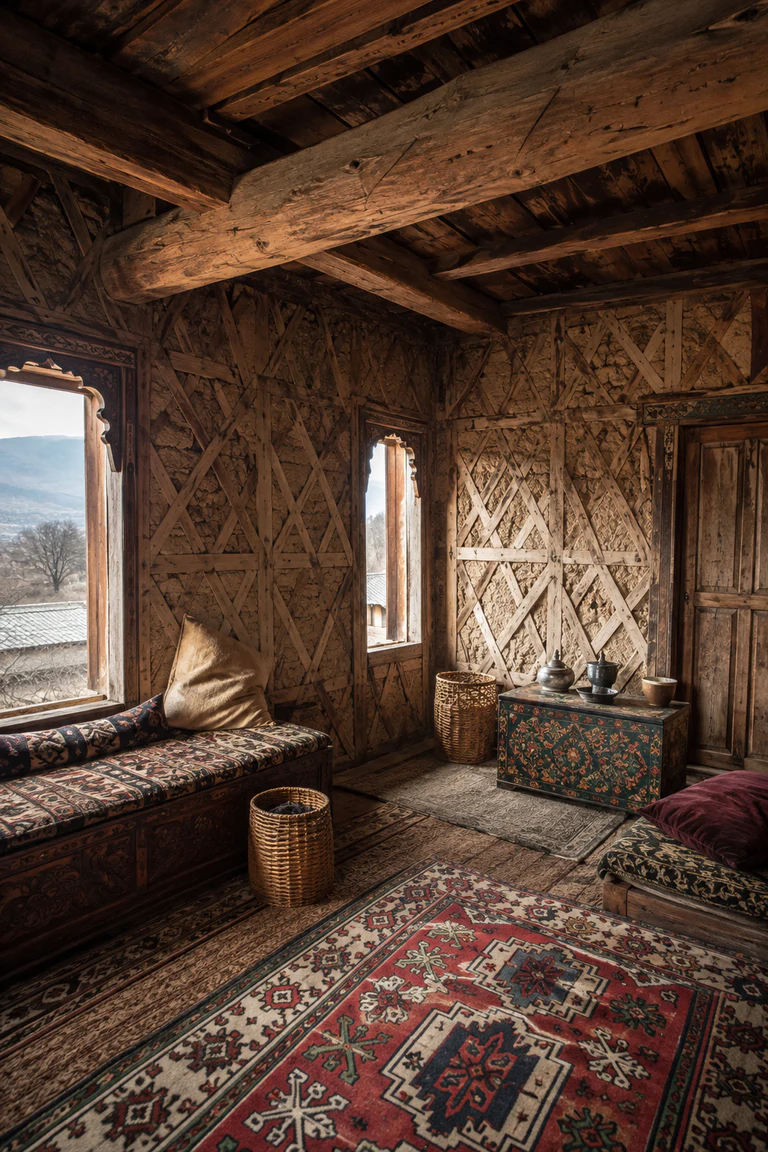
A seed vault monitor and Kashmiri dhajji house protect inheritance through compartmentalization, flexible joints, environmental watchfulness, and repairable layers, allowing stored life and building knowledge to survive repeated disruption.
Bridge 107 · Archives in use
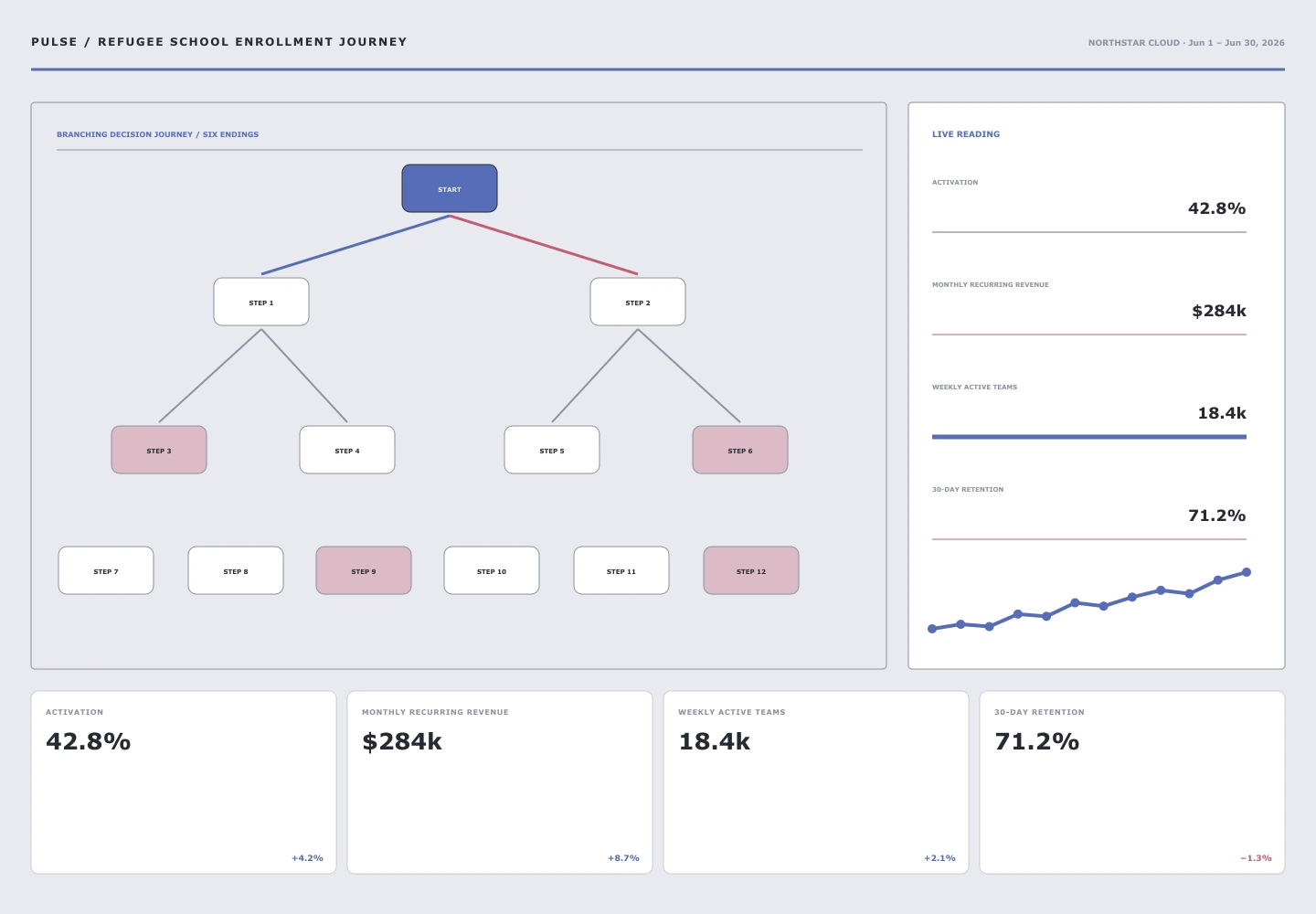
A refugee school enrolment journey and Kutch bhunga reconnect people to community through recognizable motifs, circular gathering, translated steps, and recorded identity, making institutional entry support cultural continuity rather than replace it.
Bridge 108 · Archives in use
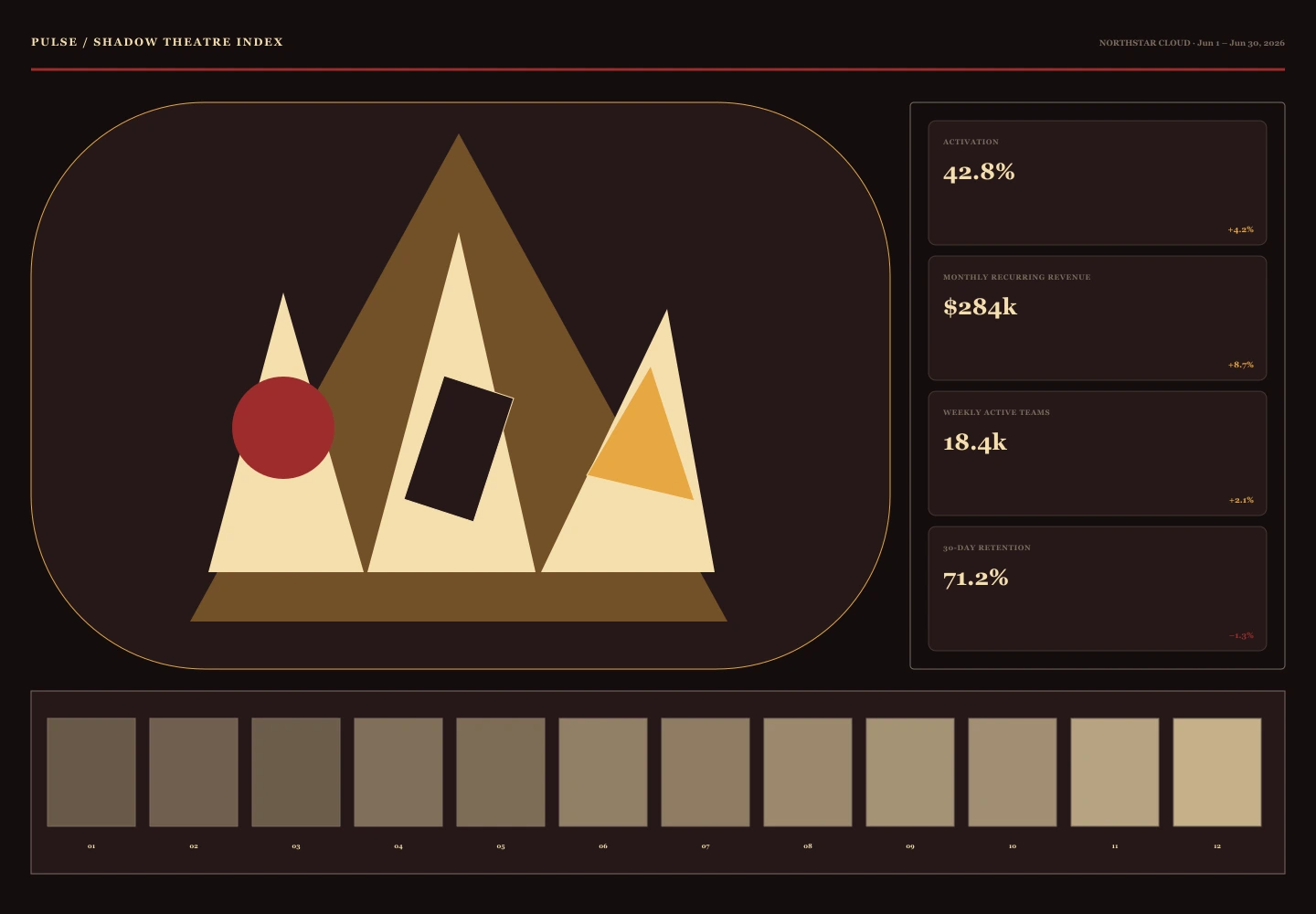
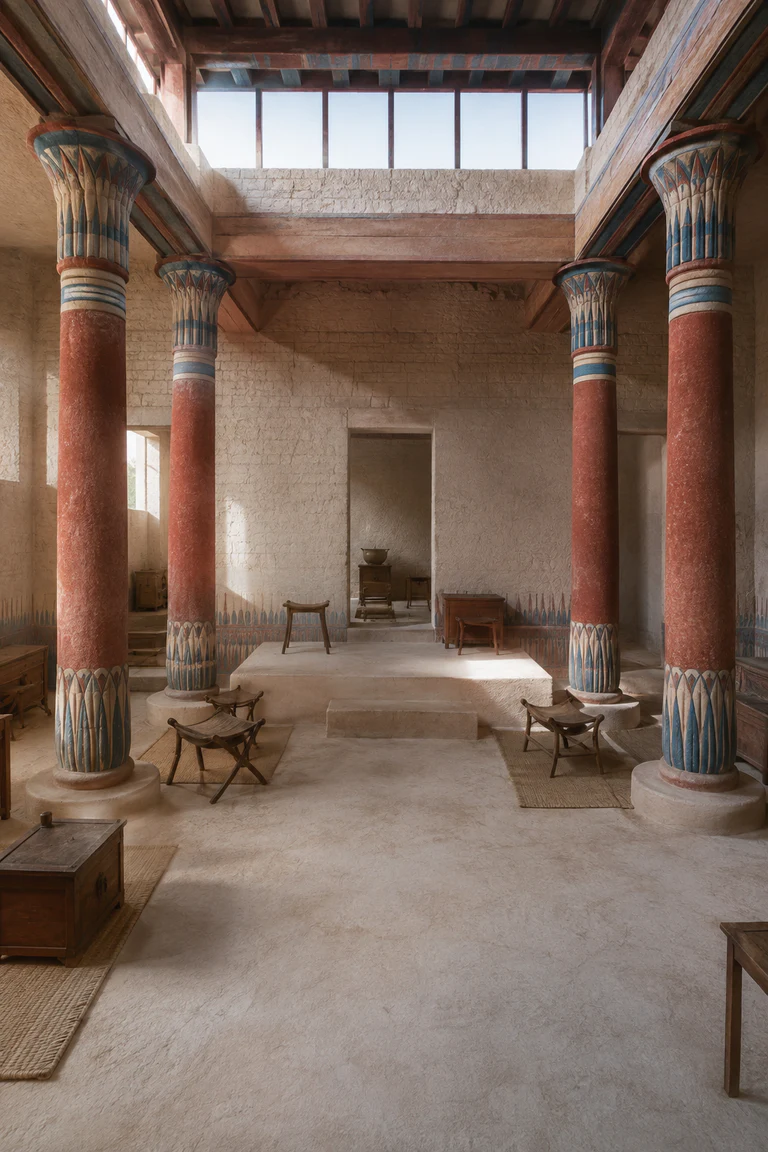
A shadow theatre index and ancient Egyptian Amarna house recover vanished occupation through silhouette, procession, wall evidence, and repeated rooms, using partial traces to reconnect performance with an architectural sequence.
Bridge 109 · Clarity as care
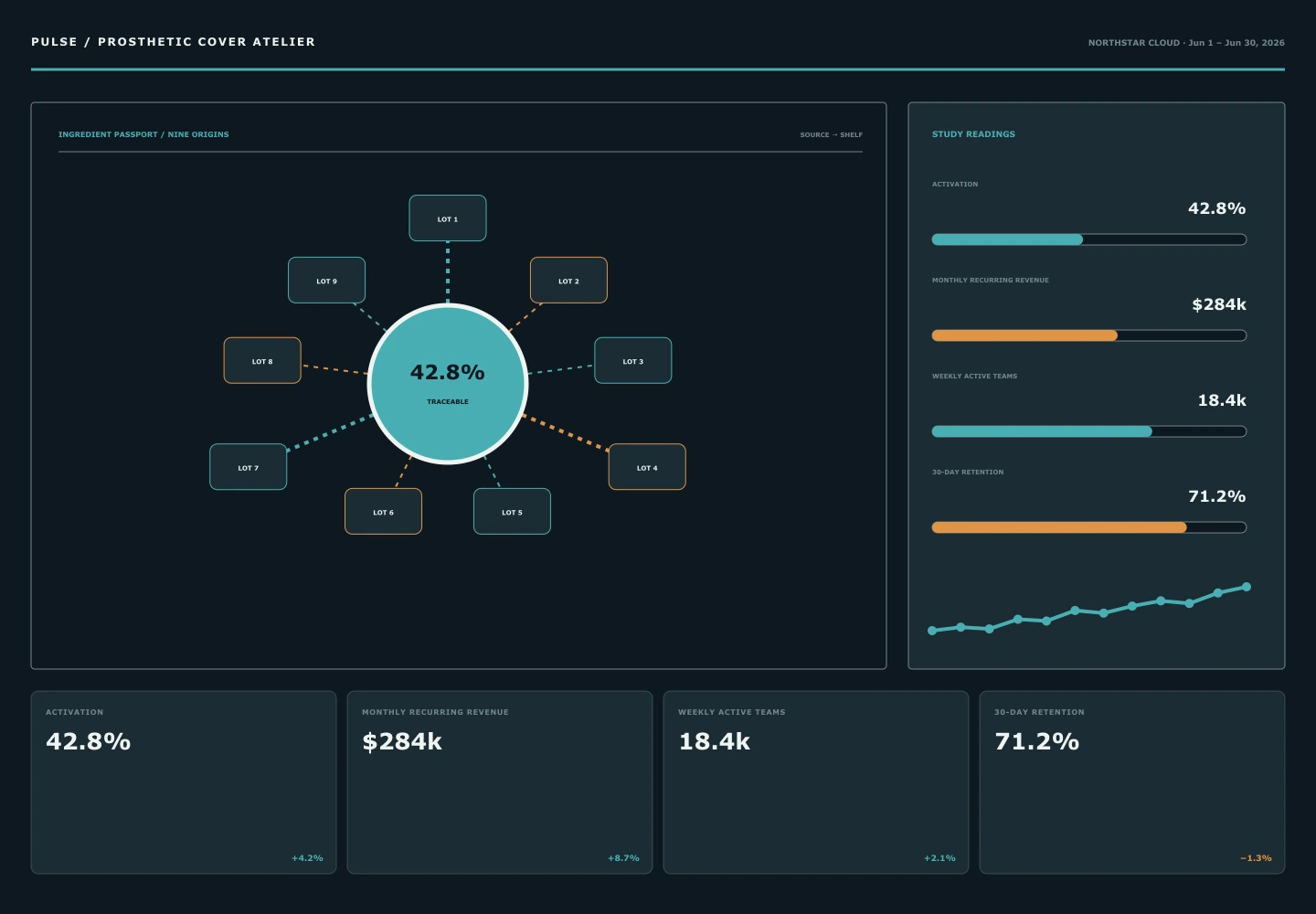
A prosthetic cover atelier and Fijian bure make fit understandable through distinct edges, repeated frames, and touchable joins, showing how a tailored surface meets its support without obscuring adjustment, repair, or everyday use.
Bridge 110 · Clarity as care
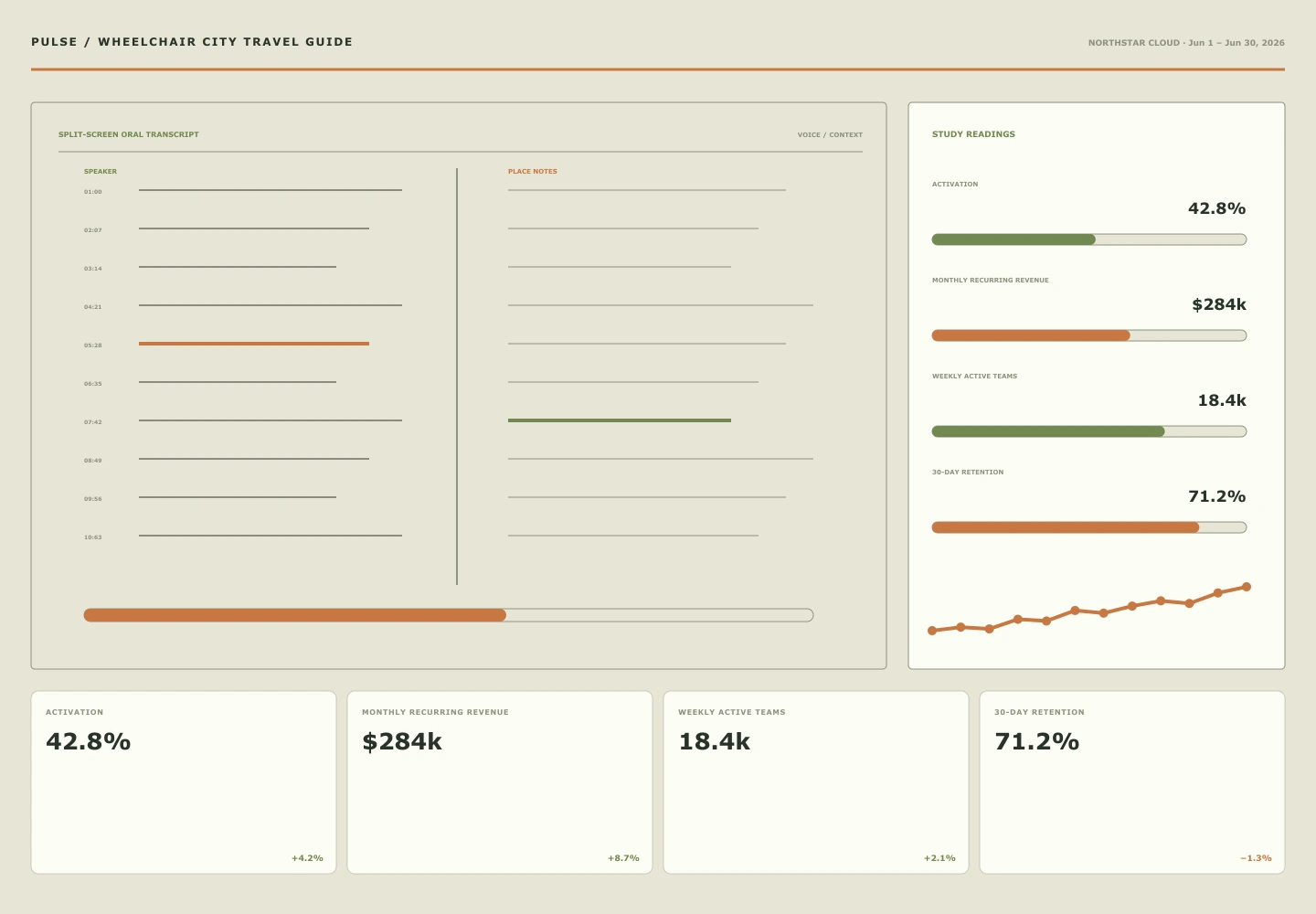
A wheelchair city travel guide and Acadian house organize arrival through familiar landmarks, generous thresholds, and predictable sequences, making the route legible from public approach to the most intimate interior space.
Bridge 111 · Clarity as care
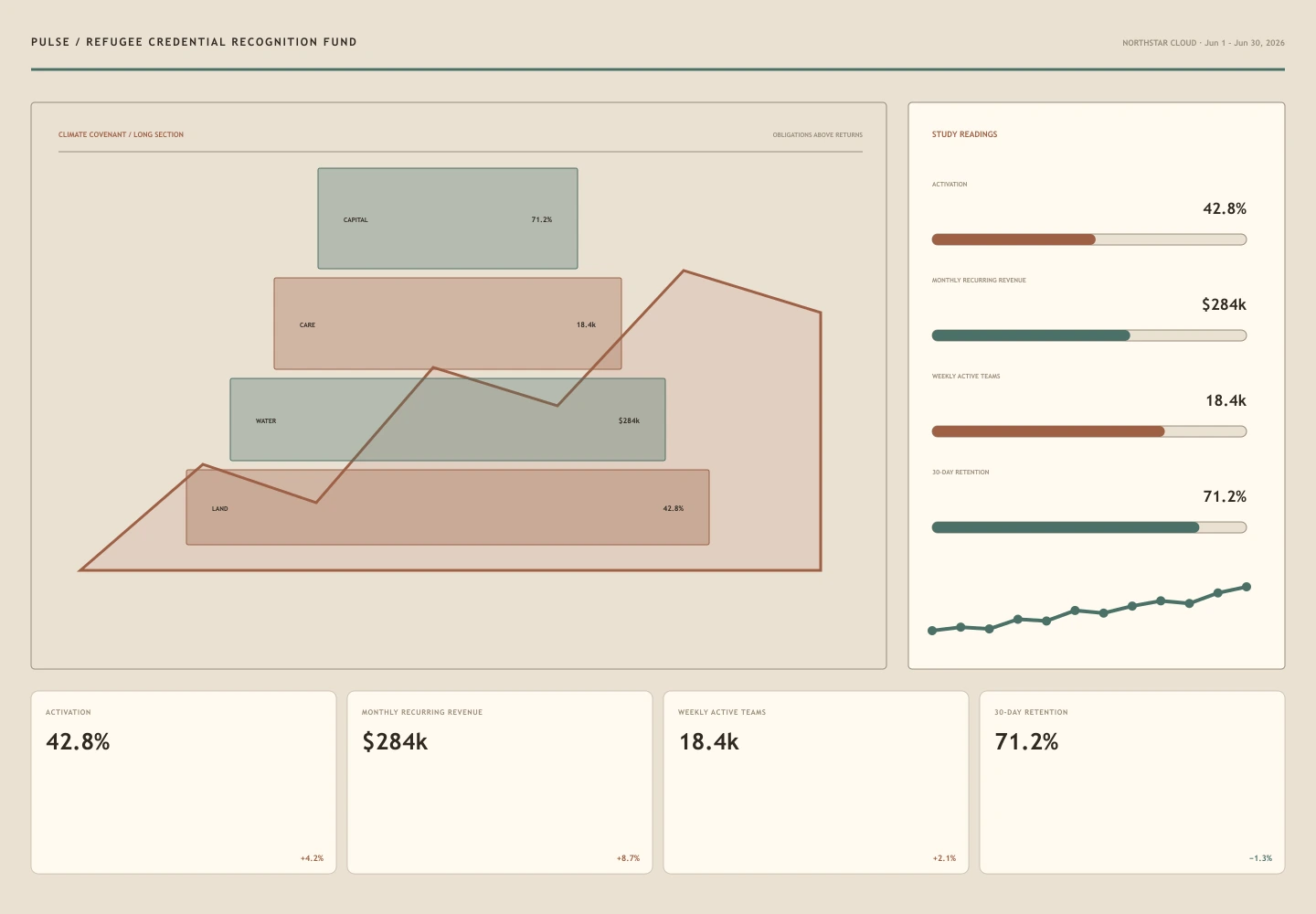
A refugee credential recognition fund and Bukharan Jewish house make layered histories comprehensible through a stable centre, framed evidence, and clearly differentiated records, preserving complexity while making consequential decisions traceable.
Bridge 112 · Clarity as care
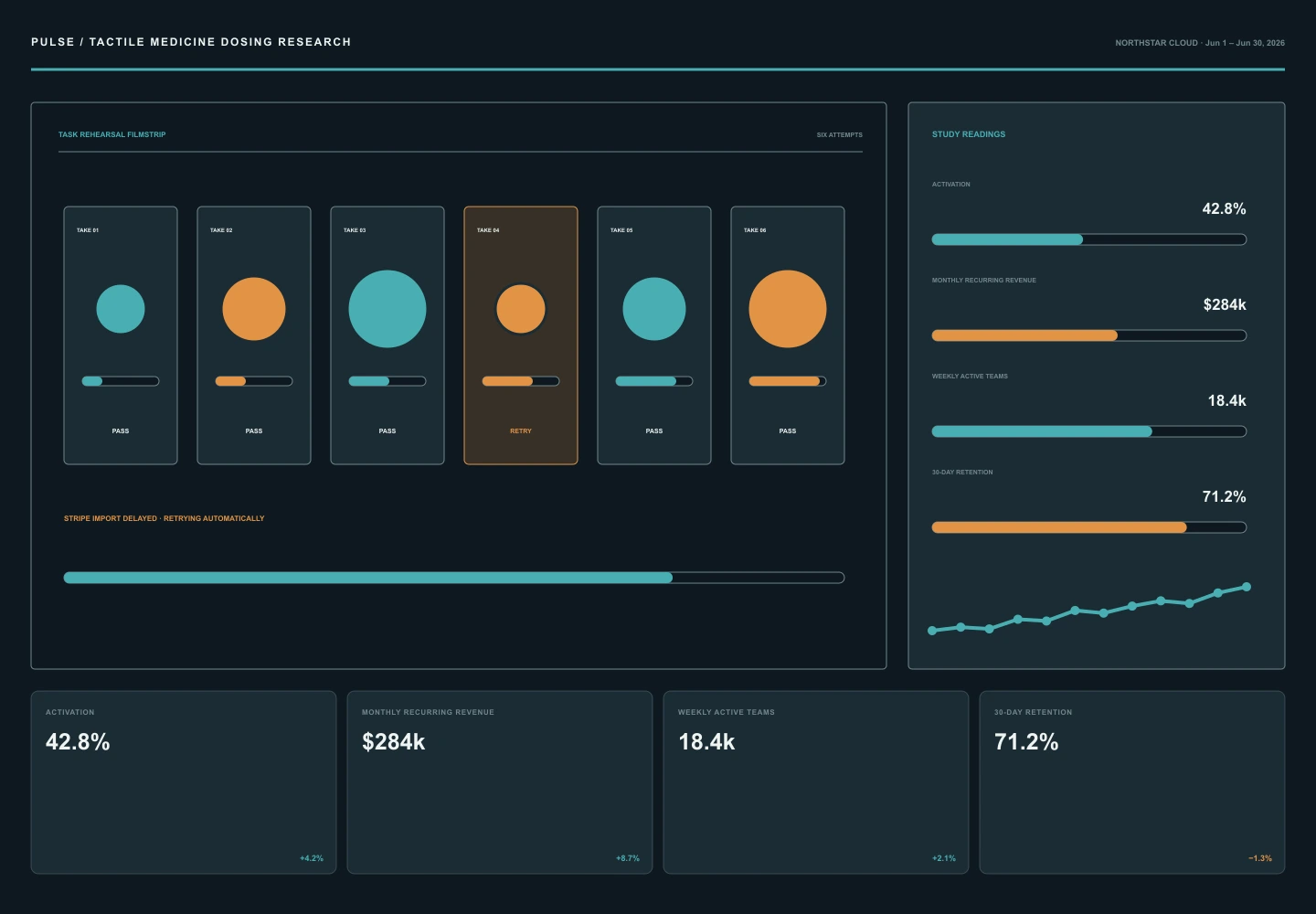
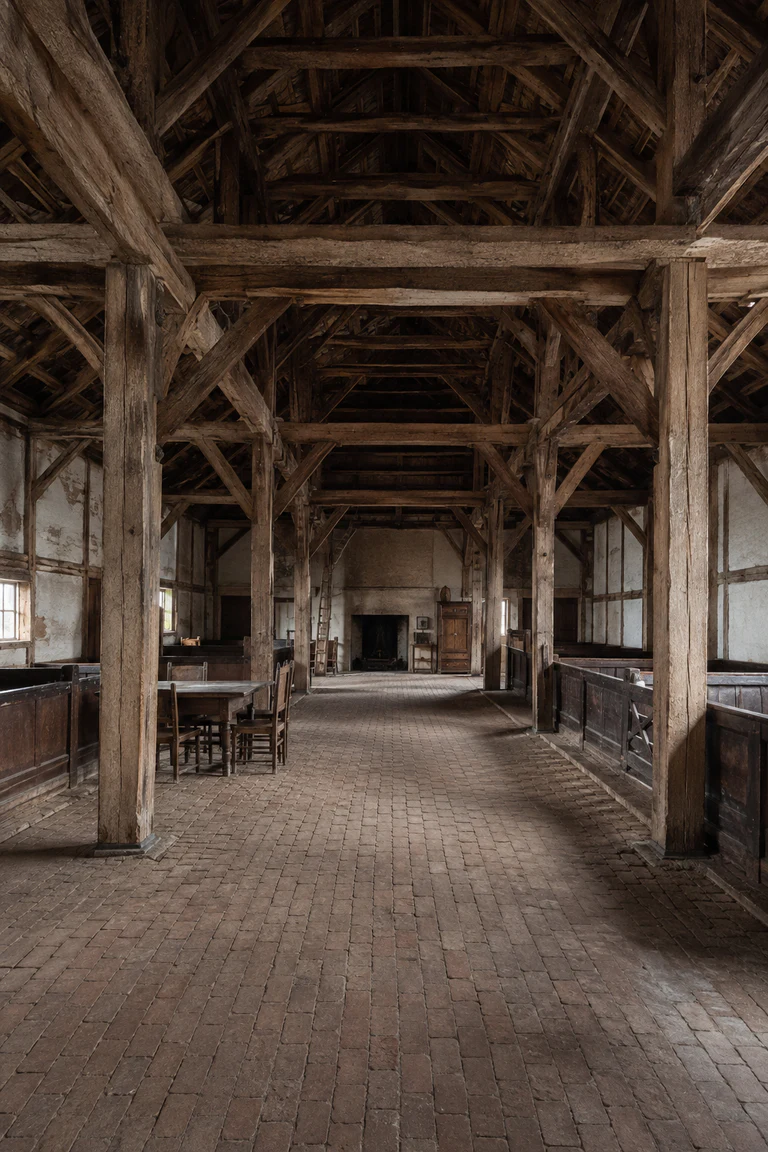
A tactile medicine dosing study and Low German hallenhaus align precise measures with a repeated structural bay, using sequence, separation, and physical reference points to reduce error across many different users and tasks.
Bridge 113 · Material intelligence
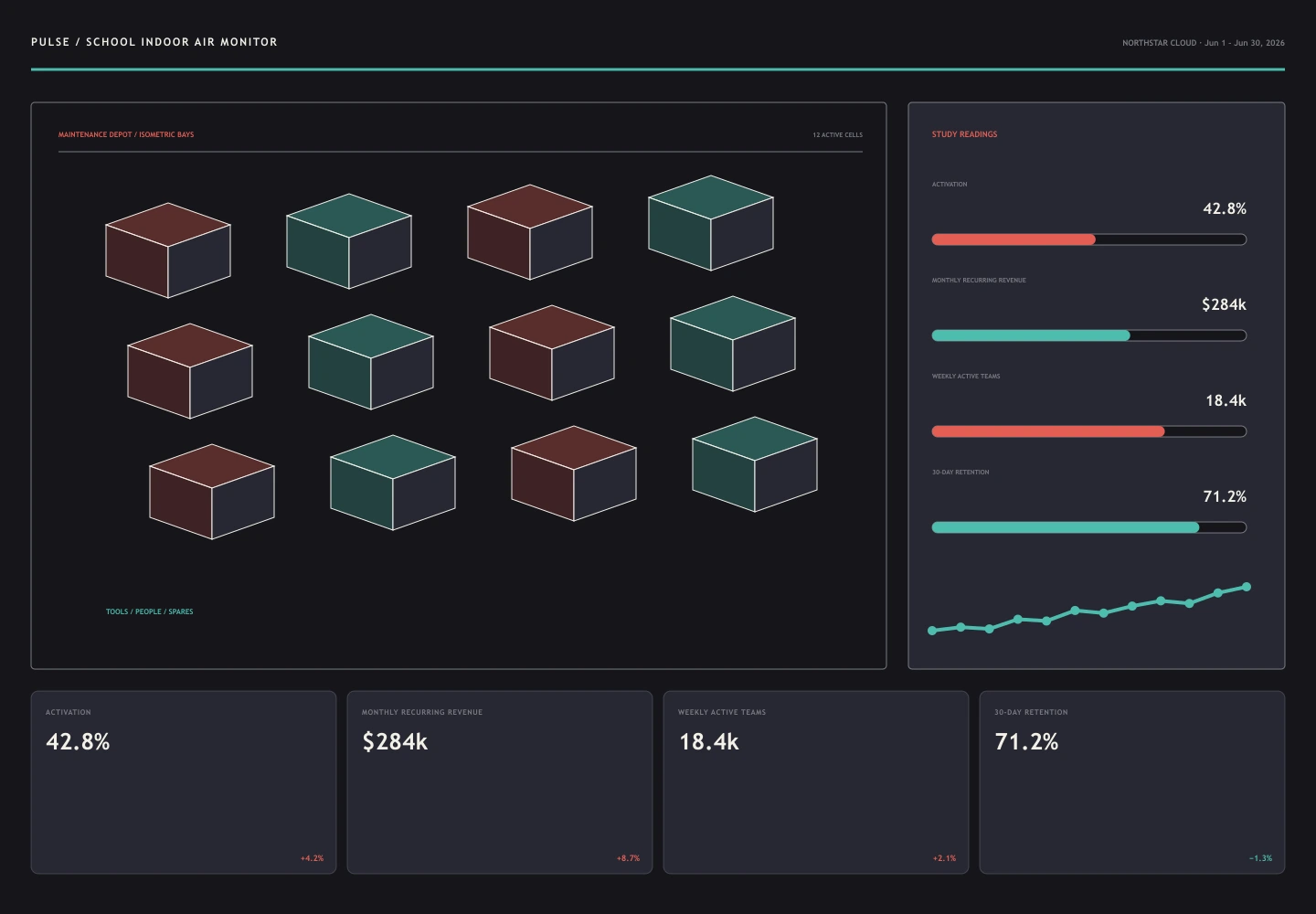
A school indoor-air monitor and Chukchi yaranga treat atmosphere as a material condition, joining sensor readings, layered skins, adjustable openings, and seasonal insulation into an envelope that visibly responds to occupancy and weather.
Bridge 114 · Material intelligence
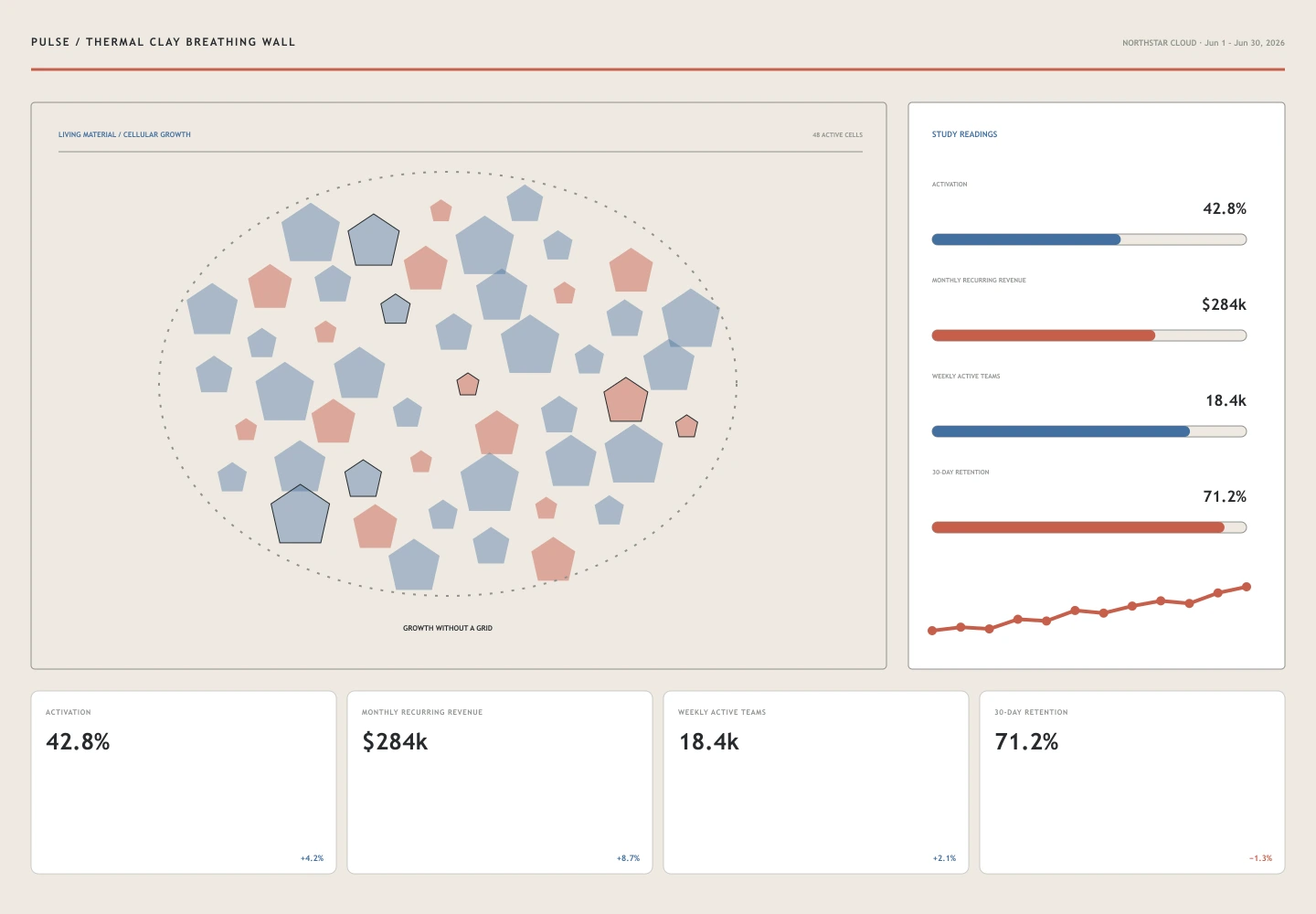
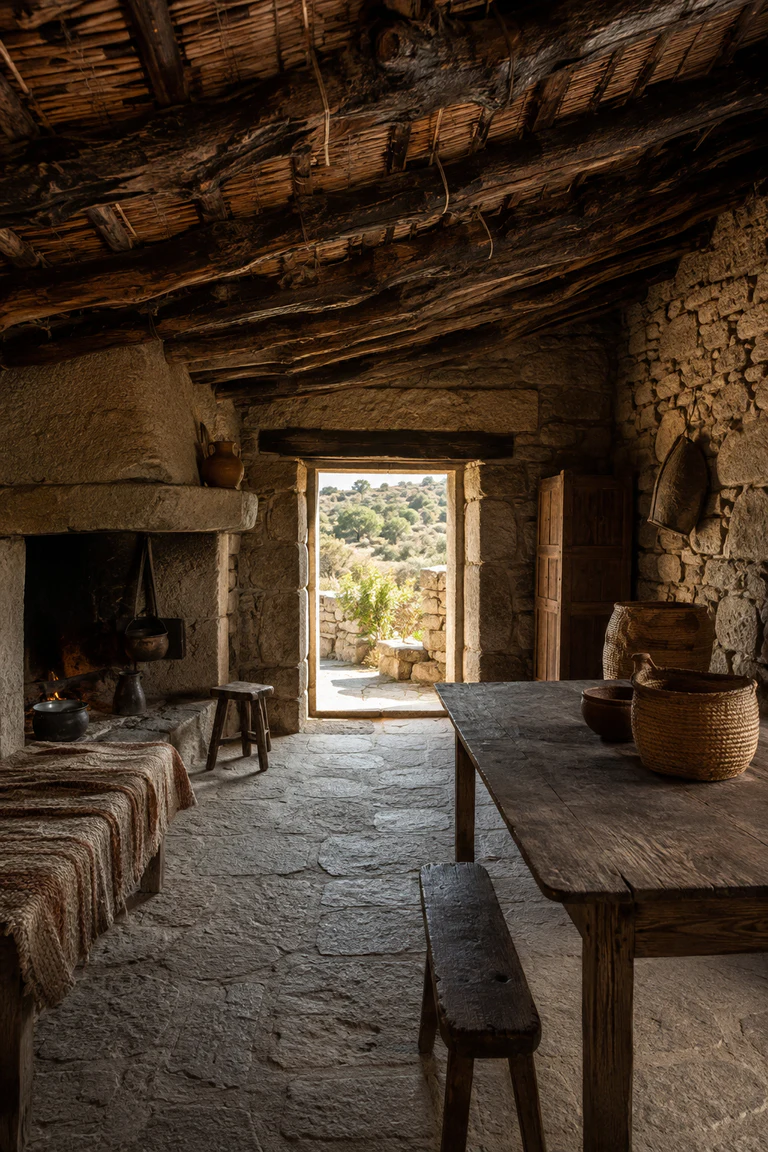
A thermal clay breathing wall and Sardinian stazzo use earthen mass, porous finish, and calibrated openings to absorb environmental change, making stored heat and released moisture part of the visible character of each surface.
Bridge 115 · Material intelligence
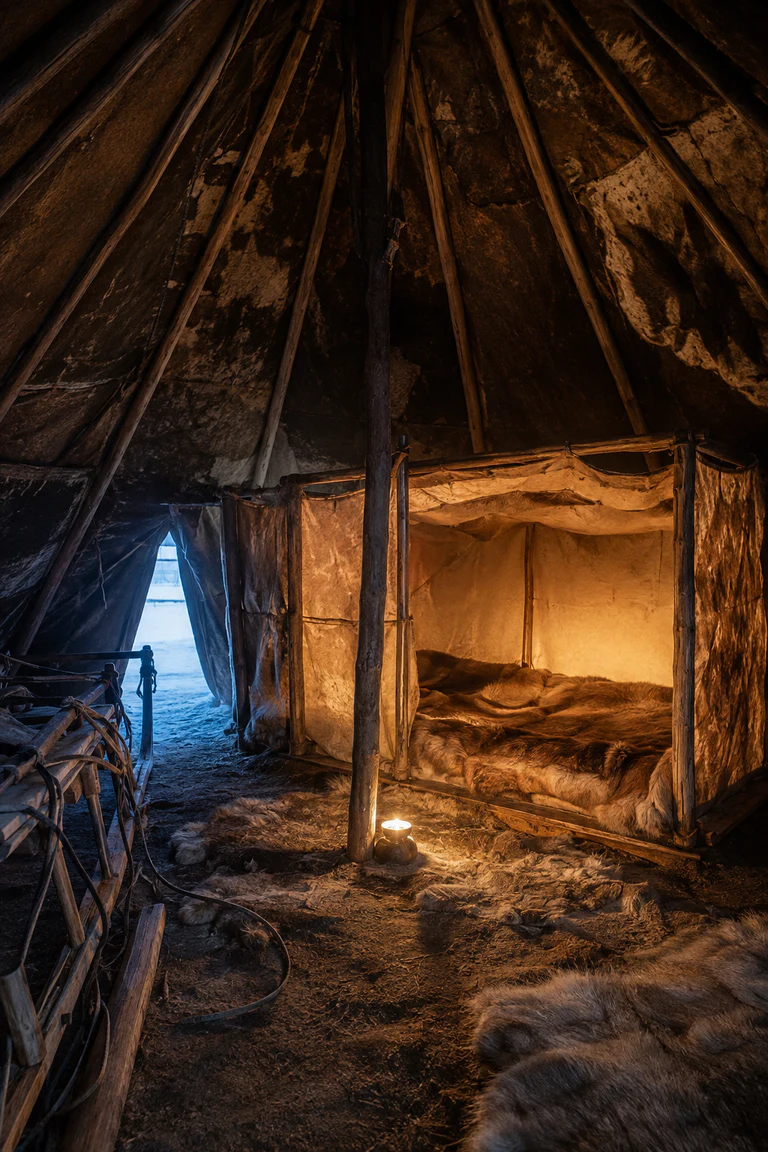
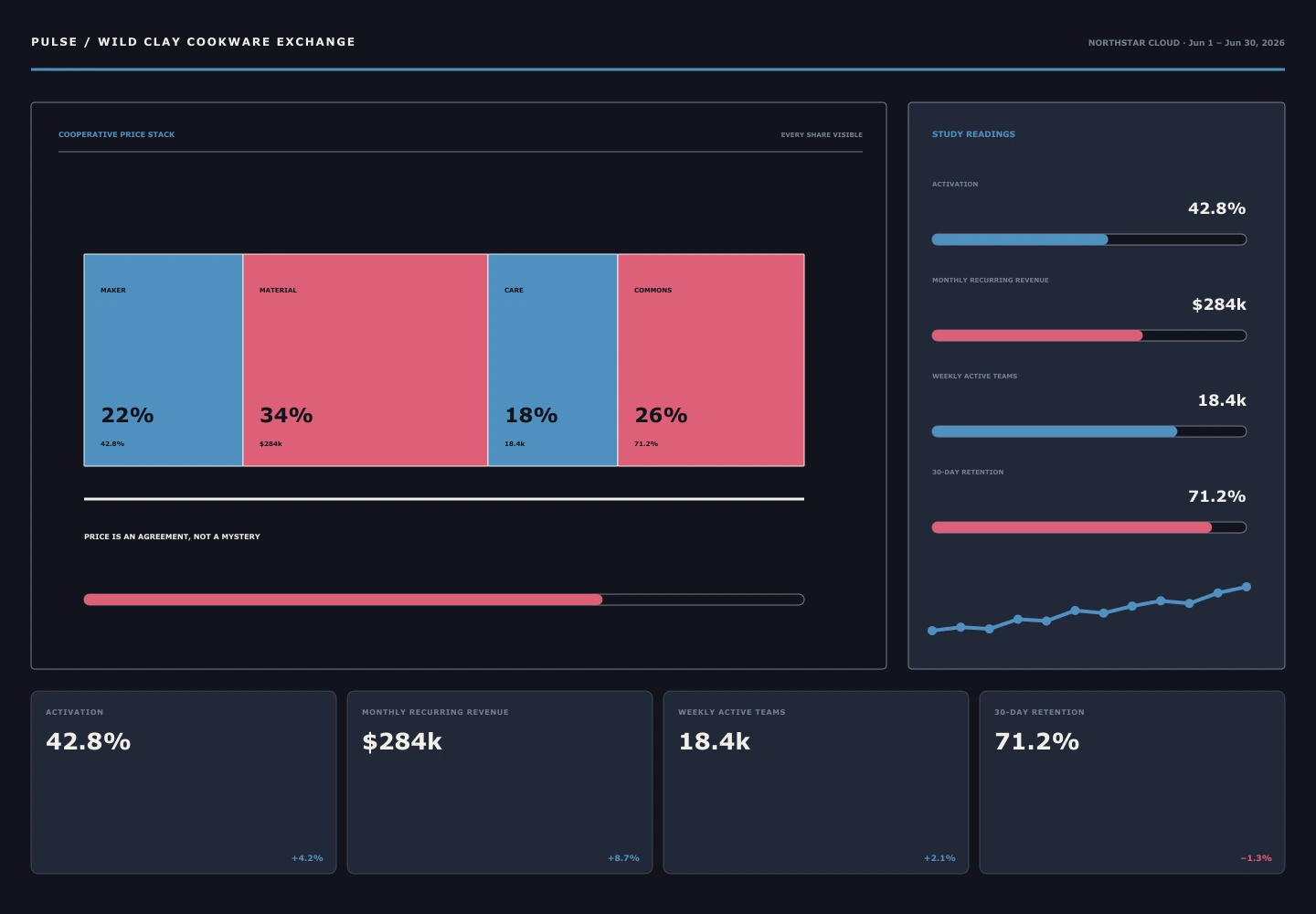
A wild-clay cookware exchange and Palauan bai connect material provenance with collective identity, letting gathered earth, fired vessels, painted beams, and ceremonial pattern record who made, traded, and used each object.
Bridge 116 · Material intelligence
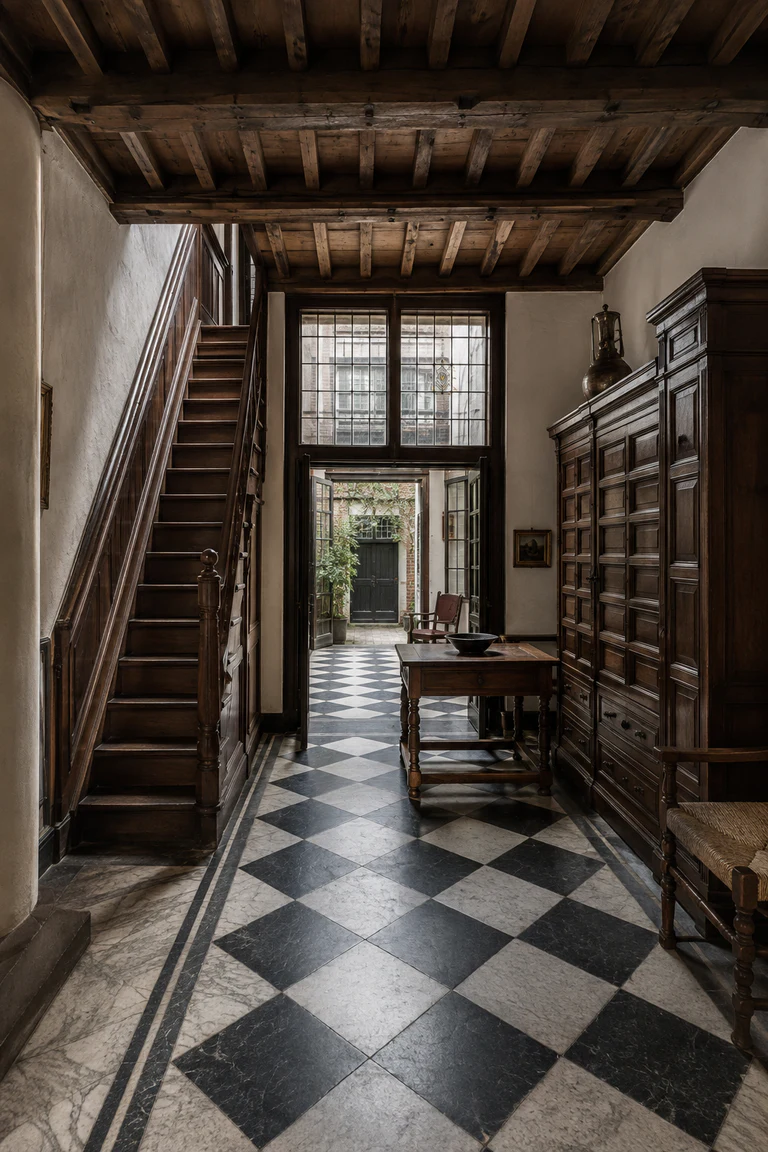
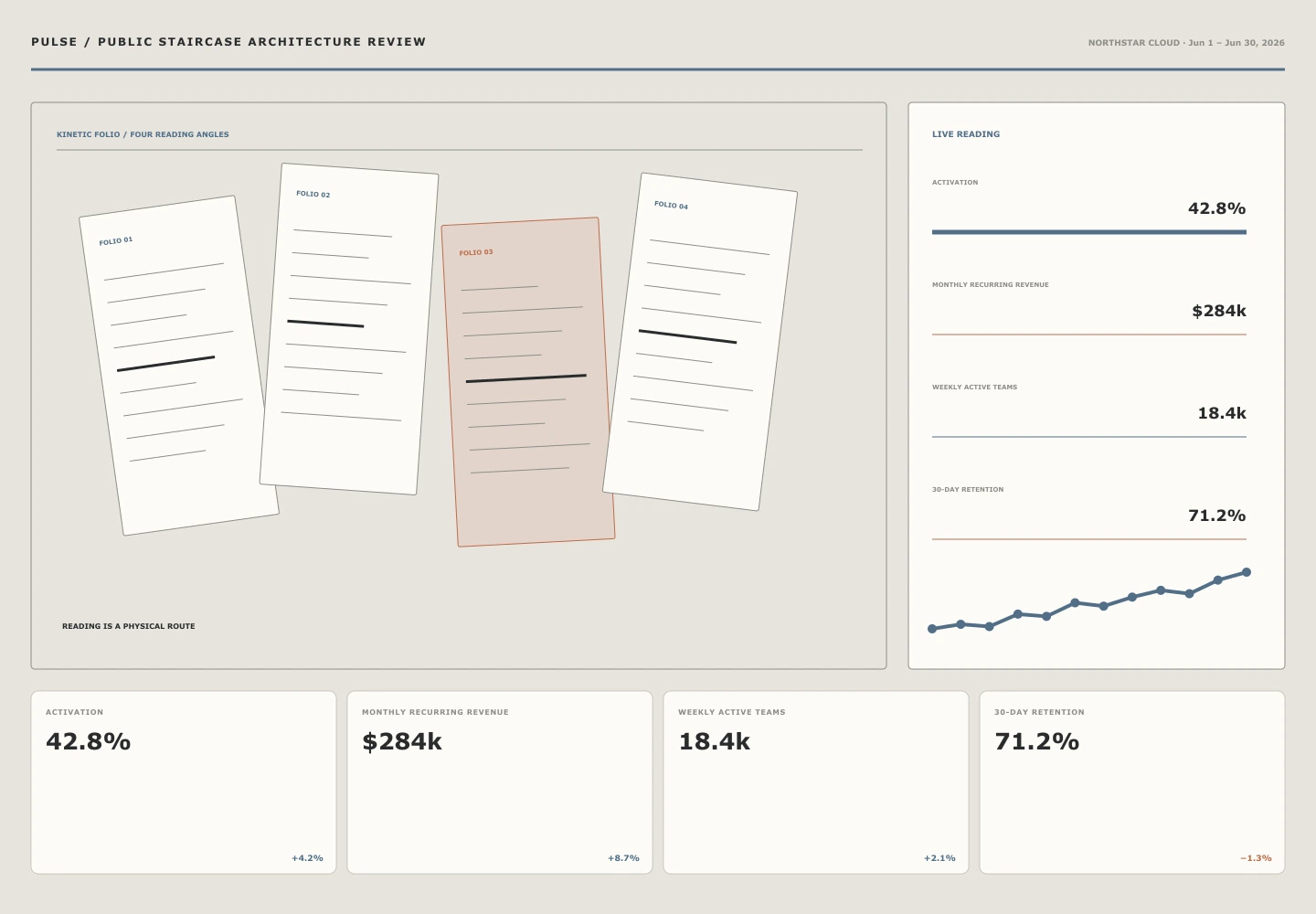
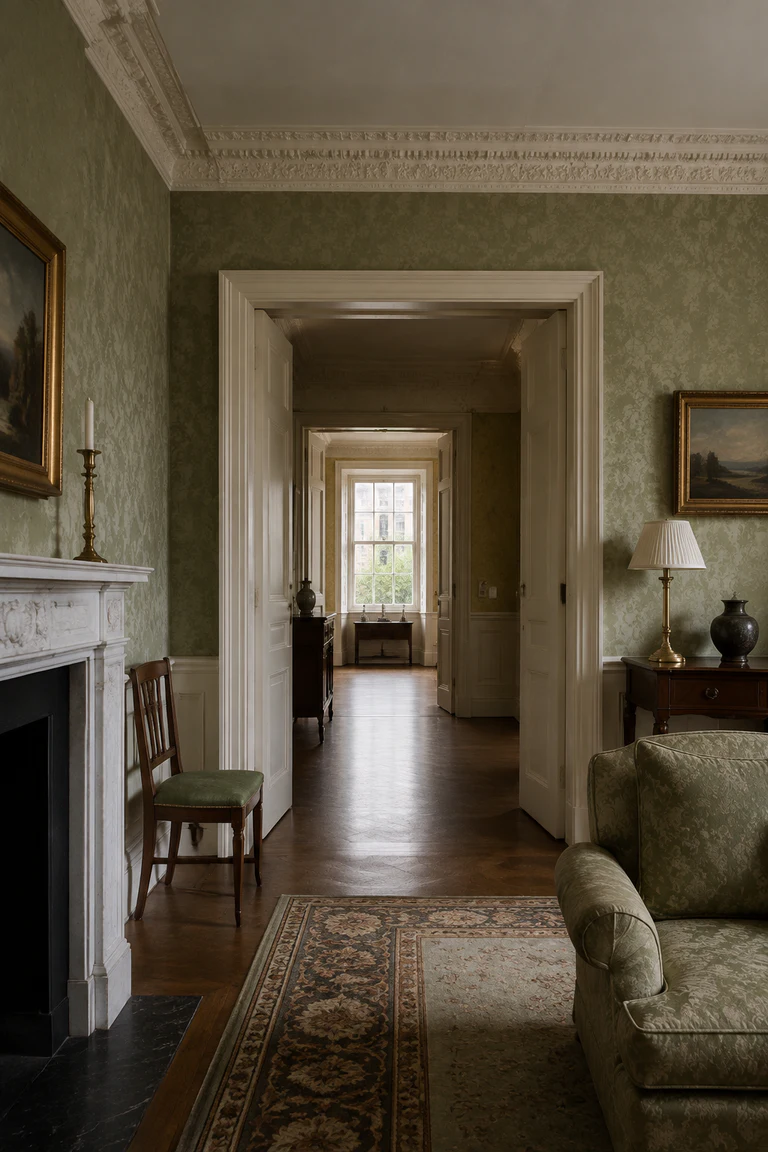
A public staircase architecture review and Irish Georgian townhouse use the stair as a material section, exposing timber, stone, plaster, handrail, and accumulated wear while connecting differently scaled rooms into one legible whole.
Bridge 117 · Visible systems
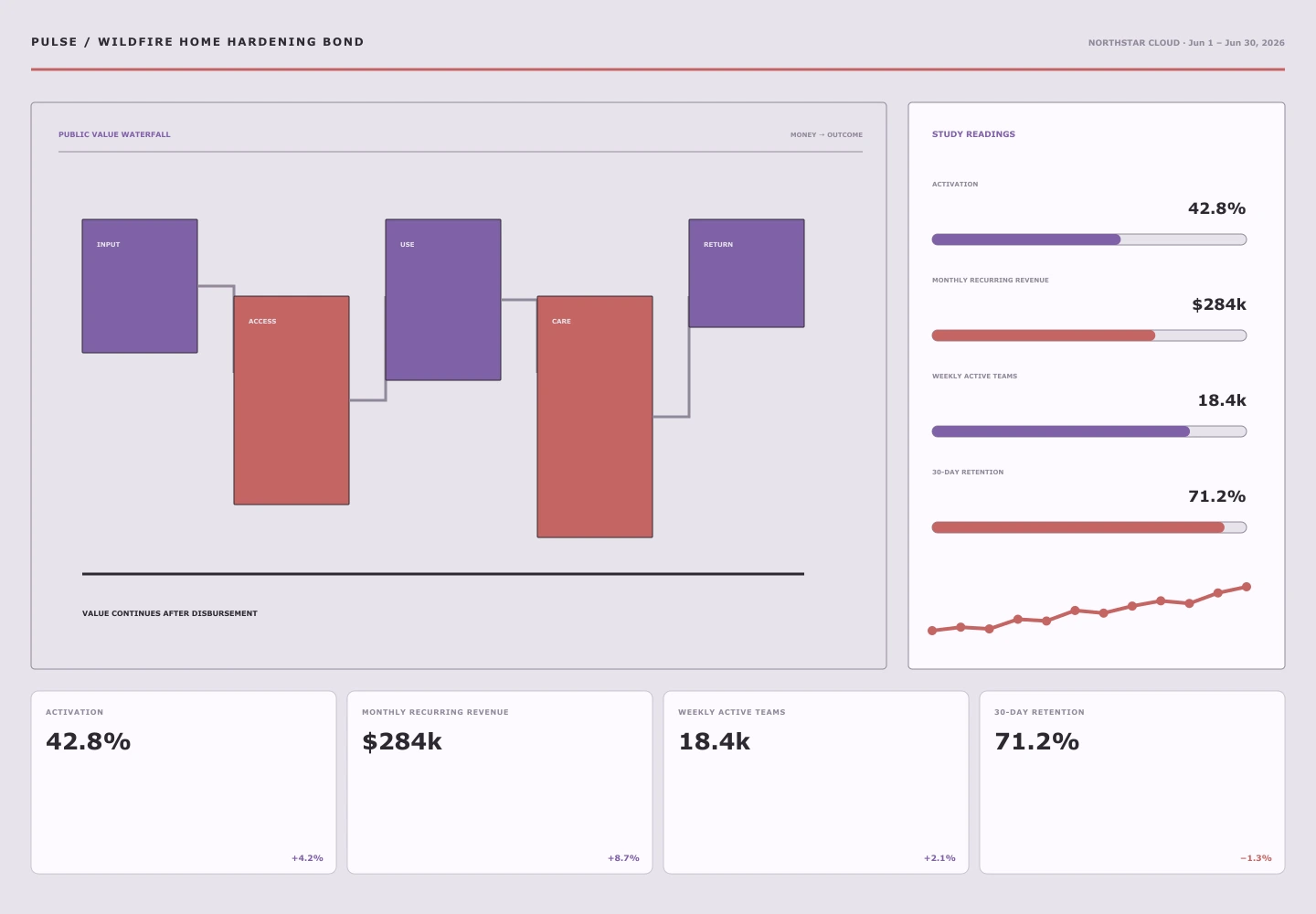
A wildfire home-hardening bond and Maasai enkaji organize safety around a maintained boundary, combining distributed investment, earthen enclosure, controlled openings, and shared repair so resilience is structural rather than cosmetic.
Bridge 118 · Visible systems
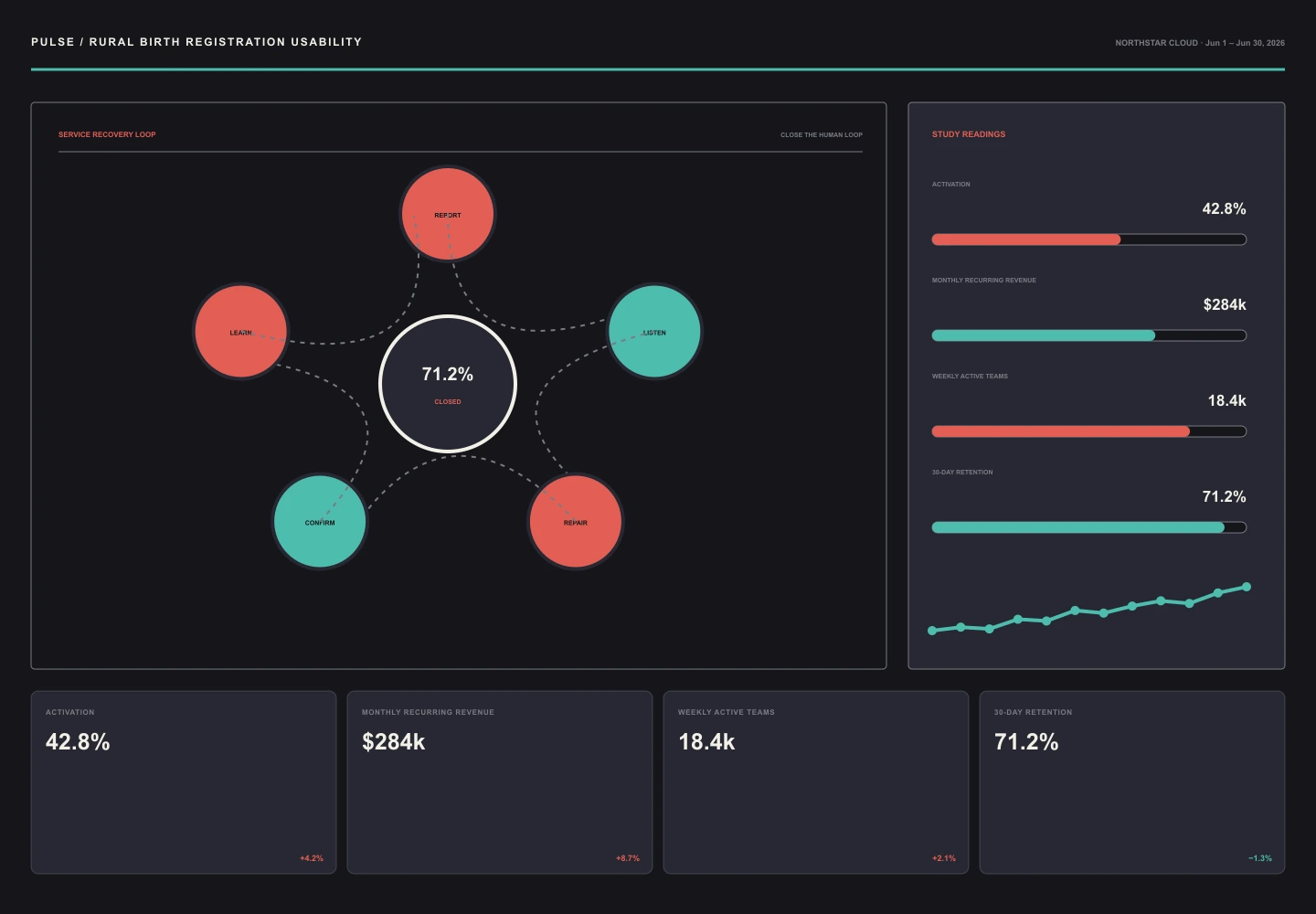
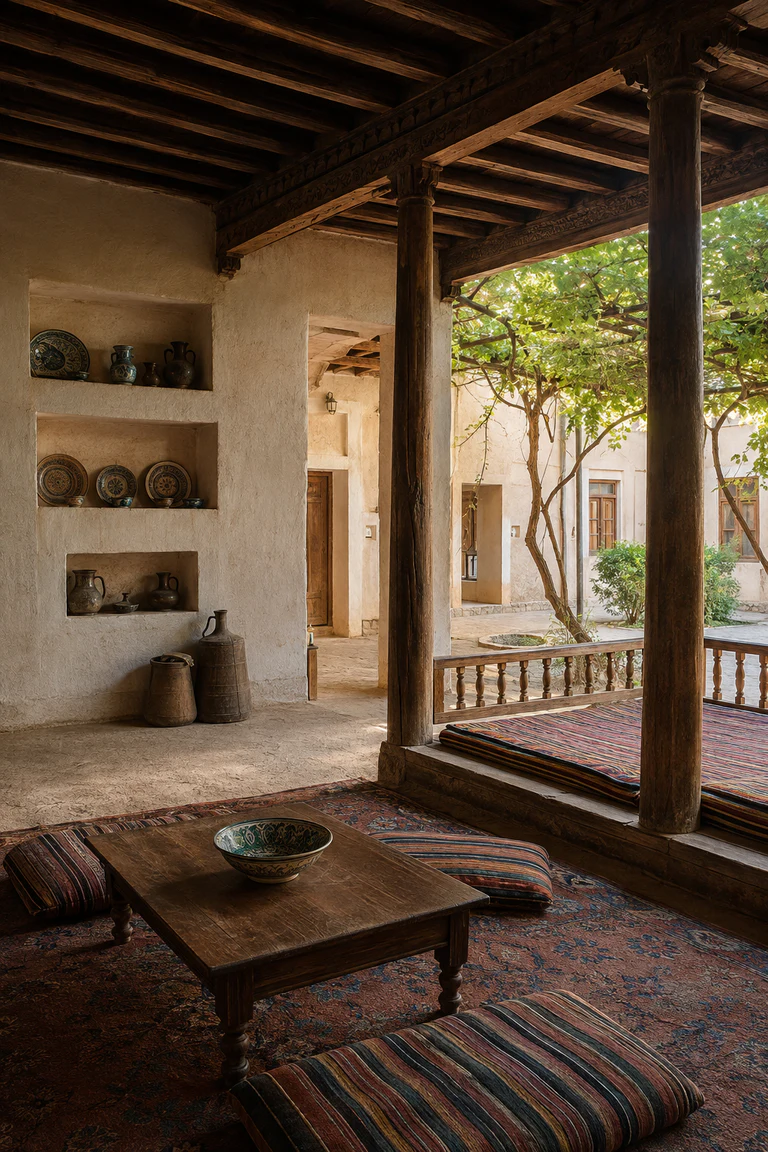
A rural birth-registration study and Uzbek mahalla house connect civic identity to a familiar social structure, using nested thresholds, shared courtyards, and accountable handoffs to keep formal processes close to community life.
Bridge 119 · Visible systems
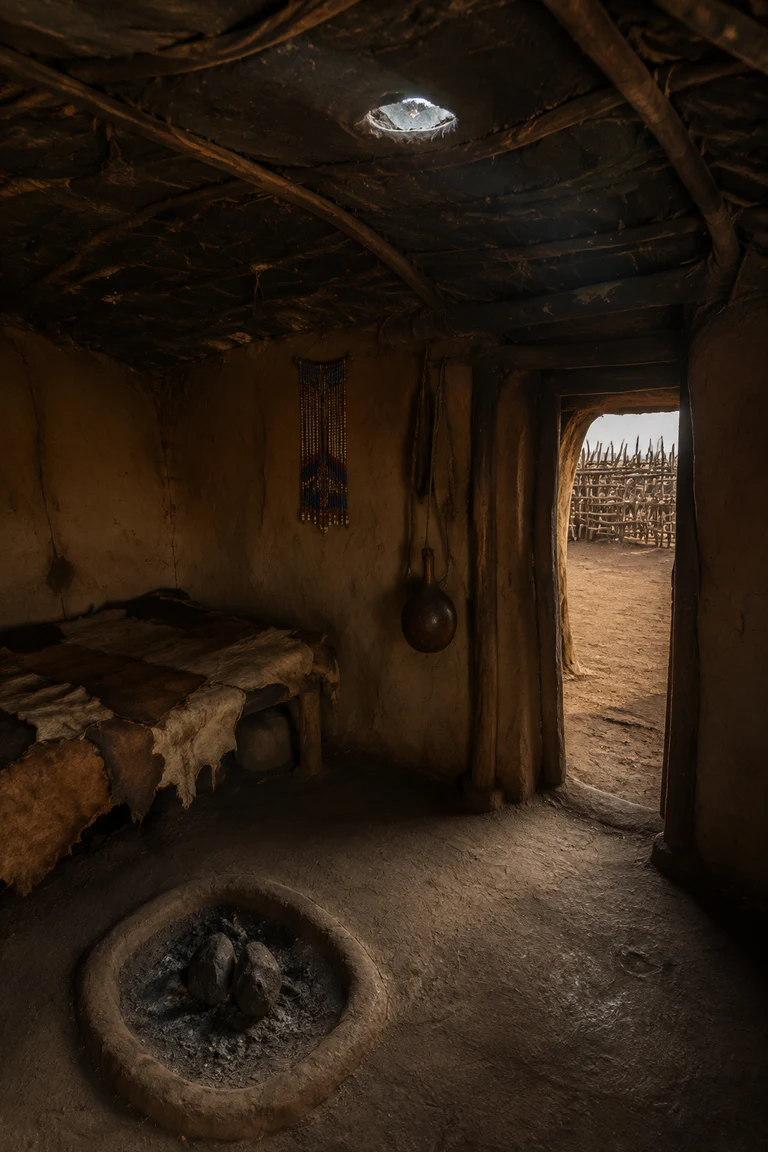
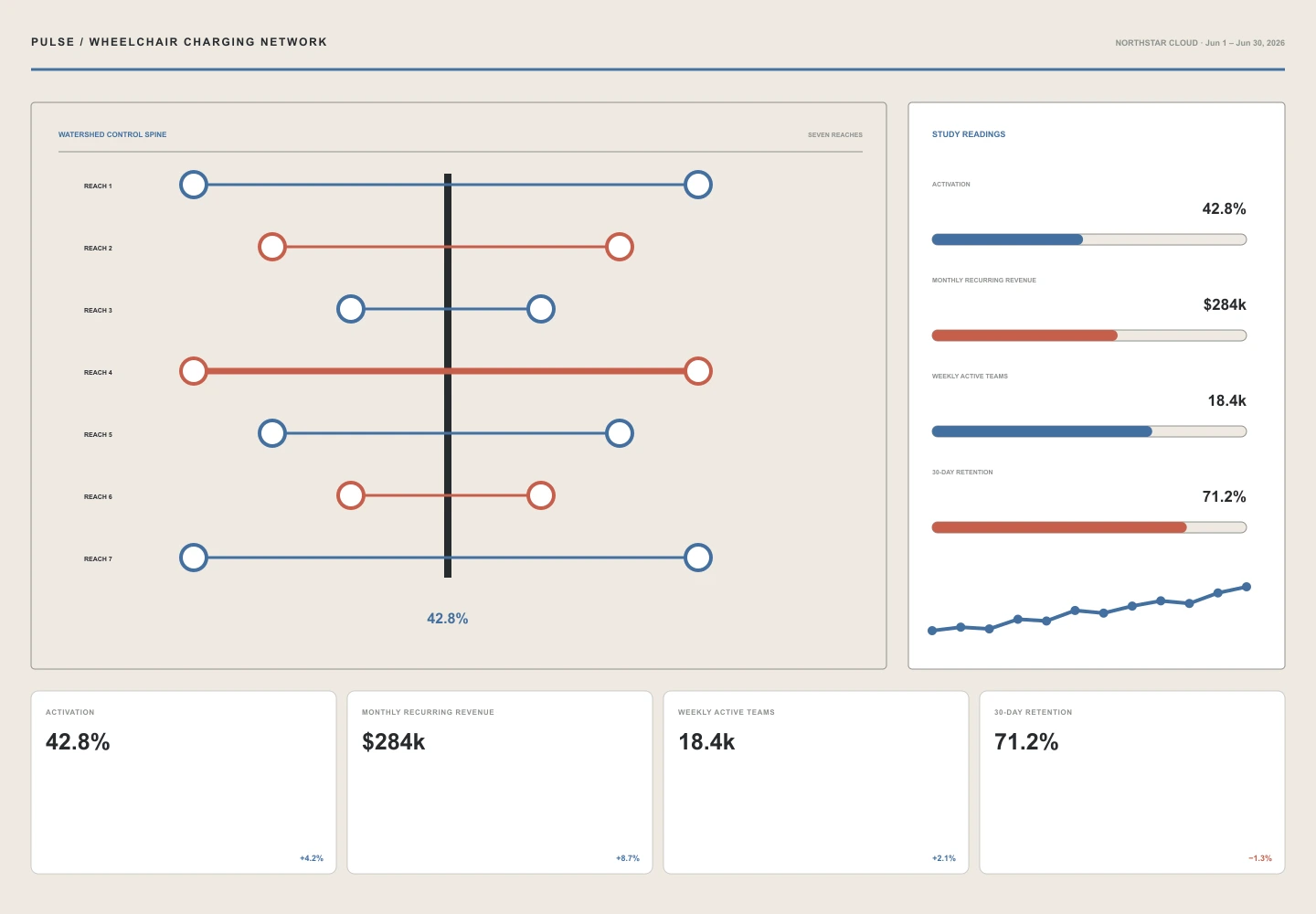
A wheelchair charging network and Asante courtyard house coordinate many individual needs around shared nodes, using visible capacity, protected gathering, repeated routes, and strong enclosure to make collective support dependable.
Bridge 120 · Visible systems
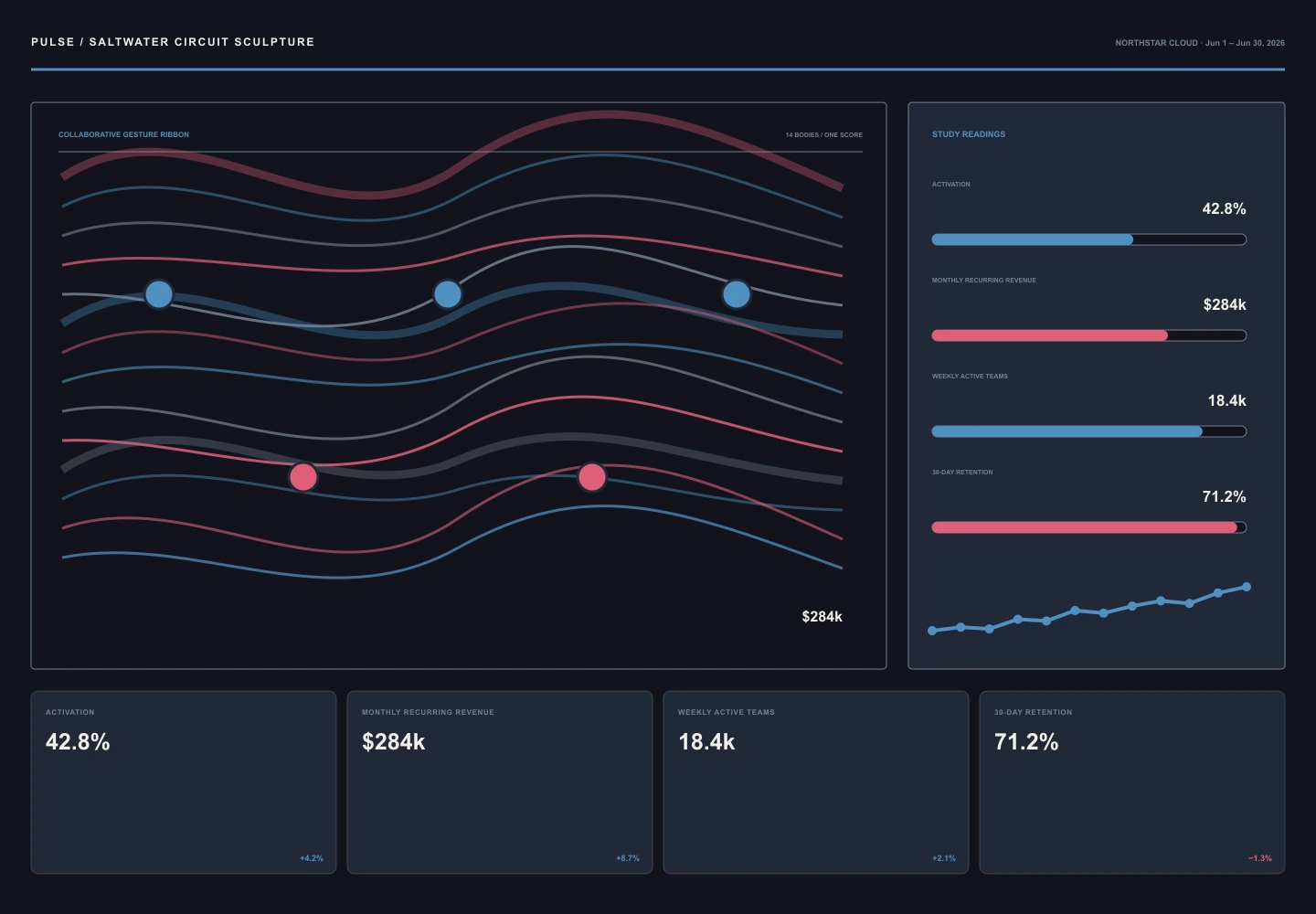
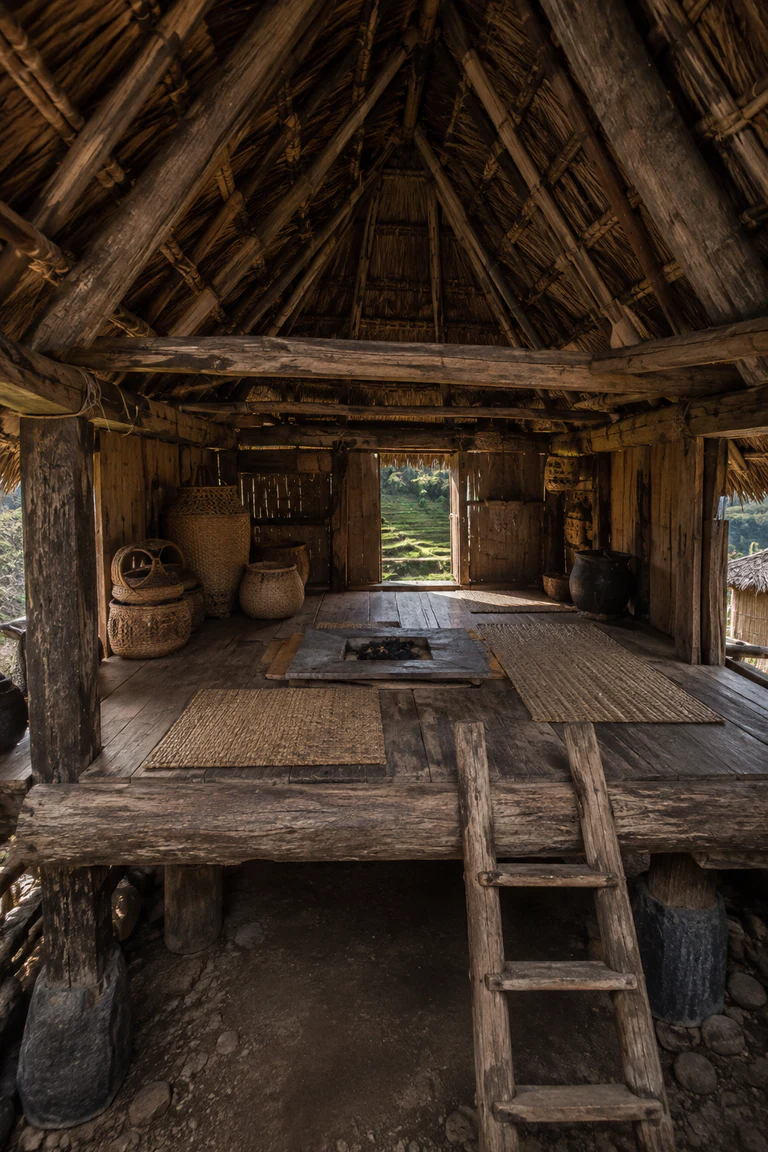
A saltwater circuit sculpture and Ifugao bale reveal structural continuity through elevated frames, conductive paths, and responsive joints, turning environmental force into a legible signal of how the whole assembly carries load.
Bridge 121 · Climate feedback
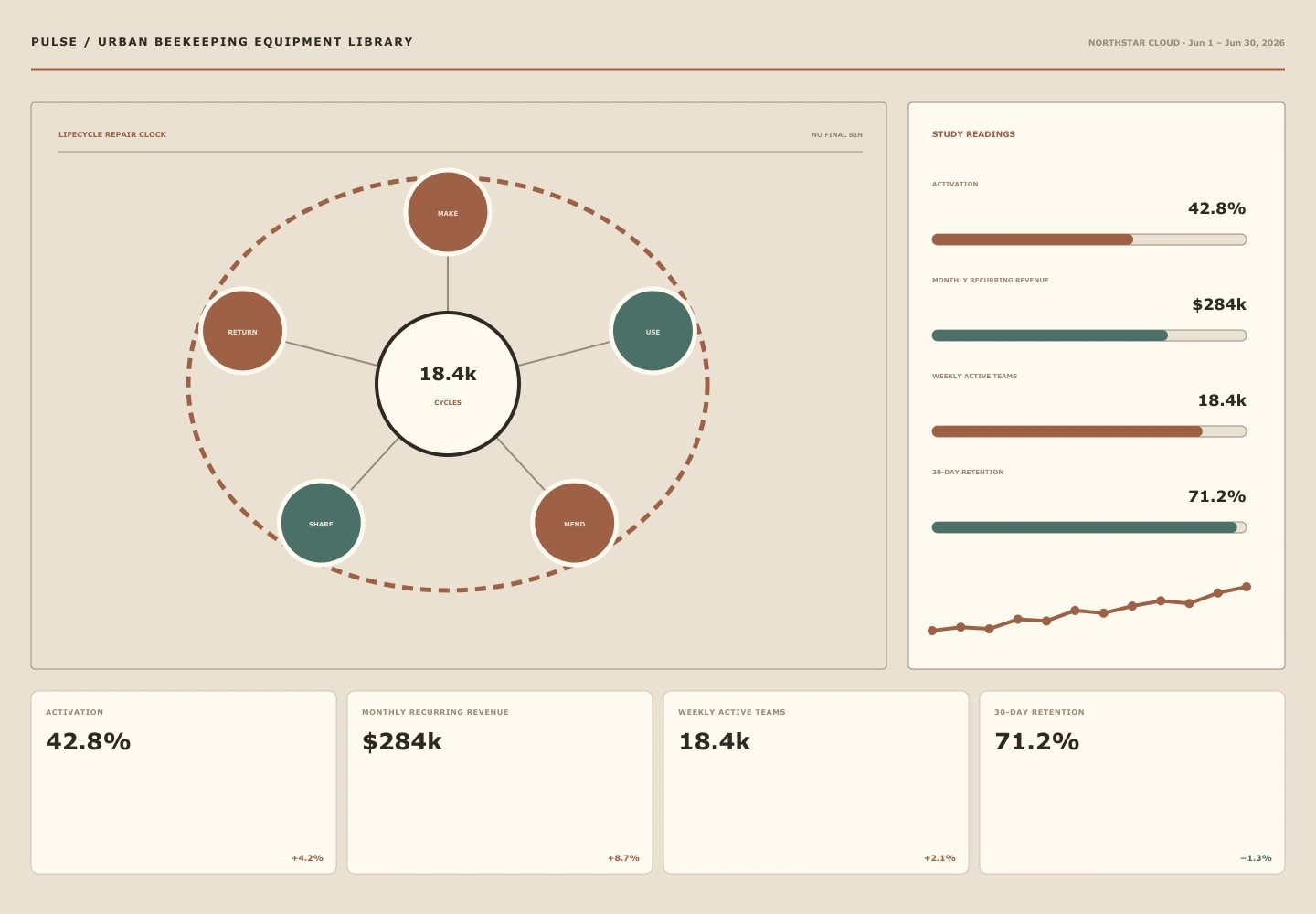
An urban beekeeping equipment library and Faroese roykstova treat shelter as shared ecological equipment, joining loaned tools, thick enclosures, stored warmth, and seasonal labour to sustain life through changing conditions.
Bridge 122 · Climate feedback
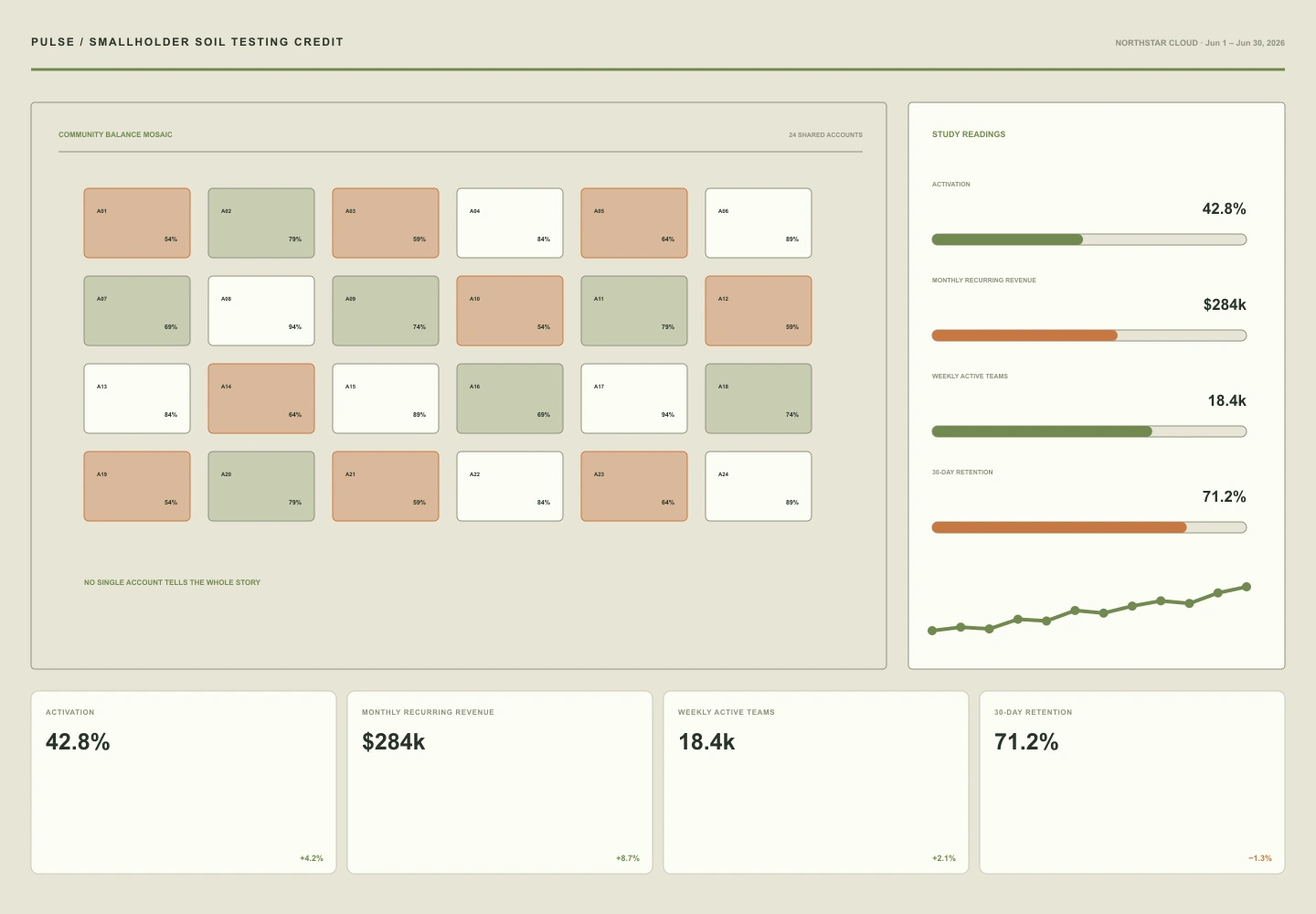
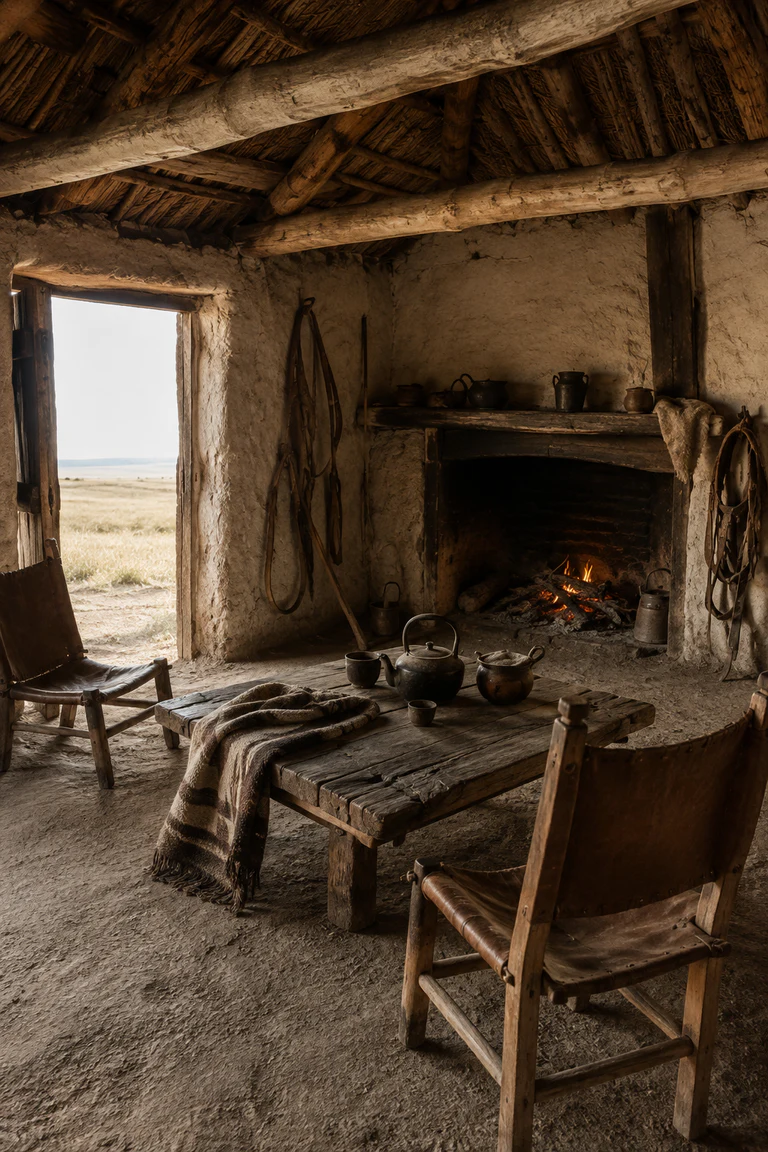
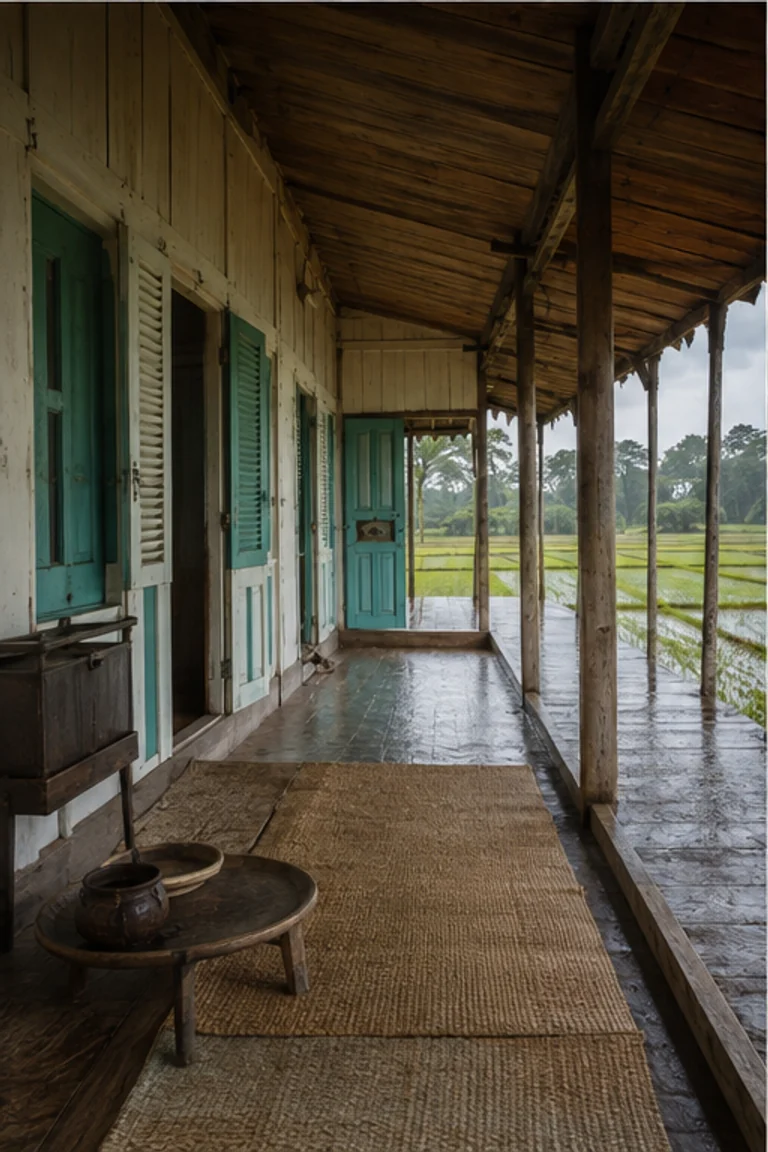
A smallholder soil-testing credit and Gaucho rancho tie financial decisions to land knowledge, using measured fertility, local material, working thresholds, and seasonal evidence to keep investment accountable to the ground.
Bridge 123 · Climate feedback
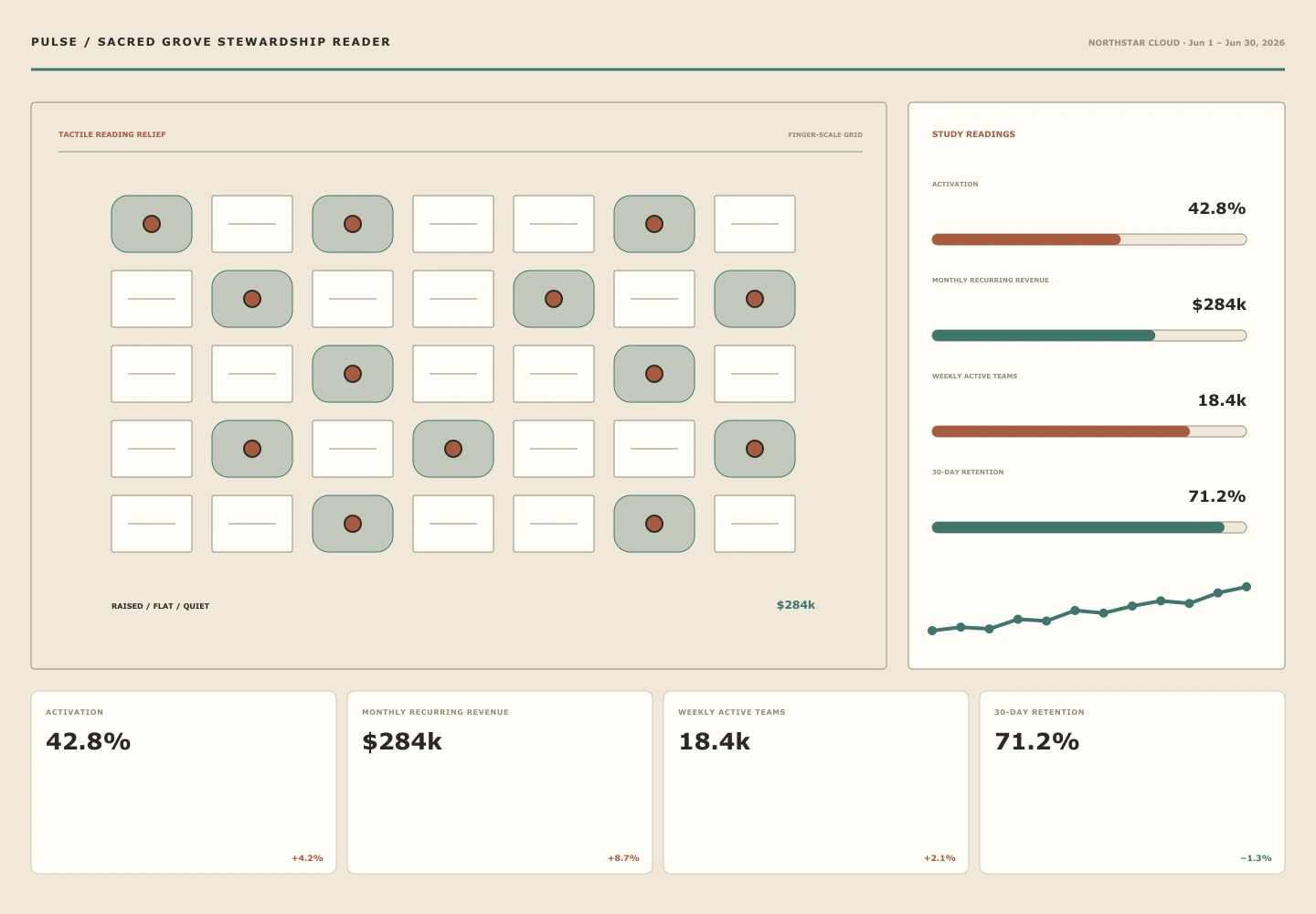
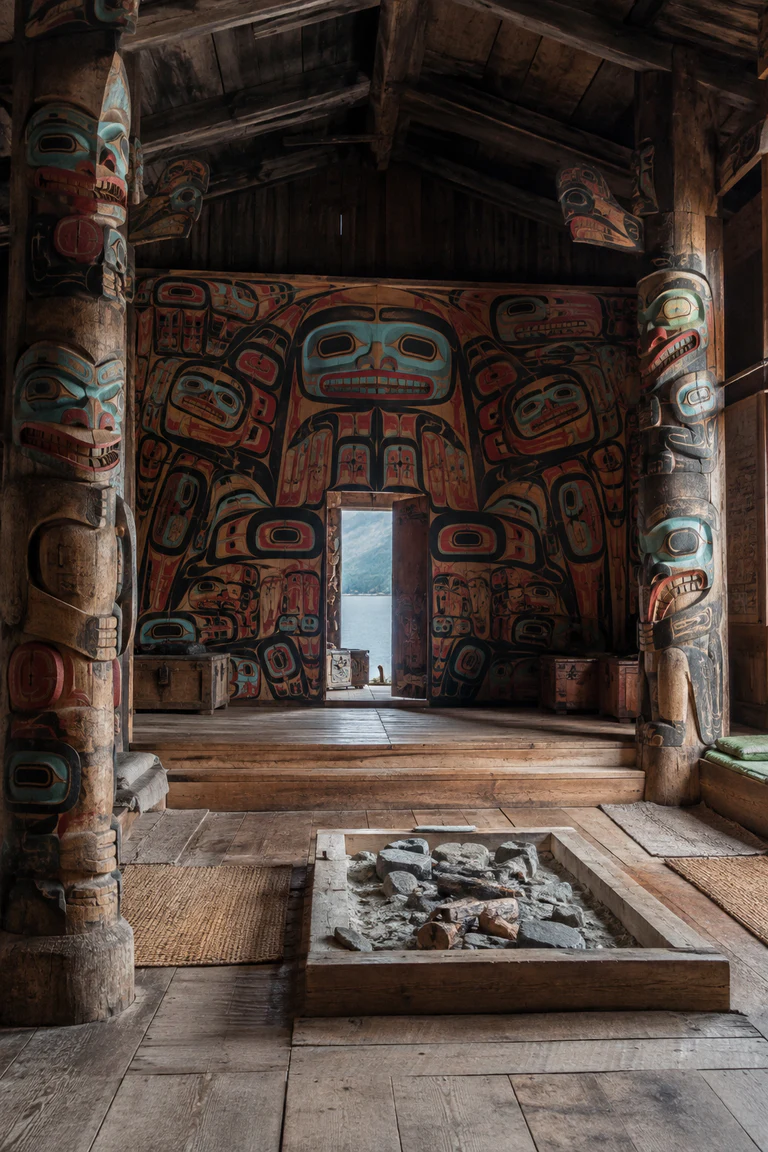
A sacred-grove stewardship reader and Tlingit clan house preserve ecology through relationship, joining named species, carved lineage, collective protocols, and renewed use so environmental care remains culturally situated.
Bridge 124 · Climate feedback
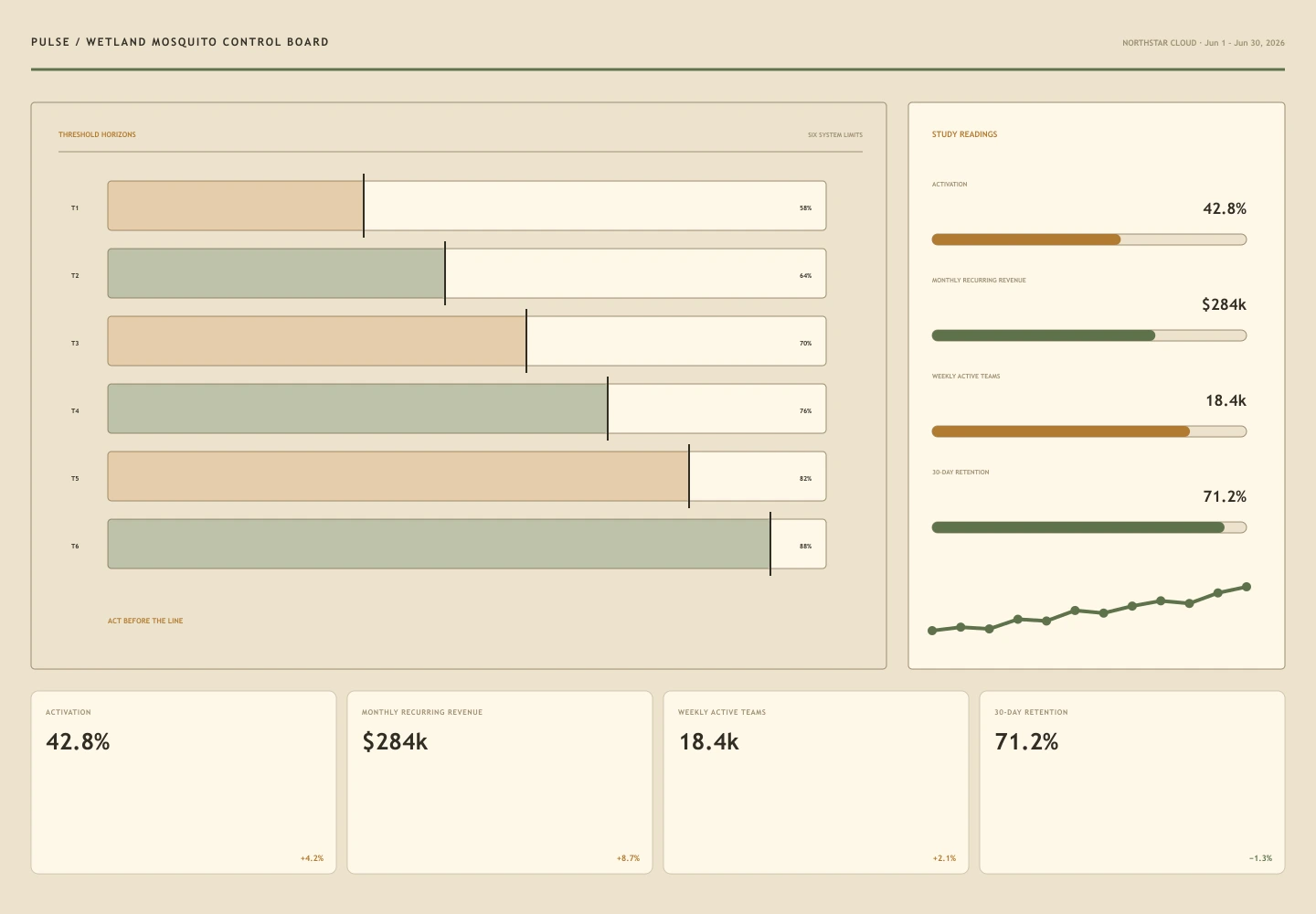
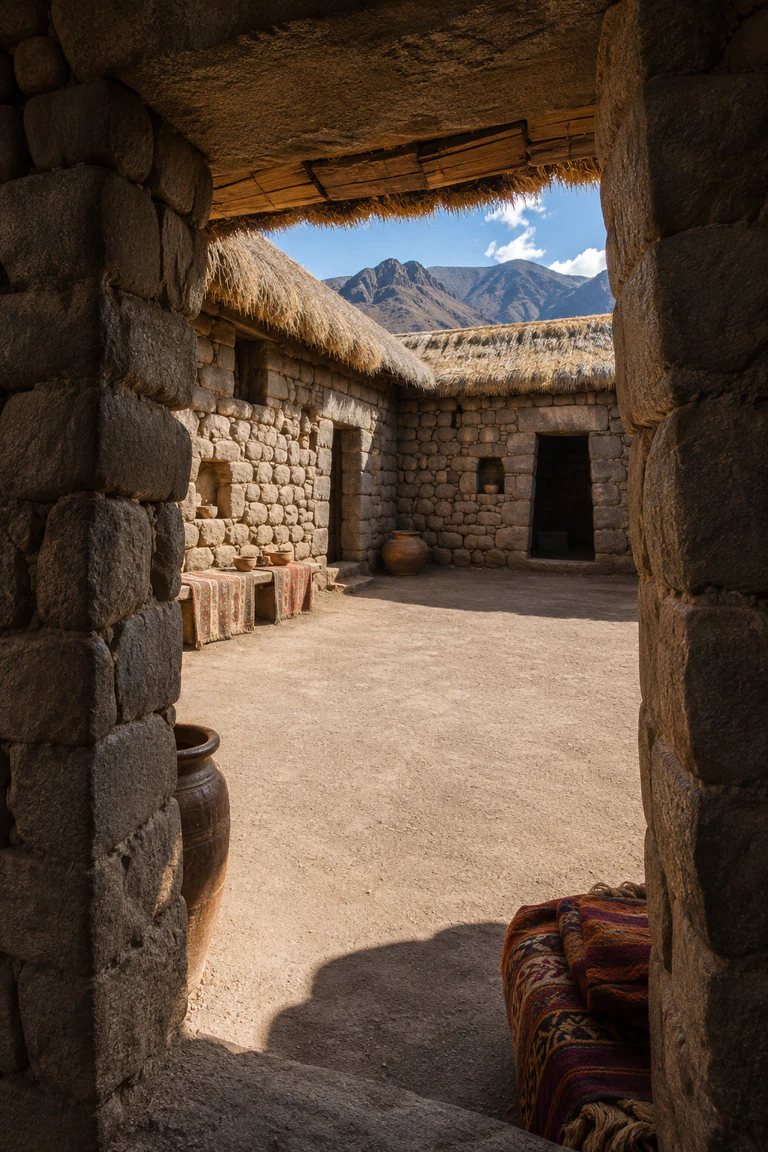
A wetland mosquito-control board and Inca kancha organize environmental response through bounded fields, monitored water, linked courts, and repeated maintenance, making ecological change actionable across a distributed settlement.
Bridge 125 · Movement and sequence
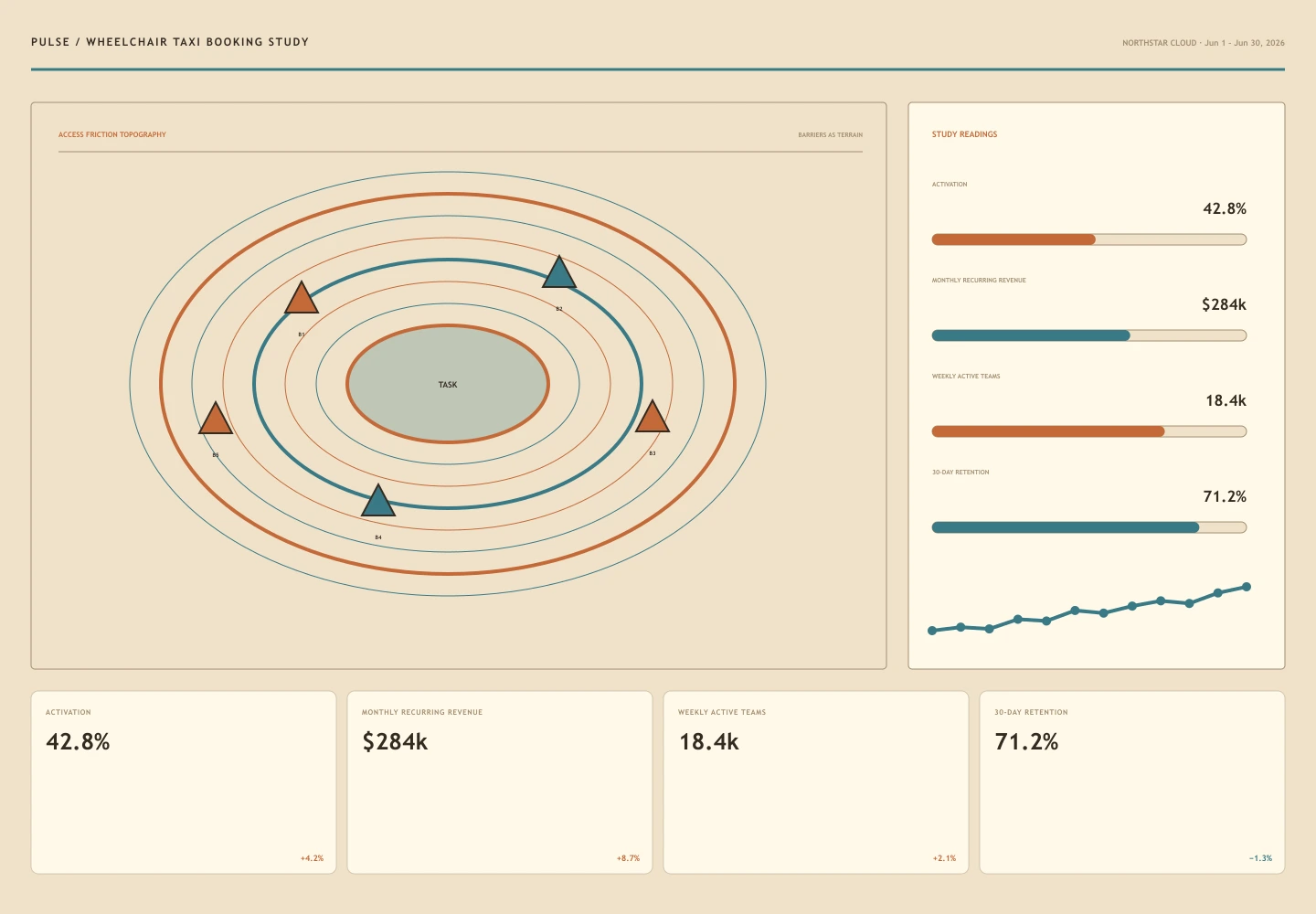
A wheelchair taxi-booking study and Warao palafito make mobility depend on a stable transfer edge, connecting clear timing, raised walkways, sheltered pauses, and accessible boarding into one continuous route.
Bridge 126 · Movement and sequence
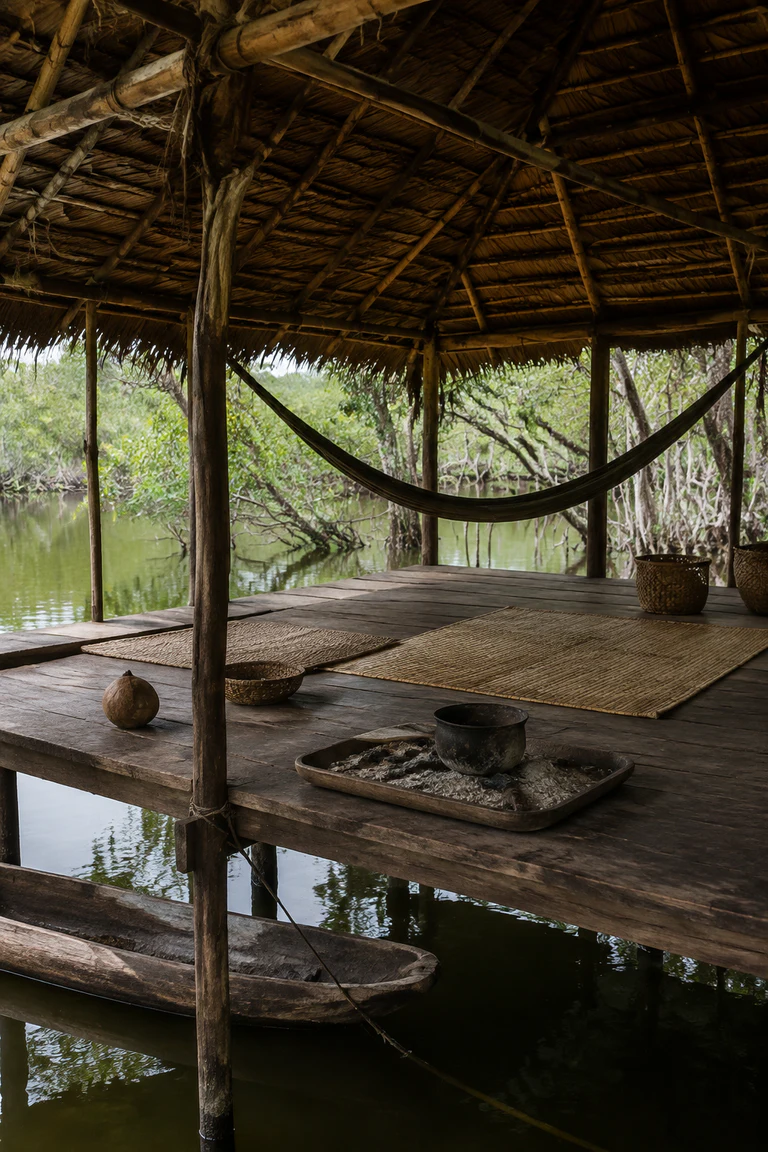
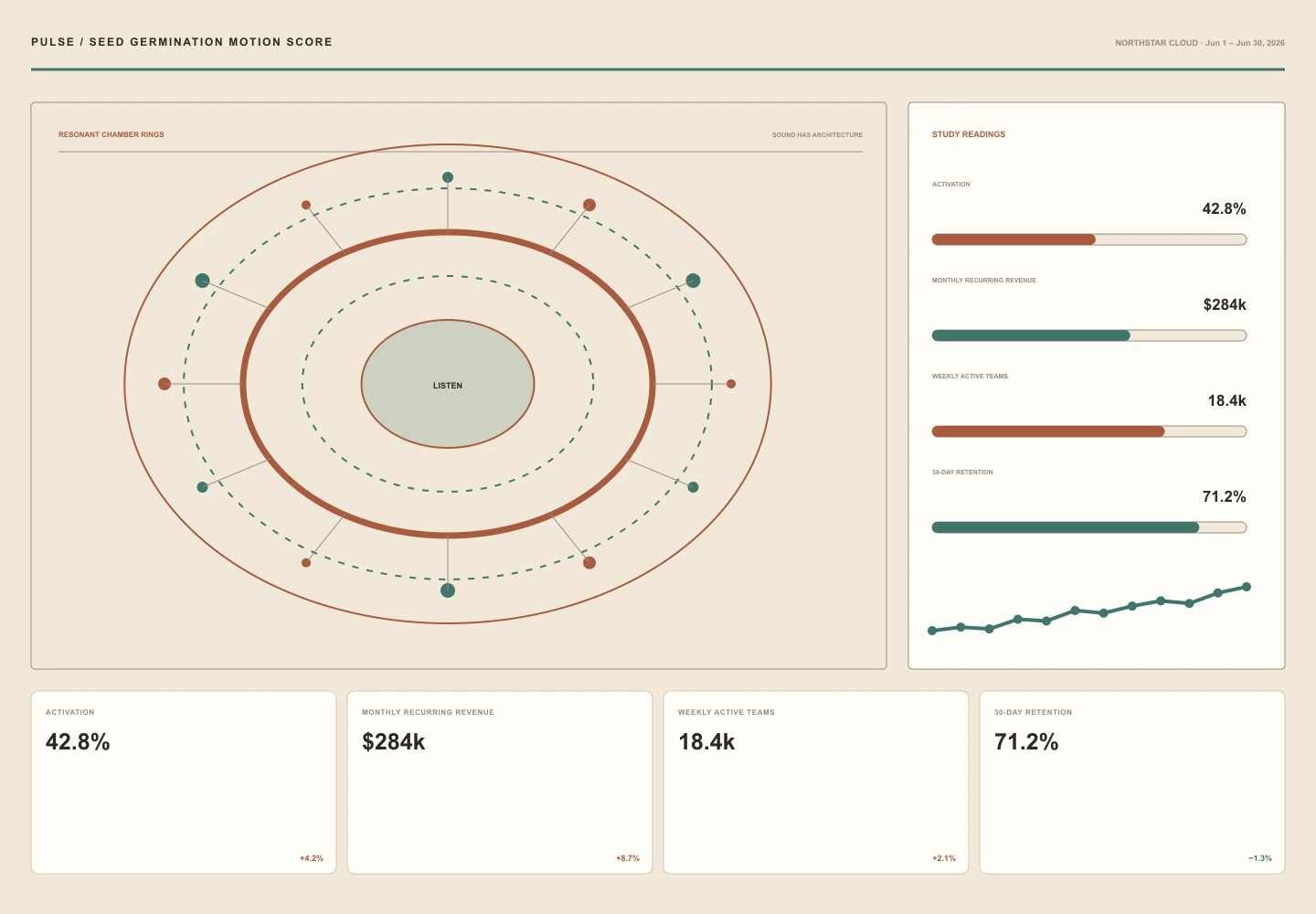
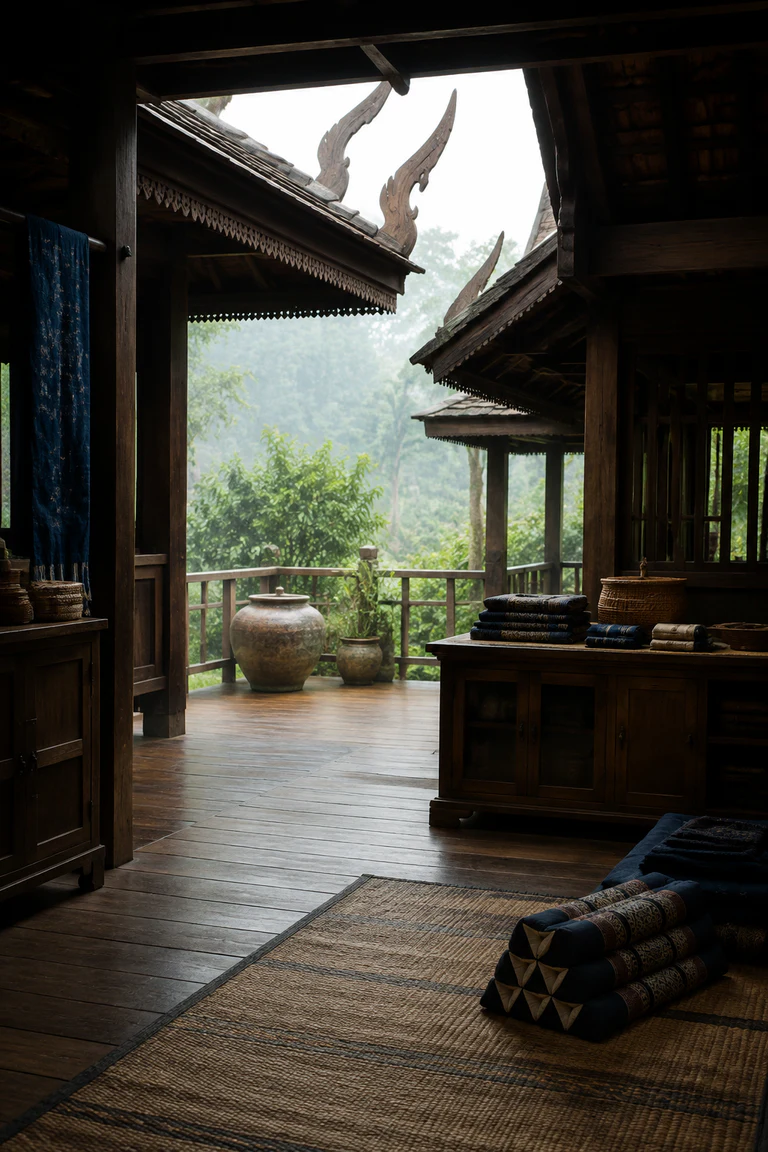
A seed-germination motion score and Northern Thai Lanna house coordinate gradual change through repeated stages, open-air rooms, calibrated pauses, and collective tending, allowing biological time to guide spatial rhythm.
Bridge 127 · Movement and sequence
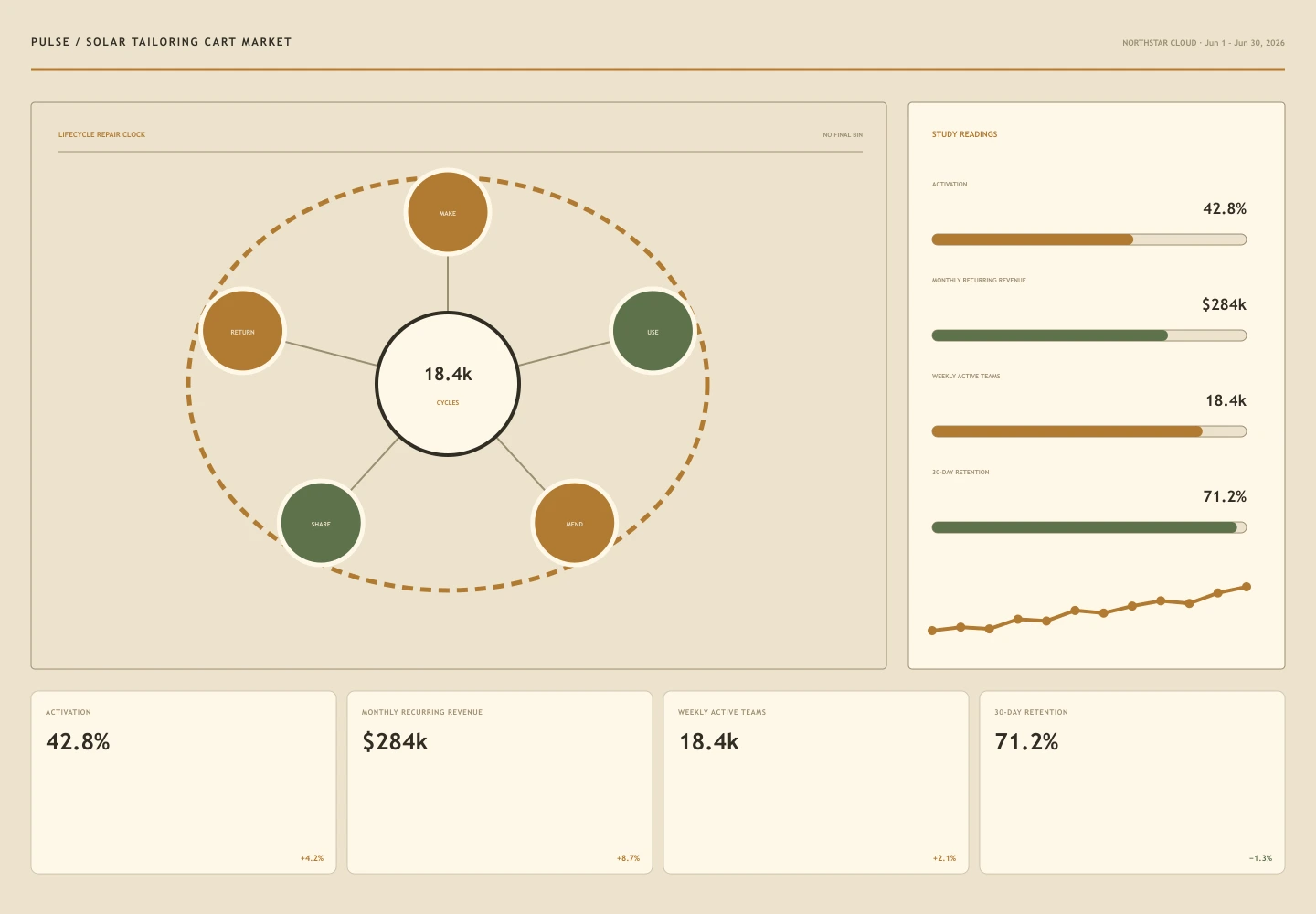
A solar tailoring cart market and Čičmany painted house carry skilled pattern through movement, combining mobile equipment, repeated motifs, visible routes, and adaptable work surfaces so craft can travel without losing local identity.
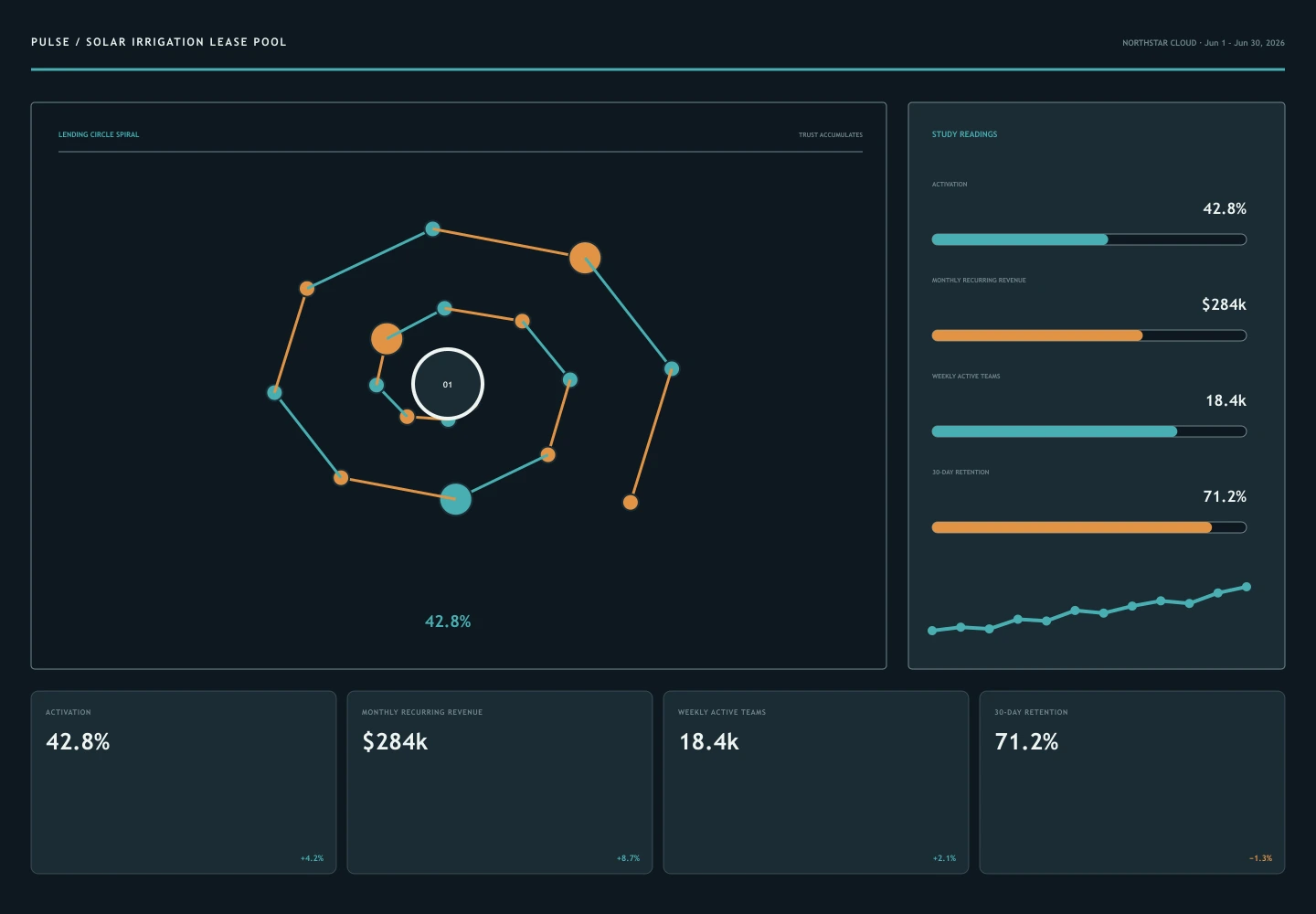
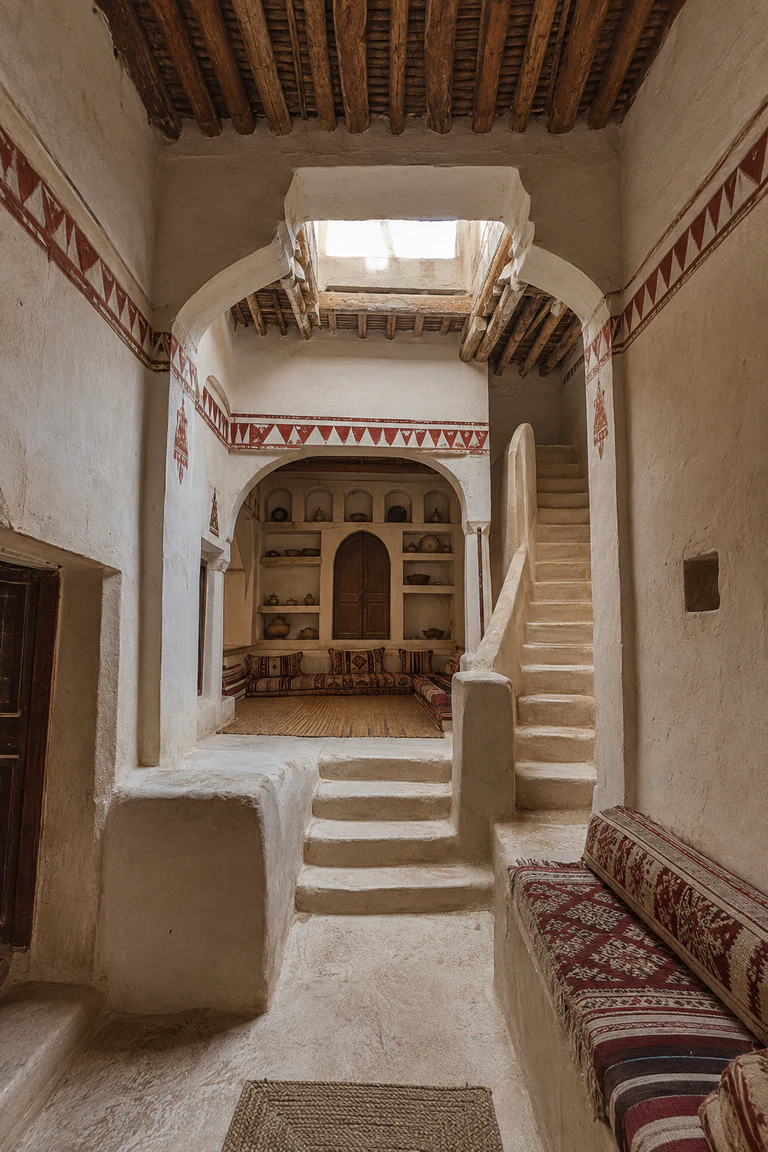
Bridge 128 · Movement and sequence
A solar irrigation lease pool and Ghadames house connect resource flow with urban circulation, using shared channels, shaded passages, staged payments, and protected reservoirs to keep movement viable in an arid climate.
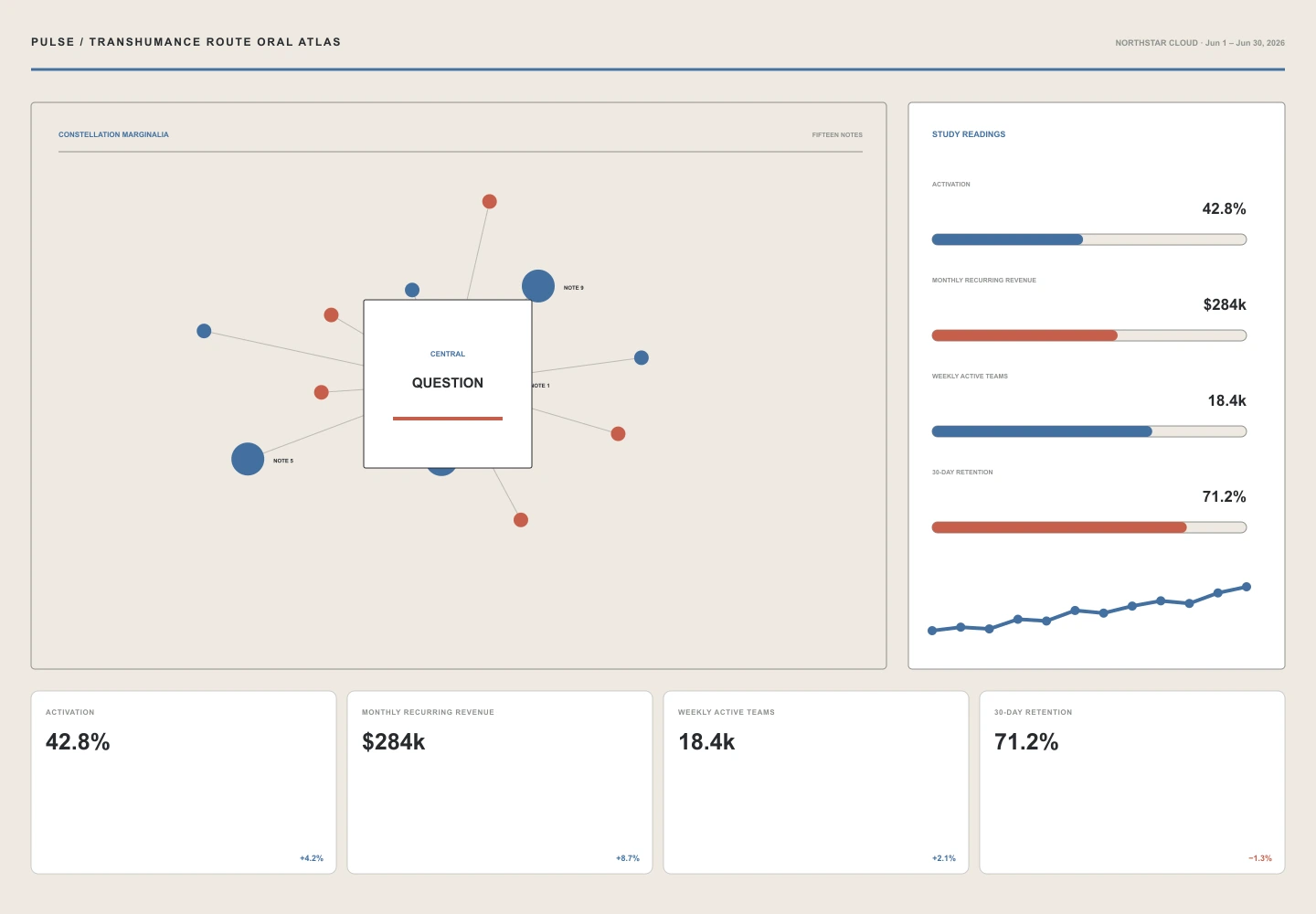
Bridge 129 · Archives in use
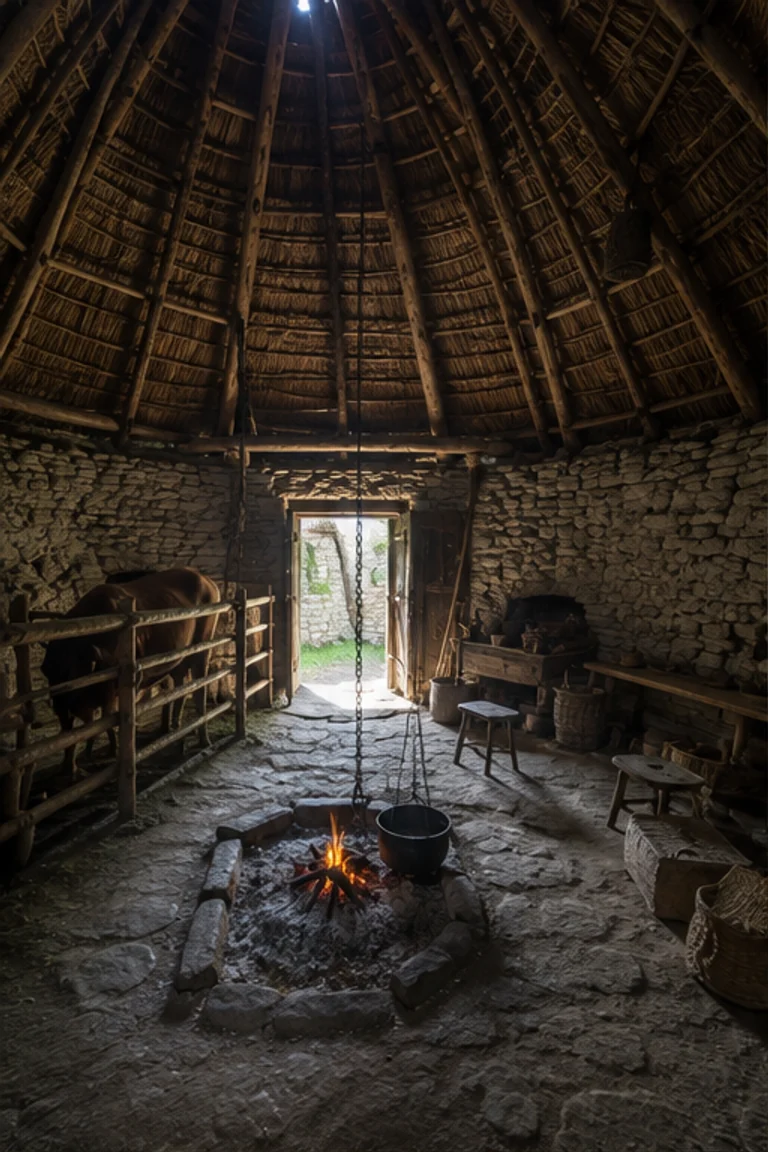
A transhumance oral atlas and Welsh longhouse preserve movement through domestic form, joining spoken routes, shared roofs, animal thresholds, and seasonal rooms so migration remains embedded in everyday memory.
Bridge 130 · Archives in use
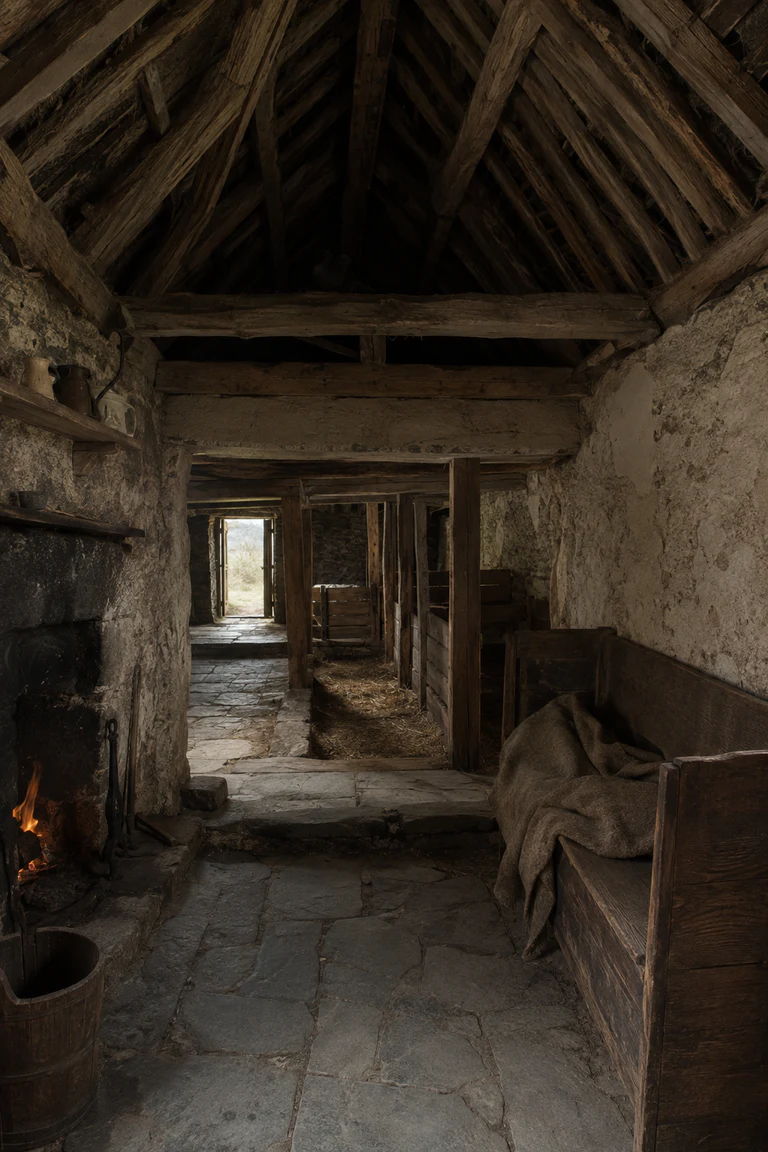
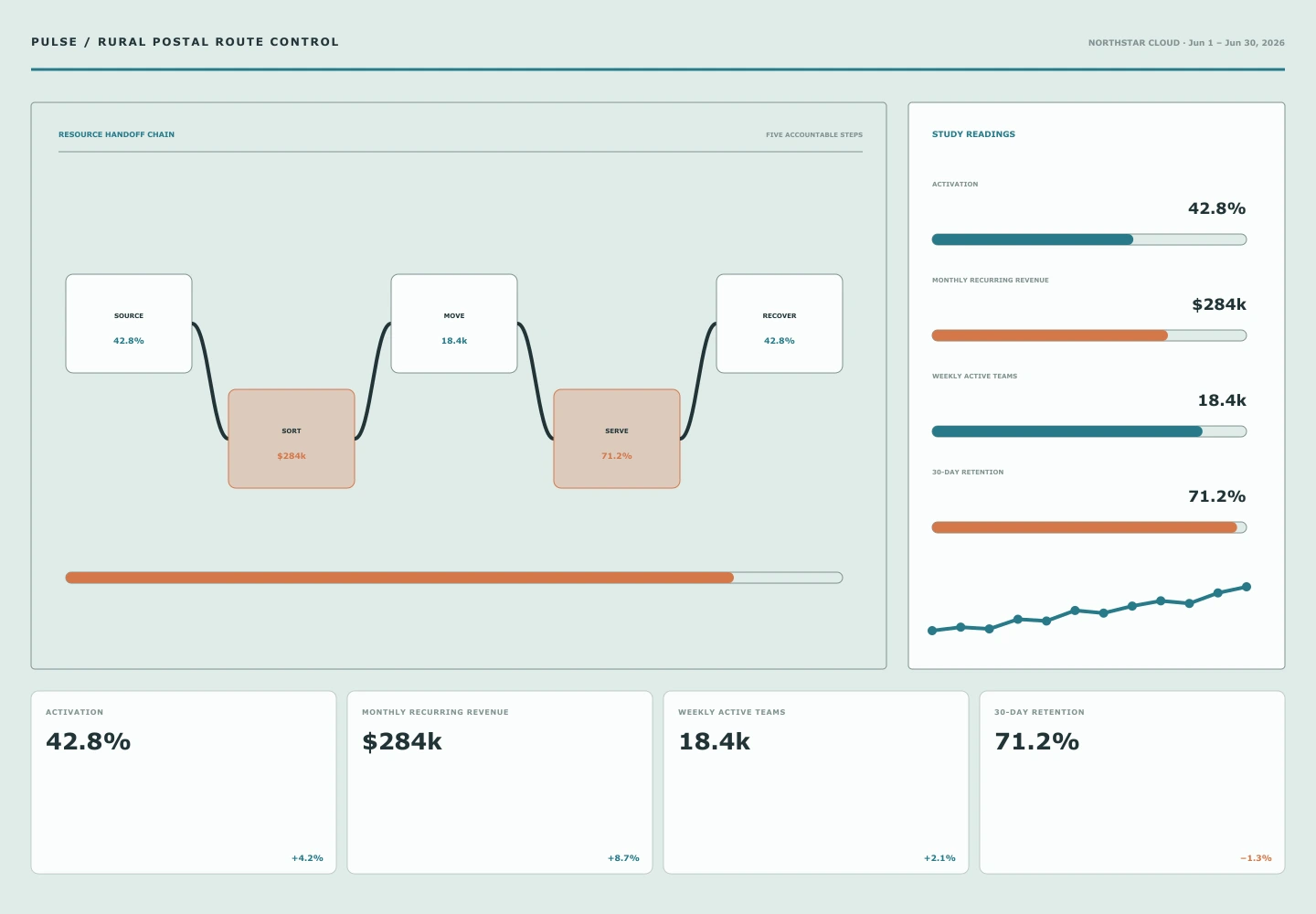
A rural postal route control and Irish thatched cottage connect communication to repeated journeys, recognizable thresholds, and durable local landmarks, keeping distant correspondence anchored in a familiar domestic geography.
Bridge 131 · Archives in use
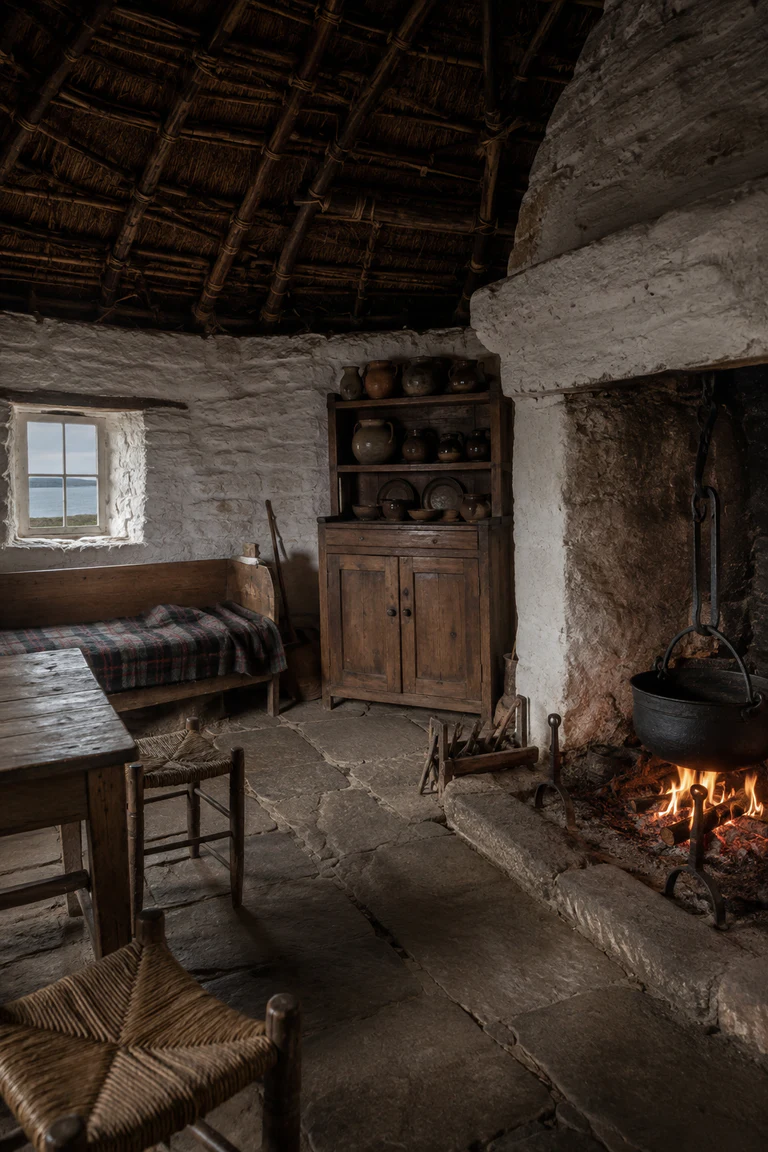
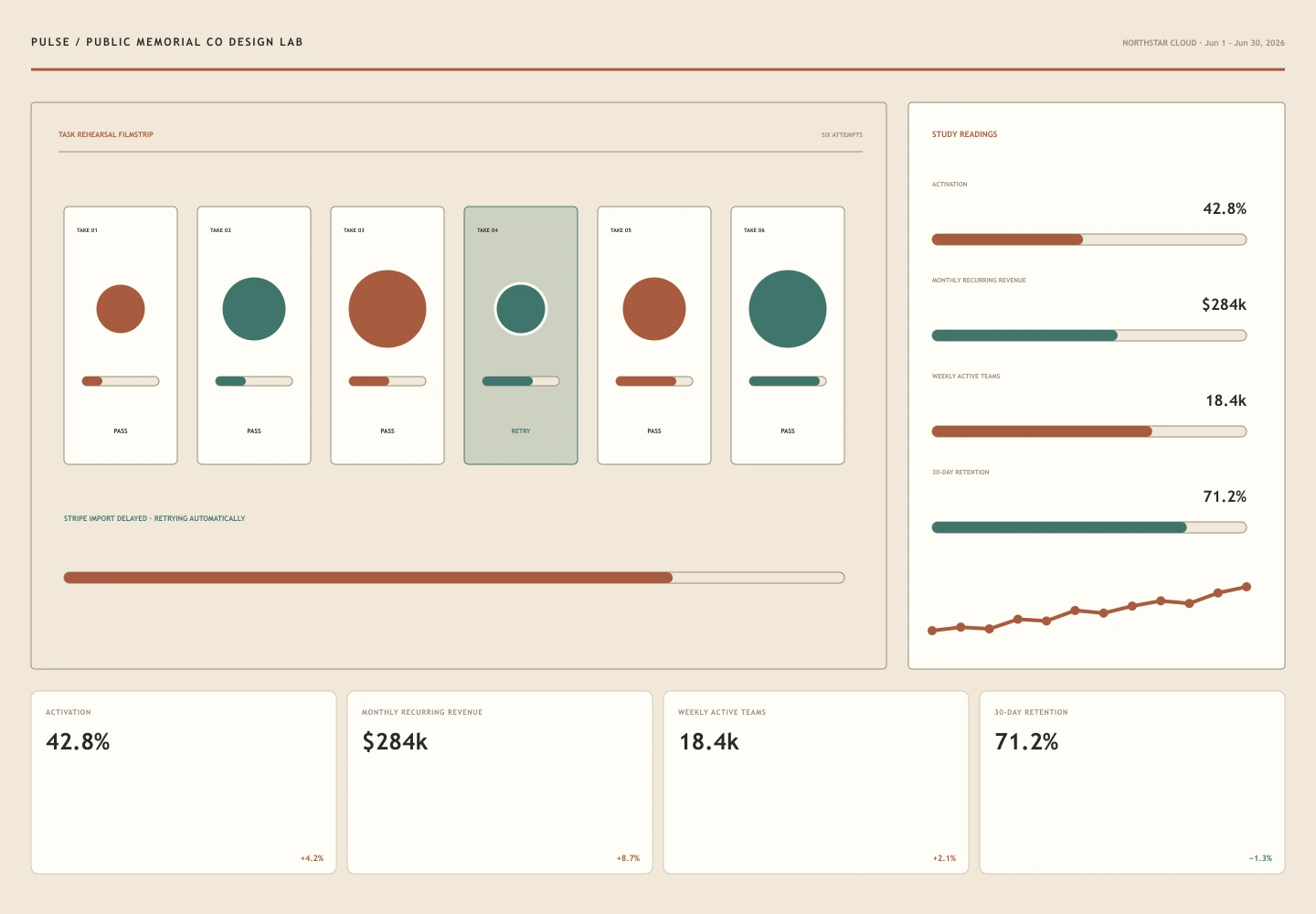
A public memorial co-design lab and Naxi courtyard house build remembrance through collective authorship, combining gathered stories, decorated surfaces, shared rooms, and repeated rituals so memory remains open to continued participation.
Bridge 132 · Archives in use
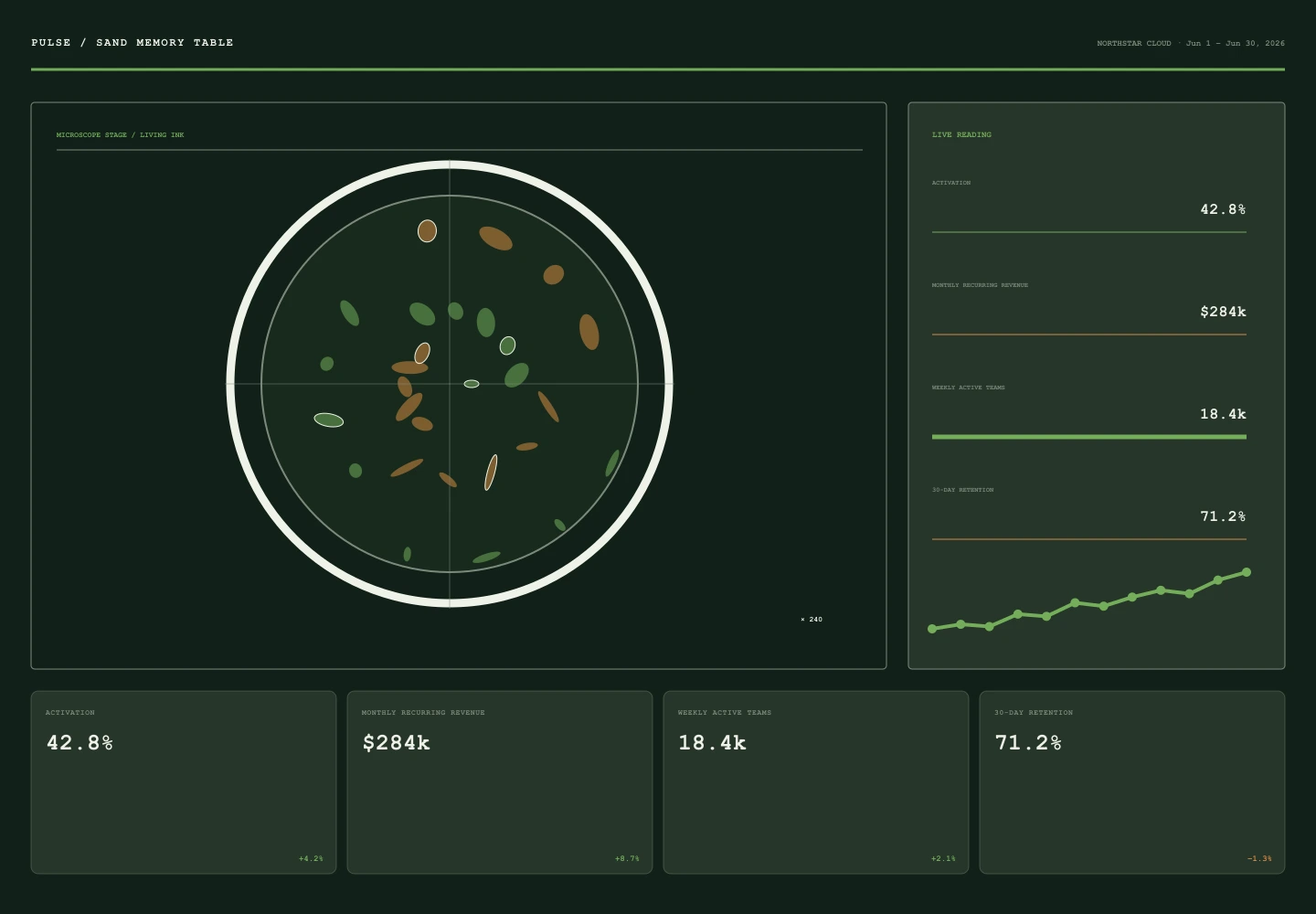
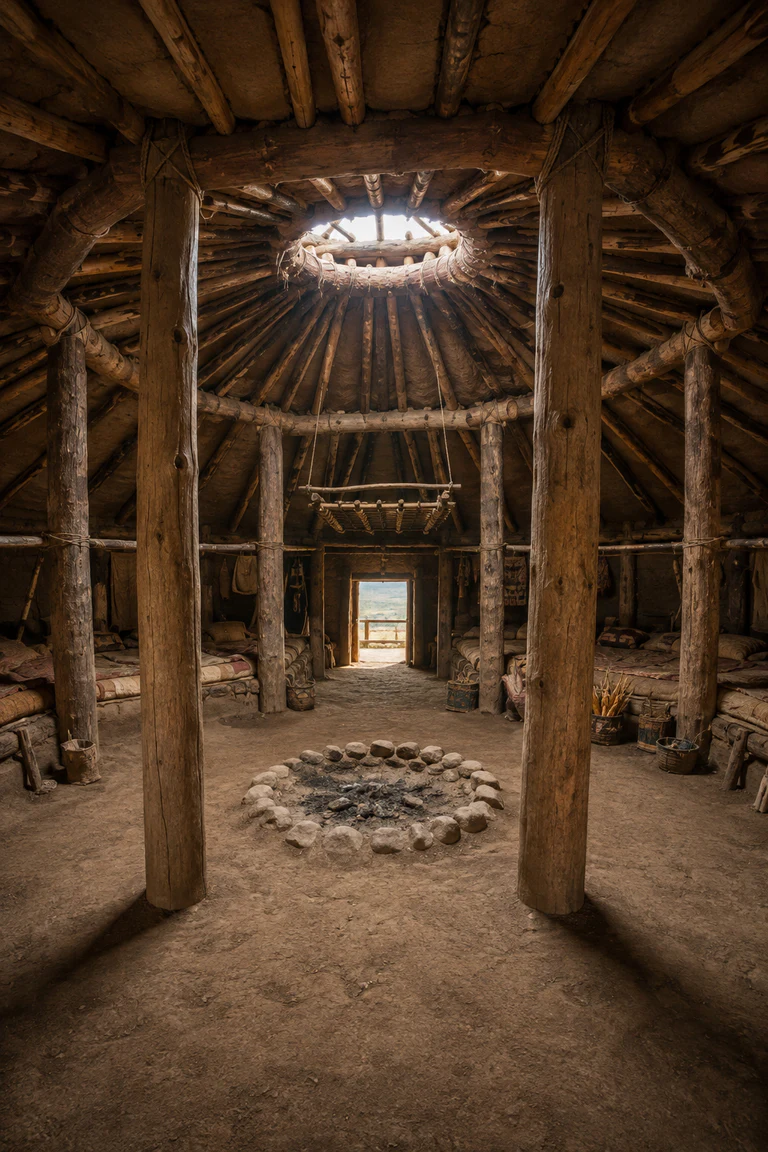
A sand memory table and Mandan earth lodge recover occupation through temporary marks, radial structure, layered ground, and renewed gathering, using changeable traces to connect individual recollection with durable communal form.
Bridge 133 · Clarity as care
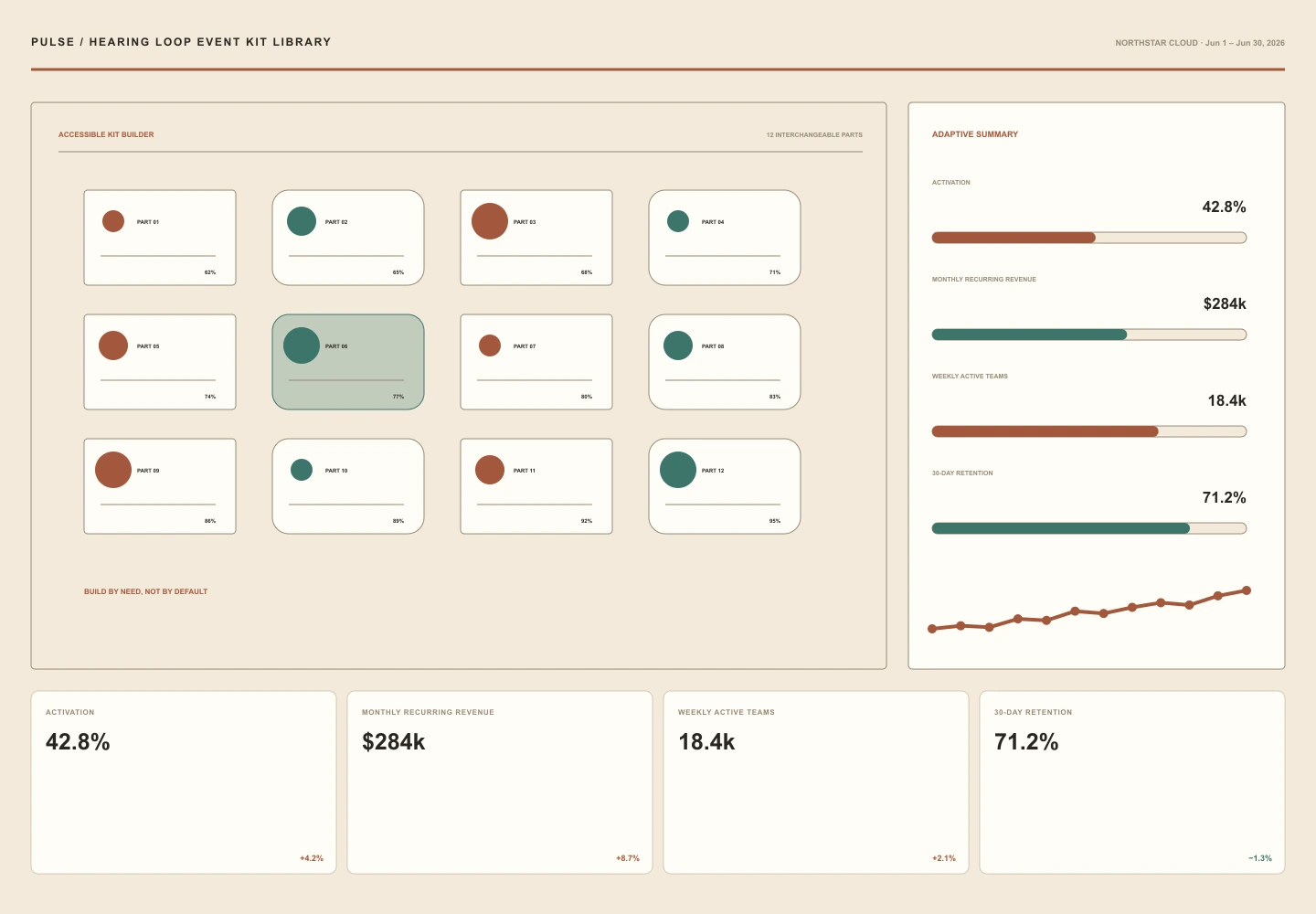
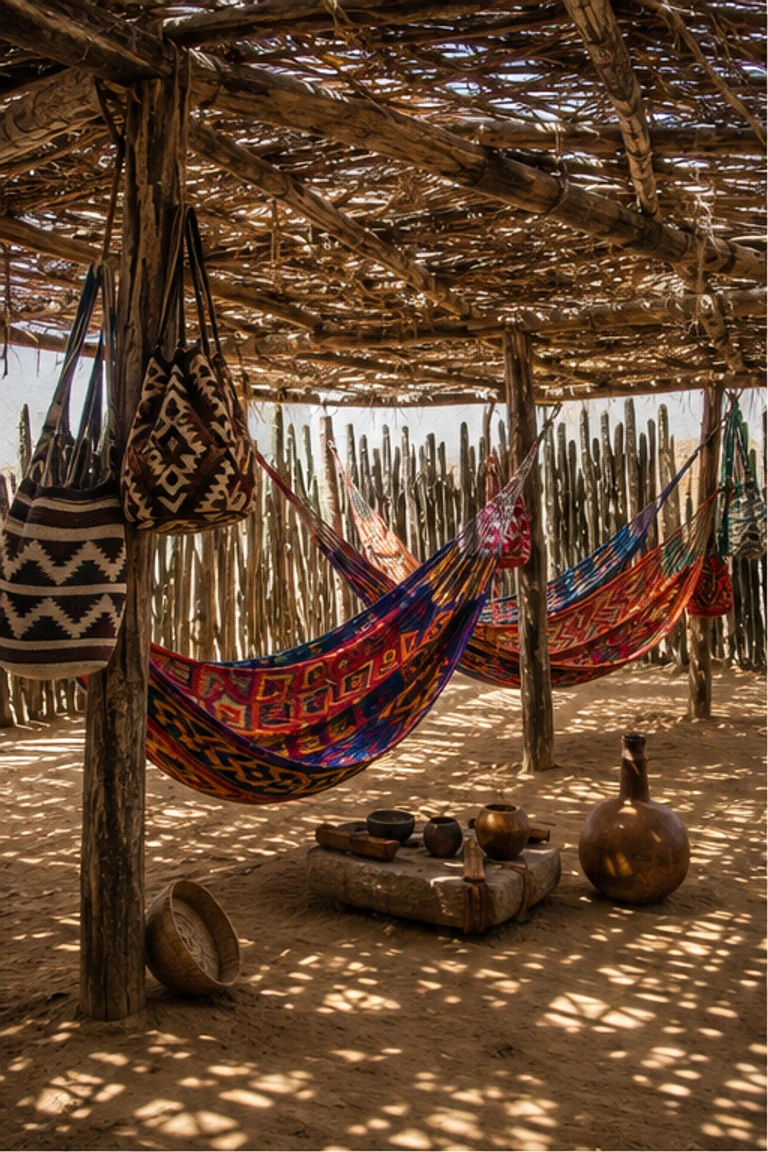
A hearing-loop event kit library and Unangax̂ barabara make access legible before entry, coordinating portable equipment, protected openings, shared orientation, and dependable placement so participation begins with confidence.
Bridge 134 · Clarity as care
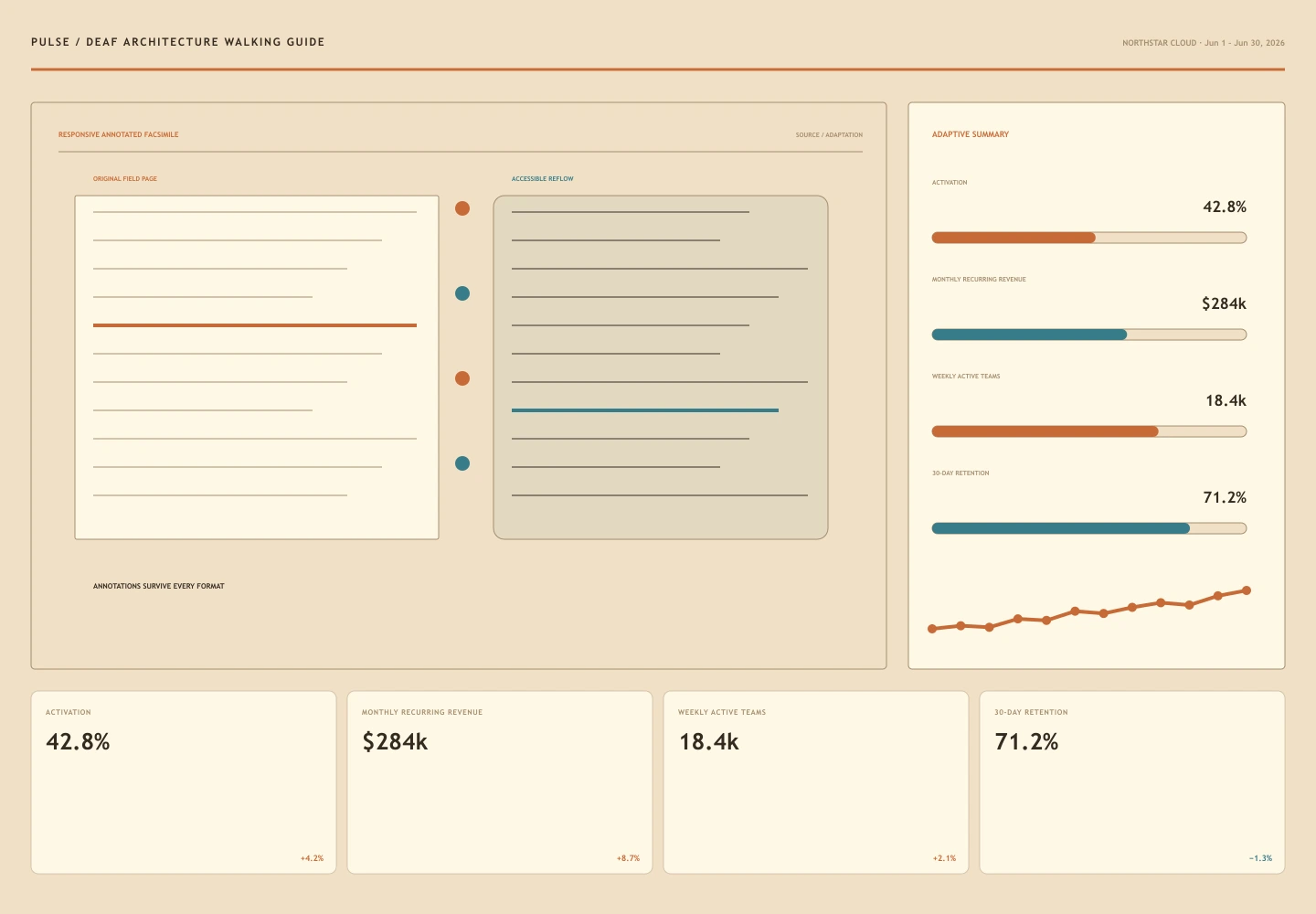
A deaf architecture walking guide and Galician palloza organize attention through a continuous edge, combining visual landmarks, rounded enclosure, paced transitions, and clear gathering points into a route that remains easy to follow.
Bridge 135 · Clarity as care
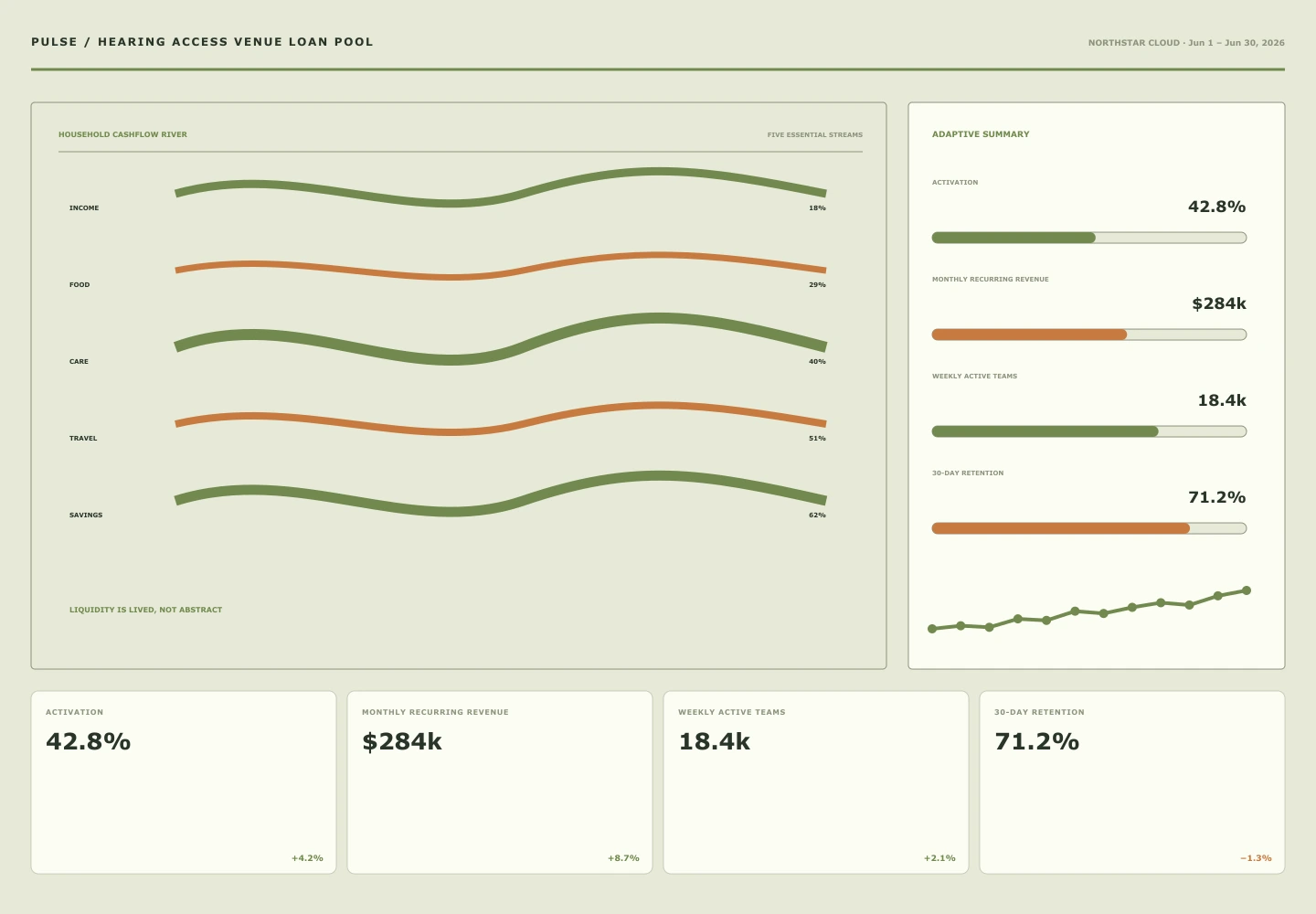
A hearing-access venue loan pool and Wayuu ranchería expose the supports behind participation, using traceable funding, distinct gathering zones, visible craft, and accountable upkeep to make shared access understandable and durable.
Bridge 136 · Clarity as care
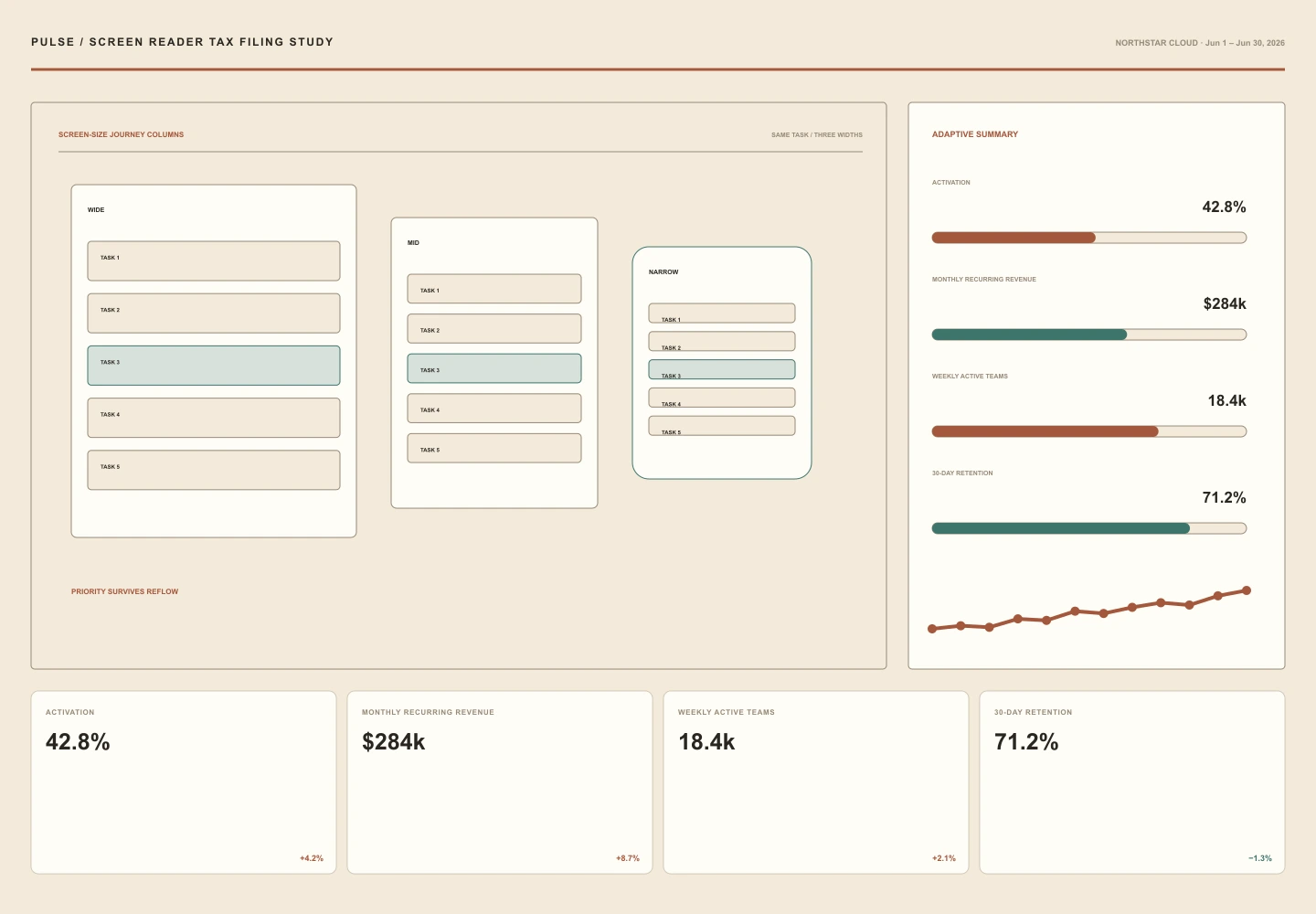
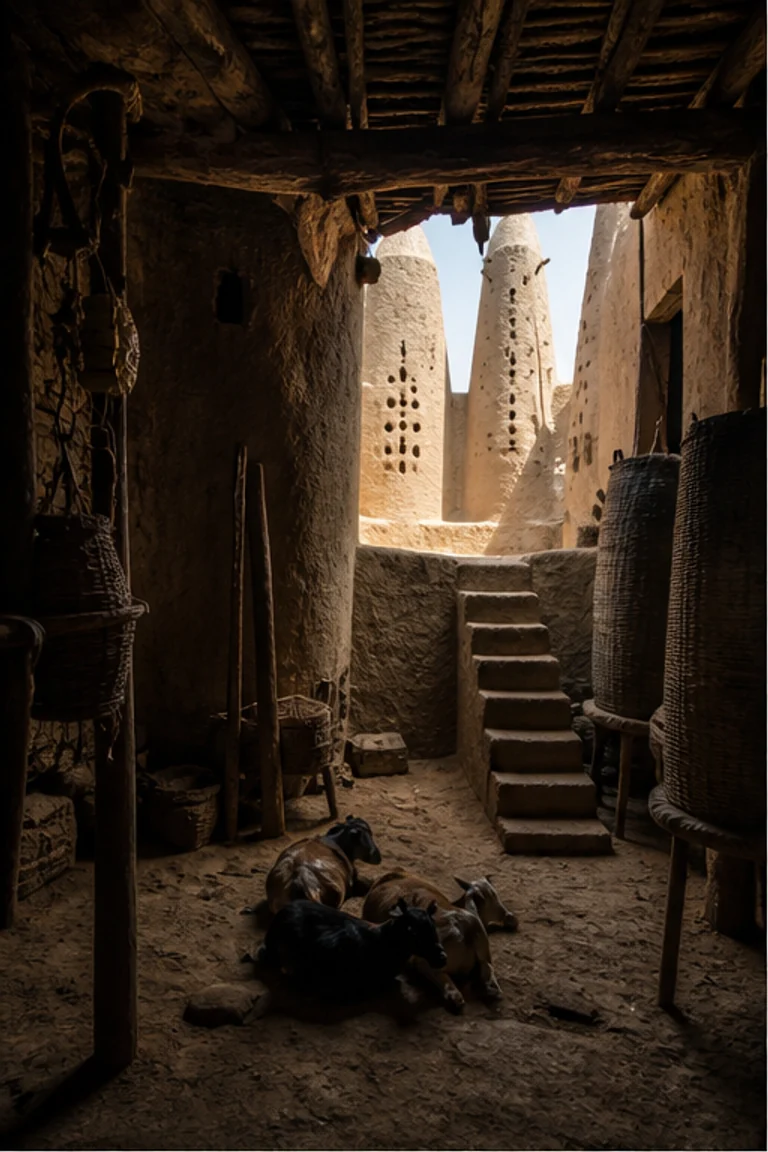
A screen-reader tax filing study and Somba tata give complex systems a stable centre, arranging layered obligations, vertical thresholds, concise cues, and protected storage so people can understand where they are and what comes next.
Bridge 137 · Material intelligence
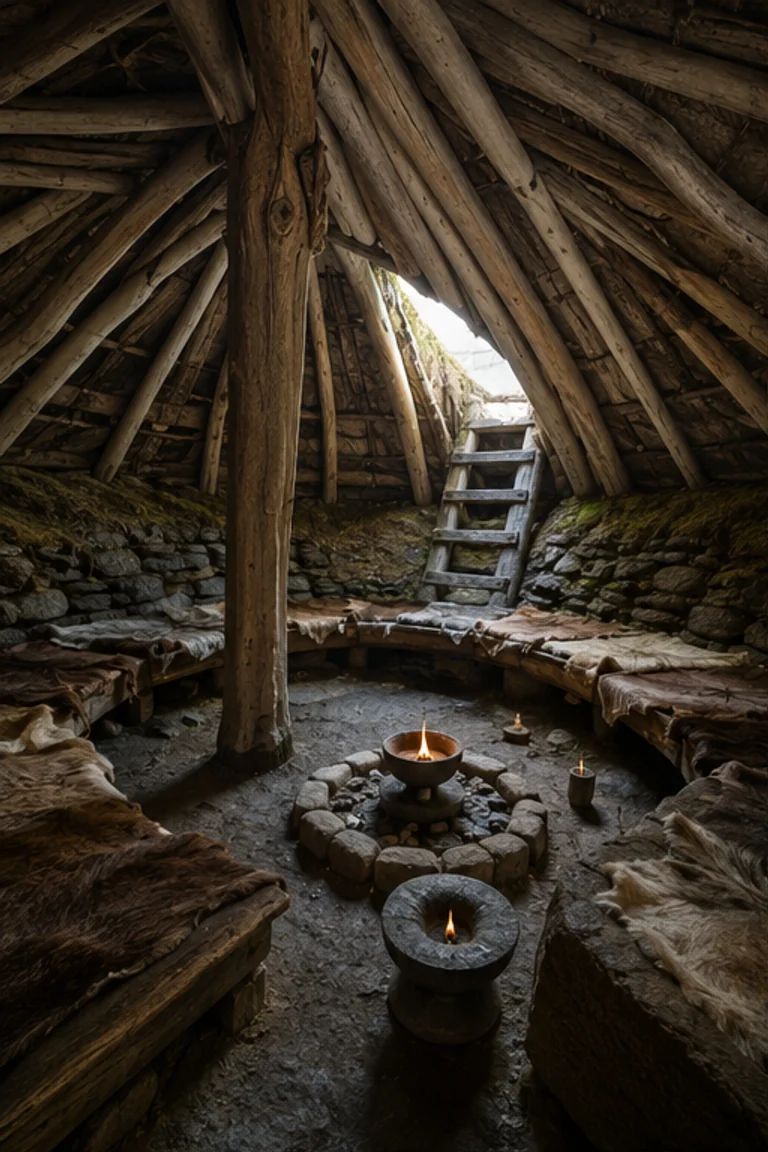
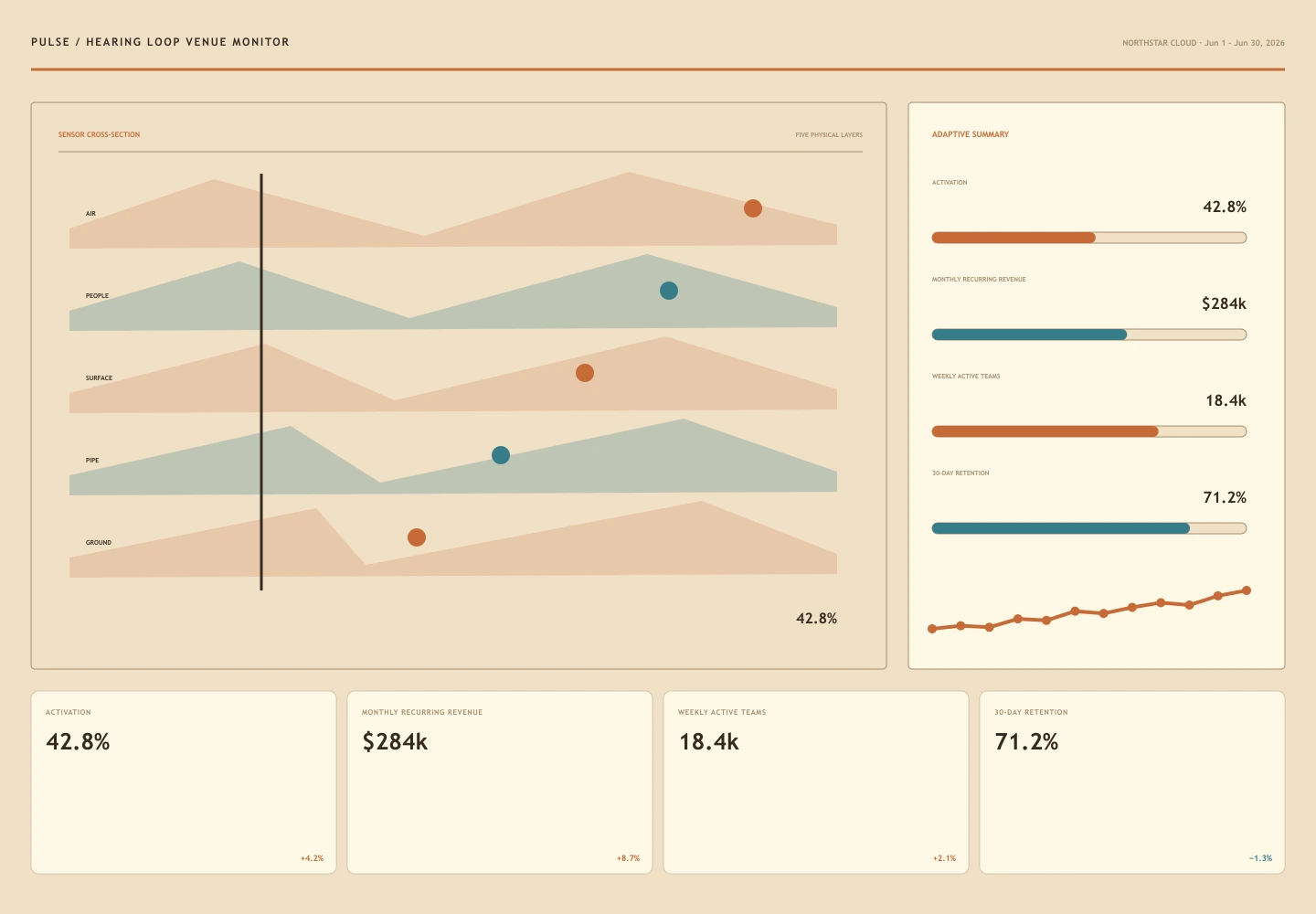
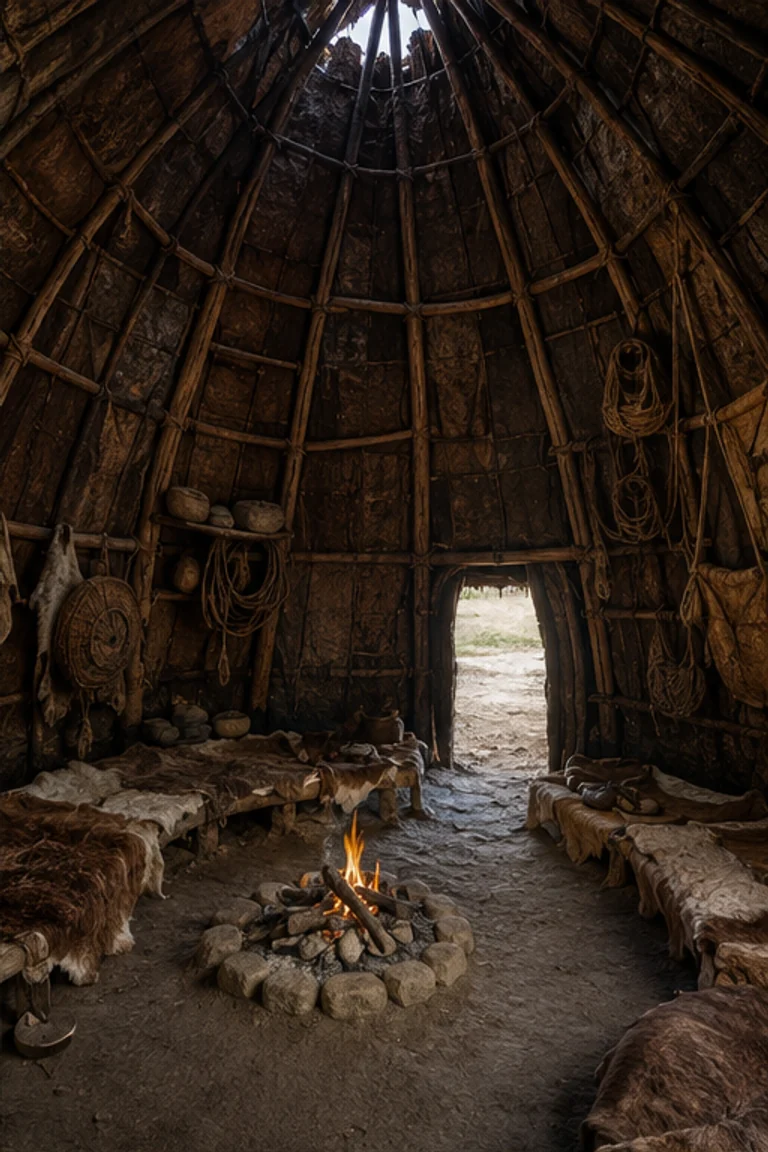
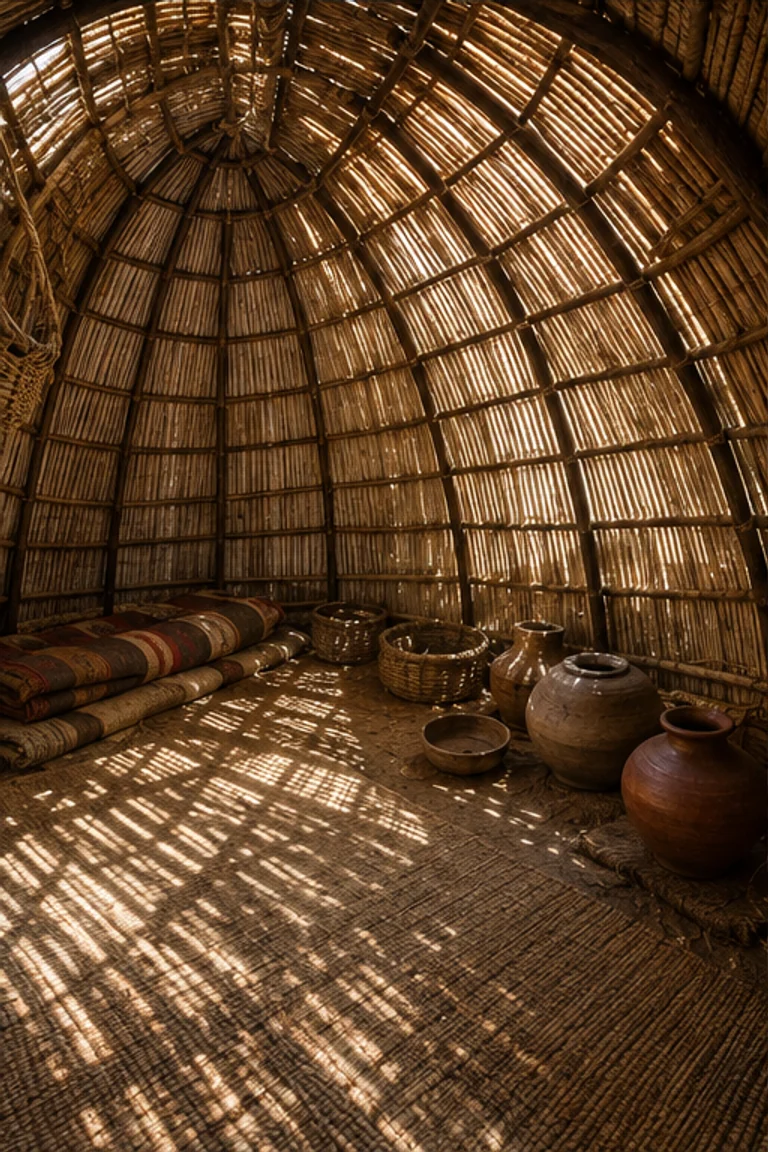
A hearing-loop venue monitor and Yaghan domed hut treat enclosure as an adjustable instrument, combining measured coverage, flexible branches, layered skins, and calibrated gaps to tune how energy moves through an occupied space.
Bridge 138 · Material intelligence
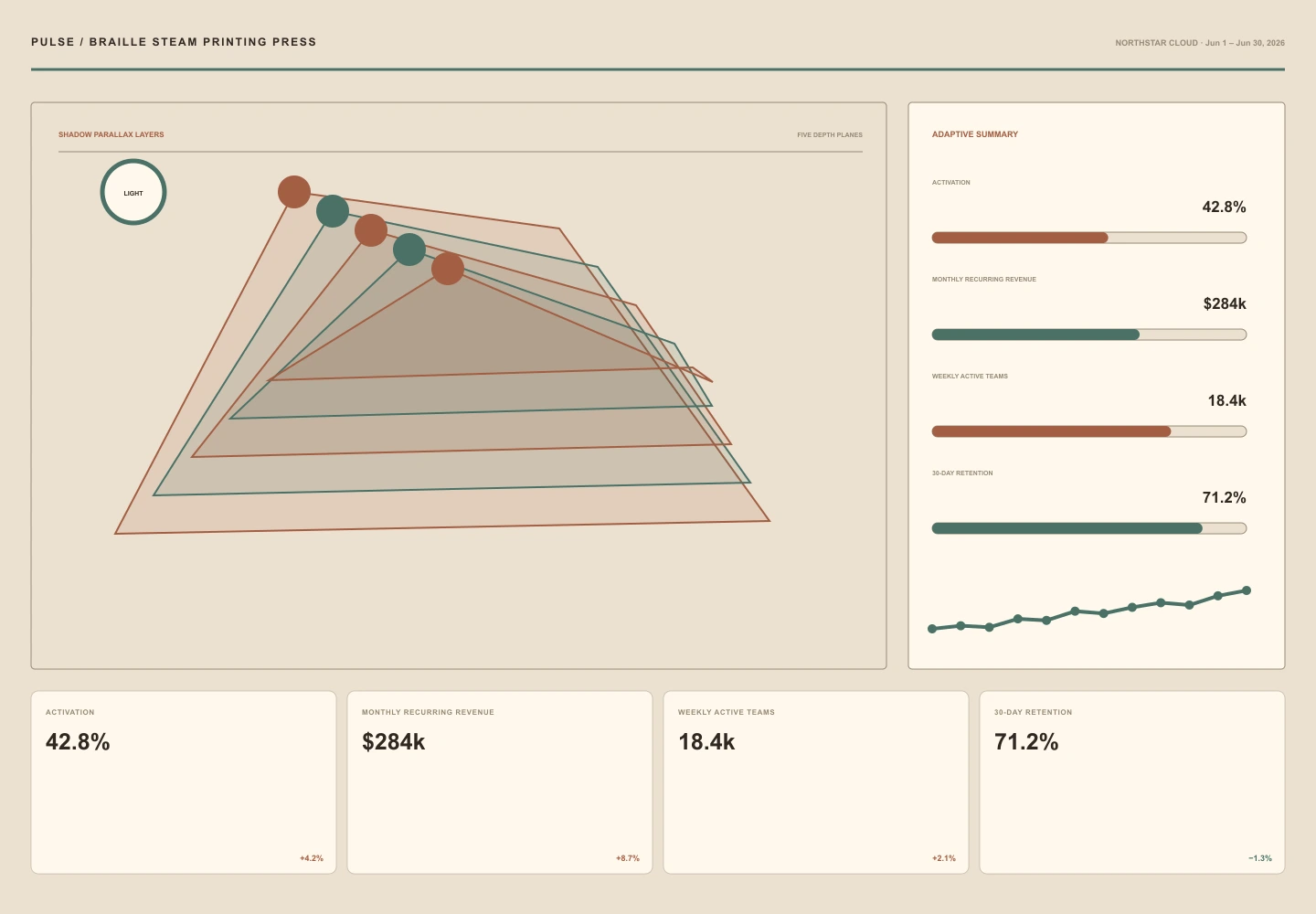
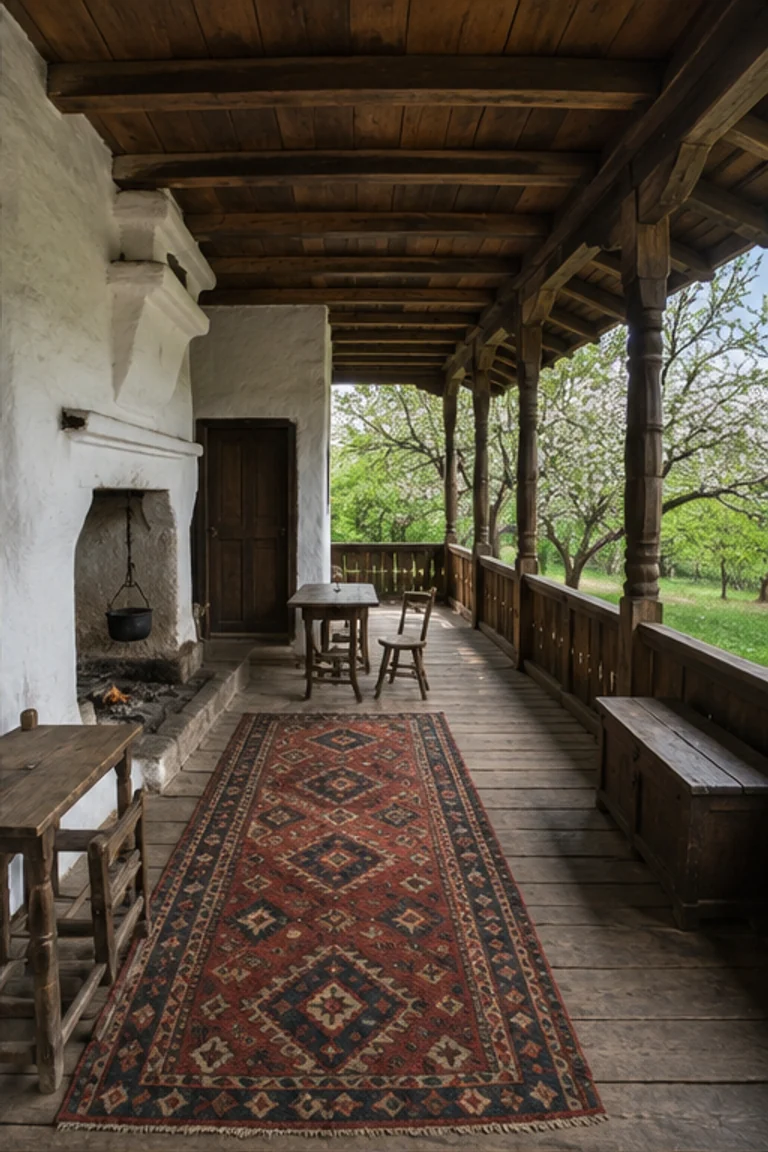
A braille steam printing press and Serbian Morava house make pressure visible through raised marks, worked timber, warm plaster, and repeated contact, allowing material transformation to carry both practical information and cultural character.
Bridge 139 · Material intelligence
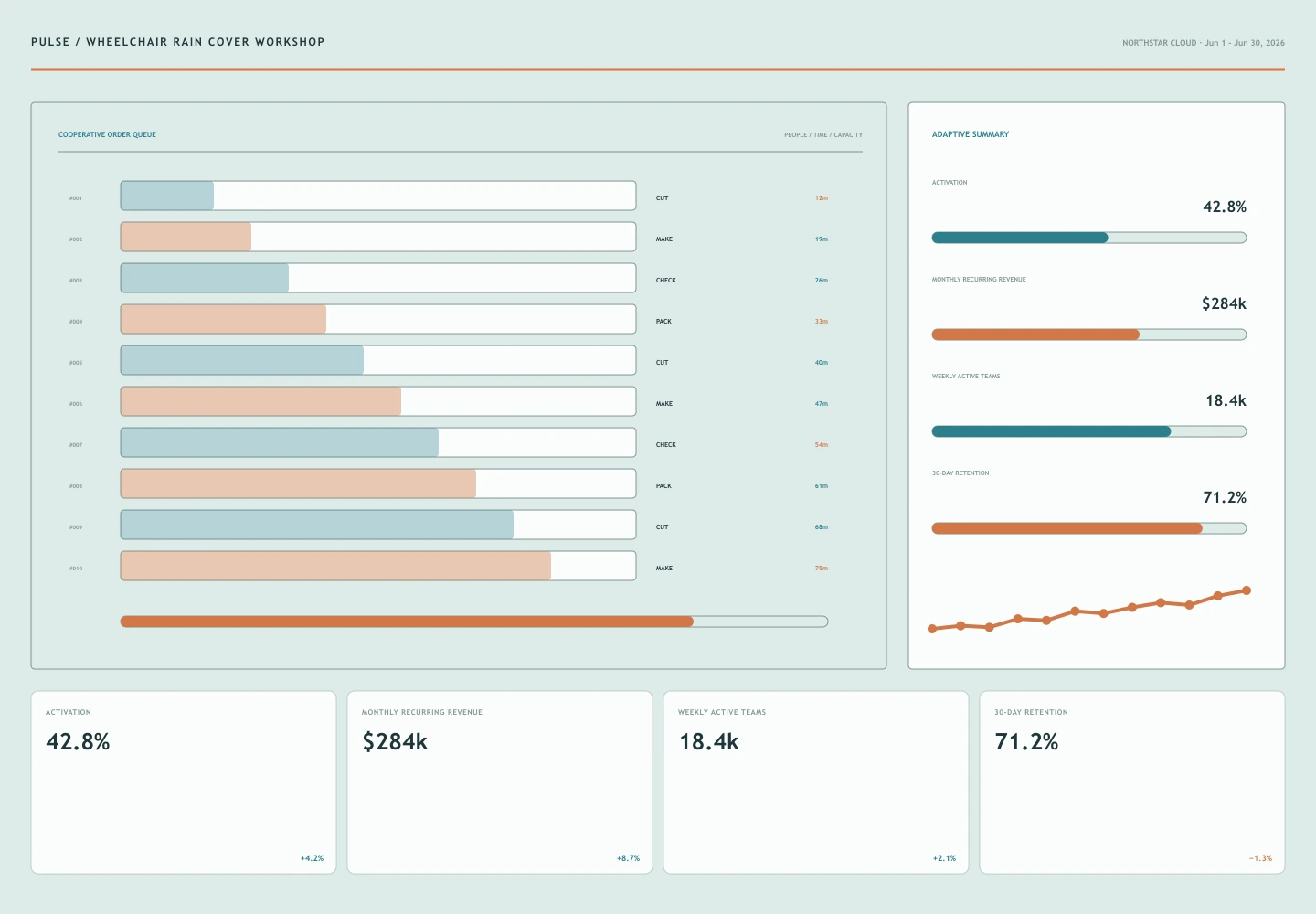
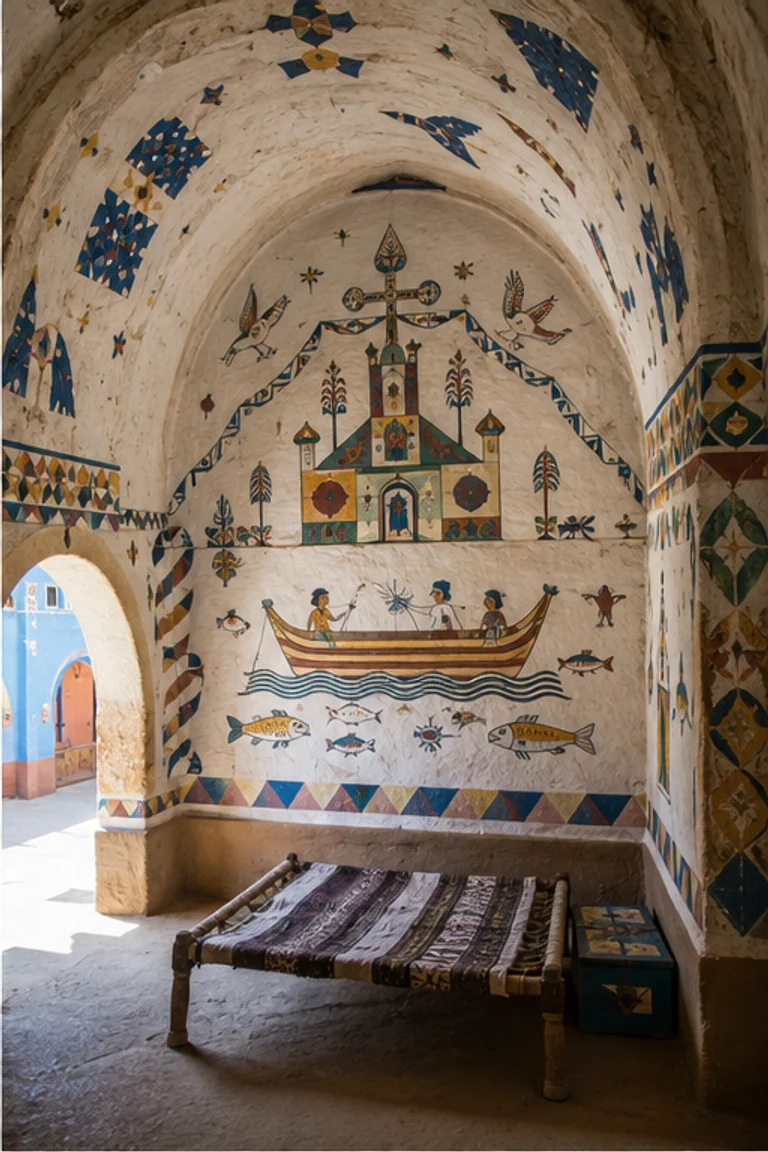
A wheelchair rain-cover workshop and Nubian painted house turn climate protection into expressive surface, combining layered membranes, renewed pigments, repair seams, and bold thresholds so maintenance remains visible rather than disguised.
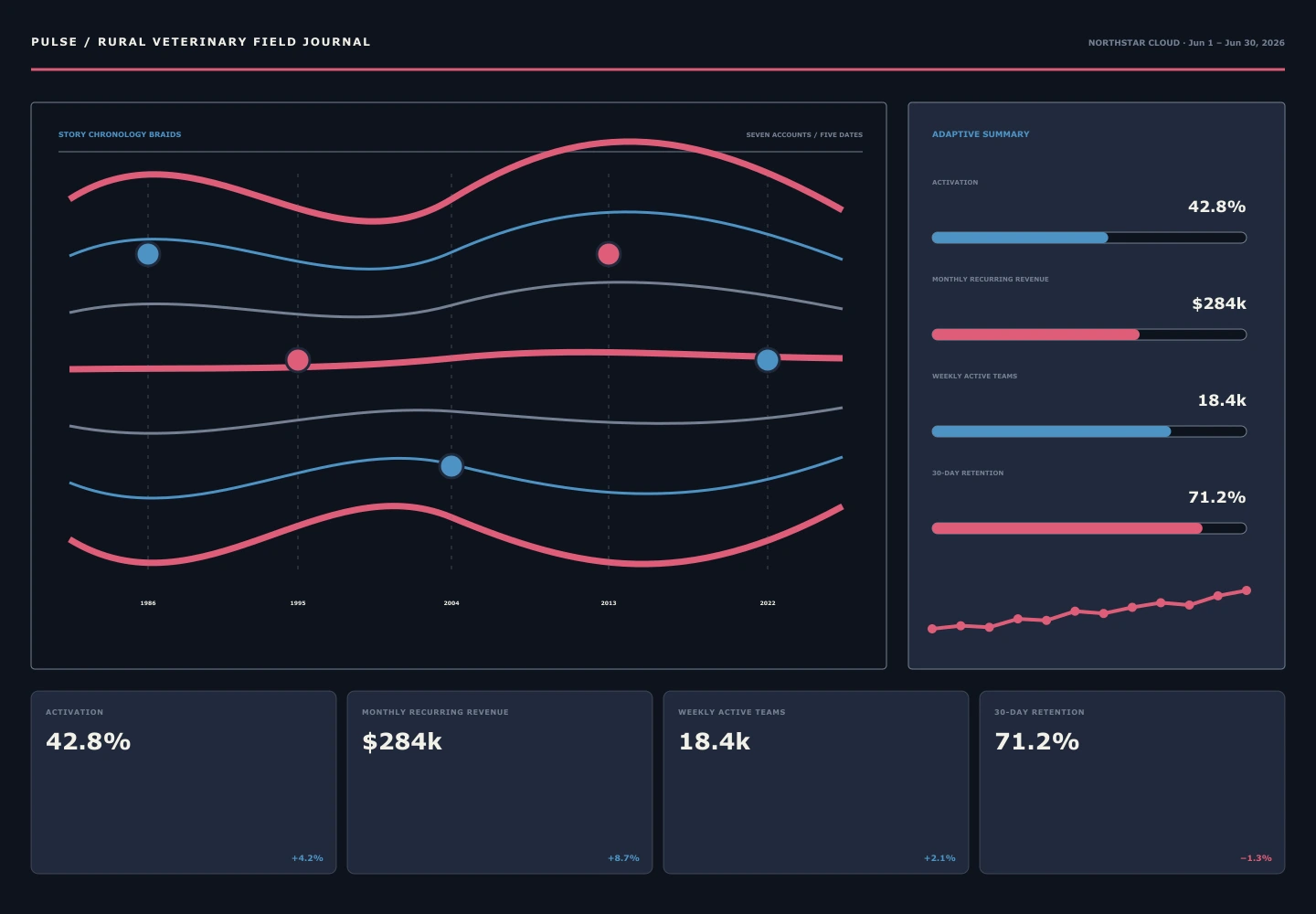
Bridge 140 · Material intelligence
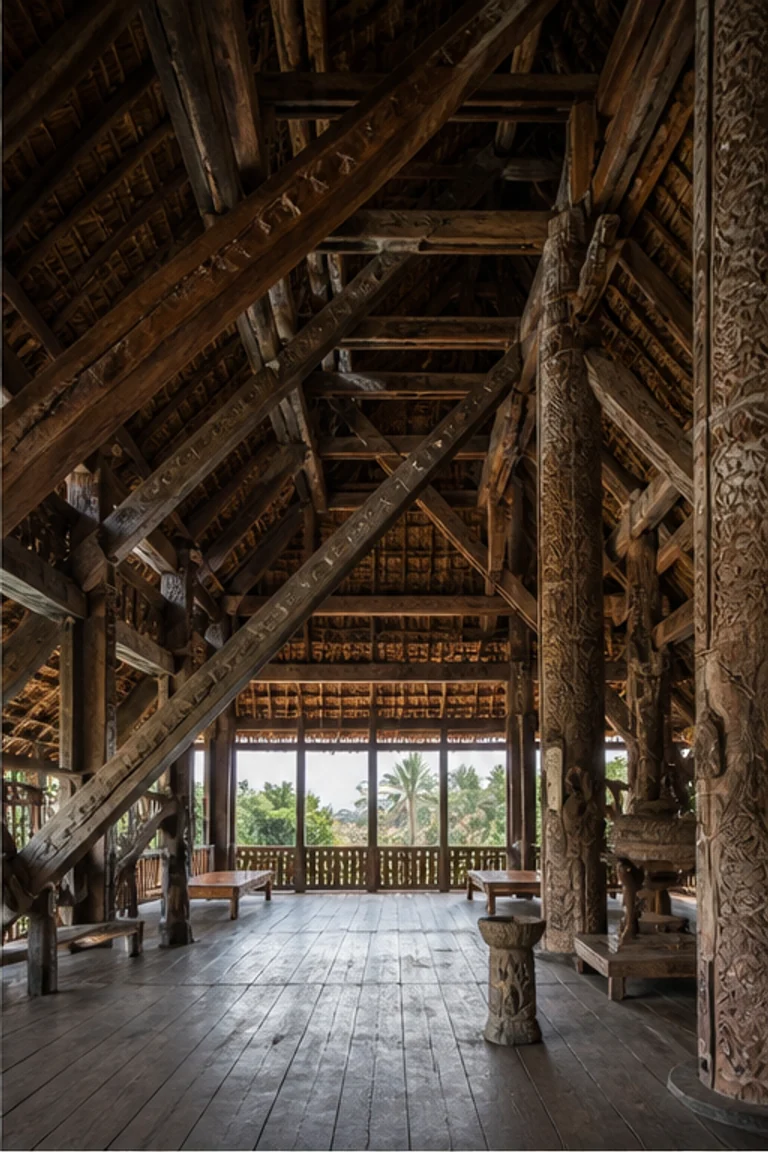
A rural veterinary field journal and Nias omo sebua store practical knowledge in exposed structure, joining annotated cases, massive braces, repeated joints, and durable surfaces so observation and construction can be read together.
Bridge 141 · Visible systems
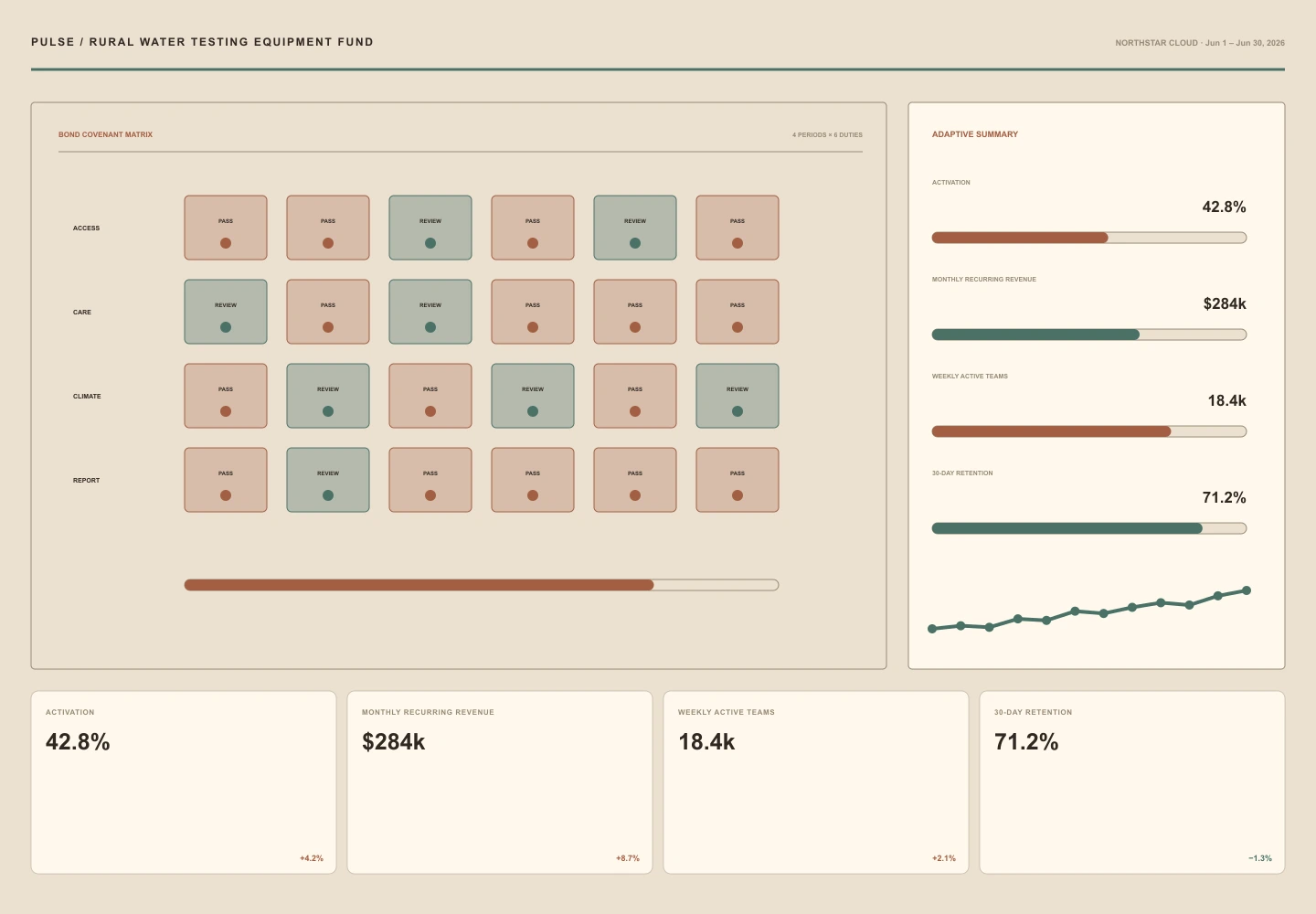
A rural water-testing equipment fund and Nama matjieshuis organize resilience through known components, portable frames, assigned storage, and repeatable support, making every tool and structural part easy to locate, maintain, and replace.
Bridge 142 · Visible systems
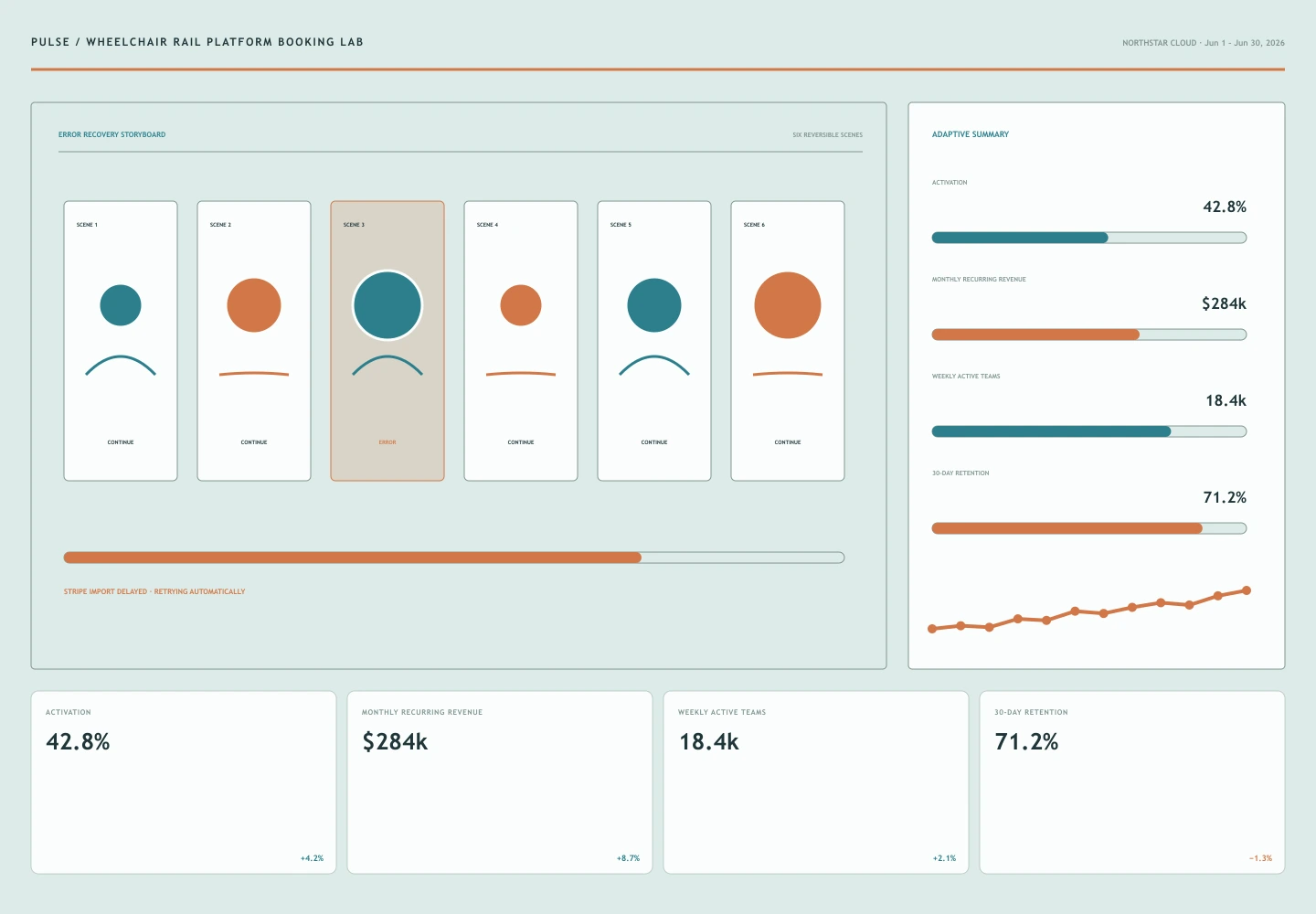
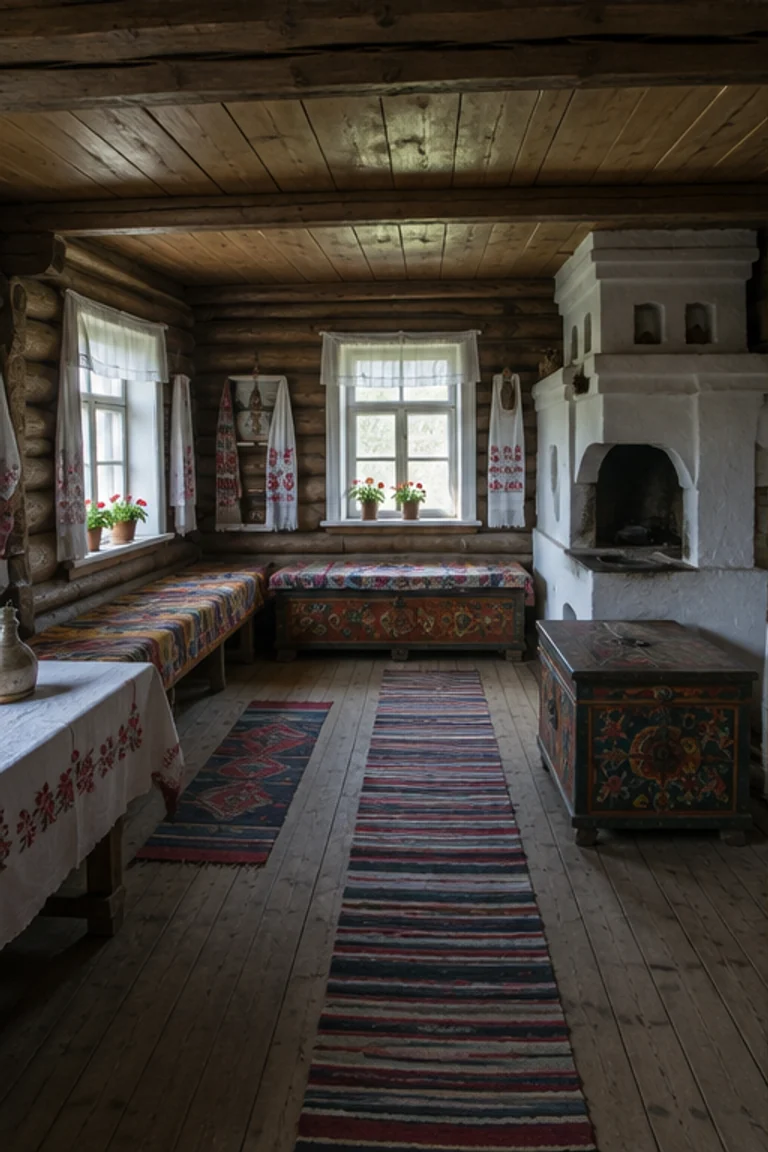
A wheelchair rail platform booking lab and Volga Tatar house align individual needs with a repeated bay, using reserved positions, clear handoffs, framed rooms, and shared thresholds to make movement through a larger system dependable.
Bridge 143 · Visible systems
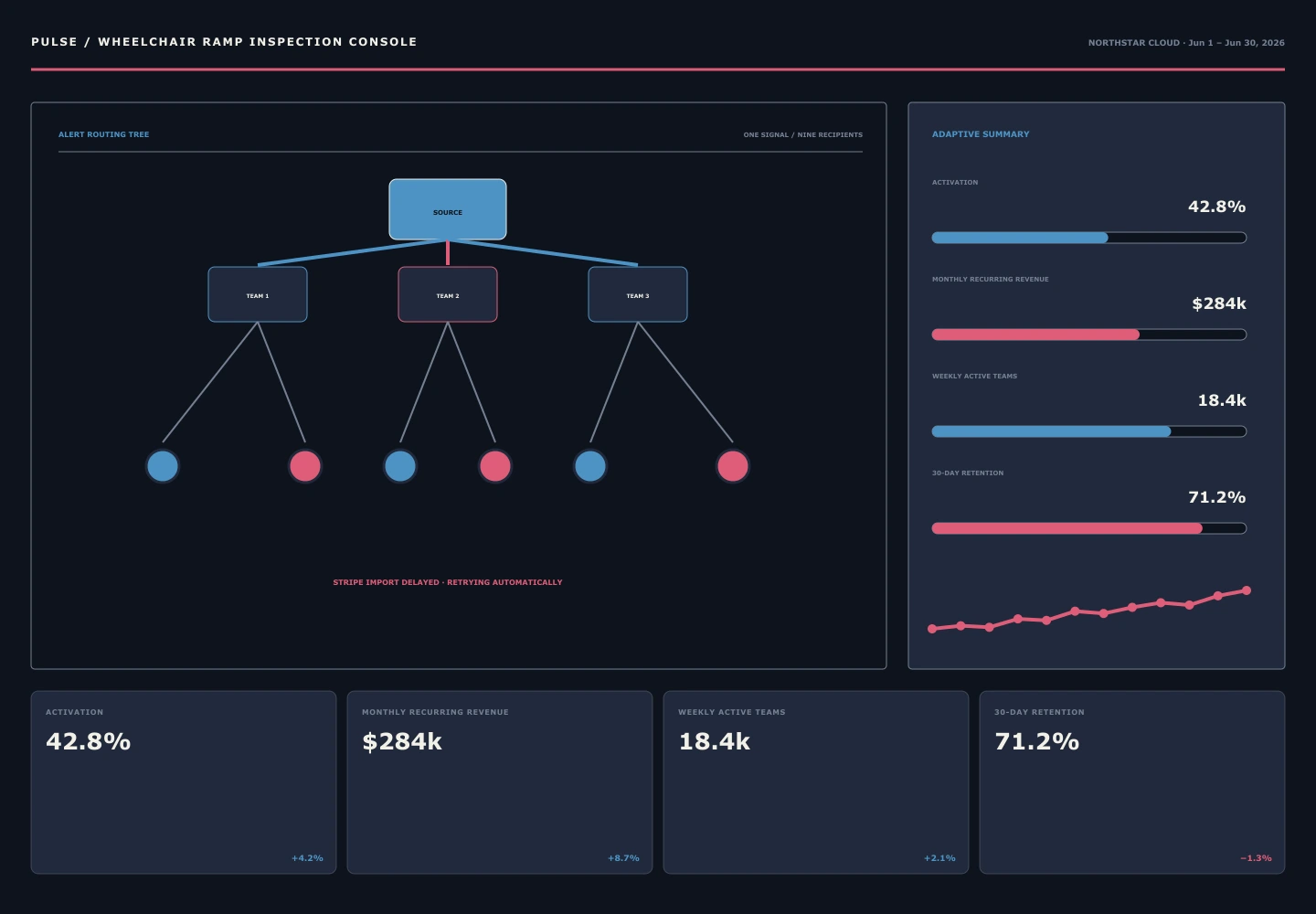
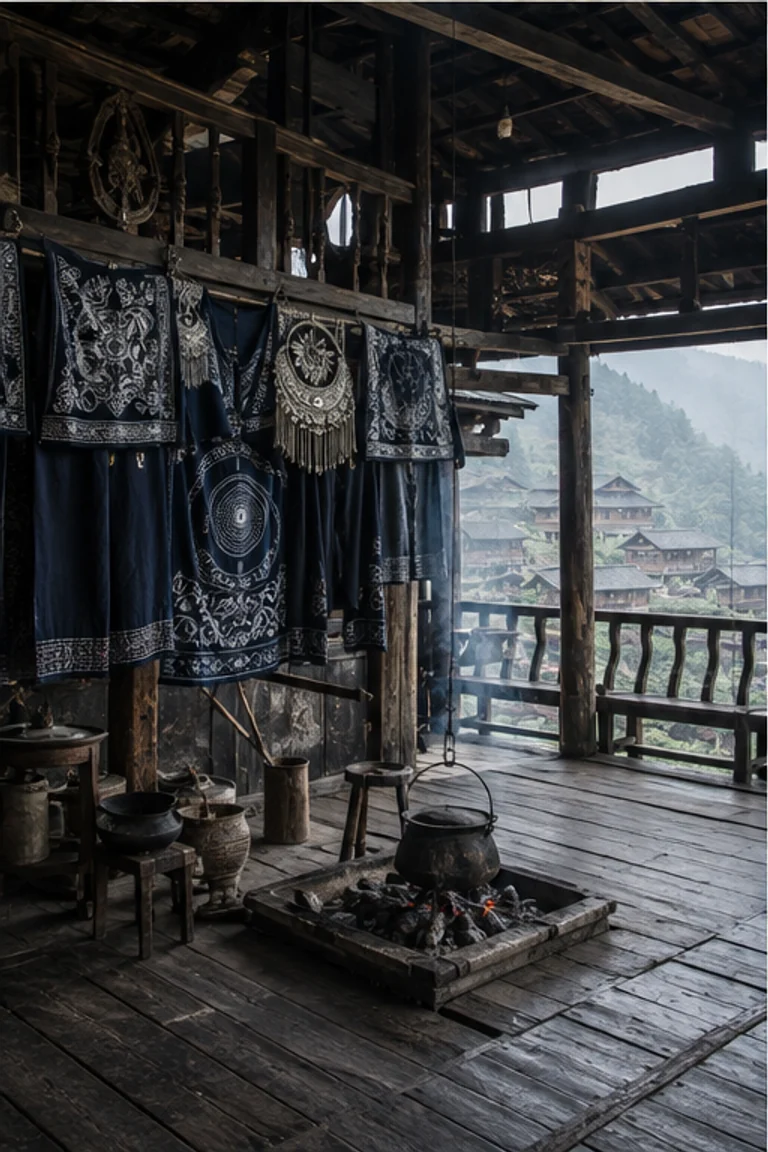
A wheelchair ramp inspection console and Miao diaojiaolou reveal safety through an exposed frame, connecting staged checks, elevated floors, diagonal supports, and visible routes so structural responsibility can be followed from ground to threshold.
Bridge 144 · Visible systems
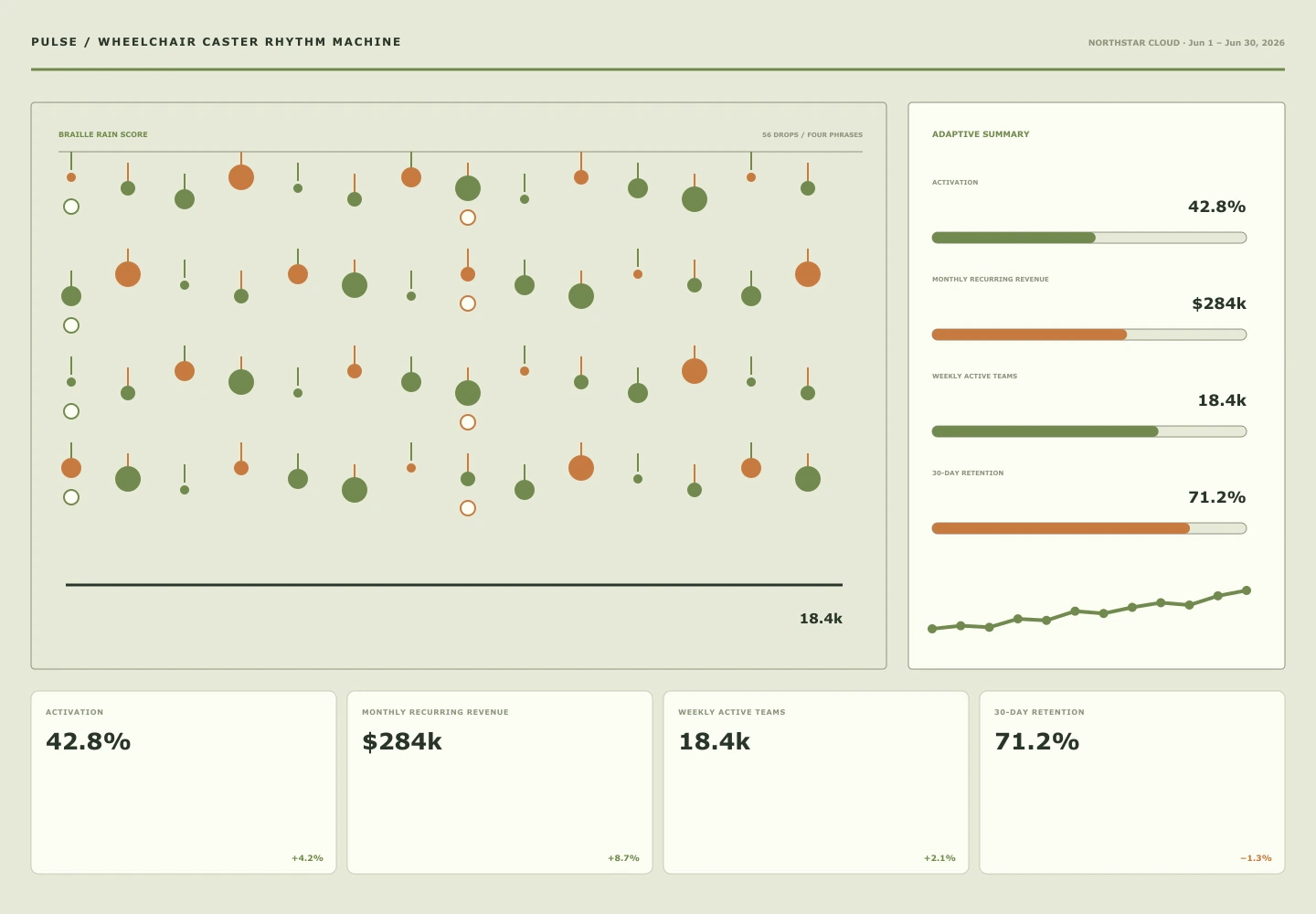
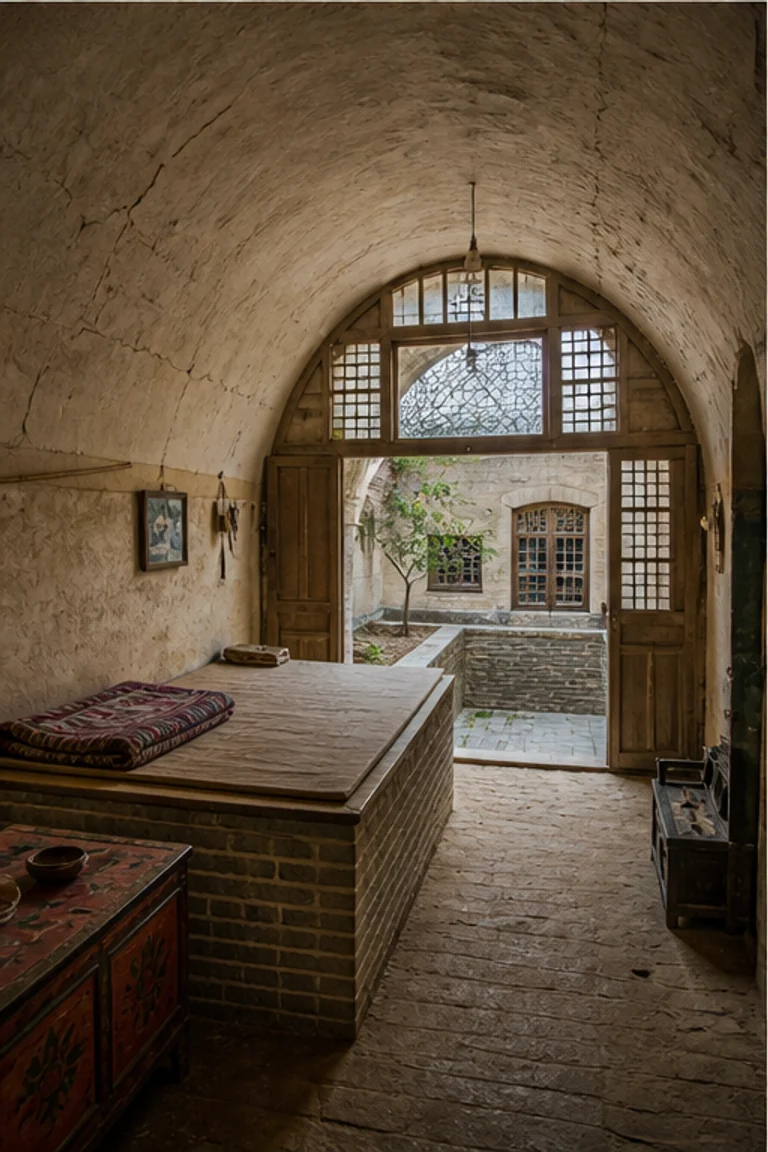
A wheelchair caster rhythm machine and Chinese yaodong translate force into repetition, joining rolling pulses, barrel vaults, grounded mass, and measured intervals so movement makes the underlying load path perceptible.
Bridge 145 · Climate feedback
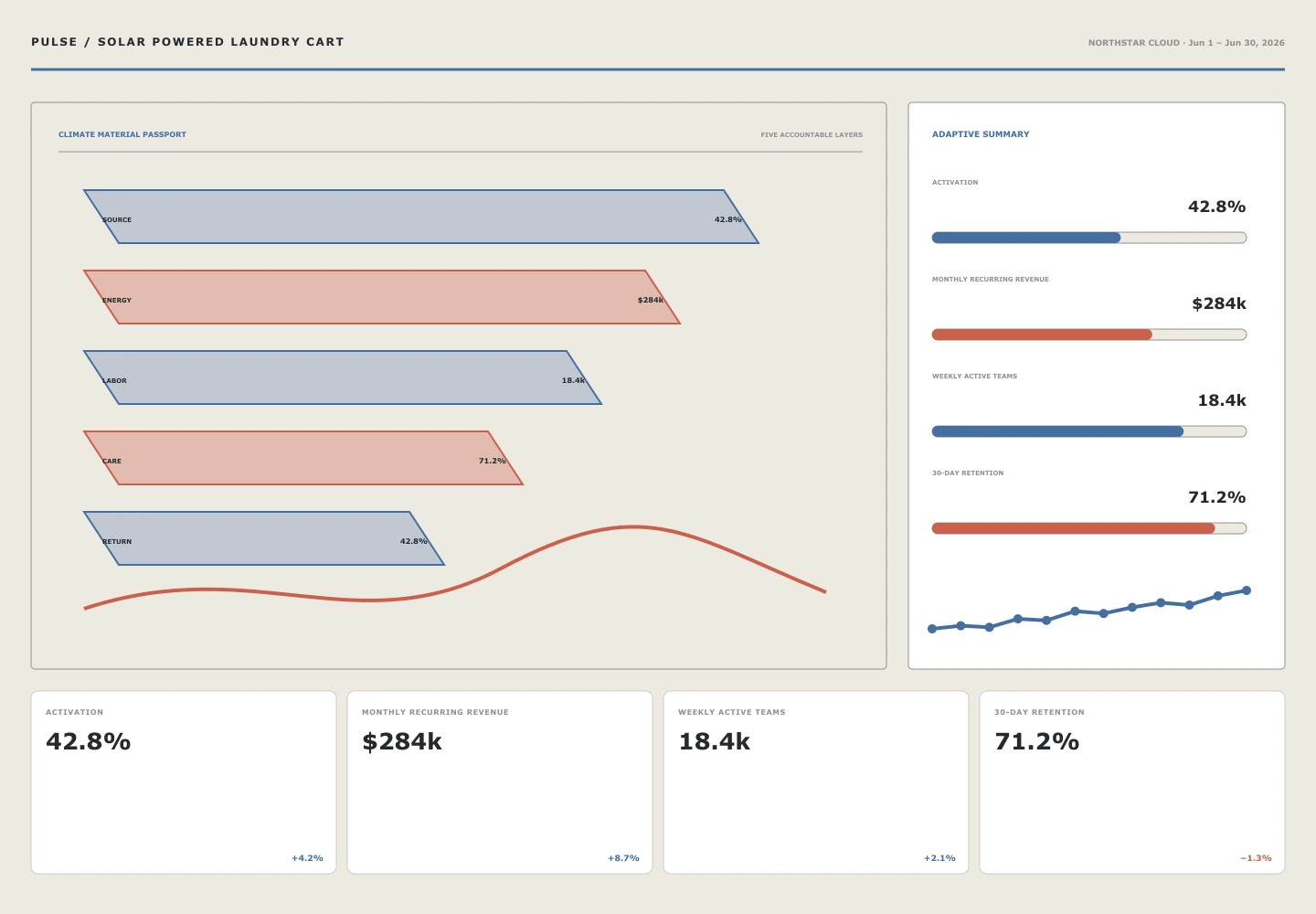
A solar-powered laundry cart and Maldivian coral house treat sun, water, and airflow as working infrastructure, combining mobile energy, porous enclosure, drying cycles, and shaded occupation into a climate-responsive daily system.
Bridge 146 · Climate feedback
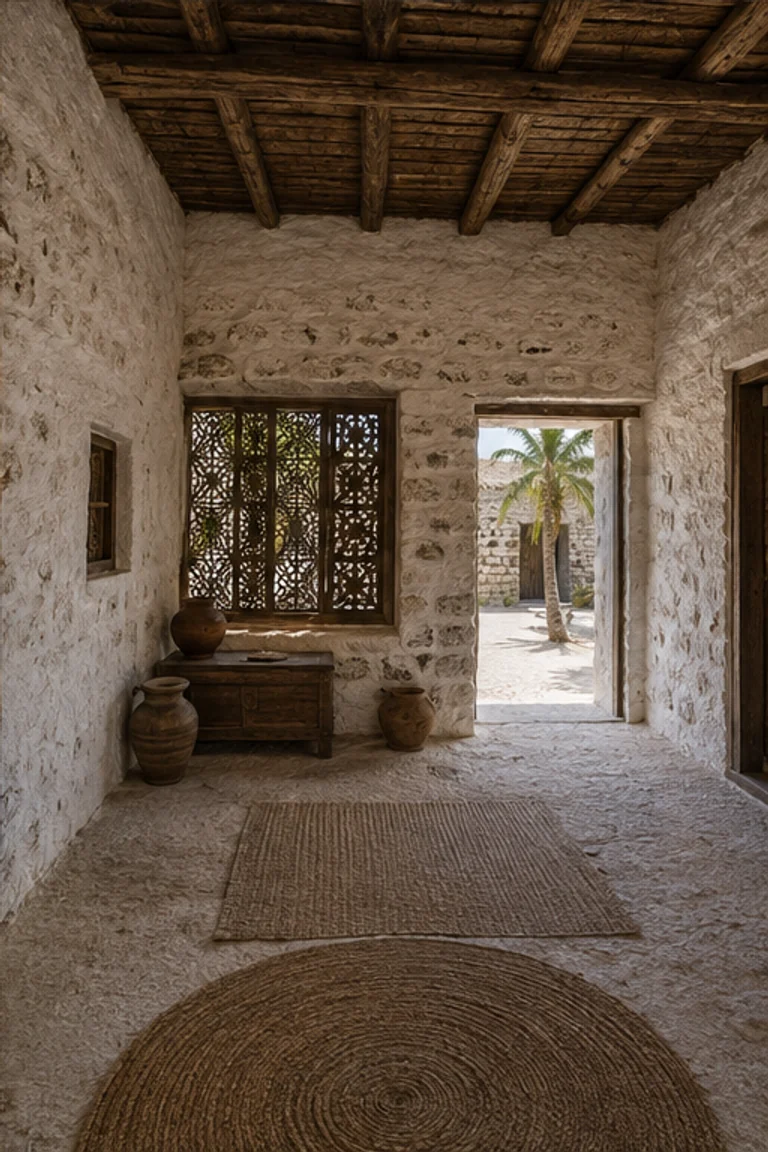
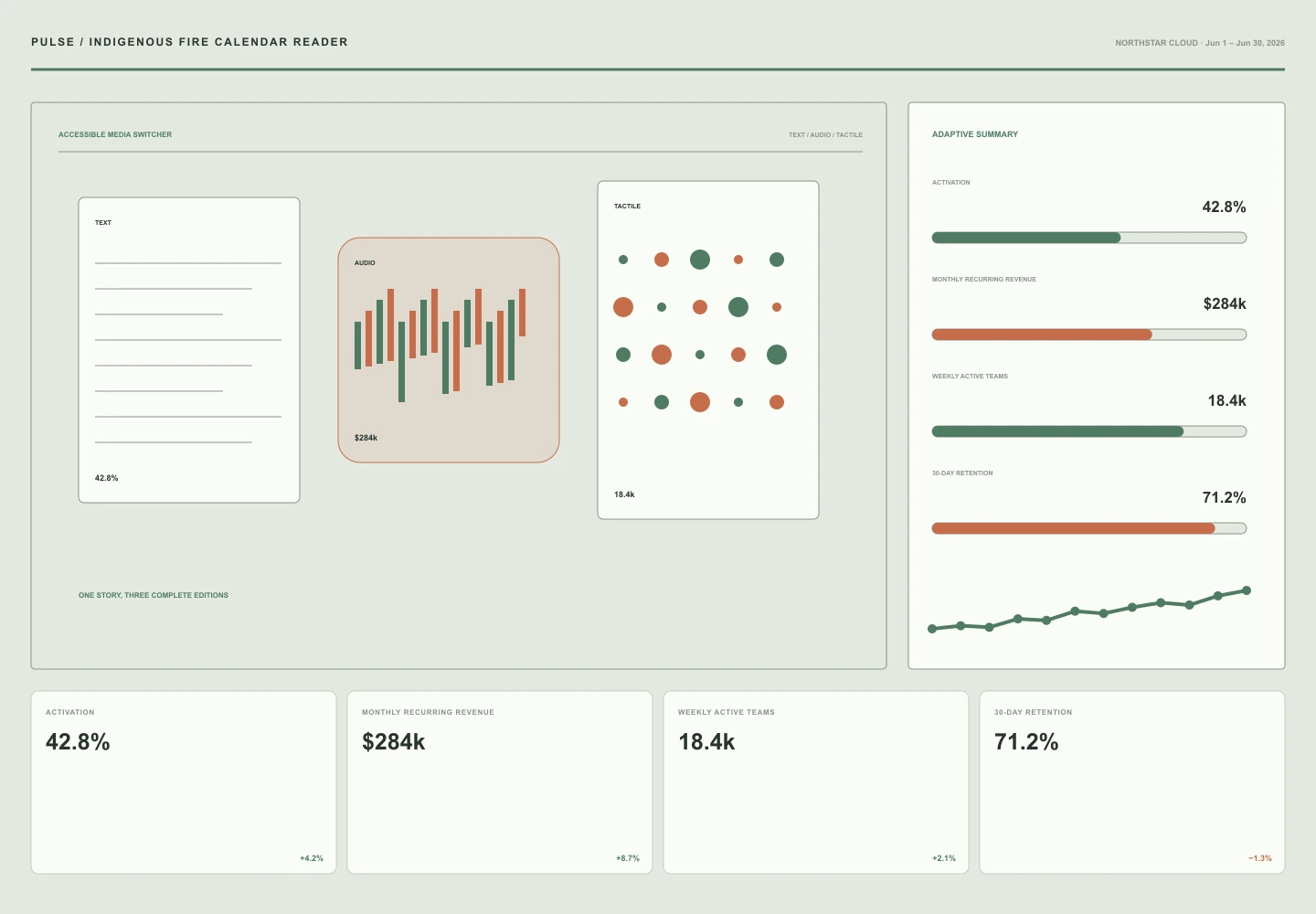
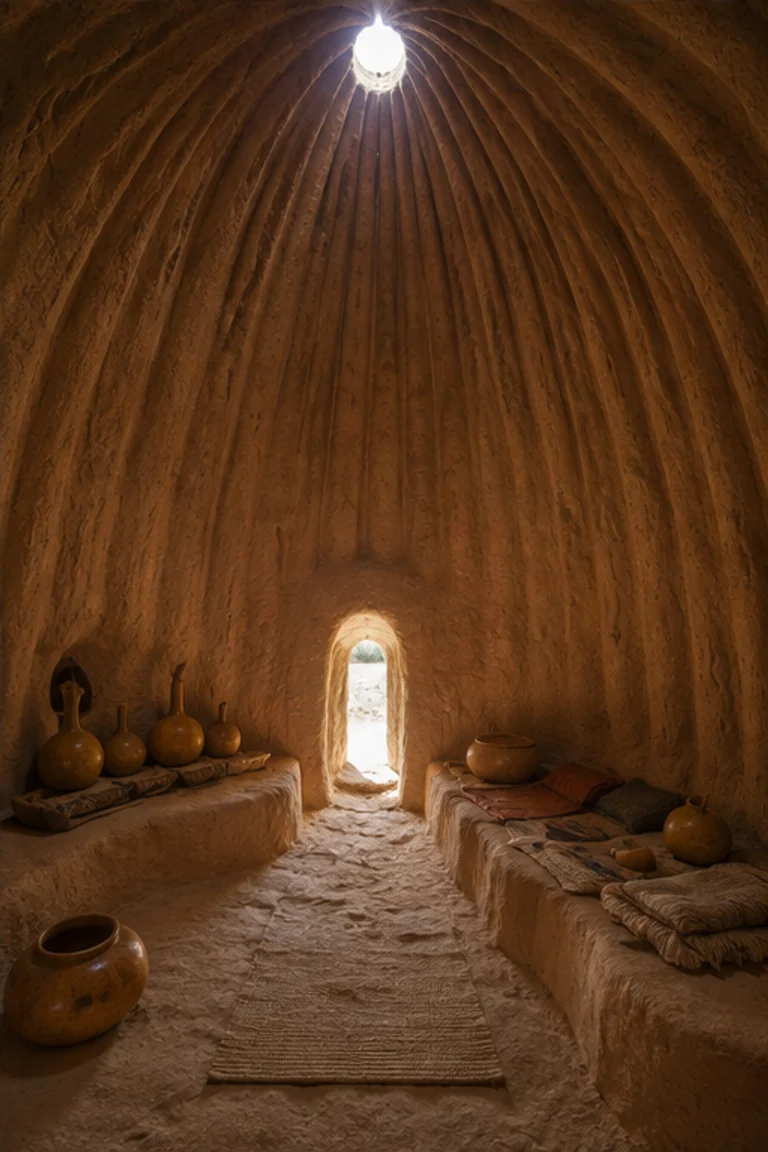
An Indigenous fire calendar reader and Musgum obos translate seasonal heat into form, linking timed stewardship, sculpted earth, controlled openings, and renewed surfaces so climate knowledge directly shapes the protective envelope.
Bridge 147 · Climate feedback
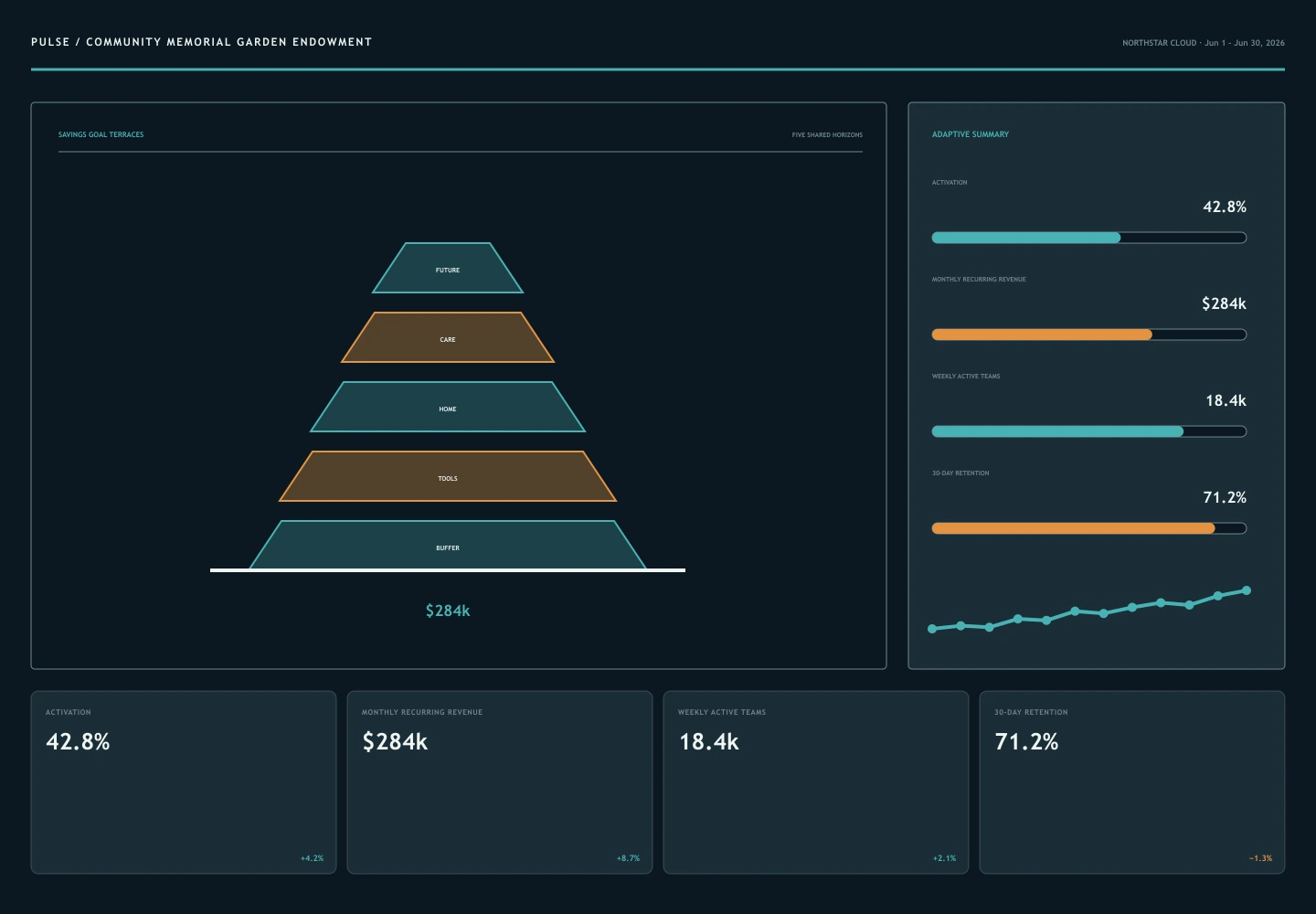
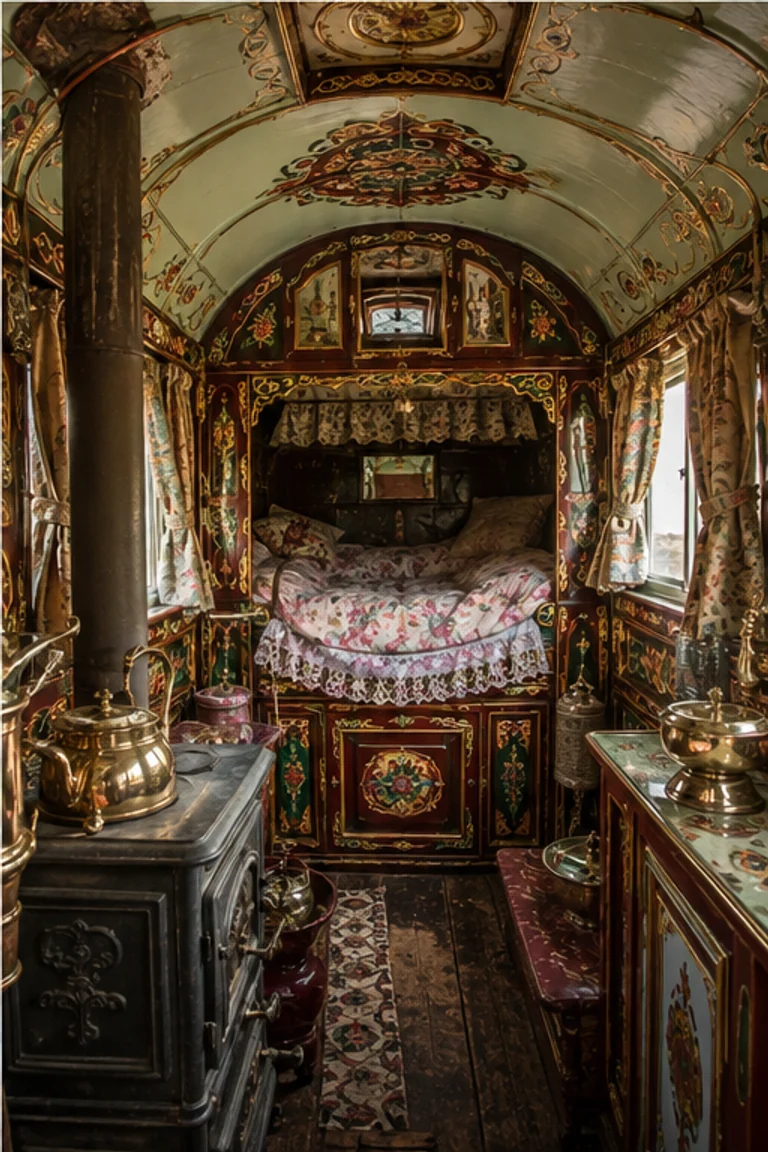
A community memorial garden endowment and Romani vardo connect care to continued movement, using pooled stewardship, portable domestic craft, planted memory, and recurring return to keep a shared ecology socially supported.
Bridge 148 · Climate feedback
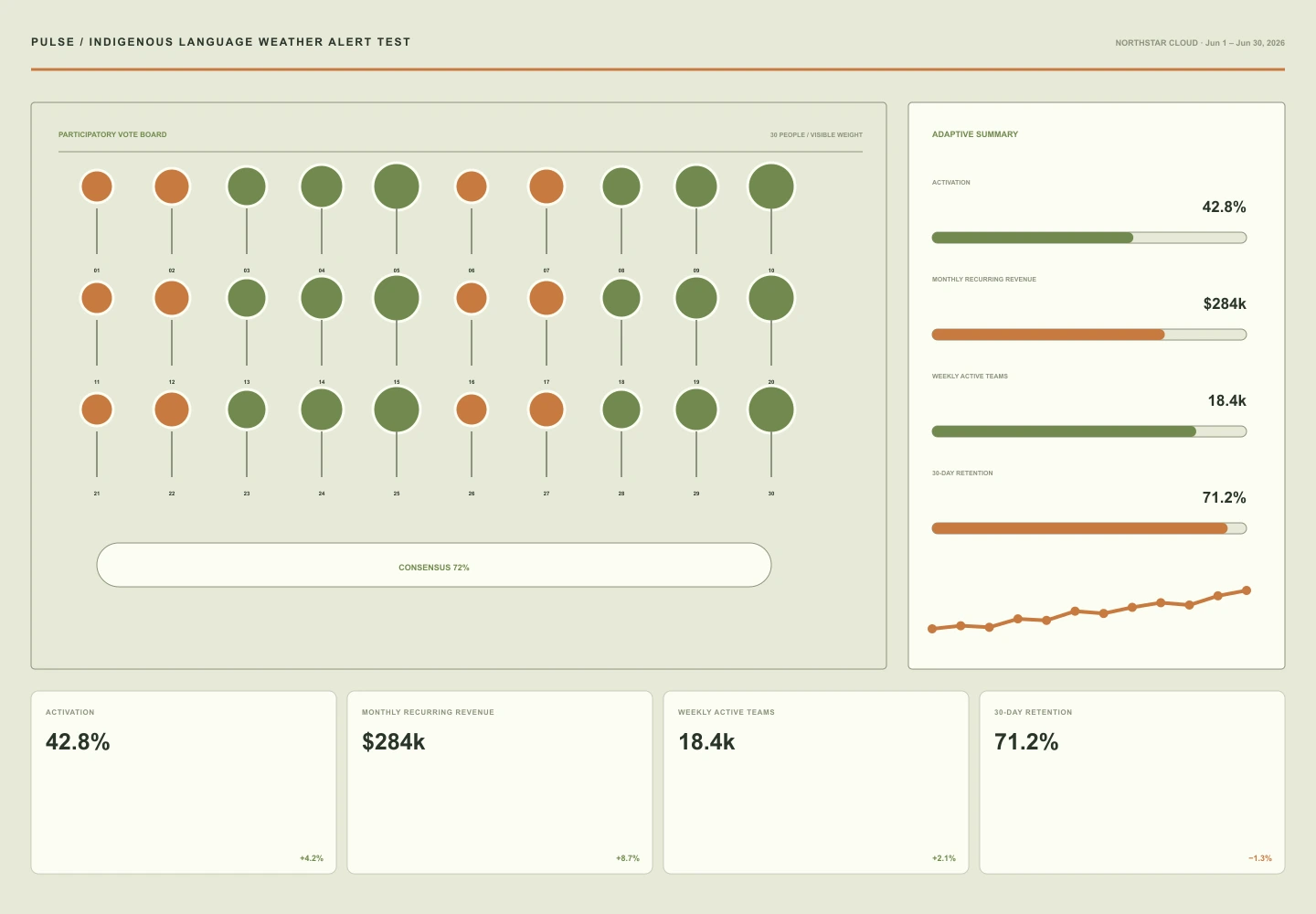
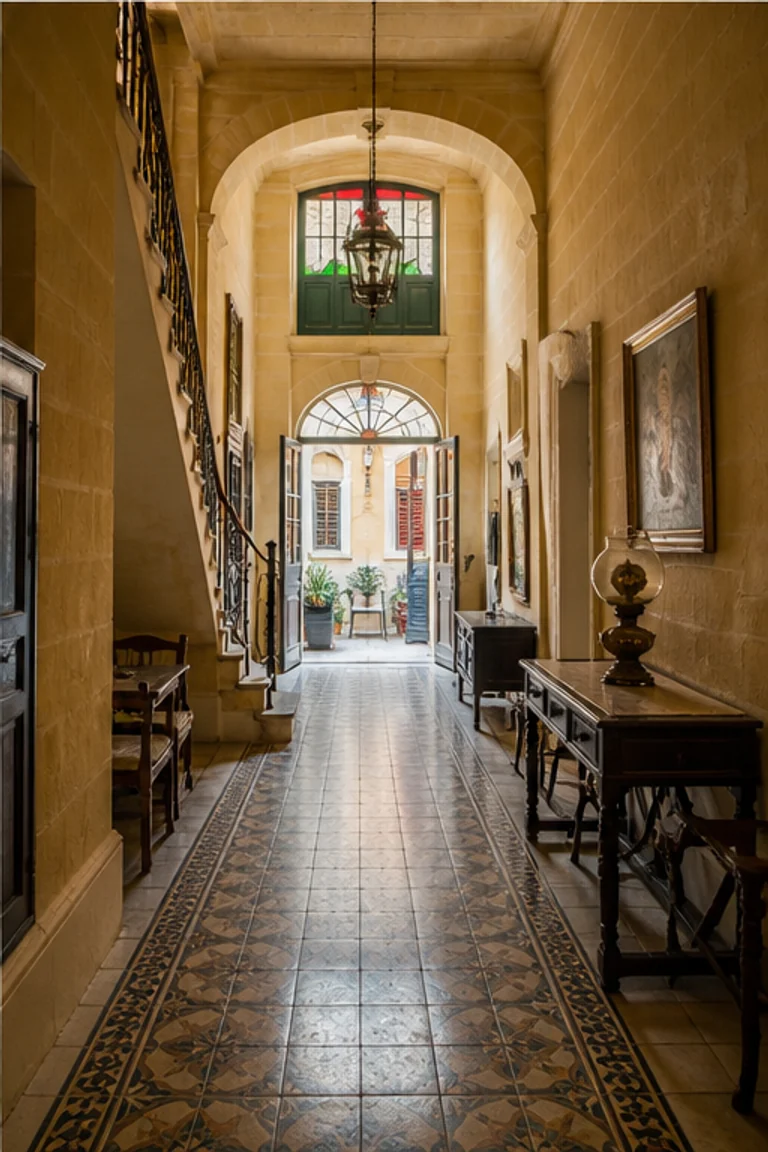
An Indigenous-language weather alert test and Maltese townhouse move climate information through layered thresholds, combining familiar wording, street-facing signals, shaded rooms, and rear-court airflow into an understandable response sequence.
Bridge 149 · Movement and sequence
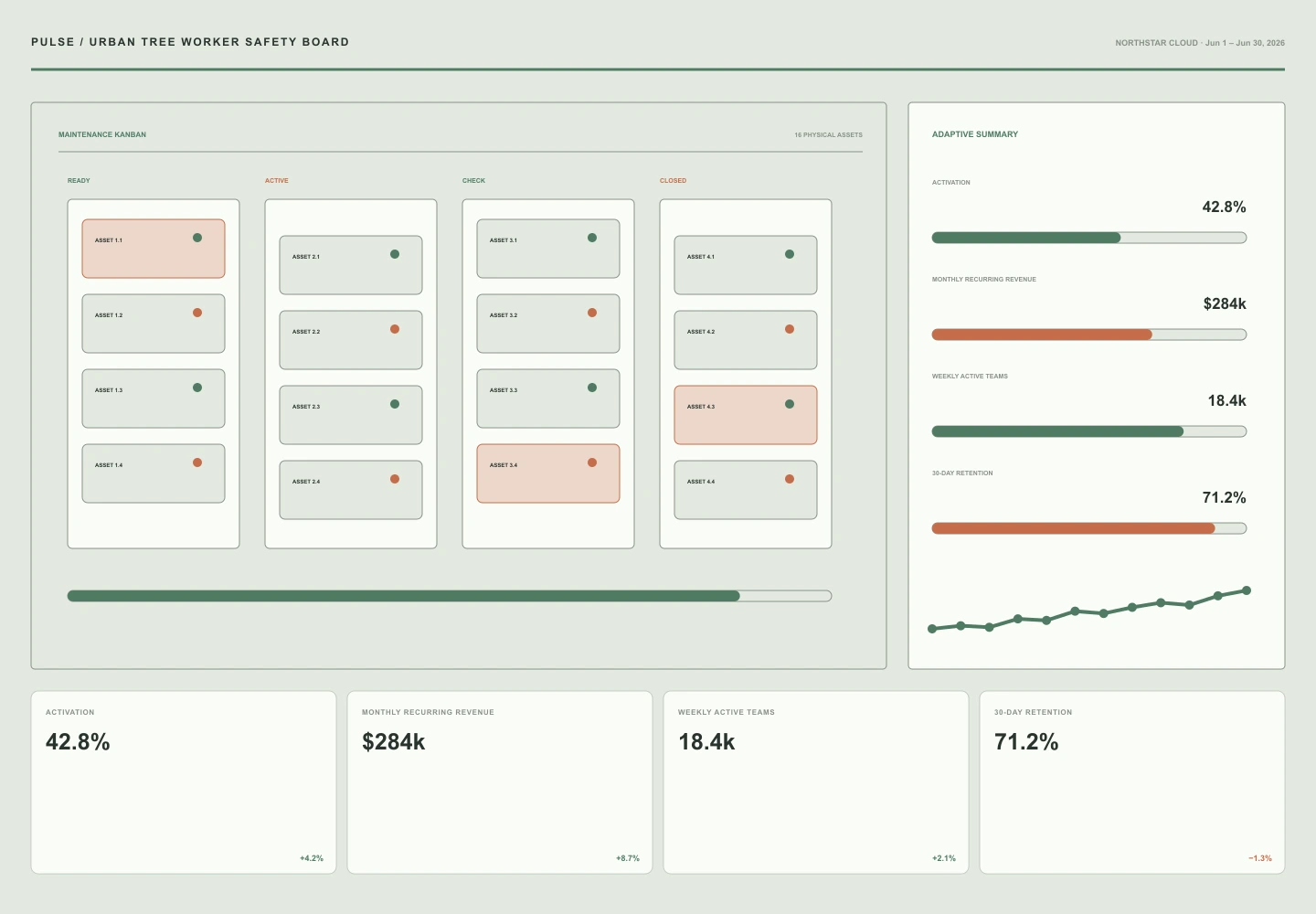
An urban tree-worker safety board and Kiribati maneaba coordinate movement beneath a shared canopy, joining distributed crews, radial gathering, visible conditions, and collective pause so changing work remains anchored to a known centre.
Bridge 150 · Movement and sequence
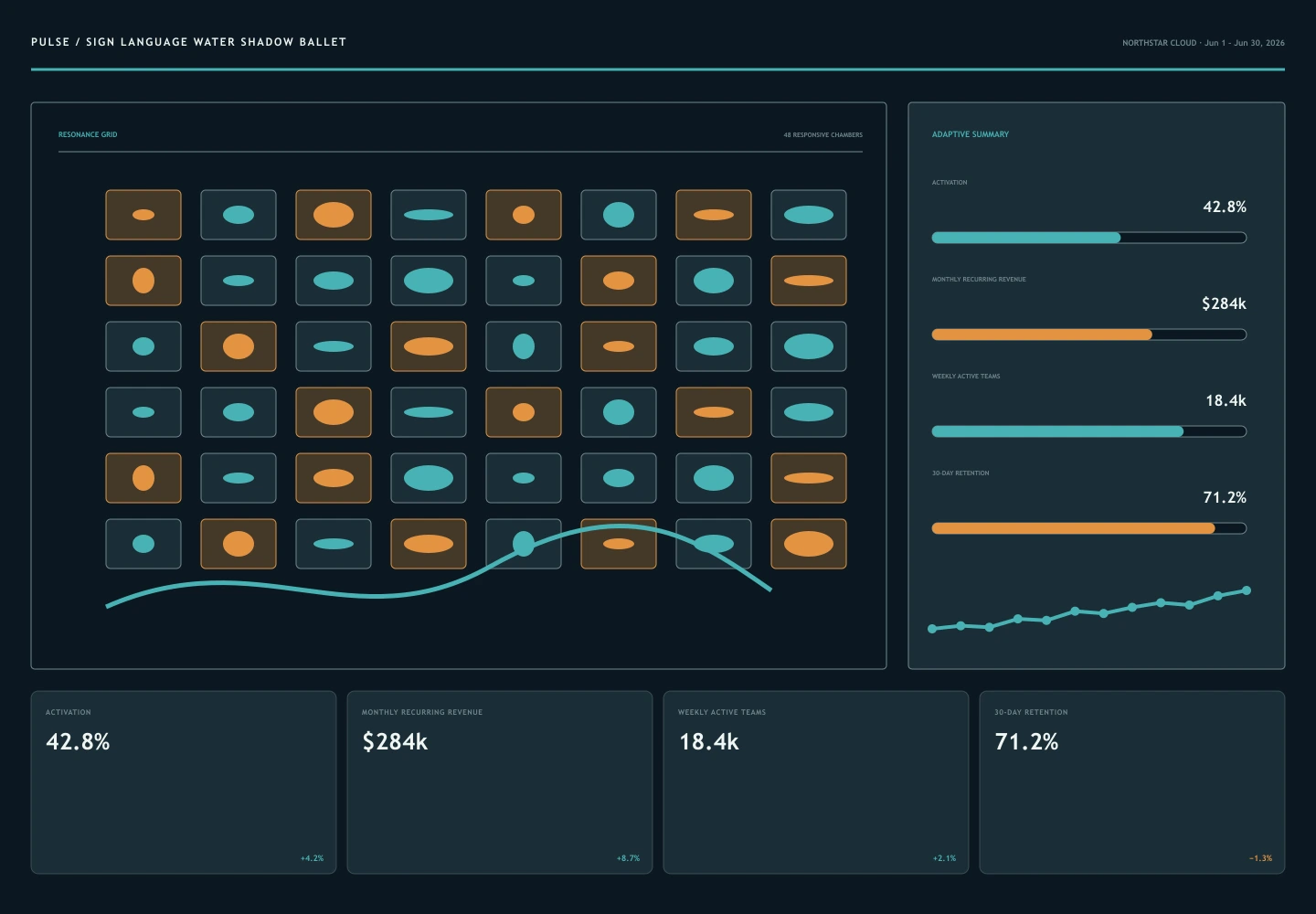
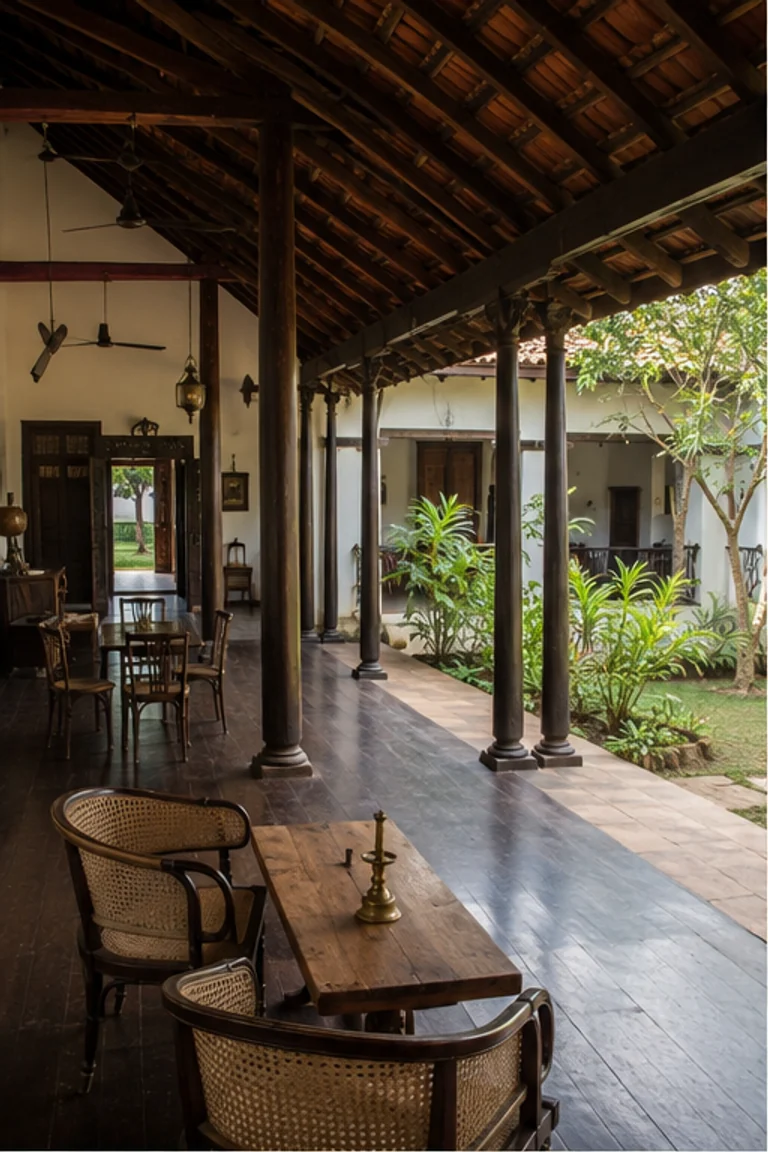
A sign-language water-shadow ballet and Sri Lankan walauwa compose movement through reflected light, framed verandas, repeated gestures, and courtyard transitions, allowing bodies and architecture to share one changing sequence.
Bridge 151 · Movement and sequence
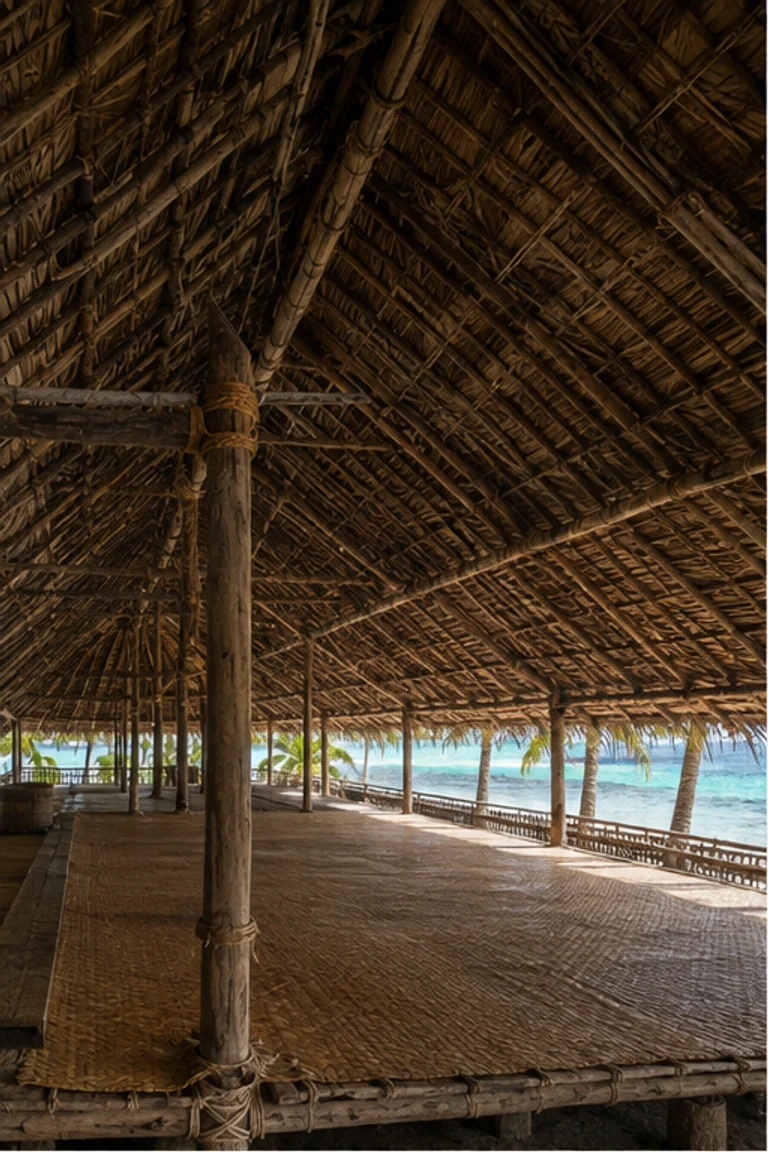
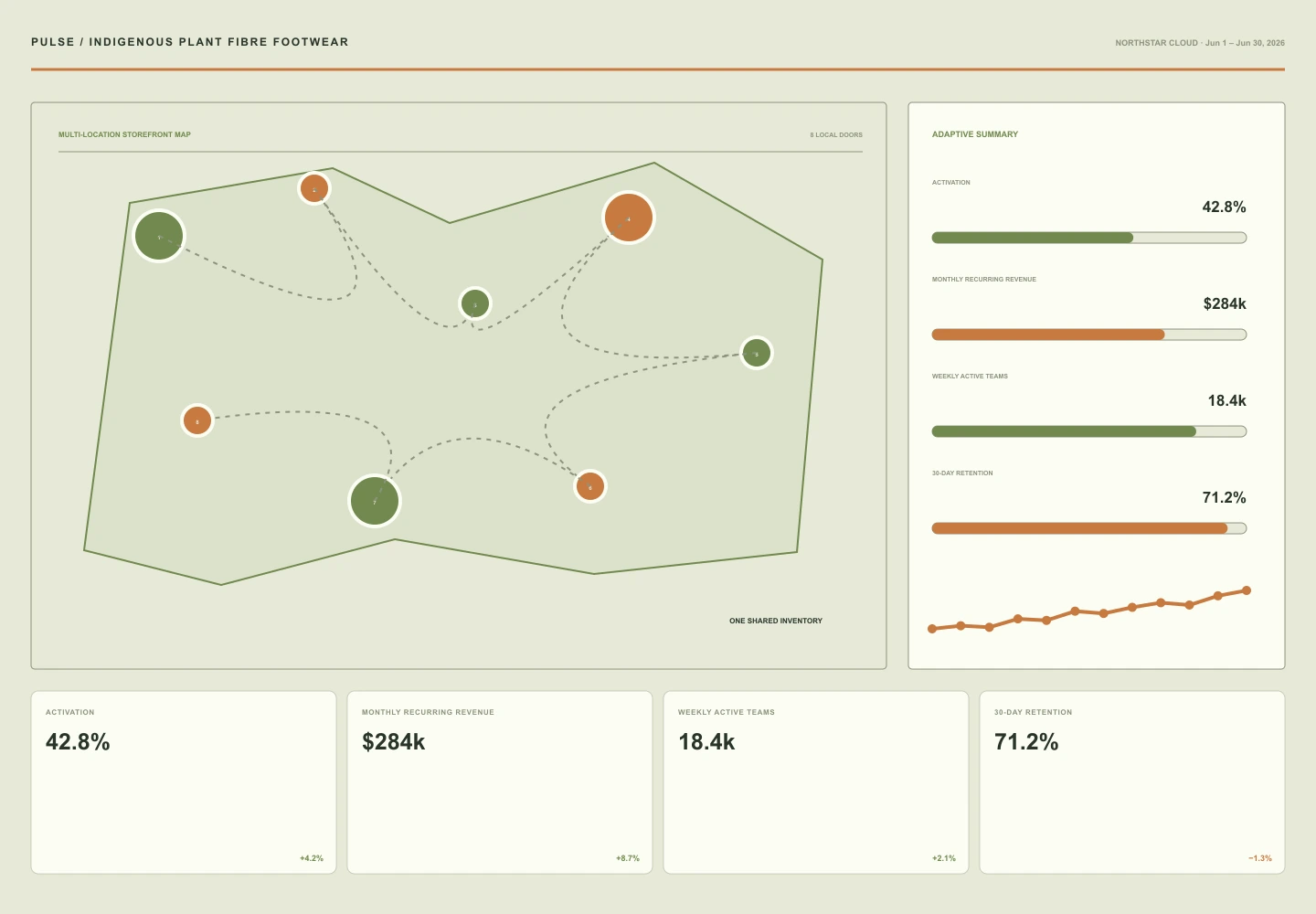
Indigenous plant-fibre footwear and Kalash house connect bodily movement with local craft, joining woven surfaces, stepped circulation, durable pattern, and accumulated wear so each journey records its material setting.
Bridge 152 · Movement and sequence
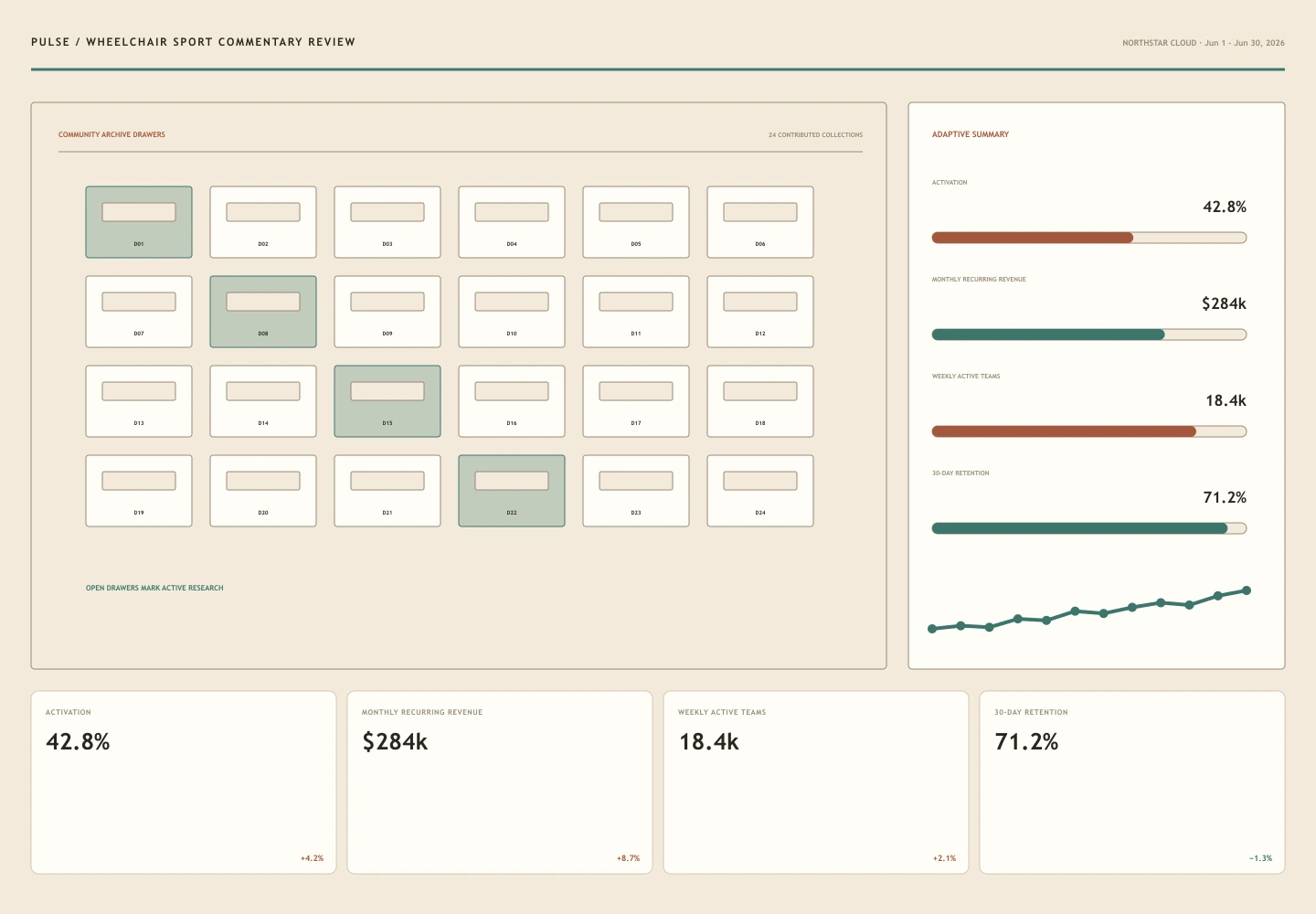
A wheelchair sport commentary review and Argentine casa chorizo make sequence central, linking live description, serial rooms, aligned doors, and changing viewpoints so every participant can follow action as it moves through space.
Bridge 153 · Archives in use
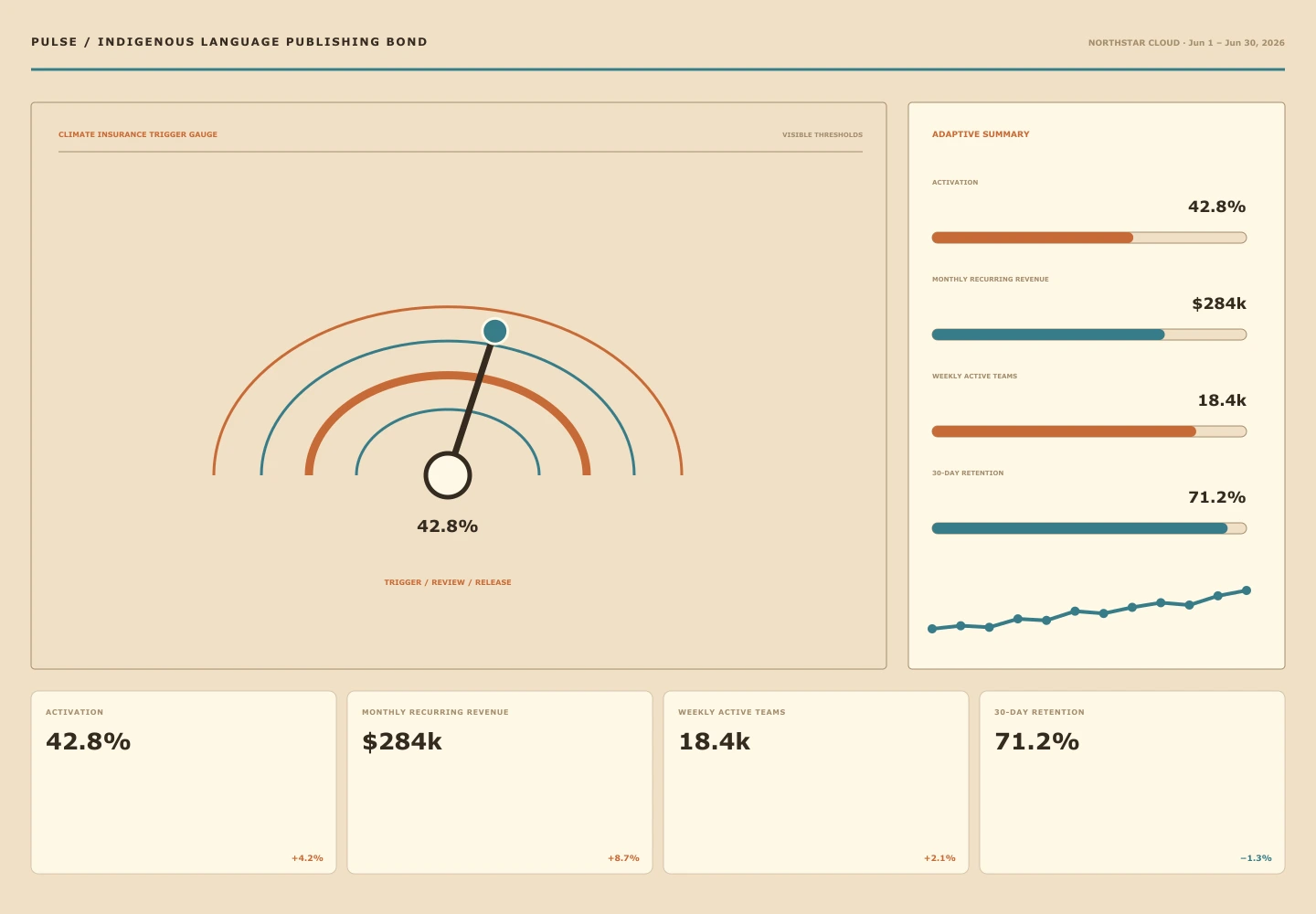
An Indigenous-language publishing bond and Tharu longhouse keep language active through shared investment, extended households, repeated stories, and durable local materials, treating cultural continuity as a lived collective structure.
Bridge 154 · Archives in use
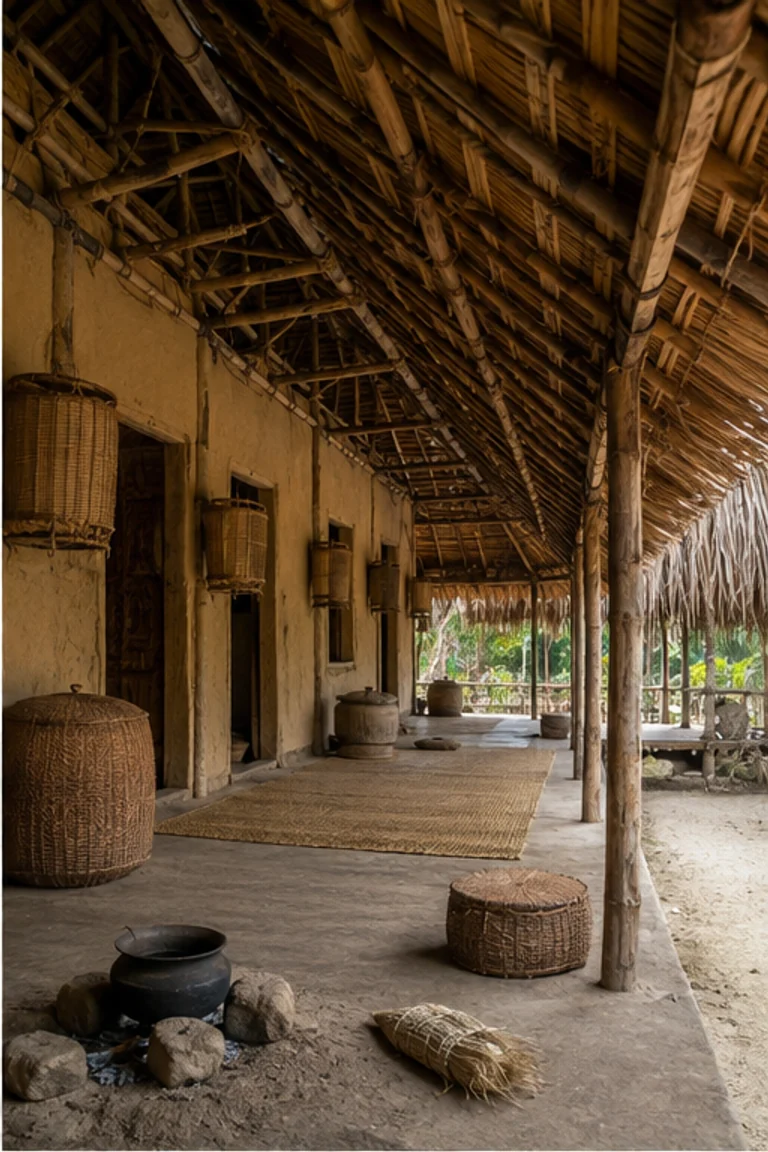
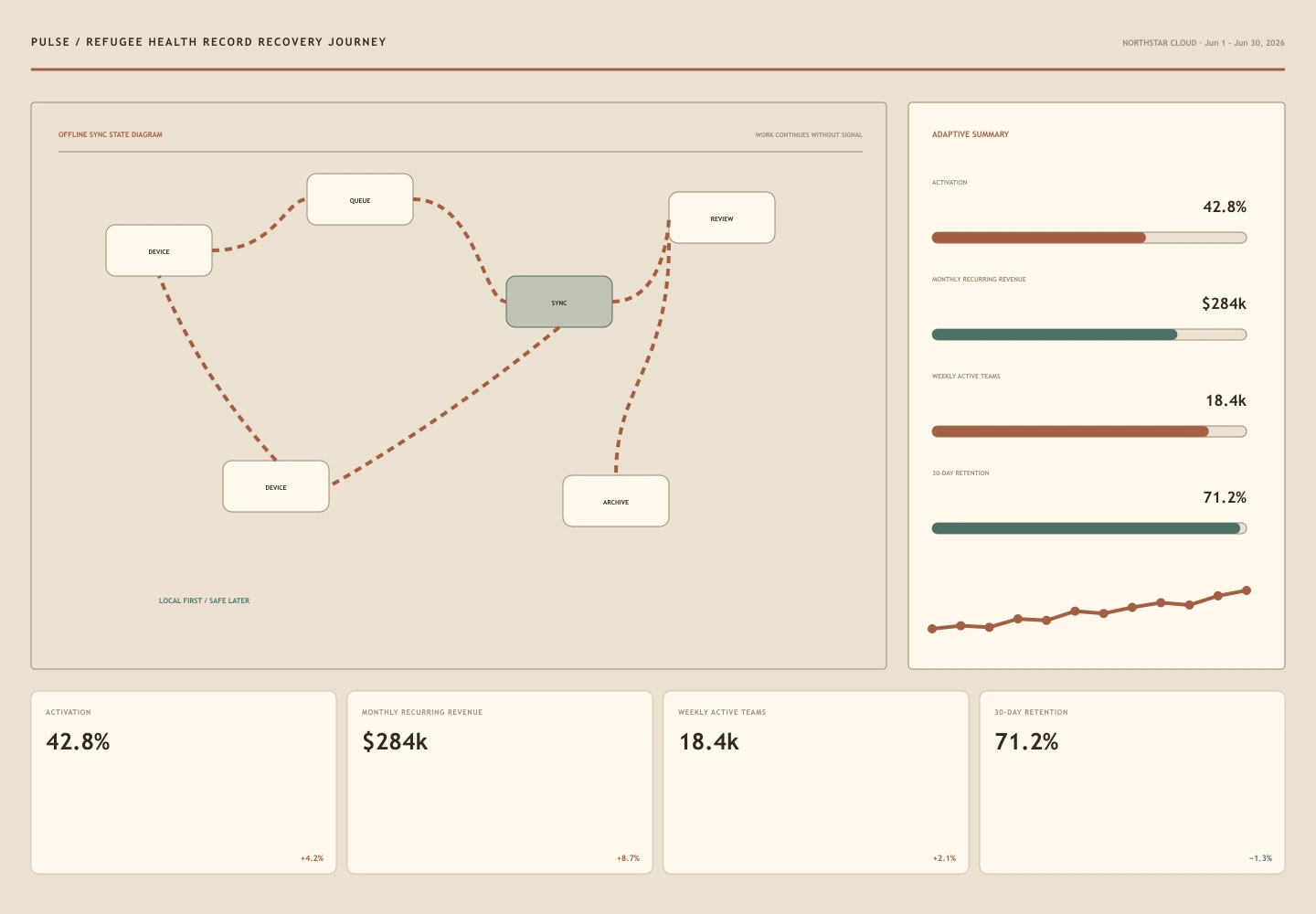
A refugee health-record recovery journey and Paraguayan kuláta jovái reconnect dispersed information through paired rooms, trusted intermediaries, recovered documents, and familiar courtyards so identity returns to an inhabitable context.
Bridge 155 · Archives in use
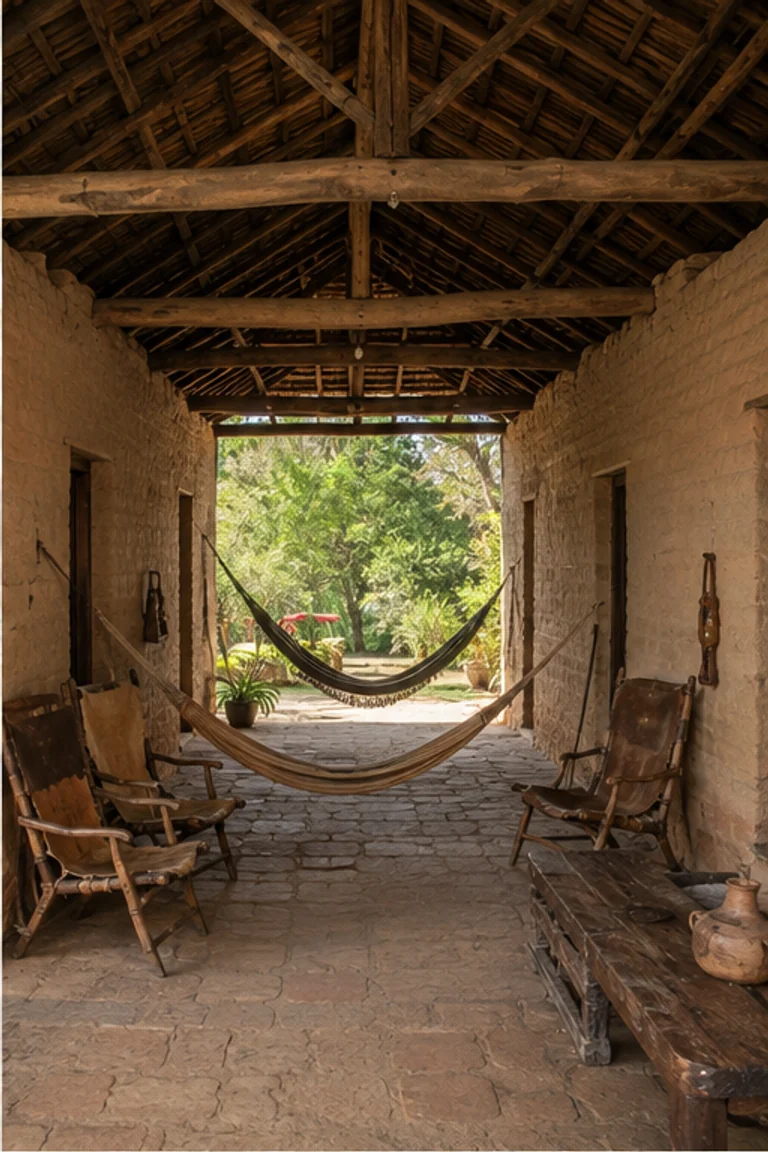
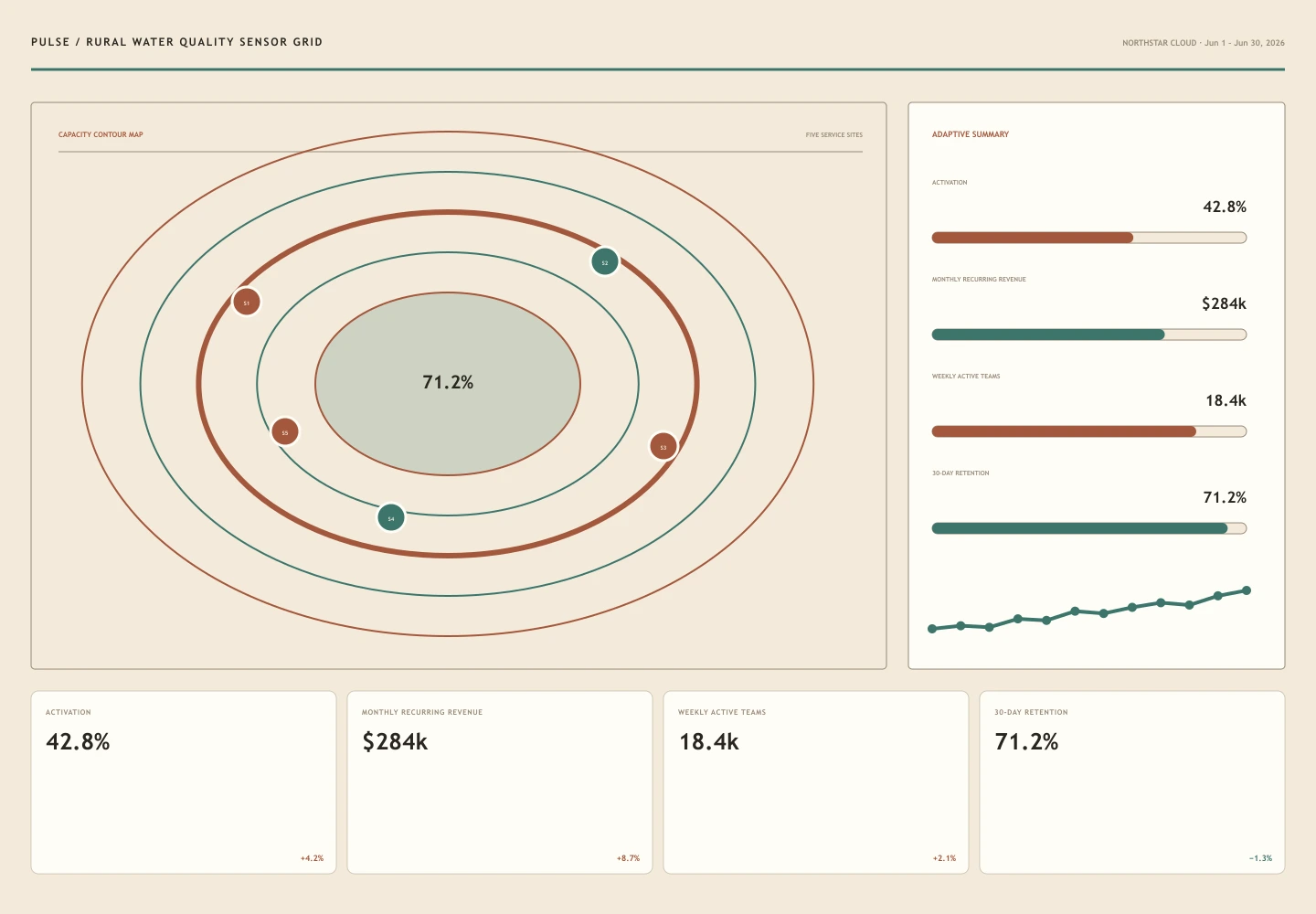
A rural water-quality sensor grid and Iban longhouse bring distributed evidence back to a shared gallery, combining repeated sampling, river knowledge, family bays, and communal review so environmental memory guides present action.
Bridge 156 · Archives in use
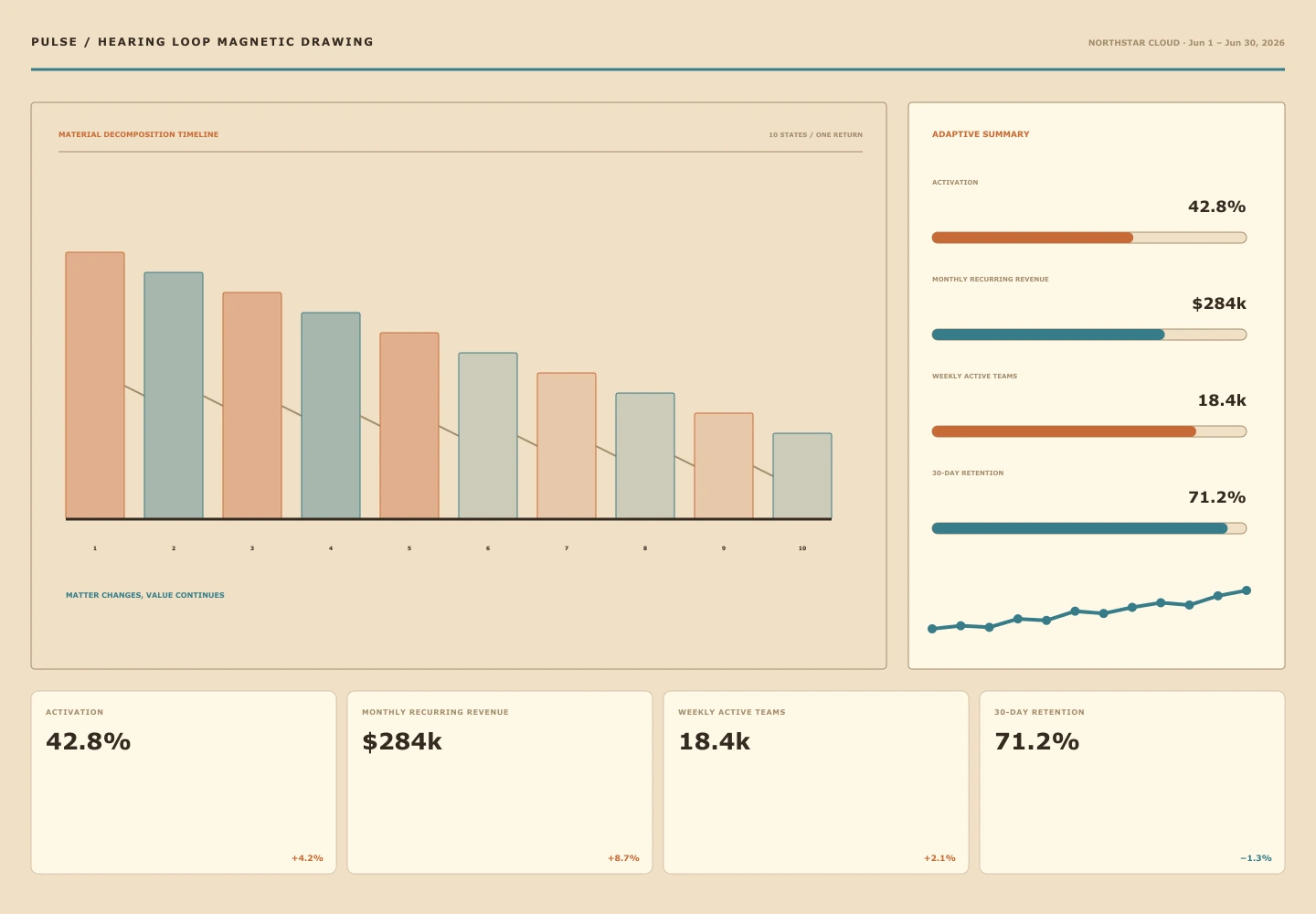
A hearing-loop magnetic drawing and Danish four-wing farm preserve invisible activity through traced fields, enclosed work courts, repeated circuits, and remembered routines, turning operational rhythm into a durable spatial record.
Bridge 157 · Clarity as care
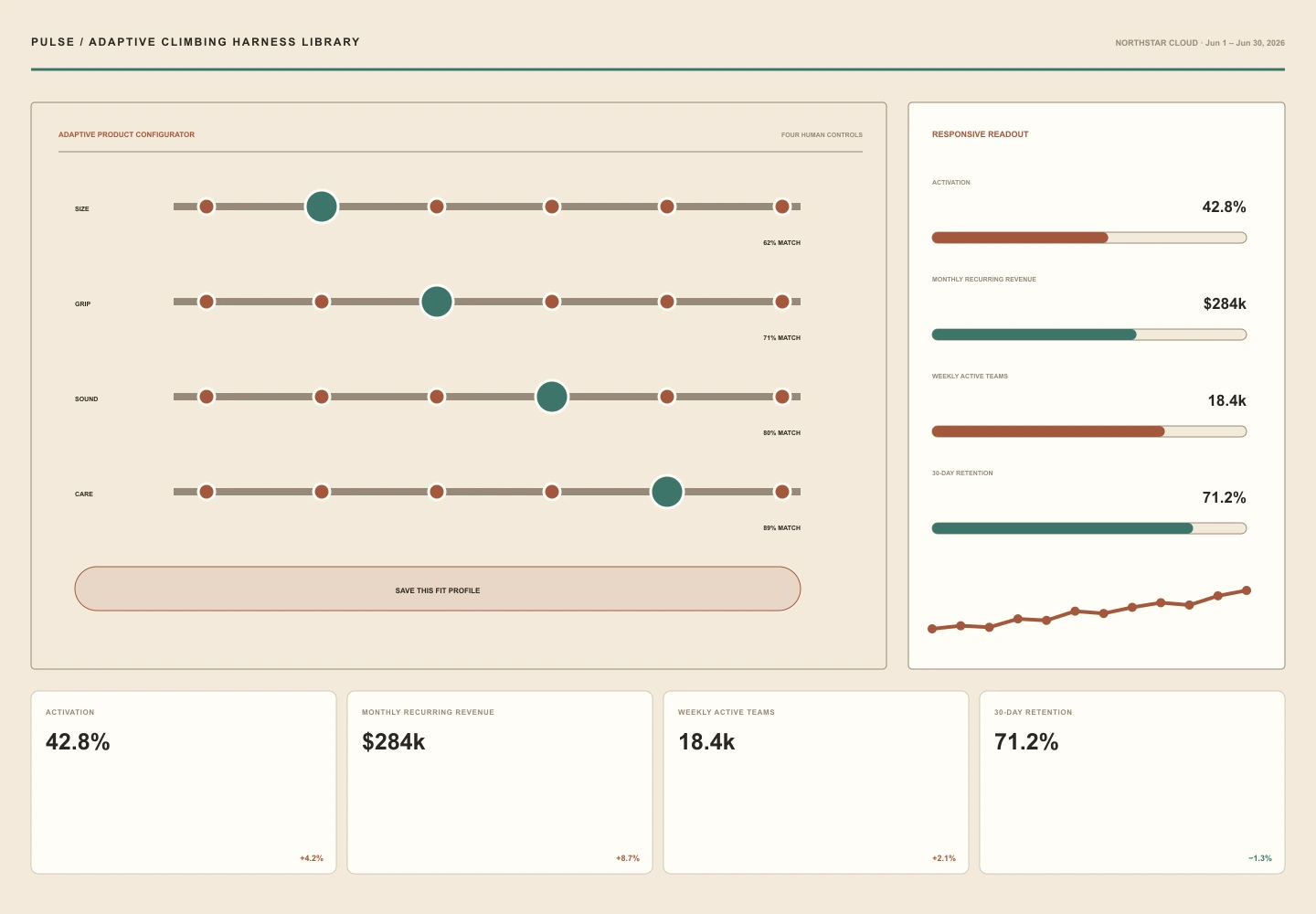
An adaptive climbing harness library and Toda barrel-vault hut make readiness visible through fitted equipment, repeated structural curves, clear storage, and protected gathering, so each person can understand the route before moving.
Bridge 158 · Clarity as care
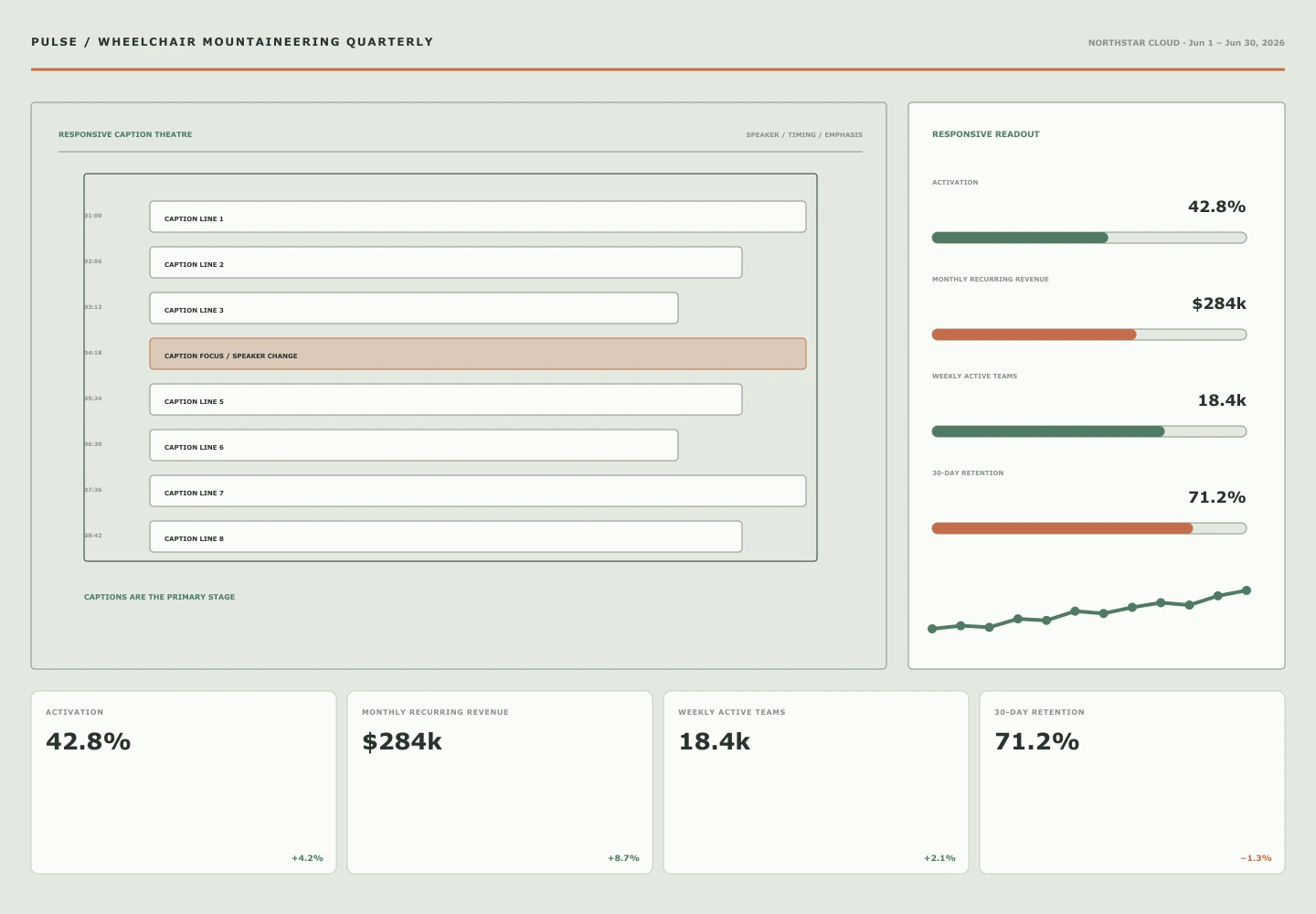
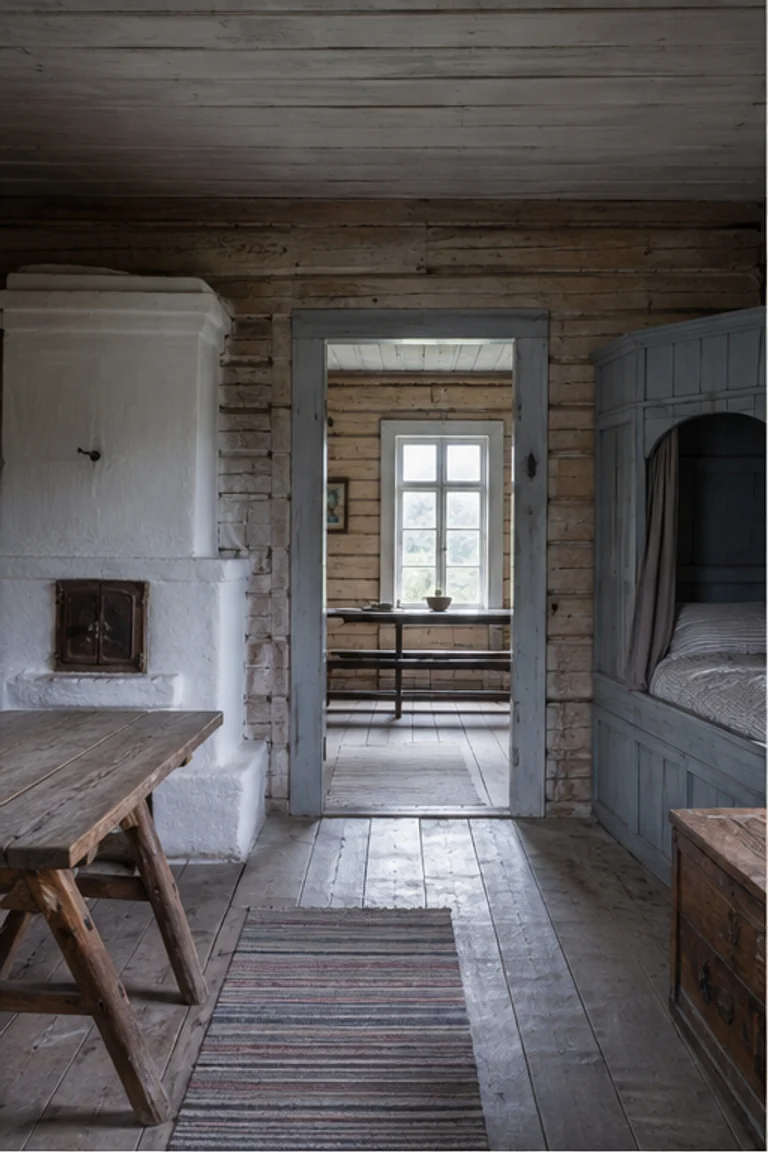
A wheelchair mountaineering quarterly and Swedish parstuga organize complex journeys around a familiar centre, combining narrated routes, paired rooms, warm thresholds, and dependable landmarks into a calm account of movement.
Bridge 159 · Material intelligence
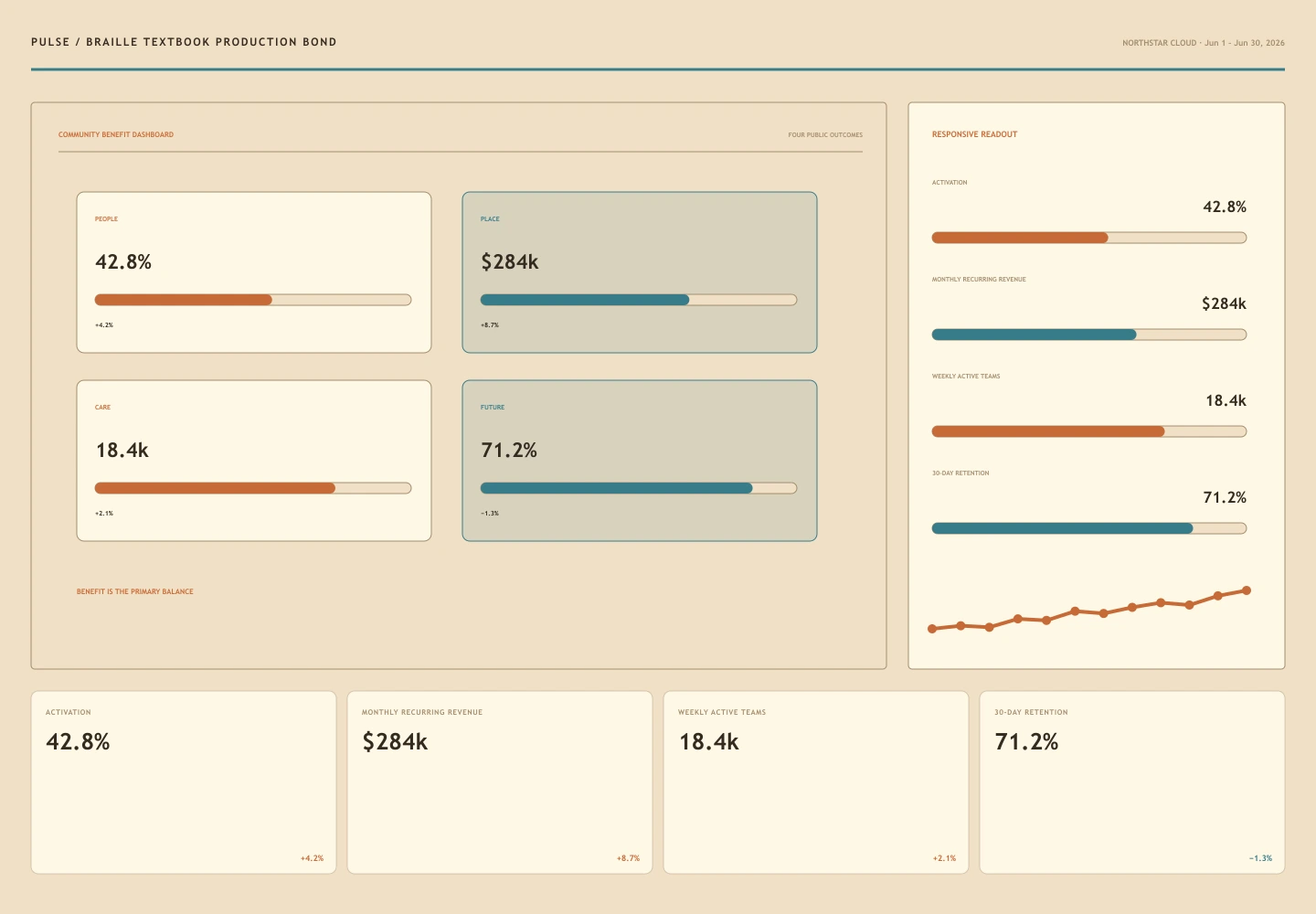
A braille textbook production bond and Somali aqal connect access to material assembly, joining raised impressions, woven enclosure, portable components, and traceable investment so information remains inseparable from how it is made.
Bridge 160 · Material intelligence
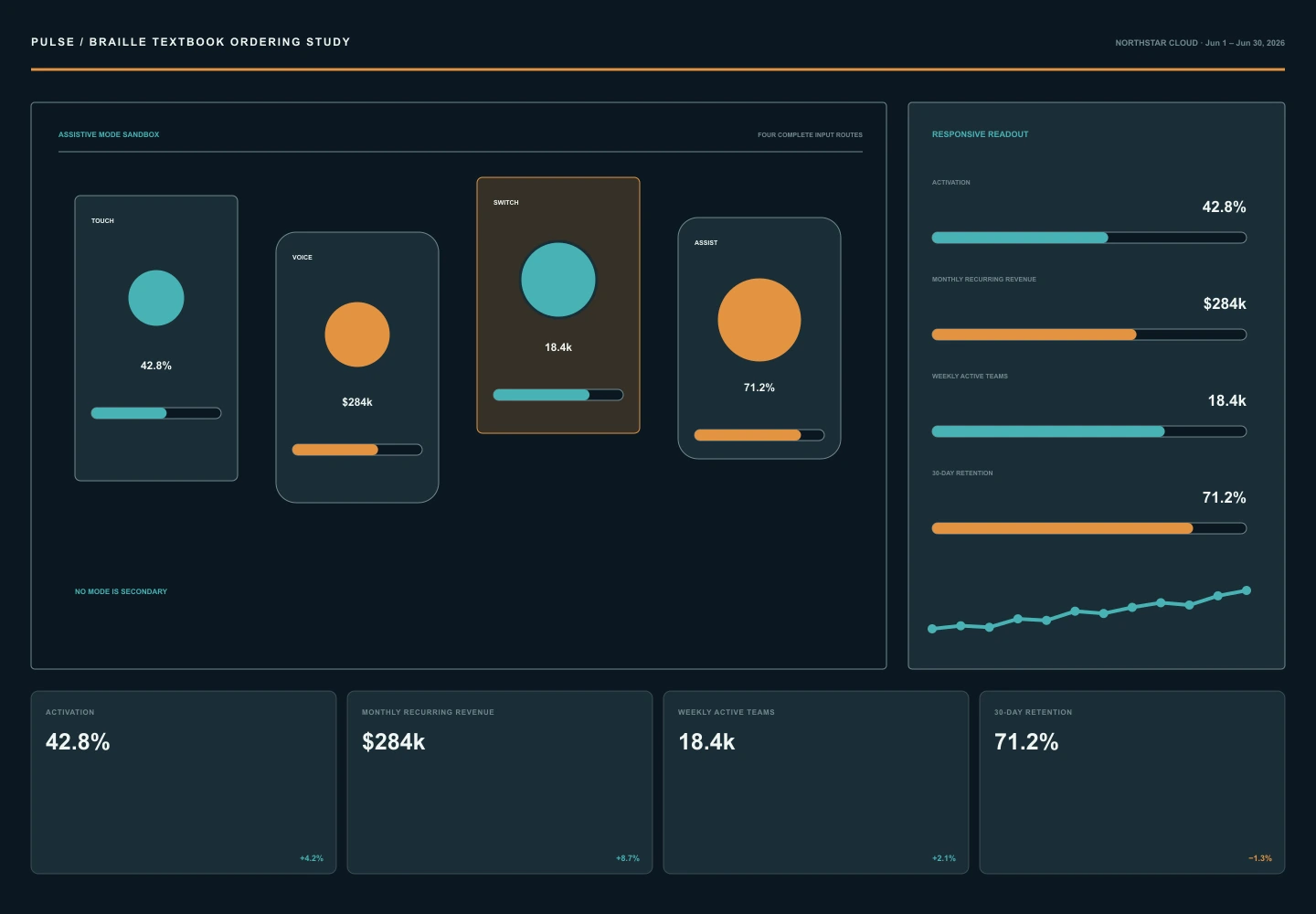
A braille textbook ordering study and Roman insula apartment turn repeated units into usable information, coordinating tactile choices, masonry bays, shared circulation, and compact storage so material limits support a legible sequence.
Bridge 161 · Visible systems
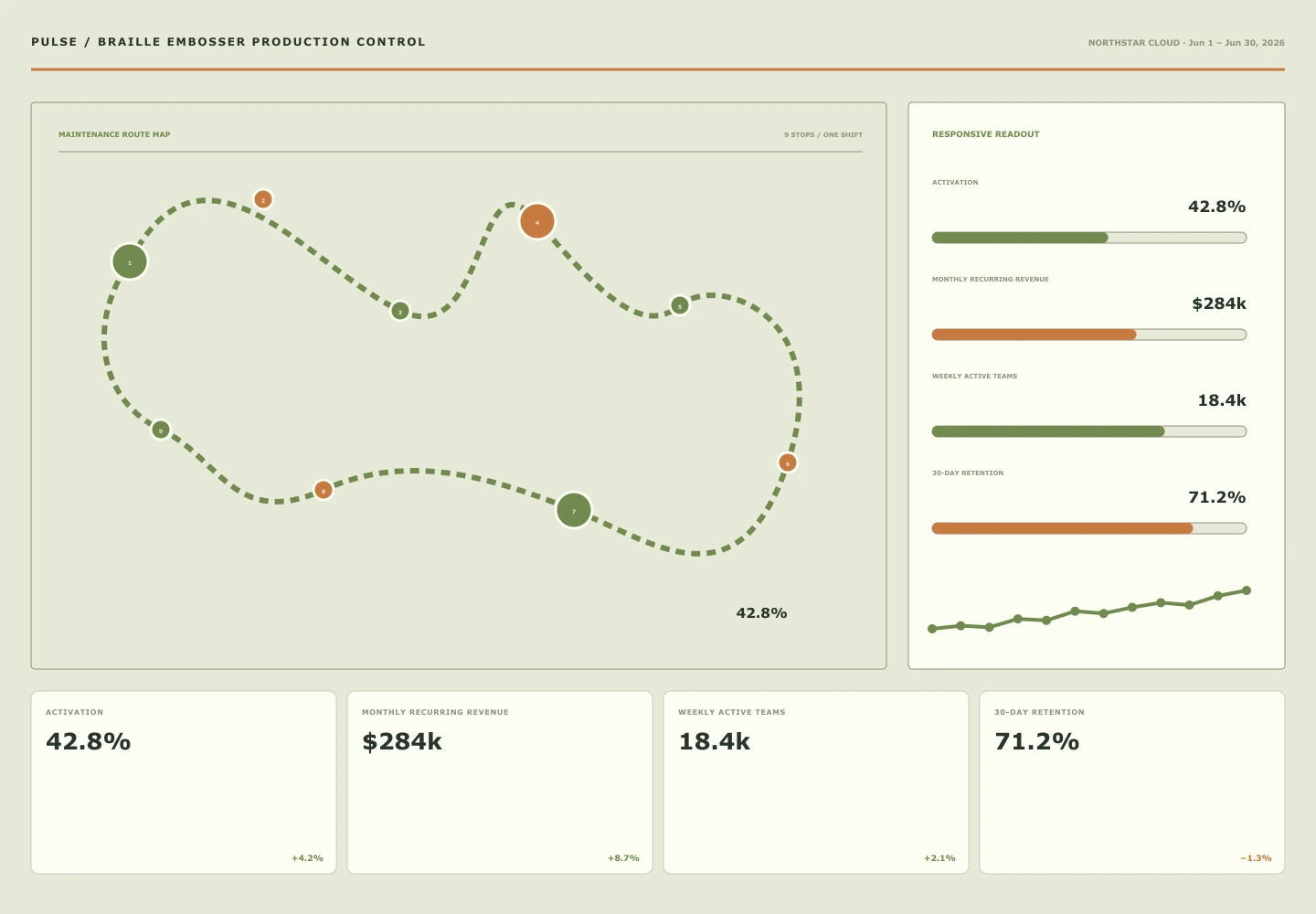
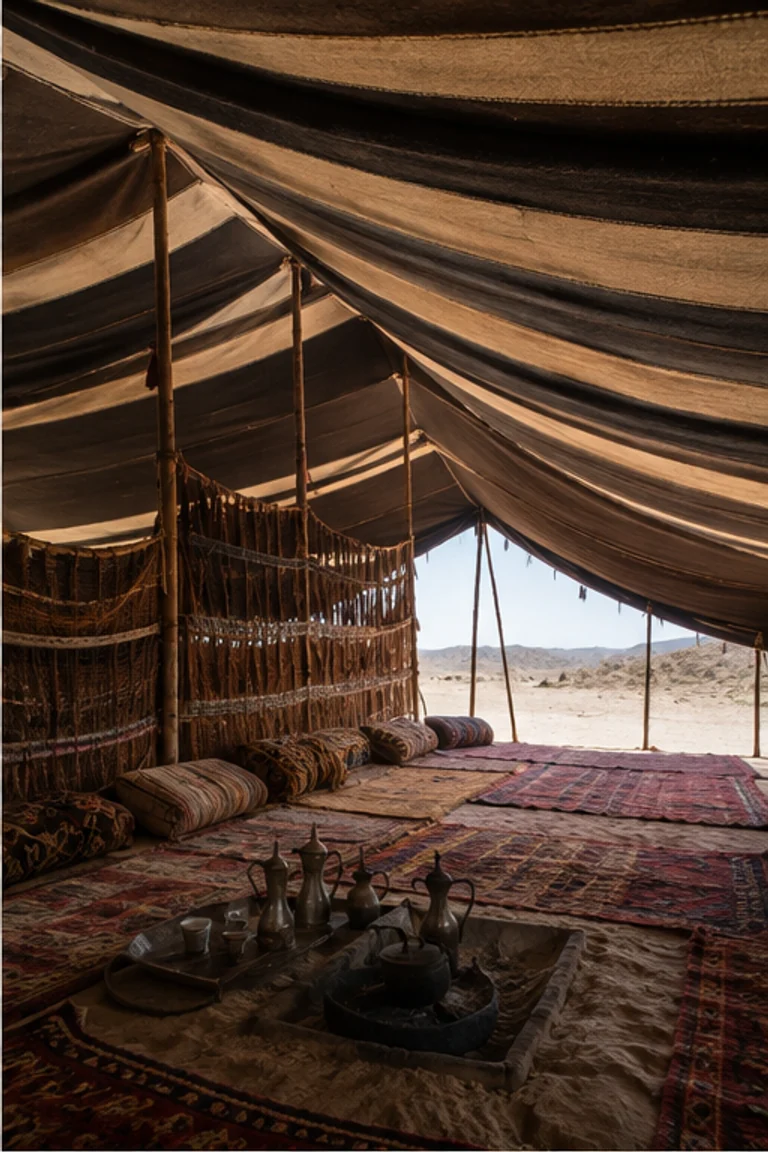
A braille embosser production control and Bedouin bayt al-sha’ar expose how work is supported, joining visible queues, tensioned poles, modular cloth, and ordered handoffs into a structure that can expand without losing coherence.
Bridge 162 · Visible systems
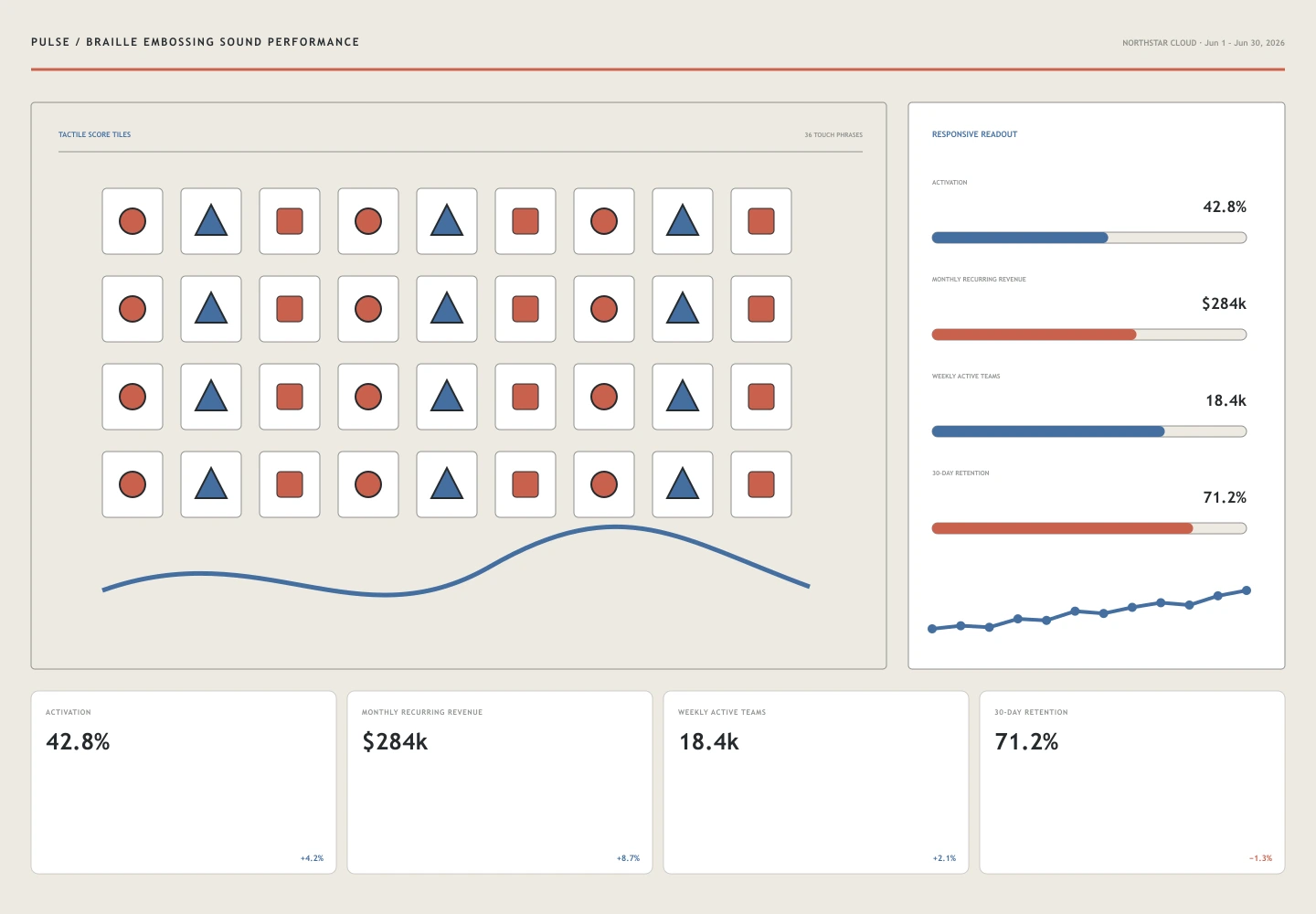
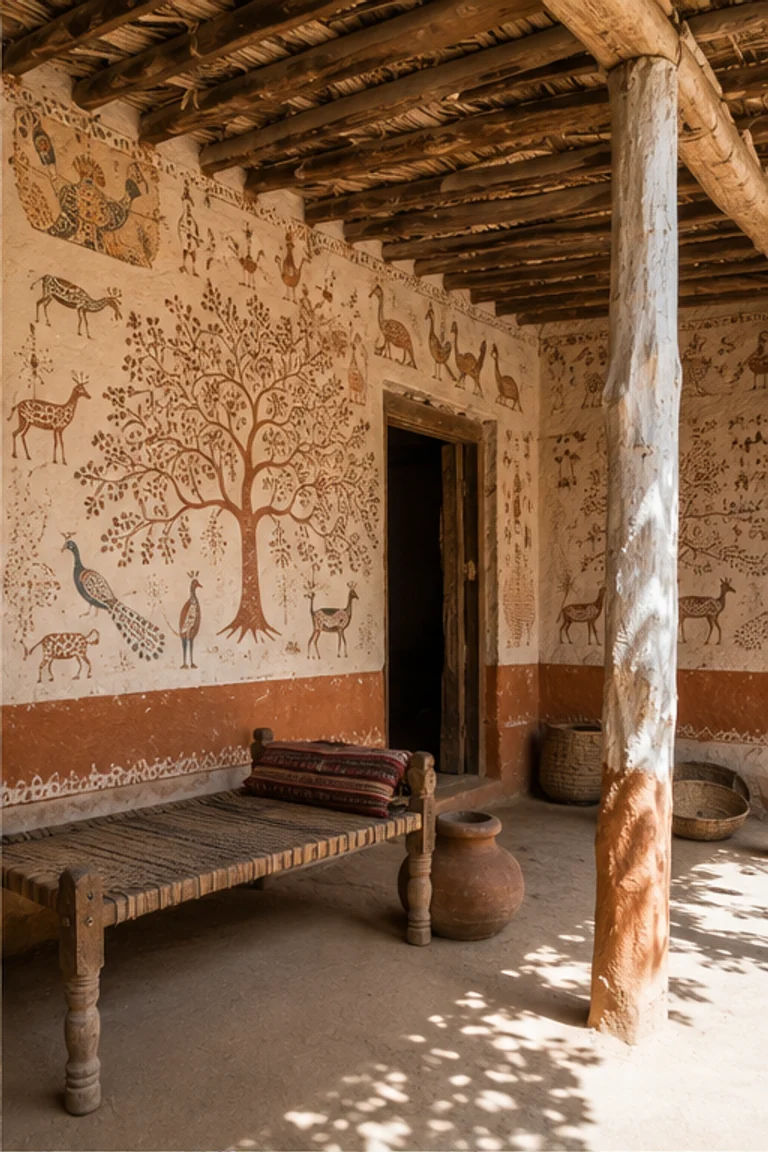
A braille embossing sound performance and Gond painted house make construction audible and visible through rhythmic impact, structural painting, repeated bays, and collective marking, turning the frame into an active score.
Bridge 163 · Climate feedback
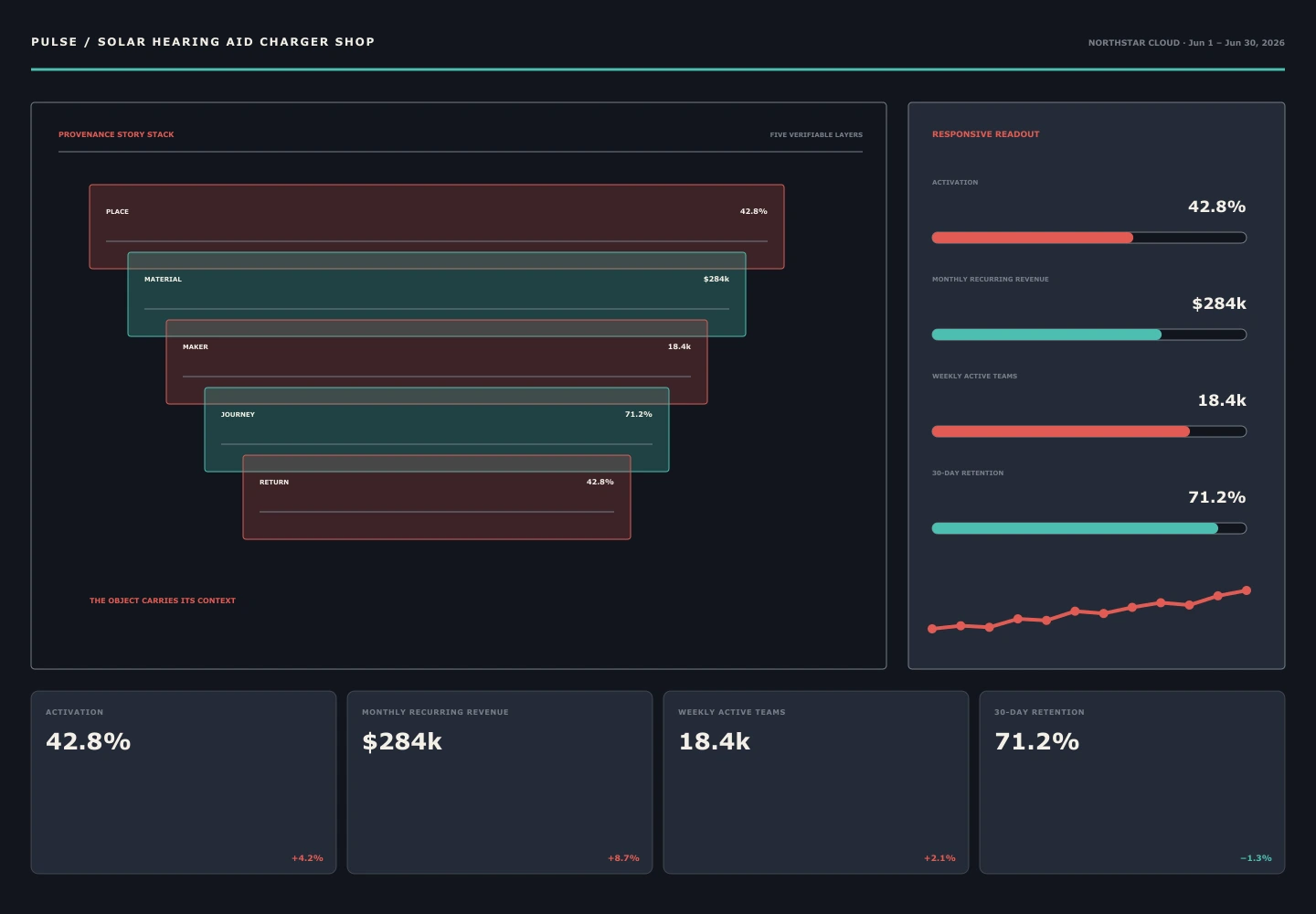
A solar hearing-aid charger shop and Croatian Posavina house use the threshold as climate equipment, combining harvested energy, shaded timber, daily maintenance, and social exchange so environmental response supports ordinary participation.
Bridge 164 · Climate feedback
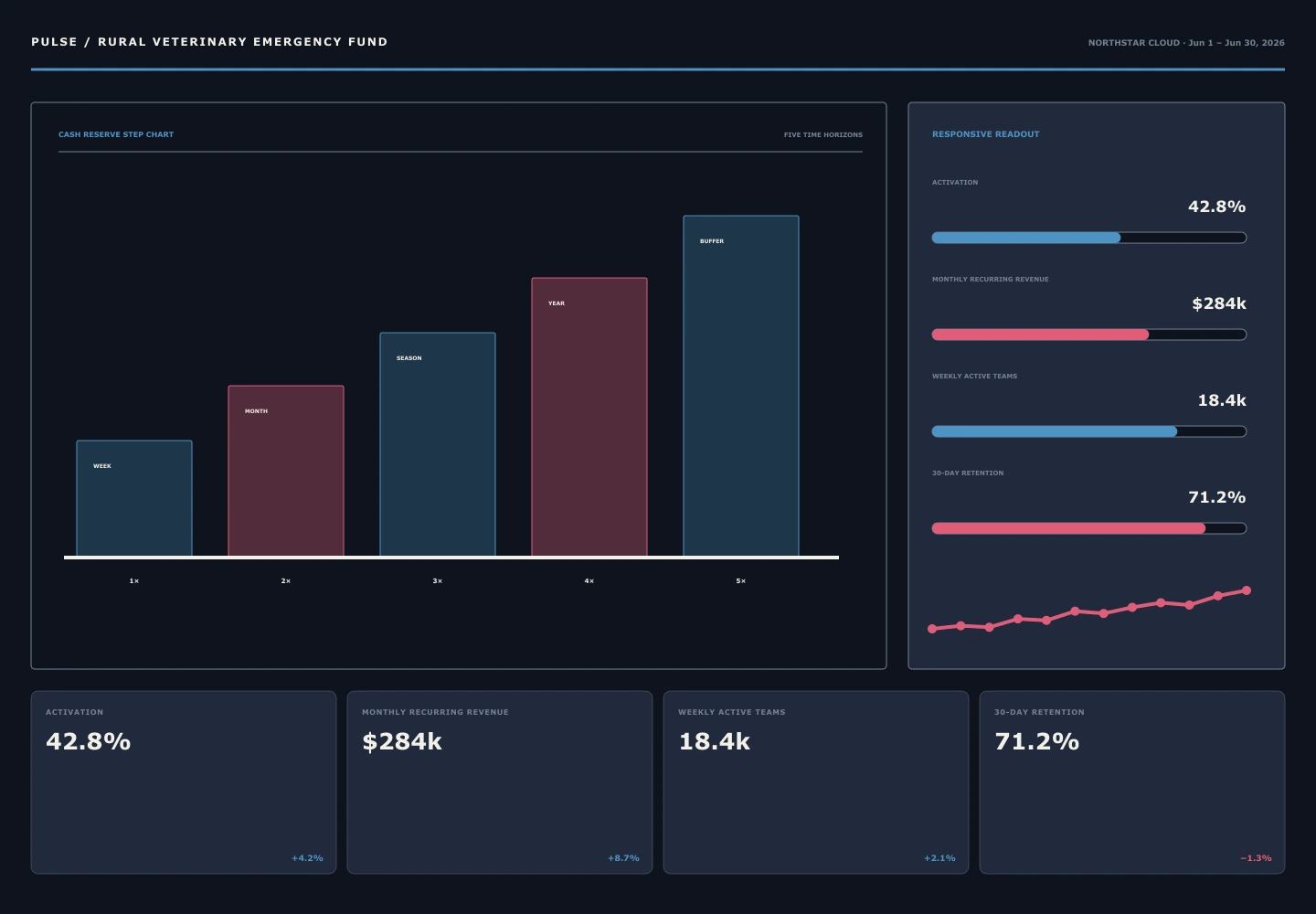
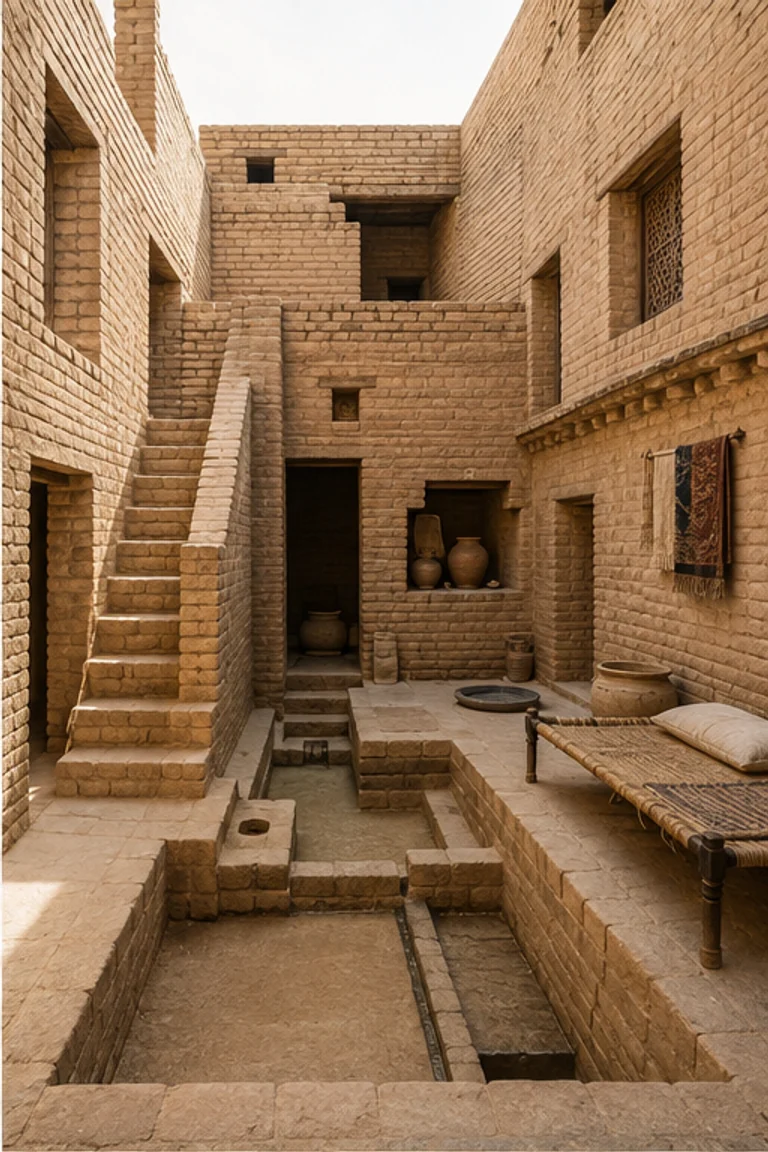
A rural veterinary emergency fund and Indus courtyard house coordinate care around environmental change, joining pooled reserves, shaded courts, protected animals, and seasonal airflow into a resilient household system.
Bridge 165 · Movement and sequence
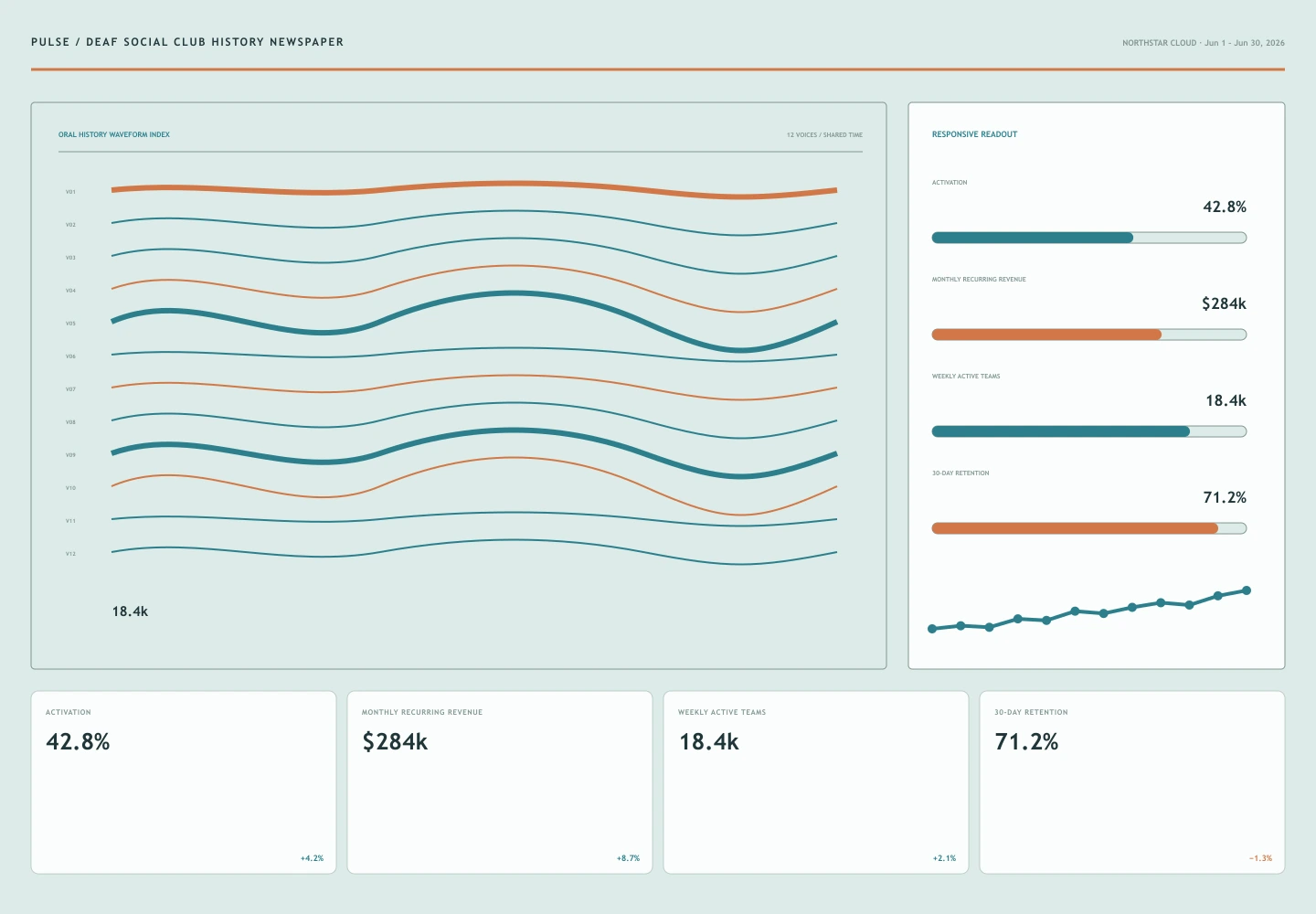
A deaf social-club history newspaper and Yanomami shabono carry collective life through recurring encounters, combining signed accounts, circular circulation, open gathering, and repeated return into a continuously renewed social route.
Bridge 166 · Movement and sequence
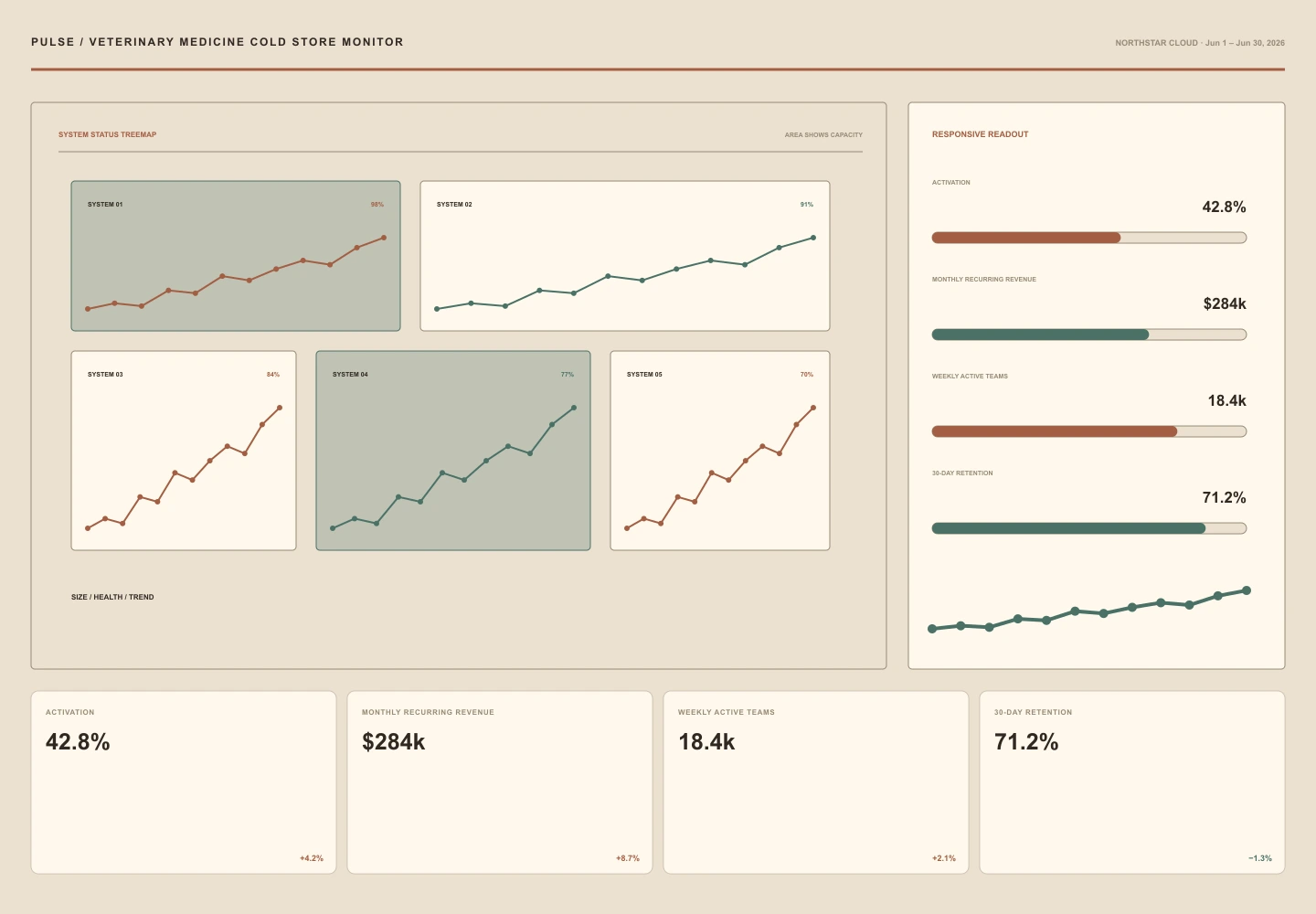
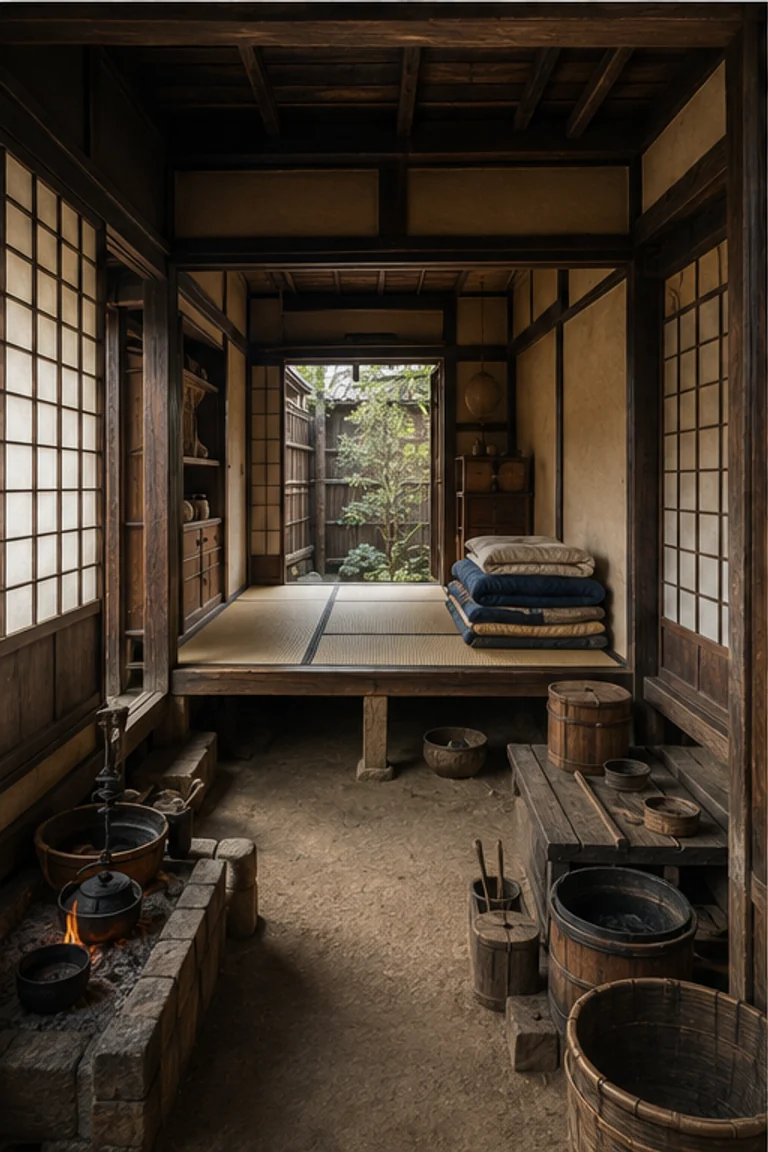
A veterinary medicine cold-store monitor and Japanese nagaya align perishable movement with a linear dwelling, using temperature checkpoints, repeated doors, narrow circulation, and accountable transfers to keep every handoff visible.
Bridge 167 · Archives in use
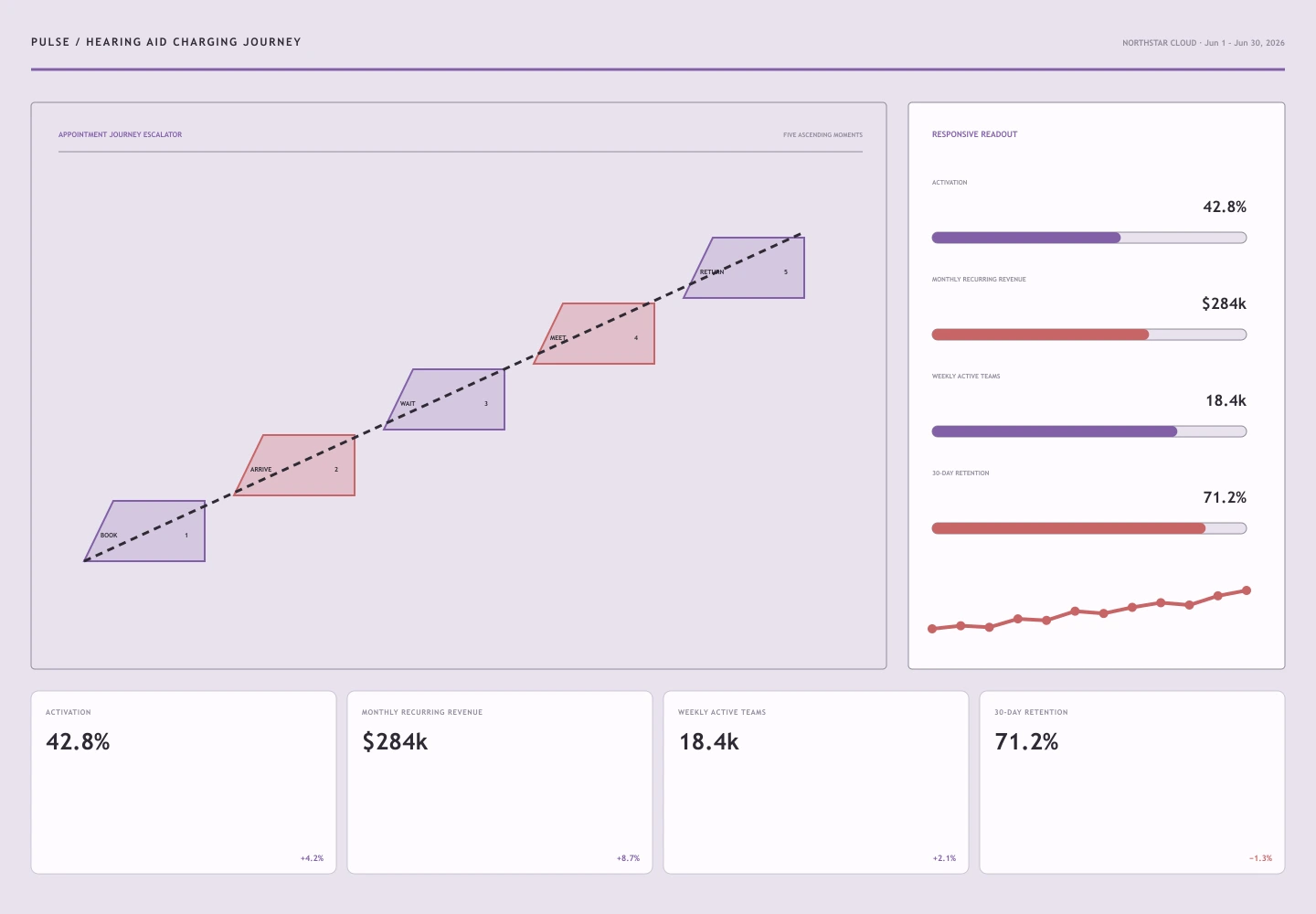
A hearing-aid charging journey and Gilaki rural house connect continuity to familiar domestic rhythms, joining dependable power, raised rooms, recurring tasks, and trusted resting points so participation can resume without losing context.
Bridge 168 · Archives in use
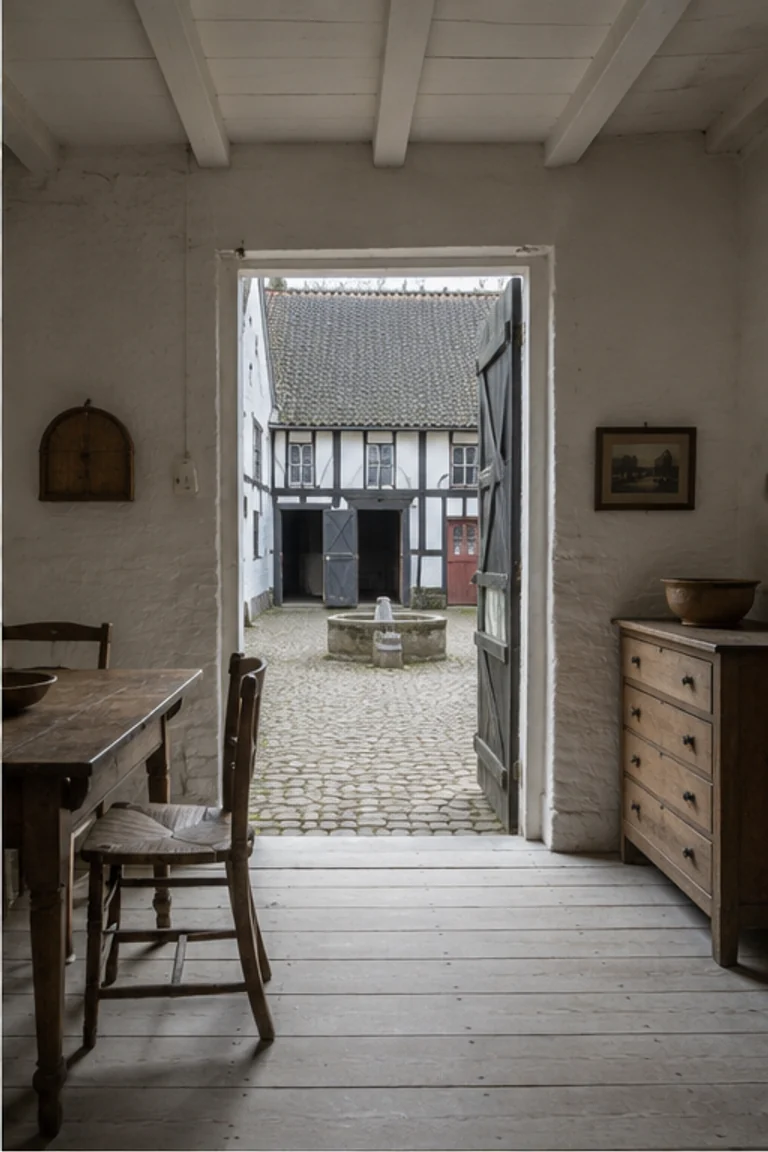
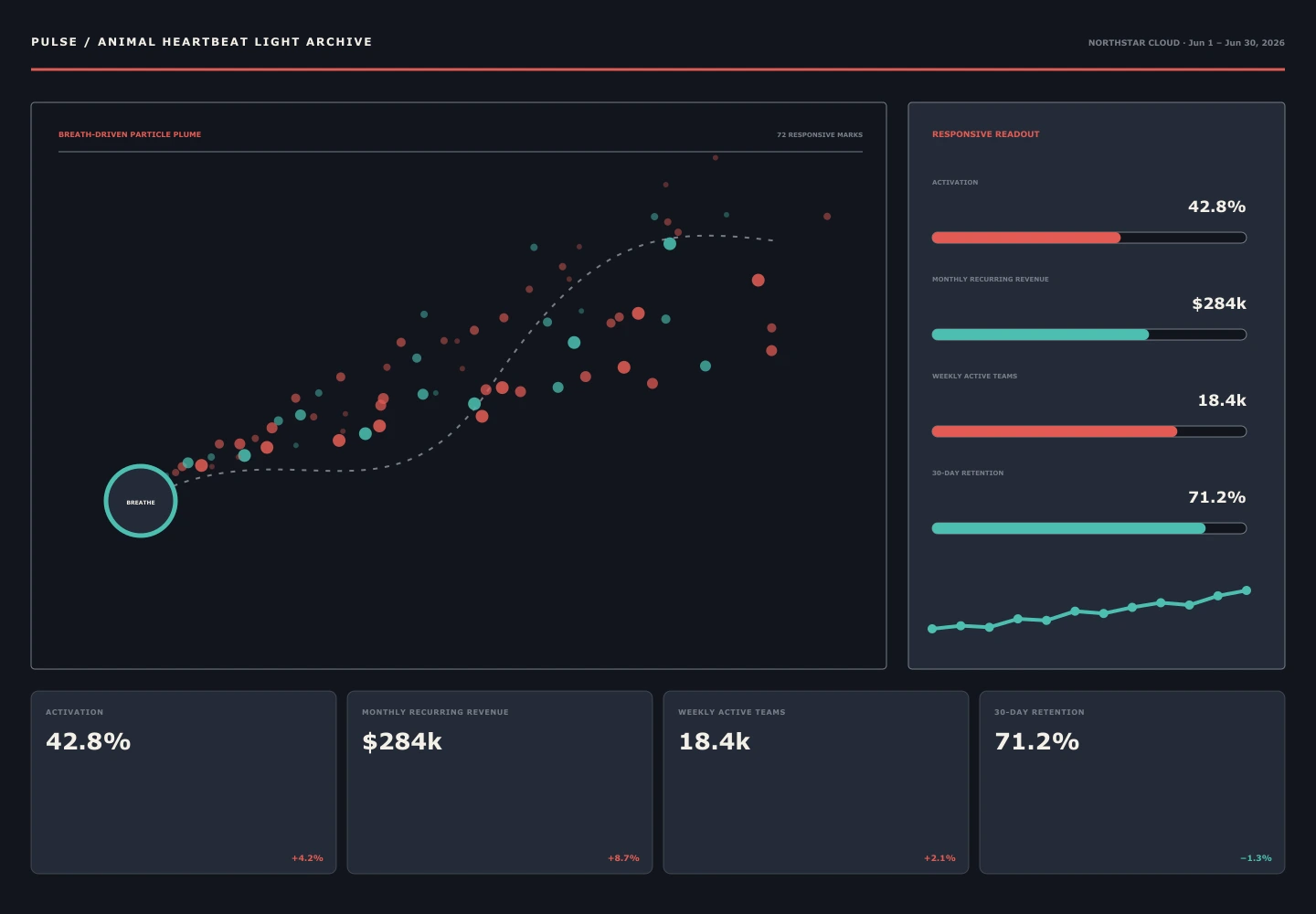
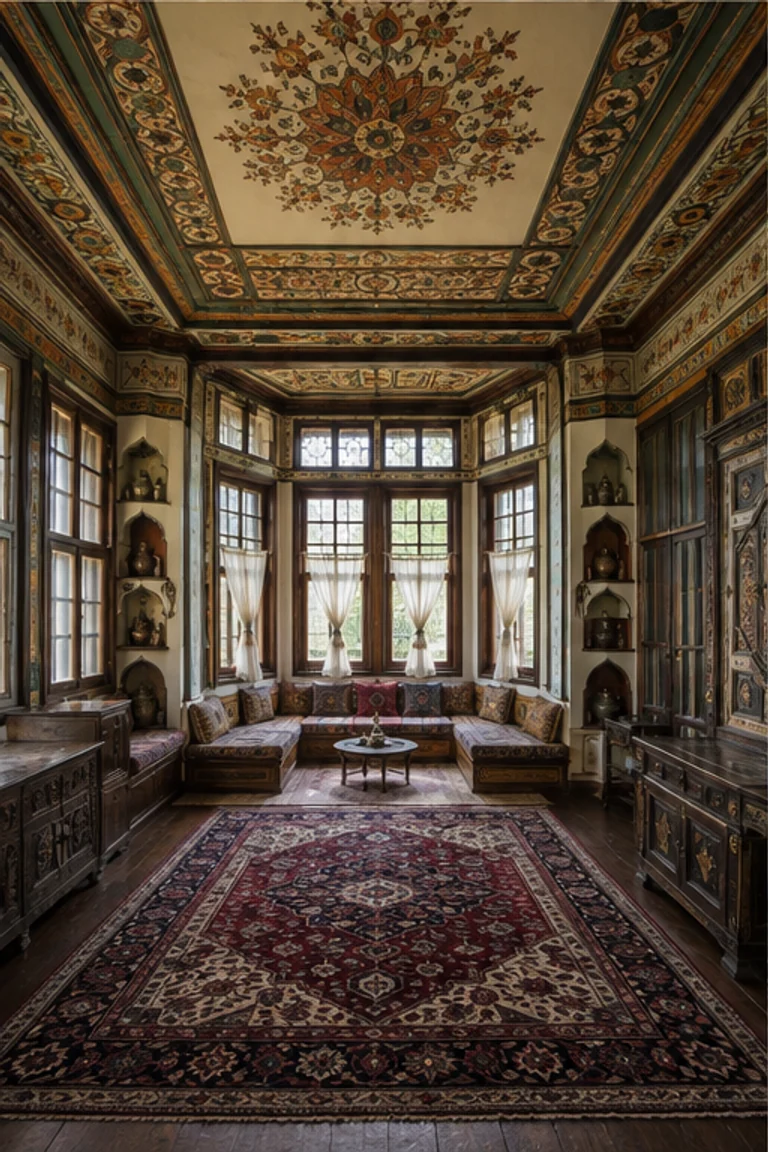
An animal heartbeat light archive and Plovdiv Revival house preserve lived presence through pulses, painted surfaces, accumulated rooms, and repeated observation, letting transient biological traces enter a durable cultural setting.