Architectural and formal · Cairo and Alexandria · 1930s–1960s
Egyptian modernism
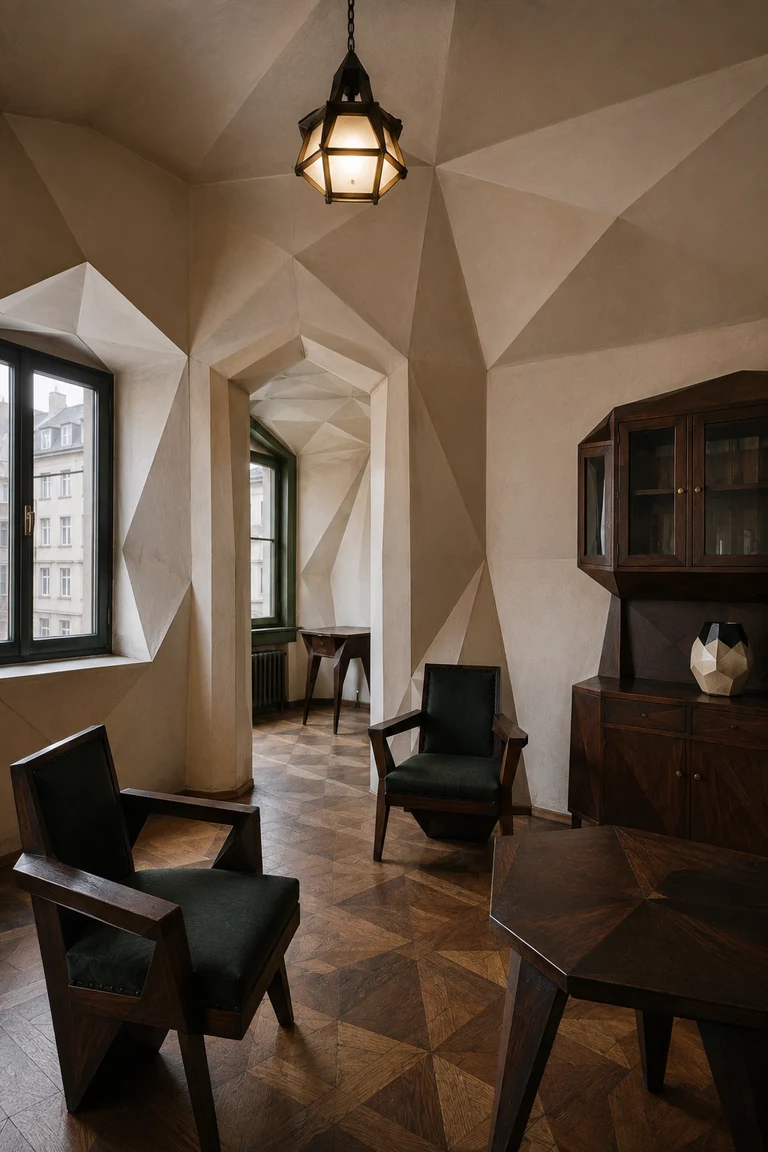
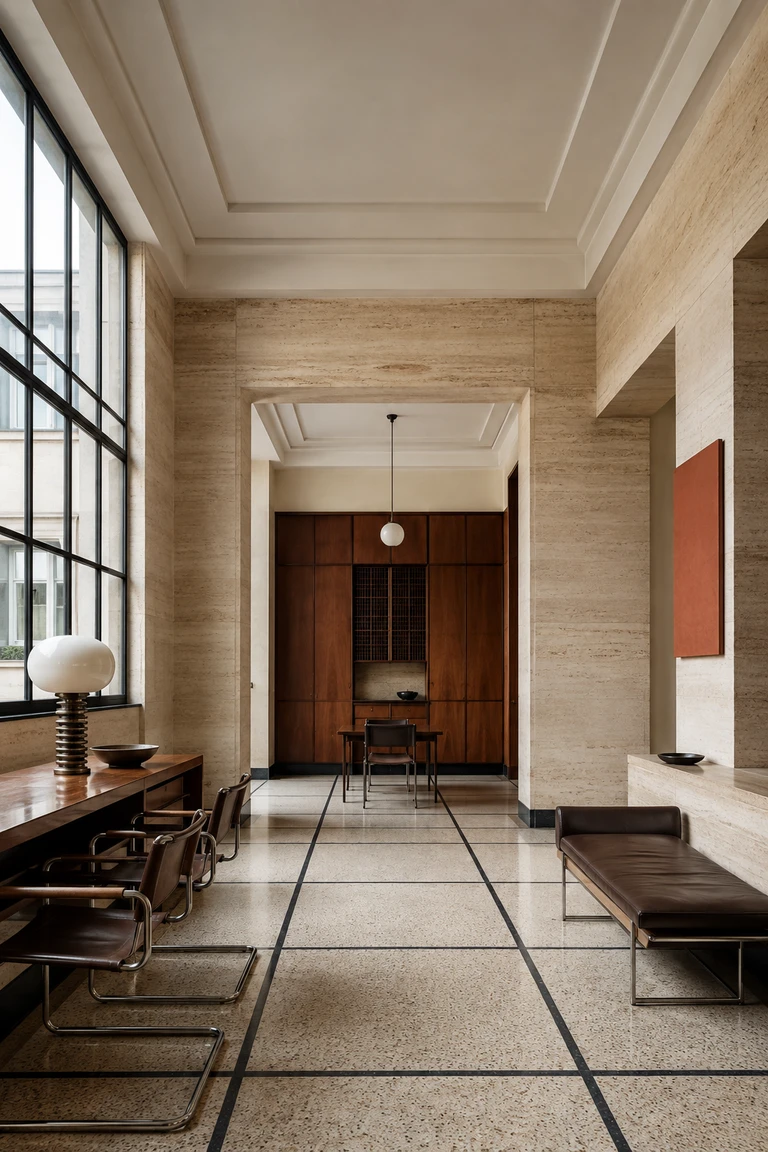
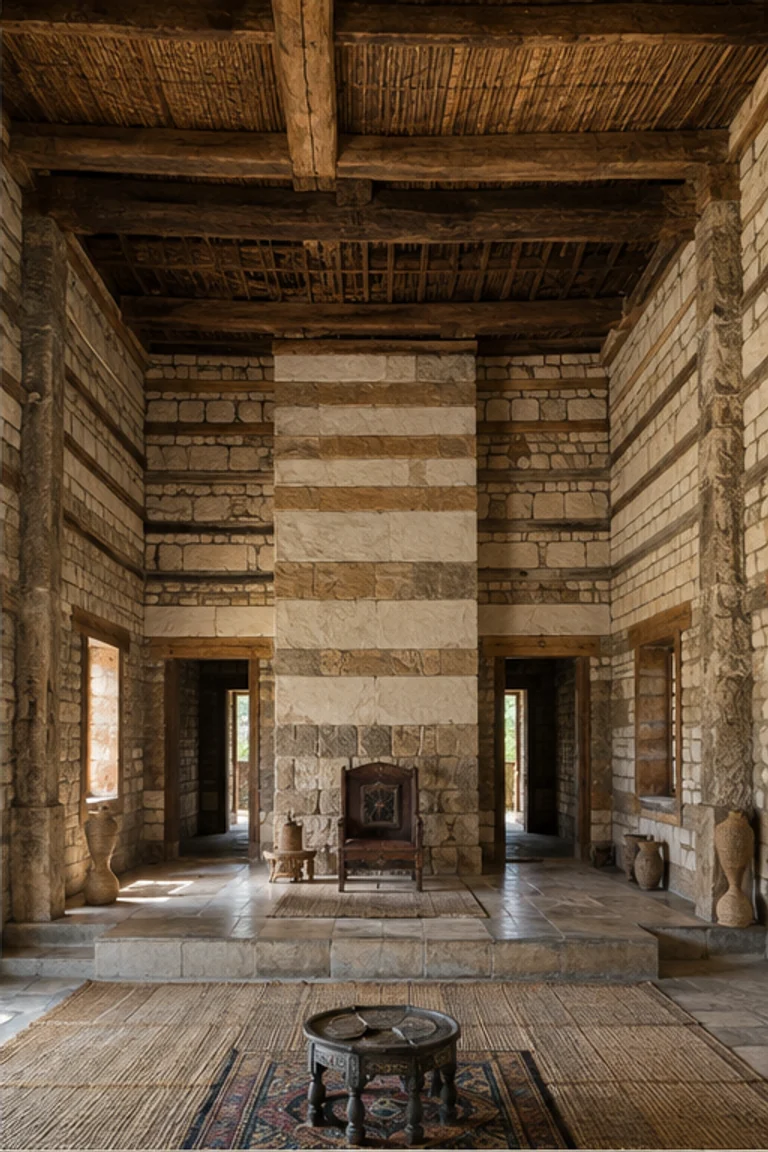
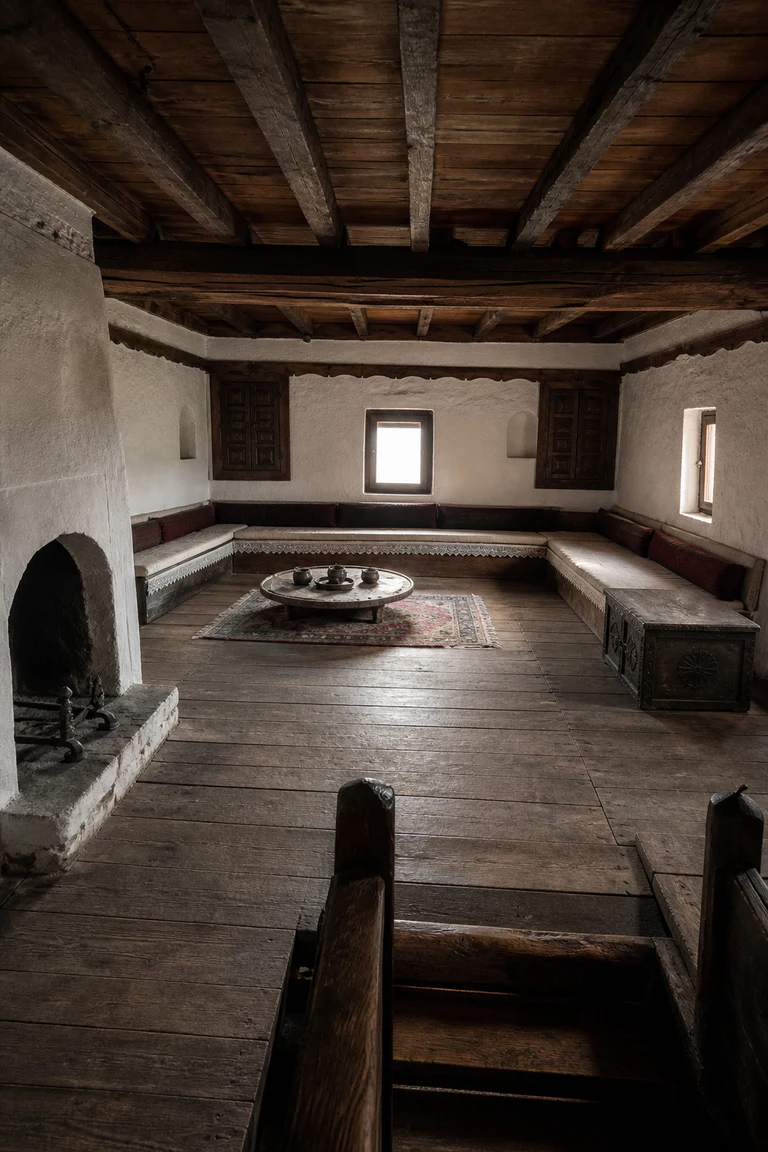
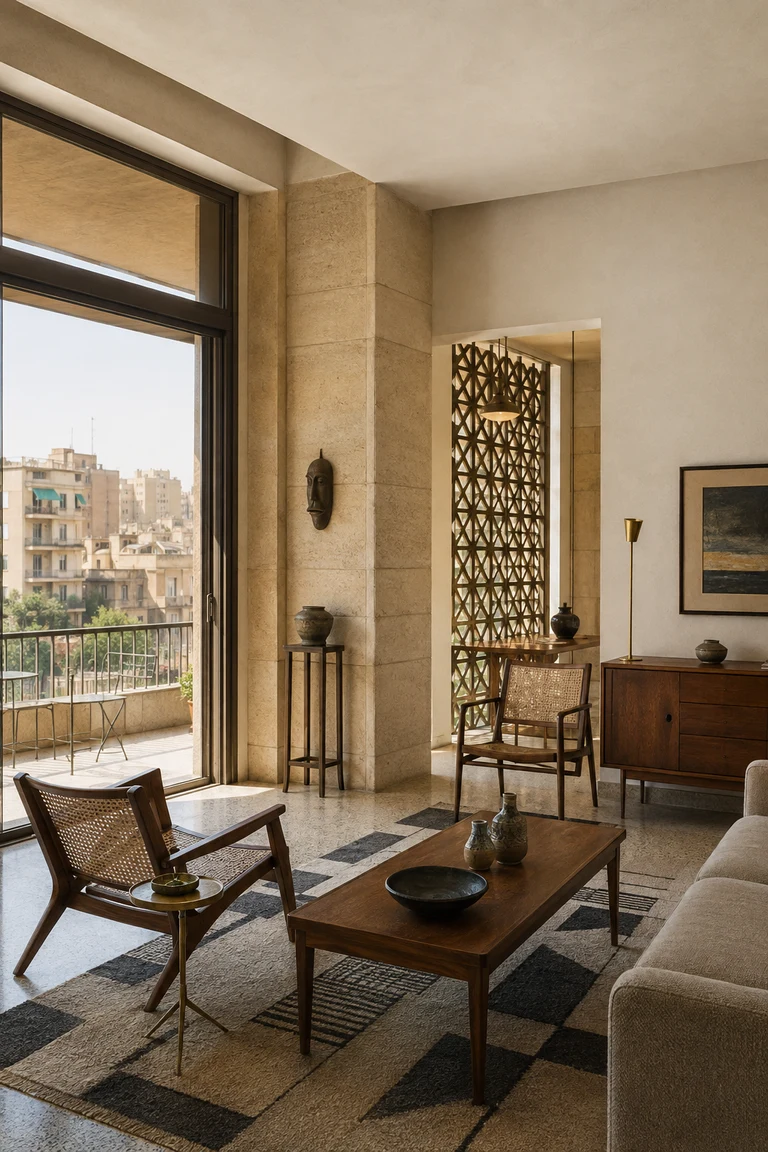
Egyptian modernism interiors combine international modern planning with limestone, terrazzo, teak, cane, brass, and abstracted regional screens suited to dense cities and desert light.
- Archive
- 217
- Mood
- Architectural and formal
02 Field note
How the room is composed
- layout
- Generous salons open to deeply shaded balconies, with aligned rooms, high ceilings, sliding divisions, and integrated screens organizing airflow and social gathering.
- materials
- Egyptian limestone, terrazzo, pale plaster, teak, cane, brass, steel, wool, cotton, and locally made ceramic ground modern assemblies in climate and craft.
- furniture
- Angular teak-and-cane lounge chairs, low rectangular tables, slim-legged cabinets, built-in banquettes, and restrained upholstered sofas balance lightness with formal order.
- lighting
- Balcony overhangs, perforated screens, tall doors, indirect ceiling light, slender brass floor lamps, and compact ceramic lamps temper glare while preserving brightness.
- decoration
- Geometric rugs, abstracted mashrabiya patterns, modern Egyptian art, dark ceramic vessels, and sparse brass accents provide regional continuity without literal historicism.
03 Related rooms
Continue across shared lineages
Neighbors combine mood, historical chapter, material routes, and overlapping palette families.