Decorative and eclectic · Philippines · 18th–early 20th centuries
Filipino bahay na bato
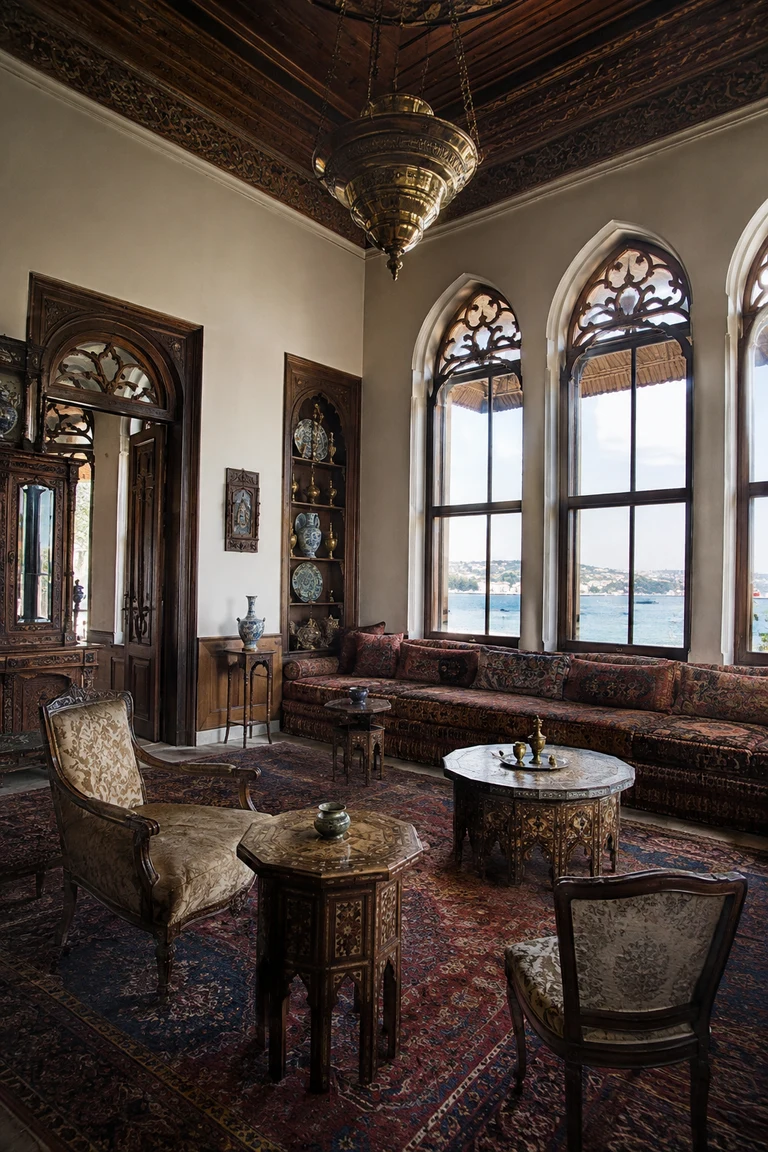
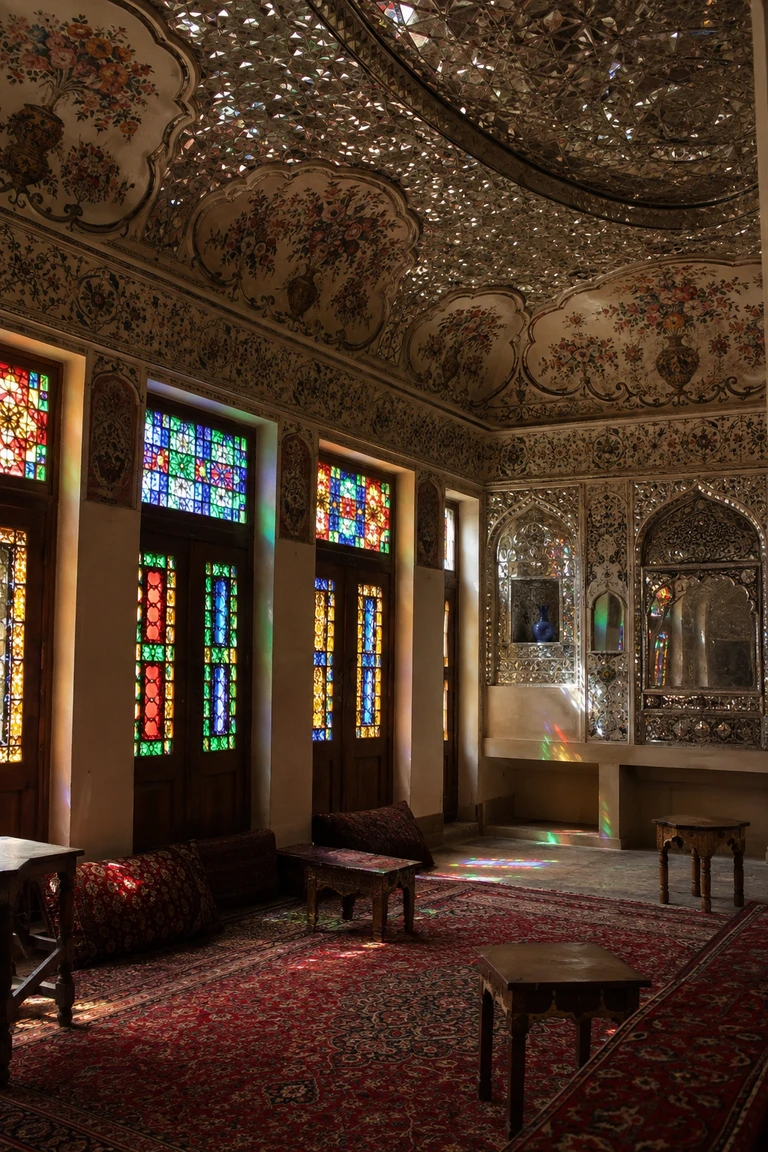
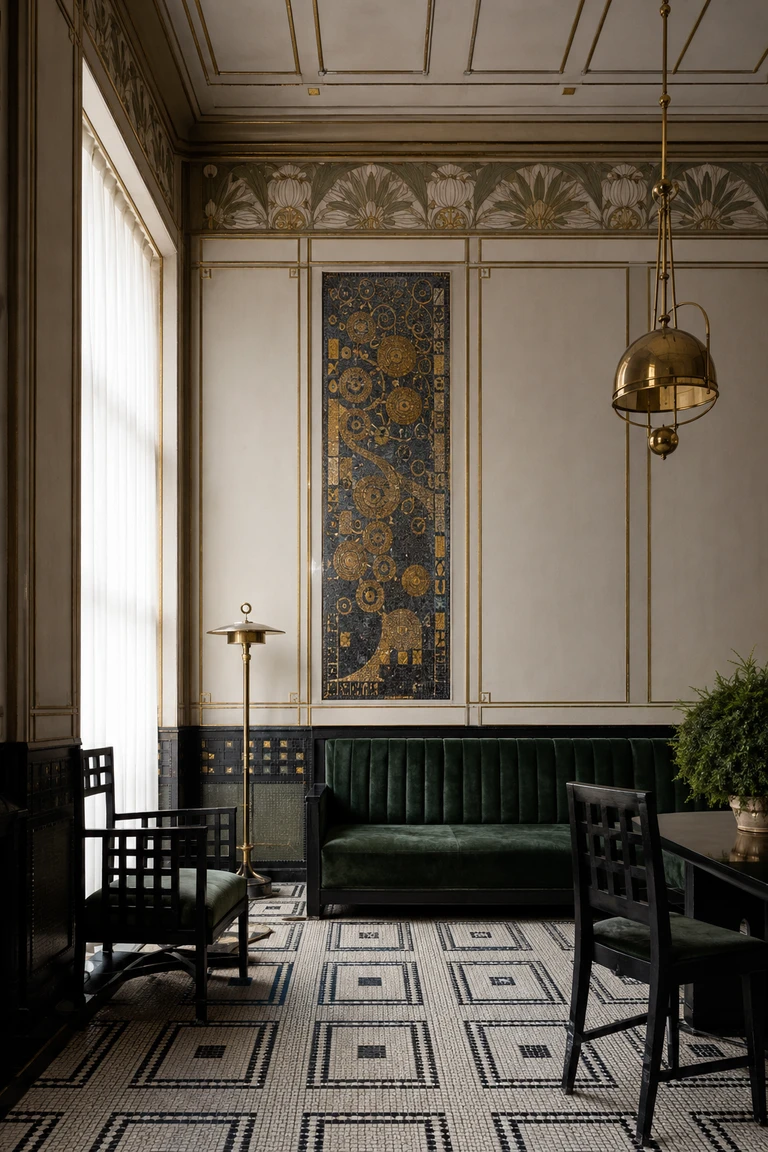
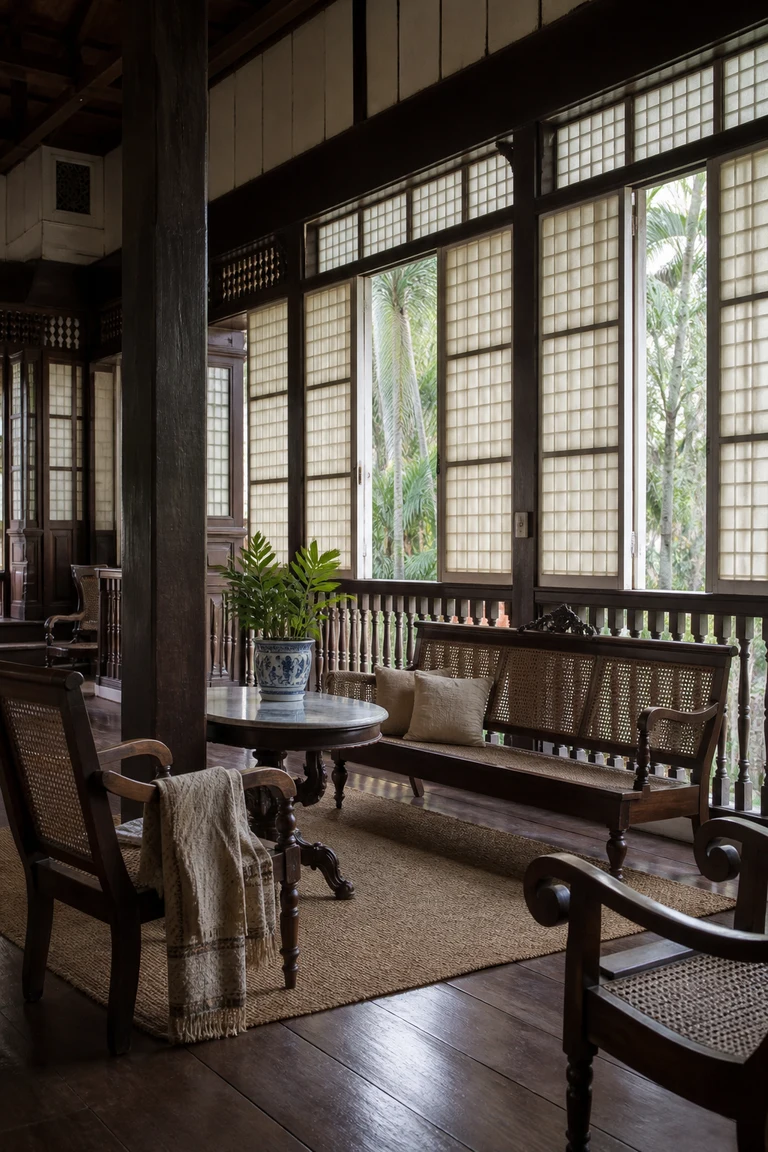
Filipino bahay na bato interiors place airy hardwood living rooms above masonry bases, using capiz-shell windows, ventanillas, cane furniture, and flexible social arrangements for tropical ventilation.
- Archive
- 159
- Mood
- Decorative and eclectic
02 Field note
How the room is composed
- layout
- An elevated upper-floor sala links dining and reception through broad doorways, with furniture held away from continuous window walls and low ventanillas sustaining air movement at seated height.
- materials
- Dense local hardwood, masonry, translucent capiz shell, cane, woven abaca and piña, polished boards, marble, ceramic, and restrained metal fittings balance permanence with permeable lightness.
- furniture
- Cane settees, carved armchairs, marble-topped tables, long benches, compact cabinets, and light occasional pieces remain movable across the broad social floor as breeze and gathering change.
- lighting
- Continuous capiz panels, open ventanillas, deep eaves, high ceilings, pendants, and table lamps distribute pearly daylight while reducing direct tropical glare throughout the long sala.
- decoration
- Fine woven cloth, one blue-and-white vessel, restrained carving, tropical foliage, family-scale objects, and the repeated grid of shell panes provide richness without blocking ventilation.
03 Related rooms
Continue across shared lineages
Neighbors combine mood, historical chapter, material routes, and overlapping palette families.